7 Days in China: 4 Best Itinerary Options for Every Traveler (2026 Guide)

Contents
- Introduction – Why 7 Days Works for China
- The 7-Day Sweet Spot
- How to Choose Your Route – Entry Point & Travel Style
- 4 Routes at a Glance
- Route 1 – Beijing, Xi’an & Chengdu: The Ultimate First-Timer’s China
- Day-by-Day Overview
- Attractions
- How to Get There
- Best For
- Route 2 – Chengdu, Chongqing & Guilin: Pandas, Spicy Food & Karst Landscapes
- Day-by-Day Overview
- Attractions
- How to Get There
- Best For
- Route 3 – Shanghai, Suzhou, Hangzhou & Nanjing: The Classic Jiangnan Water Town Route
- Day-by-Day Overview
- Attractions
- How to Get There
- Best For
- Route 4 – Guangzhou, Shenzhen, Guilin & Yangshuo: The Southern Gateway & Scenic Escape
- Day-by-Day Overview
- Attractions
- How to Get There
- Practical Tips for Your 7-Day China Trip
- 1.High-Speed Rail vs. Flights – What to Use
- 2. Visa Considerations for Short Trips
- 3. Packing & Budget Estimates
Show more
Planning 7 days in China but not sure where to go? This guide introduces four well-designed itinerary options for different travel styles, from classic first-time routes with famous historical cities to food-focused trips, scenic escapes, and modern city breaks. In the sections below, you will find a quick overview of why 7 days works well for China, how to choose the right route, and what to expect from each itinerary in terms of highlights, transportation, and the type of traveler it suits best.
China is a large and diverse country, so planning a short trip can feel overwhelming at first. The good news is that 7 days gives you enough time to explore one region in depth or combine two to three major destinations without making the journey feel rushed. With efficient high-speed rail networks, well-connected domestic flights, and many cities offering very different cultural and scenic experiences, a one-week trip can still be rich, varied, and memorable. This guide highlights four practical 7-day itinerary options, each designed for a different type of traveler.
(Photos from Trip.com)
The best 7-day China itinerary depends on two main factors: where you arrive and what kind of trip you want. Some routes are better for first-time visitors who want to see famous landmarks, while others are more suitable for travelers interested in food, scenery, or a relaxed regional journey. Choosing a route that matches both your arrival city and travel style can help you save time and make the trip feel more natural.
| Travel Preference | Recommended Route Style | Why It Works |
| First trip to China | Northern historical route | Ideal for travelers who want to see famous landmarks and classic cultural highlights |
| Food and local flavors | Western or southwestern route | A strong choice for regional cuisine, lively city culture, and memorable dining experiences |
| Gardens, lakes, and elegant cities | Eastern Jiangnan route | Well suited to travelers who prefer scenic cities, cultural sites, and a gentler pace |
| Warm weather and mixed experiences | Southern route | A good fit for those who want a blend of modern cities and natural landscapes |
| Fixed arrival city | Route based on your entry point | Helps reduce extra travel time and makes the itinerary more efficient |
(Photos from Trip.com)
| Route | Destinations | Main Highlights | Best For |
| Route 1 | Beijing, Xi’an, Chengdu | Historic landmarks, ancient capitals, pandas, iconic first-time experiences | First-time visitors |
| Route 2 | Chengdu, Chongqing, Guilin | Pandas, spicy food, river city culture, karst scenery | Food lovers and scenery seekers |
| Route 3 | Shanghai, Suzhou, Hangzhou, Nanjing | Modern skyline, classical gardens, lake views, Jiangnan culture | Culture lovers and relaxed city travelers |
| Route 4 | Guangzhou, Shenzhen, Guilin, Yangshuo | Cantonese food, modern southern cities, limestone landscapes, countryside escape | Mixed city-and-nature travelers |
For travelers visiting China for the first time, this route brings together three of the country’s most recognizable experiences: imperial history in Beijing, ancient heritage in Xi’an, and everyday culture with a gentler pace in Chengdu. It offers a balanced mix of famous landmarks, local food, and distinct city character, making it one of the easiest and most rewarding ways to spend 7 days in China.
Beijing
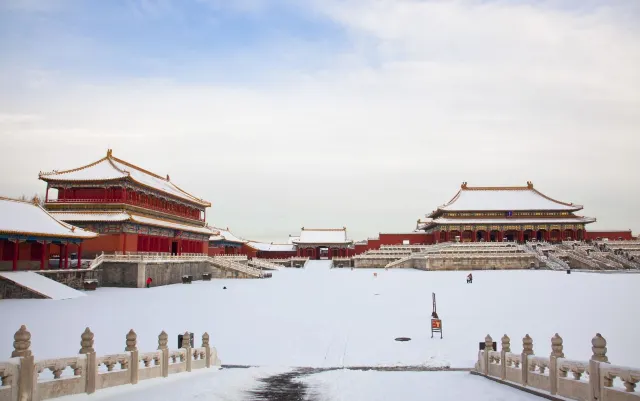
The Forbidden City is one of the most iconic landmarks in Beijing and a must-see for first-time visitors. Once the imperial palace of Chinese emperors, it is known for its grand halls, vast courtyards, and traditional architecture. Walking through the complex gives travelers a clearer sense of China’s dynastic past and the scale of imperial power. It is also one of the best places to begin understanding the historical heart of the capital.
 Guide Li (Xiao Hai) led me on a tour of the National Museum of China and the Forbidden City. His explanations were exceptionally vivid and detailed, rich in knowledge, and he told the stories of the national treasures in a captivating way. He was patient and responsible throughout the tour, making for a wonderful experience! I was initially worried that the National Museum of China and the Forbidden City would be very tiring, but it turned out to be quite enjoyable. Guide Li also took good care of us elderly people and children, and the itinerary was very comfortable.
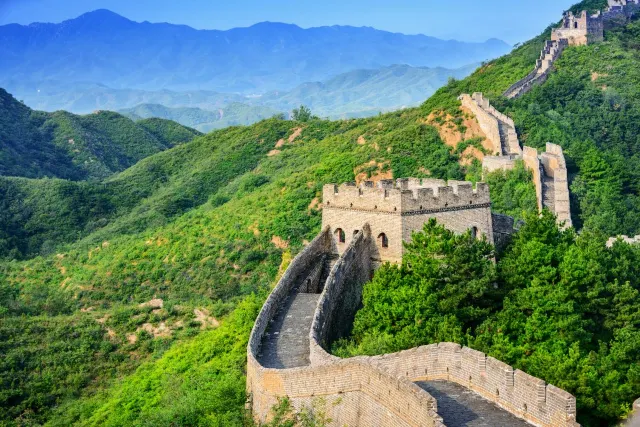
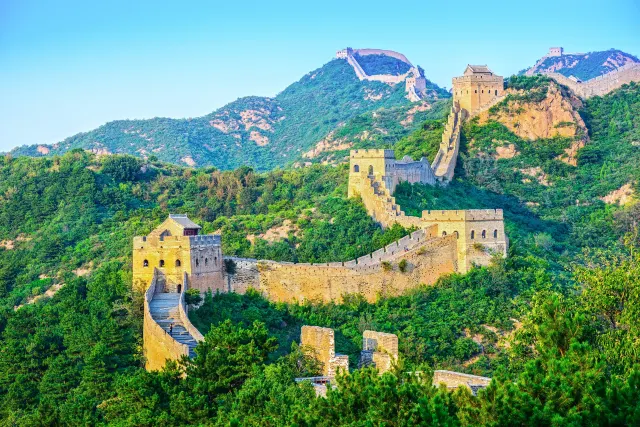
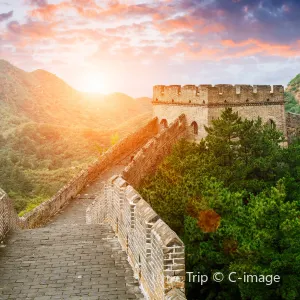
Visiting the Great Wall is one of the most memorable experiences in a first trip to China. Stretching across mountains and ridges, it offers both historical significance and dramatic views. Different sections near Beijing provide different travel experiences, from easier walks to more rugged scenery. For many travelers, it is not only a famous landmark but also one of the highlights of the entire journey.

Xi’an
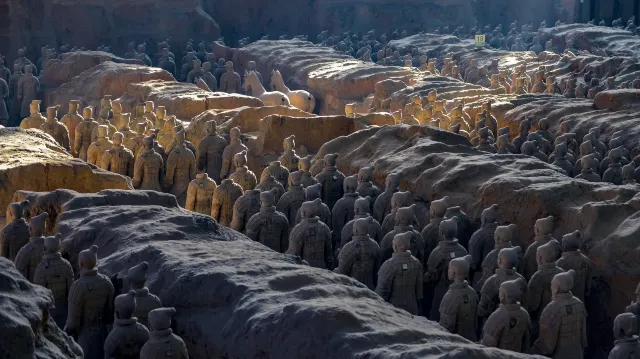
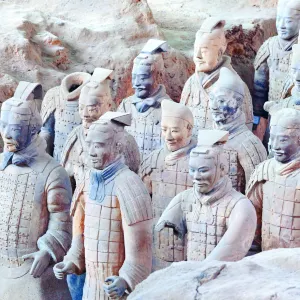
The Terracotta Army is one of China’s most famous archaeological discoveries and a major reason many travelers include Xi’an in their itinerary. The site is known for its large collection of life-sized figures, each reflecting remarkable craftsmanship and historical importance. Visiting it offers a striking look into the legacy of ancient China and the world of the Qin Dynasty. It is especially rewarding for travelers interested in history, archaeology, and cultural heritage.

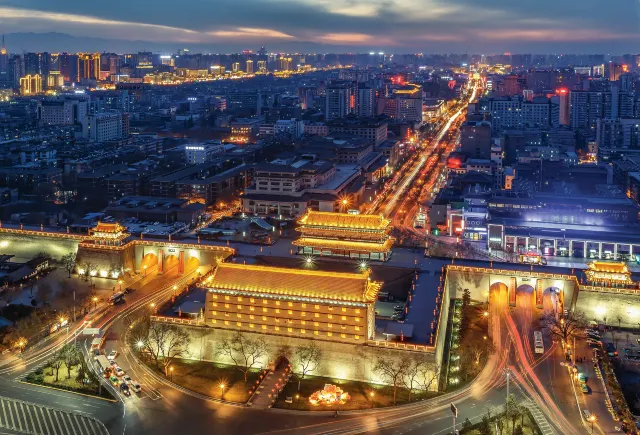
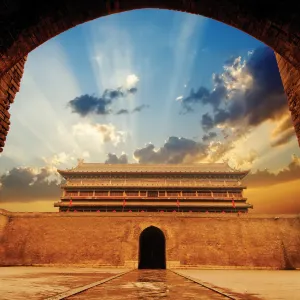
Xi’an City Wall is one of the city’s best-preserved historic landmarks and an important symbol of its ancient past. It surrounds the old city area and gives visitors a strong sense of Xi’an’s role as a former capital. The wall is often appreciated not only for its history, but also for the broad views it offers over both old and new parts of the city. It is a great stop for travelers who want to combine sightseeing with a deeper sense of place.
Chengdu
This is Chengdu’s most famous attraction and one of the best-known places in China for seeing giant pandas. The base is especially popular with first-time visitors, families, and animal lovers who want to experience one of the country’s most recognizable symbols. In addition to the pandas themselves, the setting offers a more relaxed atmosphere compared with many big-city sightseeing spots. It is often one of the most memorable and photogenic stops on a Chengdu itinerary.



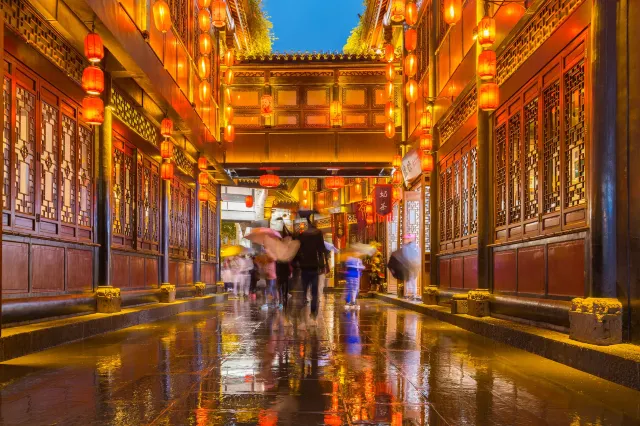
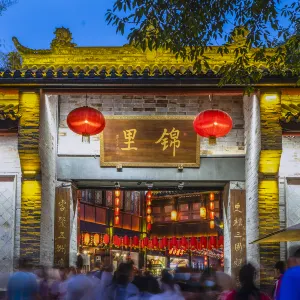
Jinli Ancient Street is a lively and accessible place to experience a more traditional side of Chengdu. The street is lined with local snack shops, teahouses, and architecture styled to reflect historical charm. It is especially popular in the late afternoon and evening, when the area feels more atmospheric and full of local energy. For many travelers, it is an easy and enjoyable stop for food, walking, and soaking up the city’s character.

| Route Segment | High-Speed Rail | Flight | Best For |
| Beijing → Xi’an | Usually around 4h10m–6h43m | Usually around 2.5 hours in the air | Choose high-speed rail if you prefer a smoother city-center to city-center journey and want to avoid airport transfers. Choose a flight if you are more focused on reducing in-transit time between major stops. |
| Xi’an → Chengdu | Usually around 3h–4.5h | Usually around 1.5 hours in the air | Choose high-speed rail if you want a convenient, comfortable transfer with less airport hassle. Choose a flight if you prefer the quickest long-distance connection and want to keep more sightseeing time in your schedule. |



If you want a 7-day China itinerary that feels flavorful, scenic, and full of local character, this route is a strong choice. Chengdu and Chongqing bring together some of southwest China’s most memorable food and urban energy, while Guilin adds a softer, more scenic contrast with its famous karst landscapes. Compared with a more history-heavy route, this itinerary is especially appealing to travelers who want a mix of city life, regional cuisine, and natural beauty.
Chengdu
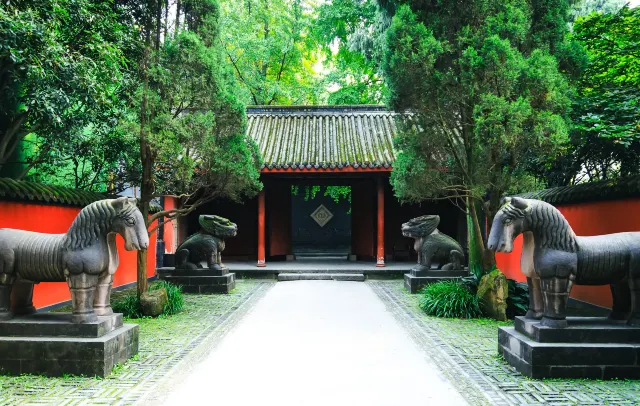
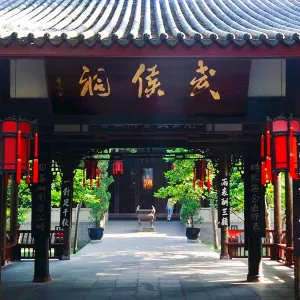
Beyond the two classic highlights mentioned earlier, Chengdu also has plenty of other worthwhile attractions to explore. Wuhou Shrine is one of the city’s most important historical sites and is closely associated with the Three Kingdoms period. It is often visited by travelers who want to explore a more cultural and literary side of Chengdu beyond its food and relaxed lifestyle. With its traditional architecture and strong historical symbolism, it offers a deeper look at the city’s cultural identity.

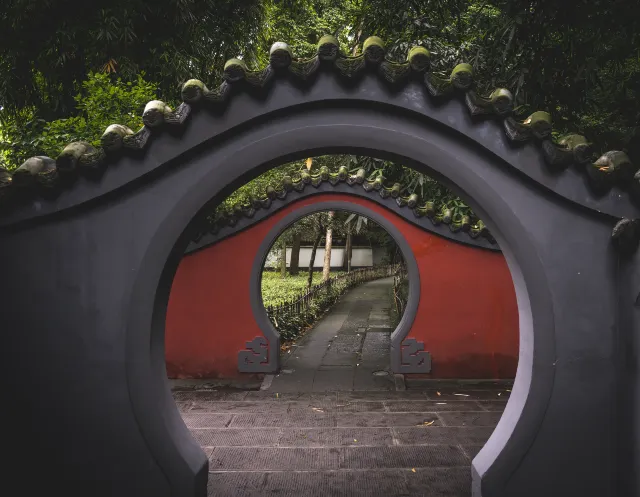
Du Fu Thatched Cottage is one of Chengdu’s best-known cultural attractions and a meaningful stop for travelers interested in classical Chinese literature. The site is associated with Du Fu, one of China’s most celebrated poets, and is valued for both its cultural significance and peaceful setting. With its traditional gardens, pavilions, and quiet pathways, it presents a gentler side of Chengdu that contrasts nicely with the city’s lively food streets. For many visitors, it is a rewarding place to experience Chengdu’s cultural depth and slower rhythm.


Chongqing
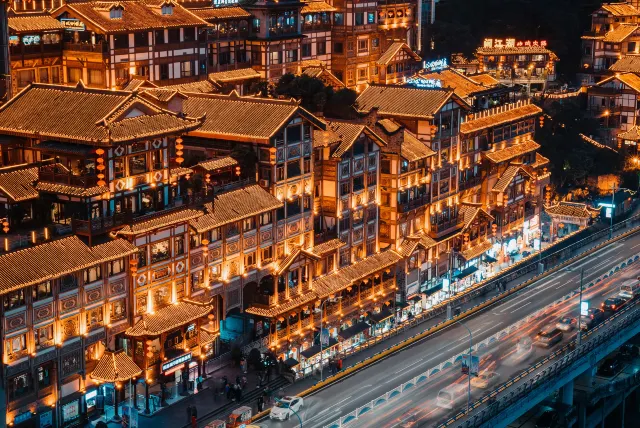
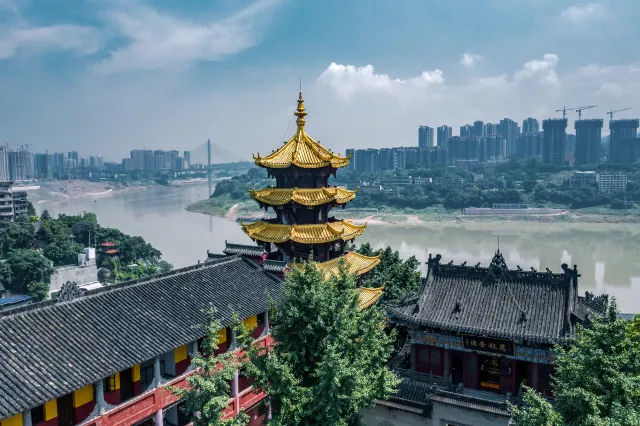
Hongya Cave is one of Chongqing’s most recognizable landmarks and a popular stop for travelers wanting to experience the city’s dramatic urban setting. Built into the hillside and facing the river, the complex is known for its layered architecture, lively atmosphere, and striking nighttime appearance. It is especially appealing to visitors because it reflects the city’s unique geography and energetic character in a way that feels very different from other major cities in China. For many people, it is one of the best places to get a visual sense of what makes Chongqing so distinctive.


Ciqikou Ancient Town offers a more traditional side of Chongqing and is often chosen by travelers who want to combine sightseeing with local snacks and street life. The area is known for its old-style lanes, historic atmosphere, and busy rows of small shops and food vendors. While it is a popular tourist stop, it still gives visitors a useful sense of the city’s cultural texture beyond its modern skyline and steep roads. It is a good place to slow down, explore on foot, and enjoy the everyday energy of the city.


Guilin
The Li River is the landscape most closely associated with Guilin and one of the most famous natural sights in China. Known for its striking karst peaks, gentle river scenery, and poetic atmosphere, it represents a very different side of the country from the dense urban environments of Chengdu and Chongqing. For many travelers, this part of the route feels like a visual reset, with more open views and a quieter, more scenic experience. It is especially rewarding for visitors who want to add classic Chinese landscape scenery to their 7-day trip.



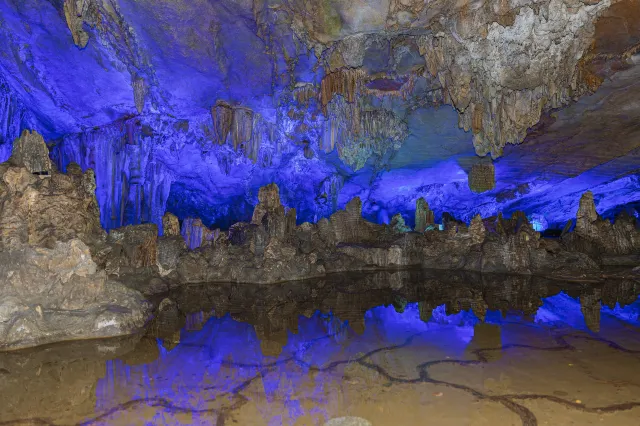
Reed Flute Cave is one of Guilin’s best-known natural attractions and a popular stop for travelers interested in unusual rock formations. Inside the cave, visitors can see a range of limestone features that have made it one of the city’s most recognizable sightseeing spots. It offers a different type of natural experience from the river and mountains, adding variety to a Guilin itinerary. For travelers with limited time, it is an easy way to experience another side of the region’s scenic appeal.

| Route Segment | High-Speed Rail | Flight | Best For |
| Chengdu → Chongqing | Usually around 1h–3h | Flights are available on this route, but for a short intercity connection, rail is usually the more practical option overall | High-speed rail is best for most travelers because the journey is short, frequent, and convenient. A flight may suit travelers with very specific flight connections, but it is usually less efficient for this segment. |
| Chongqing → Guilin | Usually around 3.5h–5.5h | Direct flight usually around 1h35m | Choose high-speed rail if you prefer a more relaxed journey and easier station access. Choose a flight if you want to save time on a longer transfer and keep the itinerary moving quickly. |

If you prefer elegant cities, classical gardens, lakeside scenery, and a gentler travel rhythm, this East China route is one of the easiest 7-day options to combine in a single trip. Shanghai adds a modern metropolitan edge, while Suzhou, Hangzhou, and Nanjing bring in the refined cultural atmosphere that many travelers associate with Jiangnan. Because these cities are well connected by high-speed rail, this itinerary works especially well for travelers who want to see more without spending too much time in transit.
Shanghai
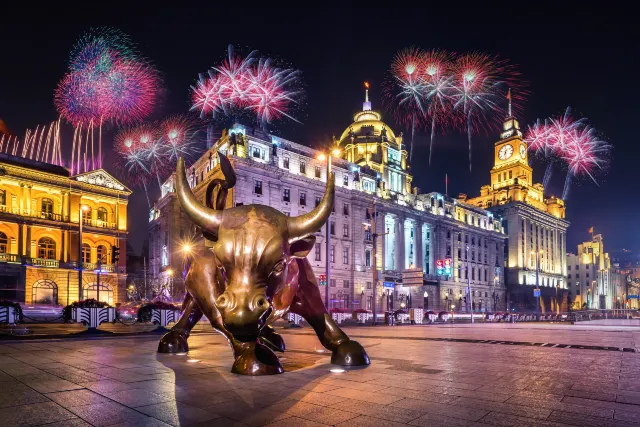
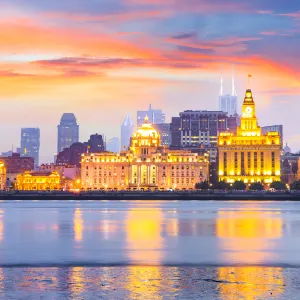
The Bund is Shanghai’s most iconic waterfront area and one of the city’s essential first-time experiences. It is known for its historic riverfront buildings on one side and its famous views of Pudong’s modern skyline on the other. This contrast makes it one of the best places to understand Shanghai’s mix of old-world character and contemporary energy. It is especially appealing in the late afternoon and evening, when the skyline and riverfront lights create one of the city’s most memorable views.

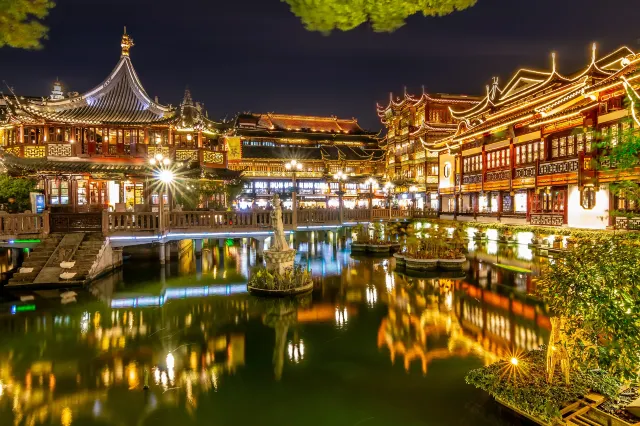
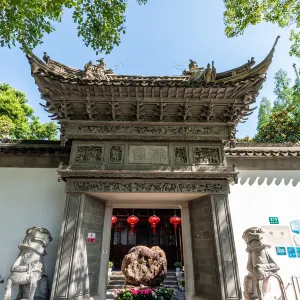
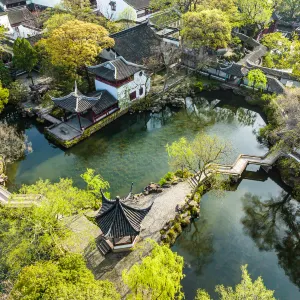
Yu Garden is one of Shanghai’s best-known traditional attractions and offers a very different atmosphere from the city’s modern business districts. The area is known for its classical garden design, traditional architecture, and long-standing cultural significance within the old city. For travelers who want more than skyline photos, it adds a strong sense of historical texture to a Shanghai itinerary. It also works well as a stop for visitors interested in seeing a more traditional and visually detailed side of the city.
Suzhou
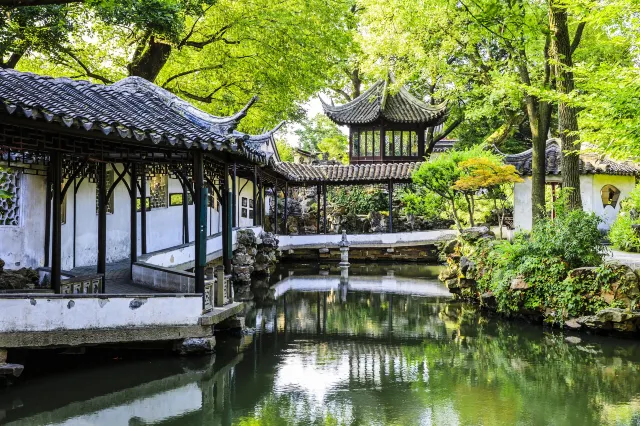
Humble Administrator’s Garden is Suzhou’s best-known classical garden and is widely regarded as the city’s signature attraction. It is celebrated for its elegant water features, pavilions, rockeries, and carefully balanced Jiangnan garden design. For many travelers, this is the place that best captures the refined aesthetic Suzhou is famous for. It is especially rewarding for visitors who enjoy quieter sightseeing, traditional landscaping, and a more poetic travel atmosphere.

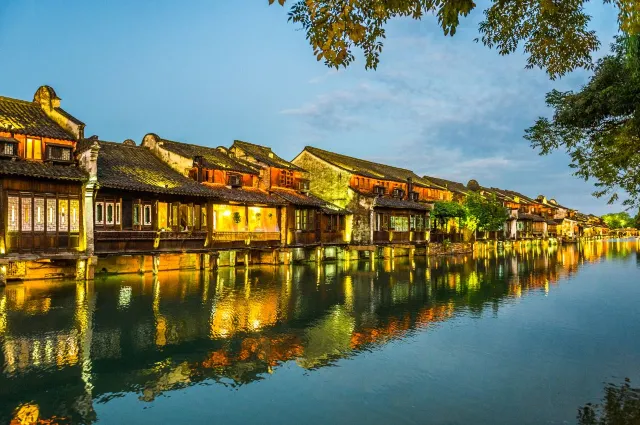
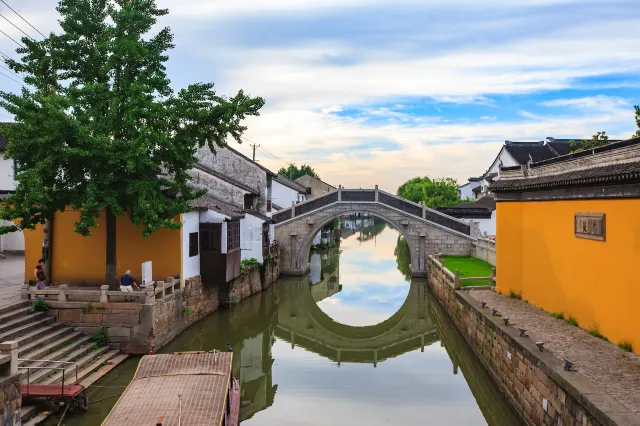
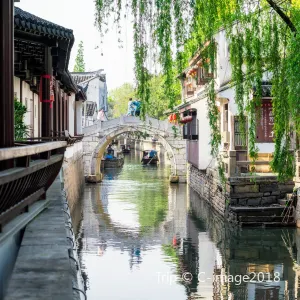
Pingjiang Road is one of Suzhou’s best-preserved historic streets and a classic place to experience the city’s canal-side charm. Running alongside the old waterway, it is known for its stone bridges, white-walled houses, teahouses, and small local shops. Compared with a formal garden visit, it offers a more lived-in and atmospheric side of Suzhou. It is a very easy place to slow down, walk, snack, and enjoy the everyday character of an old Jiangnan neighborhood.

Hangzhou
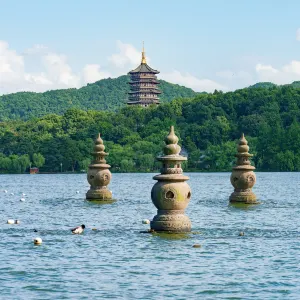
West Lake is the landmark most closely associated with Hangzhou and one of China’s best-known cultural landscapes. It is admired for its willow-lined causeways, pagodas, surrounding hills, and long connection to Chinese poetry and painting. For many travelers, Hangzhou feels inseparable from West Lake because the lake defines both the city’s image and its travel experience. It is ideal for visitors who want scenery, walking, and a calmer pace in the middle of a multi-city journey.
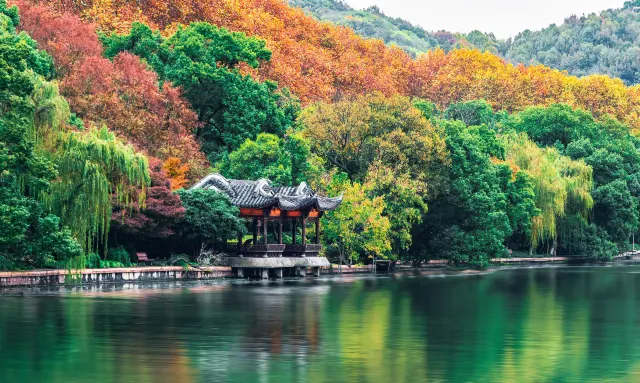

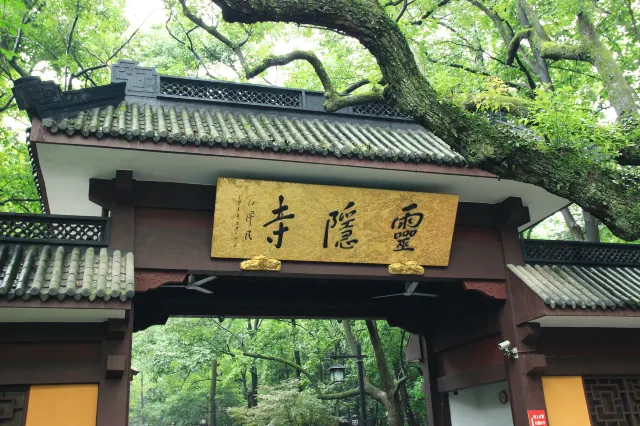
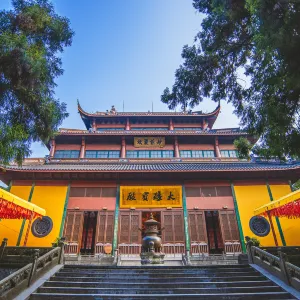
Lingyin Temple is one of Hangzhou’s most important cultural and religious landmarks and one of the oldest and most significant Buddhist temples in China. Set in a forested area northwest of West Lake, it combines spiritual atmosphere with a scenic natural setting. It offers a meaningful contrast to the open, leisurely experience of the lake by adding a more contemplative and historic dimension to the city. For travelers interested in temples, culture, and quieter surroundings, it is one of Hangzhou’s most rewarding stops.

Nanjing
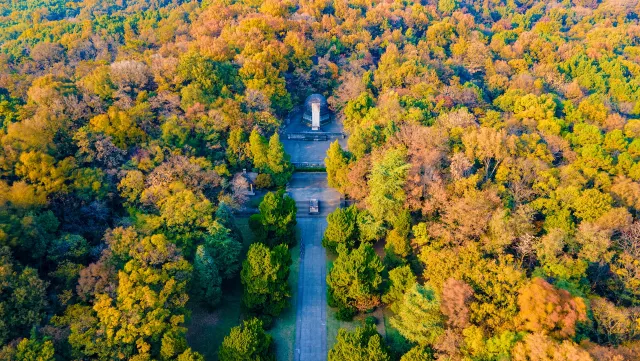
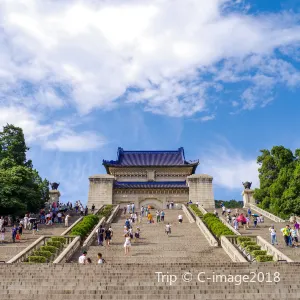
Dr. Sun Yat-sen’s Mausoleum is one of Nanjing’s most important historical sites and a major symbol of modern Chinese history. Located in the Zhongshan Scenic Area, it is known for its grand axial layout, blue-tiled roof, and formal monumental style. The site appeals to travelers who want to add political and historical depth to a Jiangnan itinerary that might otherwise focus more on scenery and classical culture. It also gives Nanjing a more stately and reflective tone compared with the softer atmosphere of Suzhou and Hangzhou.

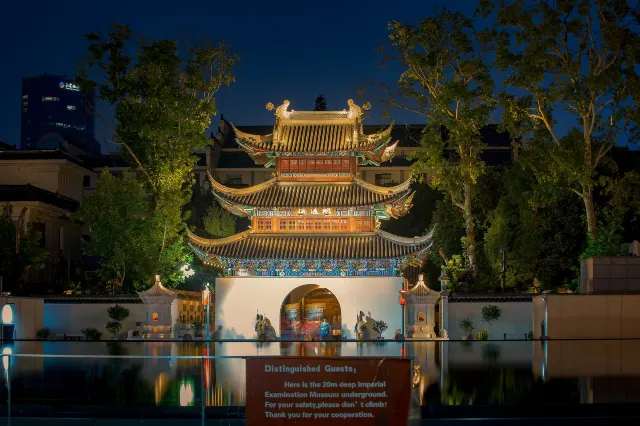
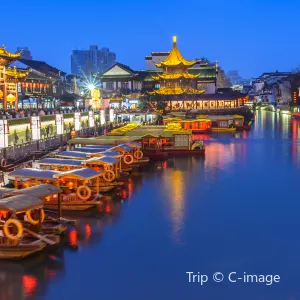
The Confucius Temple area is one of Nanjing’s most popular visitor districts and combines heritage, riverside atmosphere, food, and street life in one stop. Centered around the historic temple and the Qinhuai River area, it is known for traditional-style architecture, shops, snack streets, and a lively evening setting. It works especially well for travelers who want a final stop that feels cultural but still easy and enjoyable to explore. Compared with more solemn historical sites, it adds a more vibrant and accessible side of Nanjing to the route.

| Route Segment | High-Speed Rail | Flight | Best For |
| Shanghai → Suzhou | Usually around 15–30 minutes, depending on the train and station pair. | Flights are generally not practical for this segment, since the cities are extremely close and rail is far more efficient door to door. | High-speed rail is the clear choice for most travelers, especially those who want the fastest and easiest city-to-city transfer. |
| Suzhou → Hangzhou | Usually around 1h15m–3h, with many travelers using services in roughly the 1.5–3 hour range. | Flights may appear in some booking systems, but for this route they are usually less practical than rail overall once transfers and airport time are considered. | Choose high-speed rail if you want a smooth, convenient journey. A flight only makes sense for travelers with very specific onward air connections. |
| Hangzhou → Nanjing | Usually around 1–4.5 hours, with the fastest services taking about 1 hour. | Flights are available in the market, but they are usually less convenient than rail for such a short corridor. | High-speed rail is best for most travelers, especially those who value convenience, central stations, and a more efficient overall transfer. |
This route is a strong option for travelers who want to combine southern China’s major gateway cities with some of its best-known natural scenery. Guangzhou and Shenzhen bring a mix of Cantonese culture, modern urban energy, and easy transport links, while Guilin and Yangshuo shift the trip into a much more scenic and relaxed rhythm shaped by karst peaks and river landscapes. Because the route moves from major city hubs to classic countryside views, it works especially well for travelers who want both convenience and contrast in one 7-day trip.
Guangzhou
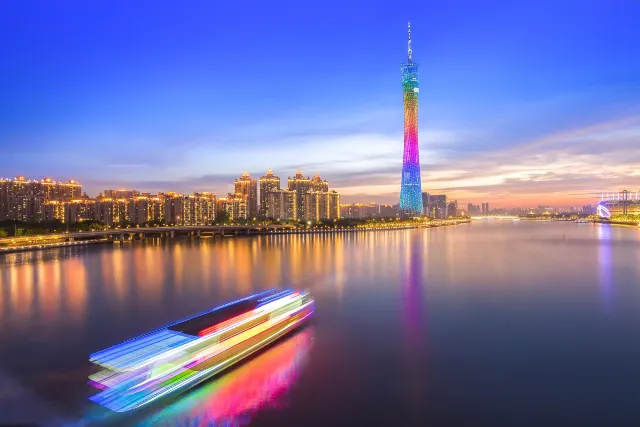
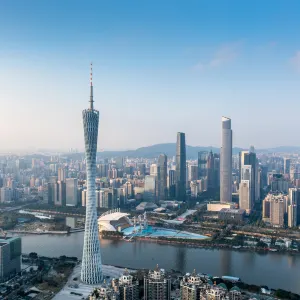
Canton Tower is one of Guangzhou’s most recognizable landmarks and an easy way to introduce travelers to the city’s modern side. Its riverside setting and instantly recognizable silhouette make it one of the most photographed spots in the city. For first-time visitors, it helps balance Guangzhou’s older cultural sites with a more contemporary urban image. It also works well as a visual symbol of the city, especially for travelers who want skyline views and a sense of scale.

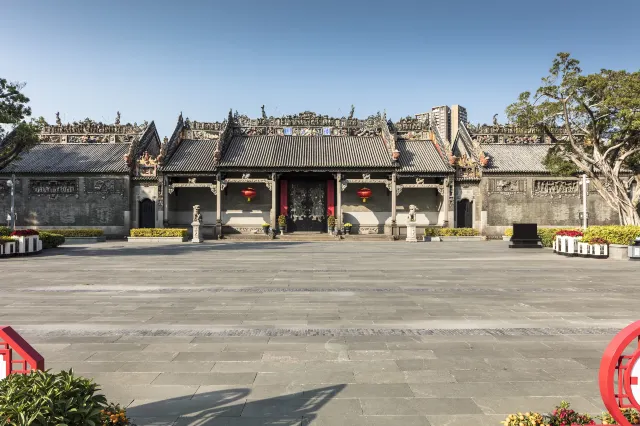
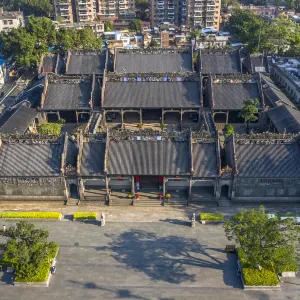
Chen Clan Ancestral Hall is one of Guangzhou’s best-known heritage sites and is often recommended to travelers who want to understand the city beyond food and shopping. It is widely appreciated for its Lingnan-style architecture, decorative carvings, and strong connection to local culture. Compared with modern city landmarks, it offers a much more historic and artistic side of Guangzhou. For many visitors, it is one of the best places to experience traditional Cantonese architectural character.

Shenzhen
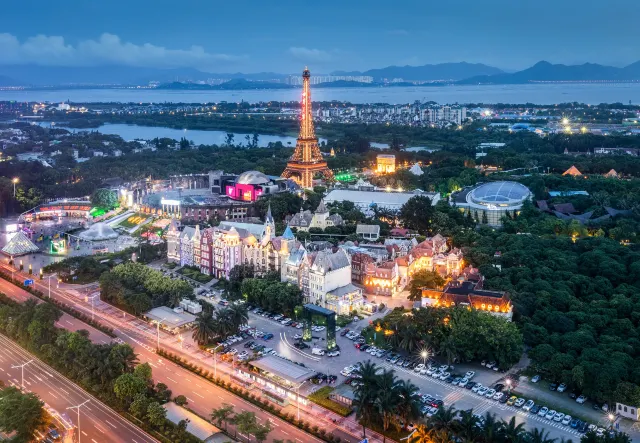
Window of the World is one of Shenzhen’s most famous attractions and a classic choice for travelers looking for an easy, entertaining city stop. The park is known for its miniature recreations of famous landmarks from around the world, which gives it a very different tone from the historical and natural attractions elsewhere on this itinerary. It suits visitors who want something light, visual, and easy to fit into a one-day city exploration. For first-time visitors to Shenzhen, it also highlights the city’s playful, modern, and highly developed tourism style.


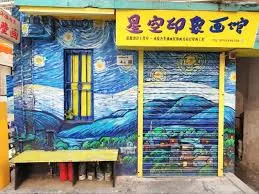
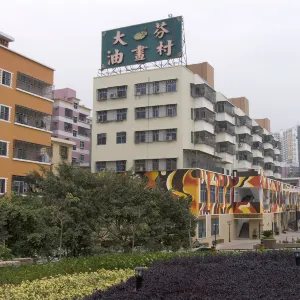
Dafen Oil Painting Village offers a more creative and locally distinctive side of Shenzhen. It is known for its concentration of painting studios and its unusual history as a center for oil painting production and artistic work. Compared with Shenzhen’s business districts and theme-park attractions, Dafen feels more cultural and street-level, making it a rewarding stop for travelers interested in art, urban change, and creative neighborhoods. It is especially appealing to visitors who want to see a side of Shenzhen that feels more specific to the city itself.

Guilin
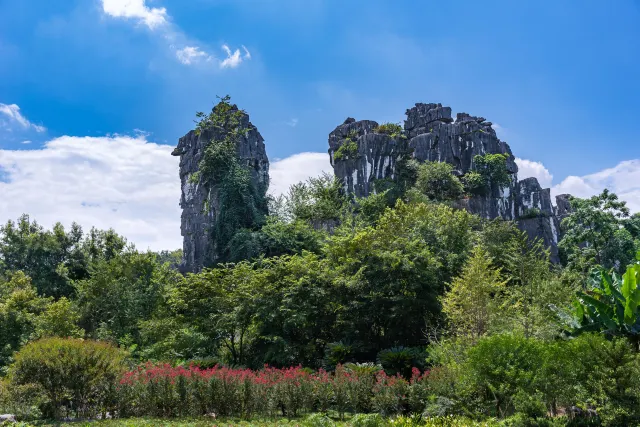
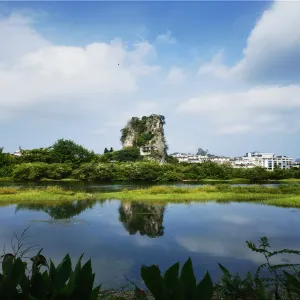
Beyond the two classic highlights mentioned earlier, Guilin also has other scenic spots that are well worth adding to your itinerary. Seven Star Park is one of the city’s best-known urban scenic areas and a convenient choice for travelers who want a mix of natural views and an easy city stop. The park is known for its hills, caves, greenery, and broad walking areas, giving visitors a more relaxed way to experience Guilin’s landscape character without leaving the city too far behind. It works especially well for travelers who want a softer sightseeing pace and a scenic break between transfers.
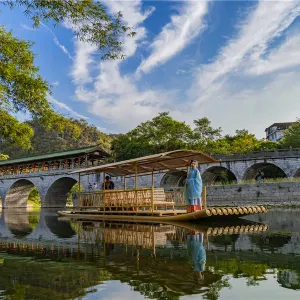
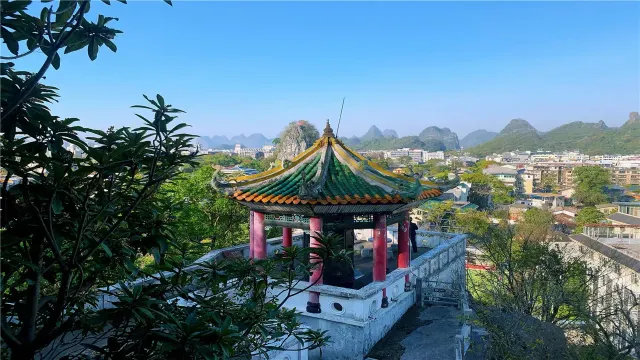
Fubo Hill is another popular Guilin landmark and a good option for travelers interested in a classic city viewpoint. Rising near the Li River, it combines natural scenery with a strong sense of place and is often visited for its elevated views over Guilin. Compared with some of the region’s larger scenic areas, it is relatively easy to fit into a shorter stay. For many visitors, it offers a simple but memorable way to appreciate Guilin’s distinctive karst setting from above.

Yangshuo
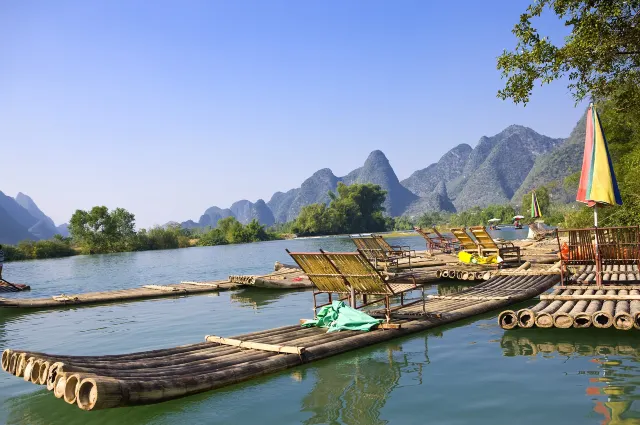
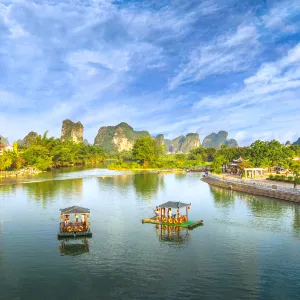
Yulong River is one of Yangshuo’s most popular scenic areas and is often chosen by travelers looking for a quieter, more rural experience than central Guilin. The river is closely associated with bamboo rafting, countryside views, and the karst landscape that defines the region. It is especially appealing because it combines soft adventure with the relaxed atmosphere many travelers hope to find in Yangshuo. For visitors wanting classic southern China scenery with a slower pace, it is one of the best stops in the area.

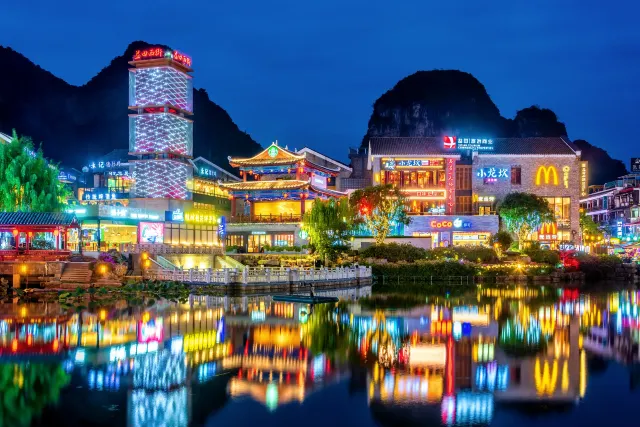
West Street is Yangshuo’s best-known town-center attraction and one of the easiest places to experience the area’s lively travel atmosphere. It is known for its mix of cafés, shops, restaurants, and a more social evening scene, making it very different from the quiet river and countryside settings nearby. For many travelers, it works as a convenient base for exploring Yangshuo while still offering plenty to do on foot. It is especially suitable for visitors who want a blend of scenery by day and a more energetic small-town atmosphere at night.

| Route Segment | High-Speed Rail | Flight | Best For |
| Guangzhou → Shenzhen | Usually around 29 minutes to 1 hour, depending on the station pair and train type. | Flights exist in the wider market, but for this very short corridor they are generally not the practical choice compared with rail. This is an inference based on the train time and city-to-city proximity. | High-speed rail is best for almost all travelers, especially those who want the fastest, simplest, and most efficient city-center transfer. |
| Shenzhen → Guilin | Usually around 2.5 to 5.5 hours, with the fastest trains taking about 2h39m. | Direct flights are available on this route, and the in-air time is typically around 1.5 hours; total trip time becomes longer once airport transfers and check-in are included. This timing is a general route estimate rather than a specific live schedule. | Choose high-speed rail if you prefer convenience and less airport hassle. Choose a flight if you want the shortest in-air journey and are trying to save time on a longer transfer. |
| Guilin → Yangshuo | Usually around 22 to 30 minutes by train, but Yangshuo Railway Station is outside the town center, so an additional transfer is often needed. | No practical flight option for this segment; travelers normally use rail, road transfer, or river/cruise-style sightseeing options instead. | Choose high-speed rail if you want the fastest point-to-point transfer. A road transfer may suit travelers who want a more direct arrival into central Yangshuo without changing from the station. |

For a 7-day trip, the best choice usually depends on total door-to-door time, not just the scheduled journey itself. In general, high-speed rail is often the easier option for short to medium intercity routes, while flights make more sense when the distance is longer or when rail connections are indirect.
| Option | Best When | Main Advantages | Watch Out For |
| High-speed rail | Your route is relatively short or direct | City-center to city-center travel, simpler boarding, less airport transfer time | Popular routes can sell out, especially around holidays |
| Flights | The distance is longer or you want to reduce overland travel | Faster in the air, useful for long gaps between cities | Airport transfers, earlier check-in, and baggage wait can reduce the time saved |
China’s entry rules have changed in recent years, so travelers should always check the latest policy before booking. As of February 17, 2026, China’s National Immigration Administration listed a group of countries whose ordinary-passport holders may enter visa-free for tourism, business, visiting friends or relatives, exchange visits, or transit for stays of up to 30 days.
China’s weather varies significantly by region and season, so a 7-day packing list should match both your route and travel month. Northern cities, southern cities, and scenic areas can feel quite different, which is why light layers are usually the safest option for a multi-city trip.
| Travel Style | What to Expect |
| Budget-friendly | More basic hotels, rail-focused transport, and simpler daily spending |
| Mid-range | Better-located hotels, a mix of rail and flights, and more flexibility for attractions and meals |
| Comfort-focused | Higher-end hotels, more convenient transport choices, and a less rushed travel pace |