Recent Searches
Popular Attractions
Guiyang
Southwest of China,China,Eastern Asia
Latest Events in New Britain(January Updated)
Are you interested in Tropical Palm Tree Paint Night?
245 people have participated in this
poll
Yes
No


50%


50%
Type
Location
Date
Popularity
New Arrivals

New Britain Comedy VFW Fundraiser with Paesans of Comedy! | VFW Post511
Experience an incredible night of laughter at the New Britain Comedy VFW Fundraiser with Paesans of Comedy! Join Marcellino, Max Dolcelli, and headliner Mike Bova for an unforgettable evening of hilarity, all in support of our veterans. Taking place at the esteemed VFW Post511 in New Britain, CT, this event promises to deliver non-stop entertainment that will leave you in stitches.
Be sure to secure your tickets in advance for just $20, as prices will increase to $35 at the door. By purchasing early, not only will you save money, but you'll also have more to spend on your favorite drinks throughout the show. Please note that this event is rated M for mature (RAW) and contains plenty of adult humor. It is recommended for those aged 21 and above.
Mike Bova, one of the funniest comedians in the industry, has been touring the United States since January 2018, raising funds for America's veterans. His performances are a perfect blend of stand-up comedy and musical parodies, including celebrity impressions that will have you rolling on the floor with laughter. Don't miss this one-of-a-kind show that is sure to leave a lasting impression.
Don't delay, mark your calendars for November 11, 2023, and join us at VFW Post511 for a night of comedy that supports a great cause. Get your tickets now and be prepared for an evening filled with laughter and entertainment that you won't soon forget.
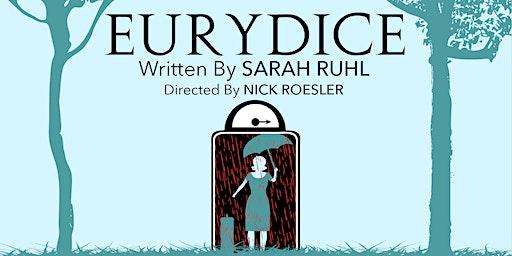
Eurydice | Maloney Hall, Black Box Theatre
"The myth of Orpheus and Eurydice takes on a new perspective in the compelling production of Eurydice. This contemporary play offers a fresh look at the timeless love story, focusing not on Orpheus's well-known journey to retrieve his lost bride, but rather on the captivating perspective of its heroine, Eurydice. Tragically, Eurydice passes away prematurely on her wedding day, only to find herself embarking on a remarkable journey to the underworld. There, she reunites with her father and grapples with the challenge of remembering her lost love. Eurydice sheds light on a character from myth who has often been overshadowed, providing a whimsical and thought-provoking exploration of her experiences. For those seeking a captivating and poignant theatrical experience, Eurydice is not to be missed. The performance will be held at the Maloney Hall, Black Box Theatre in New Britain, located at 1615 Stanley Street, New Britain, CT 06053. The event will take place on December 6, 2023. Tickets are available at prices ranging from $9.31 to $17.85. Immerse yourself in this extraordinary reimagining of a classic myth and gain a deeper understanding of the enduring power of love."

Golden Fox Gala | 23 Norden St
Join the Golden Fox Gala at The Repertory Theatre in New Britain on January 26, 2024, for an unforgettable evening filled with raffles, delectable food, live music, and captivating entertainment. This event will mark the beginning of the Golden Fox Theatre Co.'s exciting journey. Immerse yourself in the vibrant atmosphere as you celebrate the foundation of this remarkable company and gain insight into their mission and future projects.
The gala will feature sensational live music and performances by esteemed members of the local theatre community. Indulge in appetizers and finger foods that are thoughtfully included with your ticket. The dress code for this event is Cocktail Attire, ensuring a sophisticated and elegant ambiance throughout the evening.
Doors open promptly at 6:30pm, allowing you ample time to take in the atmosphere before the entertainment begins at 7pm. The Golden Fox Gala promises to be an enchanting event that showcases the immense talent and passion of the theatre community while creating a memorable experience.
Secure your spot at this extraordinary gala now. Ticket prices range from $35 to $45. Don't miss the opportunity to be part of this auspicious occasion at 23 Norden Street, New Britain, CT 06051. Be prepared to embark on a truly remarkable adventure with the Golden Fox Theatre Co.

John Violinist Live (The Rose Experience 2) | Trinity-On-Main
JohnViolinist is making a grand return, captivating audiences with his exceptional talent in a mesmerizing concert. Prepare to be enthralled by the captivating sounds of Soul, Jazz, Pop, R&B, and more, expertly performed by the extraordinary JohnViolinist. This musical masterpiece, titled "The Rose Experience 2," promises an unforgettable evening that will transport you to another world. The event will take place at Trinity-On-Main, located at 69 Main Street, New Britain, CT 06051. Mark your calendars for February 10, 2024, and get ready to immerse yourself in a symphony of emotions. Tickets for this extraordinary performance range from $39.19 to $49.87. Dress to impress as you witness the magic unfold on stage. Don't miss out on this rare opportunity to witness the virtuosity of JohnViolinist. Experience the power of live music at its finest.

The 39 Steps | Central Connecticut State University
Experience the thrilling blend of a Hitchcock masterpiece and a gripping spy novel in the theatrical production of The 39 Steps at Central Connecticut State University in New Britain. This fast-paced whodunit is a must-see for theatre enthusiasts who appreciate a touch of Monty Python's humor. Winner of two Tony Awards and a Drama Desk Award, this performance guarantees nonstop laughter as a talented cast of four brings over 150 eccentric characters to life on stage. Prepare for an unforgettable evening filled with an onstage plane crash, handcuffs, missing fingers, and a hint of old-fashioned romance. Join us on March 6, 2024, for this unforgettable experience. Tickets are available for purchase ranging from $9.31 to $17.85.
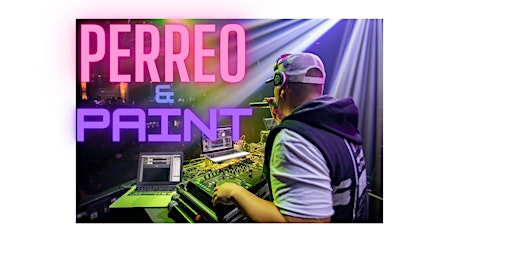
PERREO & PAINT | 252 North St
Looking for something extraordinary to do in New Britain? Look no further than PERREO & PAINT, an arts event that promises a unique experience for attendees. Set to take place on March 24, 2024, at 252 North St, this event combines the excitement of perreo music with the creativity of painting. Immerse yourself in the vibrant atmosphere as you groove to the beats and unleash your artistic side on canvas. Tickets for PERREO & PAINT are priced at $55.20, offering great value for a night filled with music, art, and fun. Don't miss out on this one-of-a-kind event that is sure to leave you inspired and entertained. Book your tickets now and get ready for an unforgettable evening at PERREO & PAINT in New Britain!
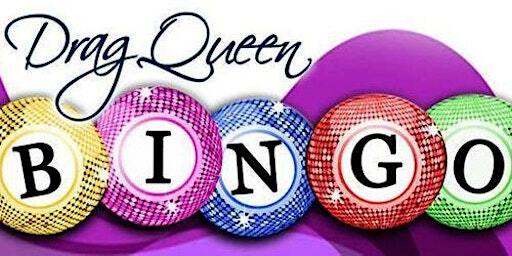
A Fabulous Evening of Drag Queen Bingo! | South Church, Main Street, New Britain, CT, USA
The Darling Divas, CT's Premier Drag Bingo Troupe returns for New Britain Youth Theater's Fall Fundraiser. These Gals will have you rolling in the aisles and singing along as they entertain you between each of the TEN Bingo games. Your $40 ticket includes all 10 games. We had a sold out house the last two times we had this event, so get your tickets soon. ALL proceeds will go to NBYT's Scholarship Fund, which allows us to offer our young peoples theater classes, productions and events to all Greater NB Youth, regardless of the family's ability to pay tuition. Please, help us keep the Arts Alive!!
Information Source: New Britain Youth Theater | eventbrite
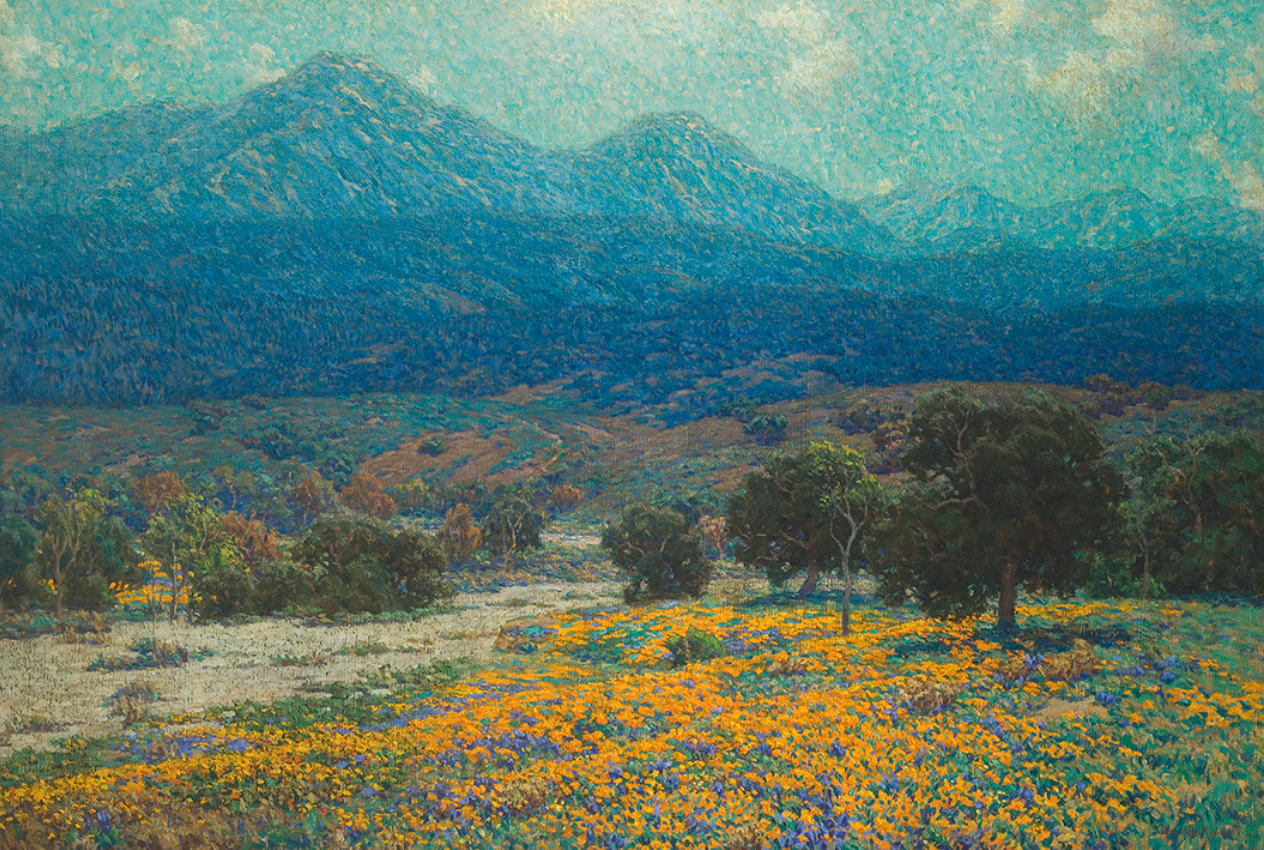
Blue Grass, Green Skies: American Impressionism and Realism from the Los Angeles County Museum of Art | New Britain Museum of American Art
"It must not be assumed that American Impressionism and French Impressionism are identical. The American painter accepted the spirit, not the letter of the new doctrine." - Christian Brinton, 1916
In 1874, a group of avant-garde French artists, including Edgar Degas, Claude Monet, Camille Pissarro, and Pierre-Auguste Renoir, organized the first exhibition of the “Anonymous Society of Painters, Sculptors, Printmakers, etc.” in Paris. Although working independently, rather than as a unified movement or school, they came to be known as the Impressionists—a term first used to disparage their works as unfinished “impressions.” Defined by their loose brushwork, vibrant color palettes, and attention to capturing the ephemeral effects of light and atmosphere, these artists rejected established academic traditions and developed innovative approaches to depicting modern life.
Impressionism’s influence was felt globally, but perhaps nowhere as profoundly or as long lasting as in the United States. American artists working abroad had opportunities to see and study Impressionist works, but it was not until 1886—when the movement had lost some of its radical edge—that the first large-scale exhibition of French Impressionism was held in the United States. The New York Tribune reported that although Impressionist pictures were often criticized for their “blue grass, violently green skies, and water with the coloring of a rainbow,” Americans would nevertheless benefit from studying the “vitality and beauty” in these works.

Let Her Play Game + Meet & Greet with Trinity Women's Ice Hockey 2025 | Koeppel Community Sports Center
Let Her Play is encouraging girls to attend Trinity Women's Ice Hockey vs. Wesleyan on February 22nd at 4 pm at Koeppel Community Sports Center (Trinity College). If you sign up to attend (for free!) you will be able to attend the meet & greet with the team following the game and receive some pretty cool swag from Let Her Play! Registration only needed for the school-aged participant(s) (parent / guardian should register and enter the participant name(s) under attendee information). Registration closes 24 hours prior to the event. Let Her Play is a 501(c)(3), nonprofit organization with a mission to prepare girls for life through sports participation. Did you know that there is a 7% wage gap between former athletes and former non-athletes? AND 73% of executives look for sports on a resume? (EY + espnW, 2017) Yet only 1:3 girls between the ages of 6-12 are playing sports in the United States (Aspen Institute, 2020). AND they drop out at a rate that is 1.5x that of boys by the time they hit adolescence (Refinery 29, 2017). Do you want to know why sports has such a significant impact ? Because sports teaches key life skills that are arguably not learned any other way (in addition to providing benefits to overall health and wellbeing). At Let Her Play, we're getting girls enrolled and engaged in sports programs nationwide to better prepare them for life and give them the ability to confidently leave it all on the field. This event is co-sponsored by Trinity College Athletics.
Information Source: Let Her Play | eventbrite

Sounds of Color - North Indian Raga Concert | Torpe Theatre @ CCSU (in Davidson Hall)
Help us welcome our newest international guest artists: Subhasish Bhawal and Madhurjya Barthakur. Esteemed in India for their work in North Indian Classical Music, this will be their first ever concert in the USA.
Sounds of Color will include our two guest artists as well as Ameen Mokdad, Kevin Bishop, and other members of Cuatro Puntos Ensemble. Together they will blend together two ancient tradit
i
ons: the magical sounds of Hindustani classical music and the mystical strains of maqaam music from around the Middle East. You'll experience tabla, vocals, and strings playing raga that transports you to distant lands.
Cuatro Puntos amplifies silenced, persecuted and underrepresented musicians and their unique styles of music. You may experience our 13 years of commitment to intercultural dialogue and diversity by delving into our recordings and videos at CuatroPuntos.org
This event is free, however any donations will help us to continue amplifying silenced musicians. You may donate when reserving your ticket on Eventbrite, or at the door.
Please visit CuatroPuntos.org
Information Source: Cuatro Puntos | eventbrite
More Popular Topics

Latest Events in New York(January Updated)
10000 event
Latest Events in Las Vegas(January Updated)
3791 event
Latest Events in Detroit(January Updated)
2345 eventMore Popular Events

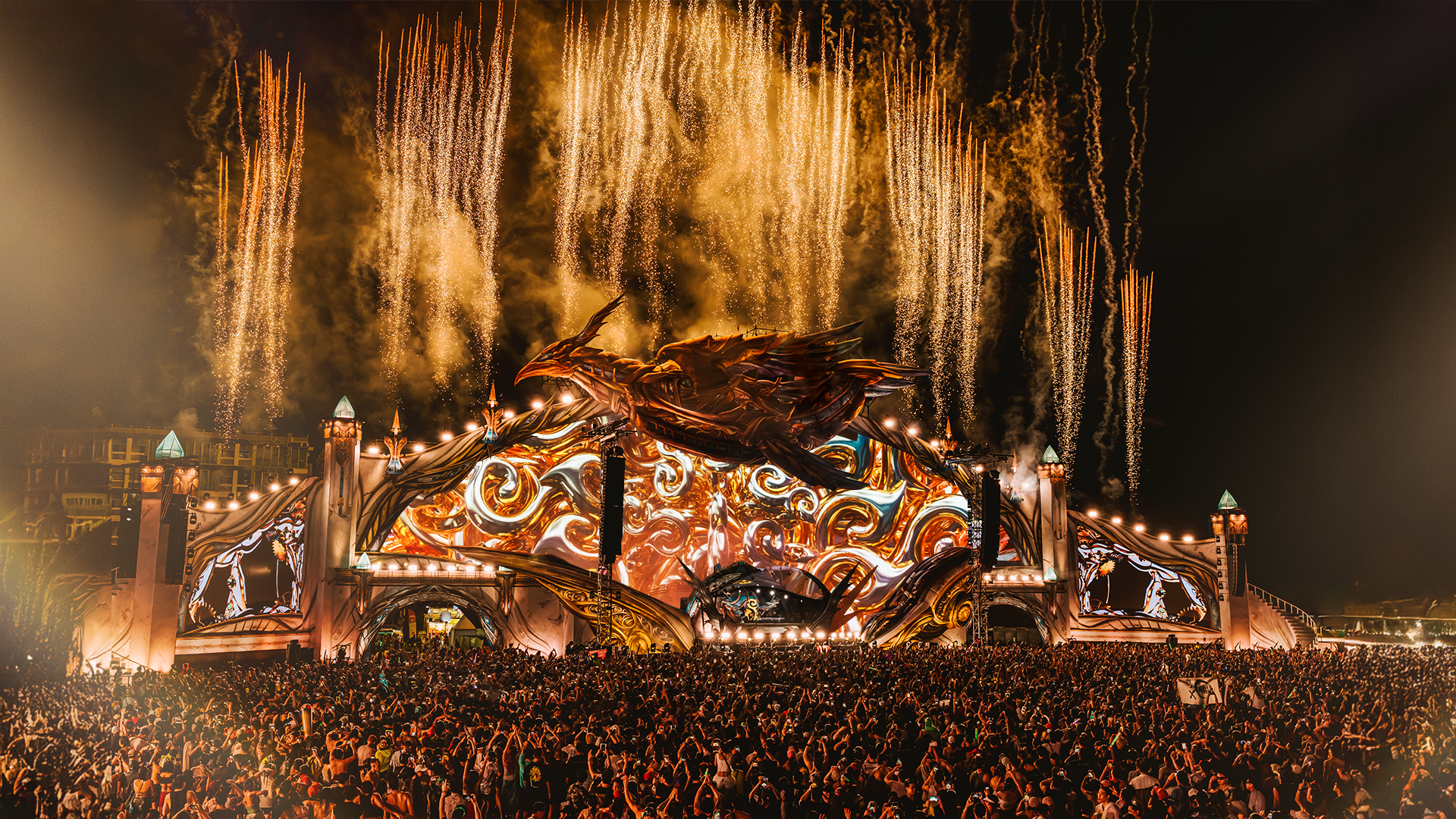
Tomorrowland Thailand 2026 | Chon Buri
Dec 11–Dec 13, 2026 (UTC+7)
Thailand

Singapore Airshow 2026 | Changi Exhibition Centre
Feb 3–Feb 8, 2026 (UTC-5)
Singapore
SIAM Songkran Music Festival 2026 | Bangkok
Apr 11–Apr 14, 2026 (UTC+7)
Bangkok

Usher Atlanta Concert Tour 2026|August 13 | StateFarmArena
Aug 13, 2026 (UTC-5)
Atlanta

Tomorrowland Winter 2026 | Alpe d'Huez
Mar 21–Mar 28, 2026 (UTC+1)
Huez
Hotels near New Britain

6.6
/10
120 Reviews
Red Roof Inn Hartford - New Britain


HK$605

9.7
/10
Reviews
5•Star Fave Cape Cod Style Gem with Bedroom on the Main
HK$1

8
/10
Reviews
Luxury Home Central to Farmington, Plainville & Downtown New Britain
HK$1
10
/10
Reviews
Comfy and Equipped for a Small Family - Webster Hill Suite1E
HK$1

7.6
/10
2 Reviews
Two Families, up and Down Stairs, the 2nd Floor is the Vrbos Apartment
HK$1