Recent Searches
Popular Attractions
Latest Events in Kyoto Prefecture(November Updated)
Are you interested in Tropical Palm Tree Paint Night?
245 people have participated in this
poll
Yes
No


50%


50%
Type
Location
Date
Popularity
New Arrivals
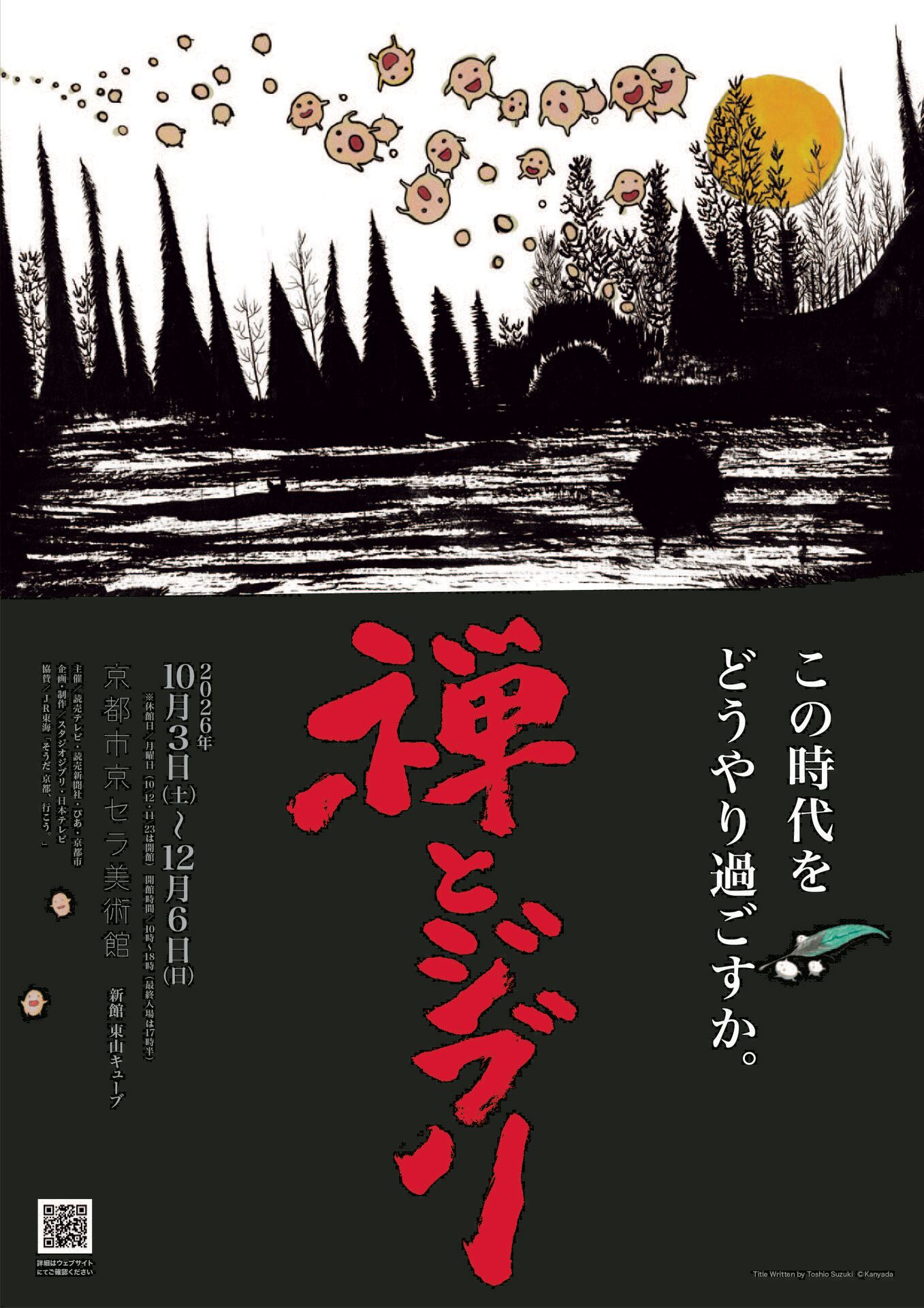
Zen and Ghibli | Kyoto City KYOCERA Museum of Art
In autumn 2026, the “Zen and Ghibli” , which explores the spirit of Zen through the works of Studio Ghibli, will be held at the Higashiyama Cube, New Wing of the Kyoto City KYOCERA Museum of Art.Inspired by the book Zen and Ghibli, a collection of conversations between Studio Ghibli producer Toshio Suzuki and Zen monks, this immersive exhibition offers a unique opportunity to experience Studio Ghibli’s works through the lens of Zen.Studio Ghibli films often embrace ambiguity rather than drawing clear lines between good and evil, leave space instead of rushing to provide answers, and encourage audiences to accept things even when they cannot be fully understood. These qualities resonate deeply with the core principles of Zen: avoiding rigid distinctions, refraining from fixed judgments, and observing the world as it is.Centered around Hayao Miyazaki’s latest film The Boy and the Heron (2023) — the Studio Ghibli film that attracted the largest overseas audience in the studio’s history—the exhibition explores a worldview that intentionally leaves questions unanswered, creating a lasting impression on viewers. Through iconic quotes, memorable scene photographs, and Toshio Suzuki’s calligraphy, the exhibition brings to life the Zen-inspired perspective that runs throughout Studio Ghibli’s body of work, offering visitors a rich and multidimensional experience.
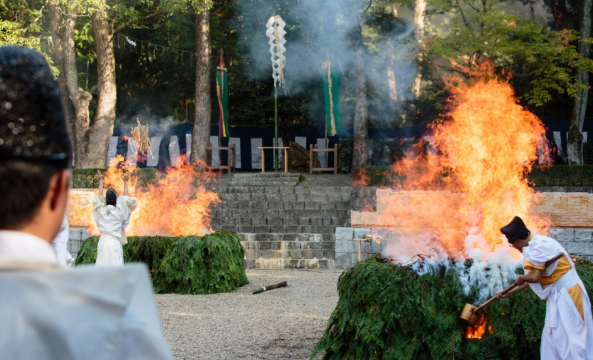
Fushimi Inari Taisha Hitaki-sai Fire Festival | Kyoto
The first part of the ceremony begins in the main hall of the shrine, where people offer food, drinks, and prayers, and priestesses perform the sacred Kagura dance for the gods. Afterwards, the group moves to an open area where three bonfires are lit simultaneously. Once the smoke has cleared, the priests solemnly throw prayer sticks into the flames, scattering the wishes of the worshippers into the fire. A purification prayer is distributed among the crowd, allowing everyone to join in, wishing for health, happiness, good fortune, and national prosperity. The blazing fire and flames form a magnificent backdrop as the priests perform purification rituals with water, salt, and sansho leaves before each bonfire, while priestesses intermittently perform sacred Kagura dances with golden bells, until the last prayer stick is thrown into the fire. This ceremony is held in autumn, and it is said that the ceremonial fire can summon the spirit of the well-dwelling god back from the fields to the mountains to rest after the harvest.
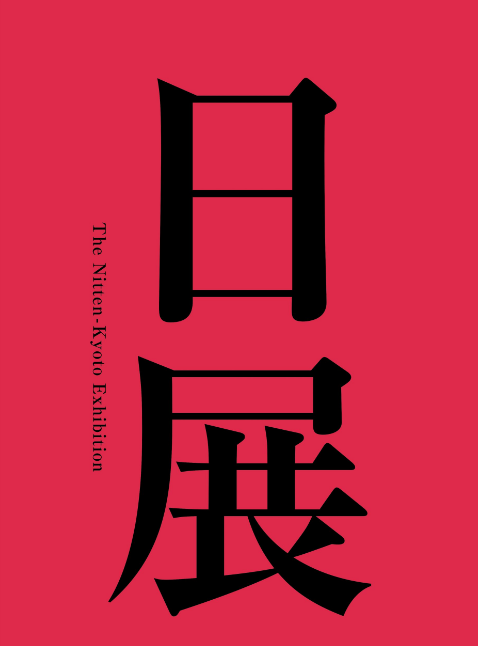
The 119th Nitten-Kyoto Exhibition | Kyoto City KYOCERA Museum of Art
The largest comprehensive public art exhibition in Japan, the "Nikten" exhibition, is about to be held in Kyoto. The exhibition covers five categories: Japanese painting, Western painting, sculpture, crafts, and calligraphy. It will showcase the main exhibits from the nationwide tour, as well as works by artists from Kyoto and Shiga regions related to their local areas, totaling approximately 500 pieces.
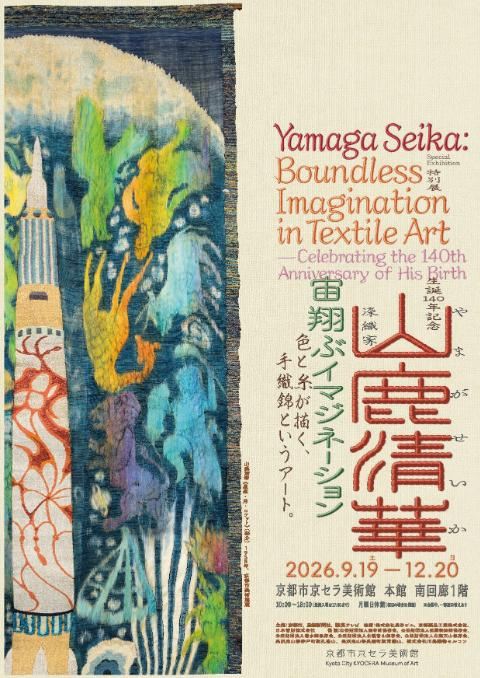
Special Exhibition Commemorating the 140th Anniversary of the Birth of Textile Artist Yamaga Seika: Boundless Imagination in Textile Art | Kyoto City KYOCERA Museum of Art
Pioneer of Dyeing and Weaving Art: Yamaga Seika
The first retrospective in 40 years, tracing the imagination of an artist whose work spanned from dyeing, weaving, and design to spatial decoration.
Born into a family running a letterpress printing business in Kyoto, Yamaga Seika (1885–1981) began studying Nishijin textile design and Japanese painting in her teens. She eventually became a pupil of Kamisaka Sekka—hailed as a modern master of the Rinpa school—and broadened her creative horizons. Gaining momentum after devising her own technique of "hand-woven brocade" (tezorinishiki), a tapestry weave in which she single-handedly handled the design, yarn selection, and weaving process, she submitted Dutch Ships to the newly established Teiten (Imperial Art Exhibition) Applied Arts Division in 1927, winning a special prize.
From traditional motifs such as celestial maidens and cloud dragons for ceremonial hanging ornaments, to unique subjects like locomotives, rockets, and the Tokyo Tower for wall hangings exhibited at official salons and the Nitten, Yamaga's choice of themes was remarkably diverse and unconventional. Across the Meiji, Taisho, and Showa eras, she was a rare figure who diligently upheld textile traditions while embracing an innovative and progressive spirit.
This exhibition is the first retrospective of Yamaga Seika's work in 40 years.
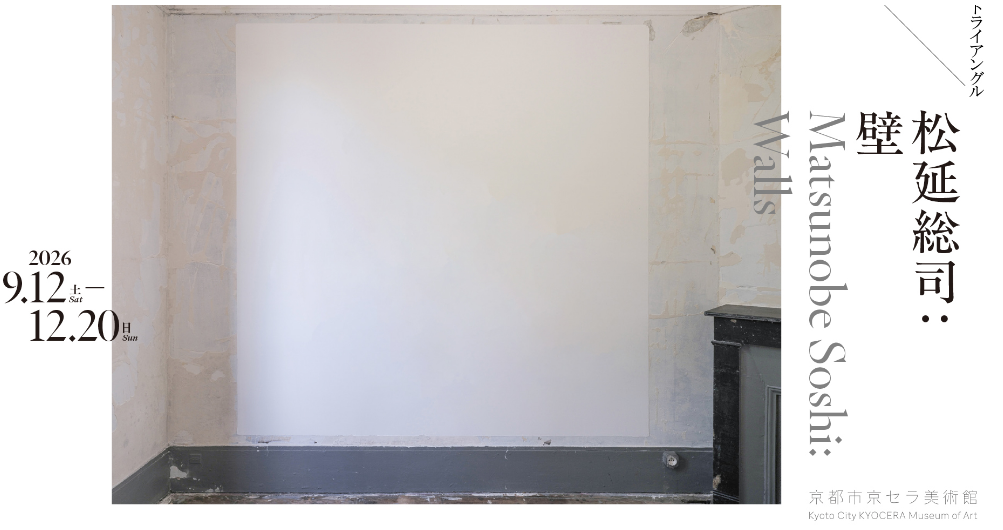
Matsunobe Soshi: Walls | Kyoto City KYOCERA Museum of Art
Artist Soji Matsunaga explores elusive elements such as lines, shadows, the subconscious, and backgrounds through installations, three-dimensional works, and sketches. To date, he has used everyday imagery such as wallpaper, rubber bands, and graffiti as materials, focusing on the production process, function, and interrelationships of these objects to create a series of works that disturb the viewer's perception. His artistic practice re-examines the techniques of form itself, prompting people to rethink the premises of "creation," "viewing," and "existence." This exhibition will not only introduce Matsunaga's consistent artistic exploration but also provide viewers with an opportunity to re-examine their own ways of perception and cognition.
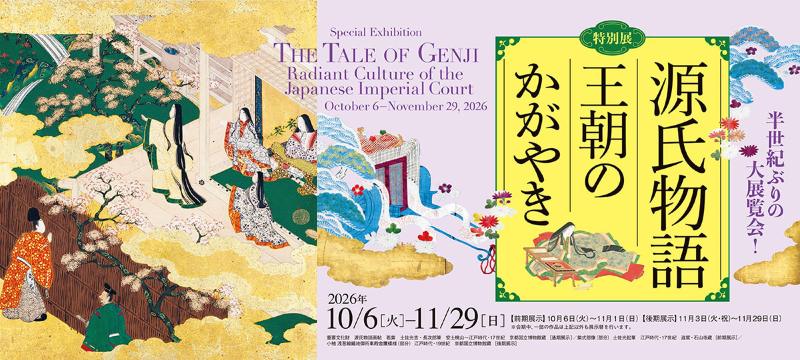
Special Exhibition The Tale of Genji: Radiant Culture of the Japanese Imperial Court | Kyoto National Museum
*The Tale of Genji* is a novel penned by Murasaki Shikibu, an outstanding female writer of Japan’s Heian period (794–1192). Set against the backdrop of court society, the work offers a nuanced portrayal of a wide array of characters—epitomized by the aristocratic nobleman Hikaru Genji—and delves into their complex, subtle emotional entanglements and the rich tapestry of their lives. It stands as a quintessential example of the *ōchō monogatari* (courtly tale) genre in Japanese literary history. Through centuries of continued reading and appreciation, the work’s significance has transcended the written text itself, inspiring a diverse range of artistic creations.Centered on *The Tale of Genji*, this exhibition brings together exquisite paintings and craftworks depicting scenes or themes from the story. It also showcases precious manuscript copies and scholarly commentaries, while tracing the tale’s influence on the performing arts and popular culture, thereby fully illustrating the enduring allure of this masterpiece that continues to enrich Japanese culture.*The Tale of Genji* has retained its brilliance for over a millennium and is now known across the globe. We sincerely hope that this special exhibition will invite visitors to immerse themselves in the elegant and profound world created by this classic work.Chapter 1: The Manuscript Tradition of *The Tale of Genji*In ancient times, books were disseminated primarily through hand-copying, a process that ensured their survival for future generations. Although Murasaki Shikibu’s original manuscript has been lost, *The Tale of Genji* has come down to us from the distant Heian period (794–1192) thanks to the tireless efforts of those who preserved and copied it. However, factors such as abridgment, rewriting, scribal errors, and the piecing together of different sections led to the emergence of various textual versions over time. This chapter highlights distinctive ancient manuscripts that hold great importance in the study of *The Tale of Genji*.Chapter 2: The Author of *The Tale of Genji*—Murasaki ShikibuThe author of *The Tale of Genji* was a woman named Murasaki Shikibu. A lover of literature since childhood, she drew upon her profound cultural grounding to create *The Tale of Genji*. She gained a wide readership while serving Fujiwara no Shōshi (988–1074), the daughter of the court noble Fujiwara no Michinaga (966–1028). Although many details of Murasaki Shikibu’s life remain obscure, her diary has circulated widely through the ages, and numerous portraits created by later generations have survived; these attest to the immense prestige she has enjoyed across eras as the author of *The Tale of Genji*. This chapter draws on both textual and pictorial sources to examine the historical reality of Murasaki Shikibu alongside the image of her held by later generations.Chapter 3: The National Treasure *Illustrated Handscroll of The Tale of Genji*The National Treasure *Illustrated Handscroll of The Tale of Genji* is not only the oldest extant work depicting the tale but also a pinnacle of Japanese handscroll art—a truly renowned masterpiece. It distills exquisite composition, delicate color schemes, and masterful line work into a compact format—standing just over twenty centimeters tall—yet vividly captures the rich emotions of each scene. Furthermore, the elegant aesthetic qualities found in the *kotobagaki* (accompanying text)—specifically the *kana* calligraphy style and paper decoration—merit close appreciation. We invite you to admire this celebrated masterpiece and immerse yourself in the world of *The Tale of Genji*, a realm steeped in the refined sensibilities of Heian-period aristocracy.Chapter 4: A Deeper Exploration of *The Tale of Genji*With the advent of the Kamakura period (1192–1333), the text of *The Tale of Genji* gradually became standardized, and various commentaries and scholarly works began to appear. As interpretations of the work deepened, *The Tale of Genji* distinguished itself from the many other courtly tales of the era, rising to the status of a revered classic and establishing an authoritative position in the literary canon. Within the court society centered on the Emperor, a wealth of artistic creation revolving around *The Tale of Genji* flourished as a means of demonstrating cultural sophistication. This cultural milieu is reflected in artifacts such as excerpts transcribed in the Emperor's own hand—dating from around the Muromachi period (1392–1573)—and the numerous *Genji-e* (Genji paintings) created with themes from the tale.Chapter 5: Adorning with *The Tale of Genji**The Tale of Genji* also served as a source of decorative motifs for various crafts. Designs often avoided direct depictions of human figures, opting instead for a symbolic approach using elements that alluded to specific scenes; this technique is known as *rusu-monyō* (absentee patterns). Furthermore, as the tale became a staple of cultural education, a custom emerged among the aristocracy and samurai class for brides to carry a copy of *The Tale of Genji* in their palanquin when departing for their wedding, accompanied by a specially crafted cabinet for its storage; motifs inspired by the tale also frequently adorned wedding furnishings.Special Feature: *The Tale of Genji* and Noh Theater*The Tale of Genji*—a symbol of Heian court culture—and Noh theater—rooted in the aesthetic ideal of *yūgen* (profound, mysterious grace)—stand as two pillars of Japanese culture. The noble figures of the tale were regarded as "seeds of *yūgen*"—precious subjects capable of evoking the mysterious, ethereal atmosphere central to Noh—thereby providing a rich source of inspiration for the genre. The convergence of these two art forms gave rise to a series of classic plays, such as *Aoi no Ue* (Lady Aoi), *Nonomiya*, *Yūgao*, and *Genji Kuyō* (Genji Memorial Service). Collectively known as "Genji Noh," these works remain popular today, vividly illustrating the diverse ways in which *The Tale of Genji* has been appreciated, interpreted, and performed since the medieval period. Chapter 6: *The Tale of Genji* as Visual ArtFollowing the Azuchi-Momoyama period (1573–1603), there was a surge in the creation of *Genji-e* (paintings based on *The Tale of Genji*). A notable shift during this era was the increasing use of *Genji* themes on large-scale folding screens and sliding door panels, moving beyond traditional formats like *shikishi* (square poetry paper), handscrolls, and fan paintings. Furthermore, *Genji-e* evolved from mere narrative illustrations into auspicious imagery used to adorn interiors and celebrate occasions such as weddings and longevity. We invite you to admire these celebrated masterpieces and immerse yourself in the artistic world of *The Tale of Genji*.Chapter 7: Enjoying *The Tale of Genji*During the Edo period (1603–1868), *The Tale of Genji* became a beloved literary work among the general public. Within the Japanese art of incense appreciation (*Kōdō*), a game known as *Genji-kō*—which involved identifying incense scents based on the tale—was developed, and its associated patterns were widely adopted in design. Simultaneously, a multitude of *ukiyo-e* prints emerged that reinterpreted the story’s characters and scenes through the lens of contemporary customs, fostering a culture of playful, intellectual engagement with the text. By the late Edo period, the novel *Nise Murasaki Inaka Genji* (A Rustic Genji by a Fraudulent Murasaki)—a loose adaptation of the original tale—became a massive bestseller, demonstrating the profound impact this "Genji craze" had on the publishing industry of the time.Epilogue: Reinterpreting *The Tale of Genji*The *Genji-e* tradition, which flourished during the early modern era, took on new forms as it transitioned into the modern age. Artists studied established *Genji-e* conventions while incorporating their own unique interpretations to create fresh, innovative works. *Noblewomen of the Uji Palace*—a folding screen painting by Matsuoka Eikyū (1881–1938)—is a work that achieved artistic excellence through the artist's deep study of classical masterpieces, such as the National Treasure *Illustrated Handscroll of The Tale of Genji*. The final section focuses on this exemplary piece of modern *Genji*-themed painting, bringing the exhibition to a close with a retrospective look at its visual beauty and evocative atmosphere.
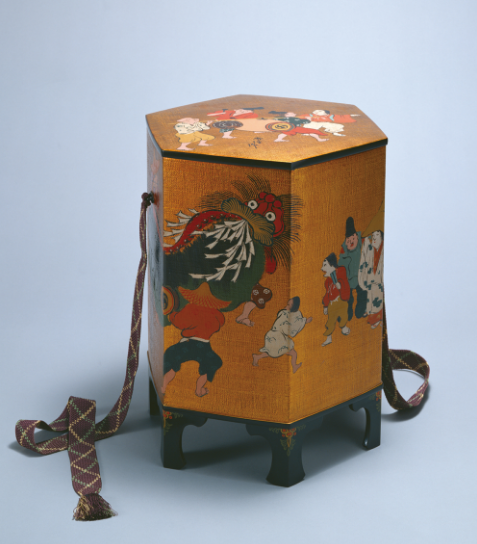
Collection Room Special Display: Painting Time — Modernity Reflected in Kyoto Lacquerware | Kyoto City KYOCERA Museum of Art
Since the Heian period, Kyoto lacquer art has transcended time and been passed down through generations. This special feature will review the development of Kyoto lacquer art from the modern era to the post-World War II period. From the Meiji to the Taisho era, Kyoto lacquer art, while inheriting the traditional techniques and patterns from the Edo period, also began to absorb Western decorative styles, showing a trend of returning to pre-modern Japanese art such as the Rinpa school. In the early Showa era, modern lacquerware that adapted to modern lifestyles emerged, and people began to pursue a unique aesthetic that blended tradition and modernity. After the war, people began to explore new forms of expression that transcended the existing framework of lacquer art. In the process of integrating with other materials and pursuing innovative shapes that transcended practical functions, Kyoto lacquer art ushered in a major transformation. The development of modern Kyoto lacquerware has both inherited a long tradition and continuously incorporated innovative spirit that resonates with contemporary aesthetics. This exhibition will guide visitors to rediscover the diverse facets of Kyoto lacquerware, born from the intersection of tradition and innovation.

Monet Exhibition at Oyamazaki Sanso | Asahi Group Ōyamazaki Villa Museum of Art
To celebrate the museum's 30th anniversary, a circular gallery designed by Tadao Ando, located at the end of the underground passage of the century-old main building—the Oyamazaki Villa—is dedicated to exhibiting Claude Monet's "Water Lilies." This "underground jewel box" (underground gallery) will display all of Monet's works during the museum's 30th anniversary celebrations; these works are among the museum's core collections. This is also the first time in ten years that all eight of the museum's Monet works have been exhibited, including five "Water Lilies" paintings and three Japanese arched bridge paintings. Immerse yourself in Monet's masterpieces, experience the tranquility of this space that blends perfectly with the garden and the surrounding natural environment, and feel the charm of art.
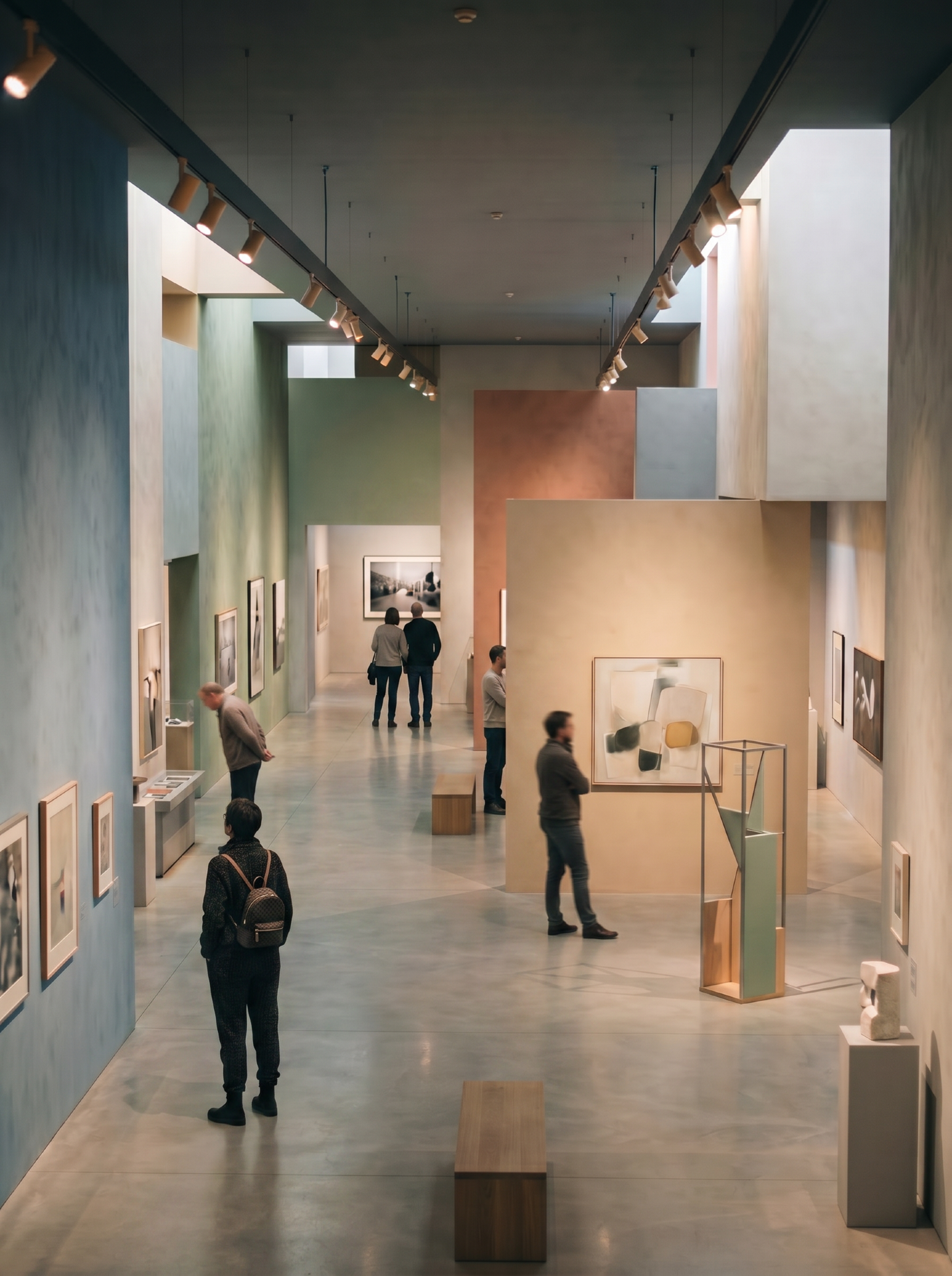
Amazing Japanese Handkerchief Exhibition | Hosotsuji Ihei Art Museum
"Stunning combination" Japanese hand towel exhibition, Art/music/theater
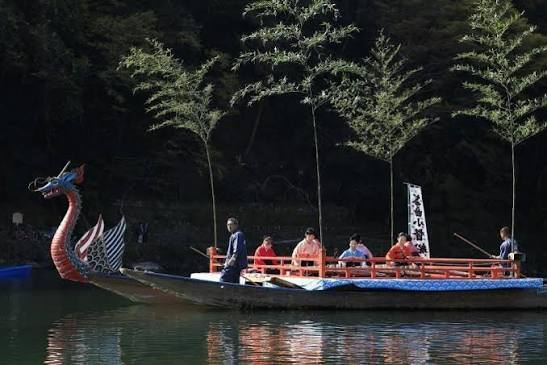
Arashiyama Maple Festival | Kyoto
This event is held annually on the second Sunday of November to celebrate the beauty of the maple trees of Arashiyama and Ogurayama—maple trees beloved by nobles during the Heian period—and to express gratitude to the guardian deity of the Arashiyama region, Kurao Gongen. Various exquisite boats, including modern pleasure boats and Heian-era sedge boats, depart from Togetsukyo Bridge and perform various art programs related to Arashiyama along the banks of the Oi River.
...
More Popular Topics

Latest Events in Osaka(November Updated)
748 event
Latest Events in Tokyo(November Updated)
1508 event
Latest Events in Kyoto(November Updated)
247 event
Latest Events in Kobe(November Updated)
123 eventMore Popular Events

Tomorrowland Thailand 2026 | Chon Buri
Dec 11–Dec 13, 2026 (UTC+7)
Thailand
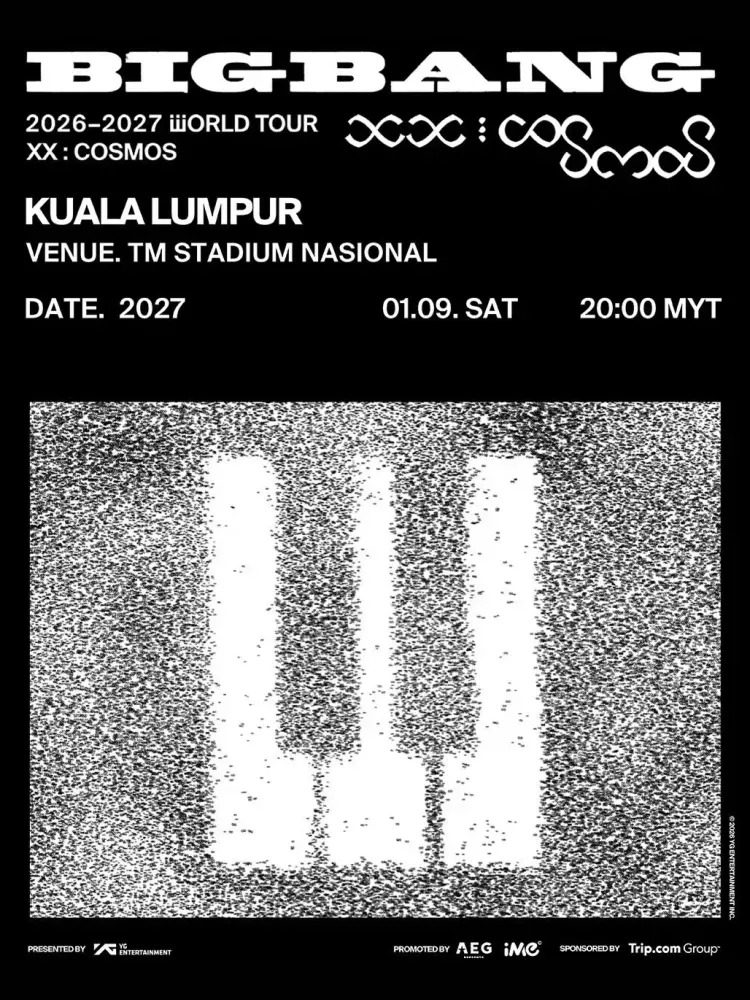
BIGBANG 2026-2027 WORLD TOUR < XX : COSMOS > IN KUALA LUMPUR | TM Stadium Nasional Bukit Jalil
Jan 9, 2027 (UTC+8)
Kuala Lumpur
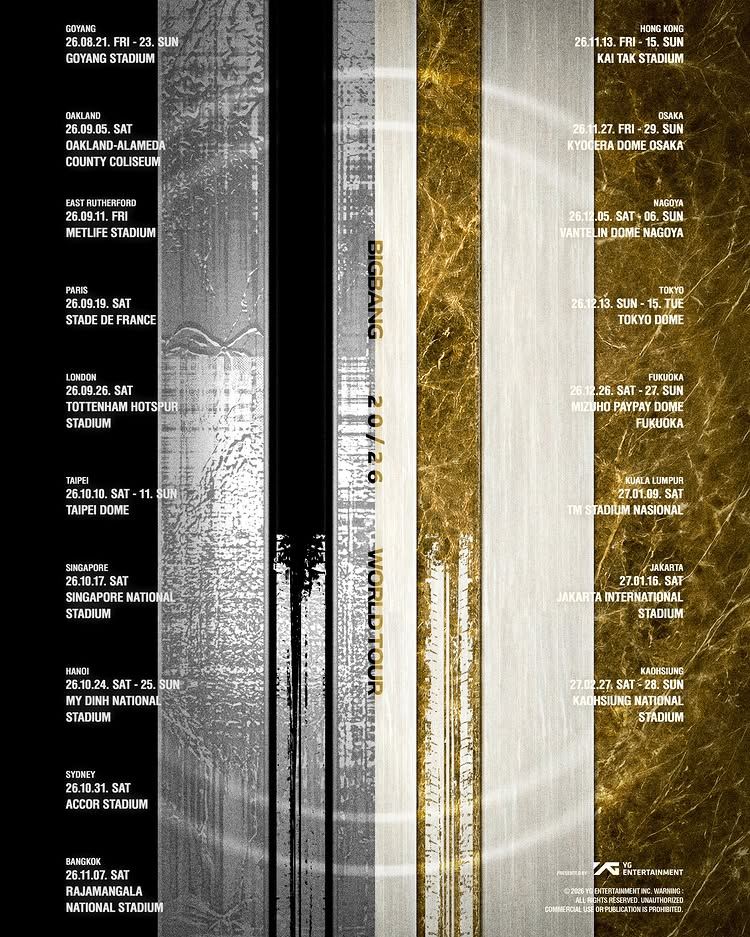
BIGBANG WORLD TOUR 2026 IN HONG KONG | Kai Tak Stadium
Nov 13–Nov 15, 2026 (UTC+8)
Hong Kong

BTS WORLD TOUR ‘ARIRANG’ IN HONG KONG 2027 | Kai Tak Stadium
Mar 4–Mar 7, 2027 (UTC+8)
Hong Kong
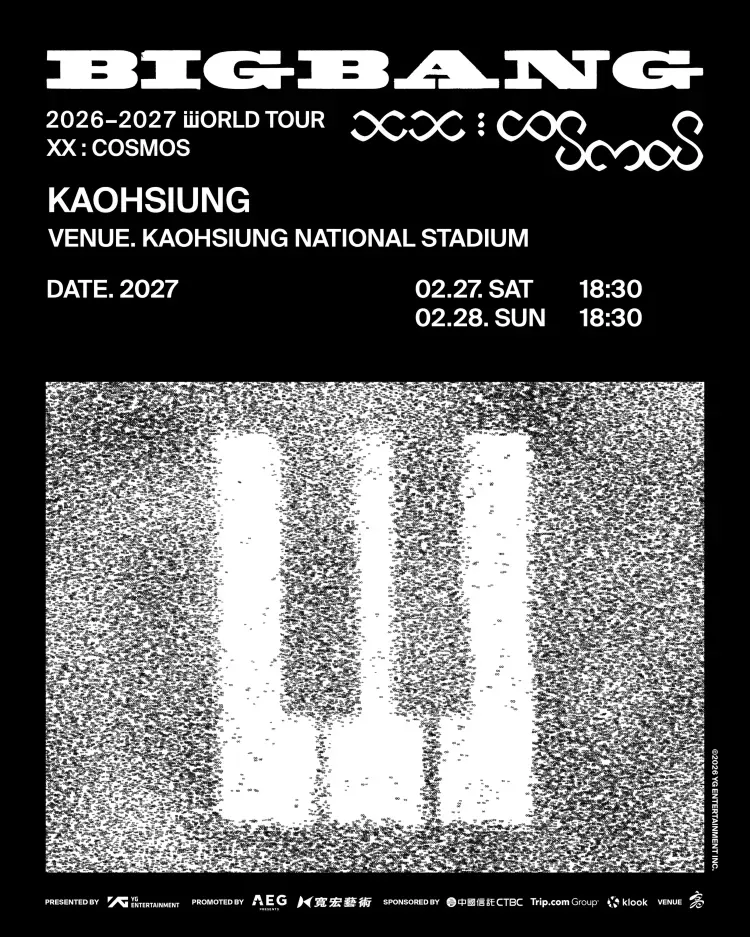
BIGBANG 2026-2027 WORLD TOUR < XX : COSMOS > IN KAOHSIUNG | Kaohsiung National Stadium
Feb 27–Feb 28, 2027 (UTC+8)
Kaohsiung
Hotels near Kyoto Prefecture

9.3
/10
11017 Reviews
Miyako Hotel Kyoto Hachijo


Kyoto Station and surrounding areas
€102

9.4
/10
4255 Reviews
Ala Hotel Kyoto
Kyoto Station and surrounding areas
€107

9.3
/10
1405 Reviews
Daiwa Roynet Hotel KYOTO-SHIJYOKARASUMA (Reopening on March 14, 2026)
Kawaramachi
€70

9.4
/10
393 Reviews
Dhawa Yura Kyoto
Gion/Kiyomizu Temple
€312
10
/10
2 Reviews
Kyoran Momijitei
Nijo Castle
€238
9.7
/10
23 Reviews
nestayHIGASHIKUJYO
Kyoto Station and surrounding areas
€48

9.9
/10
45 Reviews
HOKUKOU KAMIMIYA
Nijo Castle
€1

10
/10
113 Reviews
HYASHI TEI・TOUZAN
Gion/Kiyomizu Temple
€286

10
/10
114 Reviews
Kyoran Shientei
Kyoto Station and surrounding areas
€1

9.7
/10
165 Reviews
Sakuraya・Senmoto Kyoto Station Japanese Style Villa
Kyoto Station and surrounding areas
€129
Latest Flight Deals to Kyoto Prefecture
Search for flights to popular cities in Kyoto Prefecture and check out affordable one-way and round-trip options.
-
Return
-
One way
-
-
 SIN 13:0017h 25m1 stopSIN Invalid Date- | Mon, Nov 9 | Normal AirlineFind more flightsFind more flights
-
SIN 13:0017h 25m1 stopSIN Invalid Date- | Mon, Nov 9 | Normal AirlineFind more flightsFind more flights
-
Displayed flight fares from to are based on average prices across airlines for the next 3 months, according to the latest Trip.com database.