2026 Gengma Travel Guide: must-see attractions, popular food, hotels, transport & travel experiences (updated in February)
Essential Travel Information for Gengma
Gengma Today's weather
Foggy 7-25℃
All Trip Moments about Gengma | Travel Experiences
First time visiting Lincang, just copy this itinerary
Just got back from Lincang, and January in Lincang is really so comfortable! 🌤️ Temperatures between 15-20°C, perfect sunshine, neither cold nor hot, few people and beautiful scenery—truly a winter haven! The millennium mystery of Cangyuan Rock Paintings, the primitive charm of Wengding Ancient Village, and the fairyland beauty of Bangdong Sea of Clouds make it unforgettable~💕 Actual expenses for 3 days and 2 nights 💰 Accommodation: Budget 150-200 RMB/night, Comfortable 250-350 RMB/night, High quality 400-600 RMB/night Food: Breakfast of thin bean powder rice noodles 15 RMB, lunch at Wa King Feast about 80-100 RMB per person, dinner with local snacks about 50 RMB per person, around 500 RMB per person for three days Transportation: High-speed train from Kunming to Lincang about 150 RMB, local car rental for three days about 300 RMB, electric scooter rental 50 RMB Tickets: Cangyuan Rock Paintings 35 RMB, Wengding Ancient Village 55 RMB, other attractions 20-50 RMB each Others: Specialty tea 200 RMB, snacks and fruits 60 RMB Total cost: About 1800 RMB for two people over three days, excellent value for money! Recommended Attractions (Miss it = Miss out) 🏞️ Cangyuan Rock Paintings: Over 3,000 years old rock paintings by the Wa ancestors, with bold and primitive lines depicting hunting, rituals, and daily life scenes. One of the oldest rock paintings in southern China! Wengding Primitive Tribe: The last primitive tribe in China, well-preserved traditional Wa architecture including thatched houses, wooden drum houses, and village posts. Experiencing the Wa "Drum Pulling" ceremony is truly impressive! Bangdong Sea of Clouds: Best viewed in winter, the sea of clouds surges at sunrise. The Daguanza Cloud Viewing Point offers a wide view, like a fairyland! Thousand-Meter National Painting Corridor: Natural rock murals stretching for kilometers, karst landforms plus spring water pools, stunning aerial photography! Lushi Ancient Town: A living fossil on the Tea Horse Road, 700 years of Ming and Qing dynasty architecture, bluestone paths, ancient theaters, and square wells—time seems to stand still! Avoid These Attractions 🚫 Secret Valley Forest Town: Low ratings, average facilities, not cost-effective Bailin Water Park: Closed in winter, don’t waste a trip Mangyang Hot Spring Resort: Closed, don’t go Happiness Hot Spring Water Park: Closed in winter, not suitable for January visits Jinwan Banshan Hot Spring: Average facilities, better to visit other hot springs Perfect 3-Day Itinerary 🗺️ Day 1: Arrive in Lincang in the morning → check into hotel → afternoon visit Cangyuan Rock Paintings (35 RMB) → evening Thousand-Meter National Painting Corridor → dinner at Wa King Feast Day 2: Morning visit Wengding Ancient Village (55 RMB) → lunch at Wa ethnic farmhouse → afternoon Bangdong Sea of Clouds viewing platform → dinner with local snacks Day 3: Morning visit Lushi Ancient Town → lunch Tea Horse Road experience → afternoon return trip Top 5 Food Stories 🍜 Recommended: Wa Chicken Rice: Black-bone chicken cooked with new rice, soft and fragrant with rich broth, a must-try at Wa King Feast! Thin Bean Powder Rice Noodles: Golden thick bean powder with smooth rice noodles, strong bean aroma, only 5 RMB per bowl, super affordable! Baba Roll: Pea crispy rice skin + grilled rice cake + thin bean powder, rich layers of flavor, salty, fresh, and slightly spicy! Sour Meat: Pork marinated and fermented with sour dough, sour, spicy, and rich, very appetizing! Mengyou Roast Chicken: Local native chicken charcoal-grilled, crispy skin, tender and juicy meat! Not Recommended: "Specialty" products at attraction entrances: Overpriced, better to buy in the city Old Street Shrimp Pancakes: Possibly cooked in reused oil, judge by oil bubbles "Wa Barbecue" inside attractions: Mostly factory-made, choose well-known brands Avoidance Tips ⚡ Gear: Wear comfortable sports shoes, bring a jacket (big temperature difference morning and night), sunscreen, power bank Tickets: Wengding Ancient Village requires advance booking via the "Cangyuan Tourism" WeChat public account, daily limit of 500 visitors Accommodation: Don’t stay inside the scenic area! It’s a 20-minute taxi ride to the city, hotels are half the price Off-peak: Buy specialties at the market after 4 PM (better prices), avoid weekend crowds Experience: Bangdong Sea of Clouds is most beautiful before and after sunrise, arrive at the viewing platform 1 hour early! Accommodation Suggestions 🏨 City/Linxiang District🏮: Budget option Qilou Inn (150-250 RMB), Comfortable option shopping district hotels (300-450 RMB), High quality river view hotels (500-800 RMB) Cangyuan County🏔️: Budget Wa ethnic homestay (120-200 RMB), Comfortable forest homestay (350-550 RMB), High quality hot spring resorts (600-1000 RMB) Lushi Ancient Town🏮: Budget Gudaoke Inn (180-280 RMB), Comfortable tea culture themed hotels (400-550 RMB), High quality boutique hotels (700-1000 RMB) Tips: Stay in the city for convenience, stay in Cangyuan to experience Wa culture, stay in Lushi to feel the Tea Horse Road vibe~ 🎯 Photo Spots 📸 Popular spots: Daguanza Cloud Viewing Point (panoramic view of Bangdong Sea of Clouds) Wengding Ancient Village Viewing Platform (Wa thatched houses cluster) Thousand-Meter National Painting Corridor (karst landform aerial shots) Hidden spots: Cangyuan Rock Paintings (best clarity when sunlight is slanting) Lushi Ancient Town Square Street (Ming and Qing architecture light and shadow) Bangdong Sleeping Beauty Viewing Platform (sea of clouds + mountain silhouette) January Cold Facts ❄️ Suitable for: Travelers who like fewer crowds, beautiful scenery, and great value; photography enthusiasts; families with children Caution: Big temperature difference in Lincang mornings and evenings in January, remember to bring a jacket! Bangdong Sea of Clouds is windy, hats can easily blow away~ Next time to visit: Must go to Bingdao Old Village for ancient tree tea, visit Nangun River to see Asian elephants, and Gengma Zongfo Temple to experience Southern Buddhism culture! January in Lincang offers few crowds, beautiful scenery, low prices, and rich ethnic customs—definitely a winter travel treasure! Save this guide now, invite family and friends, and start a healing winter trip in Lincang! 🎉Isaac.Simmons.46Lincang - A hidden gem in the heart of Yunnan
Hey everyone! 👋 Are you tired of crowded tourist hotspots? Looking for a less-traveled yet stunningly beautiful destination? Then you absolutely can't miss Lincang! This underrated Yunnan town is like a hidden gem, boasting breathtaking natural scenery, unique ethnic customs, and mouthwatering cuisine. Let's embark on this Lincang journey together! 🚗 Preparations 1. Documents: Bring your ID card, student ID (if applicable), and other necessary documents. 2. Clothing: Lincang has a mild climate, but there's a significant temperature difference between day and night. Pack a long-sleeved jacket and comfortable sneakers. If you're going to the mountains, bring warmer clothing. 3. Sun Protection: The UV radiation is strong, so bring sunscreen, sunglasses, and a sun hat. 4. Medications: Prepare common medications such as cold medicine, stomach medicine, and motion sickness medicine. Budget 💰: A budget of 2000-3500 RMB per person, mainly for transportation, accommodation, and food. Purchase souvenirs, but prices will increase. Best Time to Visit: Lincang is suitable for travel year-round, but from March to May, you can enjoy fields of rapeseed flowers and cherry blossoms. From November to February, the weather is warm, offering respite from the cold, and you can experience local ethnic minority festivals. Transportation Guide ✈️🚗 1. External Transportation ●Airplane: Lincang has its own airport—Lincang Airport—with direct flights from Kunming and other cities. ●Bus: There are buses from Kunming West Bus Station to Lincang, a journey of approximately 8-9 hours. 2. Internal Transportation ●Bus: City bus routes cover most major attractions, but services are infrequent, and waiting times may be long. ●Taxi/Ride-Hailing: Convenient, but prices may be higher during peak tourist season. ●Car Rental: If traveling with a large group, renting a car is a good option, allowing for more flexibility in planning your itinerary. Tourist Attractions Guide 🌟 Cangyuan Wengding Primitive Tribe Cultural Tourism Area This is the last primitive tribe in China, where the traditional culture of the Wa ethnic group is well preserved. The thatched houses are scattered in a picturesque way, as if time has slowed down. You can participate in traditional Wa sacrificial activities, experience the mysterious Wa culture, watch the enthusiastic Wa song and dance performances, and dance and sing with the locals 💃🕺. Admission: 40 yuan. Lincang Tea Culture and Folk Customs Park Tea lovers shouldn't miss this! This is a tourist area integrating tea culture experience and leisure vacation. Stroll through the tea garden, breathe in the fresh air, learn about the production process of Pu'er tea, and taste authentic Pu'er tea 🍵. Admission: Free. Nanmei Lahu Ecological Tourism Resort This is the settlement of the Lahu ethnic group, full of rich ethnic customs. Rolling mountains, dense forests, and hiking trails allow visitors to stroll and enjoy the natural scenery. You can also visit traditional Lahu dwellings and sample Lahu cuisine. Admission: Free. Gengma General Buddhist Temple This is one of the holy sites of Theravada Buddhism, with a unique and solemn architectural style. The murals and Buddha statues inside are exquisitely crafted and breathtaking. Here, you can find peace and tranquility in Buddhist culture 🙏. Admission: Free. Food Recommendations 😋 1. Chicken Rice Rolls: A traditional Wa dish, featuring tender chicken and soft, fragrant rice. 2. Beef Sa Pie: A Dai dish, available in raw and cooked varieties, with a unique and unforgettable taste. 3. Baba Rolls: Made with rice flour dough and various fillings such as meat sauce and pickled vegetables, offering a rich flavor. 4. Sour Pickled Vegetables: Made with fermented vegetables, tomatoes, and other ingredients, offering a tangy and appetizing flavor. Accommodation Recommendations🏨 1. City Center: Plenty of accommodation options, convenient transportation, suitable for tourists who want to shop and enjoy local cuisine in the evening. Prices range from hostels to hotels costing hundreds of yuan. 2. Near Scenic Spots: Saves time traveling to and from scenic spots, making it convenient to enjoy the scenery early in the morning. However, prices may be relatively higher, and advance booking is necessary during holidays. Important Notes⚠️ 1. Respect the religious beliefs and customs of local ethnic minorities to avoid causing unnecessary trouble due to inappropriate behavior. 2. When visiting scenic spots, protect the environment and do not damage natural landscapes or cultural relics. 3. When tasting local cuisine, pay attention to food hygiene to avoid consuming unclean food that may cause stomach upset. My darlings, the beauty of Lincang is far more than this; many more surprises await your discovery. Pack your bags and embark on a spontaneous trip to Lincang!👏saysvasquezWater Poplar Forest on the East Section of Hedilu Road, Xi'an (with Guide)
On the east section of Hedilu Road in Gaoling District, south bank of the Weihe River in Xi'an, there are poplar forests on both sides. The poplar forest on the north side of Hedilu Road is in the Weihe Wetland, where the water forest effect is more obvious, while the poplar forest on the south side is in a swamp, with a section completely without water, allowing you to enter and play in the forest. The golden poplar trees are tall and upright, and the wetland water is clear. The landscape here is natural and worth a visit. Surroundings ① To the north is the Weihe Wetland, resembling an abandoned wetland park, with multiple clear water surfaces, roads, small wooden houses, etc. You can enter from a construction site sign of China Railway 20th Bureau Group Co., Ltd. It’s suitable for picnics and fishing. ② Geng Town You can visit the nearby Geng Town market, taste the famous buckwheat noodles of Geng Town, and buy Geng Town’s geographical indication product, carrots. 🍁 Water Poplar Forest on Hedilu Road 📍 Both sides of Hedilu Road, Zhoujia Village section, Geng Town, Gaoling District 🚕 Driving: Navigate to "Zhoujia Village Ecological Leisure Fitness Park." After seeing the poplar forests on both sides, find a suitable place to park. 🚌 Bus: Take bus 237 from Textile City Hub Station to Geng Town Station, walk north and turn right to Geng Town Street Office Station, then take Gaoling 206 bus to Hujia Dairy Farm Station, walk north about 1.3 km to Hedilu Road. (Photo taken on November 16, 2025)TrekkingTalesRocking Grandma Sees the World - Border Trip, Walking on the Border Trail
Southwest Yunnan Trip Part 13 At 16:00 on December 10, 2024, we took a passenger bus and left Lushi Ancient Town, soon entering the Lancang River Provincial Nature Reserve in Yunnan Province. In less than half an hour, the bus stopped on a mountain at an altitude of 2,505 meters. The driver, a local who has been driving on this road for over ten years, pointed to the surrounding mountains and said they are all primeval forests where not a single blade of grass or tree can be disturbed. The mountain road was bumpy, and after 25 minutes we stopped at Yongxin Village. At 17:00, we stopped near a bridge over the Lancang River. We returned to the section of Mazhuang where roadwork was done in the morning. Villagers took turns sending us to the highway by private cars. At 18:25, we finally got back on the tour bus heading to Mengding. We had dinner at Yangtouyan Service Area, already past 20:30. The rich broth of ham papaya chicken, refreshing kimchi, vegetables, tiger skin chili peppers... For several days, Tour Guide Yang has arranged group meals very carefully. These authentic dishes with village characteristics made our taste buds truly satisfied. At 23:30, passing through the Junsai Border Checkpoint, everyone’s ID cards were collected and verified by card swipe. This is also a feature of border tourism. When we arrived at Mengding Town, Gengma Dai and Wa Autonomous County, Lincang City, it was already past midnight on the 11th. We walked more than 20,000 steps in one day, and no one complained about the fatigue. Instead, we joked with the hotel front desk that since we only checked in today, they should waive yesterday’s accommodation fee. Hanshen Garden Hotel has a swimming pool, but it was too late to use it. Mengding means "Piano Dam" in the Dai language. This ethnic minority area, mainly inhabited by the Dai people, borders Myanmar. The border line is 47.35 kilometers long and includes 22 ethnic groups such as the Wa, Jingpo, De'ang, and Hui. Although Mengding is just a town under Gengma County, it is a national first-class land trade port. The morning in Mengding is full of lively local life. At 9:00, we took a car to the Great Buddha Temple in downtown Mengding. At the temple gate stood two stone statues. Tour Guide Yang introduced them as "Gadong," which some might mistakenly call Pixiu. The Theravada Buddhism popular in Southeast Asia is also called the Hinayana Buddhism. The monks at the Great Buddha Temple warmly guided us on a tour. They said the two large Bodhi trees in the courtyard are over 500 years old, originally brought from Sri Lanka and have since propagated. The monk, born in 1965, has been to Sri Lanka 15 times, which is the holy land of Theravada Buddhism. The tree he personally brought from Sri Lanka has been growing in the courtyard for over 10 years. We visited the main hall. The monk said the Buddha statue depicts Shakyamuni as a prince. Inside the statue is a relic of Shakyamuni, also brought from Sri Lanka. The reclining Buddha in the temple is draped in a kasaya robe. The monk said there used to be kasayas before, but they were destroyed during the Cultural Revolution. The temple courtyard is spacious, with tall and sturdy Bodhi and coconut trees, and also houses peacocks and other animals. The sculpted elephant was painted with pink nail polish. After leaving the Great Buddha Temple, we went to the Yunnan-Burma Railway Ruins Museum. Unfortunately, it was closed for fire safety renovations. The museum records a heroic and moving history. In the 1940s, to build an international corridor supporting China’s war against Japan, the Yunnan-Burma Railway construction started in August 1939. The line extended southwest from Kunming, passing through Anning, Chuxiong, Midu, Nanjian, Yunxian, Lincang, Gengma, and finally crossed the China-Myanmar border at Mengding Town, connecting to Yangon, the capital of Myanmar. This 886-kilometer railway within Yunnan took three years to complete the roadbed by April 1942. Just as track laying was about to begin, the railway was destroyed due to the war. At 10:30, we arrived at Mangtuan Village, 16 kilometers from Mengding Town, to visit a handmade paper workshop. Mangtuan papermaking, listed as one of the first national intangible cultural heritages, has a history of 600 years and was once exclusively produced for local chieftains. The papermaking raw material is the bark of the Broussonetia tree. The production process involves 5 steps and 11 procedures. The craft is passed down only to women, not men. The handmade white cotton paper is soft, smooth, long-lasting without yellowing, and resistant to decay and insects. It is used by scholars for writing and painting, by locals for paper cutting and embroidery, and even by banks to bundle RMB notes. Art-loving group members specially bought painting paper. Female workers were making wallpaper, which reportedly sells well, but the best-selling product is tea packaging bags. Leaving the village, we went to the Qingshui River Port in Mengding. The grand port building is magnificent but not in operation. After a quick look around, we drove to the old port. The drive took only 5 minutes. We got off but were not allowed to approach the port or take photos, only to view it from the road. Tour Guide Yang took a unique route and led us to Qingshuihe Village. This border village was extremely quiet. We walked on the trail on Little Red Hill behind the village committee to see the boundary river and boundary bridge. The 550-meter-long border defense trail is built in a national defense forest. The trees are dense, with leaves forming a canopy. Sunlight filters through the branches, and the breeze shakes the leaves, creating dancing spots of light filled with romantic atmosphere. After about 10 minutes, a watchtower stood before us. From the tower, we could see the boundary bridge spanning the Qingshui River. Locals call the Qingshui River by its common name, but its official name is Nanpa River. It is 2,300 meters long, with an average width of about 4.5 meters and an average depth of about 1.5 meters. The upper half of the river is within China. China and Myanmar use the lower half of the river as the boundary, and both countries name places after "Qingshui River." Leaving Mengding by car, we had to pass a border inspection station. We heard that inspections for small cars are strict to prevent smuggling. Lunch was at a Dai-flavored restaurant, with delicious dishes like bean powder pineapple rice and pea jelly. Along the road to Lancang County, flowers bloomed brightly. Tour Guide Yang said Yunnan has flowers blooming all year round, and bougainvillea can bloom year-round. Ending today’s border trip, we arrived at a hotel in Lancang County at 22:15.JUNGEGE SWIM YUNNAN#localguid
#localguidesphwe laoYunnan Lincang | A Hidden Gem Unknown to 99% of People! What a Find!
Below is a travel guide to Lincang, Yunnan. We hope it will be helpful to you: Recommended Tourist Attractions in Lincang • Wengding Wa Village: The last primitive Wa tribe in China, the thatched-roof "Bull Head Village" is like an ancient secret realm. You can participate in the "Wooden Drum" sacrificial activities, dance with the Wa people around the bonfire, and photograph the village in the morning mist. The 11 village gates look like a time tunnel in the morning light. You can also stay in a Wa homestay, taste the Chicken Rice (Wa hand-grabbed rice), and listen to the elders sing the epic of creation, Sigangli, in the evening. • Lancang River Grand Canyon: The wild and surging river is hidden in a kilometer-deep canyon, comparable to the Colorado River in the United States. You can hike the "Xiaowan Power Station - Qinglong Bridge" section to see the river change from turquoise to muddy yellow, take a boat through the canyon to find the ruins of ancient ferry crossings on the cliffs by the river, or visit the Mengyou Town viewing platform, the best place to take photos, where the sunrise fills the canyon with mist like a milky river. • Cangyuan Cliff Painting Valley: 3,000-year-old red totems of the Wa ancestors, mysterious symbols that remain unsolved to this day. Focus on the "Menglai Cliff Paintings," where there are undeciphered hieroglyphs next to the hunting scenes. Ask a local guide to explain the legend of the "Sun Man" rock paintings. You can also take a bamboo raft down the Nangun River at the bottom of the valley and see the wild mango forest along the way. • Nangun River National Nature Reserve: The only tropical rainforest in China with wild Asian elephants, it has an amazing biodiversity. You can take a jeep tour of the reserve to look for wild elephant footprints and dung, hike the "Mangku - Banhong" line to see strangler figs and century-old Parashorea chinensis trees, or stay overnight at the research station and use infrared cameras to photograph nocturnal animals such as black bears and clouded leopards. • Shuangjiang Mengku Ancient Tea Plantation: The origin of tea trees in the world, the thousand-year-old wild ancient tea tree king stands here. You can visit the "Bingdao Old Village," taste ancient Pu'er tea worth tens of thousands of yuan, and watch tea farmers hand-fry tea. Hike the "Shennong Temple - Daxueshan" Tea Horse Road, where century-old tea trees cover the mountains along the way. In April, during the spring tea season, you can participate in tea picking and experience the "one bud and two leaves" picking standard. • Gengma Mengding Mangtuan Scenic Area: A living fossil of traditional Dai handmade papermaking, the birthplace of the intangible cultural heritage "Mangtuan Broussonetia papyrifera paper." You can experience the entire papermaking process and take home your own handmade floral paper, visit the Mangtuan Village Friday Market to find Dai brocade and sour ant eggs, or stay in a Dai bamboo house and participate in the alms-giving to monks in the morning (a Theravada Buddhist custom). • Yongde Daxueshan: The highest peak in southwestern Yunnan at 3,504 meters above sea level, with azalea seas and spectacular cloud waterfalls. In May, climb to the top to see tens of thousands of acres of azaleas in full bloom, with pink and purple flower blankets covering the ridges. Hike the "Tanglishan - Main Peak" line, which requires a guide to lead you through the virgin forest. The "Wanzhangyan Waterfall" on the mountainside is spectacular during the rainy season, and there are ice waterfalls in winter. • Fengqing Lushi Ancient Town: A major town on the Tea Horse Road, a living fossil of Ming and Qing Dynasty houses and caravan culture. You can walk the "Alusi Inspection Department - Luo Family Ancestral Hall" bluestone road to look for caravan hoofprints, taste "Baba Juan" (rice pancakes rolled with bean sprouts), which is a perfect match with Fengqing Dianhong tea, or stay in an ancient town inn and listen to the elders tell the story of how "Dianhong" tea made its way to London. • Yun County Manwan Baili Long Lake: A hundred-mile-long high gorge lake formed by the interception of the Lancang River, a landscape version of the "Norwegian fjords." You can take a boat from Manwan Power Station to Manghuai Township to see Yi villages hanging on the cliffs on both sides, fish for tilapia in the lake (a temporary fishing license is required), grill the fish you catch by the river, or drive along the lake road and take photos of the S-shaped lake bay and terraced fields at the "Bingzhai Viewing Platform." • Linxiang District Wulao Mountain National Forest Park: A natural oxygen bar next to the city, with waterfalls and forest hot springs. You can walk the "Jiudiequan - Yulong Waterfall" trail. The waterfalls are spectacular after summer rains. Soak in the forest hot springs. The 40°C sulfur springs will relieve your hiking fatigue. Go birdwatching in the early morning. Hoopoes and Mrs. Gould's Sunbirds hop among the azaleas. Lincang Food Recommendations • Chicken Rice: Wa hand-grabbed rice, one of Lincang's specialties. • Dai-style Sour Bamboo Shoot Fish: Dai flavor, sour and spicy. • Xidoufen Rice Noodles: Smooth and delicious. • Fengqing Bacon: Bacon with a rich aroma, a specialty of Fengqing. • Wild Roasted Whole Lamb: Roasted whole lamb is one of Lincang's specialties, with tender and juicy meat. • Lincang Copper Pot Casserole Fish: Fish cooked in a copper pot or casserole, delicious. • Lincang Butter Tea: With a strong ethnic flavor and rich taste. Travel Notes • Best tourist season: November to April of the following year. The dry season has many sunny days and a pleasant climate, suitable for tourism. July-August is the rainy season, and some attractions may be affected by weather conditions. • Transportation: There are flights from Kunming to Lincang Airport, and you can also take the high-speed train to Yun County Station. The attractions are scattered, so it is recommended to charter a car or rent a car for convenient travel. • Accommodation: It is recommended to stay in homestays in Wengding Village, Bingdao Old Village, and other places to experience the local ethnic customs. In the city, you can choose hotels around Yulong Lake. • Border pass: Some border attractions require a "Border Pass," which can be obtained on the spot with an ID card.Lumin0s_@ureus1Mengding! Don't miss this border town!
📍Border town of Mengding A journey of ethnic flavors and spiritual exploration🌎 Mengding Town, Gengma Dai and Wa Autonomous County, Lincang City ▪️Mengding, translated from Dai language as "the dam where people play the qin," is the only county-level town in Yunnan and is located on the China-Myanmar border. Along with Xishuangbanna and Ruili, it is known as one of the "Three Dai Sisters" of Yunnan. With a subtropical monsoon climate and an average annual temperature of 21 degrees Celsius, it has seen few tourists due to its inconvenient transportation. [Travel Guide] Dongjing Buddhist Temple 🙏 Holy Land of Sarira A representative of the Theravada Forest Tradition, and a place where the sarira of Sakyamuni Buddha are enshrined! A resplendent temple + tranquil Zen atmosphere, a journey of spiritual purification. - 🥑Mengding Farmers Market 🥗Sour Meat and Exotic Fruits and Vegetables Sour meat lovers rejoice! Strange and wonderful tropical fruits, wild vegetables, and spices… This is the place with the strongest local flavor. Qingshuihe Border Crossing This is the border between China and Myanmar. Standing at the border gate, you can feel the friendship and peace between the two countries. Take a photo to record this unforgettable moment.📸 🍜 China-Myanmar Street 🚩 A Southeast Asian Culinary Adventure A street where you can enjoy all kinds of Chinese and Myanmar specialties! Spicy and sour chicken feet, Burmese milk tea, Dai-style barbecue… Stroll along China-Myanmar Street and experience the prosperity and vitality of border trade. Here, goods from China and Myanmar gather, dazzling the eyes. Buy some unique souvenirs to commemorate this trip.🌍 🌿 Mangtuan Village The First Village of Ancient Chinese Papermaking The whole village inherits the papermaking techniques of Cai Lun, allowing you to experience the entire process of ancient papermaking from the Eastern Han Dynasty! 🌳 Single Tree Forest (navigate to Dahaitang) A free visit to a 400-year-old sacred tree, the largest banyan tree in Southeast Asia! Xiacheng Dafo Temple✨ Silver Pagoda and Thousand-Hand Guanyin Xiacheng Dafo Temple is the largest Buddhist temple in Mengding besides Dongjing Buddhist Temple. It is also filled with a strong religious atmosphere and ethnic cultural characteristics. Here, you can pray, meditate, and experience the tranquility and peace.🙏 🎨 Nanting Art Academy 🌊 A Secluded Dai Courtyard Suspension bridge + bamboo and thatched houses + surrounded by mountains and rivers! Drink coffee, stay in a guesthouse, and experience the slow life. A must-visit for art lovers! 🍜Specialties: Dai cuisine here is even better than in Xishuangbanna! In addition to the common Dai-style barbecue, hand-pilaf, and pounded chicken feet, there are also Mengding specialties such as sour meat, chicken stewed with sour bamboo shoots, lemon ghost chicken, lemongrass grilled fish, and grilled brain flowers wrapped in banana leaves. These delicious dishes will surely satisfy your taste buds. If you are also interested in this tranquil and exotic place, then this small temple in Mengding is definitely worth exploring!🚗raven_seraphine921A Must-Visit Happy Place: Mengding
The graceful Dai people are so relaxed. My recent days in Mengding have been like this… It feels like they celebrate more than 180 days out of the year! Mengding, a fertile basin where music flows, is located in Gengma Dai and Wa Autonomous County, Lincang City. It's a charming little town near the national border. With long sunshine hours, a super comfortable temperature, and a sea of green rubber trees, fruits and vegetables thrive in this environment. Just look at the tempting pictures the art academy owner sent me today: the sweet berries are almost ripe and ready for picking at Nanting Art Academy, and the deer dance is in full swing. Nanting Art Academy: Arriving in Mengding at night, I casually looked for unique accommodation. The town's lighting wasn't great, and Pang Rong's large vehicle felt very cramped navigating the narrow alleys. While on the phone with the owner, I directed Pang Rong, sometimes near the Buddhist temple, sometimes under the light strips, until finally, a gate that seemed vaguely familiar appeared before us. Because it was so dark, Pang Rong's cortisol levels were probably rising steadily. He accidentally bumped his beloved wife pretty hard. Reversing and turning around, we found the gate right around the corner! Now the gate is complete, and it looks like this… Stepping into the art academy felt like entering a fairytale castle. Traditional Dai stilt houses peeked out from the trees, along with a small suspension bridge, a large orchard, and beautiful colored wood carvings… Even without eating or staying, it's worth a visit just for the photos. Look at the room I checked in to, doesn't it fit the fairytale castle vibe? Honestly, the room's amenities could be improved. Also, with such a wonderful ecological environment, mosquitoes are inevitable, which is a slight headache. Compared to the check-in experience, the outdoors are more appealing. The owner is incredibly interesting. Sitting in his cultural and creative store, admiring his imaginative works, listening to his fantastical stories, and enjoying fresh fruit picked from the orchard, it's customary here to leave doors unlocked at night. However, I was afraid of being carried away by mosquitoes, so I closed my door tightly. This place reminds me of another interesting place—Geyasi Valley in Nandan, Guangxi, the home of the Bai Ku Yao people. Both are worth a visit. Leaving the art academy, I strolled around the town. The market is interesting, but I can't quite put my finger on it. Girls would probably like it, with its jumble of dazzling goods. Dongjing Buddhist Temple: The discovery of Sakyamuni's "relics" has shrouded it in mystery, making it a Buddhist holy land for salvation and universal deliverance. As a result, Dongjing Buddhist Temple is famous throughout Southeast Asia, attracting Buddhist pilgrims. The temple is backed by a large rubber forest. Walking up the steps to the platform on the right side of the temple, you can see the solemn Dongjing White Pagoda, the largest Buddhist pagoda in Lincang. Mangtuan Village: The first village of ancient papermaking, it still retains the complete papermaking process from the Eastern Han Dynasty, when Cai Lun invented paper. My dad came here specifically for the border crossing. The newly built Qingshui Port is indeed imposing and is said to be a major sugarcane transportation hub😀, but it looks quite deserted. The boundary marker park is more interesting, like a forest adventure, traversing through dense jungle with no end in sight. If it weren't for a handsome tour guide leading a few tourists ahead, I might not have dared to enter! I followed them for about twenty minutes, and finally stood on a tall pavilion, taking in the border scenery and gazing at life across the border in Myanmar. At 99° east longitude, it gets dark a little later in Mengding. It's a leisurely, niche place. I casually strolled through the streets and small scenic spots. If you happen to be in the area, you must see this beautiful picture of "prosperous border residents, beautiful border scenery, stable border region, and strong border defense."SenniKuosmaGengma in March is truly amazing.
In March, the wind becomes gentle, the sunshine warm. As the whole world awakens to the colors of spring, I embarked on a journey to Gengma. This small town, hidden in the southwestern border, is free from the hustle and bustle of big cities, yet it holds the most authentic charm of everyday life.🎆 Filled with anticipation, I began this surprising journey to Gengma. Now, I'm sharing this super detailed 3-day travel guide with you👇 🗺️Travel Route Day 1: Jingge White Pagoda → Mengding Dawanjiang Scenic Area - Morning: Arrive in Gengma and head to the sacred Jingge White Pagoda to experience its tranquility and solemnity, steeped in history. - Afternoon: Travel to the Mengding Dawanjiang Scenic Area, stroll along the riverbank, watch the flowing water, and enjoy the scenery on both sides. Day 2: Banxing Dazhai → Gandong Park - Morning: Visit Banxing Dazhai and experience the unique charm of a traditional Dai village, embracing the slow-paced life. - Afternoon: Go to Gandong Park, take a leisurely stroll, and enjoy the pleasant afternoon. Day 3: Gengma Zongfo Temple → Return Trip - Morning: Visit Gengma Zongfo Temple, appreciate the charm of Buddhist culture, and conclude this journey perfectly. - Afternoon: Pack your luggage and return home with wonderful memories. Must-Visit Attractions and Photo Spots - Jingge White Pagoda: - Must-visit reason: A landmark building in Gengma with a long history and unique architectural style, blending Dai architectural art and Buddhist culture. - Photo spots: Take a full-body photo in front of the pagoda with the entire pagoda as the background, perfectly blending into the sacred atmosphere; you can also take artistic photos from the side of the pagoda, making use of light and shadow. - Mengding Dawanjiang Scenic Area: - Must-visit reason: Picturesque natural scenery, clear river water, and lush vegetation on both banks make it a great place to get close to nature. - Photo spots: Stand on the viewing platform by the river and take a beautiful photo with the winding Dawanjiang River as the background; or sit on the rocks by the river and capture playful moments in the water. - Banxing Dazhai: - Must-visit reason: An authentic Dai village where you can learn about Dai traditional culture and folk customs. - Photo spots: Take photos in front of the traditional Dai bamboo houses, dressed in Dai costumes, as if transforming into a Dai girl; you can also take photos by the village well, capturing the essence of daily life. - Gandong Park: - Must-visit reason: A popular place for local residents to relax and entertain, the park is full of greenery, clear lakes, and a vibrant atmosphere. - Photo spots: Take photos at the lakeside pavilion with the lake and trees as the background; stroll along the park's paths and capture natural moments as you walk. - Gengma Zongfo Temple: - Must-visit reason: A solemn and majestic Buddhist temple with exquisite architecture and numerous pagodas, it is a holy place for Buddhist pilgrims and a great place for tourists to learn about Buddhist culture. - Photo spots: Take photos in front of the temple gate with the magnificent temple architecture as the background; enter the temple and take portraits next to the pagodas, feeling the peaceful and serene atmosphere. 🍜Food Recommendations - Dai Cuisine: - Lemongrass Grilled Fish: 🐟 Tender fish paired with unique lemongrass, grilled until golden brown, fragrant, and juicy. Every bite is pure bliss. - Pineapple Purple Rice: 🍍 Sweet pineapple and soft purple rice blend perfectly, creating a sweet but not greasy, rich taste with the fruity aroma of pineapple and the mellow flavor of purple rice. - Special Snacks: - Falooda: 🥤 Rich coconut milk paired with crispy croutons, sago, purple rice, and more, offering a multi-layered texture and a sweet and delicious taste. It's a must-try specialty drink in Gengma. - Shai Baba: Available in sweet and savory versions. The sweet Shai Baba is coated with condensed milk, making it sweet and crispy; the savory version is paired with eggs, spring onions, and other ingredients, offering a unique flavor. 🏠Accommodation Recommendations - Gengma County: Offers a wide range of choices, convenient transportation, and complete dining facilities. You can choose a hotel in the city center for easy access to various shops and food streets. - Mengding Town: If you want to be closer to the Dawanjiang Scenic Area, Mengding Town is a good choice. There are some characteristic inns in the town with a tranquil environment, allowing you to better experience the local customs. ❗Important Notes - Respect local customs: Gengma is a multi-ethnic area, mainly inhabited by the Dai people. Respect local religious beliefs and customs, such as dressing appropriately when entering temples and avoiding loud noises. - Take sun protection measures: The local sunlight is strong, especially during outdoor activities. Bring sunscreen, sunglasses, hats, and other sun protection items. - Pay attention to food hygiene: When tasting local food, choose restaurants with good hygiene conditions to avoid gastrointestinal discomfort caused by unclean food. Every inch of Gengma exudes a unique charm, and every encounter is filled with surprise and emotion. I hope this guide can help you start your own Gengma journey and create wonderful memories.💕SerenitySiren7890123Gengma Travelogue: Experience the Colorful Ethnic Customs
March is the perfect time to travel, with gentle breezes and warm sunshine. If you're looking to escape the hustle and bustle of the city and find a tranquil yet exotic destination, Gengma is an excellent choice. Located in southwestern Yunnan, this small town boasts unspoiled natural beauty, rich ethnic customs, and mouthwatering cuisine. Follow this comprehensive guide to embark on a spring adventure in Gengma! 📍Location Overview Gengma Dai and Wa Autonomous County is under the jurisdiction of Lincang City, Yunnan Province. Bordering Myanmar with a 47.35 km national boundary line, it is home to various ethnic minorities, including the Dai and Wa people. This blend of cultures creates a unique regional character. Visiting Gengma is like stepping into a grand garden of ethnic cultures, where natural scenery and cultural customs complement each other perfectly. 🚗Transportation Guide - External Transportation: - Airplane✈️: Fly to Lincang Airport, which has flights to and from Kunming, Chengdu, Chongqing, and other cities. From the airport, take the airport bus to downtown Lincang and transfer to a bus to Gengma (approx. 1.5 hrs). - Bus🚌: Most major cities in Yunnan have long-distance buses to Gengma. While the journey is longer, you can enjoy the scenery of western Yunnan along the way. - Internal Transportation: - Public Bus🚌: Gengma County has extensive bus routes covering major areas, with fares ranging from CNY 1 to 2, making it an economical option. - Taxi/Ride-hailing🚕: Convenient and fast, with fares within the county generally under CNY 10. Negotiate fares with drivers in advance for trips to surrounding attractions. - Car Rental🚗: A good option for larger groups or those seeking flexibility, allowing you to stop at scenic spots at your leisure. 🌟Must-Visit Attractions 1. Jingge White Pagoda🎐: Gengma's landmark, known as "Guangmu Jingge" in Dai language, meaning "Pagoda of Jingge City." Built during the Qing Dynasty, it consists of a main pagoda and eight smaller ones. Its unique shape, snow-white bas-reliefs, and the backdrop of the blue sky create a sacred and solemn atmosphere. The exquisite carvings and paintings on the pagoda tell the history and culture of the Dai people. 2. Mengding Dongjing Buddhist Temple🕍: One of the three ancient Theravada Buddhist temples in Yunnan. The temple's architecture blends Dai and Southeast Asian Buddhist styles, creating a resplendent appearance. Inside, a giant Buddha statue is surrounded by vibrant murals depicting Buddhist stories, offering a serene and spiritual experience. 3. Mangtuan Scenic Area🎨: Known as the "Hometown of Chinese Folk Art," it is where the Dai handmade papermaking technique is preserved. Visiting Mangtuan is like traveling back in time. Observe traditional Dai dwellings and watch Dai women demonstrate the entire papermaking process, from soaking bark and steaming to pulping, sheet forming, and drying. Each step embodies centuries of wisdom. You can even try papermaking yourself and take home a unique souvenir. 4. Banxing Village🏡: A charming Wa village with thatched-roof houses. It preserves authentic Wa traditional architecture, built with bamboo and wood and topped with thatch. The hospitable Wa people will invite you to taste their homemade rice wine and enjoy lively Wa dances. In the evening, the rising smoke from cooking fires creates an idyllic scene. 5. Qingshuihe Port🚩: An important port on the China-Myanmar border, full of exotic charm. Witness cross-border trade and browse a variety of unique goods. Standing at the national gate, experience the cultural exchange between the two countries. You can also apply for temporary exit permits to visit Qingshuihe City in Myanmar for a brief glimpse of a different culture. 6. Sifang Well🌊: Located in the center of Gengma County, this ancient well has crystal-clear water that remains cool in summer and warm in winter. The surrounding buildings feature typical Dai architecture with grey tiles, white walls, and upturned eaves. Relax here, listen to the elders share stories of Gengma's past, and experience the town's slow-paced life. 7. Gandong Park🌳: A favorite leisure spot for locals, with lush trees and a sparkling lake. It features a children's playground, fitness area, and pavilions for relaxation. In spring, the park's colorful flowers are in full bloom, making it a perfect spot for photos. 8. Mengsa Hot Springs♨️: Unwind at Mengsa Hot Springs after a day of exploring. The high-quality spring water is rich in minerals beneficial to the body. Relax in the steaming hot spring pools, admire the surrounding countryside, and let your fatigue melt away. 🍜Food Recommendations 1. Dai Cuisine🍋: Gengma's unique Dai cuisine is a must-try. Lemongrass Grilled Fish, wrapped in lemongrass and grilled over charcoal, has crispy skin and tender, juicy flesh infused with the distinct aroma of lemongrass. Pineapple Sticky Rice, steamed with purple sticky rice and pineapple, is sweet, soft, and refreshing. Dai-style cold dishes, seasoned with lime and chili, offer a spicy and appetizing mix of vegetables and meats. 2. Wa Chicken Porridge🍚: A traditional Wa dish, shredded chicken is cooked with rice into a porridge-like consistency and seasoned with spices. It's soft, nutritious, and delicious, with the savory chicken blending perfectly with the spices. 3. Falooda🥥: A dessert combining various ingredients. Crispy breadsticks are soaked in sweet coconut milk, served with sago, purple rice, shredded coconut, and condensed milk. Each bite offers a delightful mix of textures and flavors, making it a popular street food in Gengma. 4. Rice Noodles🍜: A Gengma breakfast staple. Smooth rice noodles are served with savory meat sauce, pickled vegetables, cilantro, and a spoonful of hot bone broth, creating a fragrant and satisfying meal. 🏠Accommodation Guide 1. Gengma County: - High-end🏨: Hotels like the Gengma Golden Peacock Resort offer comprehensive facilities and attentive service, with comfortable rooms and leisure amenities, priced between CNY 400 and 800. - Budget-friendly💰: Chain brands like Hanting Hotel and 7 Days Inn offer affordable options between CNY 150 and 300, with convenient locations. 2. Mengding Town: - Boutique🌴: Mengding Dai Palace Hotel features a strong Dai style, with beautifully decorated rooms offering a unique ethnic experience, priced between CNY 300 and 600. - Budget-friendly💴: Small guesthouses are available for budget travelers, priced between CNY 80 and 200. ❗Important Notes 1. Respect Ethnic Customs: Gengma is a multi-ethnic community. Respect the customs of ethnic minorities like the Dai and Wa people. For example, remove your shoes before entering temples and refrain from touching Buddha statues. 2. Border Management: Observe border regulations at Qingshuihe Port and do not cross the border illegally. Obtain necessary permits in advance for any cross-border travel. 3. Weather and Sun Protection: Gengma has a subtropical monsoon climate with abundant sunshine and strong UV rays. Bring sunscreen, hats, sunglasses, and rain gear. 4. Food Safety: Choose clean and hygienic restaurants and avoid consuming unclean food to prevent stomach upset. Gengma in March offers perfect sunshine and gentle breezes. Pack your bags and experience the charm of nature and culture. You're sure to fall in love with this enchanting town!jacksonvolcanoIt’s really not abroad! Mengding, a small border town in Yunnan, is unexpectedly fun
Yunnan self-driving tour found a small town in southwest Yunnan This town is not small at all. It is the only county-level town in Yunnan. Been to many places Mengding is bigger than some counties. Because it borders Myanmar, the town has both ethnic minorities and Southeast Asian customs, so we walked around for two days. These places are worth visiting ⭕️China-Myanmar Street A commercial street with the China-Myanmar Street sign at the entrance. Feel the local life atmosphere. If you feel sleepy, you can buy Luckin Coffee☕️ ⭕️Mangtuan Village A typical Dai village, where you can see the original papermaking craft, a national intangible cultural heritage, and various paper products are displayed in the exhibition hall! ⭕️Nanting Art Academy When I went there, some places were still under renovation. It was a creative community with ethnic characteristics, coffee shops, bookstores, pottery, studios, etc. There is a farm outside where you can take a break and take some photos. ⭕️Dongjing Buddhist Temple and Xiacheng Buddhist Temple In every Dai village, there is a temple, a white or golden pagoda and Buddha statues. The two temples in Mengding are both white pagodas. ⭕️A single tree makes a forest You need to drive outside the town to get there. Almost no one comes, but I like it very much. It is the largest fine-leaved banyan tree in Southeast Asia. It is very spectacular. I seem so small Go to here for navigation 🧭Dawantang, you can go directly up the mountain to the top and you can see it ⭕️Qingshuihe National Gate This is the fourth of the Nine National Gates that I have seen! Check in here as a souvenir 🟢Mengding Located in Gengma Dai and Wa Autonomous County, Lincang, Yunnan This small town is suitable for self-driving travel 🟥Recommended two-day itinerary: Day 1: Mangtuan Village 👉 Dongjing Buddhist Temple 👉 Nanting Art Academy 👉 China-Myanmar Street Day 2: Xiacheng Buddhist Temple 👉 A single tree in the forest 👉 Qingshui River National Gate 🏠You can choose to stay near the China-Myanmar Street, which is convenient for food and accommodation. ✅Food Tips 1. Locals like to eat rice noodles for breakfast, and there are several good restaurants. 2. We went to Liangliang Private Kitchen. The food was good, but a bit salty.adara_3648Yunnan Border Town Buddhist Temple, Gengma Zongfo Temple's Rich Exotic Charm
🚩Gengma Zongfo Temple: A Buddhist Sanctuary in a Border Town of Lincang In Gengma, Lincang, Yunnan, lies a temple radiating history and religious brilliance—Gengma Zongfo Temple. Located on Gandongxi Road in the old town of Gengma County, it resembles a dazzling pearl, exuding a serene and solemn charm. Gengma Zongfo Temple boasts a long and rich history, dating back to the Qianlong period of the Qing Dynasty, with over 500 years of heritage. Stepping into this temple, the murals on the walls seem to narrate the grand arrival of Buddhism in Gengma. These vivid images transport visitors through time, witnessing this significant historical moment. It serves not only as the core institution managing Buddhist activities throughout Gengma County but also as a sacred place for the Tusi (local chieftains) and their families to devoutly worship Buddha, thus holding an unshakeable position of importance in the Gengma region. The Peacock Slope and Peacock Tree in front of the temple are auspicious places welcoming guests from all directions. As you ascend the Peacock Slope, an ancient and vigorous large green tree comes into view. Standing alone yet forming a forest, its upper branches resemble a magnificent canopy or a peacock spreading its tail feathers, its graceful posture evoking admiration for nature's artistry and the tenacity of life. 📍Gengma Zongfo Temple's architectural style is unique. The entire complex comprises various sections, including the main hall, passageway, ordination hall, pagoda, monks' quarters, and courtyards, all meticulously arranged in a harmonious layout. The main hall's structure combines brick and wood, with two rows of parallel giant wooden pillars reaching the sky, providing solid support for the entire building. The central hall and side chambers are ingeniously combined to form a distinctive triple-eaved structure. The gray tiles covering the roof, weathered by time, appear increasingly simple and solemn, showcasing the passage of time and the charm of history. 💡Inside the main hall, the statue of Sakyamuni Buddha stands majestically, surrounded by eight clay sculptures, each with a unique and lifelike form. Every statue embodies profound religious meaning and artistic value, deeply revered and respected by believers. Additionally, the passageway added to the east end of the main hall's entrance is another highlight of the temple. Inside the passageway, brick and wooden pillars support the roof, and the floor is paved with smooth, ancient green bricks, creating a tranquil and sacred atmosphere. During major festivals and religious events, Gengma Zongfo Temple becomes bustling with activity, attracting numerous devout believers. They come to worship Buddha, carrying flowers, candles, and puffed rice, their eyes filled with unwavering faith and prayers for a better life. In this rich religious atmosphere, you can deeply sense people's persistent pursuit of faith and the inner peace and harmony it brings. Gengma Zongfo Temple is more than just a religious building; it is a treasure trove of history, culture, and art. Here, you can admire the exquisite craftsmanship of ancient architecture, experience the profound essence of religious culture, and appreciate the beautiful scenery where nature and humanity intertwine. 📷Photo Spots: 1. Gengma Baima Square: A local landmark with unique architecture and landscapes, perfect for taking photos. 2. Gengma Mengding Qingshuihe Port: Experience the border town atmosphere and unique regional characteristics. 3. Gengma Nanting River: The riverside scenery is beautiful, ideal for leisurely strolls. 🥘Food Recommendations: 1. Gengma Haobeng: A specialty fried food, crispy and delicious. 2. Gengma Sour Bamboo Shoot Fish: The unique sourness of bamboo shoots blends with the tender fish, creating a sour and spicy, appetizing soup. 3. Gengma Chicken Lanfan: Chicken and rice perfectly combined, soft and glutinous with a rich aroma. 4. Gengma Niu Sapi: A dish with strong ethnic characteristics and a unique flavor. 5. Gengma Roasted Chicken: Crispy skin, tender and juicy meat, and a fragrant aroma. 6. Gengma Fried Bamboo Worms: A high-protein delicacy with a crispy texture. We hope these recommendations will enrich your Gengma journey!Bella Fuzzy PawswA journey is an experience of personal growth, discovery, and transformation that unfolds through ex
b_nod5-Day Lincang Itinerary for Lunar New Year
Planning a trip to Lincang for Lunar New Year? This 5-day itinerary will help you explore Lincang and make sure you don't miss any of the beautiful sights! Check it out! -- 🚩Itinerary: D1️⃣: Depart from Luliang🚗—Arrive in Lincang🏞️ Start your journey to Lincang and experience the unique charm of the city. D2️⃣: Visit Nanting Art Gallery🎨 Immerse yourself in the world of art and appreciate the profound artistic heritage of Nanting Art Gallery. D3️⃣: Kilometer-Long Chinese Painting Gallery🖼️—Visit the Site of the Anti-British War in Banghong🛡️ Feel the cultural influence in the Chinese Painting Gallery, then visit the site of the Anti-British War in Banghong to pay tribute to the martyrs. D4️⃣: China Yonghe Port🚢—Hulu Town🏠 Experience the hustle and bustle of the border port, then visit Hulu Town, full of ethnic customs. D5️⃣: Lincang🏞️—Return to Luliang🚗 End your wonderful trip to Lincang and return to Luliang with fond memories. -- Travel tips: - Food: Don't miss the chicken porridge and roasted jerky, two delicious Lincang specialties🍲🥩. - Customs: Experience Wa culture and visit Wengding Primitive Tribe to learn about the unique ethnic culture🌺🎭. - Airport transportation: Fly to Lincang or Cangyuan Airport, then take a bus or charter a car to the city center🛫🚌. - Photo spots: Take photos of the Cangyuan Cliff Paintings and Iceland Lake to capture beautiful memories📸🌄. -- A trip to Lincang is not just about the scenery, but also a spiritual journey. Keep this itinerary handy and start your journey to explore the charm of Yunnan!LiamMcCormick80Winter in Lincang: 5-Day Itinerary
Hey girls! Winter is coming, and you can't miss the beauty of Lincang! Check out this 5-day itinerary and start your warm journey! . 🚩Recommended itinerary: Day 1: Yulong Lake Park Stroll along Yulong Lake and enjoy the natural beauty and leisure time.🌳 Day 2: Jingkang Visit Jingkang and experience the unique folk customs and historical culture.🏞️ Day 3: Wengding Primitive Tribe Travel back in time and experience the mystery and simplicity of the Wengding Primitive Tribe.🌿 Day 4: Nanting Art Gallery—Shidong Temple Enjoy the beauty of art at Nanting Art Gallery, and then visit Shidong Temple to explore its mysteries.🎨🕍 Day 5: Yun County—Kunming Depart from Yun County and arrive in Kunming, ending your pleasant trip to Lincang.🛫🏙️ . Must-visit attractions: 🌟 Wengding Primitive Tribe: This place preserves the most primitive ethnic architecture and customs. Entering the tribe is like traveling back in time to ancient times. 🏞️ Shidong Temple: Surrounded by ancient trees, the temple buildings are majestic and spectacular. Here, you can feel the tranquility and solemnity, and every scene is as beautiful as a painting. . 🎒 Travel checklist: Must-have items for a trip to Lincang in December 👕 Clothing: Bring a light down jacket and thermal underwear to cope with the temperature difference between morning and evening. Jeans and sneakers are suitable for outdoor hiking. 🎩 Accessories: Don't forget a sun hat and sunglasses for sun protection and fashion. Rain gear is also important, as it occasionally rains in December. 📲 Documents: ID card, driver's license, cash, and electronic payment tools for more convenient travel. Don't forget your camera to capture the beautiful scenery! . That's all for the trip to Lincang! I hope this guide will make your journey more relaxed and enjoyable, and that you enjoy every moment of it!🌟NebulaCelestsLincang Winter Tour: Unmissable Scenery
5-day winter tour of Lincang, with tea fragrance and ancient charm under the warm sun. Don't miss this amazing guide! . 📅Itinerary: D1: Asian Microfilm Museum Explore the fusion of film and art, and experience the charm of microfilms. D2: Jingkang - Hulu Town Stroll through Jingkang and experience the beauty of nature; then visit Hulu Town and enjoy the unique folk customs. D3: Wengding Primitive Tribe Travel through time and explore the ancient culture and lifestyle of the Wengding Primitive Tribe. D4: Mengding Dongjing Buddhist Temple Visit Mengding Dongjing Buddhist Temple and experience the tranquility and solemnity of Buddhist culture. D5: Shidong Temple Visit Shidong Temple and enjoy the magical craftsmanship of nature and the mysterious fusion of religion. . **Travel Essentials: 🎒Lincang travel, don't forget these items!** 👗 Clothing: The temperature difference between morning and evening in Lincang in December is large, so it is recommended to bring a thick coat and sweater. You can wear light long-sleeved clothes during the day for easy activities. 🎩 Accessories: Hats and sunglasses are essential for sun protection and fashion. Don't forget to bring an umbrella in case of sudden rain. 📄 Documents: ID card, student ID, and other discount documents. If you are driving, you also need to bring your driver's license and vehicle license. 🔋 Electronics: Mobile phone, charger, and power bank to capture beautiful moments. Camera enthusiasts can also bring a DSLR. 🧴 Daily necessities: Sunscreen and moisturizing masks are essential. The ultraviolet rays on the plateau are strong, so protect your skin. Mosquito repellent is also recommended to prevent mosquito bites. . Lincang, a beautiful place you won't want to leave once you arrive. With this guide, your journey will be unforgettable!AvaMacLeod19Say Goodbye to Confusion with This 5-Day Lincang Tour Guide
Fall in love with Lincang and explore the city with this guide. This 5-day trip will be a lifelong memory. Let the original scenery of Lincang, where you can see deer in the forest and whales in the sea, open up a new world for you. -- 🥳Itinerary: Day 1: Yulong Lake Park We will take a walk in Yulong Lake Park and enjoy the gifts of nature. Day 2: Jingkang We will spend the next day in Jingkang and experience the simplicity and tranquility of Lincang. Day 3: Wengding Primitive Tribe We will go deep into the Wengding Primitive Tribe and feel the authentic local atmosphere. Day 4: Nanting Art Museum -> Shidong Temple On the new day, we will look for traces of art in Nanting Art Museum and then go to Shidong Temple to find inner peace. Day 5: Kunming On the last day, we will arrive in Kunming with memories of Lincang and end this wonderful journey. -- Must-visit attractions: 1️⃣Wengding Primitive Tribe ⭐⭐⭐⭐ Address: Nanli Line, Mengjiao Township, Cangyuan Wa Autonomous County, Lincang City, Yunnan Province Opening hours: 09:00–17:00 Recommended visit time: 3–4 hours Walking here is like walking into the long river of history. Wengding Primitive Tribe is like a living museum, preserving the original ethnic architecture and customs. It is worth a visit. 2️⃣Shidong Temple ⭐⭐ Address: Qingtou Village, Yi Township, 30 km south of Fengqing County, Lincang City Recommended visit time: 1 hour You don't need to spend much time here to be enchanted by the mysterious charm of Shidong Temple. Surrounded by ancient trees, the temple is magnificent and picturesque, making it a paradise for photographers. It has both the weight of history and the sweetness of nature, making every step a scene and every step a delight. -- 🎒Travel preparation: Lincang travel checklist 🧥First, we need to prepare suitable clothes. Since the temperature in Lincang in December is about 12–20°C, you should bring some light long sleeves, fleece shirts, and thin jackets to adapt to the cool weather. 👟Second, accessories. There are many hiking activities in the mountains, so it is recommended to bring a pair of comfortable and durable hiking shoes. Hats and sunglasses are also essential to protect you from UV rays. 🎫Then, don't forget important documents. Carry your ID card, driver's license, and necessary credit cards with you, and save electronic versions on your phone just in case. 📷Next, you may need to bring your camera and enough batteries. The natural scenery in Lincang is beautiful, and you will definitely want to capture these wonderful memories. 🥫Finally, don't forget to bring some snacks and water. You may feel hungry or thirsty while exploring Lincang, so preparing food and water in advance can help you stave off hunger. -- We hope the beautiful scenery of Lincang will leave a beautiful mark on your travel memories. You can always find more beauty in Lincang. Come and explore.💖👋🍃yavanna_55685-Day Lincang New Year Tour: The Ultimate Guide
Hey, everyone! The New Year is almost here, and we have a concise and practical 5-day Lincang tour guide for you! Spend the New Year in Lincang and enjoy the beautiful scenery along the way. You won't want to miss it! -- 🎉Itinerary: Day 1: Kunming -> Lincang Depart from Kunming and head west to the famous Lincang. You'll spend the day on the road, so enjoy the scenery along the way! Day 2: Gandong Park Today, we'll visit the main attraction: Gandong Park. This is a place where culture and nature meet, and it is full of history and culture. Day 3: Kilometer-Long Chinese Painting Gallery Stroll through the Kilometer-Long Chinese Painting Gallery and experience the perfect blend of art and nature. It's like walking into a beautiful ink painting. Day 4: Wengding Primitive Tribe Visit the Wengding Primitive Tribe and experience the lifestyle and customs of primitive people. There is a primitive power here, full of mystery and exploration. Day 5: Shuangjiang Nanjing Village -> Return to Kunming Get close to nature and enjoy the original beauty of Shuangjiang Nanjing Village. Then, with fond memories, we'll return to Kunming, marking the end of this journey. -- Travel tips: 🌤December weather: The weather in Lincang in December is pleasant, with daytime temperatures reaching 18°C. However, the temperature difference between day and night is large, so be sure to bring a suitable jacket. 🍽Food: Delicious food is everywhere in Lincang! We recommend trying the local specialties, such as tofu pudding and chicken casserole. They're delicious! 😋 🍃Customs: The people of Lincang are warm and hospitable, and they respect the elderly and love children. However, the local dialect may be difficult to understand, so learning a few basic Chinese phrases in advance will be helpful. 🛍Shopping: Lincang has a rich tea culture, and the local Pu'er tea is worth buying as a souvenir. 🍵 🕺Activities: Lincang has a variety of folk activities. Join the locals for a richer travel experience. 🎊 📸Attractions: Lincang has beautiful natural scenery, such as the World Expo Garden and Wuliang Mountain, which are must-see places. 🌳 🚖Transportation: Public transportation is convenient, but it is difficult to get a taxi after 8 pm. If you plan to go out in the evening, be sure to allow enough time. -- 😉We hope you have a wonderful and surprising time in Lincang!FIONA BRADLEY5-Day Lincang Tour: A Unique Experience Every Day!
Hi, travel lovers! This 5-day Lincang tour is full of unique experiences! This super practical guide will help you explore Lincang. Save it now! . 🛤️ Itinerary: Day 1: Kunming - Lincang Depart from Kunming and head to beautiful Lincang to start an exciting journey! 🎉 Day 2: Gandong Park Visit the picturesque Gandong Park and enjoy the tranquility and harmony of nature. 🌳 Day 3: Kilometer-Long Chinese Painting Gallery Stroll along the Kilometer-Long Chinese Painting Gallery and appreciate the unique charm of traditional Chinese culture. 🖼️ Day 4: Wengding Primitive Tribe Visit the Wengding Primitive Tribe to experience the primitive customs and a different lifestyle. 🌿 Day 5: Shuangjiang Nanjing Village - Kunming Visit Shuangjiang Nanjing Village to enjoy the tranquility and beauty of the countryside, then return to Kunming to end your pleasant journey. 🏞️✨ . Must-visit attractions: 🌟 Wengding Primitive Tribe 🌟🌟 Recommendation: ⭐⭐⭐⭐ Address: Nanli Line, Mengjiao Township, Cangyuan Va Autonomous County, Lincang City, Yunnan Province Opening hours: 09:00-17:00 Recommended visit time: 3-4 hours The tribe has preserved very primitive ethnic buildings. When you enter the tribe, you will feel the ancient and mysterious customs and culture, as if you have traveled back in time to ancient times. 🖼️ Kilometer-Long Chinese Painting Gallery 🖼️ Recommendation: ⭐⭐ Address: Cangyuan Cliff Painting Valley Scenic Area, Cangyuan Va Autonomous County, Lincang City, Yunnan Province Opening hours: 08:00-18:00 Recommended visit time: 1 day Stroll along the kilometer-long cliff painting gallery and admire the black paintings like giant Chinese paintings. Feel the charm of ancient art. This is a great place for those who love culture and art. . Tips: - Customs: Lincang is home to many ethnic groups. Respect local customs and avoid taboos. 🙏 - Food: You must try the braised pork with mushrooms and tea-flavored shredded chicken. They are delicious and not to be missed! 🍗 - Weather in December: Lincang is warm and comfortable during the day in December, but it is cooler at night. Remember to bring warm clothes. 🧣 - Specialty prices: Compare prices at several stores when buying specialties. Spend wisely and enjoy shopping! 🛍️ . Explore the beauty of Lincang! Don't forget to like and save this post. Bring your friends and start your Lincang tour! 🌈✨mayaauroraSummer Travels in Yunnan, Meet in Mangjian, No Matter How Busy, We Must Meet
👉 In the scorching summer, where to go for a trip? Come to Mangjian, find a quiet place, seek a plot of good land, and experience a healing summer. Among these poetic and picturesque fields and gardens, it's the perfect setting to compose pastoral poems. 👉 Mangjian is a Dai ethnic village where people live by the mountains. The architecture here is full of Southeast Asian charm; the local cuisine is authentic Dai flavor; the rice fields stretch as far as the eye can see, where you can enjoy the fun of farming; the Dragon Maiden Ancient Pool is like a flawless emerald. 📍 Address: Mangjian Village, Mengsa Town, Gengma County, Lincang City, Yunnan Province 🚘 Transportation: Self-driving, from Gengma County to Mangjian Village, about 50 kilometers, takes approximately one hour ❤️ Attractions: 👉 This is a natural Dai village that combines rural scenery, folk customs, and local cuisine. 👉 The village's activities are very lively, such as the Water Splashing Festival, Door Opening Festival, etc. 👉 Especially during the annual Valley Soul Festival, the whole village, young and old, dress up to celebrate. Visitors can join in experiencing threshing rice, catching fish in the rice fields, tasting new rice, and grilling fish, enjoying the pleasures of farming. Lincang·YunnanLeo321~BellMengding | A border town in Yunnan
unexpected surprise Although Meng Ding is not big But the exotic characteristics are very strong Checked in to Dongjing Buddhist Temple It’s just in the town. It’s relatively small so you can take photos as a souvenir. Lunch at Liangliang Chef If no one recommends and navigates Can't find it at all When you enter the courtyard, you feel very Southeast Asian. Many special dishes are also deliciousBLAZE HARPERLesser-Known Travel Destination in Yunnan—Gengma in Lincang
Gengma Dai and Va Autonomous County in Lincang is named after the Dai language, meaning 'a place found following a white divine horse in search of gold and gems.' The county seat is 134 kilometers away from Linxiang District of Lincang City, and 625 kilometers from Kunming City. Accommodation: The county town is small, so it's convenient to stay anywhere near Qingnian Road. 🛵 Transportation: A small electric scooter is basically enough for most trips, and taxis are available for longer distances. Sightseeing: In the county town, there are attractions like Zongfo Temple, Gandong Park, and the Xuanfu Si, all worth visiting. Gandong Park has a nice environment and is a renovated Dai village. Hanyun Street, the morning market, and the night market are must-visits. You must try the rare bean powder rice noodles in the morning market, taste Sapie, and the small pot dishes are also good. Attraction Introduction: Gengma Zongfo Temple (Locally known as Guanmian Temple, it is the official temple of the Gengma Xuanfu Si, built during the Qianlong era of the Qing Dynasty.) Jingge Park (Inside Jingge Park, there is a white pagoda called Jingge White Pagoda, which was built in 1778 by the fourteenth Tusi of Gengma, Han Chaoyuan, to commemorate the friendship between China and Myanmar.) Gandong Park (Originally a Dai village, it was relocated after the 1988 Gengma earthquake, and the county's construction department turned it into a park.) Baima Square (Baima Square is where the people of Gengma celebrate festivals and hold major celebrations. It's also an important landmark of Gengma County! There are bonfire dances in the evening.) 🍢 Gengma Hanyun Snack Street (Located just over a hundred meters from Baima Square, with a morning market and a night market.) These attractions are all within the county town and are easily accessible by strolling around!GraceBeaumont57Gengma General Buddhist Temple in Yunnan - Discover the Charm of Buddhist Culture!
Gengma General Buddhist Temple, located in the suburbs of Gengma City, Lincang, is known in the Dai language as 'Wa Xi Li Zhuan Meng', and belongs to the Theravada Buddhism of the Pali tradition! Gengma General Buddhist Temple is a sacred place for the Theravada Buddhism of the Dai ethnic group! Built during the Qianlong period of the Qing dynasty, it was a place of worship for the local chieftain and his relatives! The temple complex includes the main hall, the transit hall, the precept hall, etc., with a statue of Sakyamuni Buddha and eight clay sculptures enshrined within the main hall! On major festivals and religious events, a large number of believers and tourists gather here to experience the strong religious atmosphere and the unique charm of Dai culture!MIA STEWARTThe Untold Secrets of Gengma: A Day of Exploring Ancient Relics and Natural Wonders
Gengma Dai and Wa Autonomous County: A Day Trip and Unexpected Discoveries🍍🐟🏞 On the edge of Lincang, Gengma Dai and Wa Autonomous County hides many stories and delicacies unknown to the public. An accidental stay due to a lodging choice turned into a delightful discovery. 🍍 A Pineapple Surprise in Hepai Township The first stop of the journey was not a famous tourist spot, but a pineapple field in Hepai Township. The pineapples here, with their unique sweetness, are unforgettable. Taking a break by the roadside and enjoying this natural gift, it felt like the meaning of travel had been found. 🐟 The Stunning Choice at Peng Ji Restaurant In Gengma, there are not only breathtaking natural landscapes but also cuisine that satisfies the taste buds. The fish at Peng Ji Restaurant, with its exquisite taste, became the perfect choice for dinner. The fish here is not just a meal, but more like a cultural experience. 🌆 The Homely Atmosphere of Hanyun Street Hanyun Street may not be as bustling as big cities, but it has a rare homely atmosphere. In the morning, the street is filled with various breakfast options, each offering a deep insight into the city's life. 🏞 Exploring the Cultural Heritage of Gengma Gengma is not only a treasure trove of natural scenery but also a witness to historical culture. The Zong Buddha Temple, Tusi Mansion, Jingge White Pagoda, and Shifo Cave, each place tells the story of this land. From the Neolithic Age to modern times, these relics are testimonies of time and bearers of culture. Gengma, this small city that one enters inadvertently, leaves a deep impression with its unique charm. It may not be as well-known as Cangyuan, but every encounter is a new discovery, a memorable experience. Here, every step is full of surprises, and every moment is worth cherishing.J3r3m.@h H3rn@nd3zStepping into the Gengma Tusi Mansion, one discovers a forgotten Tusi kingdom
The Gengma Tusi Mansion, also known as the Gengma Tusi Yamen, is located in Gengma Dai and Wa Autonomous County, Lincang City, Yunnan Province. It is a palace-style architectural complex covering over 20 acres, with a symmetrical arrangement from east to west, including a screen wall, gate pavilion, and quadrangle palaces. The architecture features either carved beams and painted rafters, flying eaves and upturned arches, or painted landscapes, all shimmering with radiant colors! Facing the main street of Gengma, the Tusi Mansion features a three-section screen wall with flying eaves. Entering through the left or right gate leads to steps paved with decorative tiles and a horse pavilion, which leads directly to the second screen wall. The central gate within the second screen wall is the Zhengyang Gate, flanked by crouching lions, with side gates on the left and right for entry and exit according to certain rituals and ranks. In front of it is a passageway with flower platforms on both sides, and inside the building hangs a signboard of the hereditary Gengma Pacification Commissioner. Passing through the gate to the inner courtyard, one faces a grand hall with high stone foundations, red bricks, green tiles, flying eaves, and pillars embraced by carved dragons and colorful paintings, serving as the Tusi's council hall. On both sides and behind the hall are five courtyards with tiled houses, which were the residences of the Tusi's officials. The architecture features either carved beams and painted rafters, flying eaves and upturned arches, or painted landscapes, all shimmering with radiant colors. Hanging inside the hall are couplets such as 'With civil governance and military achievements shining brightly, the virtue and beneficence of the Tusi moisten the land of Jiu Meng; with lofty towers and magnificent pavilions standing tall, the outstanding structures of a thousand years illuminate the glory of the Six Tusi', reflecting the prosperity of the Gengma region and its once grandeur.RenewedAdventuresCame to the border town of Mengding, Lincang, to do the Tai
Mengding Town, which belongs to Gengma Dai and Wa Autonomous County, Lincang, Yunnan, borders Myanmar and is a small border town. Coming to Mengding was a chance encounter, but it gave me far more than I expected. I hope more people come here to experience its vibe! First, let me introduce where to go Downtown Big Buddha Temple: Temples are usually solemn, but here it is very relaxed, and I even want to describe it as cute. There are elephant sculptures painted with pink nail polish, several tall and sturdy bodhi trees and coconut trees, dendrobium flowers of different colors, many flowers whose names cannot be told, as well as a dozen peacocks and bamboo rats, swans, turtles and small fish. It is a temple, as well as a small botanical garden and a small zoo. I like this place better than Dongjing Buddhist Temple! Mangtuan Papermaking Village: There is a complete papermaking process that you can visit, and there is also a museum. The craftsmen rely on their experience to put more polished bark on it, so each piece of paper made is different. Lover's Lake: A newly developed scenic spot, still under construction. The lake water is not clear enough, and the mountains in the distance are gray and hazy. It seems more like a place for locals to relax on weekends, and it seems less attractive to tourists from afar. However, there is a village called Mangkeng nearby, where there are craftsmen who make props for the elk dance. Fences are prohibited in this village, and every household uses plants and flowers as barriers. There are mango trees and star fruit trees, as well as spices that are often used in cooking here, and some that I can't name, waiting for you to explore. Nanting Art Academy: You can see paintings, spider webs, chairs, and weeds in the abandoned house. When I went there, I met a group of educated youth from Sichuan taking photos, and also met an educated youth from Shanghai discussing development strategies with the owner of a souvenir shop. There is a Burmese temple opposite the entrance of the painting academy. There is a tree that looks like an umbrella near the temple. If you are interested, you can go and have a look. Other places to visit in Mengding: Dongjing Buddhist Temple is famous for its buried relics. The main buildings are a temple and a pagoda. Personally, I think it’s optional to go. From Princess Mountain, you can overlook the entire Mengding. The visibility was so poor when I went there that I could only see the dolls playing in the playground below. If you want to go, choose a day with good visibility, but it's okay not to go. Transportation: There is only one taxi in the whole town. There are buses, but the only place that can go to these attractions is the Big Buddha Temple in the Lower Town. Driving by yourself is the most convenient. What should people who can't drive do? Don't hesitate to ask! There are cars at the bridgehead of the farmers' market, the intersection of Zhongmian Road and Aiye Avenue. Just agree on the price and go! Motorcycles are also available.BLAZE GRANTMangjian i
Mangjian is a village where the Yi people gather. The Yi people are the people accompanying the water. Here, the culture of the Yi people is strong, and the rice culture has a long history and enjoys the reputation of the land of high-quality rice. Mengjian rice field fish farming has been in existence for 3 years since July 23, 2016, with an area of 180 faces, mainly squid, tilapia and squid, drinking mountain creek water, food field weeds, grasshoppers, etc. The unique taste of the rice scented fish is so delicate and smooth, which is memorable. "Dragon Girl Gutang" is the most creative attraction among the sights of Mangami. Every November, the villagers will hold a "New Rice Festival" ceremony to thank the earth for their gifts and grateful for the party's good policies. The temples in Mangami Village are very Southeast Asian. Mengjians farmhouse is very popular, especially for the farmhouse banquet. Every trip to the busy season, I want to eat a hard time here. Mengjian girl in Mangjian Village looks very beautiful. After passing through the dragon girl Gutang, I saw several girls sitting on the trees by the lake. The picture is very beautiful. This scene should only be in the sky. It is rare to hear back in the world. Life, people are always looking forward toHero_V5.I often se
I often see the slogan of Colorful Yunnan. After I went to Linyi, Yunnan, I found that the two words of colorful are not enough to describe the beautiful Yunnan. Even on the edge of bordering Myanmar, its color far exceeds the colorful range. In Linyi, there are 26 ethnic minorities living together. Each ethnic minority has its own unique and unique cultural symbols and colors, and it is warm and welcoming. It is very popular for every visitor to Linyi. People who like to drink tea will know that Linyi in Yunnan is an important place for Pu'er tea. The small Iceland produced here is called Hermes in tea. It has good quality, high price and hard to find. Of course, there are a lot of Pu'er tea series in Little Iceland that attract tourists from all over the world. The green tea leaves in the mountains and mountains are also very beautiful scenery. Linyi's tea garden scenery is very beautiful, full of green, fresh air, comfortable life, very enviable envy, not only suitable for travel, but also suitable for small living, can better feel the local rural style, if the opportunity allows Like to experience the life of tea picking. So, when you come here for a trip, the must-have gift is the Pu'er tea. The quality is high and the price is fair. I am very satisfied.Hero_V5.

Popular Travel Topics in Gengma
2026 Recommended Guides in Gengma (Updated February)
21 posts
2026 Recommended Attraction in Gengma (Updated February)
16 posts
2026 Recommended Comprehensive guides in Gengma (Updated February)
15 posts

Popular Destinations Near Gengma
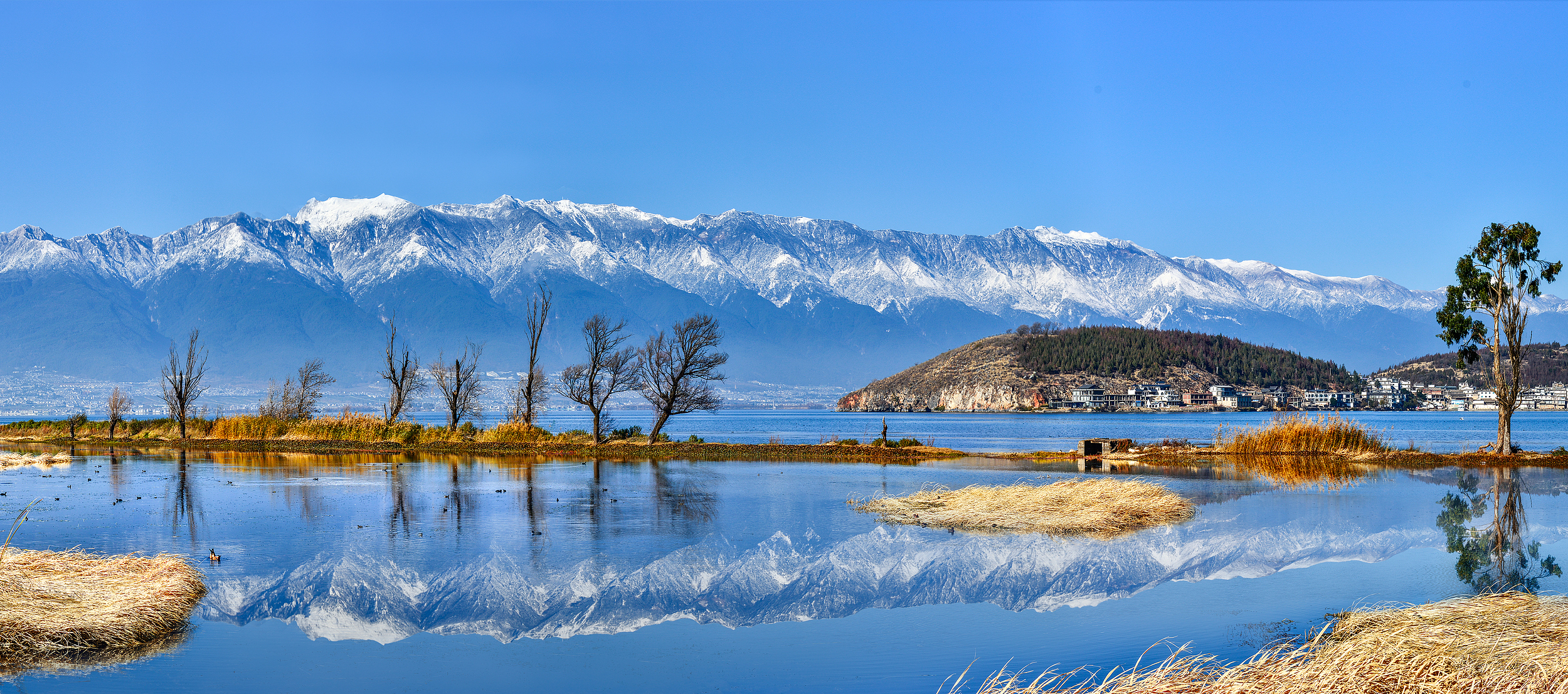
2026 Dali Travel Guide: must-see attractions, popular food, hotels, transport & travel experiences (updated in February)
16023 posts
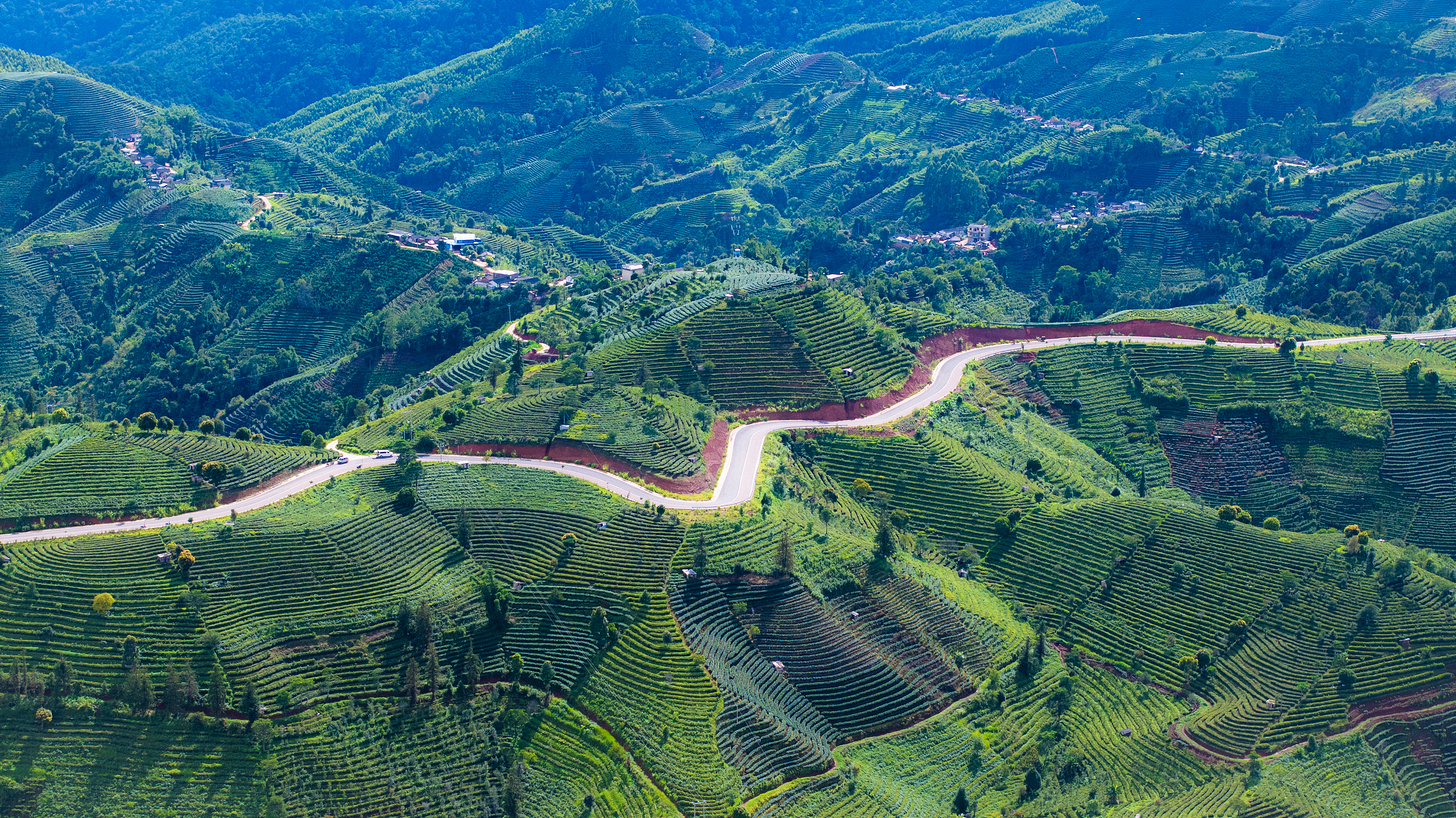
2026 Pu'er Travel Guide: must-see attractions, popular food, hotels, transport & travel experiences (updated in February)
1011 posts
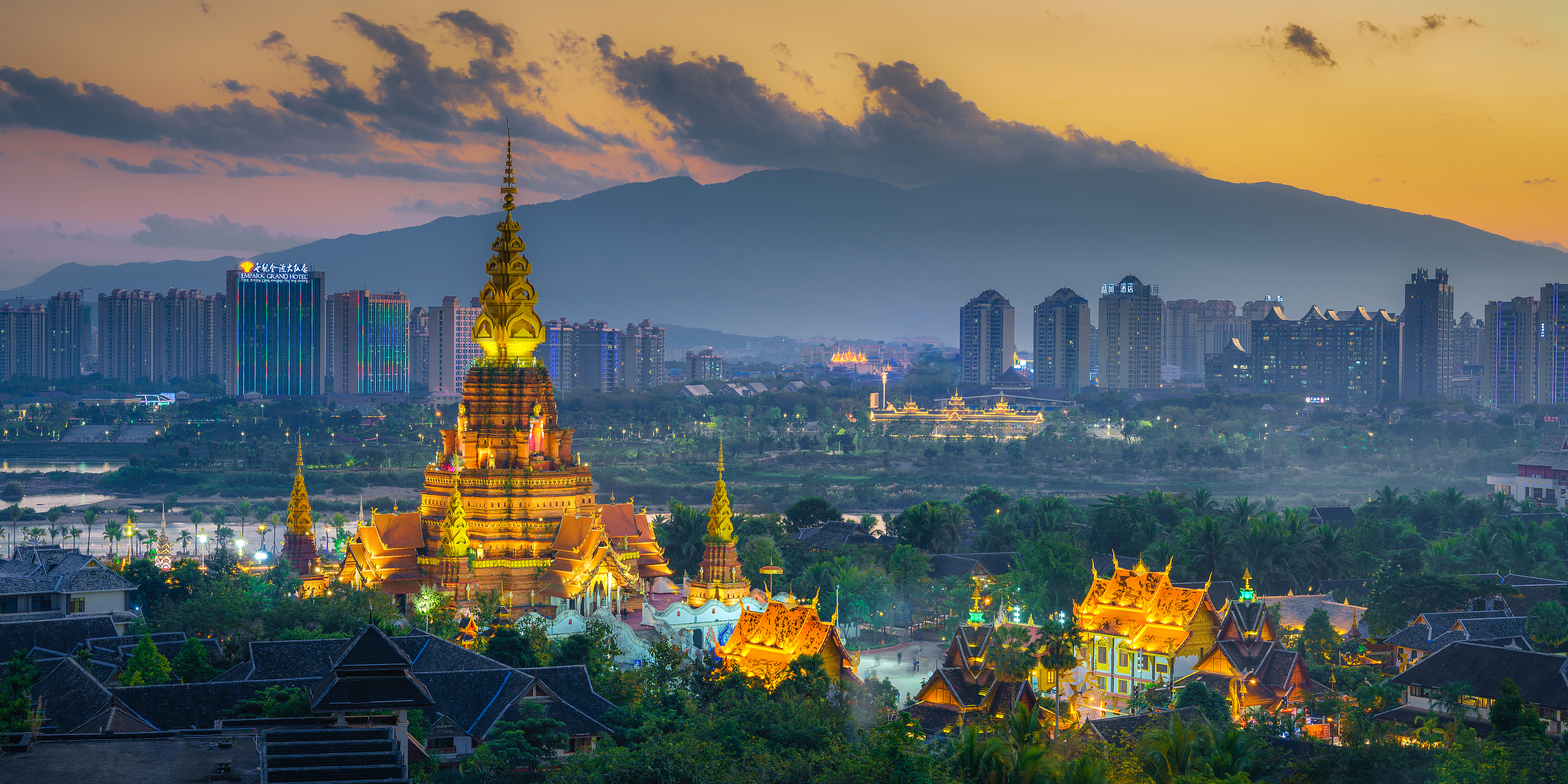
2026 Xishuangbanna Travel Guide: must-see attractions, popular food, hotels, transport & travel experiences (updated in February)
923 posts
Post
More recommendations
Popular Trip Moments
Lincang - A hidden gem in the heart of Yunnan | Water Poplar Forest on the East Section of Hedilu Road, Xi'an (with Guide) | First time visiting Lincang, just copy this itinerary | Rocking Grandma Sees the World - Border Trip, Walking on the Border Trail | Yunnan Lincang | A Hidden Gem Unknown to 99% of People! What a Find! | Mengding! Don't miss this border town! | A Must-Visit Happy Place: Mengding | Gengma in March is truly amazing. | Gengma Travelogue: Experience the Colorful Ethnic Customs | It’s really not abroad! Mengding, a small border town in Yunnan, is unexpectedly fun | Yunnan Border Town Buddhist Temple, Gengma Zongfo Temple's Rich Exotic Charm | 5-Day Lincang Itinerary for Lunar New Year | Winter in Lincang: 5-Day Itinerary | Lincang Winter Tour: Unmissable Scenery | Say Goodbye to Confusion with This 5-Day Lincang Tour Guide | 5-Day Lincang New Year Tour: The Ultimate Guide | 5-Day Lincang Tour: A Unique Experience Every Day! | Summer Travels in Yunnan, Meet in Mangjian, No Matter How Busy, We Must Meet | Mengding | A border town in Yunnan | Lesser-Known Travel Destination in Yunnan—Gengma in Lincang | Gengma General Buddhist Temple in Yunnan - Discover the Charm of Buddhist Culture! | The Untold Secrets of Gengma: A Day of Exploring Ancient Relics and Natural Wonders | Stepping into the Gengma Tusi Mansion, one discovers a forgotten Tusi kingdom | Came to the border town of Mengding, Lincang, to do the Tai
Recommended attractions at popular destinations
Popular Attractions in Bangkok | Popular Attractions in Manila | Popular Attractions in Tokyo | Popular Attractions in Taipei | Popular Attractions in Hong Kong | Popular Attractions in Seoul | Popular Attractions in Kuala Lumpur | Popular Attractions in Los Angeles | Popular Attractions in Shanghai | Popular Attractions in New York | Popular Attractions in Shenzhen | Popular Attractions in Osaka | Popular Attractions in Singapore | Popular Attractions in London | Popular Attractions in Guangzhou | Popular Attractions in San Francisco | Popular Attractions in Beijing | Popular Attractions in Macau | Popular Attractions in Bali | Popular Attractions in Jakarta | Popular Attractions in Paris | Popular Attractions in Ho Chi Minh City | Popular Attractions in Istanbul | Popular Attractions in Phuket | Popular Attractions in Chicago | Popular Attractions in Seattle | Popular Attractions in Toronto | Popular Attractions in Orlando | Popular Attractions in Cebu | Popular Attractions in Chiang Mai
Popular Restaurants in Gengma
耿马火瓢牛肉火瓢羊肉店 | 芒团纸村农家 | Baluokecha Restaurant | 鱼头饭店 | 翰臣花园酒店(孟定镇店)·餐厅 | 路路家家餐饮 | 必来客(耿马店) | 杜氏香满园小吃店(耿马商业城店) | 耿马宋福山庄 | 版纳傣味烧烤店 | 滇汁馆(手抓饭) | 川魂帽牌货冒菜(景戈路店) | 小海风味烧烤(人民路总店) | Rulijinwang Restaurant | 朋来格饭店 | Shunminyuan Fast Food | 傣乡人家 | 傣家饭店(羊耿线店) | 宰依少傣味庄园 | 回味饭店 | 巍山回味饭店 | 佤王御善饭店 | 景野露营烤吧 | 醉安逸烧烤 | 荟美轩糕点 | 柴火鸡 | 新鑫饭店(弹石路店) | 孟定镇乡源鱼庄 | 傣之味 | 芭蕉叶米干店
Popular Ranked Lists
Top 50 Must-Visit Restaurants in Paris | Popular Best Things to Do in Yuyao | Top 20 Luxury Hotels near Rotterdam | Top 50 Luxury Hotels near Athens | Top 50 Must-Visit Restaurants in Kuala Lumpur | Top 10 Best Things to Do in Linyi | Top 10 Local Restaurants in Lushan National Park | Top 50 Must-Visit Restaurants in Kyoto | Top 10 Best Things to Do in Handan | Top 50 Must-Visit Restaurants in George Town | Popular Luxury Hotels Near Vancouver | Top 50 Luxury Hotels near Munich | Top 50 Must-Visit Restaurants in Beijing | Top 50 Must-Visit Restaurants in Florence | Top 50 Must-Visit Restaurants in Ho Chi Minh City | Top 50 Must-Visit Restaurants in Athens | Top 20 Best Things to Do in Shijiazhuang | Top 20 Luxury Hotels near Utrecht | Popular Luxury Hotels Near Paris | Popular Best Things to Do in Changli | Top 10 Luxury Hotels near Kuala Terengganu | Popular Luxury Hotels in Lanai City | Top 50 Best Things to Do in Luoyang | Top 10 Best Things to Do in Zibo | Top 50 Must-Visit Restaurants in Seoul | Top 20 Best Things to Do in Qinhuangdao | Popular Luxury Hotels in Paradise | Popular Luxury Hotels Near New York | Popular Best Things to Do in Tongdao | Popular Luxury Hotels Near Sydney
About
Payment methods
Our partners
Copyright © 2025 Trip.com Travel Singapore Pte. Ltd. All rights reserved
Site Operator: Trip.com Travel Singapore Pte. Ltd.
Site Operator: Trip.com Travel Singapore Pte. Ltd.