https://ca.trip.com/moments/destination-sleman-regency-136220/
2026 Sleman Regency Travel Guide: must-see attractions, popular food, hotels, transport & travel experiences (updated in January)
Essential Travel Information for Sleman Regency
Sleman Regency Today's weather
Mostly cloudy 22-34℃

Latest Travel Trends in Sleman Regency
Popular Attraction in Sleman Regency
Prambanan Temple
(145)Museum Ullen Sentalu
(2)All Trip Moments about Sleman Regency | Travel Experiences
selo.coffee
Serene coffee spot in the East Jogja area The vibes are really comfortable, great for relaxing. Coffee, snacks and heavy meals are also available. Swearing schedule it here with your besti or family6 @selo.kopi Salakan, Selomartani, District. Kalasan, Yogyakarta, Region Yogyakarta Special 09.00-22.00dogop aja3Concrete & Coffee @ Estuary Cafe
Estuary Cafe in Yogyakarta is a hidden gem that combines great coffee with stunning architecture. The coffee here is top-notch, with rich flavors that hit the spot. Whether you're into espresso or prefer a creamy latte, they've got you covered. But what really drew me to Estuary is its brutalist architecture. The sleek lines and minimalist design create a modern and unique atmosphere that's unlike other cafes in the city. The concrete walls and industrial accents give it a cool, urban vibe. Plus, the natural light streaming in through the large windows adds to the ambience. If you're a coffee aficionado that also appreciates good design, Estuary Cafe is definitely worth a visit if you’re in the area! #WinHKFlight #winhkflight I'd love to visit Hong Kong for its vibrant culture, stunning skyline, and delicious cuisine. From bustling markets to tranquil temples, there's so much to explore. Plus, the fusion of Eastern and Western influences creates a unique and dynamic atmosphere that's truly captivating.porkyhei6Sentrum space
This place is very comfortable to hang out with friends. the food and beverage menu is varied and reasonably priced. the facilities are also complete, there are toilets and prayer rooms. the place is clean and spacious to enjoy. many tenants are sold outside such as bread, ice cream etc. many photo spots that are certainly instagramable. if it's a good afternoon, you can enjoy it while chilling and chatting casually.Travela-dic29Kanjeng Heritage home
You can find villas in Jogja with private pools that are comfortable, exotic, and offer a homely atmosphere, at Kanjeng Heritage Home Jogja by Raminten. A traditional style meets bohemian style. the service is also friendly, recommended for those who are looking for a contemporary villa with a bohemian white feel. Feels like home. That's the right word to describe this villa.Travela-dic8Indonesia's Borobudur and Prambanan temples in 1 day
We flew from Russia specifically to see the world's most ancient treasures, Borobudur and Pranbanan, located near Yogyakarta. One day for both temples. Independently. By public transport. In comfort. Both temples are approximately 12 centuries old, 50 years apart. This miracle, saved from Dutch plunder, was only a volcanic eruption. "Every cloud has a silver lining," as the Russian proverb goes. For 300 years, the East Indian Company mercilessly exported everything from this region, exploiting the local population. A small competition between two powerful dynasties 12 centuries ago helped build two wonders of the world, 40 km apart: Borobudur (Buddhist Sailendra dynasty) and Pranbanan (Hindu Saijaya dynasty). So, the goal is defined. Means of implementation: public transportation – a bus. The easiest way to find a bus to Borobudur is on Malioboro Street near the Bank of Indonesia, a huge white Moorish-style building with two towers. Buses depart from this stop approximately every half hour. The bus takes about an hour, is very comfortable, small, seats about 15 people, and makes virtually no stops. The bus costs 20,000 rupiah (100 rubles). The bus terminal is near the Borobudur Temple (about 2 km), and rickshaws also take you to the temple for 20,000 rupiah. Entrance to the Borobudur Temple complex costs 400,000 rupiah (2,000 rubles). Mini groups are formed inside and given special flip-flops. Free electric cars drive around the grounds. A guided tour of the temple is free. We were assigned a guide who gave us a wonderful hour-long tour. Borobudur is a materialized mandala of the "cosmic dream of Buddha," inviting everyone not only to emerge from this dream but to awaken to its true nature—boundless, empty, luminous, and free from fear. The mandala is structured on three levels. 1. Scenes of worldly passions and karma on the hidden foundation—this is the densest, "nightmare" layer of the universal dream, in which beings are completely absorbed in illusion. 2. Reliefs of scenes of Prince Sujana. There are over 1,300 reliefs and 432 Buddha statues in niches. 3. The world without form. Looking through the stone lattice at the Buddha statue inside is a moment of enlightened vision: you are still in the relative world (you see forms), but your perception has changed. You see the empty nature of all phenomena. · Central Stupa - Awakening from Sleep: The emptiness in the center represents the final awakening, transcending the very metaphor of sleep. It is a state that cannot be described by form or symbol (Nirvana). It is the realization of what "cosmic sleep" is. We spent two hours in Borobudur and returned to the bus terminal by 12:00. A comfortable minibus took us directly to Pranbanan in 1.5 hours for 35,000 rupees (175 rubles). Pranbanan. Entrance fee: 400,000 rupees (2,000 rubles). The grounds are large. The Sanjaya dynasty, with the construction of the temple, declared a manifesto of their return to Hinduism. The temple walls are decorated with carved stone bas-reliefs from the Ramanayama tradition. Three main temples = trimurti, the main gods: Shiva (the main, largest), Vishnu, Brahma. Cosmological symbol: The complex is a model of the universe in the Hindu understanding. Tall, pointed temples (shikharas) symbolize the sacred Mount Meru—the center of the universe, the abode of the gods. The three gods are responsible for the cycle of creation: Brahma (creation), Vishnu (preservation), Shiva (destruction/transformation). Their unity is the foundation of the cosmic order. Inside the main Shiva temple is a four-armed statue of Shiva. Important: also here (with separate entrances) are statues of his consort Durga, his teacher Agastya, and Ganesha. Like Borobudur, Prambanan is a three-dimensional mandala. But if Borobudur is a Buddhist mandala leading to a state beyond form, then Prambanan is a Hindu mandala affirming the hierarchical structure of the universe. Thanks to two female students doing an internship for the tour of the complex. Near Prambanan is the train station. A comfortable commuter train took us to the central station of Yogyakarta for 40,000 rupees (200 rubles). Fast and comfortable. 3 round concentrators symbolizing reality.Natalia SamohinaBeautiful Day at Prambanan Temple
Prambanan Temple is the largest Hindu temple complex in Indonesia and one of the most beautiful in Southeast Asia. It was built during the reign of Rakai Pikatan of the Ancient Mataram Kingdom and dedicated to the Trimurti: Brahma (the Creator), Vishnu (the Preserver), and Shiva (the Destroyer). This temple is a UNESCO World Heritage Site. The legend of Roro Jonggrang originates from this temple complex. Best photo spot: The bench under the tree not far from the exit. Tips: To visit Sewu Temple and other temples, you can rent a bicycle or an electric bike. This allows you to explore the area faster, especially when the weather is very hot.CreatewithagnezReady for
Ready for a wild volcano adventure? 🌋 Get up close to the raw power of Mount Merapi with an epic day in Cangkringan, Sleman Regency! Think smoldering craters, surreal landscapes, and real stories of survival—definitely not your average Insta-hike. Top Spots to Visit: 1. Lava Tour Merapi Jogja (Jl. Raya Merapi Golf No.11) 🚙 Start with a thrilling jeep ride across black volcanic sand and ancient lava flows—smoke rising dramatically against a backdrop of sunny trees and twisted power poles. Tours kick off as early as 04:30 AM, so catch that golden hour glow! 2. Bunker Kaliadem Merapi (Kinarejo, Hargobinangun) 🏚️ Open 24/7 for hardcore explorers, this bunker is a haunting reminder of Merapi’s fury. Step inside for surreal views of the volcano and imagine life during the eruption. Tip: There’s little shade, so bring a hat and stay hydrated! 3. Musium Petilasan Mbah Maridjan (Kinarejo, Umbulharjo, Cangkringan) 🧓 This powerful museum (open 07:00–17:00) honors the legendary volcano guardian. Local guides share eye-opening stories—if you're keen on real-life insight, don't miss it! Transport Hack: Grab a local jeep tour (book onsite), or rent a scooter for max flexibility. Roads can be dusty after eruptions—mask and sunglasses recommended! Food Rec: Hit warungs in Cangkringan for spicy ayam geprek and fresh coconut water—perfect post-trek fuel! Merapi Tips: Bring sunscreen, a scarf for dust, and charge your phone (epic volcano selfies incoming!). Cash is king in the hills, so stock up. #MerapiLavaTour #JogjaAdventure #VolcanoViews #CangkringanDaytrip #IndonesiaNatureSyahriazSantorininya - Pulau Jawa
This tourist destination replicates the ambiance and distinctive blue-and-white architecture of Santorini, Greece, and is known as "Santorini Jogja." Here are the details: 📍 Location • Agrowisata Bhumi Merapi is located on the slopes of Mount Merapi, north of Jogja city. • Address: Jalan Kaliurang Km. 20, Sawungan, Hargobinangun, Pakem, Sleman, Yogyakarta. 🏛️ Main Attraction • Santorini Photo Spot: This area features blue-and-white buildings complete with spiral staircases, wooden windows, and small balconies, making it a highly Instagrammable location often used for selfies and pre-wedding photos.Ungkis🌅🍜 Yogyakarta – A City Full of Heritage, Flavors & Warm People
#hellochristmas Yogyakarta feels like the heart of Java — rich with heritage sites, delicious food, and some of the friendliest people you'll ever meet. From enjoying gudeg in a cozy warung to watching sunsets over historic landscapes, the city offers a warm blend of culture and comfort. The slow-paced charm mixed with vibrant local life makes it a place where you can truly unwind, explore, and connect. ⭐ Verdict: A well-rounded destination for foodies, history lovers, and anyone seeking an enriching trip. 💛 Why I Recommend: Because the food, the culture, and the hospitality create a travel experience that feels deeply meaningful.AZIZUL93Recommended Tourism in Kaliurang, Yogyakarta
#tripsandtricks: Some family-friendly attractions in Kaliurang 🥰 It's located in the highlands, so the air is definitely cool during the day. To avoid just wandering around, I'll give you some recommendations to make your trip more exciting. If you want to explore without getting tired, you can stay at the Kaliurang Hotel, which is quite affordable but has a 4-star rating (information via Google Maps). Follow and share for more vacation recommendations ☺️Fera | Travel Mate OnlineTour to the zoo in Jogja
📍 Description: Welcome to Suraloka Zoo, a fun and educational family tourist destination in the Kaliurang area of Yogyakarta! 🐾✨ In this video, we'll explore the various attractions and interesting spots at Suraloka Zoo—from the cute and adorable animal area, the colorful bird park, to the aesthetic photo spots that are perfect for those of you who love hunting for photos! 📸 Besides being a recreational destination, Suraloka Zoo also embraces an edutainment concept, where visitors can learn about animals interactively. Kids can feed the animals, play in the mini outbound area, and even take part in fun educational activities! 🎒🐰 🌿 Facilities: ✅ Interactive animal area ✅ Bird park & reptile house ✅ Instagrammable photo spots ✅ Children's play area & cafe with beautiful views 🎟️ Ticket prices & opening hours: Entrance ticket: 35,000 Open daily: 8:30 AM – 5:00 PM WIB Come on, watch until the end and experience the thrill of adventure at Suraloka Zoo, a little paradise at the foot of Mount Merapi! 🌋❤️ #tripoutdoor #Jogja #Zoo #Suralokaaya_ai1[Recommended information for Spot Riyadi (Yogyakarta Prambanan Plateau)]
#AbsolutelyFreeTrip ⸻ 🌄 Recommended Points • Spectacular Viewpoint This elevated spot offers panoramic views of Prambanan Temple, Mount Merapi Volcano, and the expansive countryside. The scenery, set against the backdrop of rising morning mist and sunset skies, is truly picturesque. Its visual appeal is so impressive that it even received a high rating in the Scientific Landscape Evaluation (SBE) score. • Local Attraction The name derives from the local "Riyadi's Garden." Once privately owned, this spot has now evolved into a popular photo spot for locals and photography enthusiasts. Its casual, rustic atmosphere is also appealing.旅仲間は正露丸Suwatu by Mil & Bay — Is This Yogyakarta’s Famous Hilltop View Restaurant Worth It?
#springitinerary We booked a table in advance on Instagram for Tuesday evening at 6 PM, since most shops and attractions in Yogyakarta are closed on Mondays. We rode motorbikes up the mountain, and I have to say, be very careful riding at night on those winding roads! When we arrived, there weren’t many people. There are two seating options priced at 75k IDR and 125k IDR — we chose the 75k one, which was more than enough. The night view was nice, but honestly, I think it would be much better during the day. The staff were attentive and friendly, which was a plus. But the food? Honestly, it was just okay — nothing special. So if you’re planning a trip just for the food, I’d say it’s not really worth it. But if you happen to be passing by Prambanan, then it’s worth stopping by for the views. #StunningViewRestaurant #Yogyakarta #Indonesia #IndonesianEatsPatootie18Celebrate the Dragon Boat Festival at Ratu Boko Palace
Take advantage of the rare Dragon Boat Festival holiday and plan a trip to Yogyakarta. Ratu Boko Palace, located about 17 kilometers from Yogyakarta city center, is an ancient palace site on Java Island. Once the royal palace of the Javanese Kingdom, it boasts a rich history and preserves numerous ancient architectural relics to this day. The architectural style of Ratu Boko Palace blends elements of Hinduism and Buddhism, with the main palace building and surrounding walls being the most prominent features. The stone carvings and reliefs within the palace showcase the art and religious beliefs of the time. The best time to visit is during sunset, when the palace's flat surfaces reflect the jungle and sky, creating a picturesque scene perfect for photography. It's an ideal destination for the Dragon Boat Festival holiday.OUIL Kthree.by.kanca
A cozy coffee shop to hang out in Jogja! The place is not big, but it has a warm atmosphere that makes you feel at home. You must stop by here if you are in Jogja, especially if you are around Sleman. Has anyone ever stopped by here? [TIGA BY KANCA] gg. Akasia, Kwarasan, Nogotirto, Gamping District, Sleman Regency C 10:00-22:00 ■@tiga.by.kanca Follow @archethics for more references.dapit jakjovincojogja
referensikopi Lately, coffee shops with a mid-century modern concept have been popular, not only because they present a warm atmosphere but also because they are very aesthetic and nostalgic. Like the one we just visited some time ago, the name of the place is @jovincojogja, which we have been following for a long time. When we found out they opened a coffee shop, we were quite excited considering their vintage furniture products which would be very interesting if combined in a coffee shop. Sure enough, when we first entered, we were amazed by the concept and selection of knick-knacks in it. Warm and made to dissolve in the atmosphere. The surrounding environment is also supportive. Beautiful, calm, even the sound of the gurgling river next door can still be heard. The location is around Ngemplak Sleman, to put it simply, around the northern area of Maguwoharjo stadium. If from the city it is indeed quite far, fortunately yesterday I used Yamaha Grand Filano, the petrol didn't feel reduced, bringing a lot of luggage is also not a problem because the trunk is spacious Just come straight away! JOVINC0 @jovincojogja 16:00 -- 21:00 (better confirm via DM) Ngemplak, Sleman, YogyakartakentunggantengPancoh Tourism Village
#favouriteitinerary Desa Wisata Pancoh in Sleman is a great place to experience village life and nature. The air is fresh, and the surroundings are green and peaceful. Visitors can join fun activities like farming, learning traditional crafts, and cooking local food. The people in the village are very friendly and welcoming. It’s a great place to relax and enjoy simple village life. The accommodation is basic but clean and comfortable. It’s perfect for families, students, or anyone who wants to escape the city. It’s a wonderful place to learn about Javanese culture and enjoy nature at the same time.Travelwithfeiwakedjayacoffee
Joglo Limasan hidden coffee shop concept tropical not far from Sambisari Temple. If you are bored of drinking coffee in the same place, Looks like you can try this place. The location is not very far from the city but it already has quite a different atmosphere. So the story was yesterday when I was walking around in the Kalasan area with #YamahaGrandFilano accidentally found it This cute place, the atmosphere is really calm view of rice fields which is integrated with the concept. Besides that concept, they complement it with menus that are quite worthit. We have made a complete beta here. Motorbikes from the city to Kalasan don't feel like there's less fuel because the Filano is really economical + the trunk is spacious so you're free to carry a lot of things. Bangun Djaya Coffee @bangundjayacoffee 10:00 ---23:00 Sambisari, Kalasan, Sleman, Yogyakarta (north of Candi Sambisari)jago gilakanarisocietyandspace
The location is still the same but this time with a different new building. The name of the place is @kanarisocietyandspace which is precisely on Jl. Cempaka Baru, Condongcatur, Sleman. The location is a bit off the main road which makes it difficult This place is calm and conducive, the buildings are quite small Enter from the street position with a wide space in front so the parking area is super large. When you enter you are immediately greeted with an indoor area which is quite spacious with lots of seating options. This area can be used for doing homework or just hanging out casually with friends. Continuing in the back area there is a semi indoor and outdoor which is no less comfortable, this area is more suitable for those of you who want to relax while enjoying the atmosphere. Oh yes they also have 2 decent meeting rooms and comfortable yeah! The prayer room is also clean d For the menu there are quite a lot of choices ranging from coffee, non-coffee, snacks to main dishes. Check the menu details we try it on slide 3! Kanari Society & Space @kanarisocietyandspace 10:00 ---24:00 Jl. Cempaka Baru, Condongcatur, Depok, Sleman Yogyakartajago gilakI am okay
I am okayProjectOUmpama Café: A Hidden Gem for Tranquil Moments
#indonesiatrip Tucked away in a serene corner, Umpama Café invites you to unwind and savor the little joys of life. The warm, earthy tones and rustic décor create a cozy haven where every sip of coffee feels like a comforting embrace. The aroma of freshly brewed beans mingles with the soft melodies playing in the background, making it the perfect spot for introspective moments or heartfelt conversations. As you settle in, the meticulous attention to detail becomes apparent—from the artfully crafted latte art to the thoughtfully curated menu featuring local delicacies. Whether you're indulging in a decadent dessert or a hearty meal, each bite is a testament to the café's commitment to quality and authenticity. Umpama Café is more than just a place to eat and drink; it's a sanctuary where time slows down, and the ordinary becomes extraordinary.Riize riseCOFFEE PITUTUR
If you are visiting Jogja, you must stop by @pituturkopi, a slow bar coffee shop located in a residential area in Sariharjo. The place is simple and not too spacious, but the calm atmosphere makes this place feel warm and comfortable. The choice of beans for manual brew is quite varied from various origins, the taste is on point and really recommended for you to try. . Coffee Pitutur Jl. Waras, Panggung Sari, Sariharjo, District. Ngaglik, Sleman Regency, Special Region of Yogyakartadapiii13Exploring Suburbuns, Yogyakarta
#indonesiatrip Suburbuns is a hidden gem located at Jl. Kaliurang No. 29, Yogyakarta. This charming cafe seamlessly blends modern design with a cozy atmosphere, making it an ideal spot for both casual meet-ups and focused work sessions. The interior features a stylish mix of wood accents and greenery, creating a warm and inviting space. Their menu offers an array of delectable coffee options, refreshing smoothies, and mouthwatering pastries, perfect for any time of day. What sets Suburbuns apart is its commitment to sustainability and local sourcing. The cafe actively supports local farmers by using fresh, organic ingredients in their dishes. Additionally, the friendly staff are always eager to recommend their favorites, enhancing the overall experience. Whether you're a local or just visiting Yogyakarta, Suburbuns is a must-visit destination for coffee lovers and food enthusiasts alike.aestravelerKopi Hoja Mie & Yu, Yogyakarta
#indonesiatrip Kopi Hoja Mie & Yu in Yogyakarta is a charming eatery that beautifully marries the rich flavors of Indonesian cuisine with a passion for artisanal coffee. Located on Jl. Raya Prawirotaman No. 22, this cozy spot is easily accessible and offers a warm and inviting atmosphere, perfect for casual dining or a coffee break. The menu features a delightful array of noodle dishes, each crafted with fresh, quality ingredients, alongside a selection of expertly brewed coffee. The signature mie dishes are particularly noteworthy, boasting rich flavors and a perfect balance of textures that leave diners craving more. The attentive staff at Kopi Hoja enhance the experience with their friendly service and willingness to help you choose the ideal dish or drink. The cafe's ambiance is further complemented by its stylish decor, making it a great spot for both social gatherings and solo visits. Whether you're looking to savor a hearty noodle bowl or enjoy a cup of coffee while soaking in the atmosphere, Kopi Hoja Mie & Yu is a must-visit destination in Yogyakarta that promises a delightful culinary experience.aestravelermememww
mememwwProjectOThis Chaos
This Chaos Night, i feel aloneProjectOSVARGA FLORA COFFEE
One of the coffeeshops that was visited at that time when visiting Jogja. The lush coffeeshop with seating area is pretty much composed of two floors which are equally comfortable, the menu here is also quite diverse and of course delicious and affordable. For those who are looking for a coffee ambiance like in a forest, highly recommend to visit here with friends and family . . SVARGA FLORA COFFEE & PLANTS @svargaflora.coffee 08am -01am JI. Affandi No.26A Kab. Sleman, YogyakartaclariminaElevate Your Sip at Gimbo Coffee
#cnyfeast Discover the art of exceptional brewing at Gimbo Coffee, where each cup is a masterpiece of flavor and aroma. Our carefully selected beans are roasted to perfection, bringing out the unique characteristics and nuances that make every sip a delight. Whether you're enjoying a rich espresso or a velvety latte, our coffee promises a journey of taste that elevates your day. Our stylish and welcoming space is designed to provide a perfect escape from the everyday hustle. With its warm ambiance and friendly atmosphere, Gimbo Coffee is the ideal spot to relax, connect, and savor the moment. Join us and experience the exquisite flavors and inviting charm that make Gimbo Coffee a true haven for coffee lovers.Riize rise

Popular Travel Topics in Sleman Regency
2026 Recommended Restaurant in Sleman Regency (Updated January)
55 posts
2026 Recommended Guides in Sleman Regency (Updated January)
43 posts
2026 Recommended Attraction in Sleman Regency (Updated January)
27 posts

Popular Destinations Near Sleman Regency

2026 Bangkok Travel Guide: must-see attractions, popular food, hotels, transport & travel experiences (updated in January)
61791 posts

2026 Barcelona Travel Guide: must-see attractions, popular food, hotels, transport & travel experiences (updated in January)
3269 posts
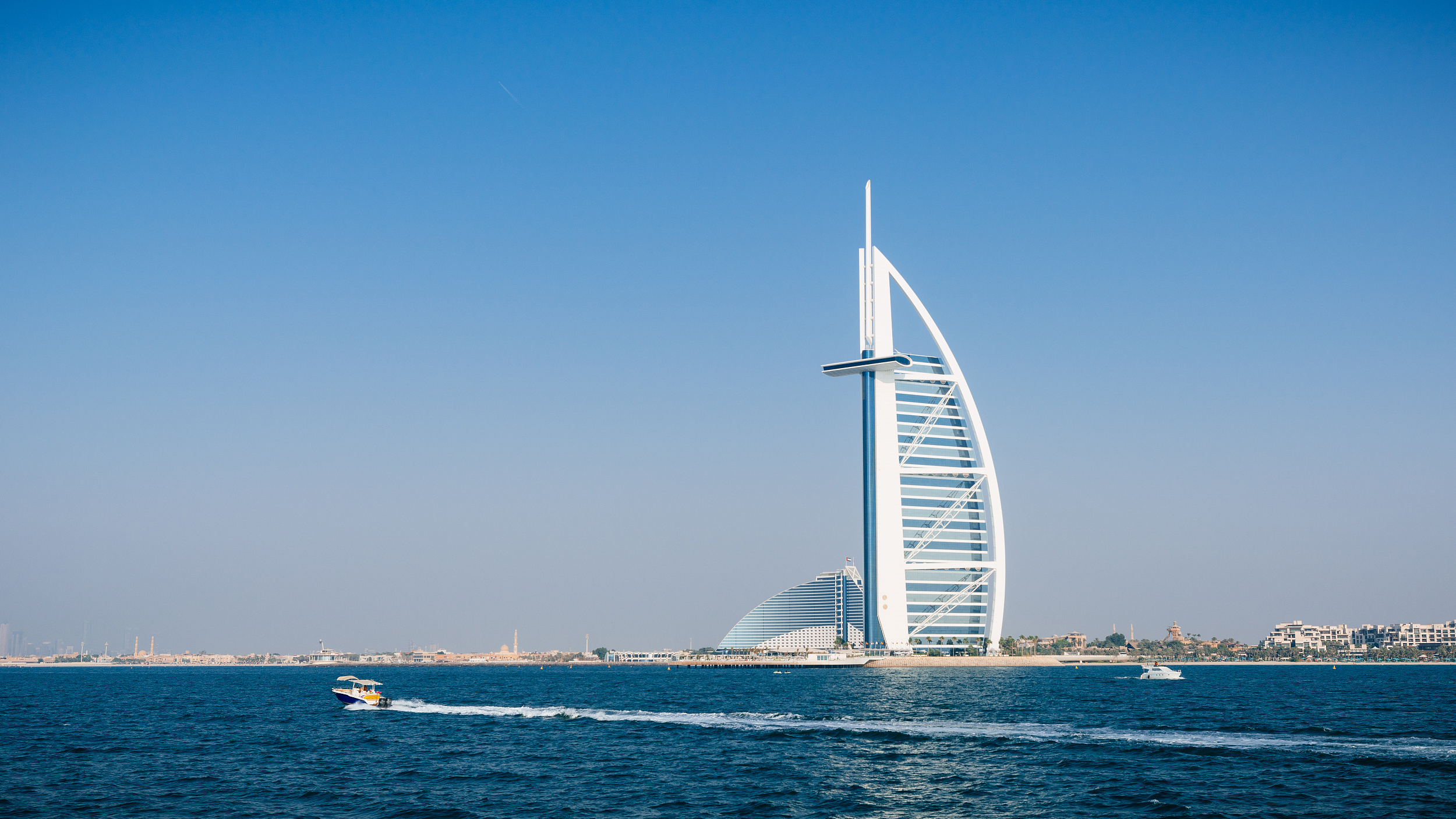
2026 Dubai Travel Guide: must-see attractions, popular food, hotels, transport & travel experiences (updated in January)
3149 posts
- 1
- 2
- 3
- 4
Post
More recommendations
Popular Trip Moments
A 2-day, 1-night journey through the millennia-old Javanese kingdom of Yogyakarta and Central Java, Indonesia | A toddler's adventure | La Dorada by Bohemian Jogja Villas | Comfy Hotel with Beautiful Interior & Friendly Prices✨ | One of the Coolest Places for Staycation | ✨ Urbanview Code Riverstay — Budget Hotel on the Riverfront | ✨ Alena Coliving — Hotel Minimalis Favorit Gen Z | Borobudur Sunset Spectacle | Indonesia's Borobudur and Prambanan temples in 1 day | Cute glamping starting from 200 thousand | Honeymoon with Summer Vibes | Tips for getting a hotel at a cheap price | New Year's holiday but cheaper | Comfortable villa with private pool | Cheap Hotel 10 minutes to Gembira Loka | Prambanan Temple Travel Guide in Yogyakarta, Indonesia | A Hindu Sanctuary by the Volcano, Hiding a Legendary Cross-Faith Romance | Tujuan Jogja Villa: A Romantic Getaway | Villa di Bali Jogja | A True Paradise for Kids! | Family-Friendly Hotel! | Beautiful Day at Prambanan Temple | LPP Gaeden Hotel ! | Glamping-style hotel in Jogja | DISCOVER PRAMBANAN TEMPLE 🇮🇩 NOT JUST A TEMPLE!! | Prambanan Awakes✨ | Affordable Bali-style staycation in Jogja | Jogja Trip That Makes You Happy But Budget-Friendly? | Cheap staycation that won't break the bank!🤩✨ | Luxurious Royal Staycation in Yogyakarta | Prambanan Glow🌅 | 🌅 Ancient Echoes: A Day at Prambanan Temple Complex
Recommended attractions at popular destinations
Popular Attractions in Bangkok | Popular Attractions in Manila | Popular Attractions in Tokyo | Popular Attractions in Taipei | Popular Attractions in Hong Kong | Popular Attractions in Seoul | Popular Attractions in Kuala Lumpur | Popular Attractions in Los Angeles | Popular Attractions in Shanghai | Popular Attractions in New York | Popular Attractions in Shenzhen | Popular Attractions in Osaka | Popular Attractions in Singapore | Popular Attractions in London | Popular Attractions in Guangzhou | Popular Attractions in San Francisco | Popular Attractions in Beijing | Popular Attractions in Macau | Popular Attractions in Bali | Popular Attractions in Jakarta | Popular Attractions in Paris | Popular Attractions in Ho Chi Minh City | Popular Attractions in Istanbul | Popular Attractions in Phuket | Popular Attractions in Chicago | Popular Attractions in Seattle | Popular Attractions in Toronto | Popular Attractions in Orlando | Popular Attractions in Cebu | Popular Attractions in Chiang Mai
Popular Restaurants in Sleman Regency
Gudeg Sagan | Pasta Banget Signature | Punika Deli | Syndeo Cafe | Jejamuran | Sasanti Restaurant | Hikaru Dining Japanese Restaurant | Warkop Lidahibu | Jambon Resto Family Restaurant | Hayati | Specialty Coffee | Kali Opak | LUK Coffee & Book | NOX Coffee Boutique | Pikali Pizzeria | Tirta Sumilir | Wisata Ekonomi sosial dan budaya - Omah Bangsan | EPIC Coffee | Nanamia Pizzeria Mozes | Yogyakarta Kitchen by Marriott | The Paradise - Security Checkpoint | Erista Garden | Parsley Bakery Cake Shop & Restaurant | Ndoro Ajoe Resto | Abhayagiri Restaurant and Banquet Service | Sri Manganti Restaurant | Lollipop Family Entertainment Hotspot | Cats and Coffee | Bahasa Kopi | Gubug Makan Mang Engking | Opique Coffee Food
Popular Ranked Lists
Top 50 Must-Visit Restaurants in Sapporo | Top 10 Best Things to Do in Colombo | Popular Best Things to Do in Dongyang | Popular Luxury Hotels Near Marina di Marittima | Top 50 Must-Visit Restaurants in Leshan | Popular Luxury Hotels Near Rangarthing ytra | Popular Luxury Hotels Near Carovigno | Top 50 Must-Visit Restaurants in Tokyo | Top 10 Luxury Hotels near Kolasin | Popular Best Things to Do in Qingtongxia | Popular Luxury Hotels Near Getaria | Top 10 Best Things to Do in Tonglu | Top 50 Luxury Hotels near Maria Worth | Popular Luxury Hotels Near Grand Case | Top 10 Best Things to Do in Yongzhou | Popular Luxury Hotels Near Qinggang | Popular Best Things to Do in Mian County | Popular Luxury Hotels Near Gmina Nekla | Popular Best Things to Do in Ningxiang | Top 50 Luxury Hotels near Aglasun | Top 20 Best Things to Do in Haikou | Popular Luxury Hotels in Sainte Anne Marine National Park | Top 50 Must-Visit Restaurants in Hanoi | Popular Luxury Hotels in Cairns Beach | Top 50 Must-Visit Restaurants in Prague | Popular Best Things to Do in Tai'an | Top 10 Best Things to Do in Huai'an | Top 10 Must-Visit Restaurants in Bad Ischl | Top 50 Luxury Hotels near Finale Ligure | Popular Luxury Hotels Near Yanshou
About
Payment methods
Our partners
Copyright © 2025 Trip.com Travel Singapore Pte. Ltd. All rights reserved
Site Operator: Trip.com Travel Singapore Pte. Ltd.
Site Operator: Trip.com Travel Singapore Pte. Ltd.