https://ca.trip.com/moments/destination-yingjiang-2182/
2026 Yingjiang Travel Guide: must-see attractions, popular food, hotels, transport & travel experiences (updated in January)
Essential Travel Information for Yingjiang
Yingjiang Today's weather
Clear 6-22℃
All Trip Moments about Yingjiang | Travel Experiences
Yaste Hotel, a new stay experience!
📍Yaster International Hotel (Dehong Yingjiang County Government Branch) The meaning of travel lies in constantly exploring the unknown and experiencing the beauty of life. Every stay is a new beginning. This time, I chose Yaster International Hotel (Dehong Yingjiang County Government Branch), a new hotel that opened in 2022, which once again gave me a different kind of surprise. ✨【Accommodation】The hotel rooms feature a modern and minimalist design, especially the family rooms, which are spacious and bright, perfect for family trips. The intelligent voice control system made my check-in experience even more convenient; I could control various facilities in the room with just a voice command. 🍽️【Dining】The hotel has an elegant coffee shop offering a rich buffet breakfast, as well as local specialties to satisfy different tastes. 🚗【Transportation】The hotel is located next to the county government and bus station, making transportation very convenient. Whether driving or taking public transportation, you can easily reach your destination. 🛍️【Shopping】There are several shopping centers and supermarkets nearby, making shopping very convenient, where you can buy various local specialties and daily necessities. 🏞️【Entertainment】Nearby are Yunnan Yingjiang National Wetland Park and Yinghu Park, perfect for walks and enjoying natural scenery. You can also visit Yunyan Mountain for a hiking experience. ✅Location: Located at No. 226 Mihuilu, Pingyuan Town, the hotel boasts a prime location. It's close to Yingjiang Bus Station and Longchuan Guangsong Airport, and within walking distance of Yingjiang National Wetland Park, making it ideal for those wanting to connect with nature. For travelers seeking tranquility, this is a peaceful retreat away from the city's hustle and bustle. ✅Travel Tips: If you plan to explore the surrounding natural scenery, check the weather forecast in advance and choose a sunny day. Also, try the local specialties, such as Dai barbecue and wild vegetable soup – these authentic flavors will definitely make your trip more memorable. ✅Accommodation Recommendations: When booking a room, choose one by the window. This will not only offer beautiful views but also allow you to enjoy the tranquility provided by the hotel's soundproof windows. Additionally, the hotel's zero-pressure mattresses and memory foam pillows are very comfortable, helping to improve sleep quality and ensuring you get plenty of rest during your trip.ATV. Gus 2684Kaibangya Lake Stunning Overlook
In Yingjiang, a border town in Yunnan, I discovered a hidden paradise—Kaibangya Lake. The most enchanting experience here is renting a small boat to slowly glide across the lake, letting the clear water gently kiss your toes—a truly healing moment.🏞️ ✨Must-try experiences: 1️⃣ Boating on Kaibangya Lake 📍Z005 County Road, Yingjiang County, Dehong Dai and Jingpo Autonomous Prefecture ⏰ Open all day For just 100 yuan, you can rent a small boat and slowly row across the water dotted with green islands. I recommend setting off around 4 PM when the sunlight is gentle and not too harsh. The boat rental spot is very close to the parking lot, just a 5-minute walk to the lakeside. Remember to bring a pair of slippers; the feeling of wading in the lake is amazing! The water sparkles, and the trail left by the boat looks like a beautiful painting. Watching the reflection of the Gaoligong Mountains in the water and listening to the rhythm of the oars splashing, all worries drift away with the waves~ 2️⃣ Sunset tour at the viewing platform Be sure to climb to the viewing platform before dusk! It takes about 15 minutes to reach the top; the steps are not steep but wearing non-slip shoes is recommended. At sunset, the entire lake is dyed golden red, with the distant snow-capped mountains faintly visible. Any photo you take with your phone will look like a masterpiece~ 🏨 Healing accommodations: Tilianya Boutique Hotel 📍Building A, 1st Floor, No.1 Ninghu, Anning City The lake view rooms in this hotel offer an incredible view! From a high-floor west-facing room, you can watch the Ning Lake sunset just by opening the window. At 6 PM sharp, opening the window lets you capture the evening glow reflected on the lake. The room is over 40 square meters, very spacious, and the Haier water heater provides hot water quickly—after a day of fun, a hot shower is just perfect~ The front desk staff is super thoughtful; they gave me a hand-drawn local food map at check-in. The recommended fermented tofu is right across from the hotel in a snack street, just a 5-minute walk away. The hotel’s underground parking is very convenient for self-driving guests, with plenty of wide parking spaces. 🌤️ Tips: • UV rays at Kaibangya Lake are strong; sunscreen with at least SPF 50+ is recommended • It’s windy and temperature changes quickly in the lake center; bring a light jacket • The drive from Anning to Yingjiang takes about 3 hours; car rental or self-driving is recommended • The steps at the viewing platform can be slippery; wear non-slip sports shoesJoy_123_BrownDehong | A Dreamlike Journey to a Border Treasure Trove
Hey everyone! 👋 Can you imagine a place that blends the mystery of the rainforest, the vibrancy of ethnic customs, and the exotic charm of the border region? That's right, it's Dehong! Today, I'll take you to Dehong for an amazing trip. Preparations Documents: For some border areas in Dehong, you'll need a border pass. It's recommended to get it in advance at the local government service center; just bring your ID card. Clothing: Dehong has a warm climate, even in winter. If you're coming in summer, light and breathable short-sleeved shirts, shorts, and skirts are essential. In spring and autumn, the temperature difference between day and night is slightly greater, so bring a light jacket. Don't forget to bring a pair of comfortable sneakers for sightseeing. Other Items: Don't forget sunscreen, sunglasses, and an umbrella or raincoat, as the UV radiation is strong and rainfall is unpredictable. Itinerary Day 1: Mangshi – The Wonderful Beginning of the City of Dawn ●Morning: After arriving in Mangshi, head straight to the Mangshi Grand Golden Pagoda 🗼. It's a landmark of Mangshi, gleaming golden and dazzling in the sunlight. Climbing the Golden Pagoda and overlooking the entire city is an indescribable experience. ●Noon: Find a Dai restaurant in the city center and try local specialties like hand-grabbed rice, lemon salad, and pineapple purple rice – every bite is a tantalizing treat for your taste buds! ●Afternoon: Visit Bodhi Temple, a historic Buddhist temple with unique architecture. The temple grounds are lush with Bodhi trees, creating a tranquil and peaceful atmosphere. ●Evening: Stroll through Mangshi's night market, enjoy a cup of Paoluda (a local drink), and experience the city's vibrant nightlife. Day Two: Ruili – The Unique Charm of the Border Port ●Morning: Arrive at the Ruili Jiegao Port, one of China's largest land trade ports. You'll see many Burmese merchants and a variety of exotic goods. You can buy unique souvenirs such as jade jewelry and Burmese wood carvings. ●Noon: Enjoy a Jingpo meal in Jiegao, with dishes like ghost chicken and bamboo rice offering a unique flavor. ● Afternoon: Visit the "One Village, Two Countries" scenic area, where the border divides a Dai village in two. The Chinese side is called Yinjiang, and the Myanmar side is called Mangxiu. Here you can experience the unique landscapes of "One Bridge, Two Countries" and "One Well, Two Countries." ● Evening: Return to Ruili city and take a walk along the river, enjoying the night view. Day 3: Yingjiang – A Beautiful Encounter with Nature ● Morning: Head to Yingjiang National Wetland Park, a habitat for numerous migratory birds, where you can see various rare species. Stroll along the wetland boardwalk, breathe in the fresh air, and get up close to nature. ● Noon: Enjoy the local copper-pot beef hot pot in Yingjiang County. The beef is tender, and the broth is delicious. ● Afternoon: Visit Kaibangya Lake, with its clear, turquoise waters surrounded by mountains, resembling a paradise. You can take a boat tour and experience the tranquil beauty of the lake and mountains. ● Evening: If time permits, you can also participate in a bonfire party with ethnic minorities and sing and dance with the locals. Day 4: Longchuan – An In-Depth Experience of Ethnic Culture ● Morning: Visit the Jinghan Jade Rabbit Pagoda, a unique structure with profound Buddhist cultural significance. Learn about local Buddhist culture and architectural art. ● Noon: Savor Longchuan's Dai cuisine, such as Dai rice noodles and lemongrass grilled fish. ● Afternoon: Visit Husa Township, a famous settlement of the Achang ethnic group, renowned for its Husa knives. Visit a knife-making workshop, observe the artisans' exquisite skills, and purchase an authentic Husa knife as a souvenir. ● Evening: End the trip and return home with wonderful memories. Accommodation Recommendations: Mangshi and Ruili offer a wide range of accommodation options, from budget hotels to high-end resorts. For an authentic ethnic experience, consider a Dai bamboo house guesthouse; for comfort and convenience, chain hotels in the city center are a good choice. Yingjiang and Longchuan have fewer accommodation options, but basic needs can still be met. Transportation Guide ●External Transportation: You can fly to Mangshi Airport first, or take a long-distance bus to Dehong. ●Internal Transportation: When traveling in Dehong, you can choose to hire a car, take a taxi, or use public transportation. Hiring a car is more convenient and flexible, suitable for group travel; taking a taxi is relatively flexible, but you may encounter price increases during peak tourist season; public transportation is affordable, but the frequency may be low. My darlings, Dehong's beauty goes far beyond this, so pack your bags and embark on a spontaneous trip to Dehong! 👏BlazeFrostbite_66Yunnan Yingjiang | A small border town that avoids the May Day crowds
The beauty of Yingjiang is not something that shocks you at first sight, but it is worth staying here and slowly exploring. explore 🈯️Transportation Tips ✈️Flight: Fly to Mangshi Airport or Tengchong first, then share a car for 1.5 hours to Yingjiang (about 80 yuan/person) 🚘Self-driving: 9 hours from Kunming, passing Gaoligong Mountain along the way, the scenery is beautiful! (It is recommended to rent an SUV, there are many mountain roads) ✅8 must-visit places in Yingjiang 🔆Shimiwa bottom AAA scenic spot, free of charge. It is 46 kilometers from the city and takes 1 hour to drive. Shimiwadi is located in Shangmengpi Village Group, Sudian Lisu Township. Shimiwadi is Lisu, meaning "beautiful yellow grass dam". The dense forests, meadows and rivers everywhere here are like oil paintings. Here you can enjoy a leisurely holiday. 🥙Food recommendations: Chicken cooked with bamboo rice, alpine cold-water fish, and deep-fried bamboo shoots. 🔆Dao Anren's former residence free. 25 kilometers from the city, 32 minutes by car. Dao Anren's former residence is a majestic mansion. At the end of the 19th century, Dao Anren led people of all ethnic groups in a bloody battle with the British army for eight years, writing a magnificent chapter of the people of all ethnic groups in the border areas defending the country. 🥙Food recommendations: roasted pork, Basa, and medicinal chicken. 🔆Yunnan Yingjiang National Wetland Park AAA-level scenic spot, ticket price is 30 yuan, and people over 60 years old can enjoy a half-price discount. The wetland park is located in the urban area and contains a national cultural square and a promenade. When strolling on the park's plank road, you can also see the graceful figures of Dai girls on the bamboo bridge. In the evening, sitting on the bamboo bridge to watch the sunset over the reed marshes is a beautiful view. 🥙Food recommendations: braised snails, Xima pork, and balang (braised yellow eel). 🔆Yun Yanshan AAA-level scenic spot, free of charge. 2 km from the city, 7 minutes by car. Yunyan Mountain is located in the southeast of the county seat. It has "one tower, two temples, three districts and four gates". It is a national key cultural relic protection unit with unique characteristics. 🥙Food recommendations: dried kohlrabi, Jingpo green leaf banquet, bamboo tube meat, and pounded vegetables. 🔆Longmen Ancient Village AAA scenic spot, free of charge. It is 36 kilometers from the city and takes 55 minutes by car. Longmen Ancient Village is located in the west of Mengnong Township, Yingjiang County. It is known as the "first ancient village at the extreme border". It has natural and cultural landscapes. The Danhu Salty Bridge, the Three Holy Water Pools, the Daming Ancient Kiln, the Daming Military Training Ground, etc. are all worth visiting. 🥙Food recommendations: Chicken cooked with bamboo rice, traditional Lisu barbecue. 🔆Lake Kebanga AAA scenic spot, free of charge. It is 42 kilometers from the city and takes 55 minutes by car. Kaibangya Lake is located in Nanling Village, Tongbiguan Township. It is hidden in the mountains and is known as the "Thousand Island Lake". The scenic area is surrounded by abundant forest resources, beautiful mountains and clear waters, fresh air and charming scenery. 🥙Food recommendations: wild ecological fish, various wild mountain vegetables. 🔆Xiang'e Lake free. 20 kilometers from the city, 24 minutes by car. Xiang'e Lake is located in the old town. On a sunny afternoon, you can hold up the boat pole and paddle the bamboo raft to the deep lotus pond. Groups of egrets will be startled. Looking at the blue sky and white clouds, you will be immersed in the gentleness of the Dai water village unknowingly. 🥙Food recommendations: pea flour, bean flour, Dai barbecue. ⚠️Travel Tips ❗️Sun protection and mosquito protection: Ultraviolet rays are strong! Mosquito repellent + hat are necessary ❗️Respect customs: There are many Dai and Jingpo people here. If you enter a Dai village, don’t touch the heads of children.Ella RamirezI'm back from Yingjiang, and I'm telling everyone I can about it.
In March, the wind carries the scent of spring. In this beautiful season, Yingjiang is like a hidden emerald on the border of Yunnan, exuding a unique charm that drew me to this spring rendezvous. Here, you'll find stunning natural scenery, rich folk customs, and mouthwatering cuisine. Now, let me share this carefully crafted 3-day Yingjiang travel guide with you 👇 🌅Itinerary Day 1: Encountering Yingjiang's Natural Beauty 📍Morning: Arrive in Yingjiang and head to Dayingjiang National Wetland Park. The morning light shimmers on the river's surface. Stroll along the riverbank, breathe in the fresh air, and enjoy the gentle breeze. 📍Noon: Savor local specialties at a restaurant near the park. 📍Afternoon: Visit Kaibangya Lake. This artificial lake is dotted with numerous small islands, resembling scattered pearls. Take a boat tour to admire the picturesque scenery. Day 2: Exploring Yingjiang's Ethnic Customs and Wonders 📍Morning: Visit the Yunyan Pagoda. This pagoda, a landmark of Yingjiang, showcases the region's unique ethnic characteristics. Bathed in sunlight, it's a sight to behold. Immerse yourself in the rich Buddhist culture and admire the exquisite architecture. 📍Noon: Have lunch in the county seat and try some Dai cuisine. 📍Afternoon: Head to Shimi Wadi. Known as "Little Shangri-La," it boasts vast grasslands and lush forests. In spring, wildflowers bloom in abundance, creating a breathtaking spectacle. Day 3: A Gentle Farewell to Yingjiang 📍Morning: Visit Mangyun Ancient Town. Wander through the old streets and alleys, tracing the marks of history and feeling the passage of time. 📍Noon: After enjoying your last Yingjiang meal, depart with cherished memories. 📸Photo Spots • Dayingjiang National Wetland Park: Capture stunning photos with the vast river and distant mountains as your backdrop. Photograph the waterbirds soaring above the river for vibrant, dynamic shots. • Kaibangya Lake: Take frame-worthy pictures from the boat, with the small islands and emerald-green water as your background. The sunset over the lake offers a magical photo opportunity. • Yunyan Pagoda: The pagoda itself is a perfect backdrop. Dress in ethnic clothing for even more striking photos. • Shimi Wadi: Lie down in the grassland with the blue sky and white clouds above, or stand amidst the sea of flowers, using the vibrant blossoms as a backdrop, for photos that will light up your social media. • Mangyun Ancient Town: The ancient buildings and weathered walls provide a retro and artistic backdrop for photos in every corner. 🍜Must-Try Dishes • Dai Sa Pie: This Yingjiang specialty comes in different varieties, such as lemon and bitter. Lemon Sa Pie has a sour and spicy flavor, while bitter Sa Pie offers a unique bitterness and fragrance. Paired with rice noodles, it's an appetizer. • Bamboo Rice: Steamed in fresh bamboo tubes, this rice absorbs the bamboo's fragrance, resulting in a soft, sweet, and aromatic dish. • Lemongrass Grilled Fish: Marinated in lemongrass and other spices, the fish is grilled to a golden crisp. The tender and juicy fish meat is infused with a rich lemongrass aroma. • Pea Jelly: This smooth and refreshing dish is served with a unique blend of spices, offering a mix of sour, spicy, and savory flavors. It's a delicious snack. 🏠Accommodation Guide • County Seat Hotels: For convenience and comprehensive amenities, choose a hotel in Yingjiang's county seat. These hotels offer easy access to transportation, restaurants, and shops. • Boutique Guesthouses: For an authentic local experience, opt for a boutique guesthouse near Kaibangya Lake or Shimi Wadi. Wake up to stunning natural views and fall asleep to the soothing sounds of nature.leona.ortiz.londonYingjiang, Yunnan: An Ecotourism Destination
🌄“Amidst the gentle breezes of spring, a riot of colors unfolds.” In this intoxicating March, with its vibrant blossoms and gentle breezes, what could be more enticing than a trip to Yingjiang? This hidden gem in western Yunnan holds countless surprises and delights, waiting to be explored and discovered. Today, we present the ultimate guide to Yingjiang in March📖, so let's embark on this unforgettable spring journey together! 📍 Location Overview Yingjiang County is located in the western part of Yunnan Province, in the northwest of Dehong Dai and Jingpo Autonomous Prefecture. It's a place brimming with ethnic charm and natural beauty. With stunning mountains and rivers, unique geographical features, and abundant natural resources🌳, it's known as the "Hometown of Peacocks" and the "Hometown of Nuts." 🚗 Transportation Guide ✈️ By Air: You can fly to Mangshi Airport, which has numerous routes and convenient transportation links. From Mangshi, take a shuttle bus or rideshare to Yingjiang, which takes about 2–3 hrs. Rideshares are relatively convenient and offer scenic views along the way. 🚌 By Bus: Many cities have direct long-distance buses to Yingjiang. While the journey may be longer, you can enjoy the picturesque scenery along the way. Book tickets online in advance to avoid delays. 🌟 Recommended Attractions 1. Yingjiang National Wetland Park🌳 - This is a wonderful destination that combines natural landscapes, ecological conservation, and science education. In March, the wetland park is lush with greenery and vibrant flowers, providing a habitat for various migratory birds. Stroll along the wooden boardwalk and immerse yourself in a picturesque landscape. You can also rent a boat🚣♀️ and enjoy the tranquility and beauty of nature up close. 2. Yunyan Pagoda🏯 - As a landmark of Yingjiang, Yunyan Pagoda boasts unique architectural style and rich history. This beautifully shaped Buddhist pagoda features exquisite carvings, showcasing the wisdom and craftsmanship of ancient artisans. Standing at the foot of the pagoda, looking up, you'll feel a sense of solemnity. Climb to the top for panoramic views of Yingjiang County and its urban landscape. 3. Kaibangya Lake🌊 - Kaibangya Lake is an artificial lake, but its natural scenery rivals that of natural lakes. The clear, turquoise water is surrounded by mountains and lush forests. Take a boat tour to admire the unique peaks, rocks, and dense forests along the shore, or enjoy a relaxing picnic on the lakeside lawn. 4. Daniang Mountain⛰️ - Daniang Mountain is the highest peak in Yingjiang. Its summit, often shrouded in mist, resembles a fairyland. From the top, you can not only overlook the magnificent mountains and rivers of Yingjiang but also witness breathtaking sunrises and sunsets. In March, wildflowers bloom across the mountain, creating a colorful tapestry, perfect for hiking and photography enthusiasts. 5. Hornbill Valley🐦 - Yingjiang is the only place in China where you can see hornbills, and Hornbill Valley is a paradise for birdwatchers. Here, you have the chance to witness these magnificent birds with their enormous beaks, striking plumage, and impressive flight. Remember to stay quiet and avoid disturbing these lovely creatures. 👨👩👧👦 Local Customs Yingjiang is home to various ethnic groups, including the Dai, Jingpo, and Lisu, each with unique customs. 1. Dai: The Dai people are known for their hospitality. When visiting a Dai home, respect their customs. Remove your shoes before entering a bamboo house and avoid touching items inside. The Water Splashing Festival is the grandest Dai festival. Although March is not during the festival, you can still experience the Dai people's zest for life and warm hospitality. 2. Jingpo: The Jingpo's Munao Zongge Festival, known as the "Ten Thousand People's Carnival Dance," is very famous. The Jingpo people are known for their straightforward nature and love of alcohol🍺. In Jingpo tradition, younger generations show respect to elders by bowing upon meeting. 3. Lisu: The Lisu people have unique clothing and dance traditions. They enjoy singing and dancing, holding grand celebrations during festivals. When visiting a Lisu home, maintain a proper sitting posture and avoid crossing your legs. ❗ Important Notes 1. Yingjiang has a humid climate with many insects. Bring mosquito repellent, such as mosquito coils and insect repellent. 2. When visiting mountainous areas, prioritize safety. Follow signs and instructions from staff, and avoid entering undeveloped areas. 3. In ethnic minority areas, respect local customs. Avoid taking photos📷 without permission to prevent misunderstandings. 4. While temperatures rise in March, there can be significant temperature differences between day and night. Bring a jacket to avoid catching a cold. 5. When sampling local cuisine, pay attention to food hygiene to avoid stomach upset. This concludes our March travel guide to Yingjiang! We hope you have a pleasant and memorable trip, filled with wonderful memories💕.NovaRiderYingjiang's Hidden Gem: Shimi Wadi in Yunnan
My first time in this incredibly niche destination—Shimi Wadi (a Lisu phrase meaning "Yellow Grass Dam"). Don't mistake this for Xinjiang; this is Yingjiang, a stunning border town free from hordes of tourists. Shimi Wadi is just a 50km drive from the city center. After researching online, the trip definitely lived up to the hype. Stepping into Shimi Wadi felt like entering a verdant dream. Vast meadows stretch out like a green carpet, merging seamlessly with the rolling hills in the distance. Crystal-clear streams meander through the landscape, their shimmering waters reflecting the light, like the earth's veins gently pulsing. Trees line the streams, some lush and full, others with unique and unusual shapes, adding a touch of mystery to this enchanting place. What surprised us even more was finding such a stylish hotel in this small border town. It's also called the Shimi Wadi Hotel. The hotel isn't actually in the scenic area, it just shares the same name.🤣🤣🤣 The hotel's charm comes from its own fruit trees, the fragrant aroma of fruits and flowers, numerous azalea bonsai, and many other blossoms I couldn't name. The breakfast was exceptional, saving us the trouble of searching for local delicacies. The brine-cooked rice noodles and thin soybean flour with fried dough sticks were absolutely divine. 😁😁😁 A pleasant trip requires the perfect combination of food, accommodation, and travel. This trip was truly satisfying, and I look forward to exploring the beautiful Dehong Yingjiang again soon.Ward_23 VictoriaYunnan Dehong Shimidi | Experience a Snowy Kingdom Without Traveling North
"Shimidi" means "beautiful yellow grassland" in the Lisu language. It is located in Sudian Township, Yingjiang County, at an altitude of about 1,000 meters. Legend has it that this was the summer resort for the ancient Lisu tribal chiefs to hunt and graze. Shimidi is known as the "Shangri-La of Western Yunnan" and is well-known in Dehong. Address: 40 km north of the county seat, Shangmengpi Village, Sudian Lisu Township, Yingjiang County. Cost: Free Opening hours: All day Transportation: Yingjiang County to Shimidi, about 40 km of asphalt road, about 1 hour by car; Mangshi to Yingjiang, about 170 km, secondary road, about 2.5 hours by car. Transportation: ① Bus: Take the rural bus from Yingjiang to Sudian and get off at the scenic spot; ② Taxi: about CNY 150; ③ Self-driving: Enter "Sudian Shimidi" in the navigation. Accommodation: There is accommodation in the scenic area, with tent area single rooms for CNY 238, family rooms for CNY 248 (the tent area only has one public bathroom, and the rooms are equipped with electric blankets, as the temperature difference between morning and evening is large), and guesthouse single rooms for CNY 268, which can be booked at the visitor center. You can choose to stay in the county seat, where hotel beds cost about CNY 100–300; you can choose to stay in the Sudian Township Government, 10 km away, where the price is CNY 100–200; you can also choose to stay in the homestay in the Xiaomengpi Scenic Area (about 7 km from the yellow grassland), where the price is CNY 100–200, or camp in the wild. Dining: You can go to the Sudian Township Government, 10 km away, to eat local highland beef, fish, wild vegetables, etc., and experience the Lisu culture. Activities: Mainly visit the meadows, rivers, and ancient trees in the scenic area, and watch the cattle and horses and the surrounding virgin forest. The scenery in the scenic area varies in different seasons. The green grass in spring and summer is pleasing to the eye, the yellow grass in autumn is spectacular, the white grass in winter is picturesque, and the pear blossoms in March are absolutely beautiful. The surrounding trees are green all year round.AaroKokkoHidden Gem | Dehong Yingjiang Shimiwadi
"Shimiwadi" is a Lisu word meaning "beautiful yellow grassland." It is a natural meadow surrounded by mountains, also known as the "Little Shangri-La of Yunnan." Located in the valley of Sudian Township, Yingjiang County, it features alpine meadows, streams, forests, horses, and misty mountains. The beautiful scenery will take your breath away. Invite a few friends, pitch a tent, brew a pot of tea, and enjoy the clouds and a chat. What a wonderful life! Address: Shangmengpi Village, Sudian Lisu Township, Yingjiang County Cost: Free Opening hours: All day Transportation: 1️⃣ Self-driving: 40 km of asphalt road from Yingjiang County to Shimiwadi, about 1 hour by car 2️⃣ Bus: Take a rural bus from Yingjiang to Sudian and get off at the scenic spot 3️⃣ Taxi: About RMB 150MATTHEW GONZALESYingjiang Travel Guide: Yinghu Park, Night Market, Bus Station, Shimiwadi, Huangcaoba.
My stay at Ximei Yiting Hotel was an enchanting experience, with every detail reflecting the hotel's dedication to quality. I give it a perfect score. 1. Environment Upon entering the hotel, I felt like I had stepped into a tranquil and elegant paradise. The hotel's exterior is beautiful, with lush trees and blooming flowers creating a harmonious atmosphere. The lobby is uniquely designed, luxurious yet cozy, with exquisite decorations and soft lighting that make you feel at home. The room views are stunning, whether it's the city's dazzling lights or the serene natural scenery, every view is breathtaking. The hotel's environment perfectly blends nature and culture, offering peace and relaxation for both leisure and business travelers. 2. Cleanliness Ximei Yiting Hotel is impeccable in terms of cleanliness. Every corner, from the lobby to the rooms, is spotless. The bed linens are fresh and pristine, with no stains. The bathroom is spotless, with neatly arranged toiletries and no water stains in the bathtub or shower. The hotel clearly invests a lot of effort and professionalism in cleaning. You can enjoy comfort and peace of mind without worrying about cleanliness. 3. Facilities The hotel's facilities are top-notch. The rooms are equipped with high-quality amenities, including a comfortable bed for a good night's sleep, a modern smart TV with a variety of entertainment options, and high-speed Wi-Fi for work and leisure. The public facilities are impressive, with a fully equipped gym for different fitness needs, and a clear, temperature-controlled indoor pool for swimming or relaxing by the pool. The hotel also has meeting rooms and a business center, providing a perfect experience for both leisure and business travelers. 4. Service Ximei Yiting Hotel's service is exceptional. From the front desk, the staff is enthusiastic, efficient in check-in, and attentive in introducing the hotel's facilities and services. During my stay, the housekeeping staff was always there at the right time, providing thoughtful and professional service to meet my needs. The restaurant service is also commendable, with detailed and professional dish introductions, fast service, and personalized service based on guest needs. Whether it's a smile, a greeting, or timely assistance, you can feel the respect and care from the hotel staff, who truly put guests first, making every guest feel at home. In conclusion, Ximei Yiting Hotel excels in environment, cleanliness, facilities, and service, deserving its five-star rating. I highly recommend it to anyone in need of accommodation, and I'm sure you'll have a wonderful time here!vivienne_evelyn_blackwoodGolden Autumn in Dehong | Golden September, Dehong's "Feng" scenery is picturesque.
| Golden September, Dehong's "Feng" scenery is picturesque. Spring planting, summer growth, autumn harvest, winter storage Dehong today, although the heat is still there But the hard work of spring and summer at this moment Has turned into a bumper harvest The wind blows the rice waves, and the rice fields are fragrant A good "Feng" scene Gold is always given the meaning of hope The fields and alleys of Mangshi Rice waves are rippling and fragrant Vitality Vibrant and full of hope In September, the rice in Zhangfeng Town, Longchuan County has matured one after another Those golden rice fields Like a golden carpet spread out The mature rice ears sway in the wind The taste of harvest is intoxicating The Yingjiang River at the moment It's like a golden ocean The grains that have absorbed the sun Rustling in the autumn wind Like rolling waves Everywhere in the fields People are busy harvesting riceJourneyedWandererWalking in the rain in Yingjiang Wetland Park, it turns out to be a private booking, the scenery is unique
On the way to Ruili, take a rest in Yingjiang. Yingjiang is not a tourist city, there are not many tourist attractions, Yingjiang Wetland Park is one of the must-visit attractions. Arriving in Yingjiang, it just happened to be drizzling. Walking in the rain in Yingjiang Wetland Park, it turns out to be a private booking, what a surprise‼️It has a unique charm‼️ Yingjiang National Wetland Park is located in the Dayingjiang River area within Pingyuan Town, Taiping Town and Nongzhang Town in the southwest of Yingjiang County. The wetland area is 1365.10 hectares, with 5 functional areas: wetland conservation area, restoration and reconstruction area, education and display area, rational use area, and management service area. Although the variety of flowers decreases in winter and some grasses are withered, the spring scenery in the garden is still there, and the scenery is unique‼️ 🌈Highlights: ✅Observation tower: It is the tallest building in the park. You can overlook the whole park from the top of the tower. The two peacock🦚 shapes can only be seen on the observation tower. You can see the beautiful feathers of the peacock (arranged with various flowers) and understand the original intention of the gardener's creativity. ✅The west side of the park is Yingjiang, the water is very strong, you can hear the roaring water sound across the river, it is very spectacular. ✅The park has a plank road. Walking along the plank road, you can see plants of various shapes, colorful flowers, and decorations of various shapes; the park also has small paths, where you can get close to plants, flowers and decorations. Every step is a scene, and the photos taken are beautiful‼️ 🎫Ticket: 30 yuan, currently discounted to 20 yuan, you can enter the park by scanning the code to buy a ticket 🚗Transportation: It is not convenient to take a bus, it is recommended to take a taxiCATHERINE MANNYunyan Mountain | Very low-key, many attractions, and free
Yunyan Mountain is located about 2 kilometers southeast of Yingjiang County, with an altitude of 857 meters. It is hilly, steady and spectacular. As a scenic spot in the Ruili River-Dayingjiang National Scenic Area, it displays the unique structure of "one tower, two temples, three districts and four gates", and concentrates on displaying the water-splashing symbols such as "Sangjian", "Munaoshidong" and "Kuoshimuduoyi". Climbing up Yunyan Mountain and looking out, you can have a panoramic view of the Daying River and the county town. city The Yinghu Park in the center and the Yunyan Mountain on the edge of the city, the mountains and the water embellish the county town with its unique charm. This is a seriously underestimated scenic spot, with beautiful scenery, few people, and it’s free‼ ️ 🌈Highlights: ✅One Pagoda: That is the Yunyan Pagoda, which was built in 1947. It is a large-scale pagoda complex of Theravada Buddhism in Southern Buddhism. It has an elegant shape and is considered a fine pagoda. It enjoys a high reputation in Southeast Asia. It was later destroyed during the "Cultural Revolution". It was rebuilt in its original appearance in 1982. In 2006, it was selected as the sixth batch of “National Treasures”. ✅Two temples: the Paradise Temple of Chinese Buddhism and the Jade Buddha Temple of Theravada Buddhism. Different religions are integrated with each other and each has its own characteristics. ✅There are places where various ethnic groups in Yingjiang hold major ethnic festivals, such as the Jingpo Munao Square, the Lisu Kuoshi Square, and a monument to revolutionary martyrs. ✅There are lush locust trees everywhere, bamboo forests, various wild flowers, carambola trees, jackfruit trees, mango trees, etc. The scenery is beautiful and the environment is comfortable. It has become a good place for people to visit, worship Buddha, relax and entertain, and take a walk for fitness. 🚗Transportation: It is recommended to take a taxi from Yingjiang Wetland Park. The taxi fare is 1CATHERINE MANN1The best homestay in Yingjiang - Yunnan Blue
The environment here is very clean Very private, all rooms are suites with terraces Each room also has a private hot spring Beautiful greenery, black swans, unknown fruits and flowers, a good place for honeymoon and leisure Two adults booked a parent-child bed room for this tripJetsetterWanderer99## This is
## This is not only the Chinese jade wool city, the hometown of Chinese nuts, but also the only place in the country where more than three hornbills can be observed. It is also the location of the ancient country, the country of the elephant, the place where the "Majiali incident" was shocked, and the hometown of the early member of the "Allied League", Mr. An Ren, the birthplace of the 1911 Revolution and the third largest in China. Minority dramas - the birthplace of the drama. This is called Yunnan Dehong Yingjiang. The proverb is called Zhangla. The land area of the county is 4,316.97 square kilometers. It is inhabited by the Yi, Jingpo, Yi, Achang and De'ang. 25 ethnic groups dominated by the nation. There are also national-level scenic spots such as Daying River, Thousand Island Lake Kaibangya, Dushu Chenglin Yushuwang, Shimiwawadi Huangcaoba, Baiyingdian Xiangyue Lake on the Daying River, Yunxian Wonderland Auntie Mountain, and the same. Border culture, unique ethnic customs, beautiful natural scenery, every place is fascinatingPooh_No.2.However, I
However, I haven't seen it for a few months, and the flower of Yingjiang has already been opened I wanted to go around with the reeds before, but I didnt expect it to be spent in Huahai. One afternoon ~ Dehong Yingjiang, take the heart to recommend "free" during the Spring Festival "fun" "suitable for a family" good place to travelA_Yao.In the sou
In the southwestern part of Yunnan, there is a small town called Yingjiang. There is no cold summer in winter and there is no hot summer in the south. There is a beautiful lake in the southwest of the old town called Xianghu Lake. It is quiet in any season.Walking_Wild_Goose.

Popular Travel Topics in Yingjiang

2026 Recommended Guides in Yingjiang (Updated January)
12 posts

2026 Recommended Attraction in Yingjiang (Updated January)
11 posts
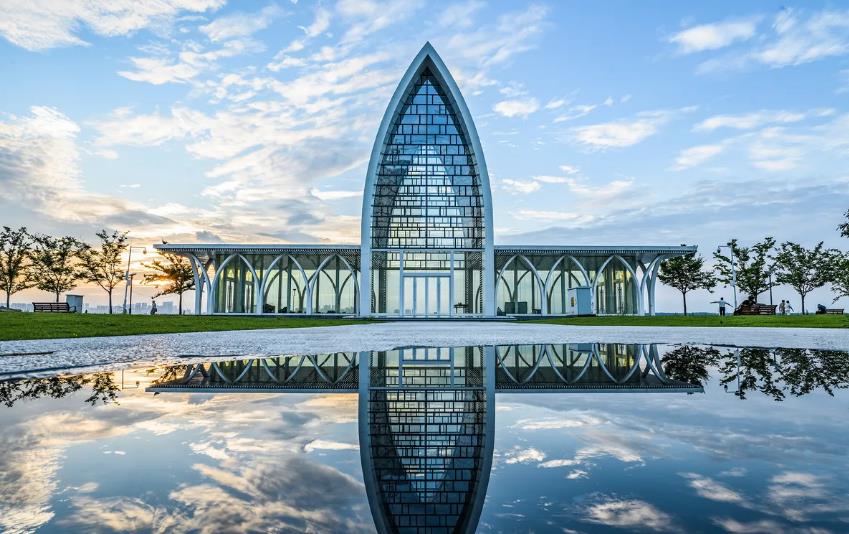
2026 Recommended Hotels in Yingjiang (Updated January)
3 posts

Popular Destinations Near Yingjiang
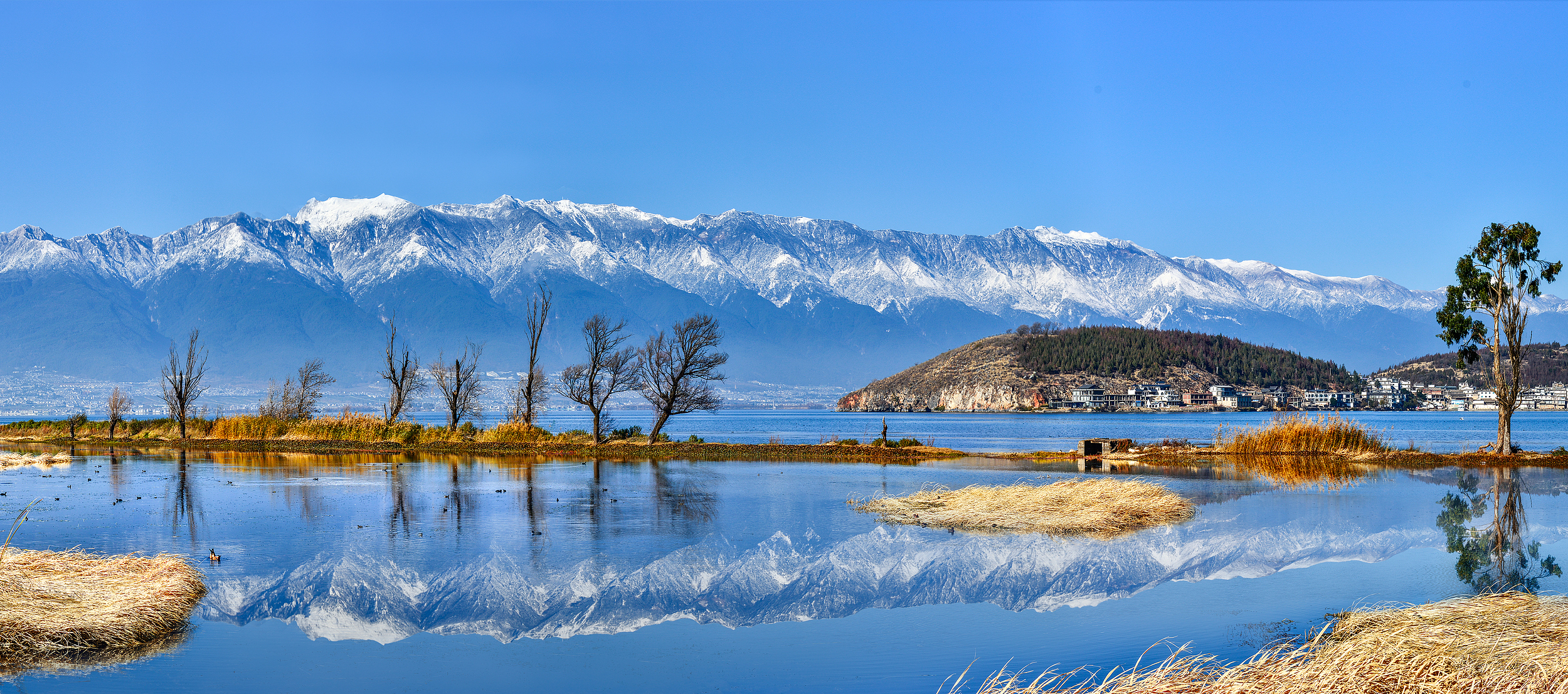
2026 Dali Travel Guide: must-see attractions, popular food, hotels, transport & travel experiences (updated in January)
14873 posts
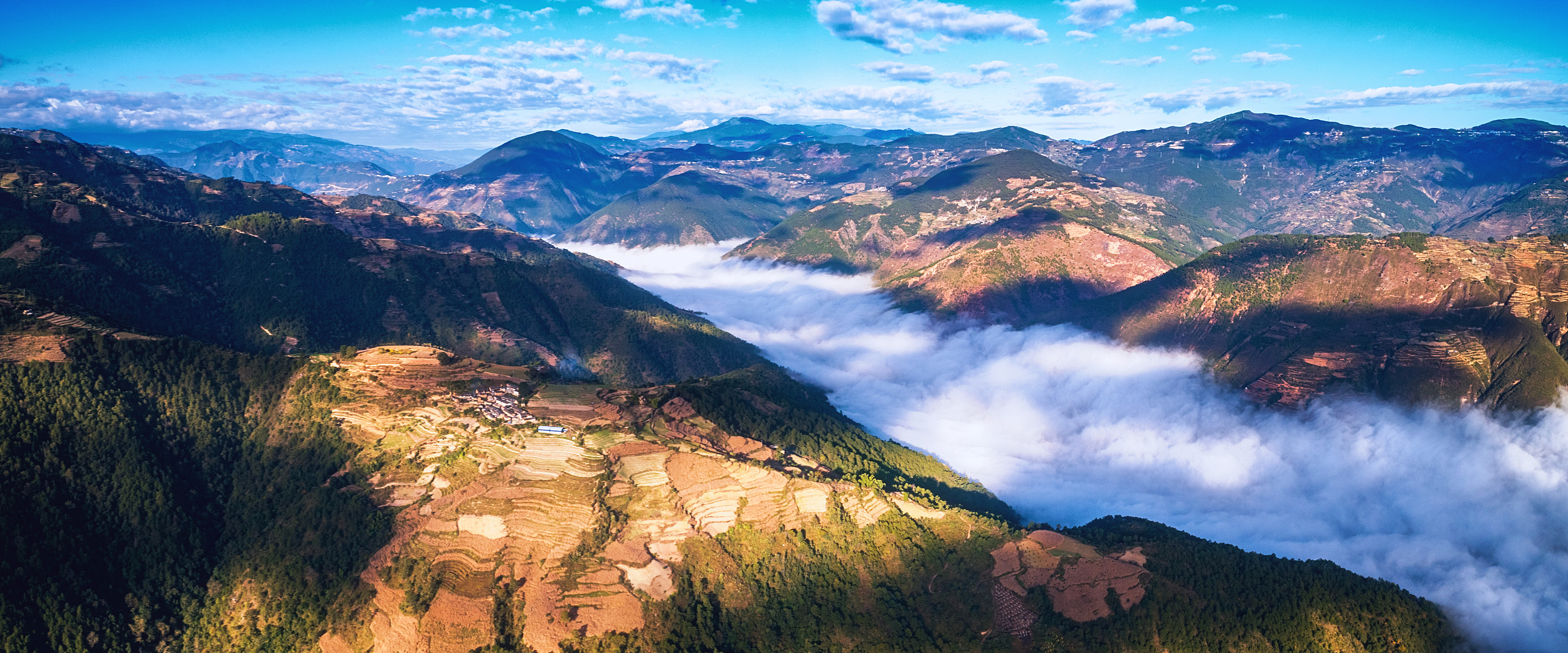
2026 Lincang Travel Guide: must-see attractions, popular food, hotels, transport & travel experiences (updated in January)
81 posts

2026 Nujiang Travel Guide: must-see attractions, popular food, hotels, transport & travel experiences (updated in January)
36 posts
Post
More recommendations
Popular Trip Moments
Kaibangya Lake Stunning Overlook | Yunnan Yingjiang | A small border town that avoids the May Day crowds | I'm back from Yingjiang, and I'm telling everyone I can about it. | Yingjiang, Yunnan: An Ecotourism Destination | Yingjiang's Hidden Gem: Shimi Wadi in Yunnan | Yunnan Dehong Shimidi | Experience a Snowy Kingdom Without Traveling North | Hidden Gem | Dehong Yingjiang Shimiwadi | Yingjiang Travel Guide: Yinghu Park, Night Market, Bus Station, Shimiwadi, Huangcaoba. | Golden Autumn in Dehong | Golden September, Dehong's "Feng" scenery is picturesque. | Walking in the rain in Yingjiang Wetland Park, it turns out to be a private booking, the scenery is unique | Yunyan Mountain | Very low-key, many attractions, and free | The best homestay in Yingjiang - Yunnan Blue
Recommended attractions at popular destinations
Popular Attractions in Bangkok | Popular Attractions in Manila | Popular Attractions in Tokyo | Popular Attractions in Taipei | Popular Attractions in Hong Kong | Popular Attractions in Seoul | Popular Attractions in Kuala Lumpur | Popular Attractions in Los Angeles | Popular Attractions in Shanghai | Popular Attractions in New York | Popular Attractions in Shenzhen | Popular Attractions in Osaka | Popular Attractions in Singapore | Popular Attractions in London | Popular Attractions in Guangzhou | Popular Attractions in San Francisco | Popular Attractions in Beijing | Popular Attractions in Macau | Popular Attractions in Bali | Popular Attractions in Jakarta | Popular Attractions in Paris | Popular Attractions in Ho Chi Minh City | Popular Attractions in Istanbul | Popular Attractions in Phuket | Popular Attractions in Chicago | Popular Attractions in Seattle | Popular Attractions in Toronto | Popular Attractions in Orlando | Popular Attractions in Cebu | Popular Attractions in Chiang Mai
Popular Restaurants in Yingjiang
HA ER BIN JIAO ZI GUAN | 三顾冒菜(赏建路店) | SHA GUA BING CHA | 四川饭店(蜜回路店) | 保山金鸡铜瓢牛肉 | 老东北饺子馆(永盛路店) | 灵犀苑 | 勐腊饭庄 | 辣妈私房菜(允燕花园小区店) | 莲山园山庄 | 胖大妈饭团 | 伍哥食坊(盈江店) | 来连驴肉火锅店 | 滇西烤鱼(盈江店) | 三妹户撒过手米线 | 柴火珍珠鸡(广母路店) | 正宗益洪户撒过手米线店 | Changshengshiguan | 盈丰小区 | 芬姐活螃蟹小吃店 | 赵师傅(赏建路店) | 冰雪花 | 甘英泡鸡脚 | 天天早晚点(江岸明珠店) | 小青餐饮店哨傣姐弄饭庄(盈江店) | 东北饺子馆(三岔路店) | 滚烫时代火锅城(盈江店) | 江川石锅鱼野生菌(盈江店) | 有一家烤肉丼饭(盈江店) | 重庆烤鱼
Popular Ranked Lists
Top 10 Best Things to Do in Cebu | Top 50 Must-Visit Restaurants in Sapporo | Popular Premium Hotels in La Guaira State | Popular Best Things to Do in Shilin | Popular Premium Hotels in Ribandar | Top 20 Best Things to Do in Oslo | Top 50 Must-Visit Restaurants in Barcelona | Top 50 Must-Visit Restaurants in Kuala Lumpur | Popular Best Things to Do in Liyang | Top 20 Must-Visit Restaurants in Incheon | Top 10 Best Things to Do in Siem Reap | Top 10 Best Things to Do in Zhenjiang | Top 50 Luxury Hotels near Manchester | Popular Best Things to Do in Yangon | Top 50 Must-Visit Restaurants in Munich | Popular Premium Hotels in Nui Thanh | Top 50 Best Things to Do in Milan | Top 50 Must-Visit Restaurants in Venice | Top 10 Luxury Hotels near Docklands | Top 50 Must-Visit Restaurants in Lhasa | Top 20 Best Things to Do in Brussels | Top 50 Must-Visit Restaurants in Bruges | Popular Premium Hotels in Nizhny Novgorod Oblast | Top 10 Best Things to Do in Huai'an | Top 10 Best Things to Do in Minsk | Popular Best Things to Do in Malay | Popular Best Things to Do in Changshu | Popular Premium Hotels in Windermere | Top 50 Must-Visit Restaurants in Santorini | Popular Premium Hotels in Thu Dau Mot
About
Payment methods
Our partners
Copyright © 2025 Trip.com Travel Singapore Pte. Ltd. All rights reserved
Site Operator: Trip.com Travel Singapore Pte. Ltd.
Site Operator: Trip.com Travel Singapore Pte. Ltd.