2026 Yuncheng Travel Guide: must-see attractions, popular food, hotels, transport & travel experiences (updated in March)
Essential Travel Information for Yuncheng
Yuncheng is located at the southernmost tip of Shanxi Province. It's ancient name "Hedong" meaning "East of the Yellow River" comes from the fact that it is bordered by the Yellow River to the west. The city exists because of salt. It is one of the important birthplaces of the Chinese People. Wangguan Island and Wulao Peak within the area are like two green emeralds within the dry environment of Shanxi. Pujiu Temple, where the story "West Chamber" took place; the Yellow River Iron Oxen Crossing the Waters in Yongji, Yongle Palace in Ruicheng and Guangdi Temple in Xiezhou are some of Yuncheng's attractive places.
Yuncheng Today's weather
Cloudy 3-14℃

Latest Travel Trends in Yuncheng
Popular Attraction in Yuncheng
Yongle Palace
(119)Guanque Tower
(69)Emperor Guan Temple
(64)Pujiu Temple
(56)Feiyunlou Scenic Area in Wanrong County
(54)Yuncheng Salt Lake
(53)Li's Grand Courtyard
(43)Temple of Prince Guangren
(41)Houtu Temple
(39)Yuncheng Guan Gong Hometown Cultural Tourism Scenic Area
(36)Fusheng Temple
(27)Longxingsi
(24)Great Ladder Cliff of The Yellow River
(6)Statue of Emperor Guan
(3)All Trip Moments about Yuncheng | Travel Experiences
Shanxi…a land that makes you truly understand the meaning of "time."
ไม่มีที่ไหนในจีนทำให้เราน้ำตาคลอได้เท่าซานซี ตั้งแต่ยุคราชวงศ์ถัง จนถึงสาธารณรัฐจีน สถาปัตยกรรมที่นี่คือ “สายเลือดครบที่สุด” ของจีน ไม่มีสีใหม่ ไม่มีการรีโนเวทจนกลบอดีต มีแต่กำแพงไม้เก่า หลังคากระเบื้องหม่น ที่ยืนหยัดผ่านพันปี… และทำให้เราหยุดหายใจตรงหน้า เข้าใจเลยว่าทำไมนักอนุรักษ์ระดับตำนานอย่าง Liang Sicheng ถึงหลงรักที่นี่ 📍ลิสต์ที่ต้องไปใน Shanxi Yungang Grottoes (Datong) – ถ้ำพุทธศิลป์ระดับโลก Datong Huayan Temple – วิหารโบราณที่ยิ่งใหญ่เกินคาด Ying County Wooden Tower – เจดีย์ไม้ทั้งหลังที่รอดมา 1,000 ปี Wutai Mountain (Xinzhou) – ภูเขาศักดิ์สิทธิ์ทางพุทธ Pingyao Ancient City – เมืองโบราณที่ยังมีชีวิต Wang’s Grand Courtyard – คฤหาสน์ตระกูลพ่อค้า Yongle Palace (Yuncheng) – ภาพจิตรกรรมฝาผนังยุคราชวงศ์หยวน Shanxi Museum – ดูทุกอย่างให้เข้าใจก่อนออกไปเจอของจริง ซานซีไม่ใช่เมืองแฟชั่น ไม่ใช่เมืองไฟนีออน แต่มันคือ “พิพิธภัณฑ์กลางแจ้งของจีน” ถ้าใครรักโบราณสถานจริง ๆ ที่นี่คือจังหวัดที่ลึกที่สุดของประเทศ #Shanxi #Pingyao #YungangGrottoes #ChineseArchitecture #สายประวัติศาสตร์ #เที่ยวจีนลึก #AncientChina #ChinaTravel#crazytraveler #tripmoments #trip #china #เที่ยวจีน #แจกแพลนเที่ยวCrazy.traveler เที่ยวจะเครซี่5All Seasons, you are the apple of my eye.
Big shoutout to All Seasons Hotel Wuyue Plaza! You are amazing, my Ji ❤️ 🔹The hotel is located 200 meters southeast of Wuyue Plaza on Renmin North Road, easy to find. 🔹The room is super big, fully smart ✅ and humanized design, still your favorite All Seasons style~ 🔹Parking 🅿️ 130 parking spaces above and below ground, no need to worry about parking if you drive, the hotel is also equipped with charging piles 🔋, which does not affect our time to check in attractions at all. 🔹Friends from Yuncheng North Station and Yanhu International Airport can rest assured, contact the front desk for free pick-up and drop-off service.Lucas74 Ward - Luke3📍"Yuncheng" is China's No. 1 National Treasure City.
📍 Yuncheng – 运城 Shanxi, China หลายคนรู้จักซีอาน, เฉิงตู, หางโจว แต่แทบไม่มีใครรู้ว่ามีเมืองหนึ่งในจีนที่คนจีนเรียกว่า -- เมืองสมบัติแห่งชาติอันดับหนึ่ง -- เมืองนั้นคือยุนเฉิง (Yuncheng) ทำไมเมืองนี้ถึงสำคัญมาก ที่นี่คือหนึ่งในแหล่งกำเนิดอารยธรรมจีน มีประวัติศาสตร์ที่ย้อนไปกว่า 5,000 ปี โดยตำนานจีนหลายเรื่องเริ่มต้นจากดินแดนนี้ เช่น จักรพรรดิหวงตี้ จักรพรรดิหยานตี้ ตำนานเทพโบราณของจีนล้วนเกี่ยวข้องกับพื้นที่นี้ สิ่งที่ทำให้ยุนเฉิงพิเศษมาก คือที่นี่มีโบราณสถานระดับชาติมากถึง 102 แห่งมากที่สุดในบรรดาเมืองระดับเดียวกันในจีน ตั้งแต่วัดโบราณ ภาพจิตรกรรมฝาผนัง พระพุทธรูปดินปั้น งานแกะสลักหินแทบทุกยุค ของประวัติศาสตร์จีนมีร่องรอยอยู่ที่นี่ 📍 เส้นทางเที่ยวโบราณสถาน 5 วัน Day 1 🏛 Guandi Temple วัดของกวนอูที่ใหญ่ที่สุดในจีน 🏯 Yongle Palace ที่เก็บภาพจิตรกรรมฝาผนังระดับโลกหลายคนเรียกว่า“ลูฟร์แห่งภาพวาดจีน” 🏛 Ruicheng City God Temple Day 2 ⛰ Houtu Temple ศาลเจ้าดินที่ใหญ่ที่สุดในจีน 🏯 Dongyue Temple 🪷 Wanrong Feiyun Tower ไม้โบราณที่ได้ชื่อว่า“หอไม้แห่งแรกของจีน” 🗿 Great Buddha Temple Day 3 🪦 Majiacun Tombs สุสานโบราณยุคราชวงศ์จิน 🏯 Qinglong Temple วัดที่มีภาพจิตรกรรมสวยมาก 🏛 Jishan Houji Temple วัดบูชาบรรพบุรุษเกษตรจีน Day 4 🏛 Jiezhou Guandi Temple 🌊 Yuncheng Salt Lake ทะเลสาบเกลือขนาดใหญ่ 🏯 Fanzhou Zen Master Pagoda หนึ่งในเจดีย์ทรงกลมที่สวยที่สุดของจีน Day 5 🏛 Yuncheng Museum สิ่งที่ทำให้ยุนเฉิงน่าสนใจคือโบราณสถานเหล่านี้ ไม่ได้อยู่รวมกันในเมืองเดียว แต่กระจายอยู่ตามหมู่บ้านภูเขาริมแม่น้ำเหลือง ทำให้เมืองนี้ยังคงความเงียบสงบ และความดิบของประวัติศาสตร์ หลายคนที่ไปเที่ยวจีนมาหลายสิบเมือง ยังไม่เคยได้ยินชื่อ ยุนเฉิง แต่สำหรับคนที่รักประวัติศาสตร์ ที่นี่คือหนึ่งในเมืองที่ลึกที่สุดของอารยธรรมจีน 📍 พิกัด 运城市 Yuncheng Shanxi Province, China ยุนเฉิงใกล้เมืองซีอาน (ประมาณ 2 ชั่วโมง) #Yuncheng #Shanxi #เที่ยวจีน #เมืองโบราณจีน #ChinaHistory #UnseenChina#แจกแพลนเที่ยว #พิกัดถ่ายรูปสวย #เที่ยวจะเครซี่ #chinatown #chinatravelCrazy.traveler เที่ยวจะเครซี่1Pilgrimage to the Crown of Martial Temples! 3 Must-Visit Reasons to Explore the Xiezhou Guandi Temple and Unlock a Millennium of Loyalty and Righteousness Culture
When you come to Yuncheng, Shanxi, the Xiezhou Guandi Temple, hailed as the "Ancestor of Guandi Temples and the Crown of Martial Temples," is an unmissable spiritual landmark. As the global origin of Guan Gong worship, this place is not only a magnificent ancient architectural complex but also the birthplace of the Chinese spirit of "loyalty, righteousness, benevolence, and courage." Why is it worth a special trip? Here are three must-visit reasons to take you on an in-depth journey! Reason 1: The Pinnacle of Ancient Architectural Art, a Millennium of Awe at a Glance As the earliest established, largest in scale, and best-preserved Guandi Temple in China, the architectural layout of Xiezhou Guandi Temple is nothing short of a miracle. Its symmetrical central axis layout of "front court and rear chambers," shared with the Forbidden City, represents the highest ancient imperial court ritual system. The 220,000-square-meter temple complex exudes imperial grandeur at every corner. - The Dragon Pillars of Chongning Hall: As the main hall of the temple, the 26 coiled dragon stone pillars in front of the hall are magnificent. Each coiled dragon is carved vividly, as if ready to soar into the sky at any moment. The sheer number and exquisite craftsmanship make it the finest stone carving art in any hall nationwide. - The Architectural Marvel of Chunqiu Tower: The tallest building in the temple is famous worldwide for its unique "suspended beam and hanging column" structure. The upper-level corridor columns stand on the lower-level lotus columns, hanging in midair like a floating pavilion, showcasing ancient wisdom and mechanical aesthetics. It was highly praised by Ms. Lin Huiyin as a "unique example of Chinese architecture." - The Glazed Screen Wall Visual Feast: The Ming Dynasty’s four-dragon glazed screen wall is colorful and vibrant, with four coiled dragons flying and swimming, accompanied by auspicious phoenixes and qilins. Not only is the craftsmanship superb, but it also subtly reflects the cultural connotations of the "heaven, earth, and sea" realms, making it a pinnacle of Ming Dynasty glazed art. Reason 2: Touch a Millennium of Loyalty and Righteousness, Cross Time to Converse with Historical Figures Xiezhou is the hometown of Guan Gong, and the record "Hedong Xie Ren Ye" makes it the birthplace of Guan Gong culture worldwide. Every brick and tile carries profound historical memories. In the Brotherhood Garden, ancient trees tower as if still echoing the heroic spirit of the "Oath of the Peach Garden," allowing you to feel the bond of "life and death commitment" amid the mountains, waters, and pavilions. Entering Chongning Hall, the imposing statue of Emperor Guan Yu exudes solemnity, with plaques bestowed by emperors like Qianlong and Kangxi hanging high, immersing you in the weight of history. Climbing Chunqiu Tower, you can almost see Guan Gong’s focused figure reading the "Spring and Autumn Annals" at night, embodying elegance and loyalty. This place is not only a pilgrimage site for history lovers but also a paradise for photographers. Whether it’s the shimmering glazed tiles in the morning light or the weathered stone tablets under ancient cypresses, you can easily capture culturally rich and textured masterpieces. Reason 3: Immersive Cultural Experience, Feel the Charm of Living Heritage The charm of Xiezhou Guandi Temple goes beyond static viewing; it lies in its living cultural heritage and rich experiential activities. - Intangible Cultural Heritage Martial Saint Guan’s Halberd Performance: From Thursday to Sunday each week, you can watch the Hedong Xinyi Quan inheritor perform Guan’s halberd moves live at the Meridian Gate, and even try your hand at the bold "Single Halberd Meeting" move. - Guan Gong Beliefs and Temple Fairs: As a national intangible cultural heritage, the "Guan Gong belief customs" are most devoutly expressed here. If you visit during the ancient temple fair on the eighth day of the fourth lunar month or Guan Gong’s birthday on June 24, you can witness grand ceremonies and the "Guan Emperor City Patrol," experiencing the powerful faith that empties the streets. - Specialty Food to Soothe the Soul: After touring, enjoy a steaming bowl of Guan Gong lamb soup at the "Loyalty Hall" beside Chunqiu Tower, or check in at the food street for authentic Xiezhou lamb paomo, letting your taste buds embark on a southern Shanxi journey. Practical Information - Address: Xiezhou Town, Yanhu District, Yuncheng City, Shanxi Province - Transportation: Take bus No. 11 directly from Yuncheng city center, or drive using navigation to "Xiezhou Guandi Temple." This holiday, why not take a spontaneous trip to Xiezhou Guandi Temple, a millennium-long appointment of loyalty and righteousness, and let your soul be cleansed and elevated by the echoes of history?PenttiJ?rviFree Admission to Guandi Ancestral Temples on Women's Day
On March 8th, Women's Day, the Jiexian Guandi Ancestral Temple and Changping Guandi Family Temple jointly launch a "Free Admission" event, sincerely inviting women from all over the country! On this day, female visitors can enjoy free entry to both major Guandi temples and experience the fusion of history and culture. The Jiexian Guandi Ancestral Temple, the largest Guandi temple complex in the world, is grand and majestic with simple and elegant architecture; the Changping Guandi Family Temple, located in the hometown of Guan Yu, carries profound cultural heritage. Here, you can stroll among ancient buildings, listen to stories of Guandi, and feel the unique charm of Chinese women. This event is not only a holiday blessing for women but also a promotion and inheritance of excellent traditional culture. On March 8th, why not invite your best friends or family to visit the Jiexian Guandi Ancestral Temple and Changping Guandi Family Temple together, embarking on a dual journey of culture and soul, creating unforgettable holiday memories!Trip.PulseCou Garden, Suzhou|Spring Magnolia + Film and TV Drama Same-Style Romance Garden Guide
Avoid the crowds at the Humble Administrator’s Garden; Cou Garden is the true treasure of Suzhou in spring! "Ou" means couple, hiding the romance of a century-old pair. The magnolias are in full bloom, and every shot taken at the film and TV drama locations looks like a classical masterpiece✨ 📍Address: No. 6, Xiaoxin Bridge Lane, Cang Street, Gusu District, Suzhou ⏰Opening Hours: 7:30 AM - 5:30 PM; Ticket Price: 25 RMB (half price for students, book in advance via Suzhou Gardens Tourism official account) Recommended Visit Duration: 2-3 hours (enter at 8 AM for perfect lighting and fewer crowds) Quick Overview & Same-Style Check-in A World Cultural Heritage site and Suzhou’s only romance-themed garden! In the late Qing Dynasty, Shen Bingcheng and his wife retired here. The garden features east and west sections and is surrounded by water on three sides. ✅ Film and TV Drama Locations: Filming site for "Ruyi’s Royal Love in the Palace" and "Qing Ping Yue"! Famous spots include the Jiao Hall flower window, Shuangzhao Tower, and Shouyue Pond. Wearing Hanfu here makes for an atmospheric photoshoot. ✅ Spring Flower Viewing: Late February to mid-March is peak magnolia bloom! The Jiao Hall has one white and one pink magnolia; the Zai Jiu Hall, Chengqu Caotang, and Wusu Yunxuan flower window frame scenes with pink walls and black tiles paired with magnolias, creating the ultimate Jiangnan poetic ambiance. 🚇 Transportation Guide 1. Metro: Exit 3 at Xiangmen Station on Line 1 / Exit 1 at Lindun Road Station on Line 6, about 800 meters walk 2. Bus: Get off at Cang Street Xiaoxin Bridge Lane stop, right at the entrance 3. Driving: Park at Dongyuan Parking Lot, then walk into the garden Best Tour Route North Entrance → Entrance Hall → Jiao Hall (Magnolia check-in) → Zai Jiu Hall → East Garden (climb Huangshi rockery for panoramic views, Chengqu Caotang, Tinglu Tower) → Shouyue Pond (film and TV drama location) → West Garden (old weaving curtain house, library) → Water Pavilion in the Landscape → Exit, then stroll along Pingjiang Road 🍲 Recommended Local Delicacies 1. Dumb Shengjian (Lindun Road Branch): Crispy bottom, juicy filling, explosion of flavor in every bite 2. Zhu Hongxing Noodle House: Century-old brand, shrimp noodles so fresh they’ll amaze you 3. Cou Garden Tea Room: Biluochun tea paired with osmanthus cake, sitting by the window to enjoy the garden is super relaxing 4. Pingjiang Road Zhao Yuanzhang Braised Pork Bones: Rich sauce flavor, very satisfying to gnaw on 🏨 Recommended High-Star Hotels (within walking distance) Suzhou Pingjiang Meihao Hotel (Pingjiang Historic District Branch) About a 10-minute walk from Cou Garden, located in the core area of Pingjiang Road; elegant rooms, Suzhou-style breakfast, and night strolls with great value for money 💡 Travel Tips 1. Wear light-colored, traditional Hanfu for better photos, paired with round fans or oil-paper umbrellas 2. Free guided tours at set times, where you can hear many love stories of the garden owners and architectural details 3. Magnolia bloom period is short, so hurry if you want to visit!sylas_3344Luoyang + Yuncheng 5 Days 4 Nights|Around 1200+ Per Person Divine Route
Finally completed the golden route of Luoyang + Yuncheng! On one side is the divine capital Luoyang: Longmen Grottoes, Ying Tian Gate night view, Luoyi Ancient City Hanfu experience, instantly back to the Tang Dynasty. On the other side is the earliest China Yuncheng: Guan Di Temple, Yongle Palace murals, colorful salt lake, Guanque Tower poetry reading, the Yellow River is full of stories. The whole trip is connected by high-speed rail, no rushing, no detours, no pitfalls. Suitable for students, couples, and families, enjoy it all for around 1200+ per person! This guide is full of practical tips, just copy it, save it, and you won’t regret it! 5 Days 4 Nights Twin City Guide (3 days in Luoyang + 2 days in Yuncheng, seamless high-speed rail connection) Day 1 Luoyang|The pinnacle of Tang Dynasty night scenes - Morning: Luoyang Museum (free, book in advance) - Afternoon: Longmen Grottoes (go after 3:00 PM, fewer people and perfect for photos) - Evening: Ying Tian Gate + Ming Tang Heaven light show → Lijing Gate + Shizi Street snacks - Accommodation: Xigong/Old Town, very convenient near the subway Day 2 Luoyang|Hanfu time travel photo king - Morning: White Horse Temple (Four National Buddha Halls, red walls great for photos) - Afternoon: Luoyi Ancient City (free, 50 RMB for Hanfu makeup and styling) - Evening: Xigong Alley (local dining, potstickers and “no-flip soup” must-try) - Accommodation: Continue staying in Luoyang for an easy departure next day Day 3 Luoyang|Fairyland finale - All day: Laojun Mountain (must take the first-class cable car, golden summit sea of clouds is divine) - Evening: High-speed rail Luoyang → Yuncheng (about 1.5 hours) - Accommodation: Yuncheng Salt Lake District/Nanfeng Square, near night market Day 4 Yuncheng|Loyalty + Salt Lake - Morning: Xiezhou Guan Di Temple (the ancestor of martial temples) - Afternoon: Colorful Salt Lake (sky mirror + black mud bath) - Evening: Salt Street night tour + Yellow River night market, eat snacks until full Day 5 Yuncheng|Poetry + Murals - Morning: Guanque Tower (“The sun sets behind the mountains”) → Pujiao Temple (The Romance of the Western Chamber) - Afternoon: Yongle Palace (Yuan Dynasty Chaoyuan Tu murals, no flash photography allowed) - Evening: Return trip, full of beautiful photos to take home Must-try foods (no misses) - Luoyang: Water Banquet, no-flip soup, potstickers, beef soup - Yuncheng: Xiezhou lamb paomo, Jishan mahua, Wenxi boiled cake, sour water noodles Transportation & Accommodation & Budget - Transportation: High-speed rail Luoyang↔Yuncheng 1.5h; city taxis/shared bikes; attractions are scattered, carpool or charter recommended - Accommodation: Stay in Xigong/Old Town in Luoyang; stay in Salt Lake District in Yuncheng, budget 100-200 RMB/night - Per person: About 1200-1500 RMB for 5 days (including transportation + accommodation + tickets + meals) Pitfall Avoidance Guide (local honest tips) 1. Luoyang Museum and Yongle Palace are closed on Mondays, don’t go in vain 2. For Longmen Grottoes, hire a guide or rent an audio guide, otherwise you won’t understand the history 3. For Hanfu in Luoyi Ancient City, don’t choose cheap old clothes at the scenic entrance, Minzhu Street is more reliable 4. For Yuncheng Salt Lake, go to the official scenic area, don’t trust private wild beaches 5. Don’t buy overpriced consecrated ornaments at Guan Di Temple entrance, serious markup 6. Flash photography is strictly prohibited at Yongle Palace murals, please visit respectfully 7. Book accommodation and tickets early during peak season, off-peak times have fewer people and better photosAtlas5678Lockwood2026 Shanxi New Year Trip
🏃🏃 Itinerary Day 1: Zhoukou City Guesthouse Day 2: Luoyang Museum → Ramada Luoyang Hotel → Xingyifang·Tang Palace Banquet (Lijingmen Branch) Day 3: Longmen Grottoes → Guan Yu Statue → All Seasons Hotel (Yuncheng Salt Lake District Jiexiu Guan Yu Ancestral Temple Branch) → Yuncheng Guan Gong Hometown Cultural Tourism Scenic Area Day 4: Wanzhou County Feiyun Tower Scenic Area → Xiangning Loess Cave Hotel → Shanxi Yellow River Hukou Waterfall Tourist Area Day 5: Xiaoxitian → Fenxing Lihua Hotel Day 6: Pingyao Ancient City → Guangsheng Temple → Changzhi Xiwo Hotel Day 7: Guanyin Hall → Dayun Temple → Longmen Temple → Xuzhou Kaiyuan Mingdu Hotel In the 2026 Spring Festival, a family of three drove from Jiangyin, passing through Henan, and took a short tour around southern Shanxi. On the sixth day of the lunar new year, the return trip was heavily congested, taking a full 15 hours from Heze to get home, truly experiencing the Spring Festival travel rush. 🌈 Recommended check-ins: Longmen Grottoes: The Vairocana Buddha is truly photogenic. The cats in the scenic area are also a big highlight. Xiaoxitian: Very crowded during the New Year, so waiting in line is inevitable. However, the management shows sincerity from traffic and parking to queue arrangements and on-site performances, releasing visitors in batches. They do their best to maintain order, and the hanging sculptures are indeed impressive. Can't help but compare with Guanyin Hall, which also has statues and crowds. Guanyin Hall uses a one-size-fits-all approach, making visitors wait in a dull line, only to be hurried out by security inside the hall with no photo allowed, resulting in a poor experience. Guangsheng Temple: The Feihong Pagoda is amazing, but the murals are regrettable. Although some parts have fortunately been preserved, the more you appreciate them, the more you realize how vivid and exquisite they are, making you wish the stolen pieces could be recovered! [Wither] Places to avoid Shanxi Yellow River Hukou Waterfall Tourist Area: Impossible to enter... There is only one road into the scenic area, which was backed up for several kilometers. Even expanding from two lanes to six lanes, there was no management by any authority. Pingyao Ancient City: Overly commercialized and homogenized like other ancient towns. Every small attraction is crowded with people, noisy and chaotic, but lacking cultural depth. Guanyin Hall: Reasons for not recommending are as above. 💥 Tips: The ground relics prove Shanxi’s reputation is well-deserved. For those specialized in ancient architecture, it’s a delight and offers immersive on-site learning. It’s recommended to hire a guide at each attraction; otherwise, it’s just a superficial visit. Guides charge by group, so joining others on-site can be cost-effective. The biggest surprise of this Shanxi trip was visiting wineries and distilleries. Wine lovers will find Shanxi’s grape wine quality comparable to Fenjiu liquor.Peaceful Noah~Martinez6The root of the Martial Saint Guan Yu is here!
Many people only know about the grand Guan Di Temple in Jiexian, but few are aware that about 9 kilometers southeast of Jiexian, in Changping Village, there is a special Guan Di Temple—the Changping Guan Di Family Temple. Unlike the magnificent official worship of the "Ancestor of Martial Temples in the World," the Jiexian Guan Di Temple, this place carries Guan Gong's hometown affection as a "son of the people," the place where he was born and raised. In the early Sui Dynasty, locals admired Guan Yu's bravery and virtue and built a shrine at his former residence, which is the origin of the Changping Guan Di Family Temple. · The Changping Guan Di Family Temple was the last stop on this ancient visit to Yuncheng, arriving near dusk. Compared to the bustling Jiexian Guan Di Temple, this place feels more serene and quiet. Walking into the Changping Guan Di Family Temple, what greets you is not the imposing royal palace pressure but a solemnity filled with everyday life. The entire temple follows the "front court, rear chambers" layout, with six halls arranged along the central axis in order: the mountain gate, ceremonial gate, offering hall, Chongning Hall, Niangniang Hall, and Shengzu Hall. · The first thing that catches the eye is the wooden archway "Lingzhong Yanhai" and "Xiuyu Tiaoshan" in front of the temple, along with the stone archway "Hometown of King Guan" erected during the Ming Jiajing period, signaling the uniqueness of this place. Passing through the archway are the mountain gate, noon gate, and offering hall, all three buildings with three bays wide, four bays deep, and gable roofs. · The famous ancestral tower stands between the mountain gate and noon gate. Originally built in the first year of Zhongping in the Eastern Han Dynasty, the existing structure is a Jin Dynasty reconstruction, an octagonal seven-story solid brick tower. This tower is famous due to a legend: at the end of the Eastern Han, Guan Yu was forced to flee after killing the tyrant Lü Xiong. To cut off government investigation, his parents committed suicide by throwing themselves into the well of their residence. The villagers, moved by his virtue, buried the bodies in the well and built a brick tower above it, creating the unique "tower built over a well" form. The tower body is embedded with a stone stele from the 17th year of the Jin Dading era (1177) and five restoration inscriptions from the Ming and Qing periods, making it one of the oldest surviving structures in the Guan Di ancestral temple complex. · Passing through the offering hall, you arrive at the main hall, Chongning Hall, named after Guan Yu being conferred the title "Chongning Zhenjun" by Emperor Huizong of the Song Dynasty in the third year of Chongning (1104). The main hall is five bays wide and four bays deep, built in the late Ming and early Qing periods. Inside, Guan Yu is enshrined in a wooden carved shrine, wearing a crown and imperial robes, sitting solemnly. In front of Chongning Hall stand two special ancient cypress trees, each over 1,800 years old, with trunks about 4 meters in circumference. They together witness this place as the earliest origin of Guan Gong worship in the world—from residence to shrine, from shrine to temple. · Walking around the corridors on both sides of Chongning Hall to the back and entering the hanging flower gate, you will see a small courtyard with its own layout. The front is the Niangniang Hall dedicated to Guan Yu's wife, five bays wide and deep, surrounded by corridors, with a double-eaved hip roof. On the left and right are the Crown Prince Halls, dedicated to Guan Yu's beloved sons Guan Ping and Guan Xing and their spouses. Inside Niangniang Hall, the statue of Lady Guan is dressed in imperial queen attire, with maidservants respectfully standing by. This set of Qing Dynasty clay sculptures is natural in expression and well-proportioned, a masterpiece. Here, the Martial Saint sheds his golden image and is restored as a husband with family warmth. · The final part of the family temple is the Shengzu Hall, where statues of Guan Yu's ancestors are enshrined: the founding ancestor Zhongjian Gong, great-grandfather Xianzhao Gong, grandfather Yuchang Gong, and father Chengzhong Gong. This form of enshrining five generations of Guan Gong's ancestors is unique among Guan temples worldwide. Only here can you see Guan Gong's complete family lineage, as if a three-dimensional family tree unfolds before your eyes. · 🏠 Name | Changping Guan Di Family Temple 🎫 Ticket | 30 RMB ⛳ Address | No. 98, Pingchang Street, Guan Di Family Temple, Jiexian Town, Yanhu District, Yuncheng Citycaeryn_6476Springtime in Hedong・Yuncheng 4 Days 3 Nights Pure Leisure Small Group Tour
Exclusive for March and April! Spring blossoms, the perfect time for off-peak travel! A classic 4-day, 3-night journey in Yuncheng to explore the romance of ancient China 🌸 —— 📅 4 Days 3 Nights Classic Itinerary・One-stop tour of Yuncheng’s highlights Day 1|From all over the country → Yuncheng 🏨 Stay at a four-star hotel Day 2|Yuncheng → Li Family Courtyard → Feiyun Tower → Houtu Temple Day 3|Yuncheng → Guan Di Temple → Pujiao Temple → Pujindu Great Iron Ox → Guanque Tower Day 4|Yuncheng → Yongle Palace → Guangrenwang Temple → Chishen Temple → Salt Lake —— This 【Yuncheng 4 Days 3 Nights Classic Tour】 is specially designed for those seeking great value and deep experiences. Whether traveling with family, friends, or as a couple, you’ll find your own “springtime slow moments” on this trip. —— ✅ Strong itinerary advantages・Worry-free and reliable 👨👩👧👦 Small exquisite groups of 2-8 people Ideal for family, friends, or couples, private and relaxed without rushing, enjoy a deep and slow travel experience 🚗 Comfortable 7/9-seat business vehicles Experienced drivers lead the way, smooth and comfortable rides, easy shuttle between attractions 🏨 Three nights in four-star hotels High-quality accommodation throughout, good rest means better enjoyment 🛡️ Pure leisure with zero shopping and no optional expenses Truly pure travel with no tricks, all your time is for scenery and companionship 🍽 No meals included Freedom to try local specialties at your own pace, fully enjoy the local atmosphere 🤝 Licensed travel agency・Strong assurance Professional service throughout, travel with peace of mind —— 💬 Authentic experience sharing More than just sightseeing, it’s about life. *At Li Family Courtyard, don’t forget to touch the century-old brick carvings; in the spring breeze, you can smell the historic wood fragrance. At Guangrenwang Temple, it’s recommended to walk around the main hall several times. It’s one of the only four half-Tang-style structures left in China, and the overwhelming Tang Dynasty aura is more stunning than any book description. By the Salt Lake, if the weather is clear, be sure to wait for the sunset and watch the evening glow turn the Dead Sea golden. —— 🌈 Spring blossoms, horses gallop in the spring breeze. Don’t hesitate any longer. While the sun is just right and the breeze gentle, bring your family and friends to Yuncheng for a springtime appointment that spans a thousand years! 📅 Departure dates: Every Tuesday and Friday (Special offer for March and April) 👨👩👧👦 Suitable for: Families, best friends, couples, photography enthusiasts 👉 Message me now to secure your spot and unlock the most beautiful spring in southern Shanxi!带您解锁山西:从云冈石窟的千年佛韵,到壶口瀑布的奔腾壮阔,每段旅程都藏着专属您的晋善晋美~Yuncheng Yongle Palace: Masterpiece Murals and Yuan Dynasty Architecture Dual Excellence
Yongle Palace is one of the three main ancestral temples of the Quanzhen School during the Yuan Dynasty, renowned for its rare Yuan Dynasty architecture and mural art. Its "Yongle Palace Relocation Project" is also a miracle in the history of cultural relic protection. 1. Core Highlights • "Chaoyuan Tu" (Court of the Primordial Lord): A massive mural inside the Sanqing Hall, 4.26 meters high and nearly 97 meters long, depicting a grand scene of nearly 300 deities paying homage to the Primordial Lord of Heaven. The lines are graceful, and the figures vivid. • Yuan Dynasty Official Architecture: Features such as the hip-and-gable roof, glazed tile roof ornaments (chiwen), and column reduction technique serve as a "living specimen" for studying Yuan Dynasty architecture. • Relocation Miracle: To avoid the Yellow River reservoir, the entire palace and murals were cut into 341 pieces in 1959 and relocated intact to the current site, a massive engineering feat. 2. Practical Information • Address: No. 230 Yongle North Road, Ruicheng County, Yuncheng City. • Tickets: Approximately 50-60 RMB (subject to on-site confirmation). • Opening Hours: About 8:00 AM to 6:00 PM (may close earlier at 5:00 PM in the off-season). • Transportation: Buses from Yuncheng Central Bus Station to Ruicheng are available, or drive and navigate to "Yongle Palace." 3. Suggested Tour Route Recommended to follow the central axis in order, taking about 2-3 hours: 1. Dragon and Tiger Hall: View the door gods murals of the Azure Dragon and White Tiger. 2. Sanqing Hall: The core highlight, see the "Chaoyuan Tu." 3. Chunyang Hall: View murals depicting the legendary stories of Lü Dongbin. 4. Chongyang Hall: View murals illustrating Wang Chongyang’s teachings. 4. Special Tips • Photography Restrictions: Photography of murals inside the halls is prohibited. To protect the relics, the interior lighting is dim, and photography can increase CO2 levels, accelerating mural oxidation. • Alternative for Photos: To capture images of the murals, visit the Yuncheng Museum. The "Splendid Timber Architecture" exhibition hall features 1:1 replicas of the "Chaoyuan Tu" and other murals, where photography is allowed—an ideal way to make up for the restriction. • Other Suggestions: Hire a guide (about 80 RMB per session) or rent an audio guide to better understand the mural stories; shoe covers are required inside the halls, so wearing flat shoes is recommended.AdventurousWanderlustSpent 3 days in Yuncheng, and my spending habits totally collapsed
Here’s the total bill for a 3-day lazy trip to Yuncheng in March! 💰 Just finished a 3-day trip to Yuncheng, and I came back round and happy, fully fueled by the carbs of Hedong~ 😝 Total cost was about 800-1000 RMB (excluding major transportation), with tickets taking the biggest chunk. But many attractions still had winter prices in March, so it was a bargain! 🎫 As for the weather, on the first day there was a little snow ❄️, then it cleared up. Big temperature difference between morning and night, so remember to bring a thick jacket~ Accommodation recommendations (safe bets) 🏨 This time I found some amazing places on Trip.com, personally tested and no disappointments! Top city choice: Hotels near Nanfeng Square, like Crowne Plaza or Feifan Chengpin, are perfectly located—super convenient for Salt Lake and Guandi Temple, plus you can stroll the Salt Street night market at night. Off-season prices are very attractive, 300-400 RMB for a comfortable stay~ 🛏️ Salt Lake view lovers: If you want to open your window to colorful salt fields, check out homestays by the Salt Lake, like Mushroom House. Some rooms have direct lake views, super romantic at night! 🌌 Prices range from 200-300 RMB. Best value for money: For students or budget travelers, chains like Home Inn or Hanting are available in Salt Lake District or Yongji City, around 100 RMB, clean and safe. 👍 My lazy itinerary (no rush version) 🚶♀️ Day 1: Loyalty of Guan Gong + Salt Lake Wonders Slept in and headed straight to Jiexiu Guandi Temple 🏯. No wonder it’s the hometown of the Martial Saint, the architecture is impressive. Listen to the guide, touch the ancient cypress, and feel the spirit of a thousand years of loyalty. Ticket 50 RMB. In the afternoon, visit Yuncheng Salt Lake, known as the “Dead Sea of China” 🌊. You can try the black mud bath and saltwater floating, super fun! Just be aware you’ll have some salt residue on you, so bring a change of clothes. Ticket including experience about 138 RMB. Watch the sunset by the lake in the evening, absolutely stunning! 🌅 Day 2: Climbing the Tower to Recall the Past + Dream Seeking in the West Chamber Today’s theme is poetry and love 💖. In the morning, visit Guanque Tower. Although rebuilt, climbing to the top to overlook the Yellow River still lets you feel the meaning of “The sun sets behind the mountains.” Ticket 45 RMB. In the afternoon, visit Pujiu Temple, the setting of the story “Romance of the Western Chamber”! 🏮 The temple is on a mountain, with pear blossom courtyards and Yingying Tower full of atmosphere. Those seeking love can pray seriously~ Ticket 50 RMB. Day 3: Mural Art + Carb Feast Take it easy on the last day and go to Ruicheng to see the Yuan Dynasty murals at Yongle Palace 🖼️. Truly breathtaking! Smooth lines and well-preserved colors, a must-see for art students! Ticket 50 RMB. After the murals, head back to the city for a food feast! 😋 Must-try food list (will make you drool) 🍜 Jiexiu Lamb Paomo: The soup is fresh, the meat tender, and the bread chewy. Different from Xi’an’s style, definitely try it! 🍲 Yuncheng Big Plate Chicken: Chicken and potatoes stewed to perfection, then mixed with noodles at the end—the soul of the dish! Around 30-40 RMB per person to get full. Beixiang Lamb and Hu Bo: Not carrot! It’s lamb soup with shredded pancakes, delicious and warming~ 🌮 Wenxi Boiled Cake and Jishan Mahua: Sweet but not greasy, perfect as gifts or snacks on the road! 🎁 Personal rambling time 💬 This Yuncheng trip really exceeded my expectations! I thought it would just be about ancient buildings, but I was completely won over by the fun of the Salt Lake and Hedong’s food. Three days was just right—not rushed, saw everything I wanted, and ate everything I wanted. The only small regret was the cold weather, so I couldn’t wear pretty dresses to take more photos by the Salt Lake 👗. But hey, travel is about leaving some regrets for next time! That’s roughly my guide~ Do you have any hidden spots or food recommendations? Waiting for all the experts in the comments! 👇turner_ethan_noahYuncheng Spring Cultural and Tourism Activities Fully Launched
Yuncheng's spring cultural and tourism activities are rich and colorful, covering scenic experiences, folk performances, intangible cultural heritage inheritance, art exhibitions, and public aesthetic education, presenting visitors with a spring feast that blends culture and nature. [Guangong Hometown Cultural Tourism Scenic Area] Every Saturday and Sunday in March, the "Spring Meets Neishang" themed event kicks off: intangible cultural heritage inheritors demonstrate Guan Gong's great blade martial arts skills on-site and guide visitors to experience basic blade techniques; visitors also have the chance to challenge lifting the Guan Gong great blade weighing over 60 jin (about 30 kg), feeling the powerful spirit of loyalty and righteousness. Simultaneously, immersive folk performances with loud gongs and drums and lively lion dances bring the millennium-old Hedong cultural heritage to life. [Yellow River Grand Ladder Cliff Tourist Area] From March 8 to 28, the 4th Spring Flower Viewing Season is in full swing: thousands of acres of wildflowers bloom in succession, the Yellow River drum beats vigorously, thrilling high-altitude ribbon performances dazzle, and the dance drama "I am the Lucky Carp Leaping the Dragon Gate" debuts, blending regional symbols with youthful expression to create a spring cultural tourism scene full of ritual and interaction. [Yongle Palace Scenic Area] On March 15, the "Spring Brushes Yongle · Elegant Charm of Ancient Wei" flash art performance takes place: beauties from Ruicheng County's Qipao Association gracefully walk among Yuan Dynasty mural sanctuaries, their simple and elegant qipao complementing the flying eaves and dougong brackets, interpreting Eastern charm through walking art and poetically portraying a dialogue between ancient and modern in the thousand-year-old Taoist ancestral temple. [Yanhu District Cultural Center] From Monday to Friday in March, the Spring Moistens the Literary Heart public welfare lecture series is held, covering folk music courses such as dance, calligraphy, bamboo flute, electric wind instrument, hulusi, and erhu. Emphasizing both systematic teaching and practical experience, it helps the public improve artistic literacy and enjoy cultural life through aesthetic education. [Yongji City Cultural Center] Starting in March, multi-level diverse art courses are offered: wind instruments, recitation, hulusi, piano, choir, yoga, folk dance, ballroom dance, and the "Culture into Ten Thousand Homes" weekend theater fan activities, covering all age groups. The courses are scientifically designed with professional teachers, allowing citizens to participate in high-quality public cultural services right at their doorstep. [Hejin Diecui Garden Xia Book House] On March 5, a themed lecture "Inheriting Lei Feng's Spirit, Gathering Civilized Strength" is held, combining reading promotion and value guidance to create a warm and uplifting book fragrance atmosphere and promote the deepening of volunteer service concepts. [Wenxi County Cultural Center] From March 1 to 30, regular dance, erhu, opera, electric wind instrument, choir training, and book sharing activities are conducted, with precise weekly scheduling to build a sustainable and warm grassroots cultural supply system. [Yanhu District Museum] From March 1 to 31, the "Spring Appreciation of Elegance" series of exhibitions are launched: the "Light of Salt Lake" historical relics exhibition systematically presents the Salt Lake civilization lineage; the Ding Shaoguang print gallery displays over 40 donated classic works blending Chinese and Western styles; the Shao Zhongjie painting art gallery focuses on peony-themed traditional Chinese paintings; the "Masterful Return to Authenticity (II)" collection of calligraphy and painting restoration exhibition showcases over 20 restored masterpieces, demonstrating the era value of traditional techniques and cultural relic protection. [Hejin City Museum] From March 1 to 4, a currency evolution history photo exhibition is held, linking historical coordinates through ancient coins, interpreting the political, economic, and social changes behind the currency, offering a vivid and concrete general knowledge class on Chinese civilization. [Ruicheng County Museum] On March 3, the "Galloping Horses · Ruibo Treasure Hunt — The 1894 National Treasure Exploration Journey" launches, innovatively introducing the "Youth Docent" program and "Docent Relay Challenge," combining knowledge, fun, and participation, allowing young people to get close to national treasures and fall in love with cultural heritage through interactive practice. [Yongji City Art Museum] From now until March 8, the "Light of Hope" Spring Festival calligraphy exhibition displays over 100 lyrical creations, model calligraphy, and children's themed works; from March 17 to April 17, the "Golden Horse Welcomes Spring · Ink Charm Through the Ages" Ma Yuan and Masterpieces of Calligraphy and Painting Reproductions exhibition debuts, paying tribute to Ma Yuan, a Southern Song Dynasty master painter from Yongji, showcasing the profound heritage and enduring charm of traditional Chinese calligraphy and painting. [Yuanqu County Gaoluo Township Linghui Village Cultural Square] In mid-March, the "First Spring of Sanjin" Peach Blossom Festival and the "I Have a Specialty" mass cultural performance arrive as scheduled: thousands of acres of peach orchards bloom brilliantly, folk parades are lively, local operas take turns on stage, and the aroma of specialty foods fills the air, truly realizing "village evening singing, peach blossom viewing, and hometown nostalgia staying." [Ruicheng County Yongle Community] On March 18, the "Spring Breeze Paints Danqing, Ancient Charm Moistens Ruicheng" craft art experience activity is held, organizing volunteers and professional art teachers to enter the community, conveying aesthetic concepts through hands-on experience, effectively enhancing residents' cultural sense of gain and happiness. [Ruicheng County Lantian Primary School] On March 25, the "Intangible Cultural Heritage into Campus" activity enters classrooms, with intangible cultural heritage inheritors of Xianqiang style teaching, demonstrating, and interacting on-site, allowing students to listen closely to ancient singing styles and touch shadow puppet props, sowing the seeds of local cultural confidence in their hearts. [Yanhu District Culture and Tourism Bureau] From March 1 to 6, 25, and 27, the rare theatrical genre "Hedong Daoqing Public Welfare Tour" deeply visits seven towns (communities) including Jiezhou Town, Anyi Street, and Yaomeng Street. Classic plays such as "Borrowing a Mother," "Mute Aunt Spring," and "Salt Lake Riverside Talks Past and Present" are performed in rotation, telling local stories in the local dialect and carrying great feelings through small theatrical forms. Come to Yuncheng and embark on a mutual journey of spring and culture!Trip.Pulse1-Day Yuncheng Private Car Tour Without Any Disappointment
Encounter the poetic scenery of climbing higher at Guanque Tower 🏯; get enchanted by the colorful and dreamy wonderland by the Salt Lake 🌈; and feel the ancient charm lingering for a thousand years at the Guan Di Temple 🎐…… . No matter what kind of trip you want, Trip.com local guide Li Tingting can customize it for you ✅! . 👫👭 Couples/Small Families, choose 👉 Economy 5-seater, accommodates 4 people, 2 pieces of luggage 🧳, recommended BYD Qin PULS or similar, fuel-efficient and lightweight, perfect for short city trips or light travel for 2-3 people 🌆 👨👩👧👦 Large Families/Groups, recommended 👉 Comfortable 5-seater, accommodates 4 people, 2 pieces of luggage 🧳, upgraded Volkswagen Passat or similar, more spacious with comfortable seats, easy to handle long-distance travel 🛣️ 👨💼👩💼 Business Reception/Team Travel, preferred 👉 Business 7-seater, accommodates 6 people, 4 pieces of luggage 🧳🧳, offers Buick GL8 or similar, independent seats + extra-large trunk, perfect for business meetings or family trips with style and practicality 💺✨ . 🚗 Our Service Commitment All drivers are professional local drivers born and raised in Yuncheng, with years of safe operation experience to ensure your schedule is never delayed ⏰ Covering nine major core scenic spots, providing hundreds of personalized combination plans to tailor your exclusive travel route Exclusive guides offer 24-hour attentive service throughout the trip, responding to your needs anytime, helping you enjoy every moment worry-free 👔Sunny Wheel GalShanxi Jiexiu Guandi Temple | The temple of the Martial Saint is the most prestigious in the world; his loyalty and heroic spirit will live on forever.
#January Destinations 2026 The largest and highest-ranking Guandi Temple in China, known as the crown jewel of martial temples. The architectural complex is magnificent, with towering halls, carved beams and painted rafters, showcasing the majesty of the Martial Saint. Ancient cypress trees and numerous steles within the temple grounds bear witness to the Chinese nation's reverence for loyalty and righteousness for thousands of years. A visit here allows one to appreciate the beauty of ancient architecture and feel the spirit of loyalty and righteousness.brooke-Shanxi Yuncheng Travel Guide
This is a 2-day 1-night travel guide for Yuncheng, Shanxi, with a budget of around 1000 RMB. It includes itinerary planning, recommended attractions, food, and accommodation suggestions. 2-Day 1-Night Yuncheng, Shanxi Travel Guide (Budget Around 1000 RMB) 1. Introduction to Yuncheng Yuncheng is located in the southern part of Shanxi Province and is one of the important birthplaces of Chinese civilization. It has a long history and rich cultural heritage. Here you can find famous historical and cultural sites such as the Salt Lake, Guandi Temple, and Shun Emperor's Mausoleum, along with a variety of local delicacies. Yuncheng has a mild climate, making it suitable for travel in spring and autumn. 2. Itinerary Day 1: Cultural and Historical Exploration Morning Arrive in Yuncheng and visit Guandi Temple (ticket about 30 RMB) Guandi Temple is dedicated to the famous Three Kingdoms general Guan Yu, featuring grand architecture and rich cultural atmosphere. Visit Yuncheng Salt Lake (ticket about 40 RMB) The largest salt lake in China with unique scenery, where you can experience the salt harvesting culture. Noon Enjoy a local Yuncheng lunch in the city (about 30 RMB per person) Recommended: Yuncheng knife-cut noodles, lamb offal soup, Yuncheng aged vinegar Afternoon Visit Shun Emperor's Mausoleum (ticket about 20 RMB) The mausoleum of Shun, one of the ancient Five Emperors of China, known for its tranquil environment and profound culture. Stroll around Yuncheng city to experience local life Evening Taste Yuncheng night market snacks (about 40 RMB) Recommended: Yuncheng street food, grilled skewers, cold noodles, etc. Stay at an economy hotel (about 150 RMB/night) Day 2: Natural Scenery and Folk Experience Morning After breakfast, head to Salt Lake National Wetland Park (ticket about 30 RMB) Enjoy the natural ecology of the salt lake and take photos of the beautiful scenery. Visit Yuncheng Museum (free) Learn about Yuncheng’s history and culture. Noon Lunch in the city (about 30 RMB) Recommended: Yuncheng lamb paomo, stir-fried cold noodles Afternoon Visit Yuncheng’s specialty handicraft market to buy souvenirs (budget about 50 RMB) Return to your departure point 3. Budget Breakdown (per person) Item Cost (RMB) Transportation (city bus/taxi) 100 Tickets 120 Meals 140 Accommodation 150 Shopping/Other 50 Reserve 40 Total 600 Note: The budget includes a sufficient reserve to allow adjustments based on personal needs; 1000 RMB is ample. 4. Tips Yuncheng can be quite hot in summer, so remember to use sunscreen and stay hydrated. Try to walk or use public transportation to save on travel costs. Choose economy hotels in the city center for convenient travel. Try local specialties to experience Yuncheng’s unique flavors. Check attraction opening hours and plan your itinerary accordingly. If you need more detailed transportation routes or accommodation recommendations, feel free to ask! Wishing you a pleasant trip in Yuncheng!Roaming RestaurantsYuncheng Museum, Shanxi Province: The First City of National Treasures and the Root of Chinese Civilization
Yuncheng, Shanxi Province, formerly known as "Hedong," prospered because of its salt lakes and gained its name through Guan Yu (a legendary general). It bears the rich legacy of five thousand years of civilization. The best starting point for understanding this "City of National Treasures" is the Yuncheng Museum. 🎫 Ticket Information · Free admission, but advance reservations are required. · Reservation methods: Make reservations for specific time slots through the "Yuncheng Museum" WeChat official account or the "Yuncheng Museum Real-Name Time-Slot Reservation System" WeChat mini-program. · Each account can reserve a maximum of 5 people per visiting day, with reservations available up to 7 days in advance. · Entry method: Bring your valid ID card, driver's license, or other valid identification documents, or enter with your reservation code. ⏰ Opening Hours · Tuesday to Sunday, 9:00 AM – 5:00 PM (last entry at 4:00 PM) · Closed on Mondays (open as usual on national statutory holidays) 📍 Address: No. 1080, Weifeng Street, Yanhu District, Yuncheng City, Shanxi Province 📞 Tel: 0359-6359888, 0359-6365909 🚉 Transportation Guide: 🚌 Public Transportation · Take bus route 5 directly to the museum. 🚗 By Car · Simply navigate to "Yuncheng Museum Parking Lot" · Parking is free; there are no charging stations inside the museum. 🏛️ The museum building is oval-shaped, gradually tapering inwards from the bottom, its design inspired by the concepts of "Tai Chi," "nebula," and "cradle," resembling the roots of a tree planted on the Loess Plateau, symbolizing this as the cradle of Chinese civilization. The Yuncheng Museum's basic exhibition is themed "East of the Great River," consisting of six historical thematic exhibitions and four construction achievement thematic exhibitions. Recommended visit time: 2-4 hours. 👍Highly Recommended: 1. Tracing the Roots of Chinese Civilization—A Journey Through 40 Million Years This is the essence of the museum. The exhibition hall displays artifacts from the "Dawn Ape" 40 million years ago, spanning the Paleolithic, Neolithic, and Xia, Shang, and Zhou dynasties. Here, you can witness firsthand the origin and development of human civilization. 2. **Treasured Collections – A Collection of Cultural Relics** The exhibition features over 1,000 artifacts, divided into four sections: "The Essence of Bronze Ware," "A Collection of Stone Carvings," "The Spirit of Clay and Fire," and "The Enduring Legacy of Calligraphy and Painting." Each artifact carries a wealth of historical information, with the museum's prized possession, the "Gem Cabinet," located in this hall. 3. **The History of Salt Lakes – Understanding Yuncheng's Prosperity Through Salt** Yuncheng thrived because of its salt lakes, and the city's name is inextricably linked to salt. This exhibition showcases the formation of the Yuncheng salt lakes and the development and management of these lakes throughout history, making it the best place to understand Yuncheng's unique salt transport culture. 4. **A Visual Feast for Ancient Architecture Enthusiasts** Using architectural models as the main element, supplemented by full-scale mural restorations and multimedia technology, the exhibition displays the vicissitudes of Yuncheng's ancient architecture from the Sui and Tang Dynasties to the Ming and Qing Dynasties. Most excitingly, replicas of the Yongle Palace murals are clearly visible, and photography is allowed freely – compensating for the inability to photograph the original murals at the Yongle Palace. 5. A Land of Outstanding People – A Galaxy of Heroes from Hedong This section highlights 24 prominent figures from Hedong, selected from over 2,500 notable figures recorded in Yuncheng's history. Sections include "Guan Yu, the Saint of All Time," "Distinguished Ministers and Prime Ministers," and "Academic and Literary Figures." Guan Yu, Sima Guang, Liu Zongyuan… these are just some of the familiar names that hailed from this land. 6. The Stormy History of Tiaoshan – A Retrospective of Modern Revolutionary History This section reflects the revolutionary history of Yuncheng from the Xinhai Revolution to the War of Liberation, showcasing the red culture of Hedong through revolutionary relics, historical photographs, and scene models. 📝Tips: 🎧 Guided Tours • Free volunteer guided tours: Regular sessions are available daily (e.g., 2:00 PM), lasting approximately 2.5 hours. The guides are highly professional and provide in-depth understanding of the stories behind the artifacts. Highly recommended. • Audio guides are also available for rent. ⏱️ Recommended Duration: 2-4 hours. If time is limited, prioritize core exhibition halls such as "Tracing the Roots of Chinese Civilization," "Treasures of the Collection," and "Magnificent Civil Engineering." 📷 Photography Tips • Photography is permitted in the area showcasing replicas of the Yongle Palace murals, a major reason why many visitors choose to come. • Please turn off your flash when taking photos to protect the artifacts. 🎒 Convenience Services The museum offers luggage storage, stroller rental, and wheelchair rental services. Yuncheng Museum is not only a hall of cultural relics but also a window into the history and culture of Hedong. In May 2024, Yuncheng Museum was rated as a National First-Class Museum, and its collection quality and service level are trustworthy. Whether you're a history enthusiast or a regular tourist, you'll find plenty to learn here and experience the profound charm of Chinese civilization.Bell_64-HarperIn Guan Yu's hometown, welcome a whole night of good luck and fireworks.
Passing through Yuncheng on my way home, I realized how many surprises this "Hometown of Guan Yu" holds. Walking the streets at sunset, the wind carried the spirit of Guan Yu, and the presence of numerous national protected sites gave me confidence. Even the evening breeze seemed to whisper, "Catch this good fortune!" 🗺️ Exploring the Heart of the Old Town in One Night: A Tested Night Tour Route The essence of the old town is all along this route, easily connected on foot, with a leisurely pace that perfectly captures both the vibrancy and tranquility of the evening: - First Stop: Catholic Church The church is most atmospheric at dusk. The Gothic spires contrast beautifully with the darkening sky, and warm yellow light shines through the stained glass windows, like a spilled palette. No need to go inside; just stand at a street corner and take a panoramic photo. The spires and the distant bell tower frame each other, creating a wonderful fusion of East and West. - Second Stop: Salt Street → Bell Tower → Drum Tower When the lanterns on Salt Street light up, the festive atmosphere is palpable! Red lanterns strung together like tunnels, the streets filled with the aroma of fried dough cakes and twisted dough sticks, and the signs of time-honored shops swayed in the wind. Reaching the Bell Tower and Drum Tower, the lights shone on the blue bricks; the lingering echo of the evening bell faded, and the lights on the Drum Tower lit up again—a collision of old and new times. - Third Stop: Zhongjinmen City Wall Climbing the city wall and looking down, the lights of the old city resembled scattered stars. The cracks in the bricks held stories of bygone eras; the evening breeze whispered in your ears, and you could almost hear the footsteps of those who once guarded the city. Find a crenellation to sit on, and watch the distant car lights flow like a river—this moment of relaxation is the gentle comfort Yuncheng offers. - Fourth Stop: Hedongchi Salt Museum → Chishen Temple The museum's lights outlined the buildings; looking through the windows at the salt pond model, you could almost see the busy figures of ancient salt workers. The ancient cypress trees of Chishen Temple became silhouettes in the night; the inscriptions on the steles, though blurred, conveyed the profound weight of "prosperity due to salt." - Destination: Streetlight No. 006 in Yanchi This popular streetlight holds a touch of romance—look up and see the starry sky, turn around and see the outline of Yanchi Lake, with the distant Temple of the Pond God dotting the sky with lights. Take a side profile photo under the streetlight, and as the wind lifts your clothes, press the shutter—it's as if you've captured the "salt and light" of Yuncheng in your lens. ✨ The magic of nighttime strolls lies in chance encounters and fireworks Yuncheng's nights are peaceful and quiet. As you wander, you'll encounter surprises: perhaps freshly fried oil cakes at a stall on Salt Street, so hot you gasp for breath after one bite; perhaps an old man singing Pu opera under the city wall, his voice full of江湖 (jianghu, a term referring to the world of martial arts and chivalry); or perhaps a local passing by, smiling and saying, "Have you come to worship Guan Gong? It's very effective!" Every encounter is a chance meeting, every moment you receive is good fortune—in Yuncheng's nights, even the evening breeze carries kindness, making you want to say, "I want to come back again next time, to catch all the fireworks I didn't get to see properly."SAWYER THORNTONThe Yuncheng Museum's Spring Festival activities kick off with the giving of Spring Festival couplets and paper-cutting to welcome good fortune
Yuncheng Museum's 2026 Spring Festival series of events is heating up! This Spring Festival, no need to travel far—you can immerse yourself in the Hedong cultural heritage and traditional New Year atmosphere right at your doorstep. Multiple activities are presented in time slots: from February 10 to 11 (the 23rd to 24th day of the twelfth lunar month), the first-floor central hall hosts the "Galloping Horse Welcomes Spring · Skillful Hands Celebrate the New Year" event, featuring calligraphers writing Spring Festival couplets on-site, visitors writing the character "Fu" (fortune) by hand, and intangible cultural heritage paper-cutting teachers teaching window decorations, creating a strong festive atmosphere; from February 18 to 23 (the 2nd to 7th day of the first lunar month), free guided tours, "AI Smart Guide," and "AR Cultural Creative Glasses" special Spring Festival experiences are offered, alongside the launch of the "Galloping Horse Lantern Viewing" interactive series—check in at the lantern exhibition, spin the prize wheel, solve lantern riddles, make palace lanterns, collect stamps, and write New Year messages, all linked together for lots of fun; simultaneously, there are parent-child New Year painting rubbings, Guan Gong paper-cutting DIY, lacquer fans and cloisonné enamel intangible cultural heritage craft experiences. Several new exhibitions open simultaneously: "Elegant Paper-Cutting Art from Fuyang" (February 3–April 3), "Han Dynasty Shadow — Nanyang Han Dynasty Stone Relief Rubbings Exhibition" (January 10–March 10), "The Warmest Lights of Thousands of Homes — Ancient Lantern Exhibition" (February 18–May 19), "Idiom Treasures of the Year of the Horse" and "Hundreds of Flavors on the Ridge — Yuncheng City Food Culture Photo Exhibition" (both from February 10 to March 25), covering folk customs, history, art, and everyday life. The cultural and creative New Year gifts are equally exciting, including limited edition salt coffee and tea snack combos, Guan Gong-themed check-in discounts, cross-scenic area joint promotions, and gifts with purchase, all full of sincerity. Come to Yuncheng Museum and start your unique journey!Trip.PulseCelebrate the Spring Festival in Yuncheng with this perfect itinerary
Yuncheng, the hometown of the "Ancestor of China," is a legendary city of salt transportation. ✨No need for complicated planning! Unlock the top national treasure city with Yuncheng carpool loop routes in one click. 📝【3 Golden Routes, Choose as You Wish】 ✅ West Line | National Style & Ancient Charm Route Yongle Palace → Guangrenwang Temple → Guanque Tower → Big Iron Ox → Pujiao Temple → Guandi Temple → Salt Lake ✅ North Line | Jin Merchant Courtyard Route Li Family Courtyard → Houtu Shrine → Feiyun Tower → Macun Brick Carvings → Qinglong Temple → Ji King Temple ✅ Xinjiang Line | Ancient Architecture Secret Route Jiyi Temple → Baitai Temple → Fusheng Temple → Longxing Temple → Sanguan Temple → Jiangzhou Office 🚗【Core Advantages of Carpool Service】 1️⃣ Daily departures, single travelers welcome, normal service during Spring Festival 2️⃣ Pick-up anywhere within Yuncheng city, no transfers or hassle! 3️⃣ Pure sightseeing with no shopping stops, driver also serves as guide, platform guaranteed~ 4️⃣ Car availability is tight during Spring Festival, book now for a worry-free holiday! ⏰ Spring Festival slots are now open! 📩 Booking method: Click the link in the comments to contact "Customer Service"!山西闪电旅行Yuncheng-Linfen 5-Day Travel Guide, Stayed Up Late to Organize
Here comes the Yuncheng-Linfen 5-day travel guide! The Hukou Waterfall on the Yellow River is stunning recently, with ice formations blooming like white lotuses, and you can even catch a winter rainbow under the sunlight🌊❄️ A private car will take you on a leisurely countryside tour, with a flexible itinerary, perfect for independent travel! Check in at the icy jade pot waterfall and experience the magical charm of nature~ -------- More exciting content, scroll down to unlock~ -------- 🗺️ Travel Route: Day 1-2: Yuncheng Guan Gong Hometown Cultural Tourism Scenic Area -> Yongle Palace -> Xihoudu Site -> Pujiao Temple -> Pujindu Site -> Guanque Tower Private car takes you deep into the countryside, with flexible sightseeing time. Deeply explore Guan Gong culture and ancient architectural wonders, and feel the profound historical heritage of Yuncheng.🌟 Day 3: Houtu Temple -> Wanrong Ji King Temple -> Wanrong Feiyun Tower Scenic Area -> Jishan Ji King Temple -> Macun Brick Carved Tomb Flexible itinerary, a full day exploring southern Shanxi rural temples and brick carving art, experiencing authentic local culture, and leisurely checking in at hidden gems.🏯 Day 4: Shanxi Yellow River Hukou Waterfall Tourist Area -> Xiaoxitian -> Guangsheng Temple Winter exclusive❗ Hukou Waterfall transforms into an icy jade pot waterfall, with ice formations blooming like white lotuses, encounter the ice-hanging rainbow spectacle; then visit the exquisite suspended sculptures at Xiaoxitian and the glazed pagoda at Guangsheng Temple for a breathtaking experience!❄️ Day 5: Jin Ancient Capital Museum -> Fusheng Temple -> Baitai Temple -> Xinjiang Ancient City Roam the relics of the Jin ancient capital, travel through Tang and Song dynasty temples and the millennium-old ancient city, with a freely arranged itinerary to easily conclude your cultural journey.🛕 -------- Must-visit Attractions: Guanque Tower ⭐️⭐️⭐️⭐️⭐️ Address: East bank of the Yellow River, west side of Puzhou Ancient City, Yongji City, Yuncheng, Shanxi Province Opening Hours: November 1, 2025 - March 31, 2026, 09:00-17:00 Duration: 1-3 hours A peerless ancient tower floating in the mist, the romantic Tang Dynasty atmosphere by the Yellow River is fully immersive🌫️ Shanxi Yellow River Hukou Waterfall Tourist Area ⭐️⭐️⭐️⭐️⭐️ Address: Yanhulu Road, Hukou Town, Jixian County, Linfen City, Shanxi Province Opening Hours: January 1 - March 31, 08:00-17:00 Duration: 1-3 hours Ice formations and frost collide to create a winter rainbow, the thunderous waterfall instantly freezes into a fairyland❄️ Xiaoxitian ⭐️⭐️⭐️⭐️⭐️ Address: Phoenix Mountain summit, 1 km northwest of Xixian County, Linfen City, Shanxi Province Opening Hours: October 1, 2025 - April 30, 2026, 08:00-17:30 Duration: 1-3 hours Walls full of suspended sculptures tell living epics, thumb-sized colored sculptures hide the Ming Dynasty art ceiling✨ -------- Pre-trip Essentials: 👔 Clothing: Thick coat, thermal underwear; February in southern Shanxi is dry and cold, windproof and warmth are key; lightweight sports shoes for lots of walking at Guan Gong Temple and Hukou Waterfall. 🎒 Accessories: Thermos for hot water anytime, lip balm to prevent dryness; power bank and camera to capture ancient architecture and icy waterfall wonders; small amount of cash as rural spots have weak signal. 📄 Documents: ID card is a must for real-name entry; student ID and other discount cards can save on tickets; masks and wet wipes to deal with wind, sand, and dust. -------- Follow this guide to make your trip even more wonderful!Sparkle_Sophie_74Yuncheng-Linfen 5-Day Winter Travel Journal|Exclusive Winter Route, Book Quickly
Girls! The 5-day Yuncheng-Linfen travel guide is here! You can visit the Guan Di Temple, Salt Lake, Hukou Waterfall, and Xiaoxitian—all included in one price for a worry-free and money-saving trip! Every day you’ll explore ancient sites and enjoy lamb paomo, with the museum and Qiufeng Tower perfectly arranged. Just follow along and you’re set~ -------- More exciting content below! -------- 🗺️ Route Suggestions: Day 1: Depart and arrive in Yuncheng, meet the guide at the airport, check into the hotel, and start your Hedong cultural journey✨ Arrive easily on the first day, drop off your luggage, and freely explore to feel the first impressions and relaxed atmosphere of the Hedong area. Day 2: Yuncheng Guan Gong Hometown Cultural Tourism Area -> Yuncheng Salt Lake -> Yuncheng Museum In one day, experience the grandeur of Guan Di Temple, the magical mirror-like Salt Lake, and the historical depth of the museum—double cultural harvest🏮. Day 3: Pujiao Temple -> Pujindu Site -> Guanque Tower -> Yongle Palace Travel through ancient architecture spanning a thousand years, from the love sanctuary Pujiao Temple to the setting of "Romance of the Western Chamber," then climb Guanque Tower to overlook the Yellow River, and finish with the Yuan Dynasty mural treasure Yongle Palace📜. Day 4: Qiufeng Tower -> Shanxi Yellow River Hukou Waterfall Tourist Area In the morning, appreciate the poetic charm of Emperor Wu of Han at Qiufeng Tower; in the afternoon, head to Hukou Waterfall to be amazed by the roaring power of the Yellow River, taking in the grandeur of the landscape in one day🌊. Day 5: Xiaoxitian -> Guangsheng Temple -> Return trip In the morning, admire the exquisite suspended sculptures of Xiaoxitian; at noon, visit the magnificent glazed tower of Guangsheng Temple; then set off home with memories of southern Shanxi, concluding the trip perfectly🚗. -------- 🧳 Essentials Before Departure: 👔【Clothing】 February in southern Shanxi is dry and cold with large temperature differences between day and night. Bring a down jacket, thermal underwear, and fleece-lined pants. Indoor heating is available, so bring a few thin layers for easy on and off. 🛍️【Accessories】 Windproof scarf, wool hat, and gloves are must-haves! The dry wind is strong, so bring hand cream and lip balm. Comfortable, non-slip snow boots or sneakers are safer. 📄【Documents】 ID card, student ID (for attraction discounts), bank card, and some cash. If driving, bring your driver’s license; electronic documents should also be backed up on your phone. 💊【Miscellaneous】 Bring stomach medicine and cold medicine; you might not be used to eating noodles with vinegar. A thermos for hot water, power bank, wet wipes, and masks are also recommended. -------- For the lazy travelers! One price all-inclusive, super worry-free, save money without pitfalls. Click to start your worry-free trip!MysticRiver!42Winter Warm Tour: A Quick Look at the 2-Day Essential Yuncheng Itinerary
Here comes the 2-day Yuncheng travel guide! Foodies must try the perfect combo of Yuncheng Big Plate Chicken and crispy fried dough cakes. Art lovers, don’t miss the Yuan Dynasty murals at Yongle Palace and the Yellow River scenery at Guanque Tower! The itinerary is flexible and easy for solo travelers. Follow this guide to explore the Land of Loyalty and Righteousness~ -------- All the essentials are below, click quickly to check it out! -------- 🌟 Itinerary: Day 1: Depart and arrive at Yuncheng Airport — Check into hotel — Free activities After arriving in Yuncheng on the first day, check into your hotel and start exploring freely. You can first try the local crispy fried dough cakes to fill your stomach 🍪! Day 2: Guanque Tower — Yongle Palace — Yuncheng Guan Gong’s Hometown Cultural Tourism Scenic Area Climb Guanque Tower to overlook the rushing Yellow River, admire the Yuan Dynasty murals at Yongle Palace, then feel the spirit of loyalty and righteousness at Guan Gong’s hometown. For dinner, try Yuncheng stir-fried chicken with jujube egg bread 🍗! -------- Must-visit Attractions: Guanque Tower ⭐⭐⭐⭐⭐ 📍 Address: East bank of the Yellow River, west side of Puzhou Ancient City, Yongji City, Yuncheng, Shanxi Province 🕒 Opening Hours: November 1, 2025 - March 31, 2026, 9:00 AM - 5:00 PM ⏳ Duration: 1-3 hours A unique ancient tower floating in the mist, a fairyland-level masterpiece of the prosperous Tang Dynasty by the Yellow River 🌁 Yongle Palace ⭐⭐⭐⭐⭐ 📍 Address: No. 230 Yongle North Road, Ruicheng County, Yuncheng, Shanxi Province 🕒 Opening Hours: November 1, 2025 - March 31, 2026, 9:00 AM - 5:00 PM ⏳ Duration: 1-2 hours Yuan Dynasty murals rival Western masterpieces, the Three Pure Ones Hall holds the pinnacle of Eastern art 🖼️ Yuncheng Guan Gong’s Hometown Cultural Tourism Scenic Area ⭐⭐⭐⭐ 📍 Address: No. 145 Wuyi Road, Jiexiu Town, Yanhu District, Yuncheng City 🕒 Opening Hours: November 1, 2025 - March 31, 2026, 9:00 AM - 5:00 PM ⏳ Duration: 1-2 hours The golden plaque inscribed by Emperor Kangxi hangs high, feel the aura of loyalty and righteousness in the birthplace of the Martial Saint ⚔️ -------- Travel Tips: 💨 February Climate: Early spring in Yuncheng is slightly cold and dry. Remember to bring moisturizer and a light down jacket, as there is a big temperature difference between morning and night~ 🙌 Customs and Traditions: Hedong culture is rich and profound. When visiting ancient temples, please speak softly and respect local traditional etiquette ✨ 🍜 Must-Try Food: Yuncheng Big Plate Chicken is spicy and flavorful! Also try stir-fried chicken, Yellow River carp, Xinjiang copper hotpot, and crispy fried dough cakes with meat and jujube egg bread—delicious 😋 🚗 Airport Transportation: You can take a shuttle bus or taxi from the airport to the city. It’s recommended to check the route in advance for convenience and peace of mind~ -------- Set off now 👇 Click the card below to easily book a worry-free tripMilo Bell 567Yuncheng Museum Must-See National Treasures: Exploring a Lesser-Known National First-Class Museum
Shanxi is rich in cultural and museum resources. Besides the famous Shanxi Museum, there are many unique local museums with exquisite cultural relics worth visiting. Recommended — Yuncheng Museum. [Cute] Yuncheng Museum is a comprehensive museum dedicated to collecting, displaying, researching, and promoting the history, culture, and art of Yuncheng. It is a national first-class museum. The exterior of Yuncheng Museum is elliptical, constructed with stone blocks and steel reinforcements, blending ancient civilization with modern avant-garde design. The architectural design of Yuncheng Museum draws inspiration from the "meaning of Taiji, the momentum of nebulae, and the shape of a cradle." The building is simple and pure in form, elliptical in shape, wider at the base and narrower at the top, gradually tapering inward, resembling tree roots rooted in the Loess Plateau. [TeaDrinker] The museum’s main exhibition, "East of the Great River," is located in the main hall of Yuncheng Museum. It consists of six historical themed exhibitions: Roots of Chinese Civilization, Museum Treasures, Salt in the Spring and Autumn Period, Land of Outstanding People, Splendid Earth and Wood, and Tiaoshan’s Stories. 【Must-See Relics】 1. Shang Dynasty Square Ding with Beast Face and Stud Patterns Features: 82 cm tall, 50 cm mouth edge length, decorated with taotie (mythical beast) and stud patterns, made using a segmented casting technique. It was an important ritual vessel for the Shang royal family’s sacrifices to the Yellow River. Highlight: A pinnacle of bronze craftsmanship, reflecting Shang Dynasty ritual systems and metallurgical technology. 2. Tang Dynasty Stone Coffin from Xue Jing’s Tomb Features: Composed of 34 bluestone slabs, engraved with 19 line drawings of noblewomen and auspicious birds and beasts, showcasing Tang Dynasty aristocratic funerary culture. Highlight: The noblewomen’s clothing includes court attire and Hu-style dress, with delicate carvings reflecting the aesthetics and stone carving art of the flourishing Tang era. 3. Yangshao Culture Painted Pottery Basin Features: Mid-Neolithic period (4000–3600 BCE) red clay pottery decorated with black geometric patterns, excavated from the Xiyin site in Xia County. Highlight: The museum’s treasure, representing Neolithic painted pottery craftsmanship. 4. Spring and Autumn Period Pan-Chi Pattern Square Pot with Four Phoenix Handles The pot body is decorated with pan-chi (coiled dragon) patterns, and the top features four phoenix-shaped handles, demonstrating the bronze casting level of the Spring and Autumn period. 5. Han Dynasty Hunting Scene High-Handled Bronze Lamp The lamp top is vividly decorated with hunting scenes, combining practicality and artistry. 6. Tang Dynasty Tri-Color Seated Female Figurine 38.9 cm tall, wearing a yellow-green glazed short jacket and pleated skirt, showcasing Tang Dynasty female clothing and aesthetics. 7. Northern Song Dynasty White Glaze and Brown Painted Octagonal Porcelain Pillow with Poetry Produced in Hejin kiln, the pillow surface is inscribed with a five-character poem, reflecting the refined taste of Song Dynasty literati.Wyatt.Roberts^61Yuncheng Guan Gong's Hometown Must-Visit
🚩A must-visit landmark in Yuncheng! The Jiexiu Guan Di Temple is absolutely amazing! 📍Address: No. 145 Wuyi Road, Jiexiu Town, Yanhu District, Yuncheng City ⏰Opening Hours: 🌬Winter and Spring (11.1-3.31): 9:00 AM - 5:00 PM (Last entry at 4:50 PM) ☀️Summer and Autumn (4.1-10.31): 8:00 AM - 6:00 PM (Last entry at 5:50 PM) 🎫Ticket: 45 RMB per person 🌟Three Must-See Highlights: 1️⃣ The Mighty Paifang Archway Perfect spot for photos and check-ins! The simple and grand archway is great for posing📸 Recommended outfit: Hanfu or modern Chinese style for better photos~ 2️⃣ Brotherhood Garden A live-action recreation of the Peach Garden Oath! Immerse yourself in the brotherhood spirit of the Three Kingdoms period👬 3️⃣ Spring and Autumn Tower Although it is currently closed for visits😢 Did you know? The chrysanthemum-patterned caisson ceiling here is very famous! The exquisite carvings are true works of art✨ 🌳Travel Tips: ✔️Recommended visit duration: 2-3 hours ✔️Best to visit in the morning for the best lighting ✔️Spring and autumn are the most comfortable seasons; remember to bring sunscreen ✔️The mung bean cakes at the entrance are delicious, 5 RMB each 💡Friendly Reminders: ✅Remember to bring your ID card ✅Be sure to bring a camera ✅Bring a friend if you want full-body photosMitchell Samuel SamThis lake, with its salty flavor that has lasted for three thousand years, now paints summer into a palette of colors.
Hidden in Shanxi is a "palette of earthly eyeshadow," where the Yellow Emperor and Chiyou once fought. While the salt sculptures of Chaka Salt Lake are still basking in the sun, the brine of Jiexiu Salt Lake has already turned summer into a palette of colors. This ancient salt lake, nestled at the foot of Zhongtiao Mountain, is bathed in sunlight, bubbling with pink, with emerald algae weaving a net in the water, and golden salt flats resembling freshly opened candied fruit—but even wilder than its colors is its story: 5,000 years ago, the Yellow Emperor and Chiyou fought here for three years over the salt ponds, ultimately using the crystallization of salt to add a flavorful touch to Chinese civilization. The Salt Lake's Dual Temporal Code ① Summer's Color Magic: The "Seven-Colored Viewing Platform" in July is like looking at God's dressing table. The moment the drone took off, the lake surface suddenly transformed into an overturned eyeshadow palette: the brine in the northeast corner was strawberry pink, due to the rampant proliferation of Dunaliella salina under high temperatures; the "salt fields" in the southwest were mint green, with the perfect ratio of algae to brine; while the "nitrate piles" on the shore resembled scattered gold dust, formed from crystallized sodium sulfate. Old salt worker Lao Li said, "The color changes every day. A pink spot in the morning might turn orange by noon; it all depends on the sun's mood." The most wonderful sight is after a rain shower, when a layer of white salt frost floats on the surface of the brine, making the colors appear as if they've been edged, and the shadow of the Zhongtiao Mountains reflected in the lake becomes a natural dividing line. ② Civilization's Markers in Salt Grains: On the remaining stele of the "Pond God Temple," the relief of "The Yellow Emperor Fighting Chiyou" is still clearly visible. Archaeological teams have unearthed pottery dating back 4,000 years along the salt lake, its inner walls completely covered in salt stains, proving this was "China's First Salt Depot." Grandpa Li's generation still used the "five-step salt production method": first, the brine was diverted to an "evaporation pond," then to a "crystallization pond," where the salt was filtered using reed mats, and finally piled up to form "salt mountains." The museum still displays the wooden rakes from that era; the salt grains between the teeth are as hard as stones, supposedly capable of tasting like bronze. Aerial Photography Guide (with a personal touch) - Must-see spots: At the Seven-Colored Viewing Platform, take a panoramic aerial view at midday. The lake surface is divided into geometric blocks of pink, green, and gold, with the outline of the Zhongtiao Mountains as a backdrop. The white embankments of the salt fields resemble lines drawn by a paintbrush. Grandpa Li, wearing a straw hat, works on the salt flats, his figure appearing as a tiny black dot. At dusk, the ruins of the Chishen Temple stand alongside the modern salt fields, the setting sun turning the brine amber, and distant chimneys emitting white smoke—the salt smells of the past and present mingling together. - Hidden Activities: Follow Lao Li to the "Old Salt Workshop" to see the crystallization process. The brine slowly forms "salt flowers" in the earthenware jars, resembling transparent coral (advance reservation required, 20 yuan/person); experience "traditional salt filtration" at the Salt Lake Museum, filtering brine with reed mats and taking your own filtered salt blocks home (30 yuan/portion); in the evening, head to the "Wanghu Pavilion" in Zhongtiao Mountain to watch the colors of the salt ponds fade with the sunset, eventually melting into a rose-gold hue, with the mountain breeze carrying a salty aroma. - Avoidance Tips: Summer midday UV radiation is extremely strong; use protective equipment for drone photography. The salt flats are highly corrosive; avoid walking barefoot, wear old shoes (wash them immediately if they get wet with brine); the "salt sculpture souvenirs" at the scenic area entrance are mostly made of plaster; it's better to buy real salt blocks (5 yuan/bag). Food and the Secrets of Taste Salty Flavors by the Salt Lake: ① "Lao Ma's Lamb Stew" in Yuncheng City: The broth is made with water from the salt lake, resulting in incredibly tender lamb that falls off the bone. Chili oil floats on the surface, and when paired with crescent-shaped flatbread, it's so savory you'll want to swallow your tongue. 25 yuan/bowl; ② "Salt-Baked Eggs" near the Salt Lake: These eggs are baked in sand with salt crystals, resulting in a white salt frost on the shell and a pudding-like egg white. 3 yuan/each. Accommodation: "Salt Lake Hotel" in the city center (180 yuan/night). High-floor rooms offer panoramic views of the salt lake; opening the curtains in the morning will wake you to the colorful lake. Transportation Tips By Car: From Yuncheng city center, take Jiefang South Road and turn onto Salt Lake Avenue. It's a 30-minute drive to the Qicai (Seven Colors) viewing platform. Parking is free. Public Transportation: Take bus No. 33 from the city center to "Salt Lake Scenic Area" station (2 yuan, 40 minutes), then walk 10 minutes to the viewing platform. As the last rays of sunlight bathed the salt lake in a honey-colored hue, Old Li packed up his wooden rake and headed home, the salt grains crunching under his heels. This salt lake has never been a "trendy tourist spot," but rather a seasoning jar of Chinese civilization—the Yellow Emperor used it to orchestrate battles, the ancients used it to preserve the passage of time, and now it paints summer in vibrant colors, waiting for those who understand to savor a taste of its salty history. This summer, why not come to Yuncheng and, in the eyeshadow palette of the earth, read a story seasoned by salt? What other natural wonders with hidden historical secrets have you witnessed? Share them in the comments!890Jasper~Bell*Yuncheng In-Depth Tour|Explore One County Every Day
★ It turns out Yuncheng hides so many low-key yet stunning ancient buildings and historical sites! ★ I've put together this "One County a Day" in-depth travel plan, just follow along👇 📅 Daily Itinerary Overview D1 Yuncheng City One-Day Tour ✅ Must-visit: Worship Martial Saint at Guandi Ancestral Temple, explore salt transportation history at Yuncheng Museum, experience the magic of the "China Dead Sea" at Salt Lake 💡 The city center is a perfect starting point to grasp Yuncheng’s roots and essence before heading to surrounding counties~ D2 Yongji City One-Day Tour ✅ Must-visit: Recite "Climbing the Stork Tower" at Guanque Tower, chase the romance of "Romance of the Western Chamber" at Pujiao Temple, witness the millennium ferry at the Yellow River Iron Ox 💡 This is a "Love Sanctuary" + "Poetry Landmark," watching the Yellow River sunset at Guanque Tower in the evening is stunning! D3 Ruicheng County One-Day Tour ✅ Must-visit: See Yuan Dynasty mural ceilings at Yongle Palace, find the earliest human fire use traces at Xihoudu Site, relive martial arts dreams at Fengling Ancient Ferry 💡 Visiting here is like touring a "living art museum"~ D4 Wanrong County One-Day Tour ✅ Must-visit: Worship the ancestor of China at Houtu Temple, admire the "China’s First Wooden Building" at Feiyun Tower, savor Shanxi merchant family culture at Li Family Courtyard 💡 The bracket structure of Feiyun Tower is amazing—no nails used, all held together by mortise and tenon joints for hundreds of years! D5 Jishan County One-Day Tour ✅ Must-visit: See underground "luxury mansion" at Macun Brick Carved Tomb, murals at Qinglong Temple rival those at Yongle Palace, worship the agriculture ancestor at Ji King Temple D6 Xinjiang County One-Day Tour ✅ Must-visit: Visit ancient "city government" at Jiangzhou Office, touch the Tang Dynasty "relic pagoda" at Longxing Temple, see the hanging sculpture of Guanyin at Fusheng Temple 💡 Travel Tips 🔸 Transportation: 1-1.5 hours drive between counties, self-driving or chartered car recommended 🔸 Food: Yongji beef dumplings, Xinjiang hotpot, Jishan mahua (fried dough twist), etc. 🔸 Attire: Comfortable shoes recommended, some ancient buildings require walking ➤【About Us】 ▫ Local licensed travel agency, direct resources, platform booking, worry-free cancellations and changes ▫ Provide 5/7/9/15-seat charter cars to meet different group sizes ▫ Drivers also serve as guides, male and female drivers available, pure sightseeing charters with no shopping stops ▫ Door-to-door pick-up and drop-off, all-inclusive price, no shopping, no secondary charges 💬 If you need charter or carpool services, click the link in the comments to consult us~山西闪电旅行Jiezhou Guandi Temple
Jiezhou Guandi Temple, the ancestor of Chinese Martial Temples, is the global pilgrimage site for Guandi believers. Originally built during the Sui Dynasty, it has withstood a thousand years of wind and rain and is the largest and best-preserved Guandi temple complex in China. With towering red walls and colorful glazed tiles, the Bonding Garden, Imperial Library Tower, and Chongning Hall are arranged along the central axis, creating a magnificent scene. Inside the hall, the sacred statues exude solemnity; ancient cypress trees stand robustly in front of the hall, and the stone inscriptions and carvings silently tell stories of loyalty and righteousness spanning a millennium. Daily ancient-style rituals are performed, reviving the spirit of "loyalty, righteousness, benevolence, and courage." Climbing the tower and leaning on the railing, the blend of ancient architecture and bustling city life offers a historical scene at every step. This is a must-visit pilgrimage site for culture enthusiasts!VenlaKarjalainen

Popular Travel Topics in Yuncheng

2026 Recommended Guides in Yuncheng (Updated March)
916 posts
2026 Recommended Attraction in Yuncheng (Updated March)
836 posts
2026 Recommended Comprehensive guides in Yuncheng (Updated March)
232 posts

Popular Destinations Near Yuncheng

2026 Linfen Travel Guide: must-see attractions, popular food, hotels, transport & travel experiences (updated in March)
189 posts
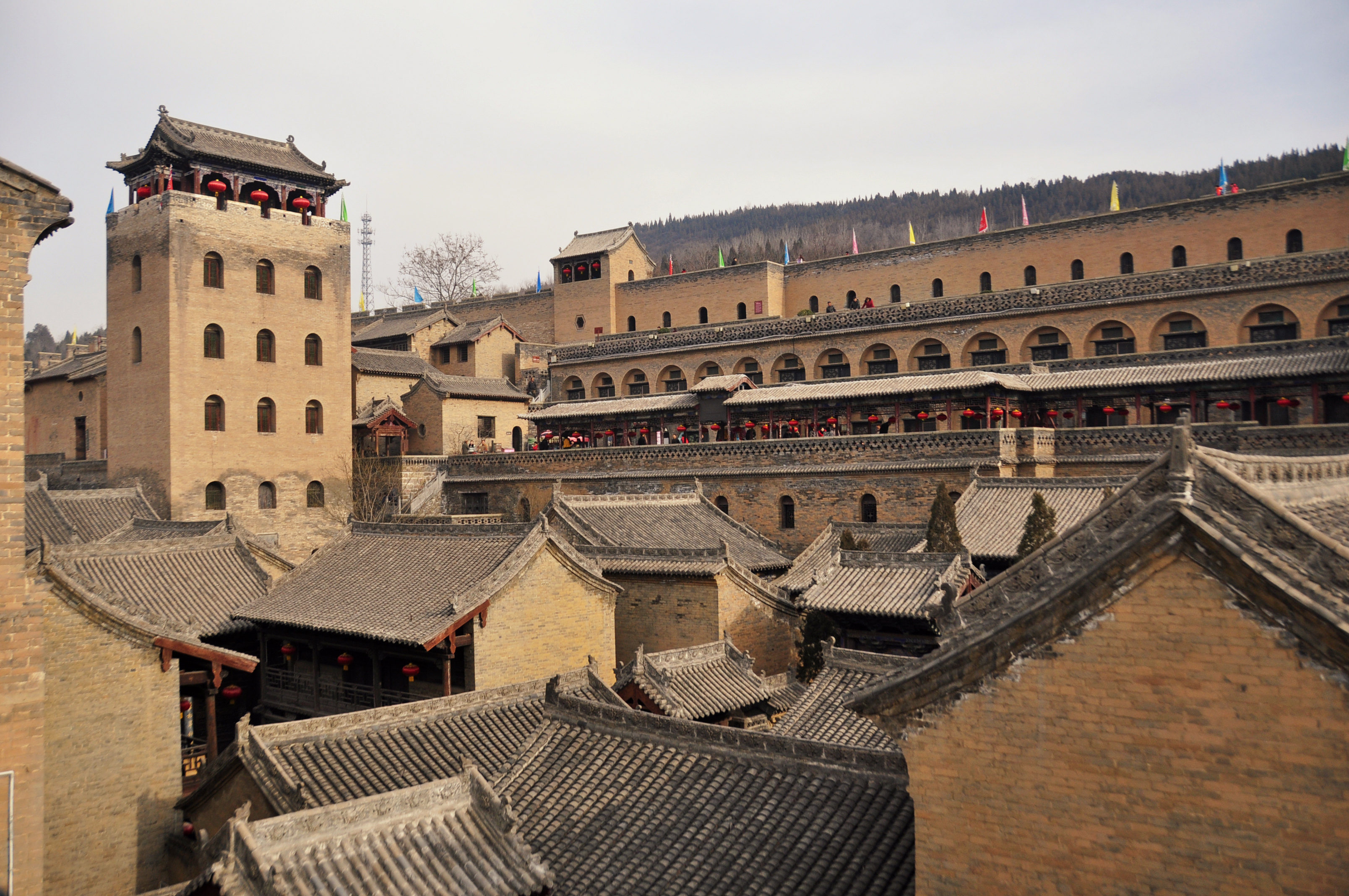
2026 Jincheng Travel Guide: must-see attractions, popular food, hotels, transport & travel experiences (updated in March)
147 posts
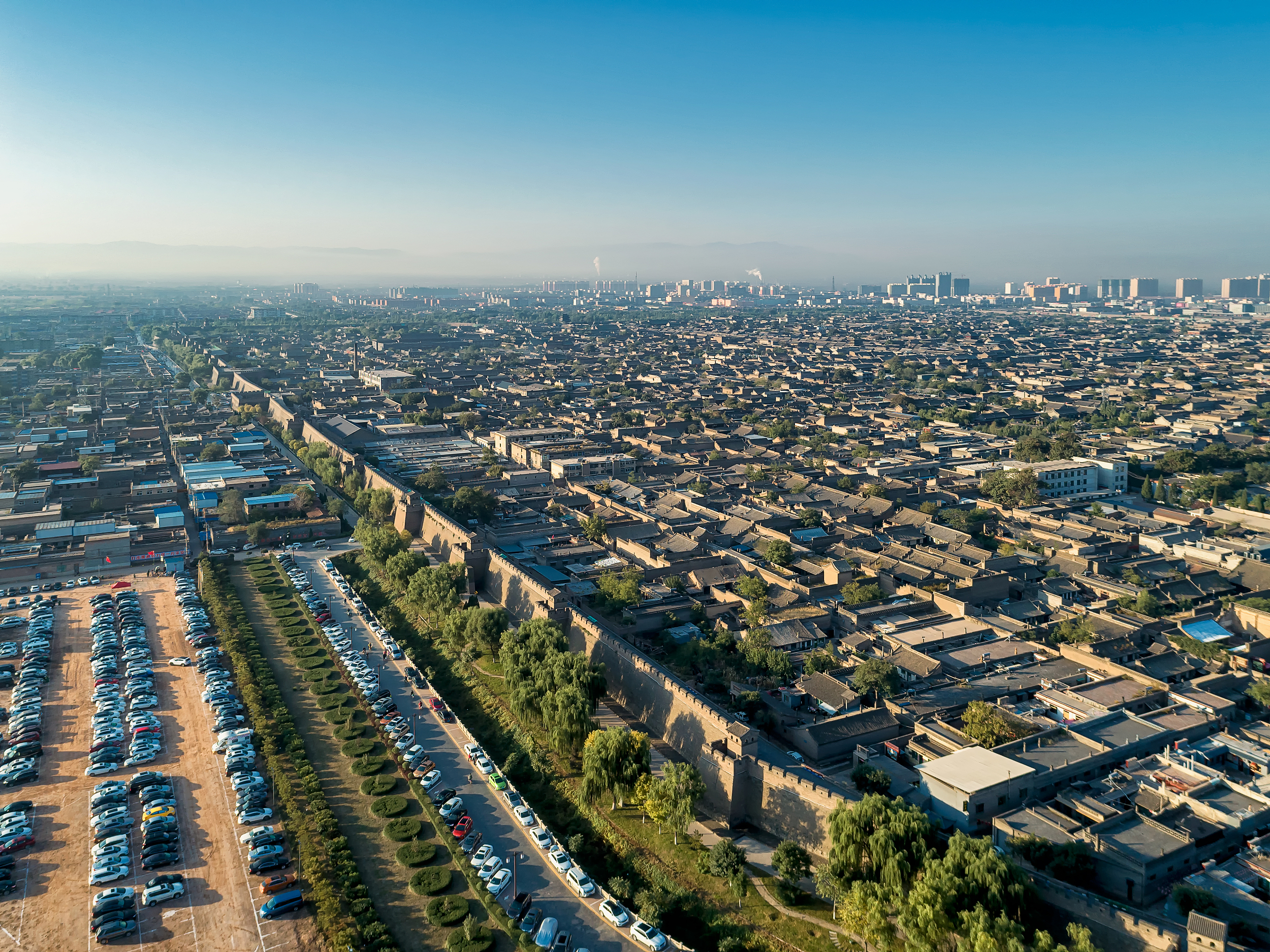
2026 Pingyao Ancient City Travel Guide: must-see attractions, popular food, hotels, transport & travel experiences (updated in March)
34 posts
- 1
- 2
- 3
- 4
- 13
Post
More recommendations
Popular Trip Moments
Jishan County Chain Hotels | The treasure made popular by "Black Myth"! Shanxi Xiangfen Fencheng Ancient Architecture Complex, 0 yuan ticket to travel through a thousand years | 📍"Yuncheng" is China's No. 1 National Treasure City. | Shanxi Wenxi Peibai Village Travel Guide | Pilgrimage to the Crown of Martial Temples! 3 Must-Visit Reasons to Explore the Xiezhou Guandi Temple and Unlock a Millennium of Loyalty and Righteousness Culture | 18 Stunning National Treasures of Shanxi! I Flew to Shanxi Just for These Photos | Free Admission to Guandi Ancestral Temples on Women's Day | Cou Garden, Suzhou|Spring Magnolia + Film and TV Drama Same-Style Romance Garden Guide | Chasing the first wave of cherry blossoms with the kids! Capture the atmosphere at these lesser-known spots | Spring Outing with Kids to Enjoy Early Cherry Blossoms! Fewer Crowds, Beautiful Scenery, and Cute Photos | In Ruicheng! Discovered a "Art Museum" you can stay in | Ruicheng "Little Jiangnan"! A Stunning Chinese Style Hotel Next to Yongle Palace | "Accidentally Stumbled into the Bull Demon King's Wedding Scene! Immerse Yourself in a Chinese Mythological Wedding at Xiaoyao Valley" | On par with Yongle Palace's pinnacle of Yuan and Ming dynasty murals | 2026 Shanxi New Year Trip | Yongle Palace — One of the Three Great Ancestral Temples of Quanzhen Taoism | Escape the crowds! Budget travel in the off-season from March to April, these 4 hidden gem cities are unbelievably cheap! | The root of the Martial Saint Guan Yu is here! | Springtime in Hedong・Yuncheng 4 Days 3 Nights Pure Leisure Small Group Tour | Famous worldwide for the love story of Zhang Sheng and Cui Yingying in Wang Shifu's Yuan Dynasty play "Romance of the Western Chamber" | Yuncheng Yongle Palace: Masterpiece Murals and Yuan Dynasty Architecture Dual Excellence | “A National Rarity Hidden in a Village”? The Miracle of the Northern Song Wudian Roof, a Lifelong Regret of Liang Sicheng | Pujiu Temple | Encountering The Romance of the Western Chamber & Exploring the Magical Echo of the Pagoda | Houtu Temple|An Autumn Wind Tower, 2000 Years of Earth Worship History | Ruicheng Travel Highlights! Please keep this comprehensive guide handy | Yuncheng Spring Cultural and Tourism Activities Fully Launched | Ruicheng, Shanxi | An Underrated Town with Traditional Chinese Charm | Shanxi…a land that makes you truly understand the meaning of "time." | Shanxi Province National Key Cultural Relics Protection Units Tour in Xinjiang County | A must-visit in Jishan, Shanxi! This underrated gem of a town has such delicious food!
Recommended attractions at popular destinations
Popular Attractions in Bangkok | Popular Attractions in Manila | Popular Attractions in Tokyo | Popular Attractions in Taipei | Popular Attractions in Hong Kong | Popular Attractions in Seoul | Popular Attractions in Kuala Lumpur | Popular Attractions in Los Angeles | Popular Attractions in Shanghai | Popular Attractions in New York | Popular Attractions in Shenzhen | Popular Attractions in Osaka | Popular Attractions in Singapore | Popular Attractions in London | Popular Attractions in Guangzhou | Popular Attractions in San Francisco | Popular Attractions in Beijing | Popular Attractions in Macau | Popular Attractions in Bali | Popular Attractions in Jakarta | Popular Attractions in Paris | Popular Attractions in Ho Chi Minh City | Popular Attractions in Istanbul | Popular Attractions in Phuket | Popular Attractions in Chicago | Popular Attractions in Seattle | Popular Attractions in Toronto | Popular Attractions in Orlando | Popular Attractions in Cebu | Popular Attractions in Chiang Mai
Popular Restaurants in Yuncheng
WAN MU TIAN CU LIANG GUAN | 西北小院(黄金水岸店) | HE DONG XIAO GUAN | RONG JIAN ZHU TI | 南坡驴肉王火锅(天逸公园店) | HONG XIANG ZHOU BING WU | KFC (xueyuan) | 海底捞火锅(阳光国际店) | 海底捞火锅(国科欢乐港店) | 隆兴美面食馆(红旗东街一店) | Pizza Hut (hedong) | 解州王剑羊肉泡(解州总店) | 运城建国饭店·杰斯汀西餐厅 | 清真老五炒鸡(运城总店) | 河津凤源美丽豪酒店·凤源中餐厅 | 小粥仙烤鸭坊(库东路店) | 运城诺富特酒店·食宜餐厅 | 五老峰农家庄园 | 携程度假农庄(山西芮城黄河湾联营店)·服务岛餐厅 | 福同惠(解放北路店) | Qingzhenlaowuchao Chicken (tiedaokou) | 解州王剑羊肉泡馆(永济分店) | 星巴克(运城万达店) | 俏大叔烤肉料理(绛州路店) | 洽谈交易商务中心酒店·餐厅 | 一页·咖啡 | 史家鱼+面总店 | 禹泉粥屋(新耿街店) | Longxingmeiweimianshiguan (longxingmeimianshiguanhuaidonglu) | 运城果果假日酒店·餐厅
Popular Ranked Lists
Top 20 Must-Visit Restaurants in Zibo | Top 10 Luxury Hotels near Notre Dame | Popular Premium Hotels Near Tompkins County | Top 50 Must-Visit Restaurants in Jakarta | Top 50 Must-Visit Restaurants in Christchurch | Top 50 Must-Visit Restaurants in Melaka | Popular Premium Hotels in Pandaan | Popular Premium Hotels in Vila do Bispo | Popular Premium Hotels in Hamilton County | Top 10 Premium Hotels near Penzance | Top 50 Must-Visit Restaurants in Phnom Penh | Top 50 Must-Visit Restaurants in Edinburgh | Top 50 Must-Visit Restaurants in Tonglu | Popular Premium Hotels Near Rochester | Popular Best Things to Do in Renhua | Popular Best Things to Do in Tonghua | Top 20 Best Things to Do in Aksu Prefecture | Top 50 Luxury Hotels near Morris County | Popular Best Things to Do in Yangquan | Top 10 Best Things to Do in Rongcheng | Top 50 Must-Visit Restaurants in Toronto | Top 10 Best Things to Do in Jingxi | Top 50 Must-Visit Restaurants in Dubai | Popular Premium Hotels in Tachira | Popular Best Things to Do in Lvliang | Popular Best Things to Do in Jishou | Top 50 Must-Visit Restaurants in Wenzhou | Top 50 Must-Visit Restaurants in Singapore | Top 50 Must-Visit Restaurants in Lanzhou | Popular Best Things to Do in Dazhou
About
Payment methods
Our partners
Copyright © 2025 Trip.com Travel Singapore Pte. Ltd. All rights reserved
Site Operator: Trip.com Travel Singapore Pte. Ltd.
Site Operator: Trip.com Travel Singapore Pte. Ltd.