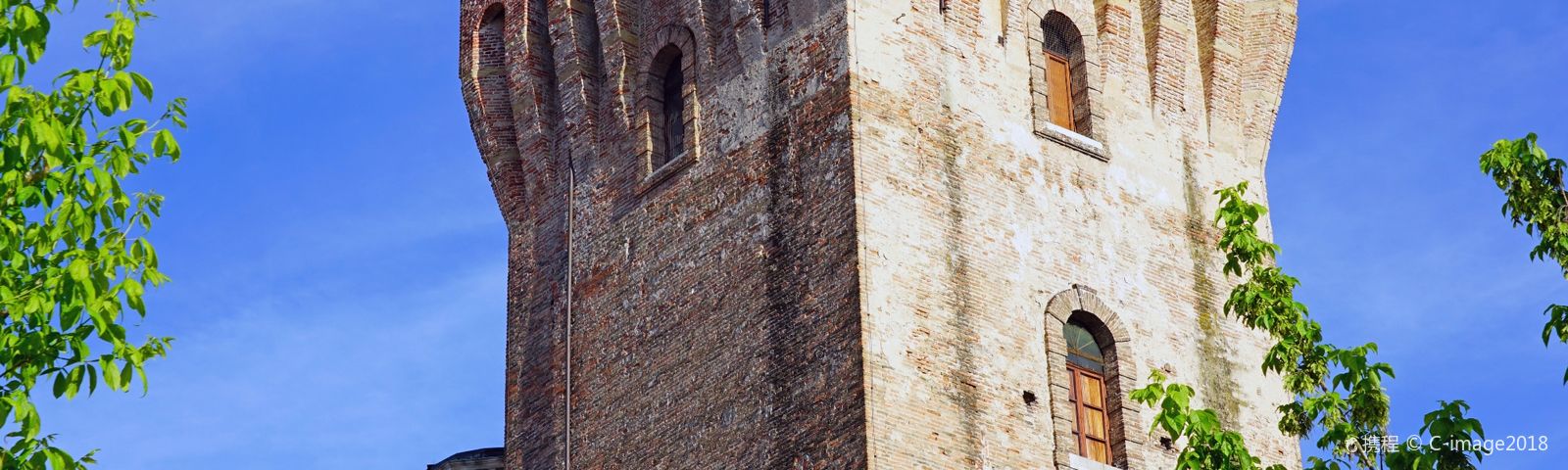
Top picks for Padua Day tours
Discover 167 Day tours in Padua on Trip.com, updated February 16, 2026, with experiences lasting from 1 to 24 hours. Find the perfect adventure for your day!
From GBP 6.21 per person, with an average total of GBP 133.01. Choose the option that suits your plan.
With 10.851k verified reviews, Day tours Padua boast an average rating of 4.7.
This week's most popular Day tours: "Murano & Burano Islands Guided Small-Group Tour by Private Boat", with 5.705k reviews and a 4.7 rating.
Now on Trip.com: "From Milan: Verona, Sirmione and Lake Garda with Boat Cruise", a 11-hour adventure in Padua!
The next available day tour departs on February 17, 2026. Book now to secure your spot!
Padua Day tours usually take about 11 hours — perfect for a relaxed, immersive experience!
97% of Padua Day tours now offer English-speaking guides
February is the perfect time to visit Padua! Choose from Day tours available day tours, including seasonal favorites like Murano & Burano Islands Guided Small-Group Tour by Private Boat.
Your trip, worry-free! All day tours are run by licensed suppliers with verified reviews, and many include free cancellation before departure.
167 results for Padua Day tours
 Duration: 150–180 minsEnglish4.9/5Excellent· 107 reviewsFrom£52.29
 Duration: 11 hrsEnglish4.9/5Excellent· 182 reviews5% offLimited-time saleFrom£84.73£89.19
 Duration: 2 hrsEnglish4.8/5Very good· 15 reviews5% offLimited-time saleFrom£23.97£25.24
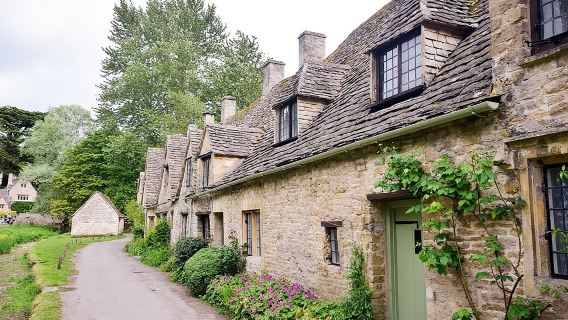 Trip.Select
 Duration: 10 hrsEnglish4.7/5Very good· 658 reviews· 96 bookedFrom£80.37
 Duration: 4 hrsEnglish5.0/5Excellent· 82 reviewsFrom£110.76
 Duration: 5 hrsEnglishFrom£76.58
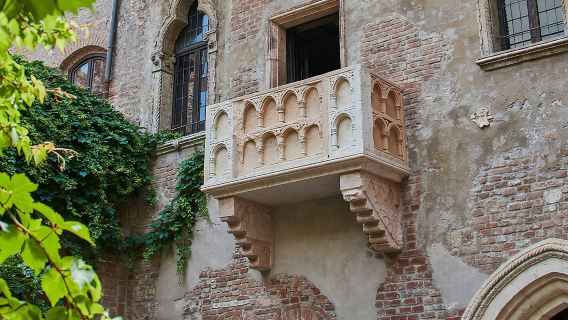 Duration: 2 hrsEnglish5.0/5Excellent· 27 reviewsFrom£248.09
 5% offLimited-time saleFrom£25.63£26.98
![Padua Day Tour: The Basilica of St. Anthony + Prato della Valle [Private Charter]](https://ak-d.tripcdn.com/images/0104i120008k3xk7jF8DA_C_568_320.jpg?_fr=wc) Duration: 9.7 hrsEnglishFrom£874.81
Duration: 9.7 hrsEnglishFrom£874.81![1-day tour to University of Padua + University of Padua Botanical Garden + Duomo di Padova [private charter line]](https://ak-d.tripcdn.com/images/0102a12000866nrgx4F2A_C_568_320.jpg?_fr=wc) From£763.47
From£763.47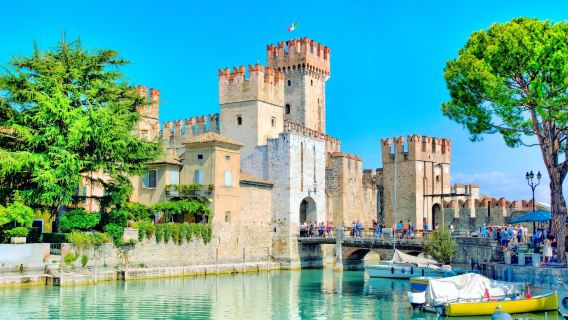 Duration: 14.5 hrsEnglishFrom£787.86
 Duration: 3 hrsEnglish4.6/5Satisfied· 31 reviewsFrom£61.14
 Duration: 90 minsEnglish4.4/5Good· 36 reviewsFrom£31.89
 Duration: 10.6 hrsEnglishFrom£787.86
 Duration: 90 minsEnglish4.9/5Excellent· 46 reviewsFrom£78.86
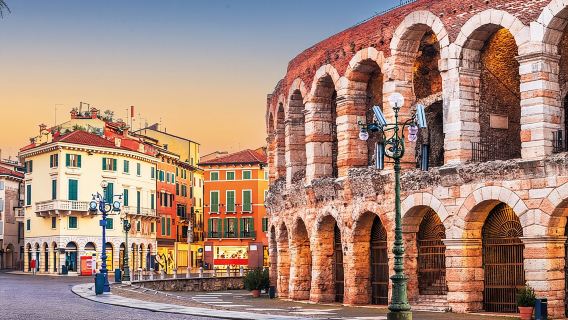 Duration: 2–3 hrsEnglish4.6/5Satisfied· 37 reviewsFrom£6.21
 From£34.55
 Duration: 3 hrsEnglish4.9/5Excellent· 57 reviews5% offLimited-time saleFrom£49.05£51.64
 Duration: 3 hrsEnglish4.9/5Excellent· 72 reviewsFrom£96.59
 From£61.12
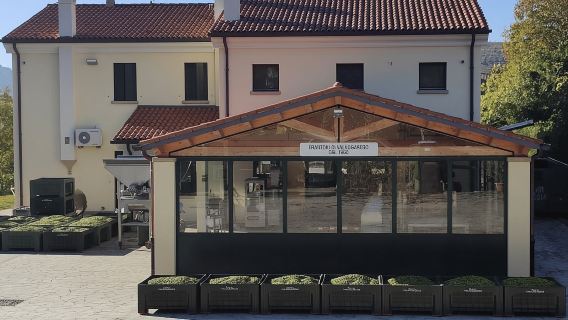 5% offLimited-time saleFrom£33.06£34.81
 5% offLimited-time saleFrom£9.10£9.58
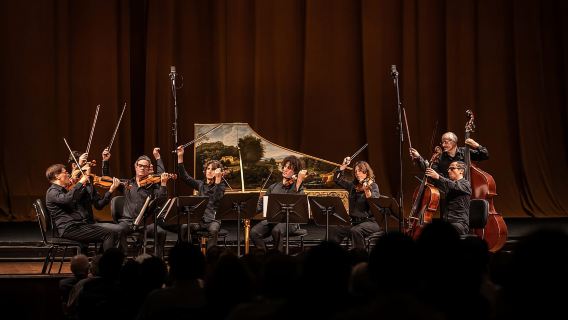 5% offLimited-time saleFrom£28.11£29.59
 5% offLimited-time saleFrom£123.16£129.65
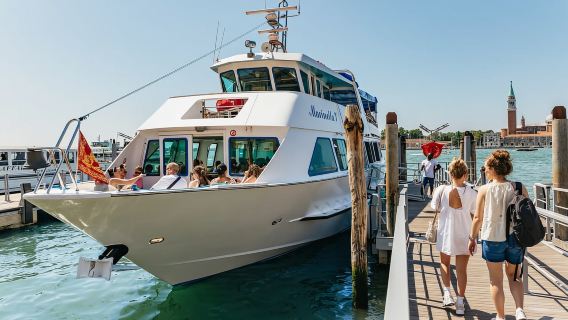 Duration: 6 hrsEnglish4.4/5Good· 853 reviews5% offLimited-time saleFrom£19.84£20.89
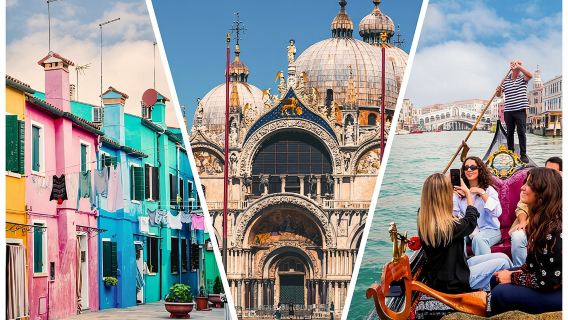 Duration: 570 minsEnglish4.6/5Satisfied· 737 reviewsFrom£30.09
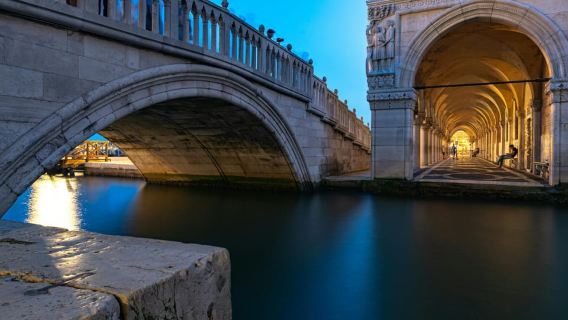 Duration: 6 hrsEnglish4.6/5Satisfied· 14 reviews5% offLimited-time saleFrom£23.15£24.37
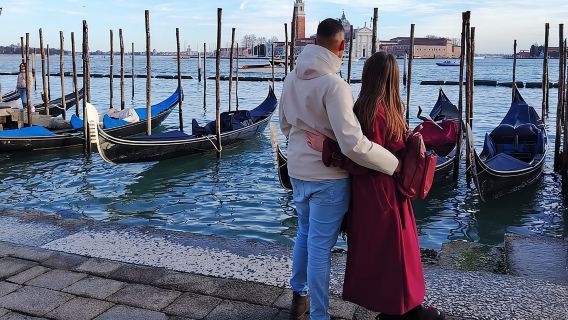 Duration: 13 hrsEnglish4.8/5Very good· 315 reviewsFrom£149.75
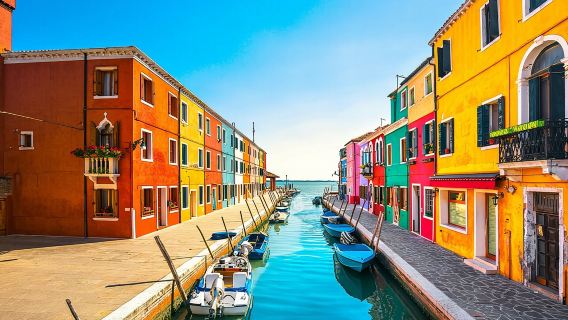 Duration: 5 hrsEnglish4.7/5Very good· 5.7k reviewsFrom£34.56
 Duration: 7 hrsEnglish4.0/5Good· 49 reviewsFrom£23.93
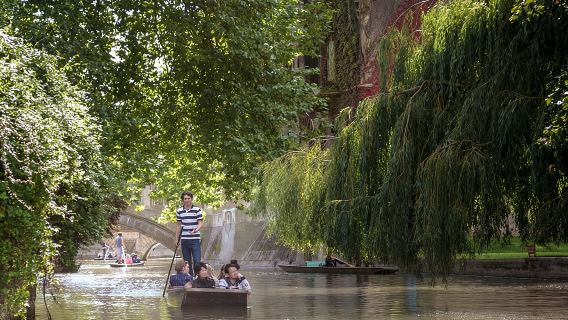 Duration: 45 minsEnglish4.8/5Very good· 400 reviews· 37 bookedFrom£22.35
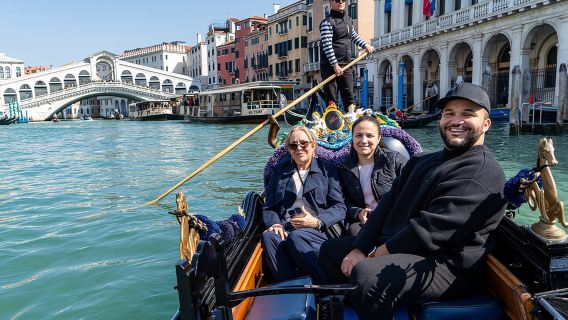 Duration: 6 hrsEnglish4.6/5Satisfied· 584 reviewsFrom£108.39
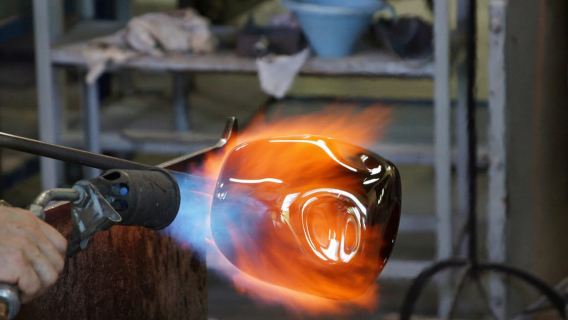 5% offLimited-time saleFrom£24.80£26.11




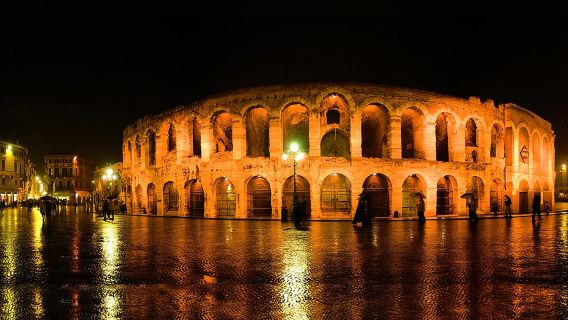


Explore top experiences
See what other travellers love, based on ratings and bookings
Frequently asked questions about Padua Day tours
How many Day tours are available in Padua on Trip.com?
What are the best Day tours in Padua?
What are the top-rated Day tours in Padua?
What are the recommended itineraries in Padua?
How can I contact Trip.com customer support?
Can I change or cancel my booking?
How can I get discounted prices?
Reviews/Trip Moments
Trip.com Picks
Popular Products
Popular Activities
More Popular Destinations
About




Site Operator: Trip.com Travel Singapore Pte. Ltd.