About Us - Vision Art Space



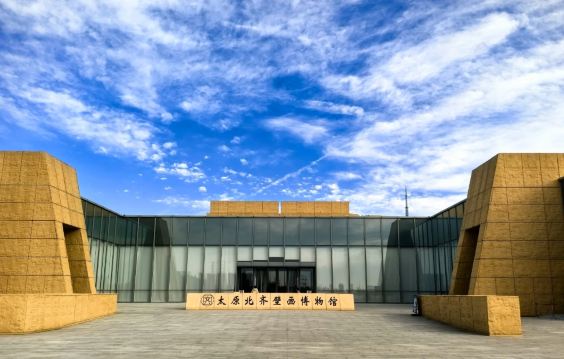
Taiyuan Northern Qi Dynasty Mural Museum
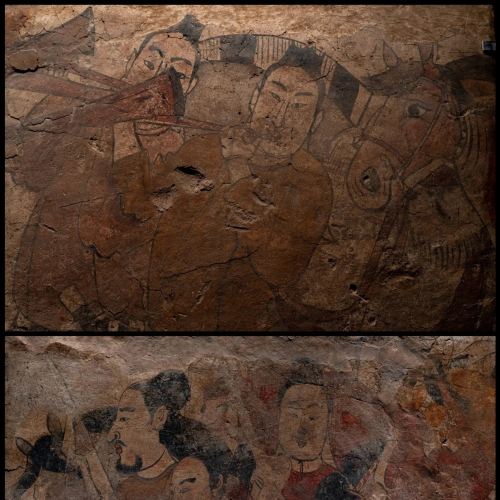
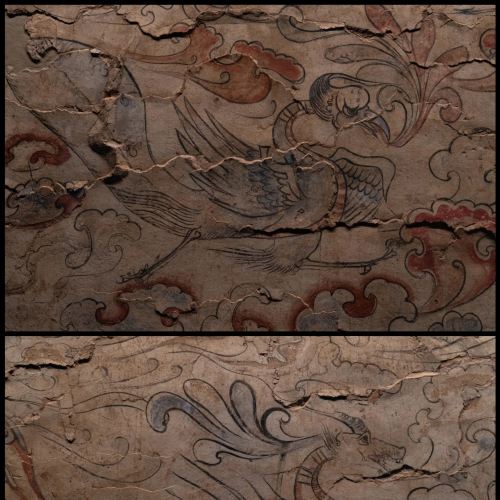
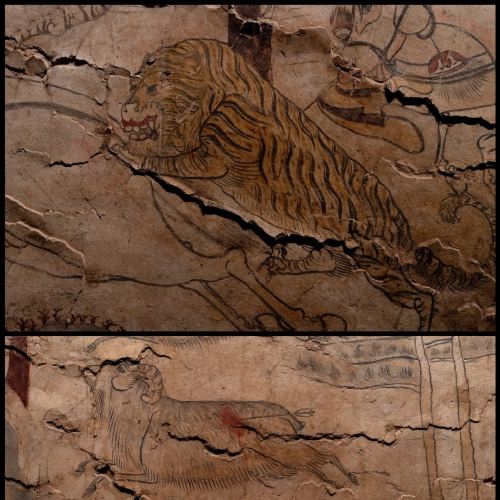
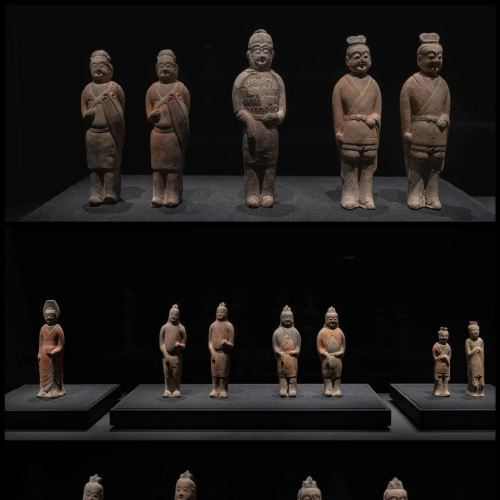
Located in Wangjiafeng Village, Yingze District, Taiyuan City, Shanxi Province, the museum is built on the original site of the tomb of Xu Xianxiu, the Prince of Wu'an of the Northern Qi Dynasty. It is China's first thematic museum dedicated to tomb mural art at an archaeological site. The museum covers a total area of 20,000 square meters, with a construction area of 5,355 square meters and an exhibition space of over 3,800 square meters. It is divided into three sections: the Mural Hall, the Site Hall, and the Temporary Exhibition Hall, showcasing murals from four Northern Dynasties tombs excavated in Shanxi, including the Xu Xianxiu Tomb, the Lou Rui Tomb in Taiyuan, the Jiuyuangang Tomb in Xinzhou, and the Shuiquanliang Tomb in Shuozhou. The murals primarily feature bold and fluid "iron-wire" outlines to delineate forms, with varying line thicknesses conveying movement and texture. The color palette is dominated by reddish-brown and azurite, with subtle washes of light pigment on faces, creating a harmonious and elegant tone. The compositions employ a "full-frame" layout, forming grand scenes with striking rhythm, resembling a giant picture book. These murals vividly depict the unique cultural fusion of Han and nomadic traditions in the Jinyang region a thousand years ago. Not only are these murals artistic treasures, but they also serve as invaluable historical resources for studying the Northern Dynasties period.
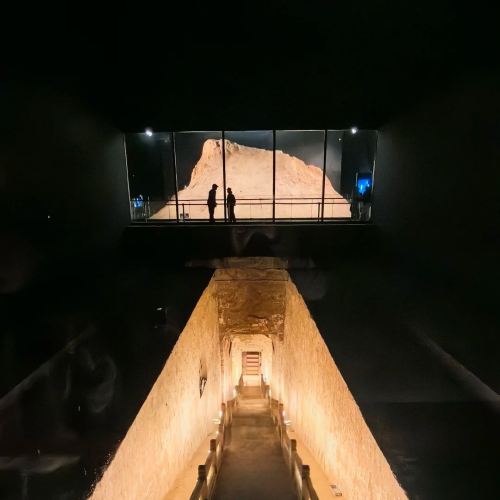
"Millennium at a Glance" Exhibition Hall – Original Site of Xu Xianxiu's Tomb. The main highlights of this museum include viewing the tomb passage (from a distance), the burial mound, and the VR display inside the burial chamber.

The "Simple and Elegant" style is a characteristic of Northern Qi Dynasty murals.
The murals in Northern Qi Dynasty tombs feature diverse themes, rich connotations, and superb techniques. With brushes as their blades, Northern Qi artists carved a dynamic linear aesthetic on tomb walls, depicting various horses, mythical beasts, ceremonial processions, banquet scenes, and more—both reconstructing earthly life and imagining the afterlife. Working alone in the dark underground, these painters created masterpieces that would ascend to heaven with the sealed tombs. As Chen Danqing once said, the artists sacrificed their talent to eternal death. Just as the preface to the "A Glimpse Through Millennia" exhibition in museums states: "A thousand years of change above ground, an eternal splendor preserved below." Today, through these artists' works, we can still catch a glimpse of the bygone capital's grandeur.