About Us - Vision Art Space


"No visit to Taiyuan is complete without seeing the Jin Temple."
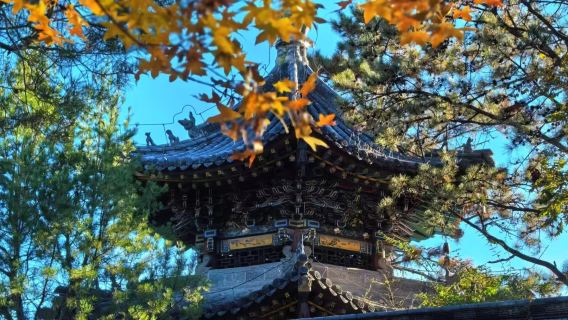
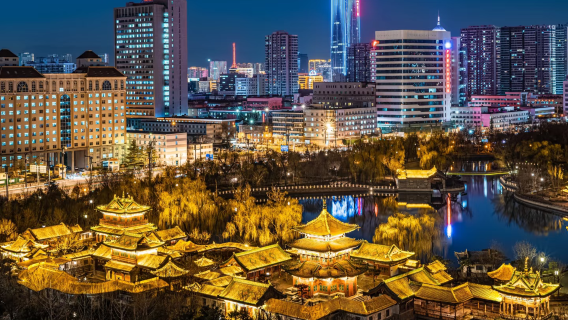
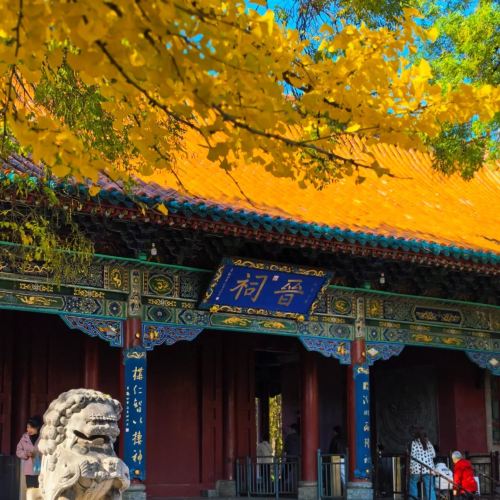
Located amidst mountains and rivers, Jinci Temple boasts beautiful scenery and is renowned as one of China's three great gardens, alongside the Summer Palace and Suzhou Gardens. It integrates ancient architectural treasures, sculptures, steles, unique springs, and ancient trees, carrying a thousand years of Taiyuan's memory, and serving as Taiyuan's cultural heritage and symbol.
The 5A-rated attraction, a National Key Cultural Relics Protection Unit, and a National First-Class Museum are three shining accolades of the Jinci Temple.

Jinci Museum's "Three Treasures": Shengmu Hall, Flying Bridge Across Fish Pond, and Xian Hall
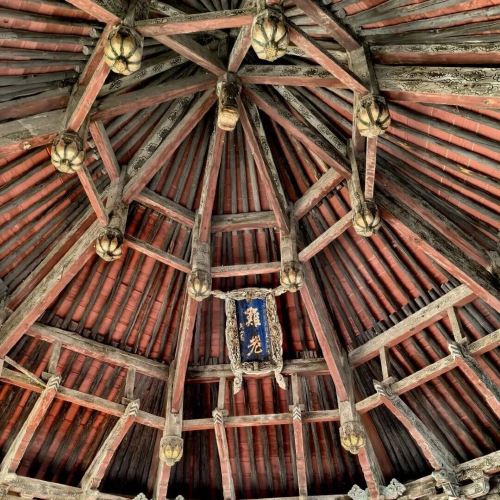
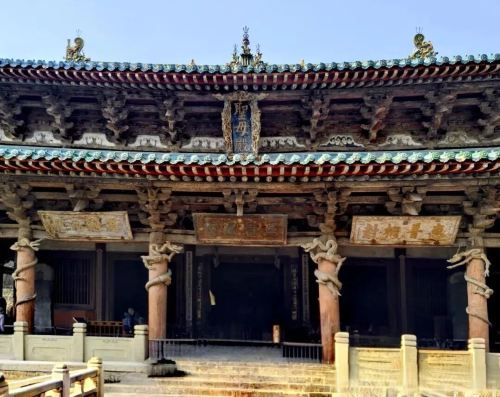
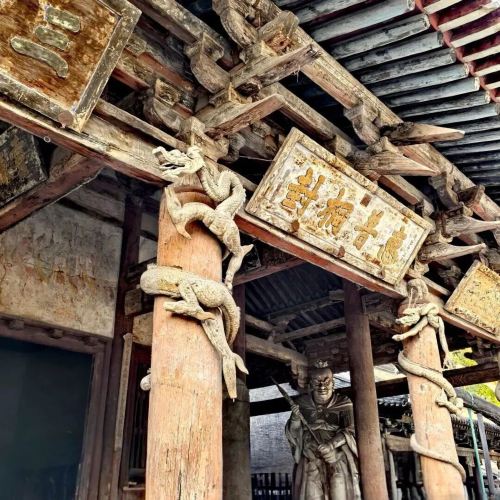
The Hall of the Holy Mother is the main structure of the Jin Temple and also one of its oldest buildings. Standing 19 meters tall, the grand hall features a spacious front corridor with eight majestic dragon-carved pillars, which are the earliest surviving wooden dragon sculptures in China. With its simple yet imposing style, the hall is a representative masterpiece of Song Dynasty architecture.

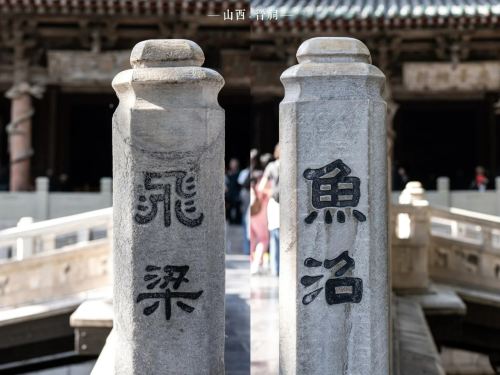
The Yuzhao Feiliang Bridge is one of China's top ten famous ancient bridges. Its main bridge is straight, while the wing bridges slope, forming a cross-shaped intersection that serves as a prototype for modern overpasses.
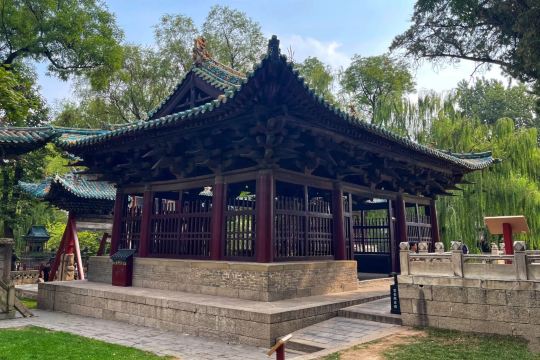
The Offering Hall is a place for displaying offerings. The hall is surrounded by transparent railings, making it the earliest existing ancient building in China that combines a hall and a pavilion.
Jinci Museum's "Three Wonders": Zhou-bai, Song Dynasty colored sculptures, and Nanlao Spring
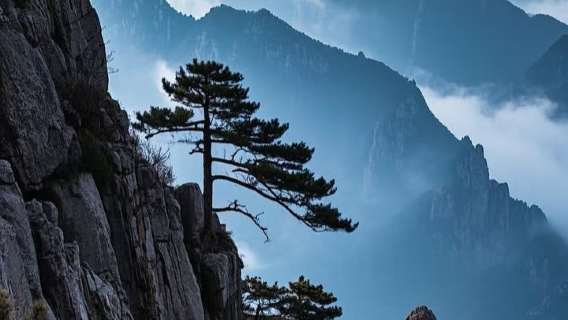
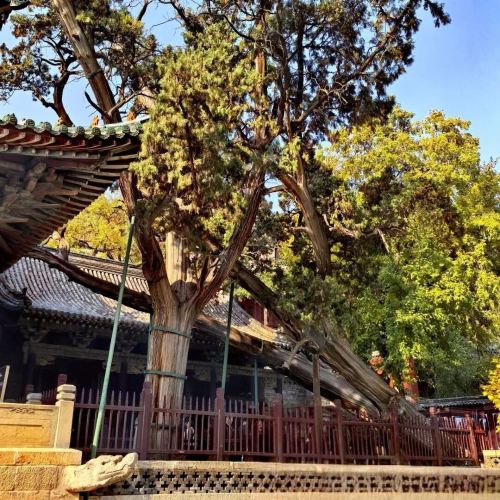
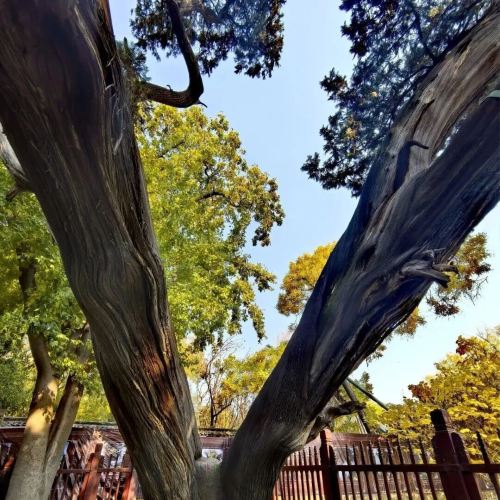
The Cypress of Zhou is said to have been planted by Tang Shuyu. It stands 18 meters tall and is also known as the "Lying Cypress" due to its reclining posture. During the Tang Dynasty, a green cypress grew beneath the Lying Cypress, supporting the leaning ancient tree, and was thus named the "Sky-Supporting Cypress."


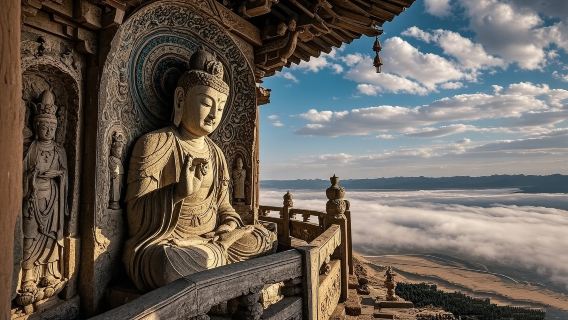
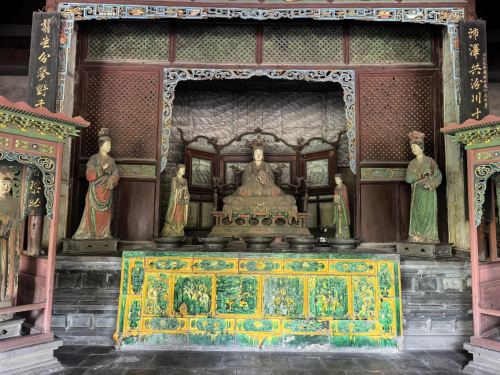
The painted sculptures from the Song Dynasty are located inside the Hall of the Holy Mother. The main figure is the Holy Mother Yi Jiang, surrounded by 42 eunuchs, female officials, and maids. Among them, 33 maids display various postures and actions, appearing vivid and natural, pioneering a realistic approach in sculptural art.
Nantai Spring, the source of Jin River, is known as the "First Spring of Jinyang." Its name originates from the phrase "eternal and never aging." The spring water gushes out from a fault layer about 5 meters underground, flowing ceaselessly.