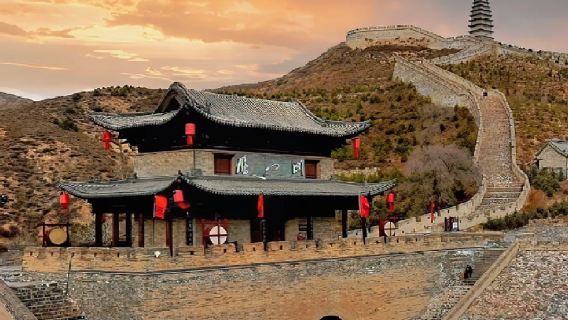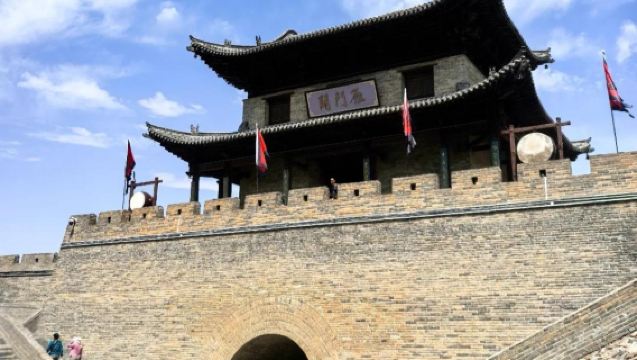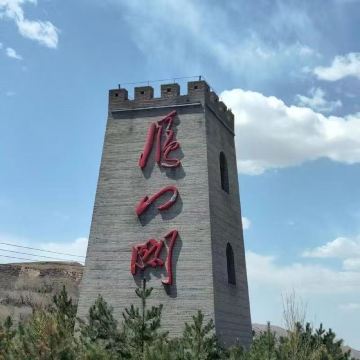

▲ At 6:30 AM, the driver will pick up guests from their accommodation and head to Dai County, Shanxi to visit Yanmenguan. Located in the Yanmen Mountains of Dai County, Xinzhou City, Shanxi Province, approximately 20 km north of the county town, the current Yanmenguan Pass was built in 1374 during the Ming Dynasty by Lu Heng, the exiled Marquis of Ji'an. In 1605, the Yanmenguan section of the Great Wall was reconstructed by Imperial Censor Li Jingyuan on the ancient foundation. Situated on the Jingling Ridge (also known as Gouzhu Mountain or Yanmen Mountain) in northern Dai County, Yanmenguan historically consisted of two passes built at key mountain passes, collectively called Yanmenguan. The two passes, about 5 km apart, were named Dongxing Pass (east) and Xixing Pass (west). Dongxing Pass is the present-day Yanmenguan, while Xixing Pass was located at Tiegumen on Taihe Ridge. Both passes were constructed around the same time but eventually fell into ruin. Yanmenguan remains a crucial stronghold along the Great Wall.
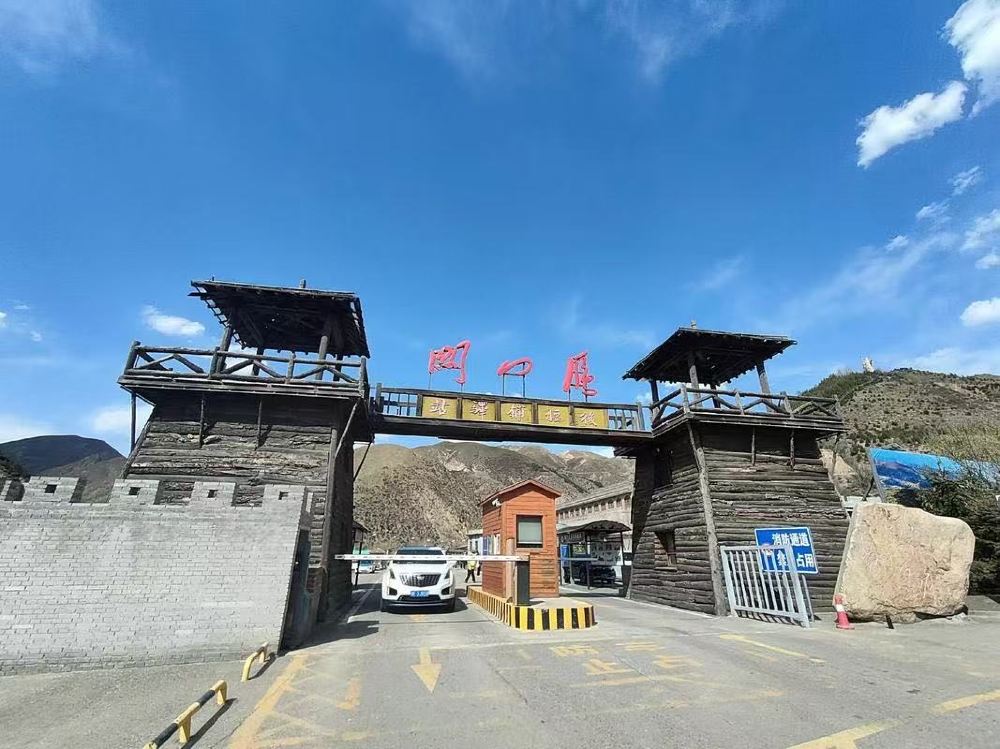
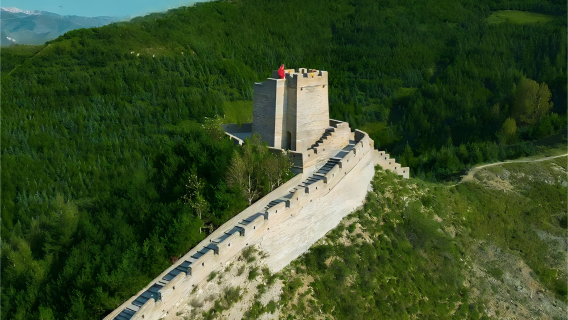
▲ After lunch, visit the Guangwu Great Wall, whose specific location in Shanxi involves present-day Shuozhou, Xinzhou, and other areas. For example, Guangwu City (also known as Old Guangwu City) in the Yanmen Pass defense system is located in today's Shanyin County, Shuozhou City. It served as one of the core strongholds of the Yanmen Pass defensive line, primarily constructed with rammed earth and built along the mountain terrain, connecting with nearby beacon towers and fortresses to form a complete defensive network. This section of the Great Wall was mostly built on the highest ridges, winding along the topography, showcasing the ancient military engineering principle of "strategic advantage in rugged terrain."
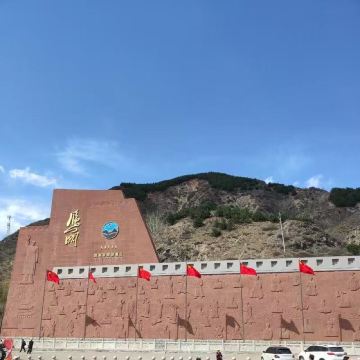

▲ Later, visit Daizhou Ancient City, located in Dai County, Xinzhou City, Shanxi Province, China. It is a nationally renowned historical and cultural city and a 4A-level tourist attraction, famous for its well-preserved Ming Dynasty architecture and profound frontier culture. Key highlights include: Location & History: Established in the late Eastern Han Dynasty, it became the seat of the county government during the Northern Wei Dynasty. The city walls were rebuilt in 1373 during the Ming Dynasty, and the current structures date back to the Ming and Qing Dynasties, serving as a vital military stronghold and commercial hub along the ancient Great Wall. Key Attractions: Bianjing Tower, Ashoka Pagoda (a Tibetan-style brick pagoda from the Yuan Dynasty), and Dai County Confucian Temple. In the afternoon, return to Xinzhou by arranged transportation, with drop-off options at the train station, high-speed rail station, or bus station.