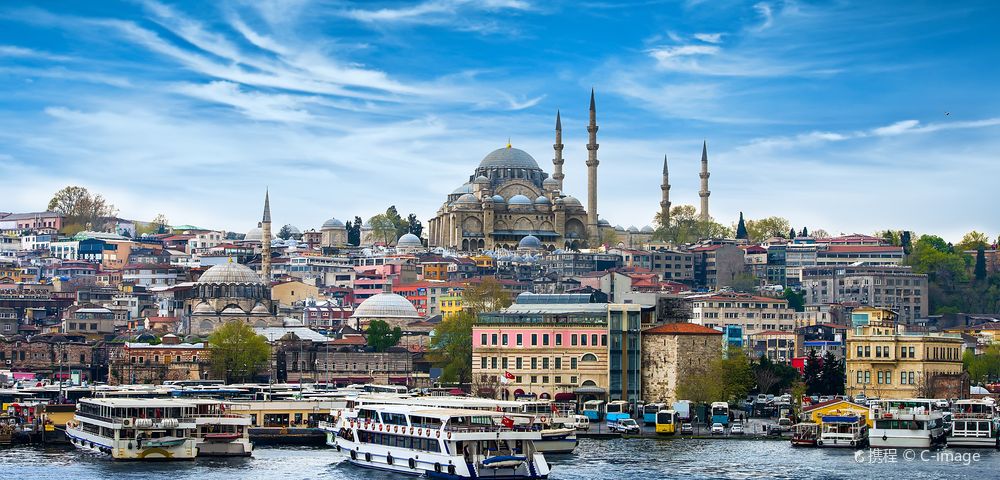
Top picks for Istanbul Day tours
Discover 290 Day tours in Istanbul on Trip.com, updated February 13, 2026, with experiences lasting from 1 to 18 hours. Find the perfect adventure for your day!
From EUR 6.00 per person, with an average total of EUR 49.96. Choose the option that suits your plan.
With 8.853k verified reviews, Day tours Istanbul boast an average rating of 4.7.
This week's most popular Day tours: "Istanbul: Bosphorus Dinner Cruise & Turkish Night Show", with 3.017k reviews and a 4.8 rating.
Now on Trip.com: "Istanbul: Bosphorus Sunset Cruise with Drinks & Snack", a 2-hour adventure in Istanbul!
The next available day tour departs on February 14, 2026. Book now to secure your spot!
Istanbul Day tours usually take about 2 hours — perfect for a relaxed, immersive experience!
100% of Istanbul Day tours now offer English-speaking guides
February is the perfect time to visit Istanbul! Choose from Day tours available day tours, including seasonal favorites like Istanbul: Bosphorus Dinner Cruise & Turkish Night Show.
Your trip, worry-free! All day tours are run by licensed suppliers with verified reviews, and many include free cancellation before departure.
290 results for Istanbul Day tours
 Trip.Select
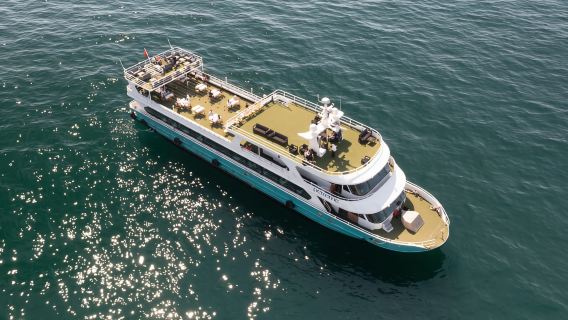
 56 consecutive positive reviewsFree cancellationDuration: 2 hrs4.8/5Very good· 1.6k reviews· 177 booked5% offLimited-time saleFrom€6.65€7
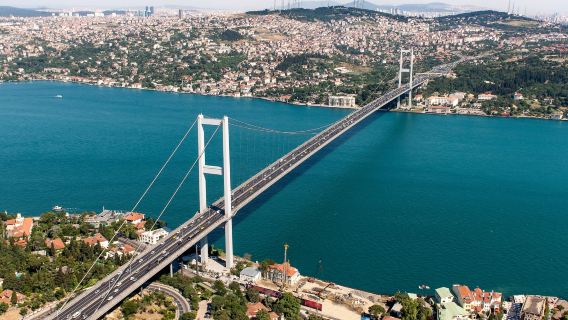 Experience the Breathtaking Panorama of Istanbul from Çamlıca and Pierre Loti Hills.Free cancellationInstant confirmationDuration: 7.5 hrs5.0/5Excellent· 2 reviewsFrom€43.00
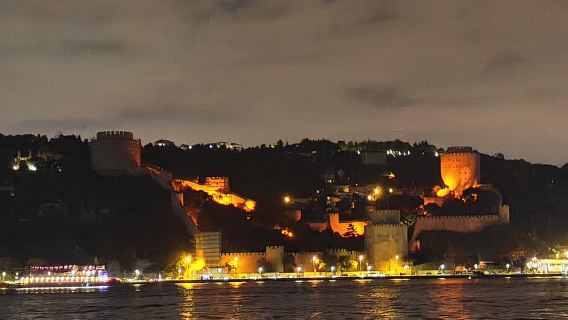 Trip.Select93.7% of travelers recommendFree cancellationDuration: 2–3 hrs4.7/5Very good· 526 reviews· 587 booked5% offLimited-time saleFrom€9.50€10
![Istanbul The Blue Mosque + Hagia Sophia + Basilica Cistern + Bosphorus [Private Charter 1-day Tour]](https://ak-d.tripcdn.com/images/0353612000mk18irp26BB_C_568_320.jpg?_fr=wc) Featured Attractions: A fusion of popular attractions in Istanbul, Türkiye!Duration: 9.1 hrsFrom€352.32
Featured Attractions: A fusion of popular attractions in Istanbul, Türkiye!Duration: 9.1 hrsFrom€352.32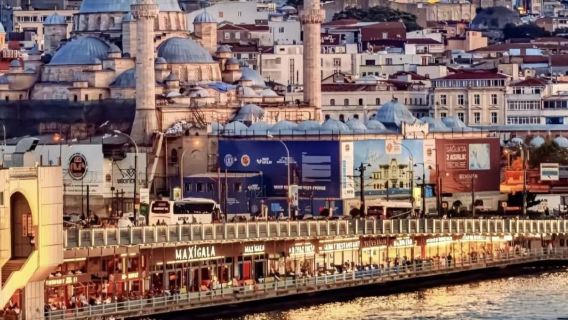 Private car service + hotel transfer + flexible itinerary + Chinese-speaking serviceFree cancellationDuration: 9 hrsFrom€221.96
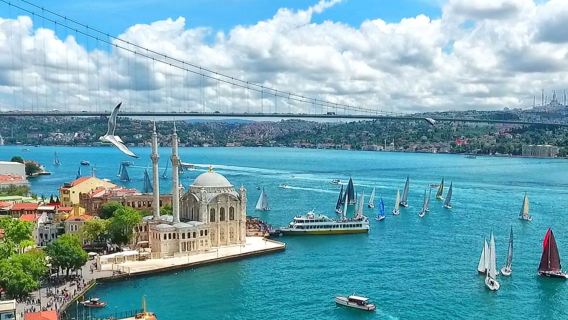 67 consecutive positive reviewsFree cancellationInstant confirmationDuration: 4.5 hrs4.7/5Very good· 67 reviews· 82 bookedFrom€23.00
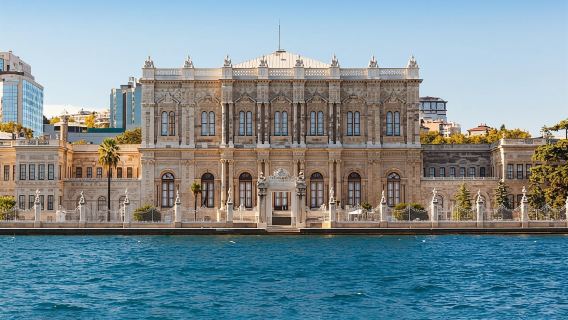 Sail on an epic journey between Europe and Asia on Bosphorus StraitFree cancellationDuration: 1.5 hrs4.5/5Satisfied· 60 reviews5% offLimited-time saleFrom€6.00€6.32
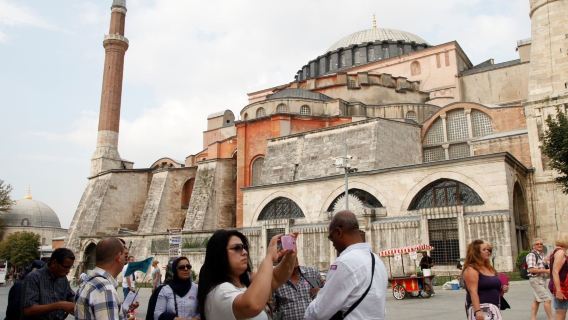 Explore the rich history and significance of Istanbul at the Hagia Sophia.Free cancellationInstant confirmationDuration: 3.1 hrs32 bookedFrom€14.00
 Dine as you sail between 2 continentsFree cancellationDuration: 3 hrs4.7/5Very good· 12 reviews· 26 booked5% offLimited-time saleFrom€28.50€30
 Drink as many soft drinks as you like, or purchase alcoholic drinks from the barFree cancellationDuration: 3.5 hrs5.0/5Excellent· 1 review5% offLimited-time saleFrom€47.50€50
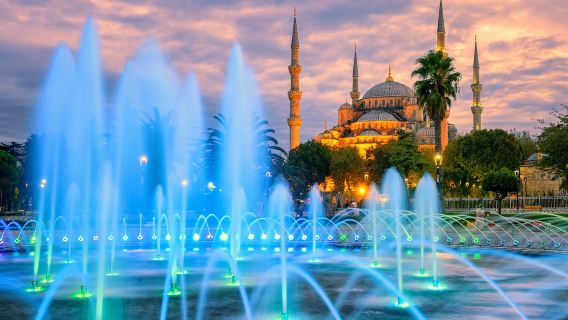 Admire the Blue Mosque, one of the biggest mosques of IstanbulFree cancellationDuration: 4 hrs4.2/5Good· 17 reviews5% offLimited-time saleFrom€19.68€20.72
 Cruise between Europe and Asia on the Bosphorus StraitFree cancellationBook now for todayDuration: 3 hrs4.6/5Satisfied· 47 reviews5% offLimited-time saleFrom€28.50€30
 93.7% of travelers recommendFree cancellationBook now for todayDuration: 3 hrs4.8/5Very good· 876 reviews· 51 booked5% offLimited-time saleFrom€23.65€24.9
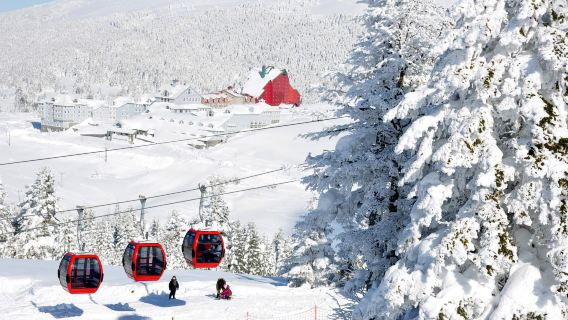 Leave behind the bustling streets of Istanbul and enjoy a peaceful full-day nature trip to BursaFree cancellationInstant confirmationDuration: 14 hrs4.3/5Good· 11 reviews· 200 bookedFrom€20.00
 Trip.Select95.8% of travelers recommendFree cancellationBook now for todayDuration: 2 hrs4.7/5Very good· 48 reviews· 104 booked5% offLimited-time saleFrom€36.56€38.49
 Trip.Select96.6% of travelers recommendFree cancellationDuration: 3 hrs4.8/5Very good· 3k reviews· 57 booked5% offLimited-time saleFrom€22.08€23.25
 Cultural evening suitable for all travelersFree cancellationBook now for todayDuration: 3–5 hrs4.7/5Very good· 20 reviews· 34 booked5% offLimited-time saleFrom€28.50€30
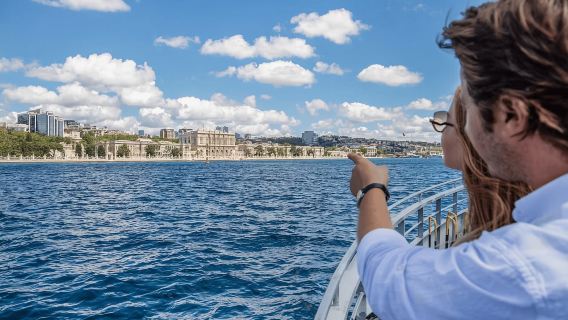 Hourly Bosphorus cruises with stunning Istanbul views.Free cancellationBook now for todayDuration: 2 hrs4.2/5Good· 183 reviews· 50 booked5% offLimited-time saleFrom€7.60€8
 100 consecutive positive reviewsFree cancellationBook now for todayDuration: 135 mins4.9/5Excellent· 835 reviews· 21 booked5% offLimited-time saleFrom€15.12€15.92
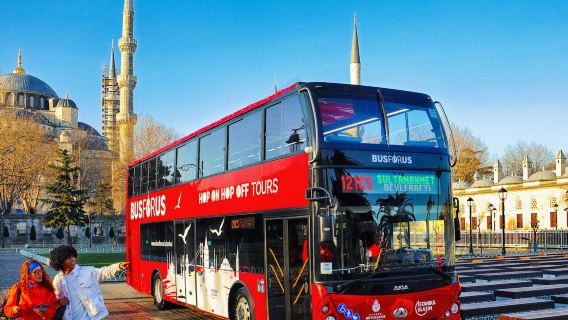 Book now for todayEnglish5.0/5Excellent· 4 reviews· 58 bookedFrom€45.00
 100 consecutive positive reviewsFree cancellationBook now for todayDuration: 3 hrs4.9/5Excellent· 1k reviews5% offLimited-time saleFrom€17.25€18.16
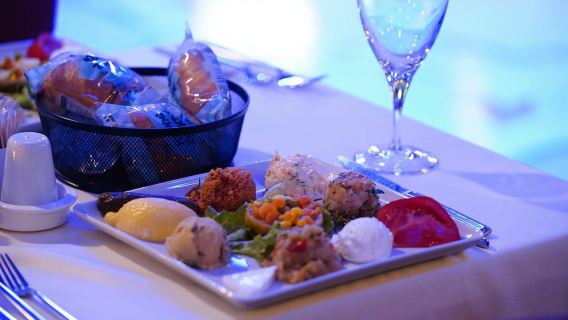 55 consecutive positive reviewsFree cancellationBook now for todayDuration: 3 hrs4.5/5Satisfied· 150 reviews5% offLimited-time saleFrom€28.50€30
 94.7% of travelers recommendFree cancellationBook now for todayDuration: 20–180 mins4.7/5Very good· 244 reviews· 22 booked5% offLimited-time saleFrom€63.65€67
 Gain a deeper understanding of Turkish traditionsFree cancellationDuration: 1 hr4.7/5Very good· 12 reviews5% offLimited-time saleFrom€33.25€35
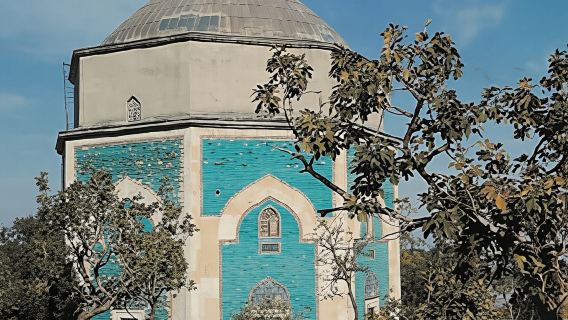 Ascend or descent of Mount Olympos by cable carFree cancellationDuration: 12 hrs5% offLimited-time saleFrom€85.50€90
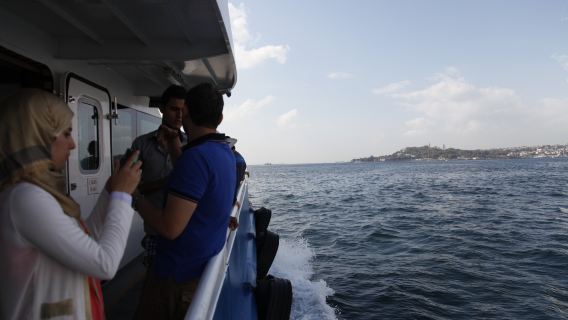 Embark on a boat journey with English speaking guides, enjoying stunning views of Istanbul's landmarks from the water.Free cancellationInstant confirmationDuration: 9.6 hrs5.0/5Excellent· 7 reviews· 39 bookedFrom€22.00
 Free cancellationBook now for todayDuration: 7 hrs4.0/5Good· 1 review· 38 bookedFrom€26.00
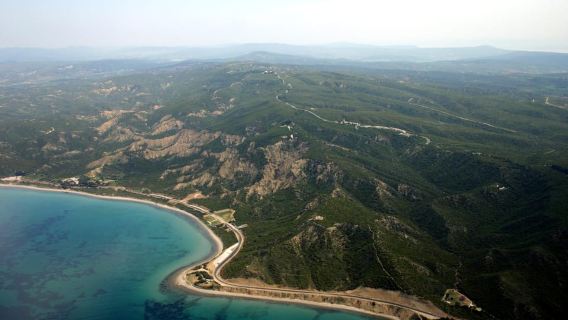 100 consecutive positive reviewsFree cancellationDuration: 18 hrs4.9/5Excellent· 112 reviews5% offLimited-time saleFrom€123.50€130
Explore top experiences
See what other travellers love, based on ratings and bookings
Frequently asked questions about Istanbul Day tours
How many Day tours are available in Istanbul on Trip.com?
What are the best Day tours in Istanbul?
What are the top-rated Day tours in Istanbul?
How can I contact Trip.com customer support?
Can I change or cancel my booking?
How can I get discounted prices?
Reviews/Trip Moments
Trip.com Picks
Popular Istanbul Tours
Best Istanbul Experiences
Popular Products
Popular Activities
More Popular Destinations
About




Site Operator: Trip.com Travel Singapore Pte. Ltd.