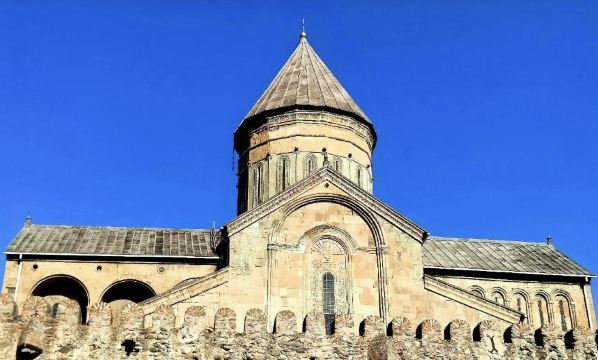
▲ Blending traditional Georgian church architecture with modern elements, the interior is adorned with resplendent gold decorations and exquisite murals, creating a solemn and sacred atmosphere. Under the night lights, it appears even more divine and magnificent.
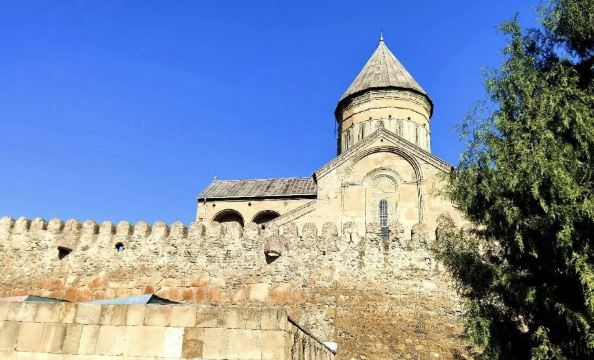
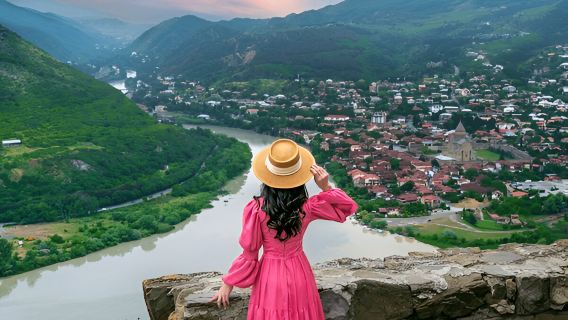
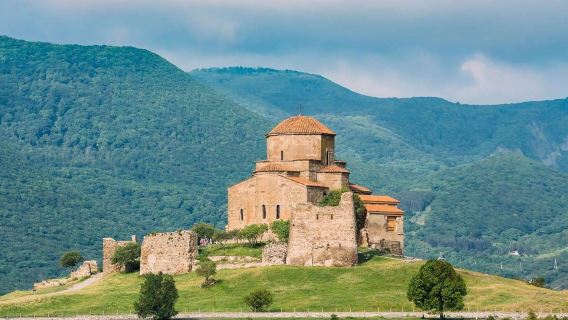
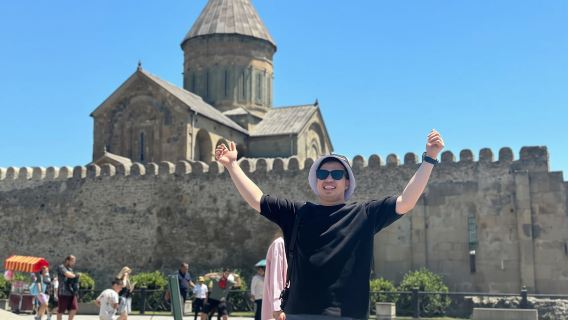
▲ The name "Pillar of Life" originates from a sacred Georgian legend—it is said that the robe Jesus wore during his crucifixion was buried here, from which grew an imperishable cedar pillar, serving as the cornerstone of Georgia's Christian faith.
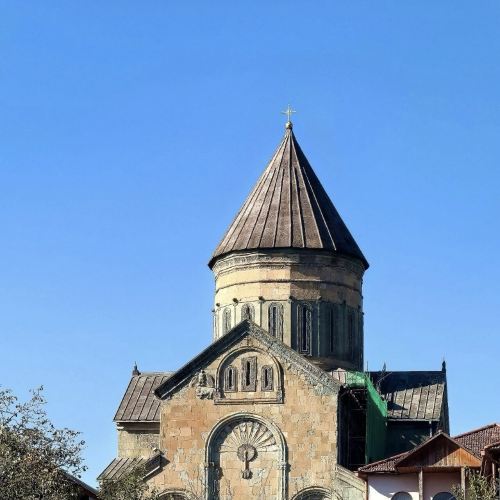

▲ As the Orthodox church of Georgia and even the Caucasus region, its golden-domed main structure stands nearly 100 meters tall and can be seen from almost any angle in Tbilisi, dominating the city's skyline.
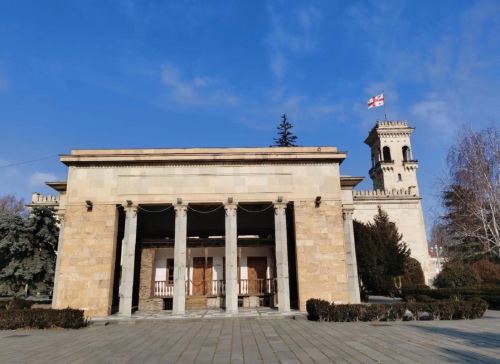
▲ This is one of the few well-preserved museums in the world dedicated to Joseph Stalin, located in his hometown of Gori.
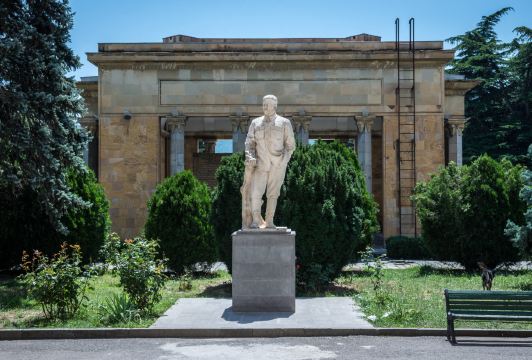
▲ The museum largely preserves the exhibition style and narrative logic from the Soviet era, featuring a rich collection of exhibits (including Stalin's childhood items, reconstructed office, numerous photographs, documents, gifts, etc.). It serves as a "time capsule" of Soviet historical perspectives, offering a highly unique visiting experience.
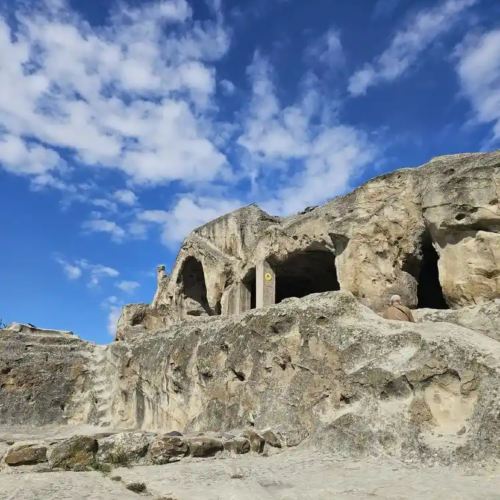

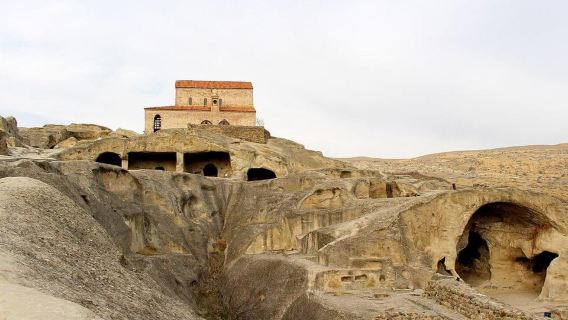
▲ Its name means "Fortress of God," a massive cave city carved into the cliffs along the Kura River, with a history dating back to the Iron Age or even earlier.
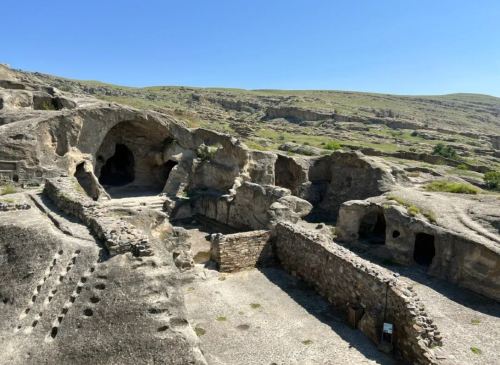
▲ The entire site resembles a three-dimensional rock maze, encompassing palaces, churches, residences, wine cellars, plazas, streets, and even pharmacies and theaters. Its comprehensive functionality showcases the astonishing engineering and lifestyle wisdom of ancient people.
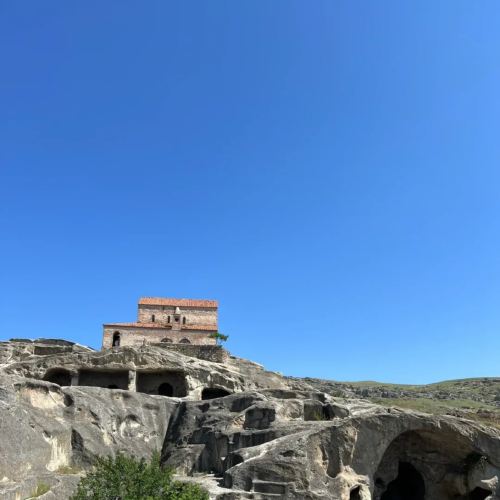

▲ Historically, it was an important center of pagan worship before the introduction of Christianity. Located on the ancient Silk Road, it stands as a testament to diverse cultural exchanges and trade. Standing atop the ruins and overlooking the Kura River and vast plains, one experiences an overwhelming sense of time travel.