


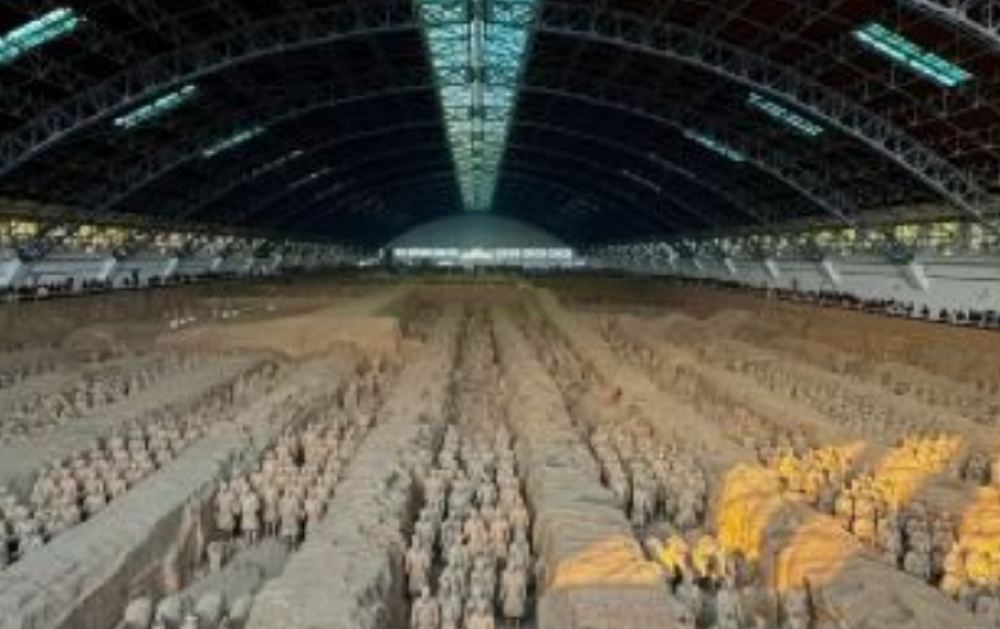
▲ The awe-inspiring terracotta army in pit no. 1 of the emperor Qinshihuang's mausoleum site museum serves as a breathtaking prelude to the eighth wonder of the world. Thousands of life-sized figures stand in battle formation with military precision, evoking echoes of clashing weapons and chariots from two millennia ago, vividly recreating the formidable military might of the Qin empire.
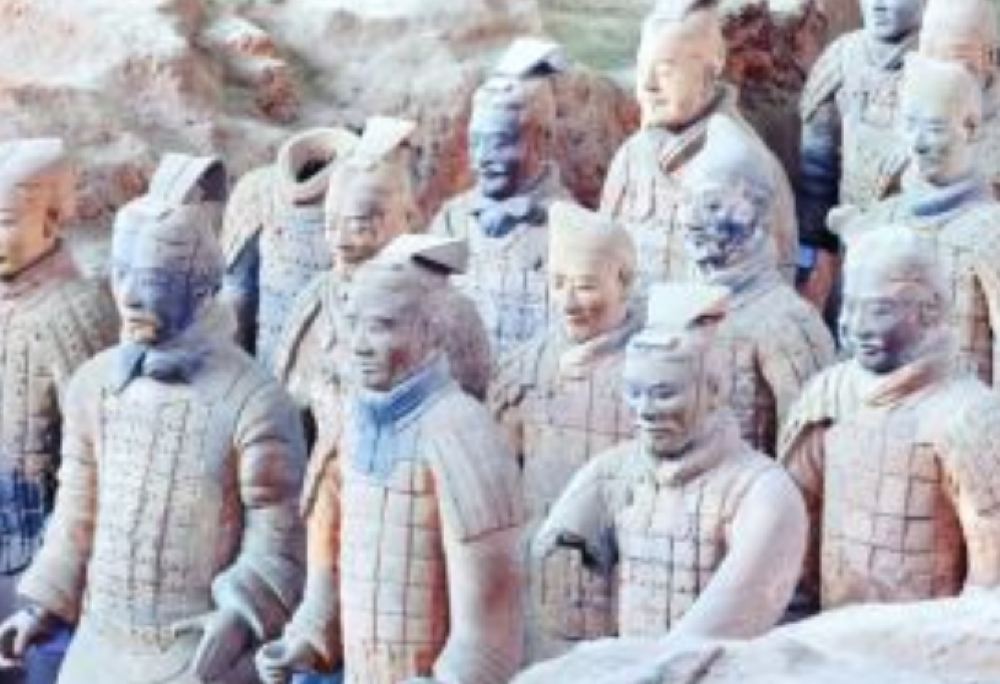
▲ The rarely seen painted terracotta warriors preserve the original colors of the Qin army figures. The facial features of the clay soldiers and the vermilion, malachite and other pigments on their armor remain strikingly vivid. Each warrior displays unique facial characteristics, representing the masterful craftsmanship of artisans from two thousand years ago.
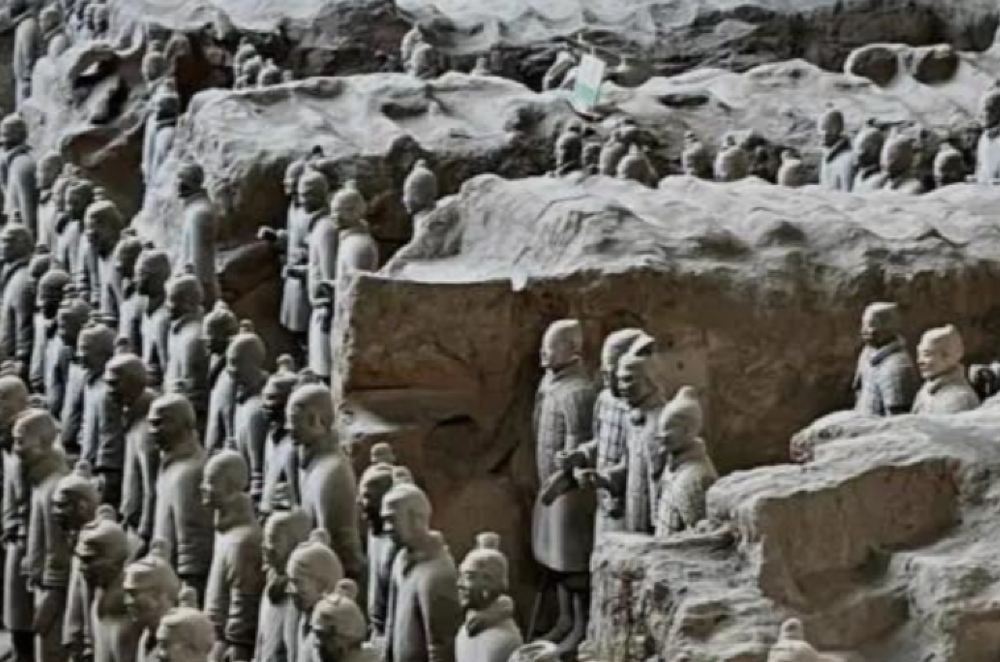
▲ The partially excavated pits at emperor Qinshihuang's mausoleum site museum, where earth and terracotta intertwine, authentically recreate the archaeological site. Broken warriors and undisturbed soil layers narrate over two millennia of history while showcasing both the hardships and marvels of archaeological work.
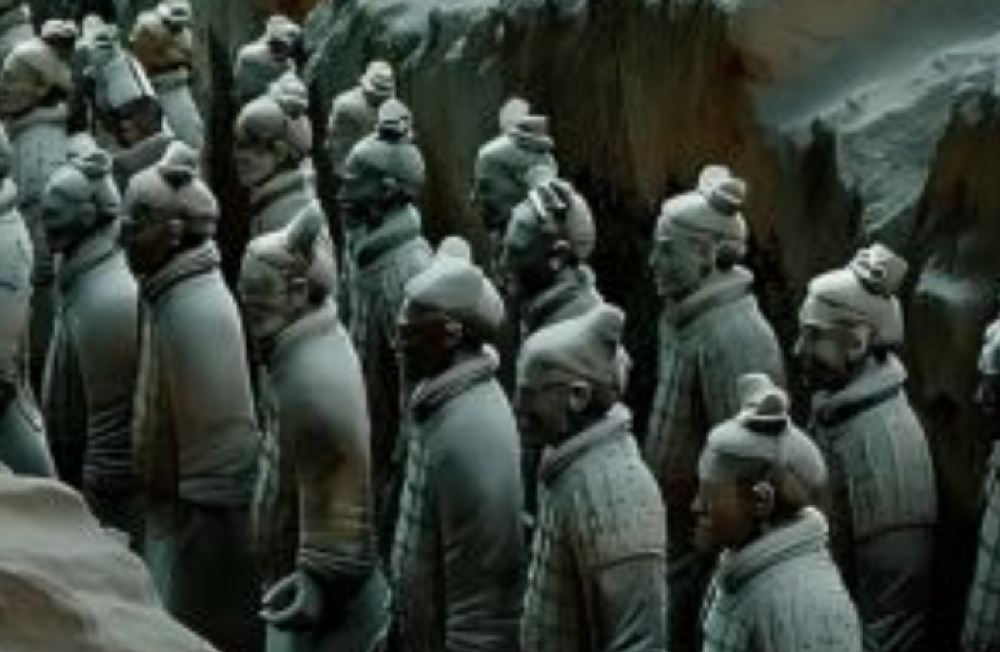
▲ The orderly arrayed terracotta warriors each possess unique facial features and expressions. Some appear resolute, others composed - this "thousand faces, each distinct" phenomenon showcases the Qin dynasty's advanced pottery techniques and serves as a true miniature of the mighty Qin army.
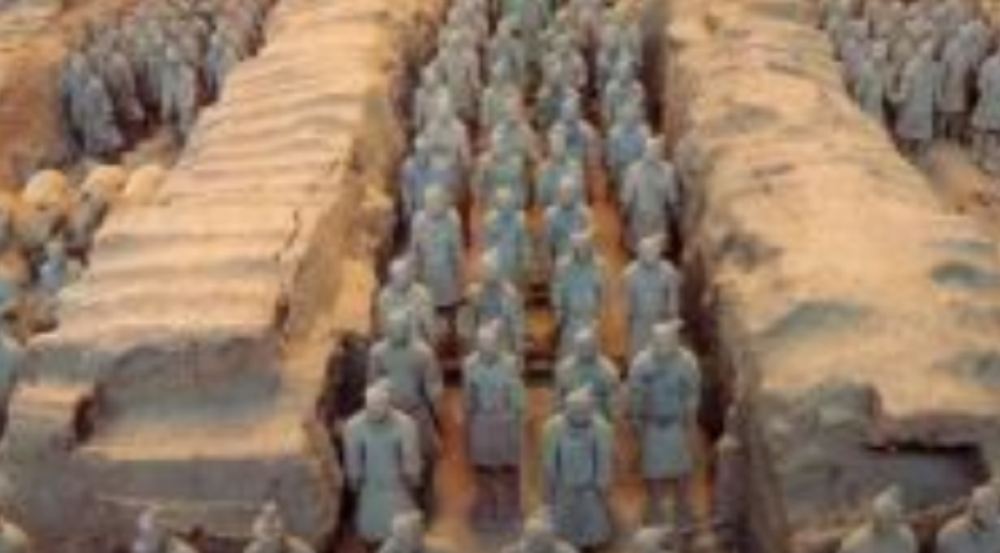
▲ From an aerial view, the terracotta warrior formation resembles an underground army slumbering for millennia. The clay soldiers are meticulously arranged by military division and rank, with clearly defined battle formations that vividly recreate the Qin army's majestic scale described as "a million armored troops, a thousand chariots, and ten thousand cavalry horses."
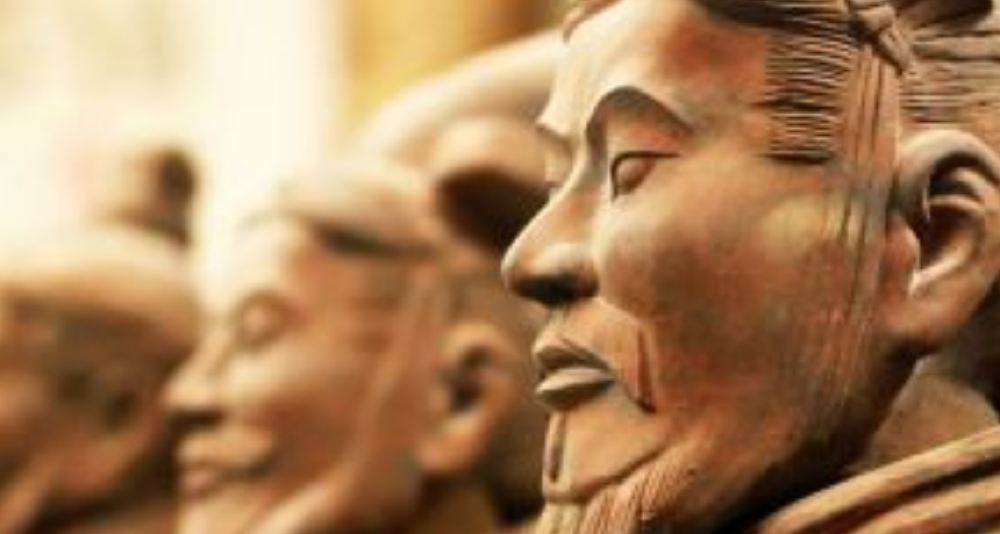
▲ The legend of the terracotta warriors' thousand unique faces is perfectly captured in this close-up. The clay soldiers' facial contours are sharply defined, their expressions resolute and composed. Every carved line embodies the masterful craftsmanship of Qin artisans while preserving the heroic spirit of Qin dynasty soldiers from two millennia ago.
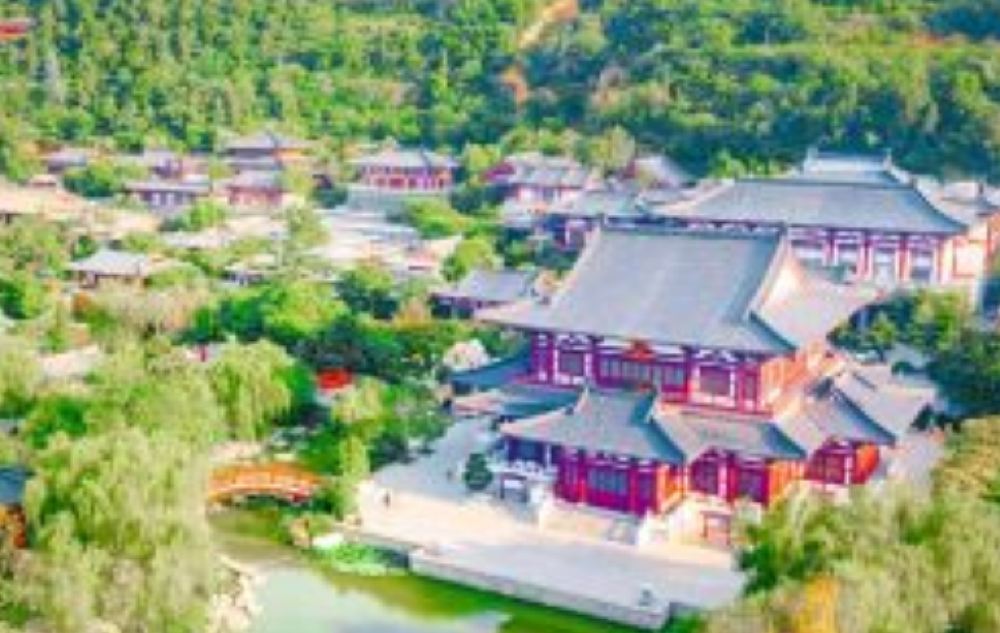
▲ At the foot of Mount Li, Huaqing Palace represents the pinnacle of Tang dynasty imperial gardens. With red-walled palaces and dark-tiled roofs nestled amid verdant mountains and clear waters, this site witnessed Emperor Xuanzong and Yang Guifei's legendary romance while preserving thousand-year relics of the Tang golden age's royal hot springs.
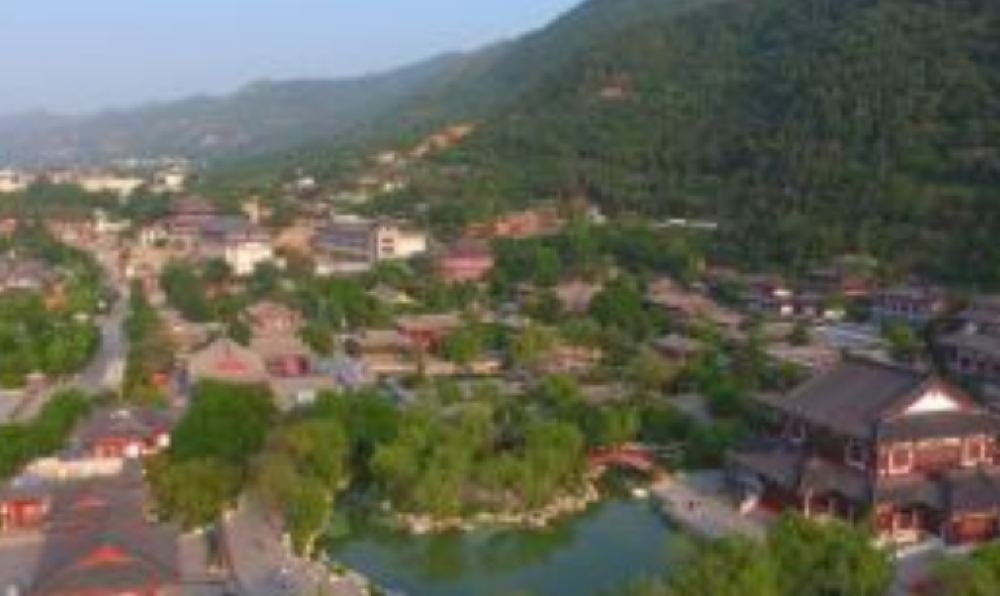
▲ Nestled against Mount Li, Huaqing Palace features pavilions and towers built along the mountainside, blending harmoniously with green hills and lakes. This was not merely a Tang dynasty imperial retreat, but a historic site combining natural landscapes with royal gardens—where every step reveals scenery imbued with stories.
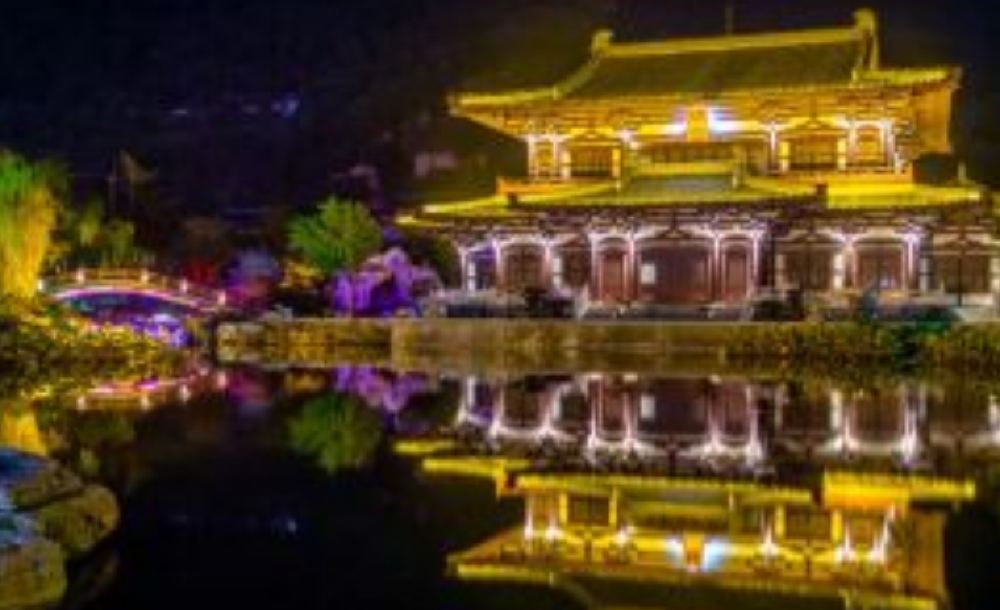
▲ Under the night sky, Huaqing Palace is outlined by lights that recreate its Tang dynasty grandeur. The palace's reflection shimmers brilliantly on the water, serving as the stage for the large-scale live performance "Song of Everlasting Sorrow." Through the interplay of light and shadow, the romance and splendor of a thousand years ago are vividly brought back to life.

▲ Exclusive private charter, images are for reference only.

▲ Exclusive private charter, images are for reference only.

▲ Exclusive private charter, images are for reference only.

▲ Exclusive private charter, images are for reference only.

▲ Exclusive private charter, images are for reference only.

▲ Enjoy a worry-free experience. Images are for reference only.