


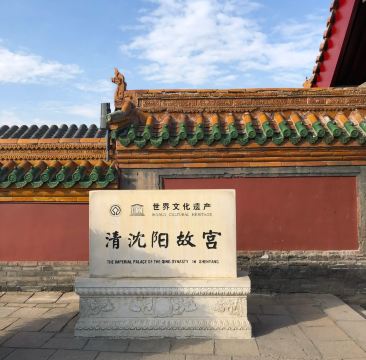
▲ The Shenyang imperial palace is a world cultural heritage site built in 1625, serving as the imperial palace for Emperor Nurhaci and Emperor Hong Taiji of the Qing dynasty. It blends Manchu, Han and Mongolian architectural arts, forming the unique "high-palace, low-hall" Manchu palace layout. The guide will provide an essential tour, helping you understand the historical culture and court life of the early Qing dynasty while admiring iconic structures like the Dazheng hall, Ten Kings pavilions and Chongzheng hall.
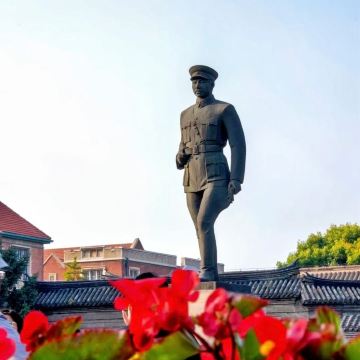

▲ Marshal Zhang's mansion museum was the official residence and private home of Zhang Zuolin and Zhang Xueliang, representing one of the larger and better-preserved architectural complexes from the Republic of China era. This itinerary includes a pass for one-stop access to three sections: the large blue building where Northeast China's political events unfolded, the tiger hall recreating historical moments; Zhao Yidi former residence with its delicate elegance preserving original living furnishings; and Shenyang finance museum built on the former Frontier bank site, restoring Republic of China-era banking operations.
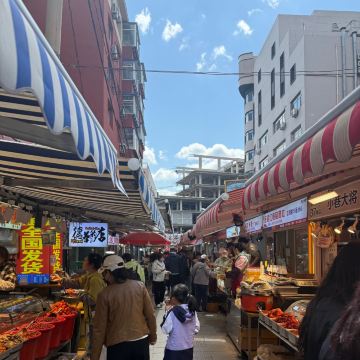

▲ Xita national culture street: A Korean ethnic scroll painting in Shenyang Xita national culture street, located in Heping district of Shenyang, unfolds like a vibrant Korean ethnic scroll painting in the city. The street is lined with shops showcasing strong Korean characteristics. Upon entering, visitors are greeted by the enticing aromas of Korean cuisine - from refreshing cold noodles and steaming stone pot bibimbap to sizzling grilled meat and sweet glutinous rice cakes, each bite representing the unique expression of Korean culinary culture. Beyond food, the street offers an array of Korean specialty products. Colorful ethnic costumes and exquisite traditional handicrafts highlight the distinctive cultural charm. As night falls with dazzling lights, the bustling street comes alive with people enjoying delicacies or...
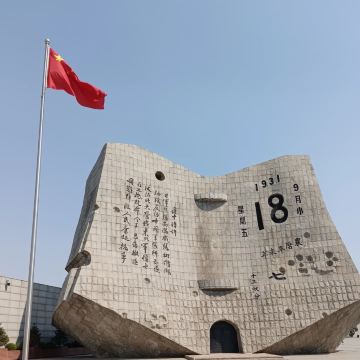

▲ The "9.18" historical museum: A solemn hall commemorating history The "9.18" historical museum, located in Shenyang, stands like a profound history book quietly recounting that unforgettable past. It serves as a solemn hall carrying national memories and spirit. Upon entering, visitors are greeted by a dignified and solemn atmosphere. The exhibits are thoughtfully arranged, using abundant historical artifacts, detailed archival materials, and lifelike scene reconstructions to vividly recreate the entire process of the "9.18" incident and the anti-Japanese struggle of the Northeast people. The museum's architectural style is steady and grand, blending historical significance with modernity. The wall reliefs and lighting designs in the exhibition halls collectively create a profound and solemn ambiance.