





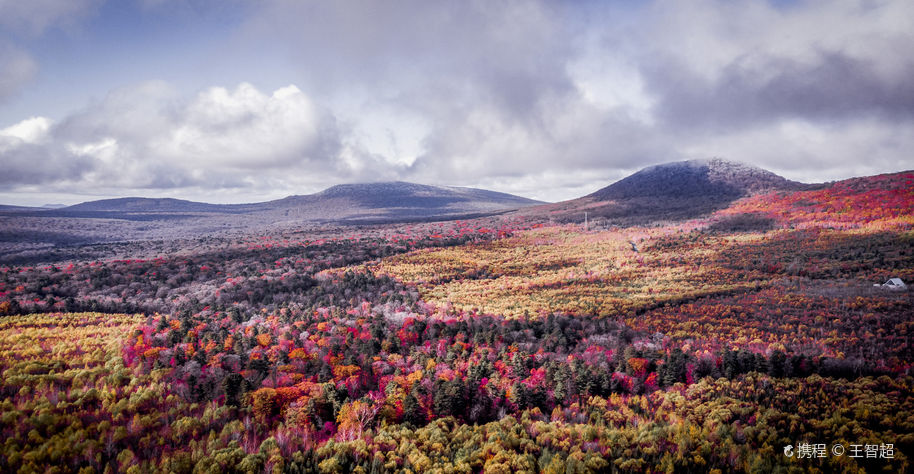
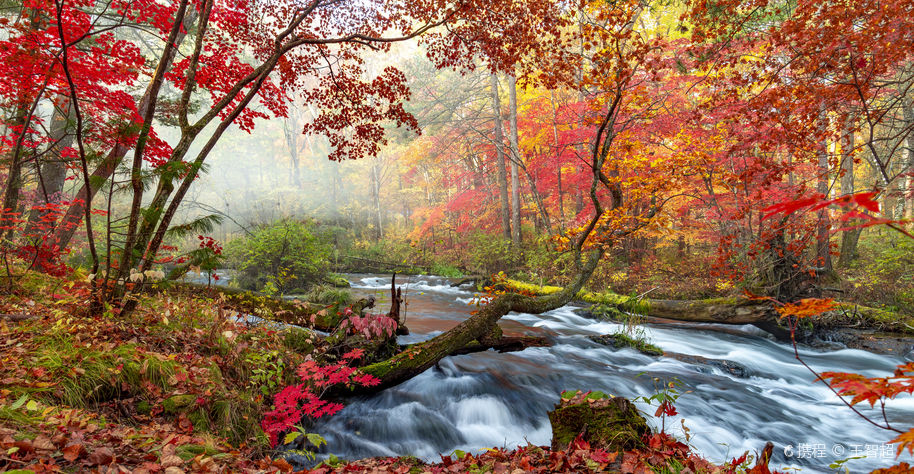
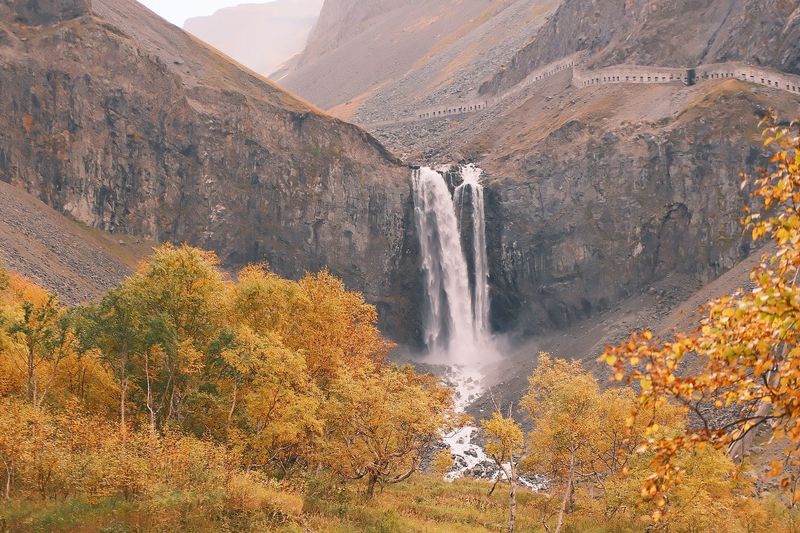
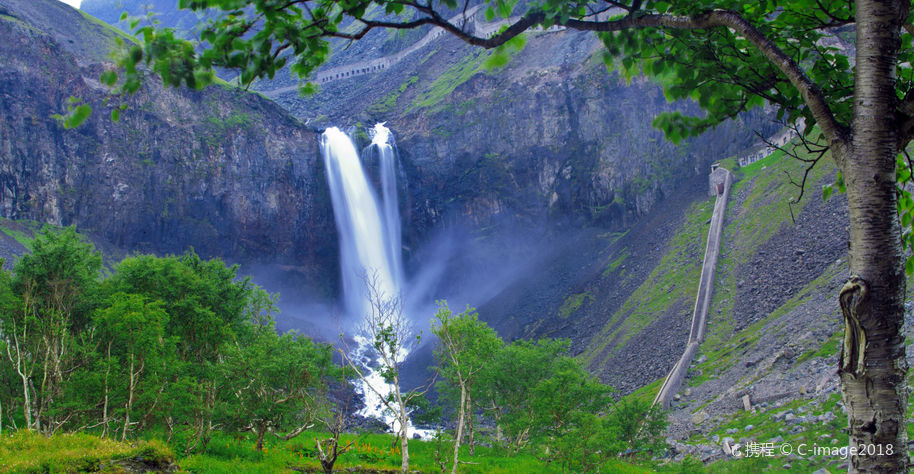
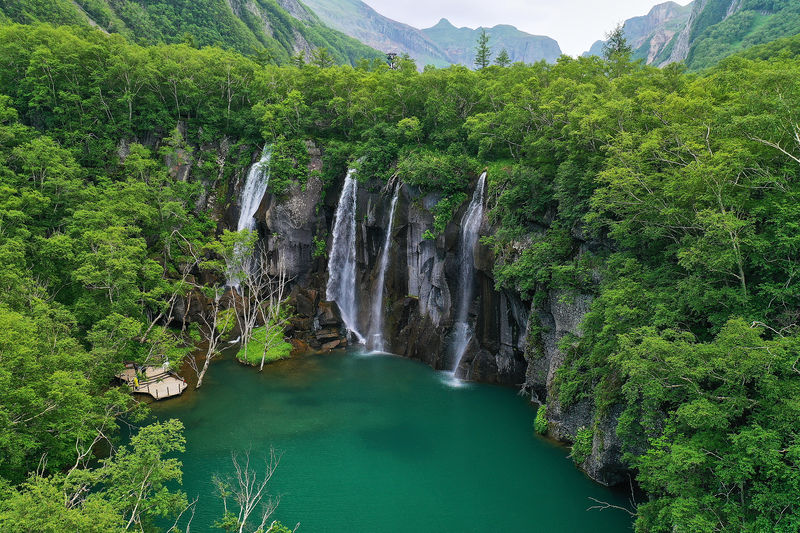
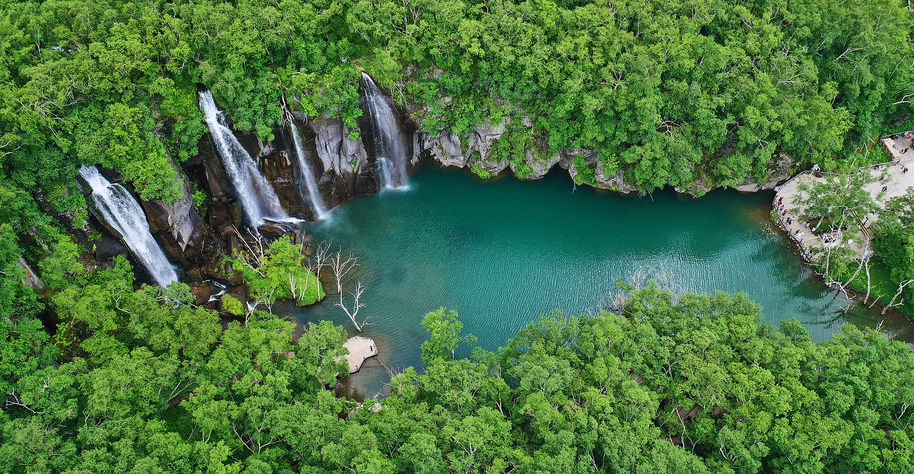
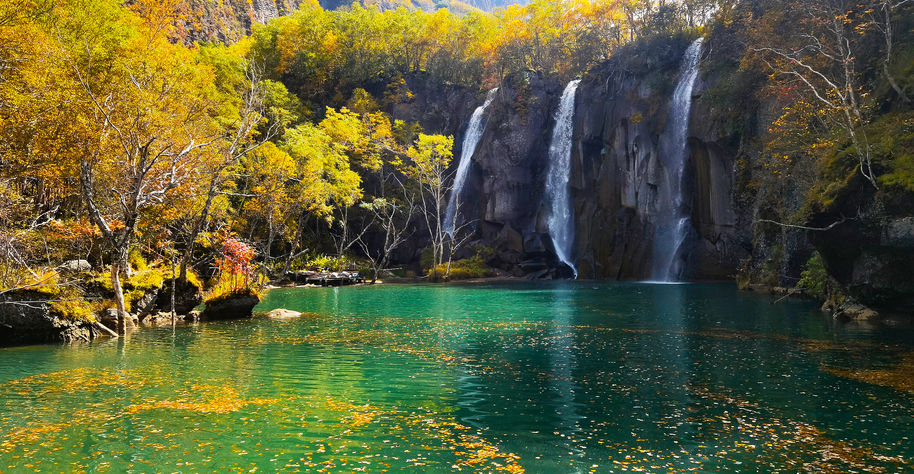
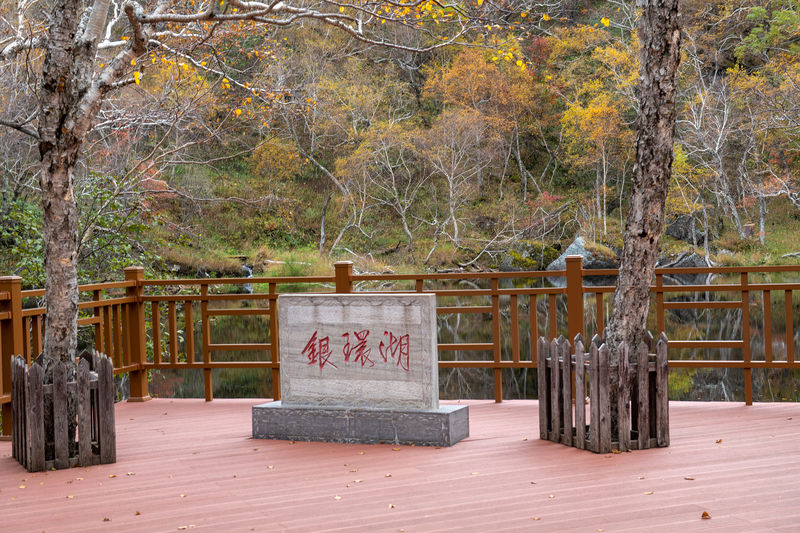
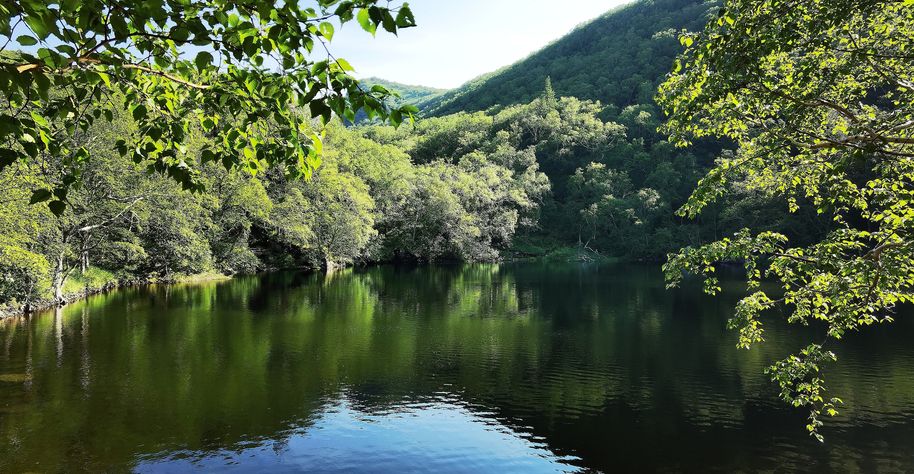
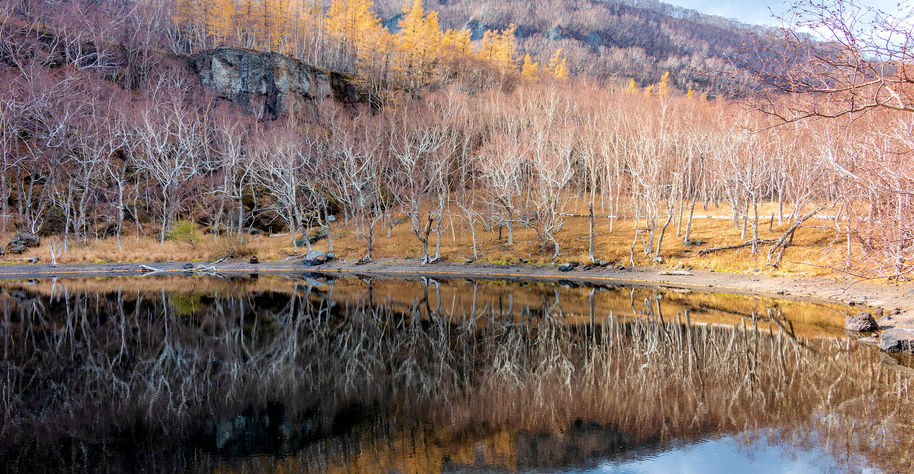
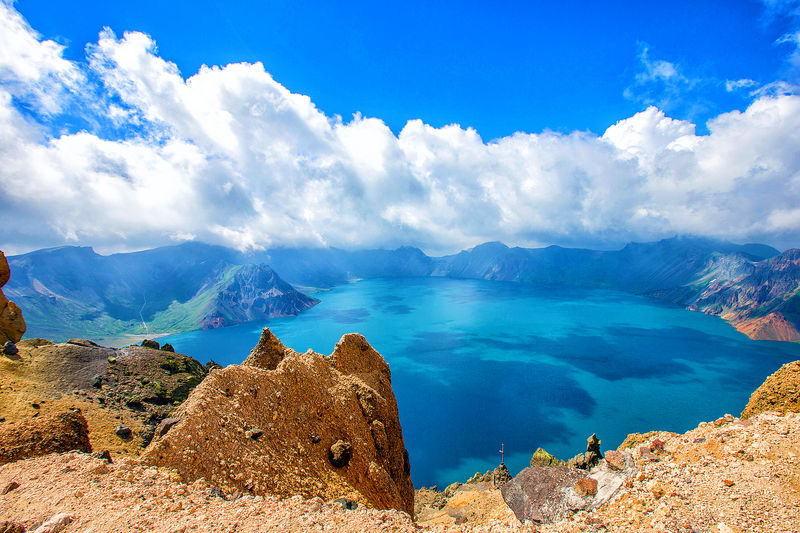
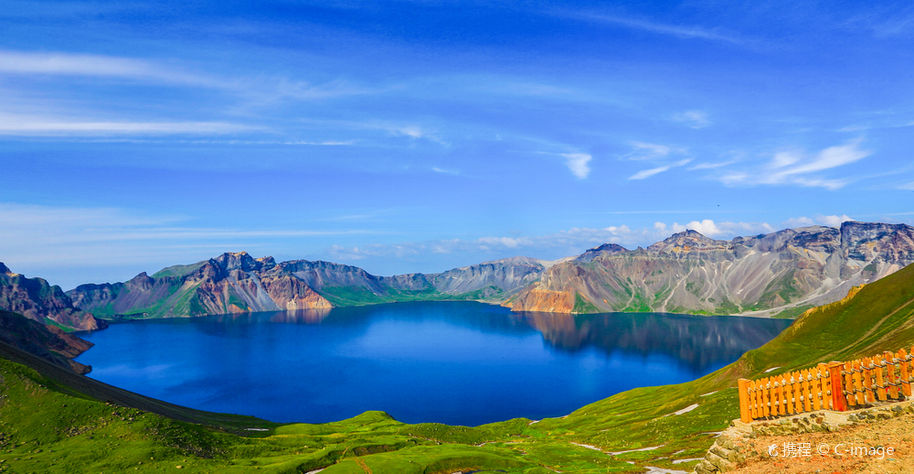

▲ Changbai mountain derives its name from the white pumice stones and perpetual snow covering its main peak, Baekdu mountain. Situated at the eastern edge of Eurasia in southeast Jilin province along the China-North Korea border, it boasts not only breathtaking landscapes but also abundant resources with diverse flora and fauna. This area represents a quintessential natural ecosystem of northern Eurasia, serving as a rare "species gene bank" and "natural museum" globally. Statistics show over 1,800 higher plant species, 50+ mammal species, 280+ bird species, 50 fish species and 1,000+ insect species thrive here. The Changbai mountain reserve centered around Heaven Lake on Changbai Mountain holds significant scientific research, conservation and tourism value. Designated as a UNESCO "Man and Biosphere" reserve in 1980, it stands as a true natural treasure.

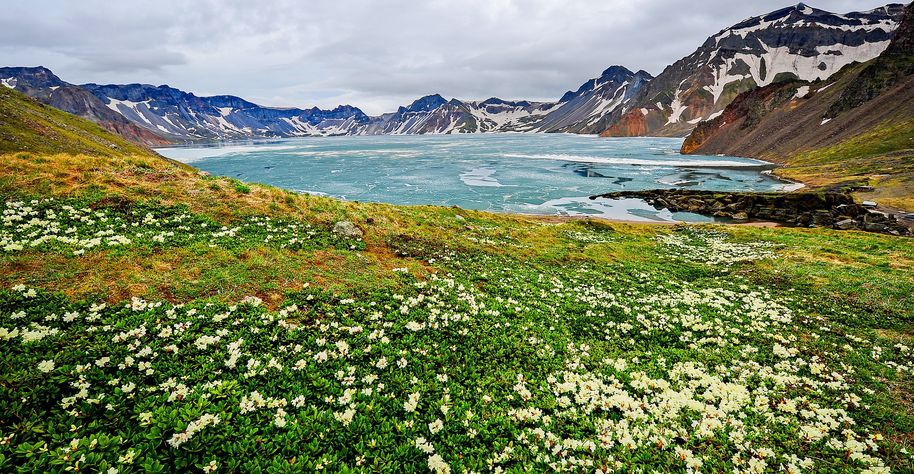
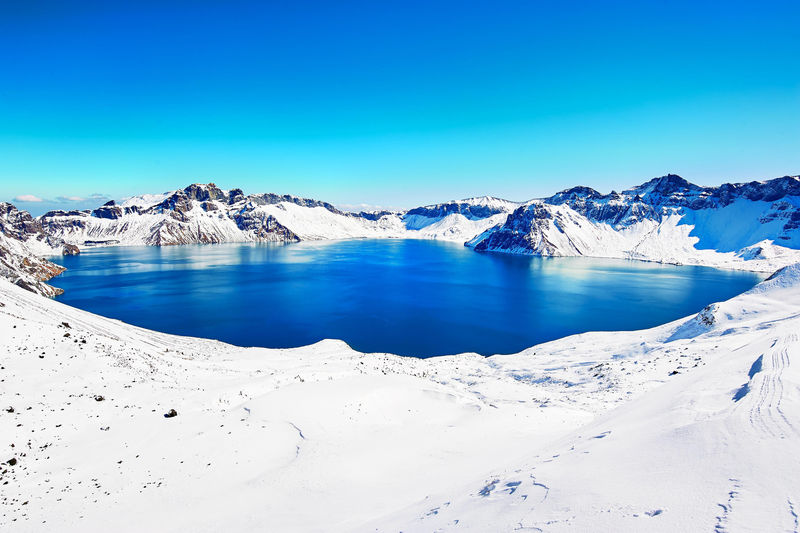
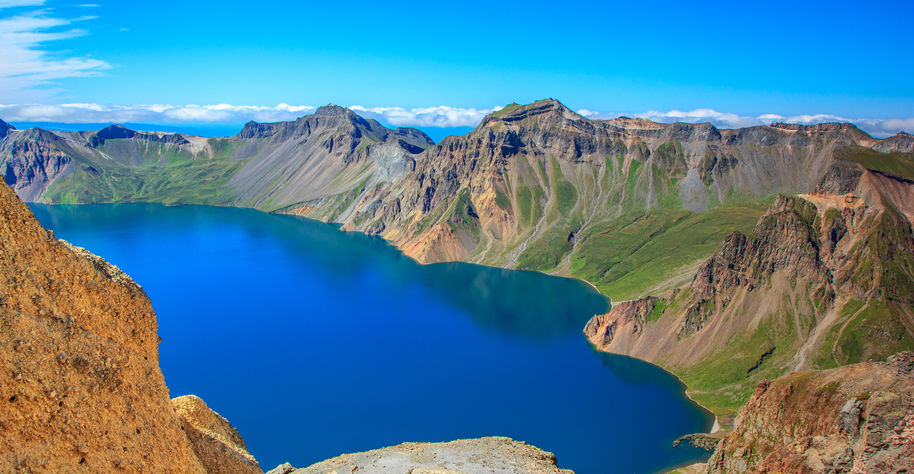
▲ Heaven lake on Changbai mountain is located at the summit of the main volcanic cone, forming a crater that gradually filled with water over centuries to become a lake. At an elevation of 2189.1 m, the oval-shaped lake stretches 4.4 km from north to south and 3.37 km from east to west, with a total water storage capacity of 2.04 billion cubic meters. The water temperature ranges from 0.7°C to 11°C, with an annual average of 7.3°C. As an alpine lake, it serves as the source of three major rivers in northeast China - the Songhua, Yalu and Tumen rivers.


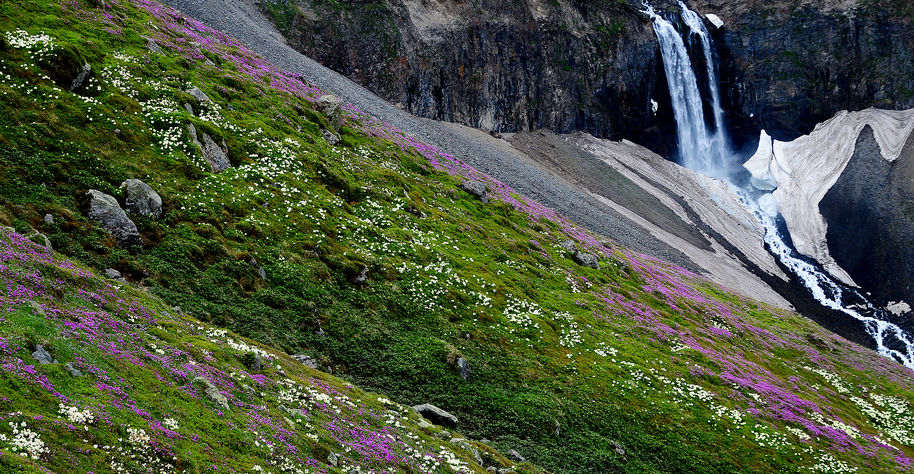
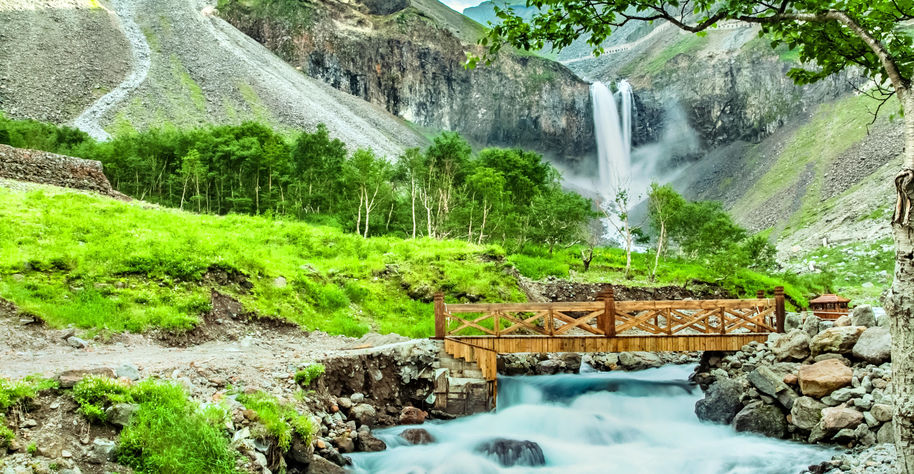
▲ Heaven lake on Changbai mountain is surrounded by spectacular peaks, with a gap between Tianwen peak and Longmen peak on its northern side. The lake water overflows through this gap, flowing northward until it plunges down a 1250 m cliff to form the 68 m high Changbai waterfall group. As the premier scenic spot of Changbai mountain, this waterfall system connects with the heaven lake above and merges into the Erdao Bai river below, serving as the primary source of Songhua river.


