




▲ With the development of tourism in border areas, the no.86 boundary marker has become an important attraction for visitors to learn about border history and experience the Sino-North Korean border culture. Located by the Tumen River on the China-North Korea border in Yanbian, Jilin, the white marble boundary marker stands approx. 3 m tall and is inscribed with "no.86 boundary marker". The surrounding area features a "colorful ribbon" view walkway, complemented by retro phone booths, mailboxes, check-in cups, and telescopes, creating an immersive scenic area themed "time-traveling century-old dock". Every year, it attracts visitors to gaze at the scenery of North Korea's Namyang, making it a landmark stop on Yanbian's "thousand-mile boundary marker journey". Through visiting the marker, visitors can appreciate the natural landscapes and historical culture of the border region while gaining insight into the nation's efforts in border management and territorial protection.
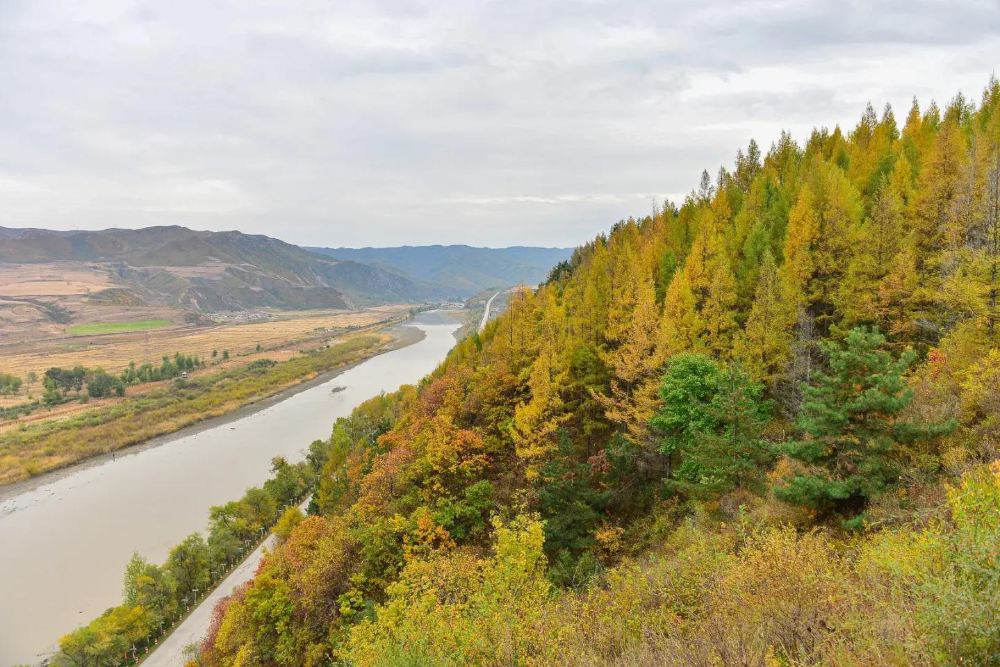
▲ Sun Mountain is located in the southeastern part of Tumen city along the China-North Korea border, as an extension of the Changbai Mountain range. Its name originates from the radiant morning light and misty clouds that envelop the sun-facing slopes. The attraction features spectacular peaks, peculiar rock formations, lush forests and borderland views, combining ecological preservation with cultural landscapes to create the unique geographical advantage of "viewing two countries from one mountain". Composed of granite, the mountain's weathered formations like Buddha's Hand Rock and Screen Rock intertwine with century-old Korean pine and oak forests, forming the ecological wonder of "trees growing from rocks and embracing stones".

▲ Yanji park is located by the Yanji river in the northwest of Yanji city. This historic park features towering ancient trees, perennial flowers, mountains, water features, pavilions, terraces and towers, creating exceptionally beautiful scenery. The park's amusement area offers various recreational facilities. To the north lies a picturesque pine forest, where a gazebo stands atop a small elevated platform, offering panoramic views of Yanji's cityscape.
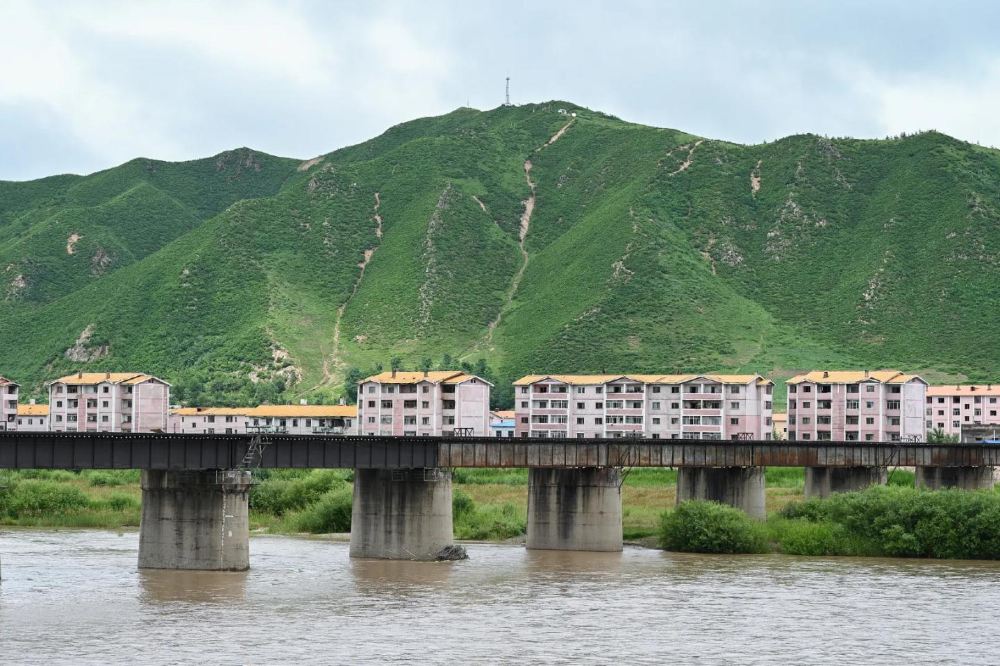
▲ Tumen National Gate Scenic Area is one of Jilin's earliest established and longest-standing "century-old ports", serving as a cargo transport hub divided into railway and highway ports with an annual freight capacity of 5.6 million tons.

▲ Tumen river square is located on the beautiful banks of the Tumen river, facing Namyang in North Korea across the river. Here, you can visit the "living fossil of human culture" base - the Chinese Korean intangible cultural heritage exhibition hall, Tumen river culture exhibition hall, and rare stone museum, fully experiencing the splendid ethnic culture and rich folk customs. Watching water performances, experiencing border river rafting, shopping for local specialties, and tasting distinctive cuisine will surely make your visit unforgettable.
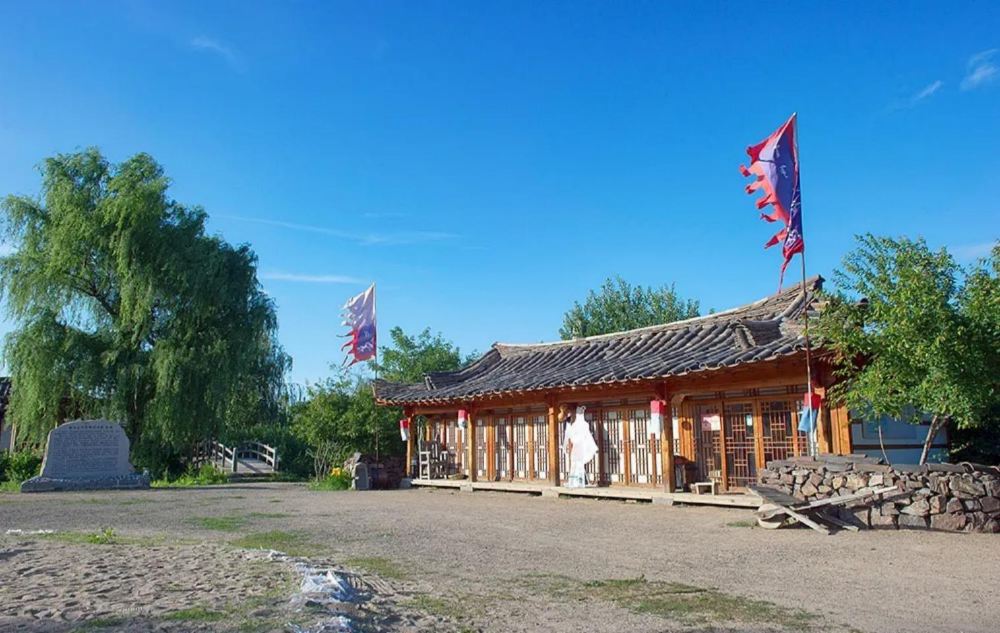
▲ "Chinese Korean centennial tribe" is located in Bailong village, Yueqing town, Tumen city, Jilin province, 10 km from the town center. It is an antique-style tribal complex featuring distinctive Korean architectural characteristics. Currently, 13 Korean-style houses with varied designs and purposes have been constructed. The centennial tribe buildings feature large roof structures with flat middles and upturned ends - the central section resembling a sailing boat while the raised edges evoke crane wings. Roof decorations include rope patterns and auspicious characters. Circular or semicircular lotus-patterned tiles, neatly arranged black roof ridges, towering roof peaks, and snow-white walls create a refreshing, comfortable, and tidy aesthetic.