




▲ Göreme Panorama is one of the most famous viewpoints in Cappadocia, known for its wide, open landscape that looks over the fairy chimneys, valleys, and rock formations that make the region unique. From the panorama point, you can clearly see the surreal volcanic landscape shaped over millions of years. The view usually includes deep valleys, soft tuff rock formations, and cave dwellings carved into the cliffs. Early in the morning, it's especially popular because hot air balloons rise over the entire sky, creating one of the most iconic scenes in Türkiye.
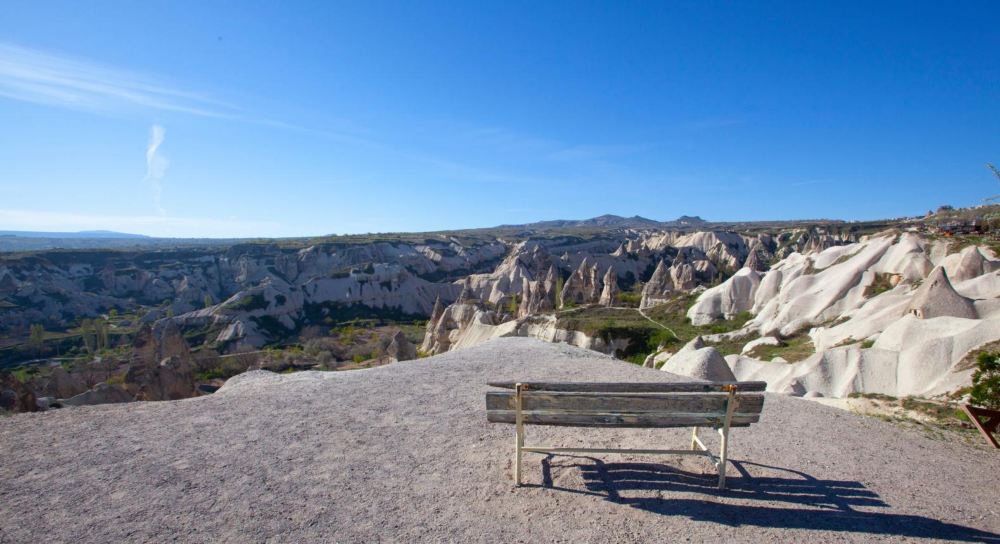
▲ Pigeon Valley (Güvercinlik Vadisi) point view is one of the most scenic valleys in Cappadocia, stretching between Göreme and Uçhisar. It gets its name from the thousands of pigeon houses carved into the soft volcanic rock by locals centuries ago. Historically, pigeons were very important in the region. Their droppings were used as natural fertilizer for vineyards and farms, so people carved small holes and shelters into the cliffs to attract and keep them. Many of these carved niches are still visible today, giving the valley its unique character.
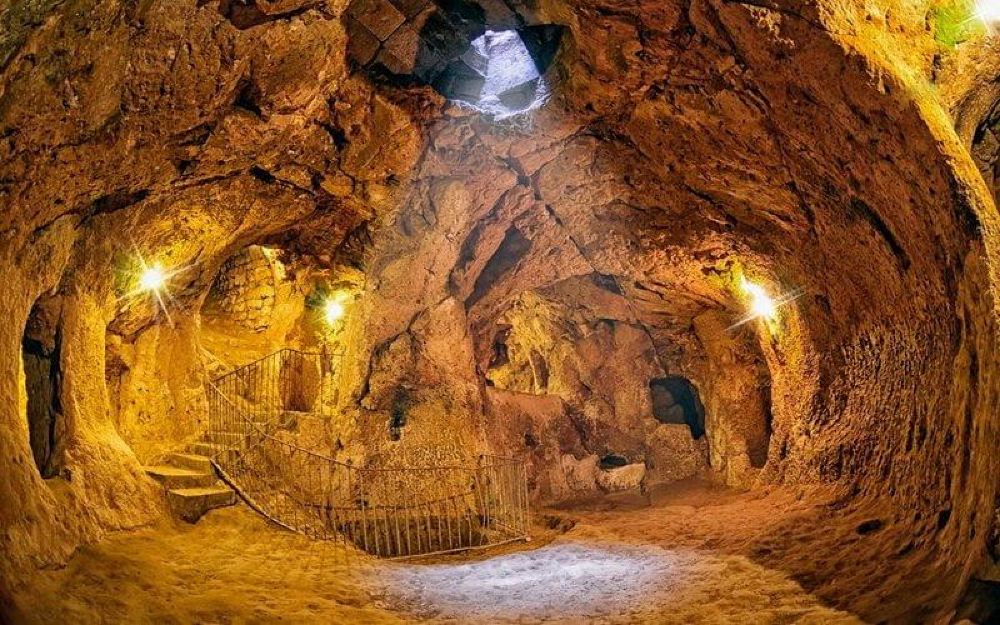
▲ Derinkuyu Underground City is one of the deepest and most impressive underground cities in Cappadocia, built into volcanic rock and extending roughly 60–85 meters below the surface. It was designed as a massive multi-level shelter where thousands of people could live for long periods during invasions. Inside, there are living quarters, kitchens, storage rooms, stables, wineries, ventilation shafts, and even chapels. The city is connected by a complex network of narrow tunnels that were easy to defend and could be sealed off with large rolling stone doors. One of the most impressive features is its ventilation system, which still works today and provides fresh air throughout the deepest levels.
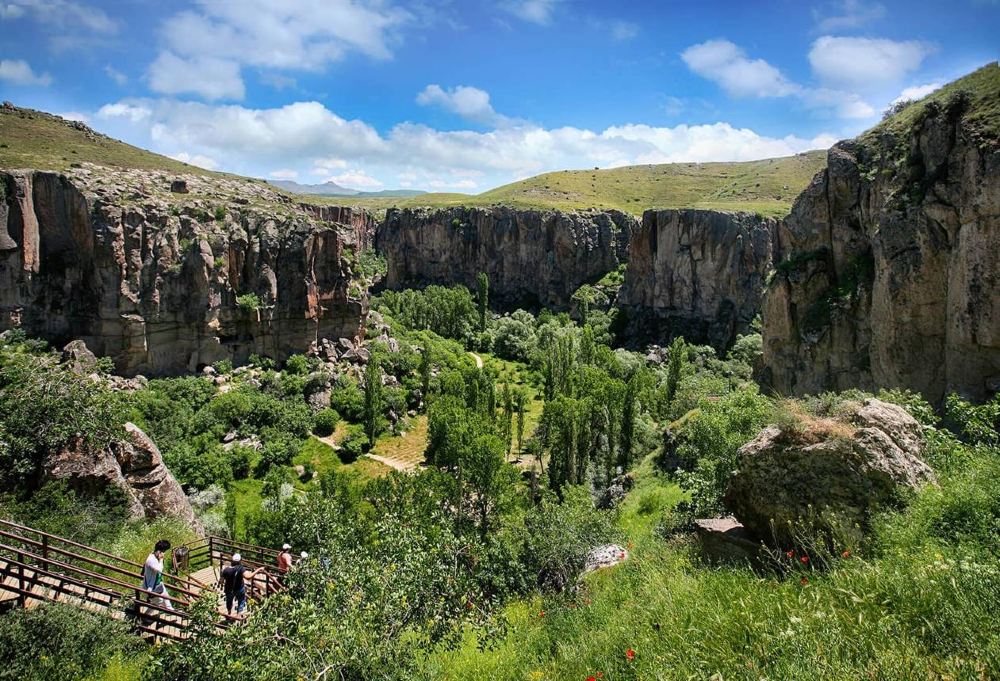
▲ Ihlara Valley walking tour is one of the most scenic hiking experiences in Cappadocia, combining nature, history, and river landscapes in a long canyon carved by the Melendiz River. The most popular route is the hike along the valley floor, where a well-marked trail follows the river between steep cliffs that rise up to 100 meters on both sides. Along the way, you pass dozens of rock-cut churches and monasteries dating back to Byzantine times. Many of these are decorated with faded frescoes still visible inside cave chapels. The full valley is around 14 km long, but visitors usually walk shorter sections, such as the 3 km or 4 km segments between entrances. These sections are easier and still give you the best scenery: green riverbanks, c
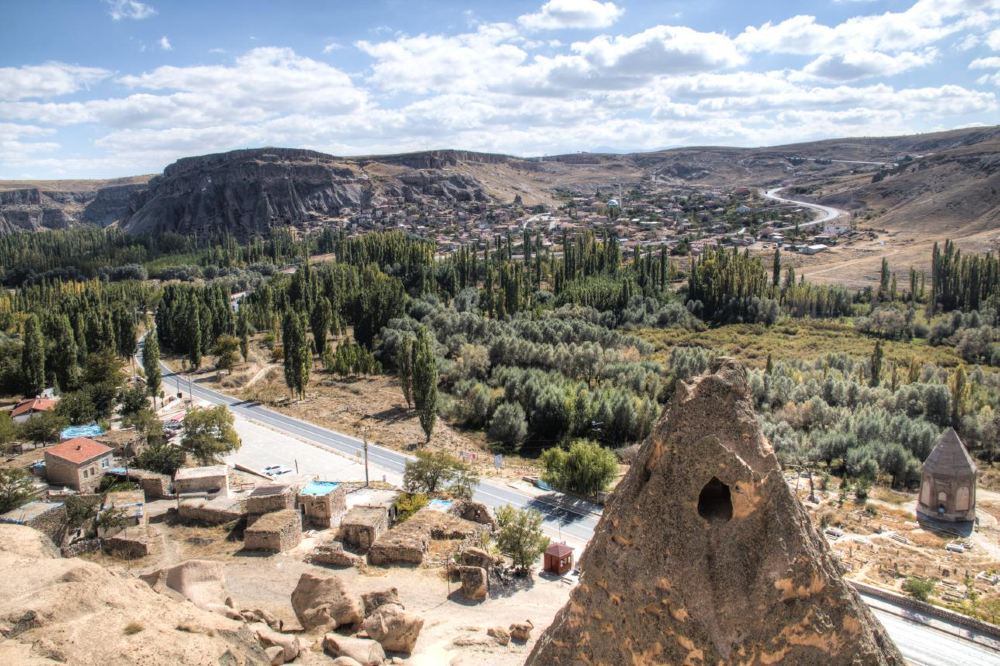
▲ Selime Monastery is the largest rock-cut monastery complex in Cappadocia, located at the end of the Ihlara Valley. It was carved directly into a massive volcanic cliff and functions like a small “rock cathedral” with multiple levels and chambers. The complex dates back to the Byzantine period and was used by monks as a religious center, defensive shelter, and living space. Inside, you'll find a large cathedral-like hall, kitchens, storage rooms, dormitories, and tunnels connecting different sections of the monastery. One of its most striking features is the huge cave cathedral, which has high ceilings and an open layout that feels almost like a medieval fortress. From the upper levels, you also get panoramic views over the surrounding val
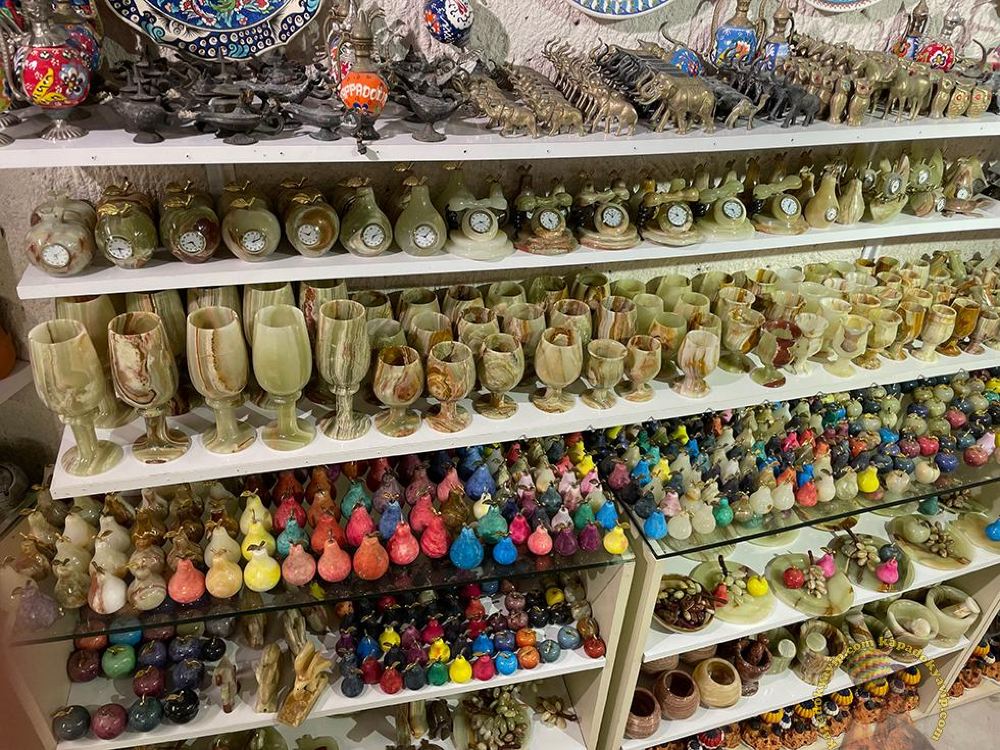
▲ Cappadocia Onyx Demonstration usually refers to live stone carving and polishing shows in local workshops, especially in Avanos, where artisans work with volcanic and semi-precious stones like onyx. During the demonstration, craftsmen show how raw onyx stones are cut into shapes using rotating saws, then gradually polished into smooth, shiny surfaces. Visitors can see different stages of production—from rough stone blocks to finished items like lamps, bowls, chess sets, and decorative souvenirs.