


First stop: Jinci Temple – a fusion of ancient architecture and gardens spanning millennia
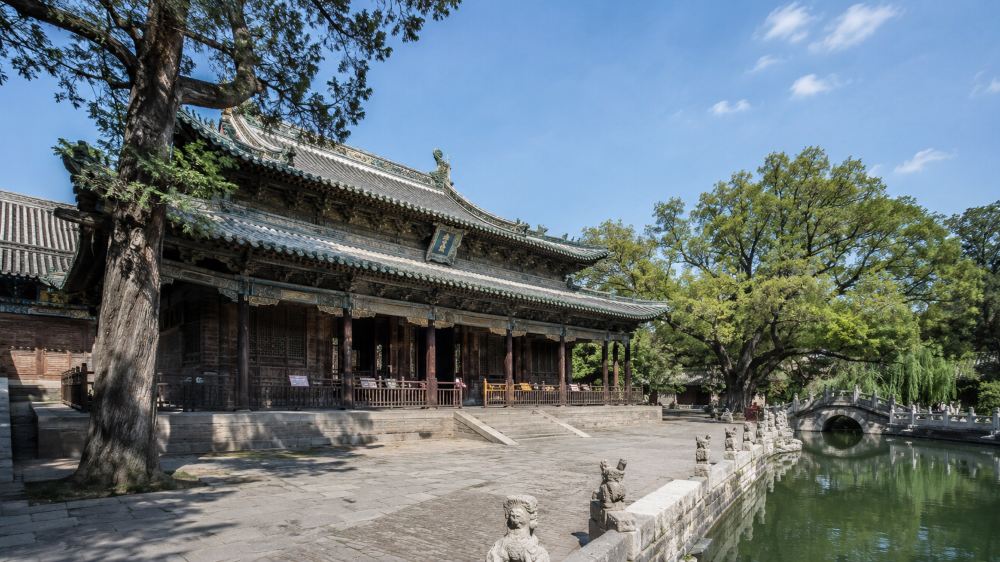
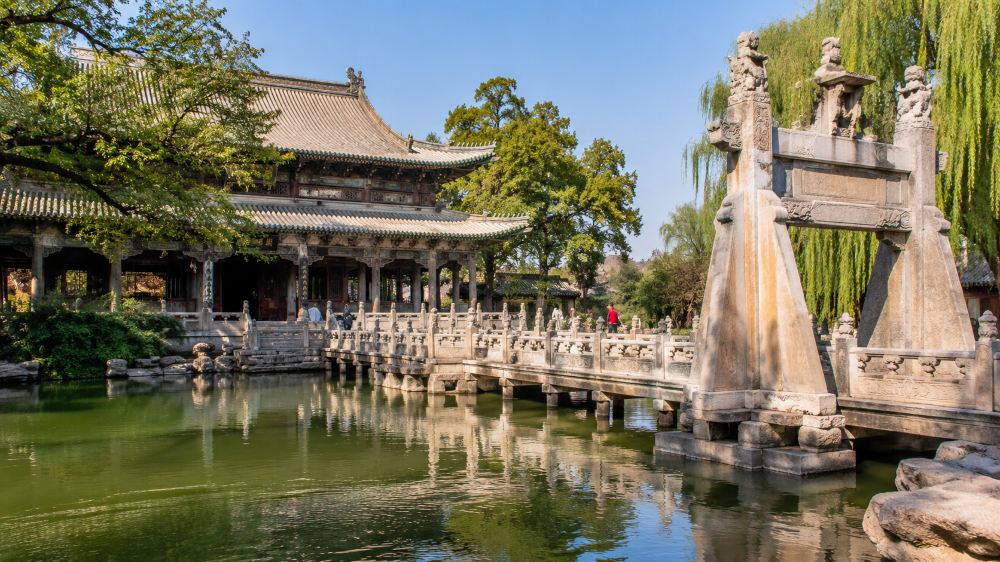
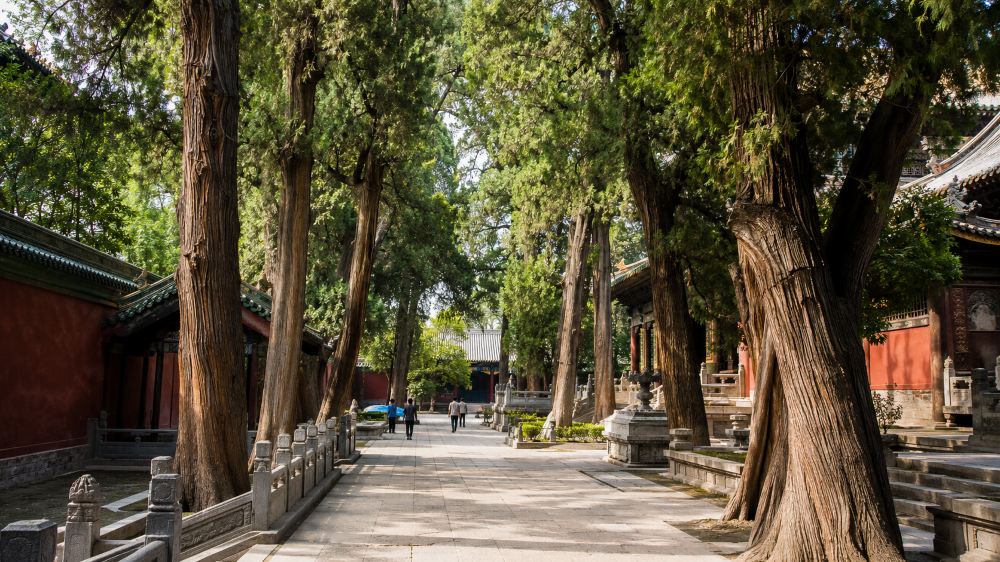
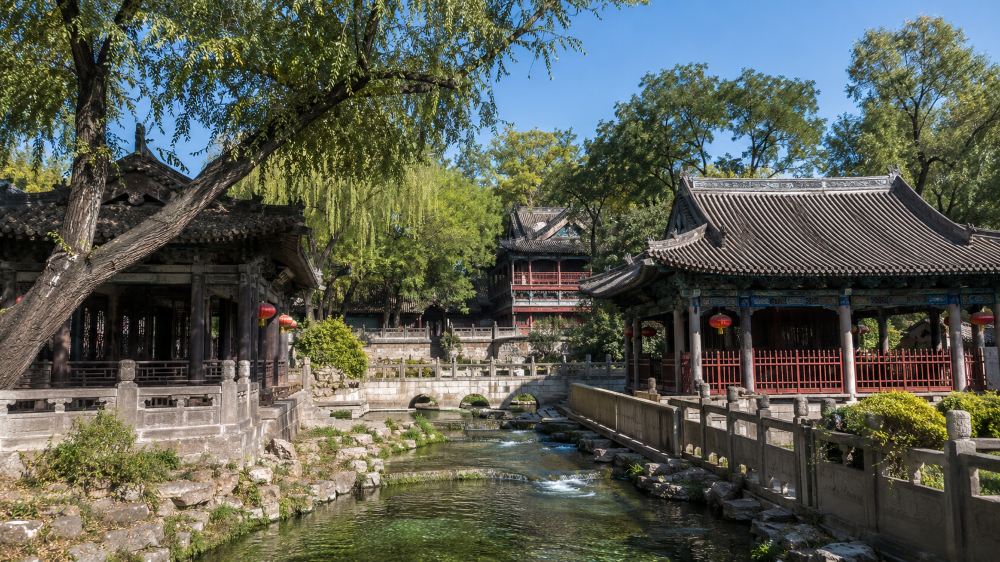
Located at the foot of Xuanweng Mountain in the southwest of Taiyuan, the Jin Temple is one of China's oldest extant imperial sacrificial gardens and a key national cultural heritage site. It integrates ancient sacrificial architecture, gardens, sculptures, and stele art, with towering ancient cypresses and murmuring clear springs, hailed as "the epitome of Shanxi's cultural heritage."
Jinci Temple Museum opening hours: Peak season (April–October) 8:30 AM–6:00 PM, off-peak season (November–March of the following year) 8:30 AM–5:30 PM.
Second stop: Pingyao Ancient City – a living scroll of the Ming and Qing dynasties
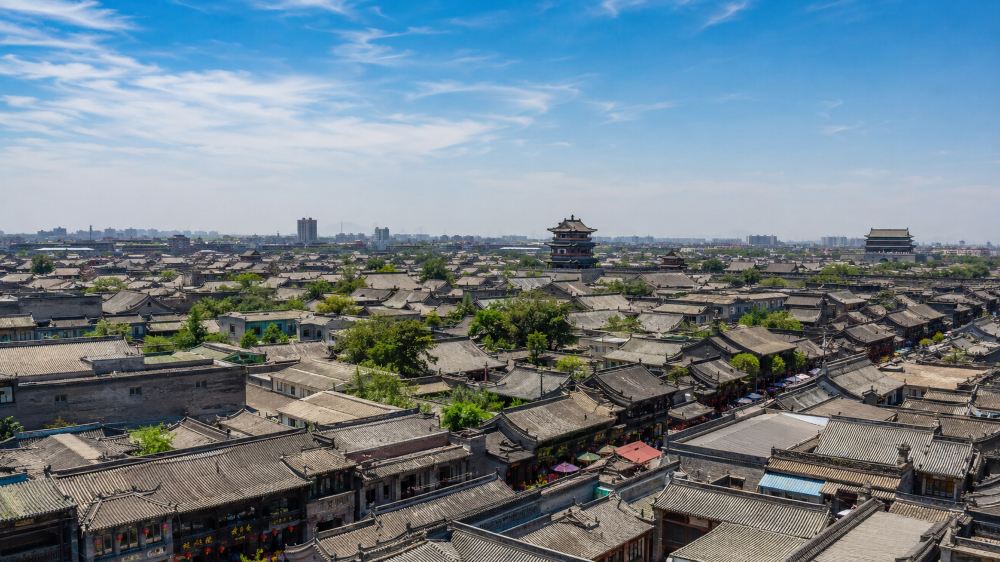
Pingyao Ancient City was built in the Western Zhou Dynasty and has a history of over 2,800 years. It is one of the best-preserved ancient county towns in China and has been inscribed on the UNESCO World Heritage List. The ancient city covers an area of 2.25 square kilometers, with streets, alleys, shops, and residences retaining their traditional layout and appearance. It was once the financial center of China during the late Qing Dynasty. The establishment of the Rishengchang exchange shop marked the beginning of modern China's financial industry, earning it the title of the "Oriental Wall Street."
The ancient city is free to enter, but visiting core attractions requires purchasing a pass at CNY 125/person (valid for 3 days, covering 22 attractions). Opening hours for attractions are usually 8:00 AM–6:00 PM (summer time) or 8:00 AM–5:30 PM (winter time).
Key visit items:
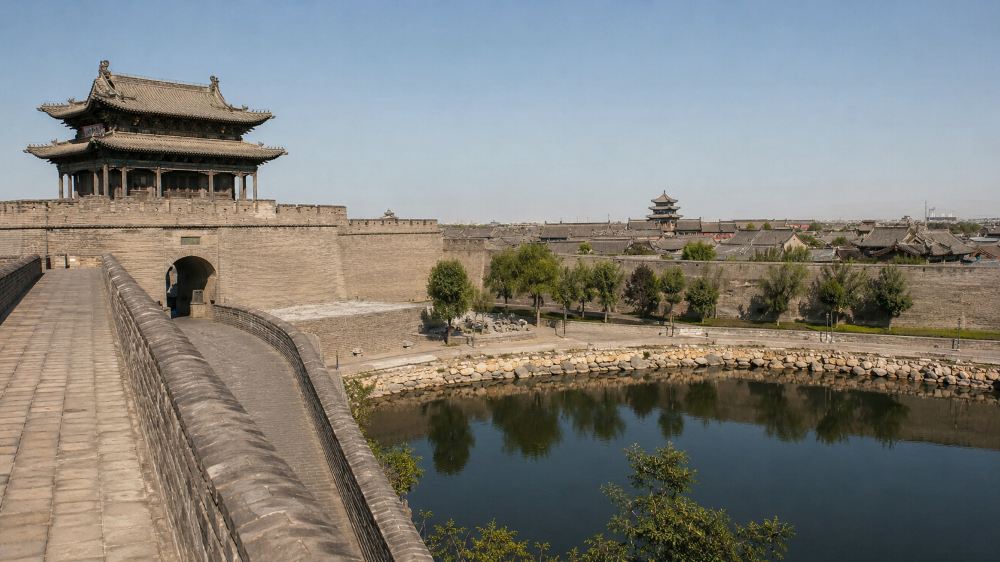
- Ancient city wall: One of the best-preserved ancient county-level city walls in China, with a perimeter of approx. 6.4 km and a height of approx. 12 m. The wall features 72 watchtowers and 3000 crenellations, symbolizing Confucius' 3000 disciples and 72 virtuous scholars. It is recommended to ascend at the south gate (Yingxun gate) for a panoramic view of the ancient city.
- Rishengchang exchange shop: Established in the fourth year of the Daoguang reign (1824) during the Qing dynasty, it is located on West Street. The founding of Rishengchang marked the beginning of China's modern financial industry, and its business philosophy of "remittance across the realm" had a profound influence. The original site of the exchange shop is well-preserved, offering insights into the business model and history of Shanxi merchants' exchange shops.
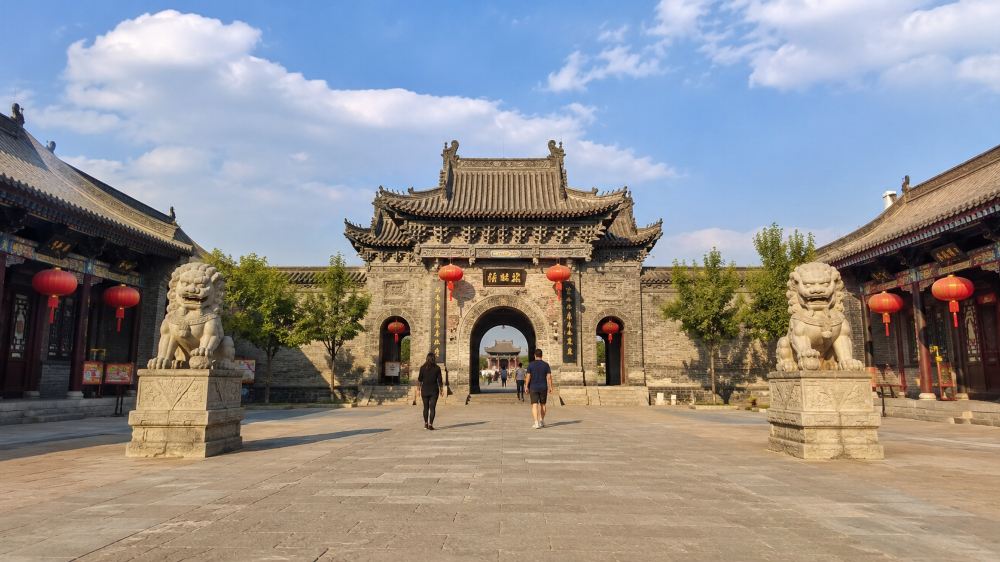
- Pingyao County government office: A well-preserved and large-scale ancient county government office in China, covering an area of 26,600 square meters. With a rigorous architectural layout featuring administrative halls in the front and residential quarters at the back, it serves as physical documentation for understanding ancient local governance.
- Xietongqing bank: Visit the existing large-scale underground vault and learn about the operation of ancient financial storage.
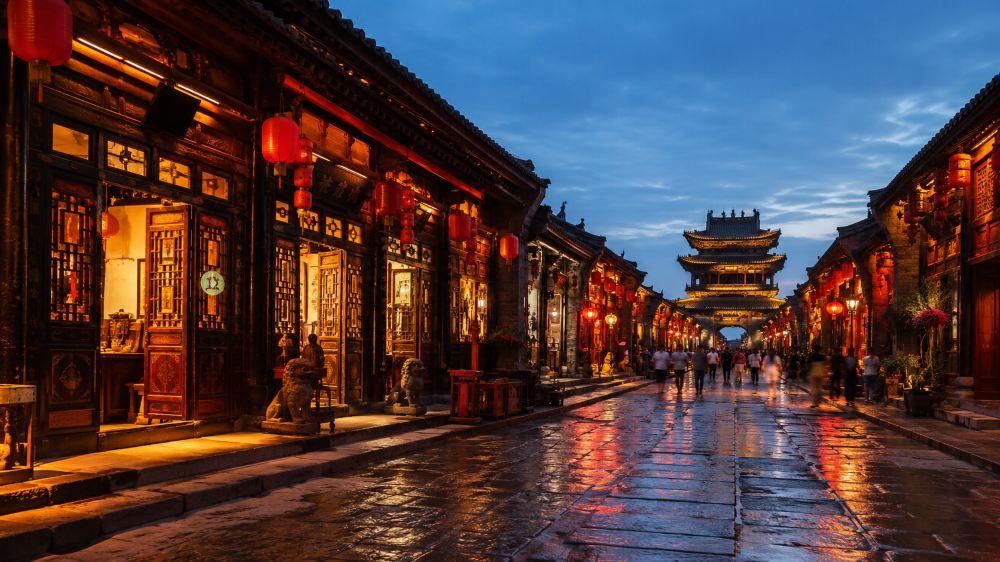
- Ming and Qing ancient street/South Street: Red lanterns hang high, shops line the streets, and the vibrant local atmosphere makes it a great place to experience the life of the ancient town.
[Food recommendations]
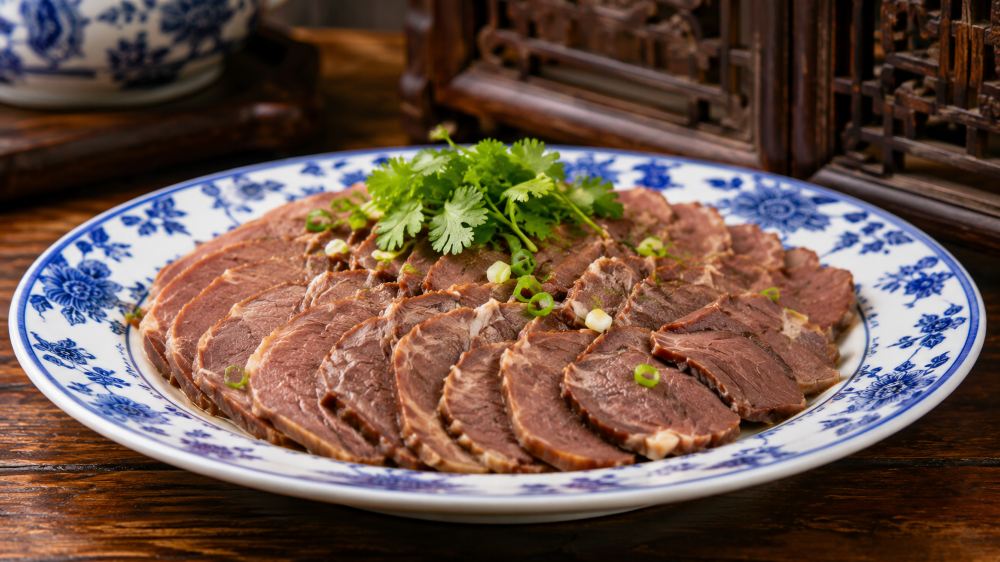
- Pingyao beef: a representative delicacy of the ancient city, can be used as a souvenir
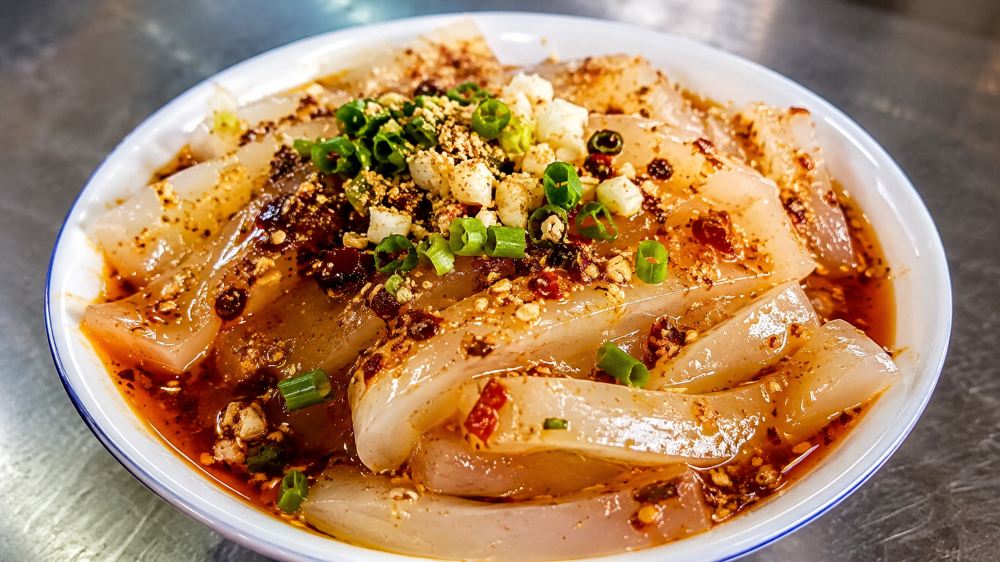
- Wan tuo: commonly found at street stalls, a sour and spicy appetizer
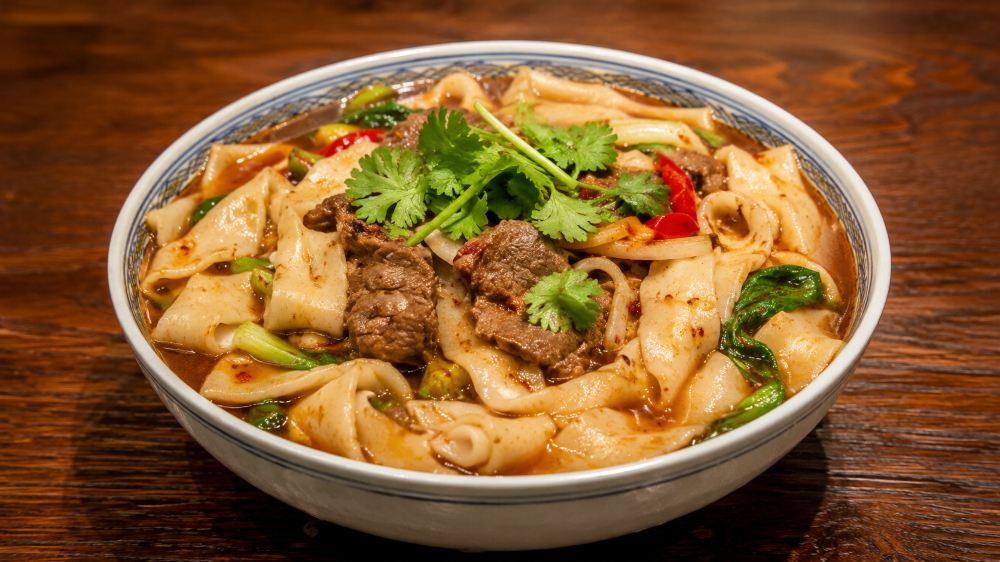
- Daoxiao mian: a representative Shanxi noodle dish with a chewy texture
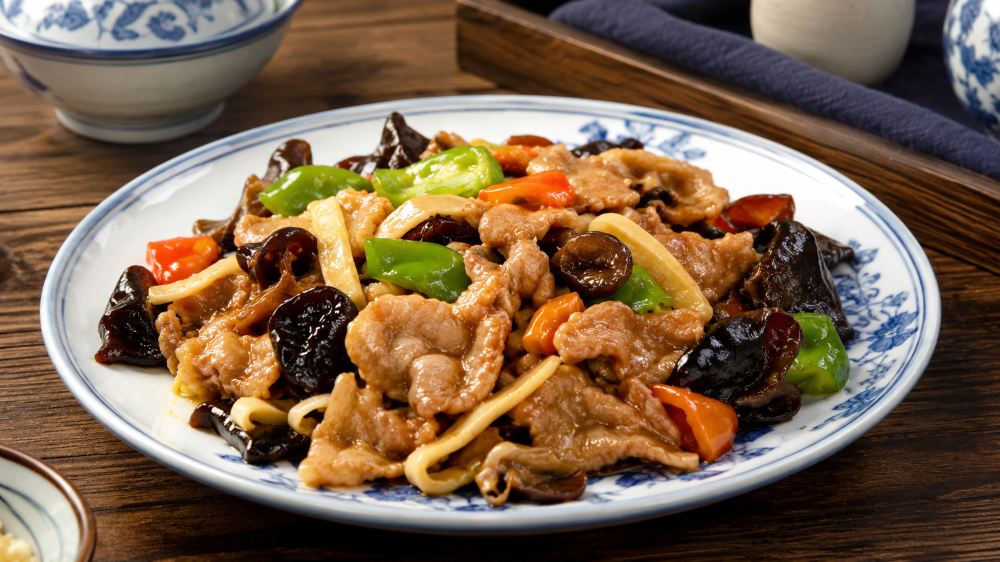
- Guoyou rou: a traditional Shanxi dish
Travel tips
- It is recommended to bring: ID card (admission voucher), comfortable sports shoes (lots of walking in the ancient city), sun protection items, power bank
- Transportation: Taiyuan city area hotel/designated location round-trip transfer, hassle-free direct service
- Best seasons: The pleasant climate in spring and fall makes them ideal for travel