▲ Xi'an Museum integrates an exhibition hall, Jianfu Temple, and the Small Wild Goose Pagoda, serving as a national first-class museum. The building adopts the architectural concept of a round heaven and square earth, housing over 100,000 cultural relics and displaying treasures from the Zhou, Qin, Han, and Tang dynasties to the Ming and Qing dynasties. The museum's treasure, the tri-colored galloping horse, recreates the prosperity of the Silk Road. Visitors can view the sand table of Tang Chang'an city and learn about the development history of the capital of thirteen dynasties. Within the museum grounds, the Small Wild Goose Pagoda exudes ancient charm, and the serene gardens blend with cultural relics and ancient architecture, offering a deep immersion into Chang'an's thousand-year history.

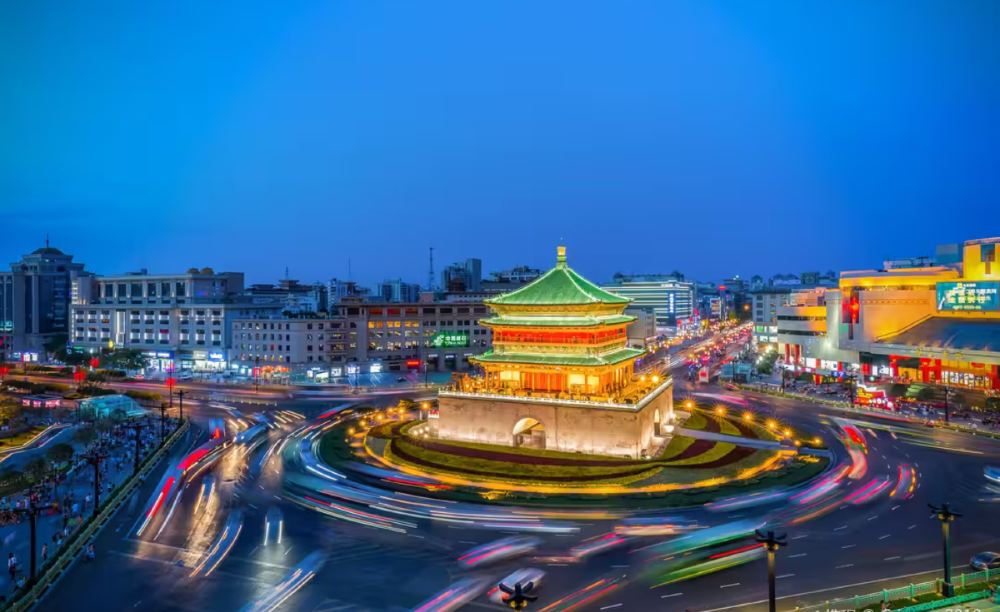
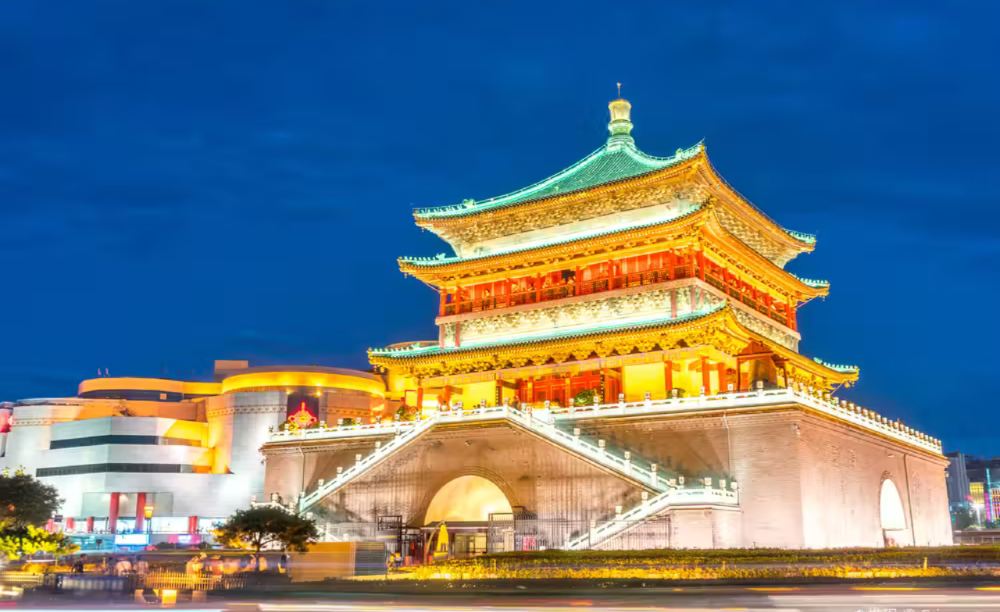
▲ The Xi'an City Wall is the most well-preserved Ming Dynasty city wall in China, boasting grand scale. The wall features defensive structures such as gate towers, archery towers, and corner towers, and can be explored on foot or by bike. From atop the wall, you can gaze at the blend of ancient architecture and modern urban areas, taking in the layout of the ancient capital. This centuries-old military structure carries the vicissitudes of Chang'an and offers a unique fusion of past and present, making it a iconic landmark in Xi'an.

▲ Xi'an Museum is a national first-class museum, consisting of an exhibition hall, Jianfu Temple and the Small Wild Goose Pagoda. The museum building adopts the design concept of a round heaven and square earth. It houses over 100,000 cultural relics, displaying treasures from the Zhou, Qin, Han and Tang dynasties to the Ming and Qing dynasties. The museum's treasure, the tri-colored soaring horse, is of great artistic value. Paired with the sand table of Tang Chang'an city, it restores the development history of the capital of 13 dynasties. The museum grounds are shaded by ancient trees, and the Small Wild Goose Pagoda exudes ancient charm. The integration of cultural relics exhibitions with ancient architecture and gardens makes it an important venue for interpreting the history of Chang'an.


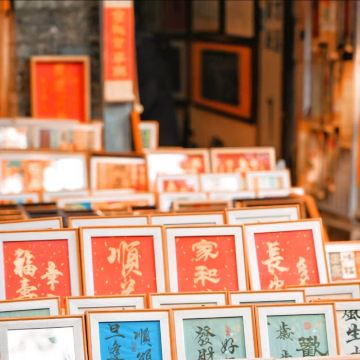
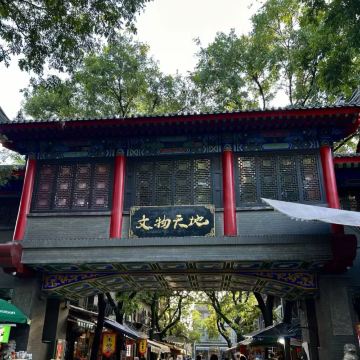
▲ Shuyuanmen is located east of the Yongning Gate on the Xi'an City Wall, named after the Guanzhong Academy, the highest institution of learning in Shaanxi during the Ming and Qing dynasties. With its bluestone pavement and antique-style buildings exuding ancient charm, the street is lined with shops selling the four treasures of the study, calligraphy and paintings, stone rubbings and cultural creative products, where folk artists can often be seen painting on the spot. Adjacent to the Forest of Steles Museum, the area is imbued with a strong scholarly atmosphere, making it a great place to stroll around and pick up unique souvenirs while experiencing the rich cultural heritage of old Xi'an. It is a distinctive pedestrian street for immersing in the ancient capital's culture.