


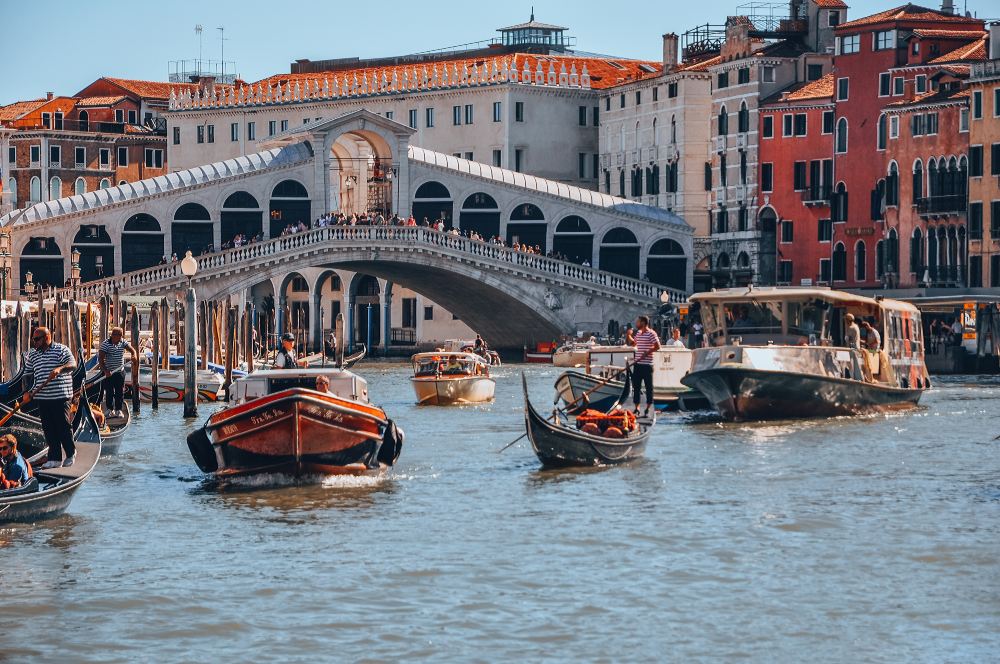
▲ One of the famous bridges in Venice – Ponte di Rialto. If St. Mark's Square represents the political and religious power of Venice, then the Rialto area can be said to be the commercial heart of Venice.
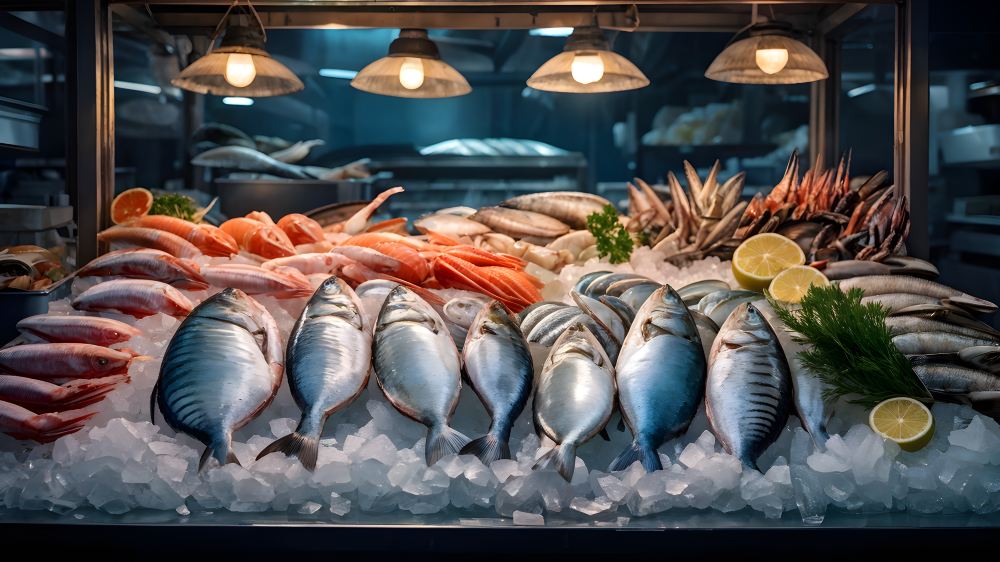
▲ The seafood stalls in the fish market offer a great way to understand the relationship between Venice and the sea. Venice is a city built on water. For the people of Venice, the sea is not just a means of transportation, but also an important source of food in their daily lives. So the fish market actually fits very well with the characteristics of Venice: The city thrives by the sea, and its residents depend on the ocean for their livelihood.
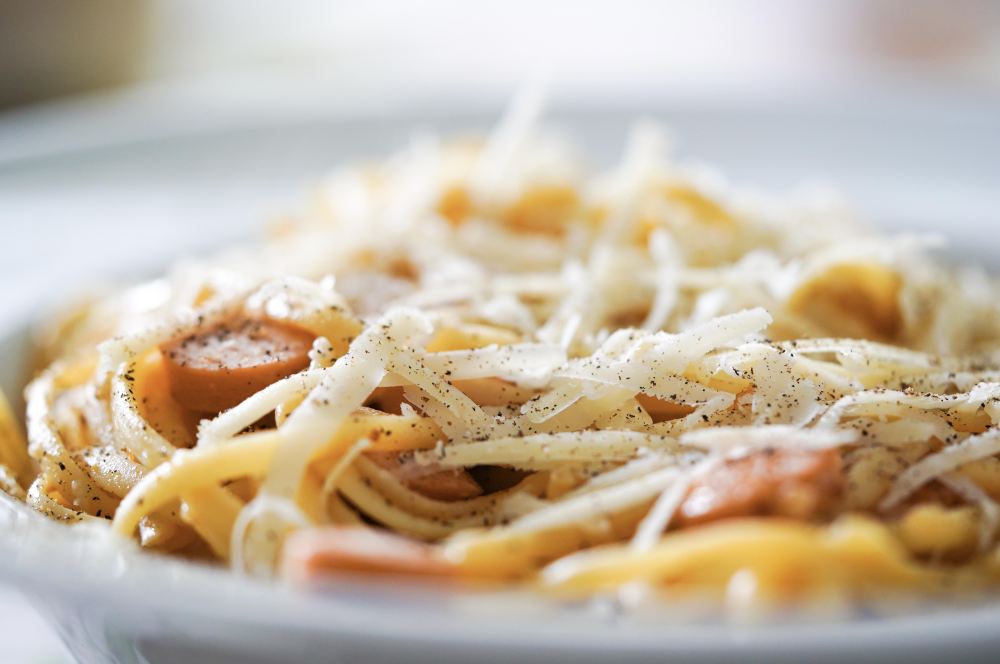
▲ The market is not just a place for "shopping," but also a hub for information exchange. Merchants would negotiate prices here, residents would learn about fresh goods available that day, restaurant operators would look for ingredients... People would also exchange various messages about the city here Therefore, the market is actually part of urban social life. In the market, you can see that spices and olive oil are very important in Mediterranean dietary culture.
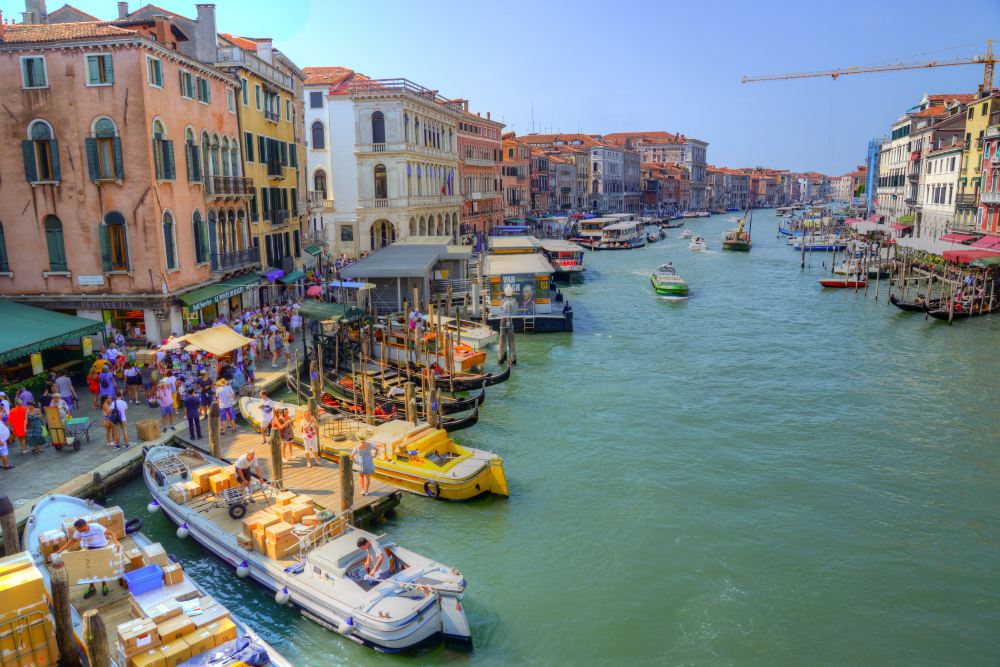
▲ The Grand Canal is the "highway" of Venice. If we make a metaphor of modern cities: today our cities rely on highways, railways, airports and logistics centers. And in the past Venice: The Grand Canal is an important transportation artery for the city.