


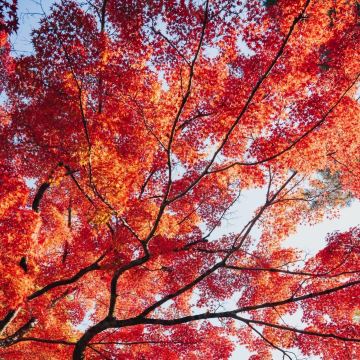

▲ Note: This attraction is open year-round. The recommended maple leaf viewing period is from November 10 to December 6. The place where two Kyotos meet on water Nanzen-ji Temple is renowned for its fall foliage, but this walking tour is more than just admiring the view. It explores the extraordinary collision of different eras: the early Edo-period Zen temple complex coexists with the Meiji-era industrial waterway within the same landscape.
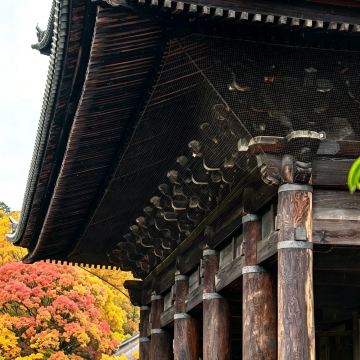

▲ Start from the sanmon gate of Nanzen-ji Temple, this magnificent gate was rebuilt in 1628. Explore its massive wooden structure, architectural symbolism, and connection to samurai patronage from the outside. Listen to the famous legend of Ishikawa Goemon while admiring the historic gate surrounded by fall foliage. The three gates are for external viewing only; upper-level access is not included.
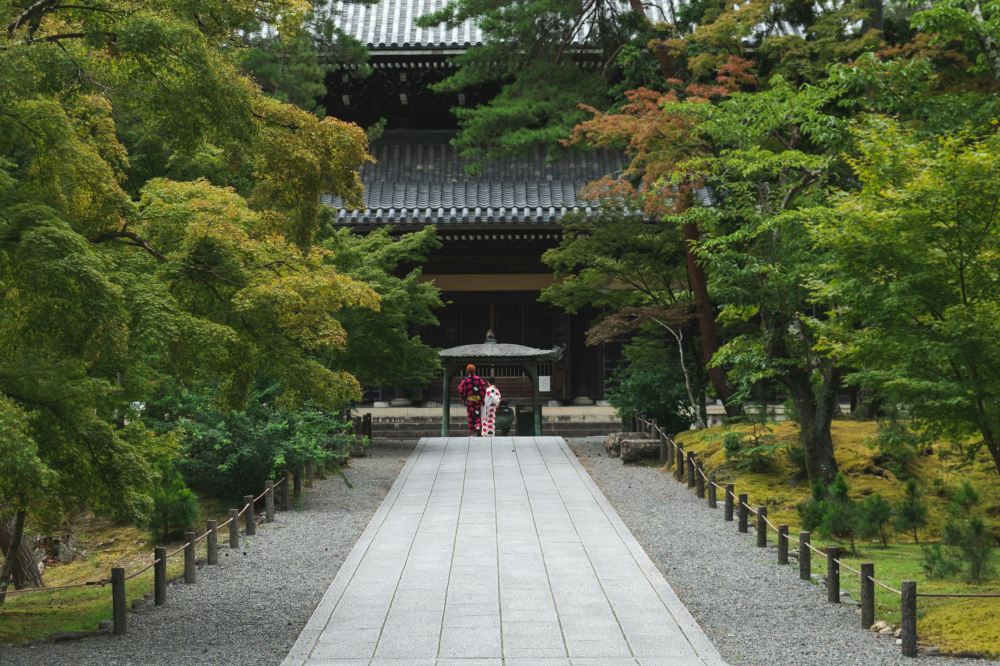
▲ Continue to the dharma hall, where the story shifts from political power to the religious world of Zen meditation and temples. In the courthouse garden, the rhythm becomes quieter. White gravel, rocks, moss, and open spaces create a dreamy view. Explore the garden's early Edo aesthetics and the famous "tiger cubs crossing the river" composition. Includes admission to the courthouse garden. Here is the core concept of this trip:
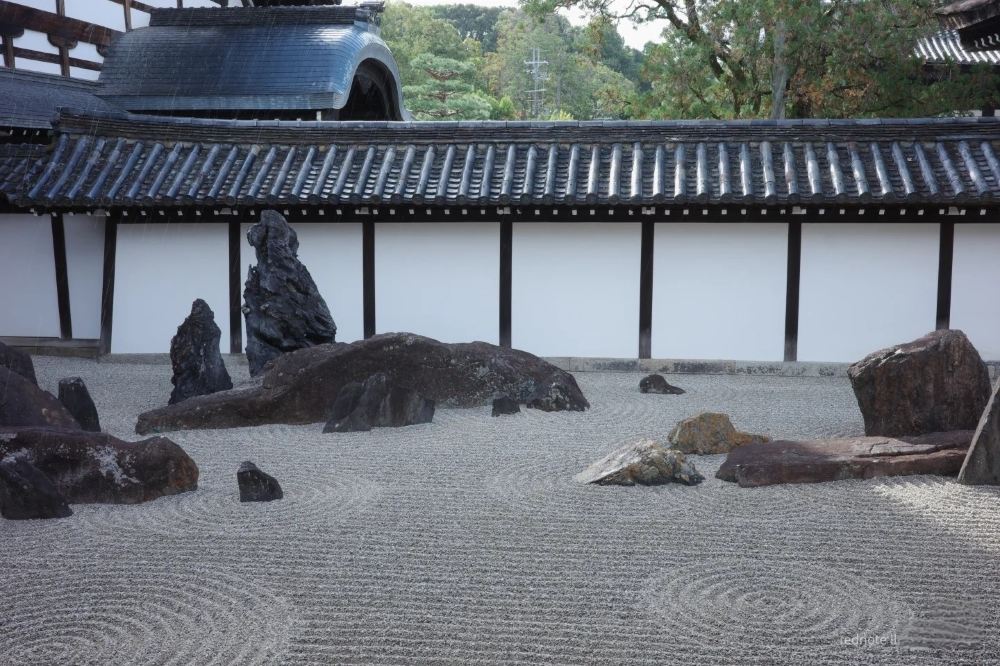
▲ There is no flowing water in the garden, yet it creates the feeling of rivers and mountains. In fall, genuine maple leaves fall onto this meticulously crafted view, creating a striking contrast between nature's transformation and the garden's tranquility.
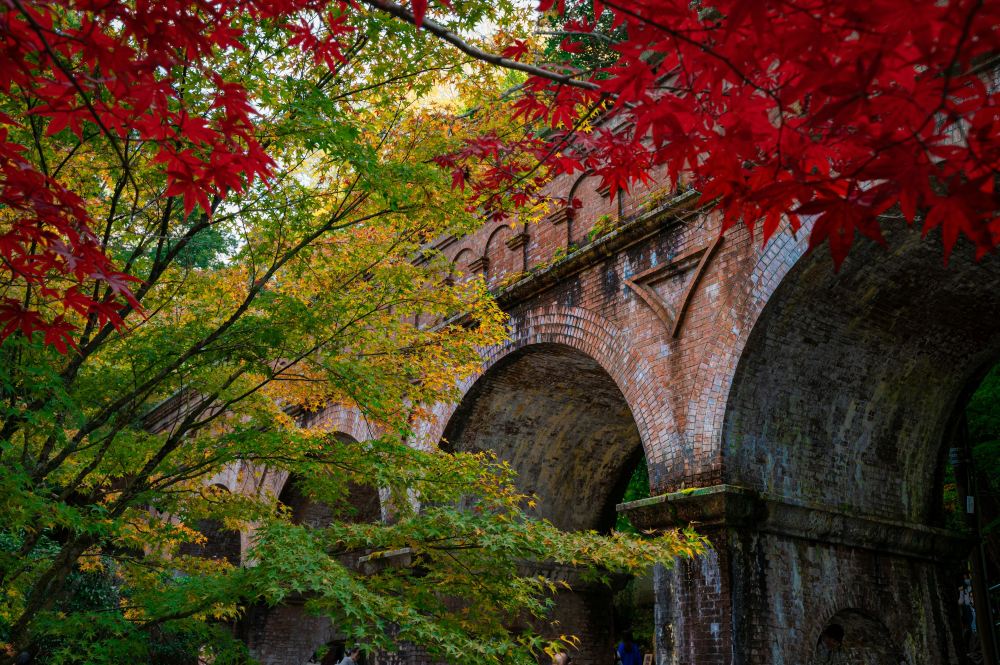
▲ Then, the story suddenly changed. At the hydraulic bridge, red brick arches replaced wood, stone, and white gravel. This waterway is part of the Lake Biwa Canal, reflecting Kyoto's ambition during the Meiji era to rebuild the city and modernize through engineering and water resources. The first canal was completed in 1890, serving transportation, industry, irrigation, and hydroelectric power. Why was a Western-style brick water channel built in the historic Zen temple courtyard? Walk along the canal path and listen to the real sound of flowing water beside you. Here, the imagined water in the garden meets the living water of the canal: one created by stone and imagination, the other by engineering and gravity.
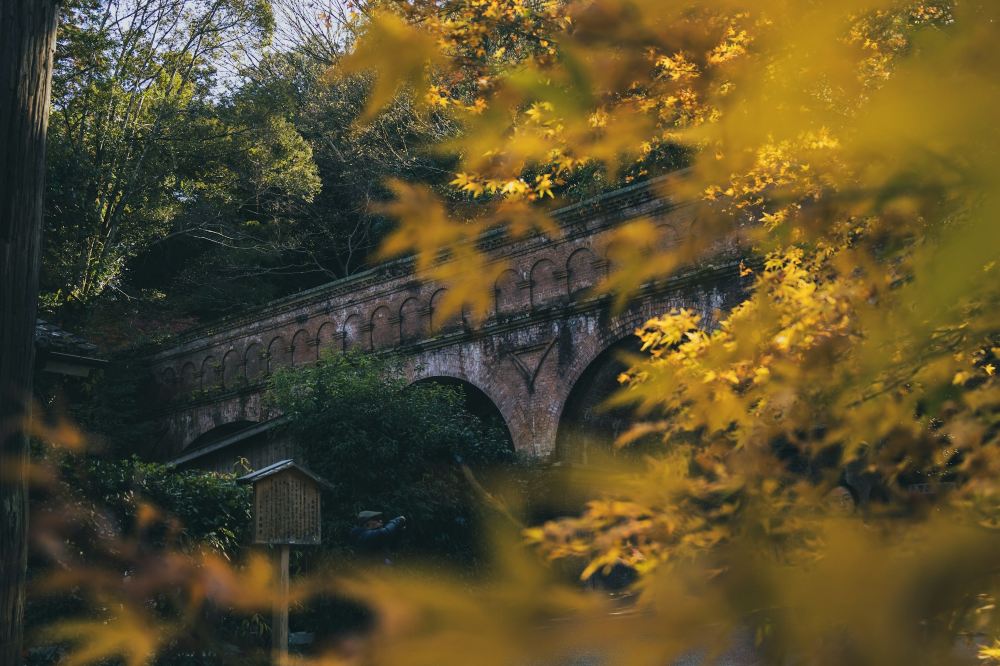
▲ The route ends along the canal, where red maples, temple roofs, moss, brick arches, and flowing water blend two eras into one. This is not just an autumn leaves tour. It is a journey from the imagined view of Zen to the real flow of water, which also helped create modern Kyoto.