


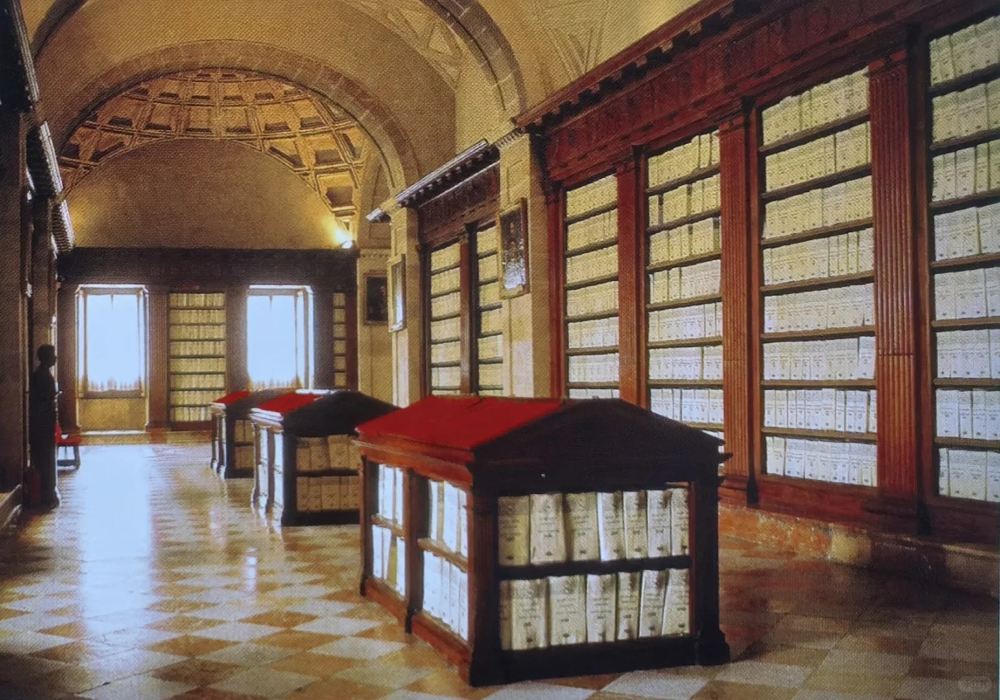
▲ The collections of the Museum of the West Indies cover documents from the late 15th to the late 19th century during the Spanish Empire's colonial period in the Americas and the Philippines, including Columbus's logbook, Magellan's manuscripts, papal bulls, Cervantes's job application, and maps of colonial America. The building was originally a merchant exchange built in 1585 and was converted into an archive in 1781 to centralize the preservation of Spanish colonial records.
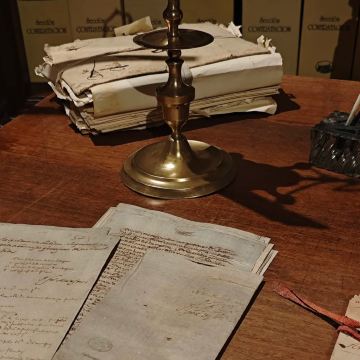

▲ Cervantes also job application
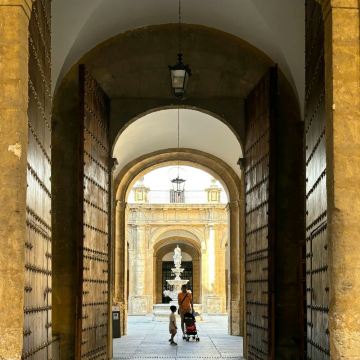

▲ The Royal Tobacco Factory of Seville is an iconic landmark of Spanish industrial, architectural and cultural heritage. Built in the 18th century, it played a key role in the economic rise of Seville after the discovery of the Americas.
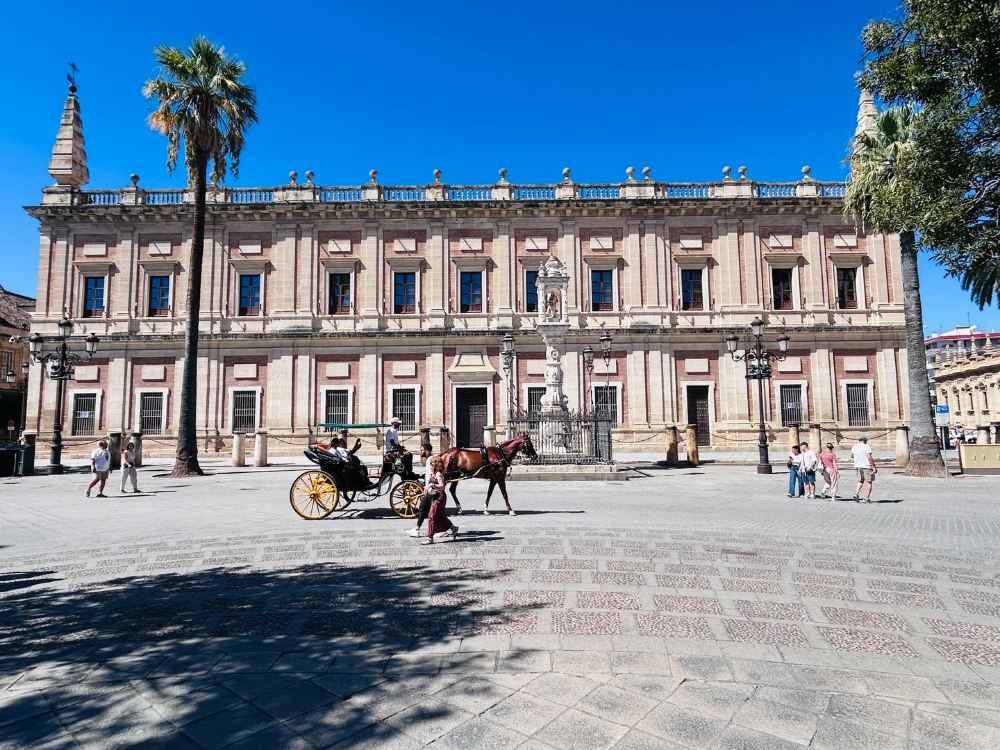
▲ This factory is the main campus of the University of Seville, serving as a vivid testament to the city's transformation from a colonial trade center into a vibrant university town.
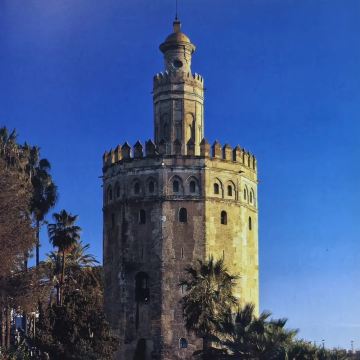

▲ Torre del Oro is a twelve-sided brick tower built in Seville in 1220 by the Almohad dynasty, featuring Arabic-style architecture. Its name derives from the gold powder once coating its exterior walls, giving it a golden hue in sunlight; another theory suggests its name is linked to protecting precious metals transported from the Americas.
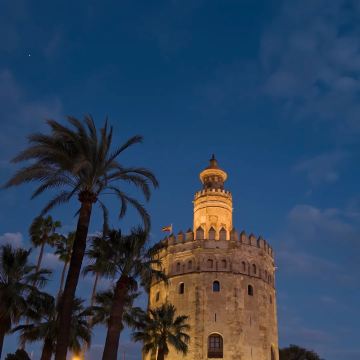

▲ Torre del Oro night view