


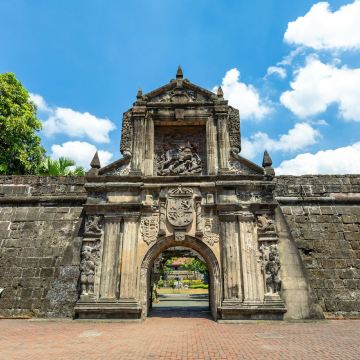
▲ Fort Santiago, a Spanish military stronghold established in 1571 during the conquest of Manila. This site was originally the riverside fortress of the native Rajah Sulayman, which Legazpi transformed into the defensive core of Spanish East Indies after its capture.
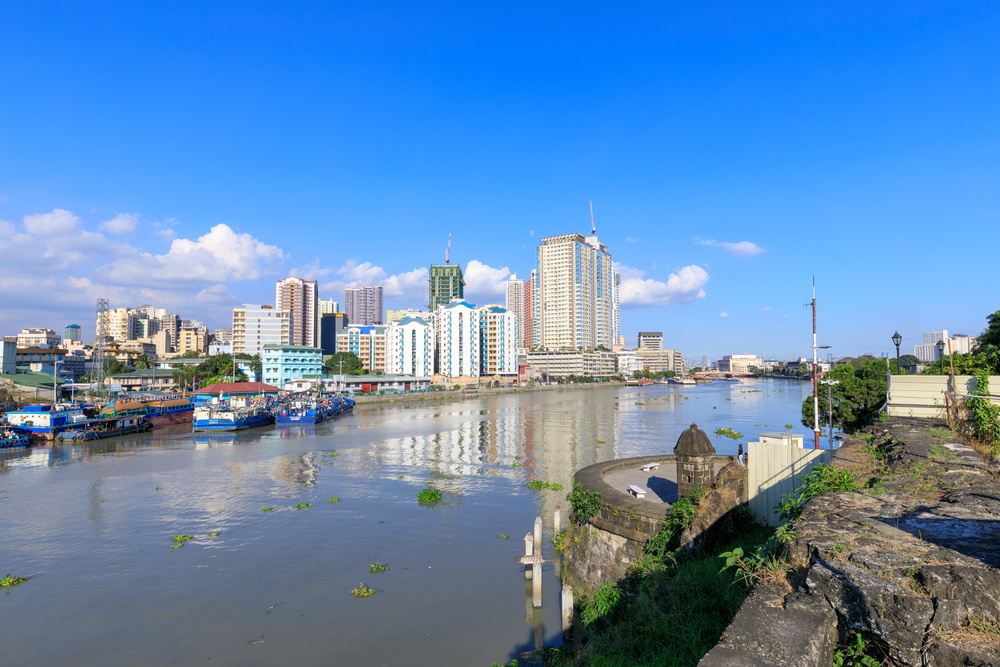
▲ The Pasig River, the waterway through which Spanish fleets sailed into Manila. After the conquest of 1571, this river became a military supply route during the colonial era and a vital inland passage for the Manila galleon trade.
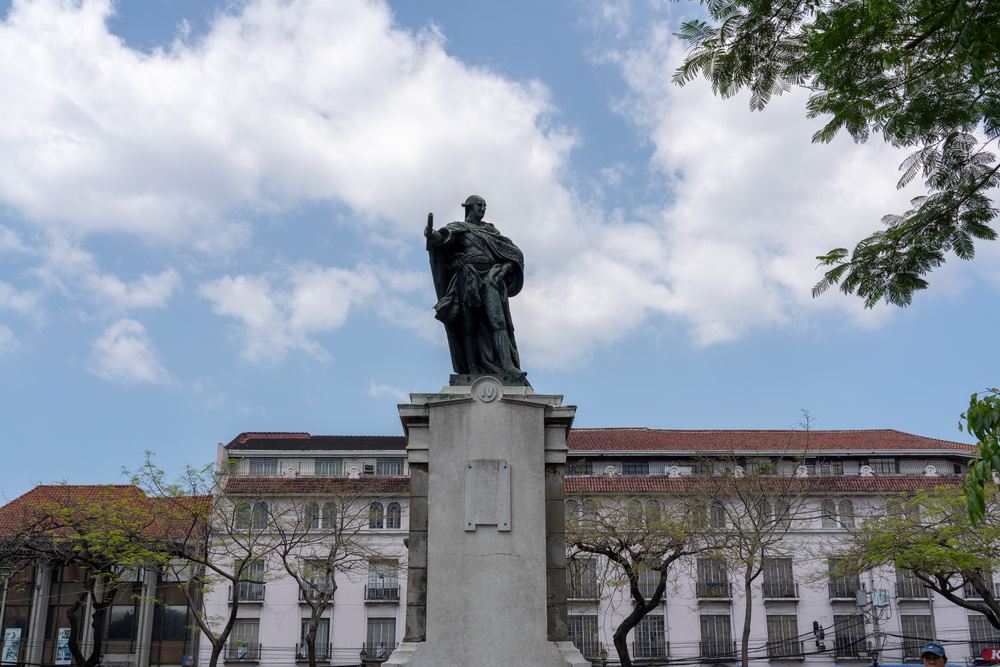
▲ Plaza Roma, the colonial administrative center of Intramuros. After occupying Manila in 1571, the Spanish introduced European urban planning, where military, political and religious powers converged to establish a colonial governance system.
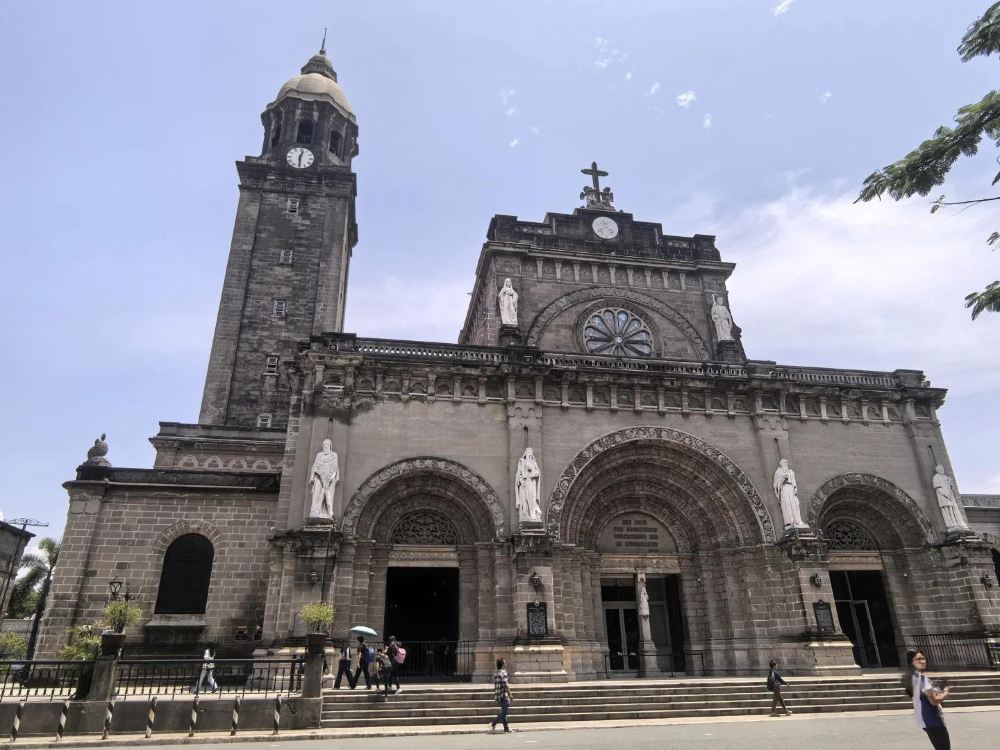
▲ Manila Cathedral. The first church was completed in 1581, one of the early cathedrals established after the conquest of Manila. Guns completed the occupation, while the church was responsible for reshaping local faith and social order.
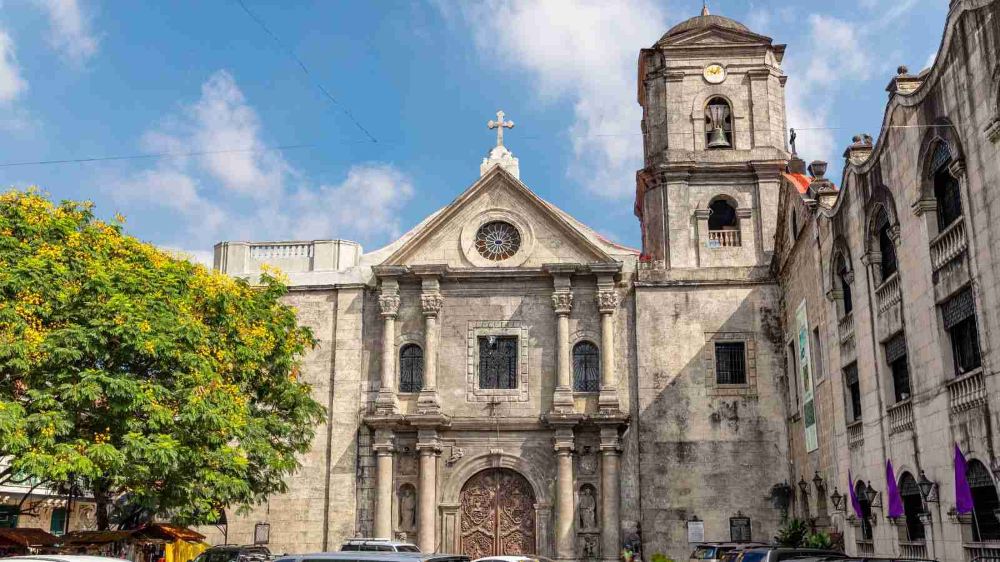
▲ Archdiocesan Shrine of Nuestra Señora de la Consolación y Correa - San Agustín Church, a UNESCO World Heritage Site. The Augustinian Order arrived in Luzon with the conquistadors and continued their missionary work between 1571 and 1600. It is also one of the historic stone churches still standing in the Philippines.
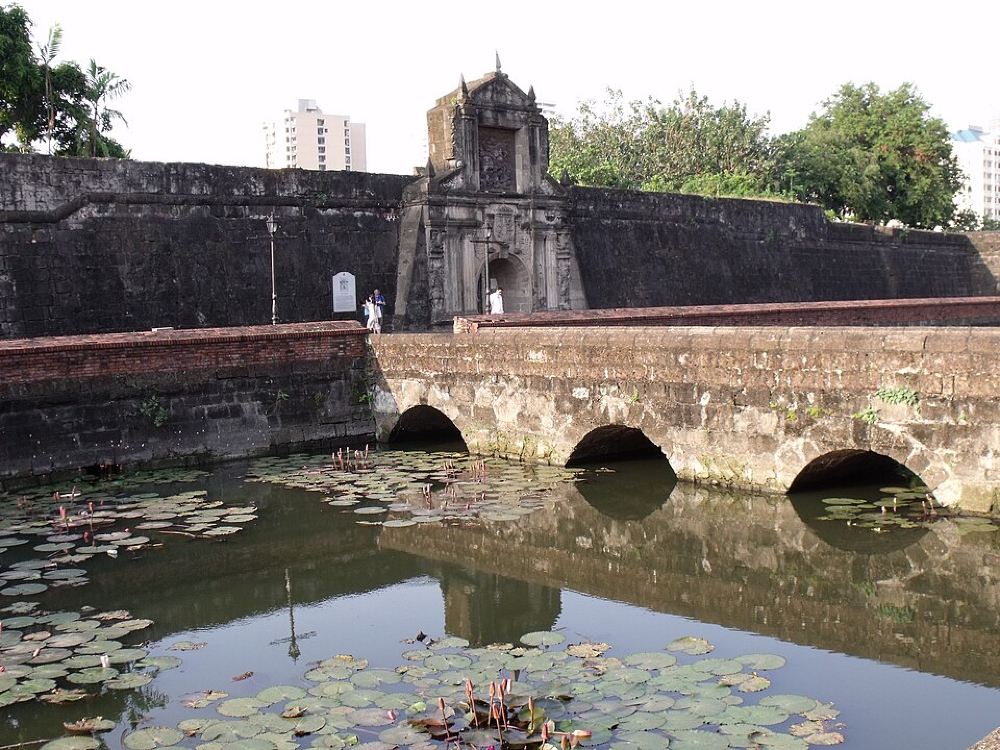
▲ Intramuros city walls. Constructed in sections over decades after the 1571 conquest, the stone walls demarcated spatial boundaries: inside was the colonizers' city, outside were indigenous communities, forming an enclosed colonial citadel.