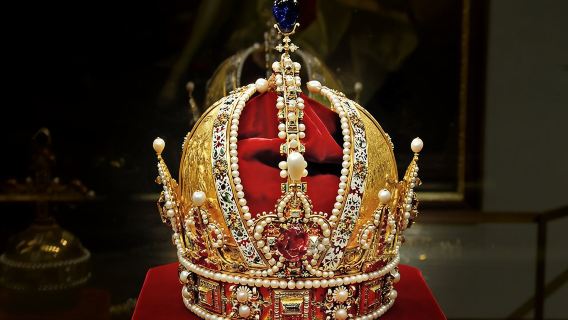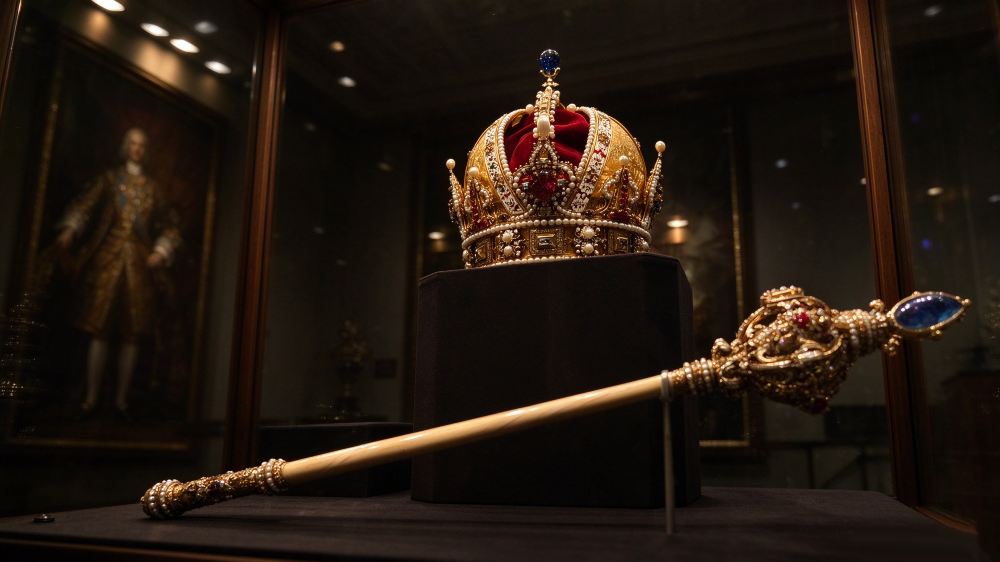
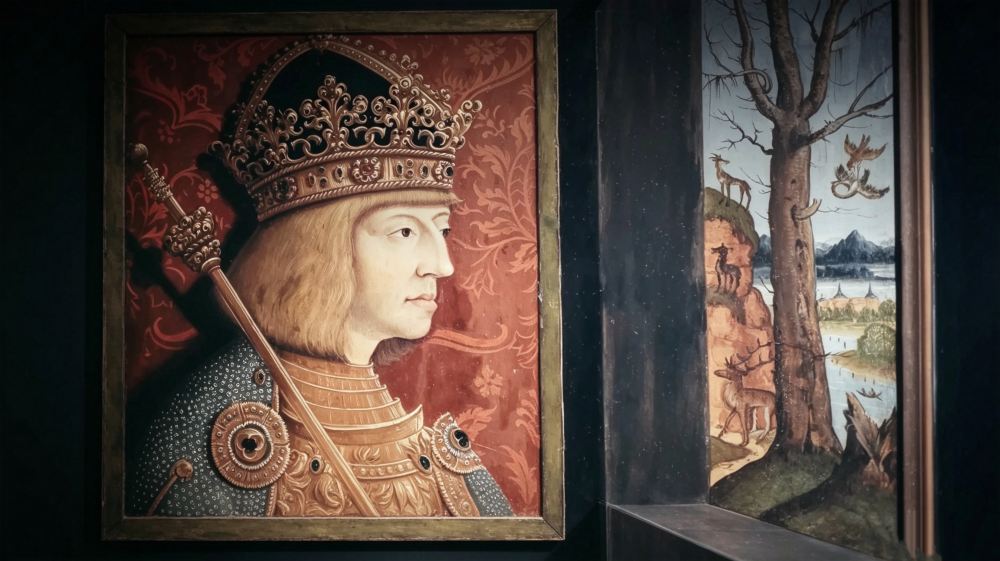
▲ The crown of the Holy Roman Empire features an octagonal body made of pure gold, set with 144 gemstones and hundreds of pearls. Together with the Imperial Scepter and the Imperial Orb, it forms the three imperial regalia, serving as symbols of royal authority passed down for a thousand years.
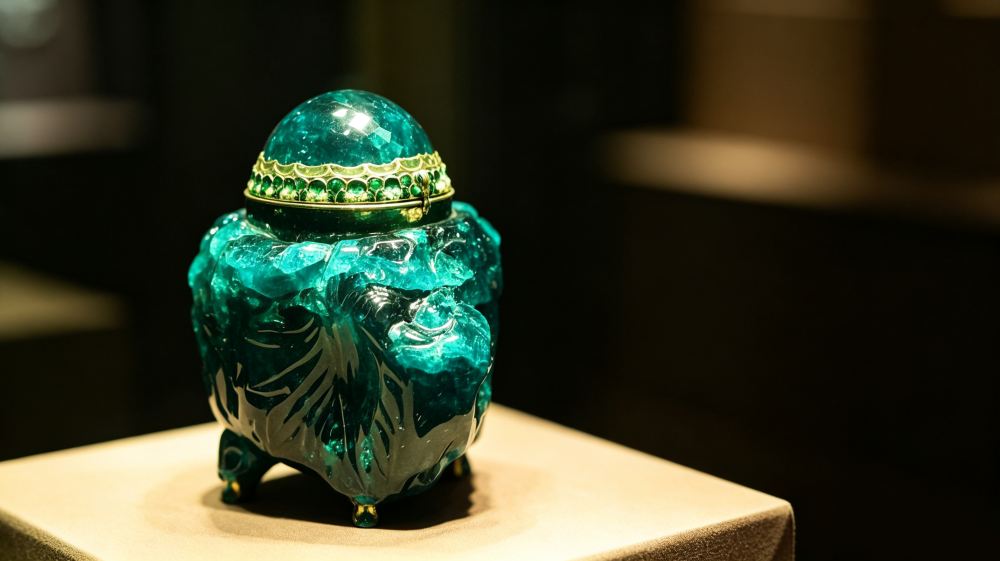
▲ A whole-carved lidded jar made from a Colombian emerald crystal, weighing more than two thousand carats, formerly in the collection of Rudolf II. Because of its rare size, the craftsman did not dare to cut and reshape it rashly.
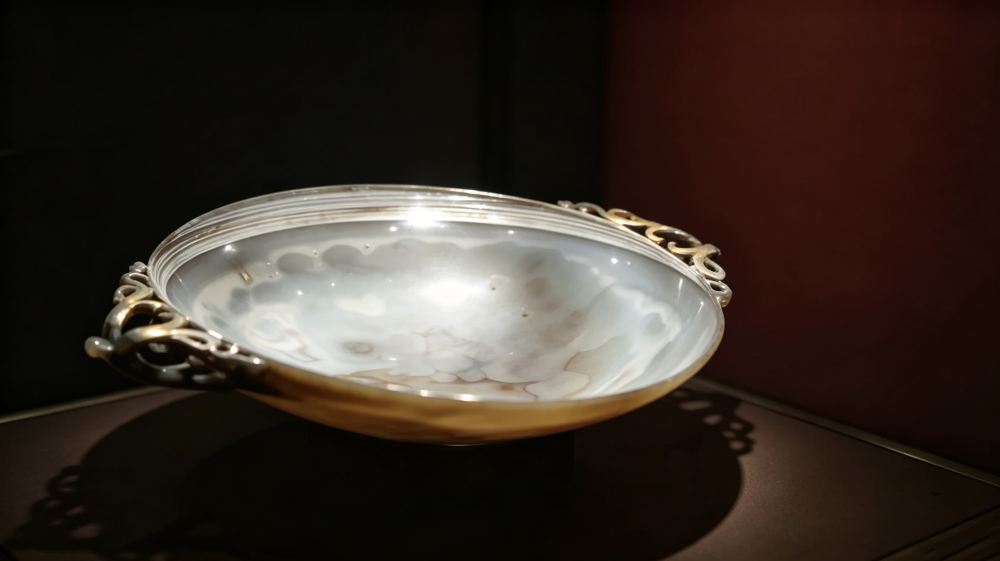
▲ This late 4th-century giant agate chalice is a rare surviving large ancient agate carving. Carved from a single piece of red agate, it is said to have once held the blood of Jesus and holds a special place in religious legend.
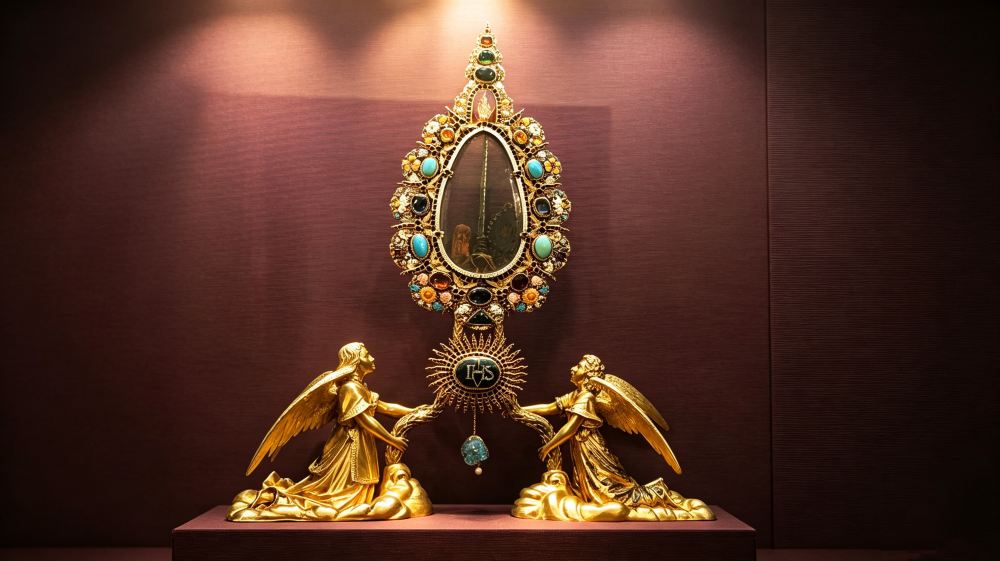
▲ This is a reliquary for the Holy Nail, said to contain the iron nail driven into the left hand during the Crucifixion of Jesus. It is crafted with a gold sculpture of two angels holding it aloft, inlaid with gemstones, and exquisitely made.
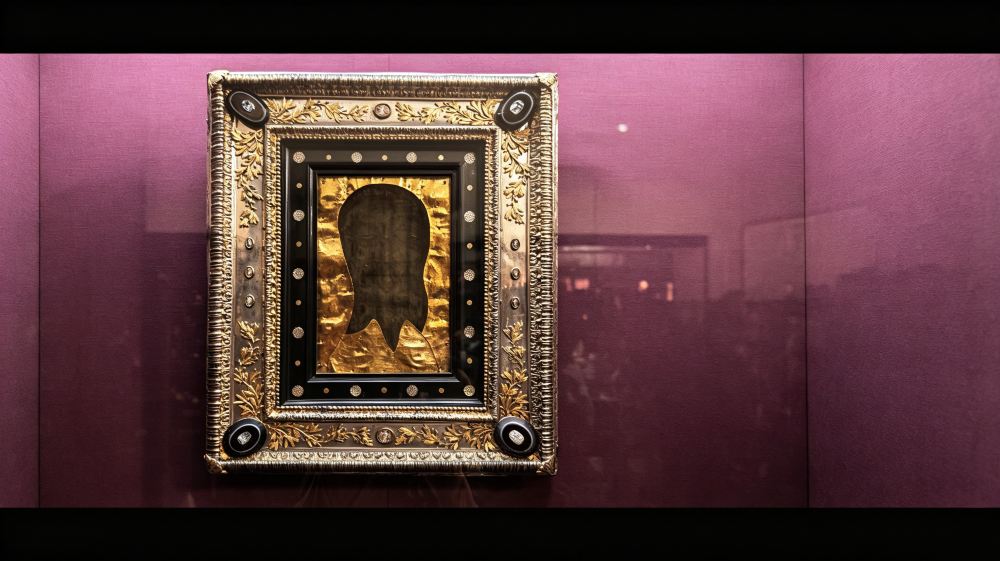
▲ The Veil of Veronica is hailed as a national treasure of Austria. Legend has it that on the way to the crucifixion, Veronica wiped away blood and sweat with her veil, on which the face of Christ was miraculously imprinted.
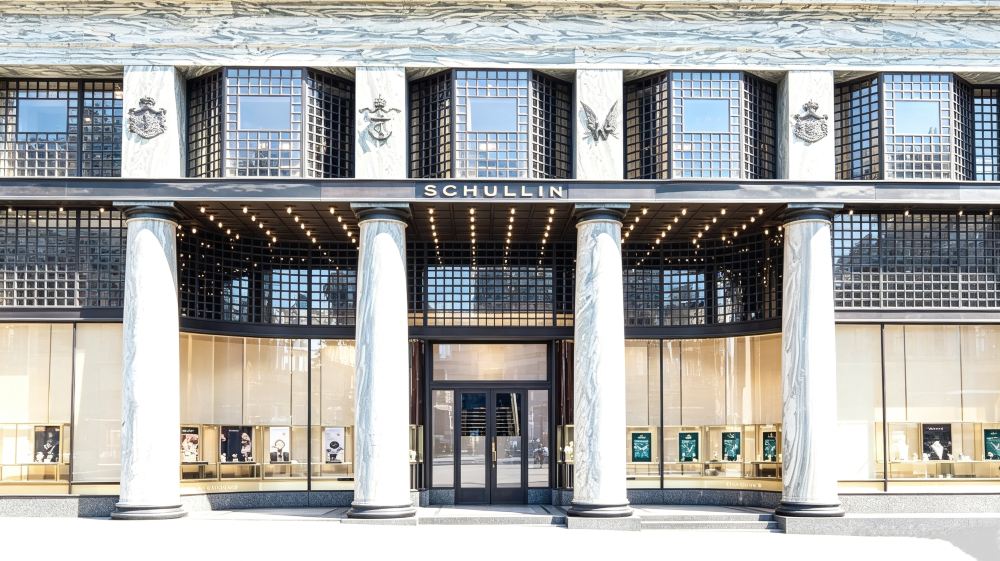
▲ Schullin Wien | Turning the building itself into a haute couture masterpiece. There is no solemnity of a court crown here, yet Vienna's emphasis on jewelry craftsmanship and design continues. From the royal treasures of the Habsburg era to the handmade jewelry in today's shop windows, the expression of splendor has always been changing. Pause before the window and see how Vienna works craftsmanship into every detail.
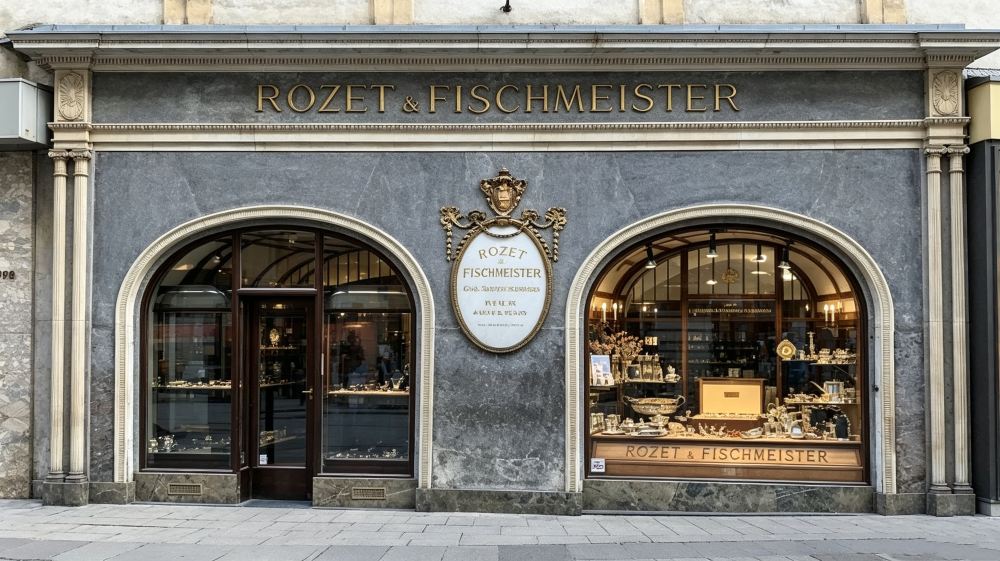
▲ Rozet & Fischmeister | Old Vienna days in jewelry. These antique jewels do not rely on exaggerated designs to attract attention; instead, they present the old European pursuit of refinement and respectability through delicate gold and silver craftsmanship, intricate ornamentation, and proportions that stand up to close inspection.
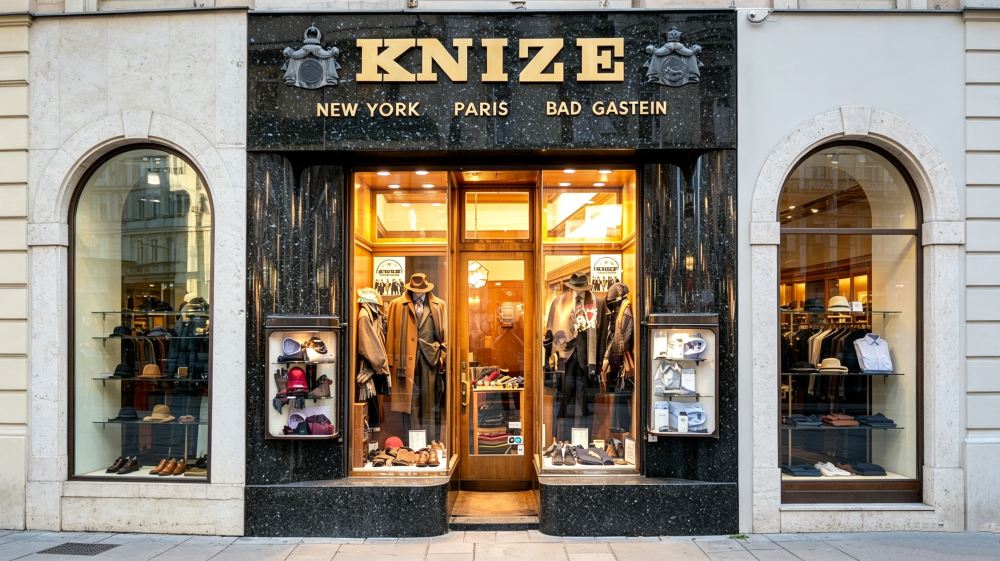
▲ KNIZE & Comp | Wearing restraint as a form of power. Founded in 1858, KNIZE was once the court tailor of the Austro-Hungarian Empire. From refined tailoring to the spatial aesthetics designed by Loos, nobility need not be ostentatious—details carry their own weight. True sophistication is understated refinement.
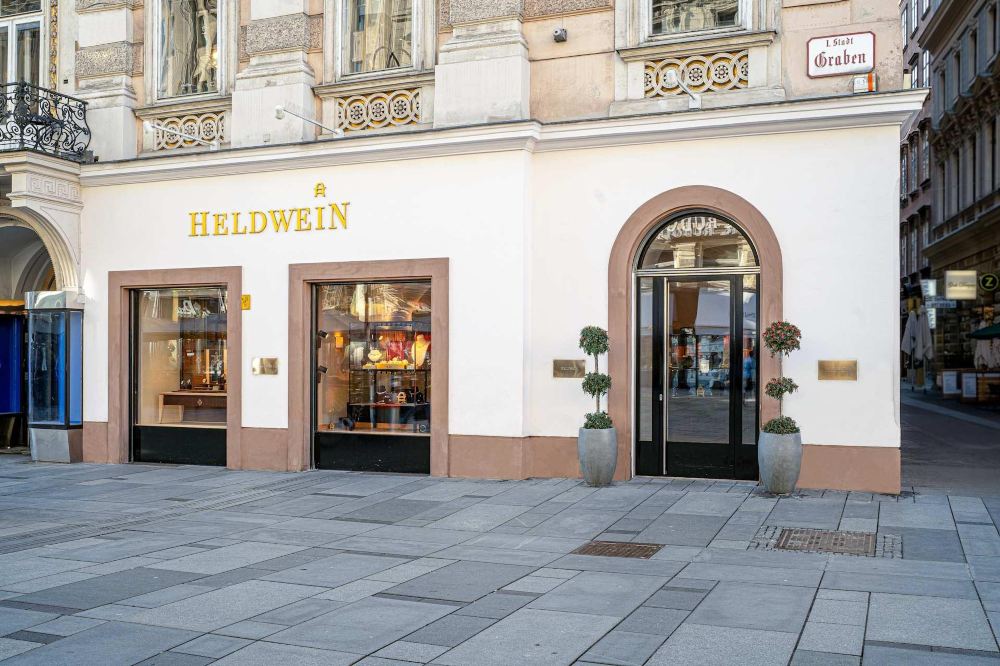
▲ Juwelier Heldwein | From royal treasures to jewelry display windows. At the Hofburg Treasury, crowns and jewels once symbolized royal power, lineage, and imperial glory; while in today's jewelry display windows, rare materials, exquisite craftsmanship, and brand identity still convey status and taste.