Nanjing

Things to do in Nanjing

Search attractions or local attractions & tours
Search

Explore top experiences

Top 10 attractions in Nanjing

View all Attractions
Niushou Mountain Cultural Tourism Zone
No. 2 of Best Things to Do in Jiangsu

Niushou Mountain Cultural Tourism Zone

8.6
4.7/5
35.3k reviews

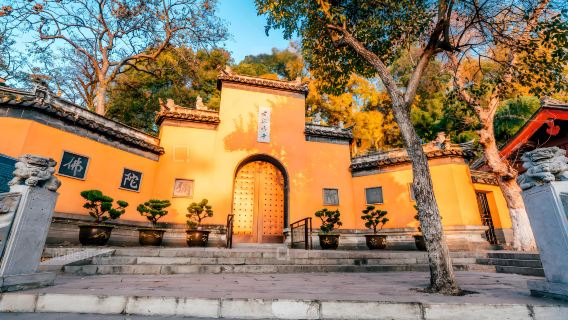
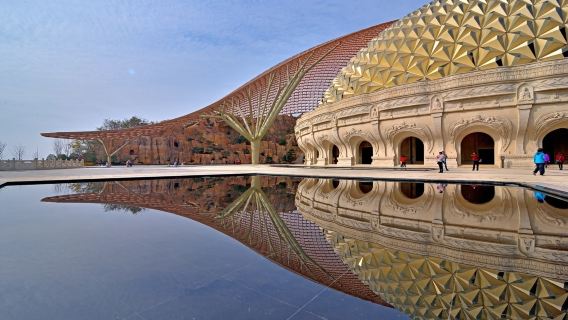
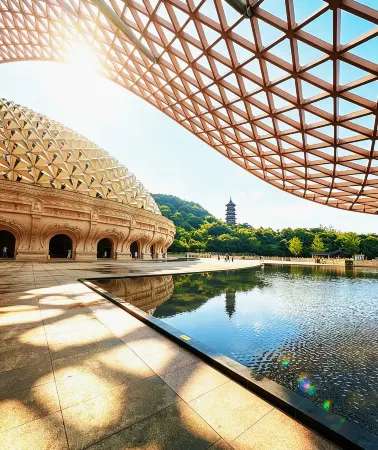
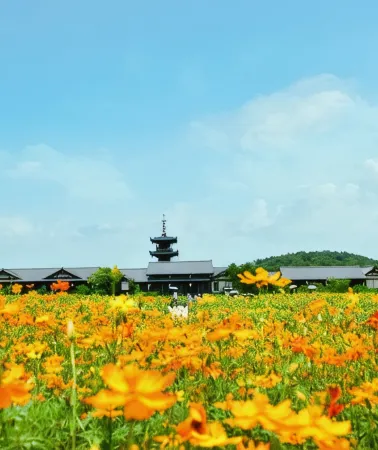
Niushou Mountain Cultural Tourism Zone, also known asNiushou Mountain Cultural Tourism Zone, it is named for its two peaks, one in the east and one in the west, which resemble the two horns of an ox's head. Niushou Mountain Cultural Tourism Zone boasts beautiful scenery and has long enjoyed the reputation of "Spring Niushou." In ancient times, it featured such Jinling scenic spots as Niushou Smoke and Mist and Zutang Temple's Resounding Tin Staff, and it also preserves many historical sites, such as the Jiangning section of the ancient fortifications where Yue Fei fought against the Jin, and the Zheng He Cultural Park. Usnisa Palace The Usnisa Palace is themed around the enshrinement of the Buddha's parietal bone relic and is divided into two parts: the large dome and the small dome, symbolizing outer offerings and inner offerings. The Usnisa Palace utilizes the original mine pit to build an underground palace, with six levels below ground and three levels above ground, appearing very solemn and magnificent. The parietal bone relic of Shakyamuni Buddha was enshrined at the Niushou Mountain Cultural Tourism Zone in October 2015. Visitors may go to the Usnisa Palace to pay homage on special Buddhist festivals. For specific times to view the relic, please call the attraction for inquiries. A thousand years of history Niushou Mountain Cultural Tourism Zone is a Buddhist sacred site. The Buddha Cave Temple, built by Sikong Xu Du in the second year of the Tianjian era of the Liang Dynasty (503 AD), was the first temple on Niushou Mountain, and Li Yu, the last ruler of the Southern Tang, renamed it Hongjue Temple. During the Tang Dynasty, Chan Master Farong, hailed as the "Bodhidharma of East China," founded the Niutou Chan School on Niushou Mountain, known in ancient times as "Jiangbiao Niutou." The founding of the Niutou Chan School served as an important bridge in the true transformation of Indian Chan into Chinese Chan! Niushou Mountain Cultural Tourism Zone - Taohua Stream Niushou Mountain Cultural Tourism Zone - Taohua Stream is located at the east entrance of Niushou Mountain Cultural Tourism Zone, with a total area of 14.87 hectares, approximately 220 mu. The peach blossoms selected are 26 varieties suitable for growing in the Nanjing area, making it a new view created by the Niushou Mountain attraction. A small stream winds down from Yinlong Lake, its water babbling, with peach trees planted on both sides. In spring, the buds gradually bloom, and a sea of flowers is intoxicating.

Nanjing · 15.6 km from downtown
Nanjing Hongshan Forest Zoo
2026 Global 100 - Family-friendly Attractions

Nanjing Hongshan Forest Zoo

8.3
4.7/5
25k reviews

Nanjing Hongshan Forest Zoo is located in the north of Nanjing, built along three hills: Dahongshan, Fangniushan, and Xiaohongshan. With a green coverage rate of over 85%, the rolling hills form a unique forest view. The zoo brings together rare wild animals from around the world and adopts an immersive multi-species mixed-housing model, allowing animals to naturally express their instincts in environments that simulate their native habitats. The nearly 30 venues in the park are divided into three major zones by hill. The Dàhóngshān zone is mainly home to fierce beasts and native species, including the Tiger Area, Bear Area, Chinese Felid House, Felid Planet, Wolf Area, Native Species Conservation Area, Meerkat House, Monkey Hill, and Giraffe House; the Fàngniúshān zone brings together the Koala House, Gaoligong Exhibition Area, Gondwana Exhibition Area, Asian Primate Area, Orangutan House, and Hippo House; the Xiǎohóngshān zone is mainly composed of bird exhibition areas, including the Tropical Bird House, Hornbill Garden, Muntjac and Reeve's Muntjac Slope, Parrot House, Pheasant Garden, and Rare Bird Garden. Among them, the Gondwana Exhibition Area is themed on the ancient continent of Gondwana, presenting the ecological landscape of species from the Southern Hemisphere; the Gaoligong Exhibition Area focuses on the biodiversity of Gaoligong Mountain in Yunnan; and the Native Species Conservation Area is dedicated to the conservation and wild release of China's native wildlife, making it one of the park's signature exhibition areas. Both the Koala House and the Giant Panda House are popular venues in the park. Nanjing Hongshan Forest Zoo was among the first domestic zoos to cancel animal performances and stop visitor feeding activities. With the core philosophy of "everything for the animals," it focuses on ecological renovation of venues and improvement of animal welfare. The park also undertakes the rescue and rehabilitation of wildlife in the Jiangsu region, rescuing a large number of injured and stray wild animals every year.

Nanjing · 5.8 km from downtown
Nanjing Museum
No. 2 of Family-friendly Attractions in Jiangsu

Nanjing Museum

8.2
4.7/5
4.1k reviews

The Nanjing Museum is located at the southern foot of Purple Mountain, on the north side of Zhongshan Gate. Here, you can see ancient artifacts such as the jade burial suit sewn with silver thread, appreciate painting and calligraphy art, and even take a stroll down old streets for a journey through time. Museum historyThe museum was established in 1933 and completed in 1948, with its main hall modeled after the mountain gate of Dule Temple in Tianjin. After expansion in 2009 and opening to the public on November 6, 2013, it became the second largest museum in China after the National Museum of China, featuring six halls: the History Hall, Special Exhibition Hall, Digital Hall, Art Hall, Republican Era Hall, and Intangible Cultural Heritage Hall. Museum layoutThe museum's main buildings are divided into two sections, left and right. After walking a short distance on the right side, you will reach the museum's old main hall, modeled after the Dule Temple. Behind the "Dule Temple" is the History Gallery, while the other five galleries are all on the left side. You can either tour from the five galleries on the left to the History Gallery on the right, or from the History Gallery to the five galleries on the left. It is recommended to visit the History Gallery first, because the special exhibition hall housing the "treasure of the museum" is located to the left of the History Gallery. You can follow the order of History Gallery - Special Exhibition Hall - Digital Gallery - Republican Era Gallery - Art Gallery - Intangible Cultural Heritage Gallery to tour the entire museum. History exhibition hallThe history museum displays cultural relics arranged in chronological order from ancient times to the Ming and Qing dynasties. Walking through it feels like strolling through five thousand years of Jiangsu's civilization. Highlights include: the jade burial suit sewn with silver thread, a wall built brick by brick during the Southern and Northern Dynasties with brick carvings faintly depicting the "Seven Sages of the Bamboo Grove" upon closer inspection, and more. Special exhibition hallThe "Splendors of the Prosperous Age" area of the special exhibition hall displays official kiln porcelain from the Qing Dynasty, the "Fine Clocks and Watches Exhibition" displays ancient Chinese timekeeping devices and Western clocks and watches, and "Approaching Buddhist Statues" features resplendent, exquisitely crafted Buddhist statues. As for the "treasure of the museum," the gilt Tibetan-style stupa from the early years of the Zhengtong reign of the Ming Dynasty (1436–1439 CE), a single exhibit occupies an entire room, and its sheer grandeur alone is stunning enough. This museum treasure was unearthed from the underground palace of the Hongjue Temple Pagoda on Niushou Mountain in Nanjing. On a square red sandstone base, four blue-and-white porcelain vases surround a golden stupa in the center, and in front of the stupa is a small gold coffin and silver outer coffin, upon which lies a golden reclining statue of Shakyamuni. Digital galleryThe digital pavilion uses modern technology to present ancient themes, with exhibits such as the animation "Picture Scroll of Scenes in the Southern Capital" (similar to the Along the River During the Qingming Festival in the China Pavilion at the World Expo). What is quite interesting is that there are many interactive games here, and you can touch the screen to play games set in ancient times. Art venueThe art museum displays sculptures, calligraphy, and paintings. The exhibited paintings by Fu Baoshi, which use Chinese ink painting techniques to depict Eastern European red-roofed buildings, squares, and sculptures, are quite distinctive. Republic of China galleryThe Republic of China Gallery has transformed the entire indoor space into a street scene from the Republic of China period. Trams are displayed on the street, and shops with Republic-era style line both sides, open for business and selling items that evoke nostalgia. At a general store, you can buy "mouse droppings" (also known as kumquat pills), a snack from childhood. The post office offers Nanjing Museum postmarks, and at the Librairie Avant-Garde upstairs, the staff wear period clothing; if you want to mail a postcard, the bookstore also sells stamps. Intangible cultural heritage museumThe intangible cultural heritage museum displays folk handicrafts such as woodblock prints, paper cuttings, gold foil, and festive lanterns. Here you can enjoy performances such as Kunqu opera, Baiju, and Pingtan. Reference performance times: 14:00-16:00.In the small theater, you can watch 3D films for free, and the film is about 20 minutes long.The small theater in the intangible cultural heritage museum will also be open to the public on weekends and public holidays at 19:00 if there are traditional Chinese opera performances, and tickets are required.

Nanjing · 3.9 km from downtown
Confucius Temple-Qinhuai Scenic Area
2026 Global 100 - Night Attractions

Confucius Temple-Qinhuai Scenic Area

8
4.7/5
7.3k reviews

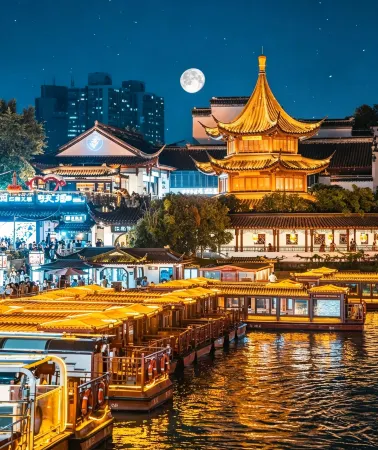
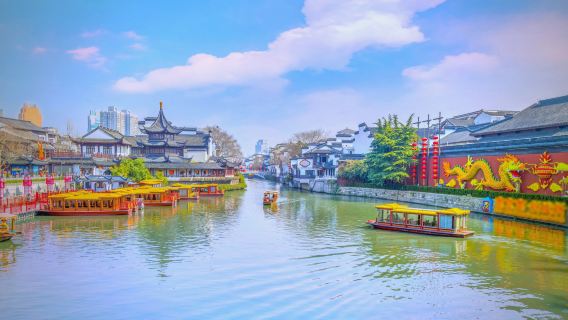
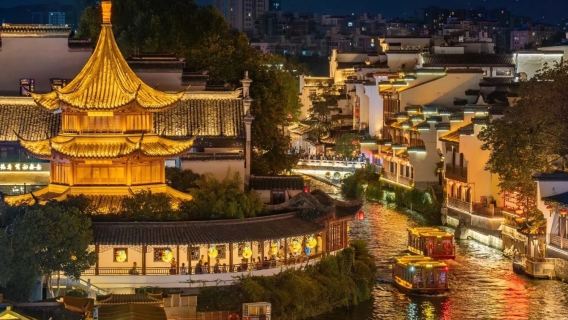
The Confucius Temple-Qinhuai Scenic Area refers to the Qinhuai River area centered around the Confucius Temple, where the streets, alleys, residences, and historical sites along both banks form a continuous stretch. It has been a bustling and lively part of Nanjing since ancient times. The line "The swallows that skimmed by painted eaves in bygone days are dipping now among the humble homes' doorways" by Liu Yuxi describes this very place. The Wuyi Lane mentioned in the poem still lies hidden among the alleys near the Confucius Temple. Exploring history along the river is the highlight of this area: The Dacheng hall of Confucius temple stands by the water, with a towering screen wall across the Pan pond in front; the nearby Jiangnan examination hall was the imperial testing site for provincial exams during the Ming and Qing dynasties, now replaced by the China imperial examination museum; Zhan garden and Egret isle park both originated from the mansion gardens of Xu Da's family, a founding general of the Ming dynasty—the former also houses the Taiping heavenly kingdom history museum; scattered along both banks within walking distance are historical sites like Meixiang tower (former residence of "Peach blossom fan" heroine Li Xiangjun), the well-preserved Zhonghua gate with its urn-shaped defense system, Wu Jingzi's residence (author of "The scholars"), and ancient ferry relics like Taoye crossing, easily connected into a historical walking trail. Cuisine is also a signature feature of this area: "The eight Qinhuai delicacies" refer to sixteen famous dishes from eight time-honored snack restaurants, including Yongheyuan's crab-shell yellow sesame cakes and dried shrimp shreds, Qifangge's duck oil crispy cakes and sesame oil dried shreds, Jiangyouji's beef pot stickers, and Lianhu pastry shop's osmanthus-filled glutinous rice balls. The Confucius Temple area and Laomendong are lined with teahouses, snack shops, and various stores, offering plenty of opportunities to rest and grab a bite when tired, along with the chance to pick up some souvenirs. The highlight comes after nightfall: board a painted boat from the pier in front of the Confucius Temple, listen to the guide while admiring the white walls and black tiles illuminated by riverside lanterns—this is the classic "night mooring on the Qinhuai" experience. From Chinese New Year to the Lantern Festival each year, the Qinhuai River Lantern Festival (also known as the Jinling Lantern Festival), listed as a national intangible cultural heritage, takes place here. The Confucius Temple, Laomendong, and along the Qinhuai River are adorned with lanterns and decorations. "Visiting the Confucius Temple to see lanterns during New Year" remains a cherished tradition for Nanjing locals. Even on ordinary days, the area buzzes with cultural temple fairs, food festivals, and other celebrations, offering unique surprises in different seasons.

Nanjing · 2.4 km from downtown
Zhongshan Mountain National Park
2026 Global 50 - Fall Viewing Attractions

Zhongshan Mountain National Park

7.7
4.6/5
11.5k reviews

Zhongshan Mountain National Park is located in the east of Nanjing, centered around Purple Mountain, historically known as Zhongshan. Its main peak stands nearly 450 m above sea level, with winding ridges resembling a dragon. Ancient people described Jinling's terrain as "Zhongshan coils like a dragon, while Stone City crouches like a tiger." The entire park blends mountains, water, the city, and forests. Along its southern foothills from west to east lie three core attractions: Ming Xiaoling Mausoleum, Sun Yat-sen Mausoleum, and Linggu Temple, interspersed with Plum Blossom Hill, Nanjing Botanical Garden Mem. Sun Yat-Sen, and the former site of Purple Mountain Observatory. The three major sections each have their highlights: The Ming Xiaoling Mausoleum is the joint burial site of Emperor Taizu Zhu Yuanzhang and Empress Ma, with stone animals lining both sides of the sacred path winding around Plum Blossom Hill. In late fall, the ginkgo, Chinese tallow, and maple trees gradually change color, representing the quintessential autumn scenery of Nanjing. The Sun Yat-sen mausoleum features long stone steps ascending layer by layer along the central axis, with its blue-glazed tile sacrificial hall standing out vividly against the lush forest. The Linggu attraction offers relatively tranquil surroundings, where the Beamless Hall—the only remaining structure from the Ming Dynasty's Linggu Temple—is entirely built of brick and stone without a single beam or pillar, making it worth a special visit. Every early spring, Plum Blossom Hill becomes blanketed with blooming plum flowers, and the tradition of spring outings to admire them has been passed down through generations. Meanwhile, the tree-shaded Lingyuan Road remains lush and green year-round—simply strolling leisurely along this path is delightfully soothing. Zhongshan offers more than just mausoleums. The attraction covers a vast area with considerable walking distances between sections, so it's advisable to plan your route in advance, allocate most of a day, and wear comfortable walking shoes. For hiking enthusiasts, the mountain trail to the main peak, Toutuo ridge, offers a panoramic view of Xuanwu lake and Nanjing city. This route is also a popular fitness spot for locals.

Nanjing · 6.2 km from downtown
Ming Xiaoling Mausoleum
No. 2 of Fall Viewing Attractions in Jiangsu

Ming Xiaoling Mausoleum

7.6
4.6/5
18.8k reviews

The Ming Xiaoling Mausoleum is located in the scenic area of Zhongshan Mountain. It is the tomb of Emperor Taizu Zhu Yuanzhang and Empress Ma, featuring magnificent architecture that represents the architectural and stone carving achievements of the early Ming Dynasty. It also directly influenced the design of imperial mausoleums in both the Ming and Qing dynasties. Cemetery area distribution The overall layout of the mausoleum area is divided into two parts: the winding sacred path of the tomb and the main structures of the mausoleum, which is the burial site of Zhu Yuanzhang. The main structures of the Ming Xiaoling Mausoleum include the Civil and Military Gate (the main entrance), the Xiang Hall, the Square City, the Ming Tower, and the burial mound (also known as the Chong Mound), all arranged along the traditional central axis and enclosed by walls. The layout design of the Ming Xiaoling Mausoleum, featuring "court in the front and living quarters at the back, square in the front and round at the back," along with architectural forms such as the Square City, Ming Tower, and the burial mound, pioneered the construction regulations of imperial mausoleums in the Ming and Qing dynasties. It is hailed as a milestone in the development history of Chinese imperial tombs. Shinto The sacred way stretches from the dismounting arch to the main gate of Ming Xiaoling Mausoleum, spanning 2400 m. With its winding and secluded path, it breaks away from the traditional straight layout of Chinese imperial mausoleums. The sacred way is divided into two sections: the stone elephant road and the Wengzhong road. The stone sculptures on both sides are a major highlight, featuring 12 pairs of towering stone animals and two pairs each of civil officials and military officers. These sculptures are carved from single blocks of stone, showcasing simple designs, clear patterns, and exquisite craftsmanship. Every fall, the ginkgo trees and red maples here create a picturesque scene, attracting numerous photography-loving travelers. Enjoyment Hall The sacrificial hall, also called the Ming Xiaoling Mausoleum hall, was originally the place to enshrine the memorial tablets of Zhu Yuanzhang and Empress Ma. The original hall has been destroyed, but the three-layer Sumeru pedestal base and six large carved stone steps with cloud, dragon, and landscape reliefs remain. This site now serves as a historical exhibition room. Fangcheng The square city is a massive structure in front of the Ming Xiaoling Mausoleum's treasure dome, built with large stone slabs and featuring a sumeru base at the bottom. The Ming Tower stands atop the square city, with its original yellow-glazed roof destroyed and later restored. You can ascend to the Ming Tower via the walkways on either side of the square city. Ming Xiaoling Mausoleum - Treasure dome North of the square city lies the Ming Xiaoling Mausoleum's burial mound, also known as the treasure dome, with a diameter of approx. 400 m. This is the burial site of Zhu Yuanzhang and Empress Ma. Entering through the central arched gate in front of the square city leads to a vaulted tunnel. After climbing 54 steps and exiting the tunnel, you'll reach the southern wall of the burial mound, inscribed by later generations with "This mountain is the tomb of Emperor Taizu of Ming." Beyond this point, visitors cannot proceed further. Beneath the burial mound lies the underground palace of Zhu Yuanzhang's tomb, which has not been excavated. Plum garden and cherry garden Plum blossom hill is located directly south of the Ming Xiaoling Mausoleum, covered with plum blossoms. At the foot of the hill lies the plum blossom valley, home to over 13,000 plum trees. The wintersweet garden of the Ming Xiaoling Mausoleum is distributed on both sides of the central axis from the Golden Water Bridge to the Soul Tower, covering more than 80 acres with over 3,000 wintersweet plants. It encompasses 3 major variety groups and more than 60 varieties. The wintersweet viewing period lasts from December each year to late February of the following year. On Plum blossom hill, you can also see the tomb of Sun Quan. Near the stone elephant path of the sacred way lies a cherry blossom garden, where travelers flock to admire the blossoms from late March to early April. Honglou art garden is a landscape that embodies the culture of Dream of the Red Chamber and the rich Jiangnan style. To the north, Zixia lake serves as an ideal summer retreat.

Nanjing · 5.2 km from downtown
Dr. Sun Yat-sen's Mausoleum

Dr. Sun Yat-sen's Mausoleum

7.5
4.7/5
22.8k reviews

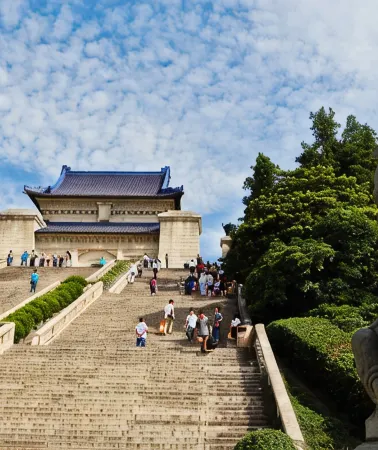
Dr. Sun Yat-sen's Mausoleum is located in the Zhongshan scenic area in the eastern suburbs of Nanjing, nestled at the southern foot of Purple Mountain, adjacent to Linggu Temple to the east and Ming Xiaoling Mausoleum to the west. It serves as the tomb of Dr. Sun Yat-sen. The entire architectural complex, designed by architect Lü Yanzhi, follows the mountain's terrain along a central axis from south to north. When viewed from above, the tomb area forms a "warning bell" pattern, symbolizing "awakening the people." Construction began in 1926, and the main structures were completed in 1929, marked by the grand burial ceremony. The blue-glazed tiles paired with granite walls create a solemn and serene tone, making it one of the representative works blending Chinese and Western architectural styles. Along the central axis: the entrance features a towering granite Bo'ai archway, with the gilded inscription "Bo'ai" (universal love) handwritten by Sun Yat-sen on its lintel. Behind the archway lies a long tomb path flanked by trees. At the end of the path stands the mausoleum gate with cyan-glazed tiles, inscribed with "Tianxia wei gong" (the world belongs to the public). Further north is the stele pavilion housing a massive granite tombstone. Beyond this are 392 stone steps with a height difference of over 70 m, each section offering a resting platform. A thought-provoking visual design hides here: looking up from below, only steps are visible; looking down from above, only platforms appear—a detail worth experiencing firsthand. On one platform along the way, a pair of bronze tripods inscribed with "grand burial ceremony" are displayed, one bearing a bullet hole from Japanese artillery fire in 1937—a detail often missed by hurried visitors but worth pausing to observe. At the top of the steps lies the main sacrificial hall, designed in palace style. Its three arched doorways are engraved with "minzu" (nationalism), "minquan" (democracy), and "minsheng" (livelihood), while the central door bears Sun Yat-sen's calligraphy "Tiandi zhengqi" (righteousness of heaven and earth). Inside, a white marble statue of Sun Yat-sen sits at the center, with six relief carvings around its base. The burial chamber behind the hall is usually closed to the public, with visits focused on the sacrificial hall. The surrounding area also features memorial structures like the music stage, Liuhui Pavilion, Yangzhi Pavilion, Xingjian Pavilion, and the Sun Yat-sen Memorial Hall.

Nanjing · 6.9 km from downtown
Grand Baoen Temple Heritage and Scenic Area
No. 2 of Global Traveller-Picked Attractions in Nanjing

Grand Baoen Temple Heritage and Scenic Area

7.3
4.7/5
9.1k reviews

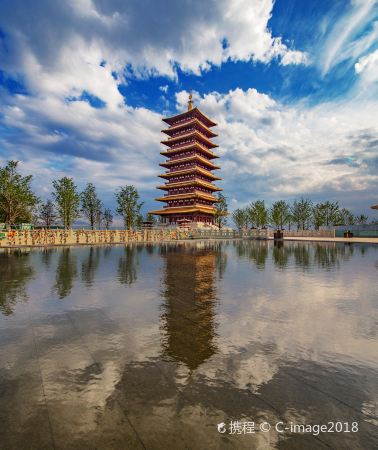
The Grand Baoen Temple Heritage and Scenic Area officially opened to the public in 2015. Now designated as a National First-Class Museum and a Major Historical and Cultural Site Protected at the National Level, it focuses on research, preservation, interpretation and display of the heritage site while offering diverse experiences for education, appreciation, reflection and knowledge sharing. This attraction is located in Nanjing's Changganli district - the city's birthplace - and showcases China's Ming DynastyGreat Bao'en TempleBuilt upon an archaeological site, this temple traces its origins back to the Eastern Wu period, marking the inception of pagoda temples in southern China. Over a millennium, it has undergone repeated destruction and reconstruction, with its name changing multiple times throughout history. In 1412, the 10th year of the Yongle reign, Emperor Chengzu of the Ming Dynasty (Zhu Di) ordered the Ministry of Works to expand the original site.built this templeand the nine-story glazed pagoda known as the "First Tower Under Heaven." This glazed pagoda, hailed as "China's greatest antique and Yongle's finest kiln masterpiece," stands as a magnificent wonder in both Chinese and global architectural history. In the latter half of the 17th century, the pagoda was introduced to Europe, where Westerners called it the "Nanjing Porcelain Tower," recognizing it as an iconic symbol of Chinese culture.

Nanjing · 3.6 km from downtown

Traveller favourites curated for you

Experiences you can't miss in Nanjing

Featured Culture & history in Nanjing

View all Culture & history
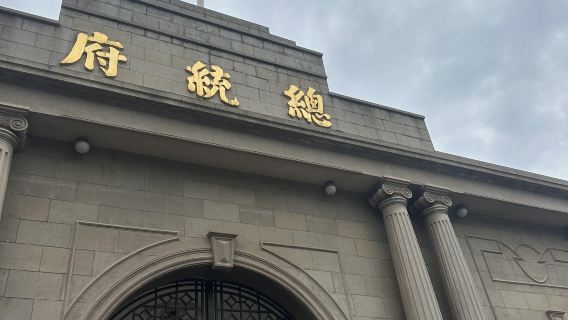
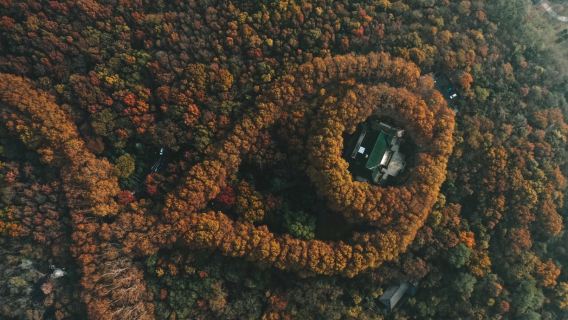
Nanjing Private Guided Day Tour: Dr. Sun Yat-sen's Mausoleum, The Ming Tomb, and Meiling Palace
󱌍
From€79.24
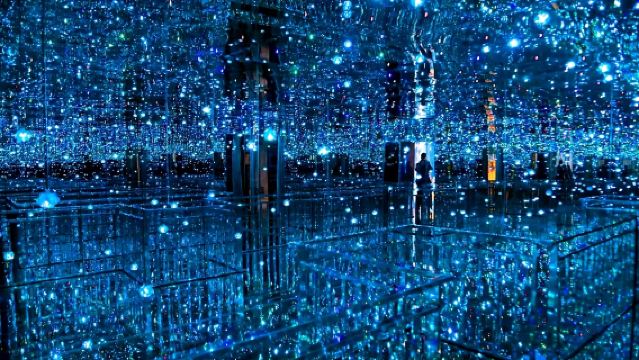
Nanjing Van Gogh Star Sky Art Museum (immersive 4D light show + sunflower field tour)
󱌍
4.0/5
· 7 reviews· 81 booked
Duration: 2 hrs
English
Free cancellation
Instant confirmation
From€6.02
Nanjing Confucius Temple Hanfu photography experience (clothing rental + style of your choice + high-quality costumes)
󱌍
From€21.12
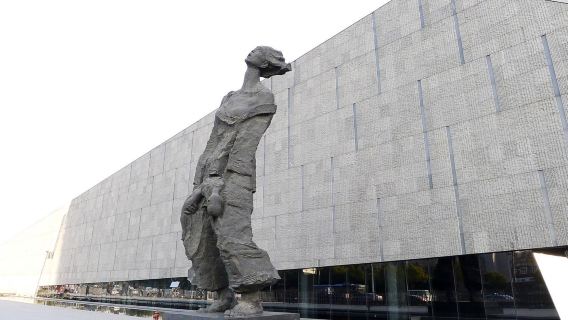
Nanjing The Memorial Hall of the Victims in Nanjing Massacre by Japanese Invaders Chinese Guided Group Day Tour
󱌍
From€26.26
2-Hour Guided Tour at the Nanjing Massacre Memorial Hall (Main Exhibition Hall)
󱌍
5.0/5
· 1 review
Duration: 2 hrs
English
Free cancellation
From€198.88
2-Hour Premium Private Guided Tour of Nanjing Museum
󱌍
From€265.71

Featured Day tours in Nanjing

View all Day tours
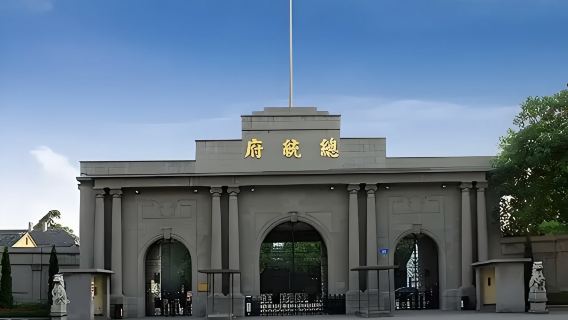
Nanjing Presidential Palace + Niushou Mountain + Dr. Sun Yat-sen's Mausoleum + Meiling Palace + Nanjing Confucius Temple 1-Day Tour
Trip.Select
󱌍
4.9/5
· 13 reviews· 66 booked
Duration: 10.2 hrs
English
Free cancellation
Instant confirmation
From€220.40
Presidential Palace + The Ming Tomb + Meiling Palace + Lingyuan Road + Open-Air Music Hall + Nanjing Confucius Temple 1-Day Tour
Trip.Select
󱌍
5.0/5
· 10 reviews· 28 booked
Duration: 9 hrs
English
Free cancellation
Instant confirmation
From€220.40
Flexible Private Day Tour of Nanjing City Highlights
Trip.Select
󱌍
5.0/5
· 4 reviews· 21 booked
Duration: 11.3 hrs
English
Free cancellation
Instant confirmation
Book now for tomorrow
From€49.33
Nanjing Private Half-Day Tour to Qinhuai River Night Cruise & Confucius Temple
󱌍
Duration: 3.1 hrs
English
Free cancellation
Instant confirmation
Book now for tomorrow
From€54.42

More things to do

Private Tours in Nanjing

View More Private Tours in Nanjing
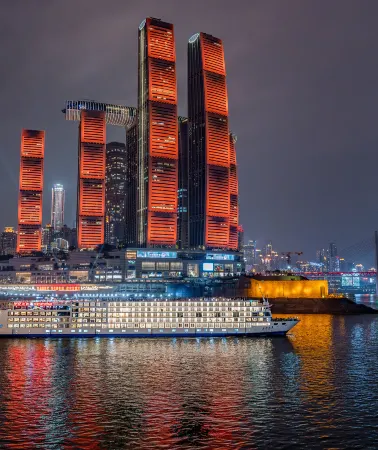
Group Tours in Nanjing

View More Group Tours in Nanjing
Nanjing Today's weatherFoggy 12-20℃
Nanjing weather for the next 2 days11/7: 14-19℃, 11/8: 8-16℃

Free things to do in Nanjing

What travellers say about Nanjing

user-avatar
M49***31November 5, 2026
5.0
Niushou Mountain is vast, with numerous photogenic spots. It's truly breathtaking; you have to experience it in person to fully appreciate its awe-inspiring grandeur. The park's facilities are quite good, with escalators at higher elevations. It's also a great destination for families with parents.

Niushou Mountain Cultural Tourism Zone

user-avatar
_CF***75November 5, 2026
5.0
As expected of a top-tier zoo in China, the crowds during the National Day holiday were terrifying, but it's definitely worth a visit. It offers a unique zoo concept, like a zoo built in a forest. Whether you see the animals you want to see depends entirely on luck. We chose to enter and exit from the south gate. Due to limited time, we didn't see too much, but we were still extremely satisfied. We even saw the newly arrived Simba family.

Nanjing Hongshan Forest Zoo

user-avatar
Daya de GalesNovember 3, 2026
4.0
Lots to see, well laid out and a cafe on the top floor. Clean and well organised. The film-set-esque recreation is thoroughly believable and very cool. Other exhibits are well curated. I'd say by 11am... On a Sunday, it's packed to the hilt. I think I'd avoid Sundays altogether. Midweek, early. Oh and next to the museum is a Streetfood market when you're done. They have lots of temporary exhibits too.

Nanjing Museum

user-avatar
青水月September 19, 2026
4.0
The Confucius Temple and Jiangnan Examination Hall along the Qinhuai River in Nanjing offer stunning nighttime views. A stroll through them in the gentle autumn breeze is incredibly pleasant. There are free performances and some attractions that charge admission, so you can choose what to do. In short, anyone visiting Nanjing should definitely check them out.

Nanjing Confucius Temple

user-avatar
青青草November 5, 2026
5.0
The Qinhuai River, stretching for ten miles, is a hub of culture. Lanterns reflect on the water, and painted boats glide across the waves. On one side lies the thousand-year-old cultural heritage of the Confucius Temple and the Jiangnan Examination Hall, while on the other side are the bustling streets, snacks, and lively atmosphere of the city. Elegance and popular culture blend together here, and the night view of Nanjing unfolds along the riverbank.

Confucius Temple-Qinhuai Scenic Area

user-avatar
_TI***rbNovember 4, 2026
4.0
I think this is definitely worth the visit. I went on a very rainy day but it was still enjoyable. Maybe worth it to pay for the tourist shuttle, I did a lot of walking, but also not necessary

Zhongshan Mountain National Park

user-avatar
娅娅牙疼October 31, 2026
5.0
It's definitely worth a visit. The Ming Xiaoling Mausoleum is a World Heritage Site, covering a very large area, so you can spend a long time exploring it. Inside, there's a plum blossom forest where you can see plum blossoms in spring; there are also large areas of ginkgo and osmanthus trees, which are fragrant in autumn. Highly recommended! Inside, there's a stone statue path and the Xiaoling Mausoleum itself, where you can experience the charm of traditional culture!

Ming Xiaoling Mausoleum

user-avatar
高速上开火车June 18, 2026
5.0
The Sun Yat-sen Mausoleum Scenic Area, located on Zijin Mountain in Nanjing, is the tomb of Dr. Sun Yat-sen and a national 5A-level scenic area. Admission to the mausoleum is free. As the core of the Zhongshan Scenic Area, it is not only a memorial site but also a masterpiece of modern architectural art. Its unique architectural style: the overall plan is shaped like a "Liberty Bell," symbolizing the awakening of the people. There are 392 stone steps from the archway to the tomb chamber, symbolizing the 392 million people in China at that time. The core attractions are concentrated here: the Bo'ai Archway, the mausoleum gate, the stele pavilion, the sacrificial hall, and the tomb chamber. Surrounding these are auxiliary buildings such as the Music Stage, the Liuhui Pavilion, and the Meiling Palace.

Dr. Sun Yat-sen's Mausoleum

user-avatar
Anonymous userNovember 5, 2026
5.0
Grand Baoen Temple is a must visit as the location itself is strategic lies within the city old area. The glass surface tower was a modern rebuild on top of the destroy historical tower location. The heritage museum kept all the possible remnants of this historical landmarks and introduce a modernized story telling of Buddhism connection and contribution towards Nanjing and China history. It also split the history telling by section which make it easy to understand. It also consist of severals modern building design and modern sculpture for those who enjoy architecture or photography as well.

Grand Baoen Temple Heritage and Scenic Area

user-avatar
M48***53October 5, 2026
4.0
A night cruise on the eastern section of the Qinhuai River was passable, but not breathtaking. In terms of lighting and color, it paled in comparison to the old streets of Tangshan's Hetou area; in terms of picturesque streetscapes, it fell short of the commercialized ancient towns of Jiangnan. It's a pity that the historical and cultural heritage of the Qinhuai River was wasted, as the only decent presentation was the crude and superficial electronic commentary. The price of 120 yuan isn't outrageous, but it certainly doesn't offer value for money. The management of the cruise ships was also rather lax; the day and night cruises were held consecutively, yet the prices differed significantly. Catching one of the last few day cruises, the 40-minute ride was roughly the same as the first few dozen night cruises, and you didn't have to wait in long lines at the dock like night cruise passengers.

Fuzimiao (Confucius Temple) Qinhuai River Boat Tour

Trip Moments in Nanjing

Nanjing travel guides

Popular cities near Nanjing

Frequently asked questions

When choosing a tour, start with how much time you have and the kind of experience you're looking for. Trending options right now include Nanjing Presidential Palace + Niushou Mountain + Dr. Sun Yat-sen's Mausoleum + Meiling Palace + Nanjing Confucius Temple 1-Day Tour, Presidential Palace + The Ming Tomb + Meiling Palace + Lingyuan Road + Open-Air Music Hall + Nanjing Confucius Temple 1-Day Tour, and Nanjing Dr. Sun Yat-sen's Mausoleum + The Ming Tomb + Meiling Palace + Open-Air Music Hall 1-day tour (private tour). Check the real-time availability and itinerary before you book.

As of November 6, 2026, the reference price for day tours and activities in Nanjing is around EUR 49.33 – EUR 220.4. Rates vary by duration, group size, transport, tickets, meals, and any special admission requirements. Before you book, please confirm the billing currency and whether the price is quoted per person or per group.

Get help anytime, anywhere within 30 secondsContact customer support

Change and cancellation policies vary by attractions and tours. Please check the product details page for more information.

Ticket prices may vary between weekdays and weekends, as well as during peak and off-peak seasons. When booking with Trip.com, you can also use Trip Coins to get extra savings. For more tips on booking discounted tickets, please visit Trip.com for the latest information.