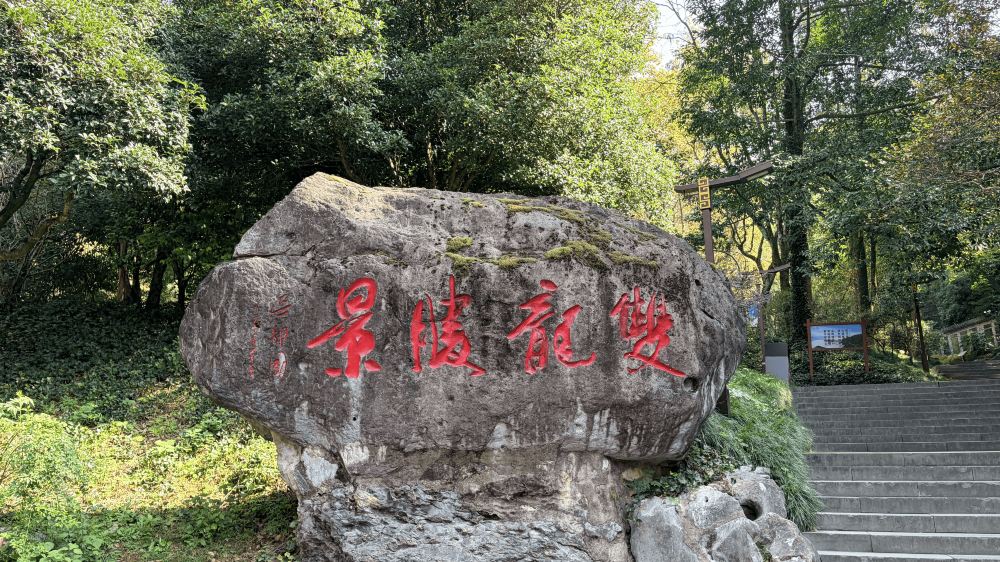
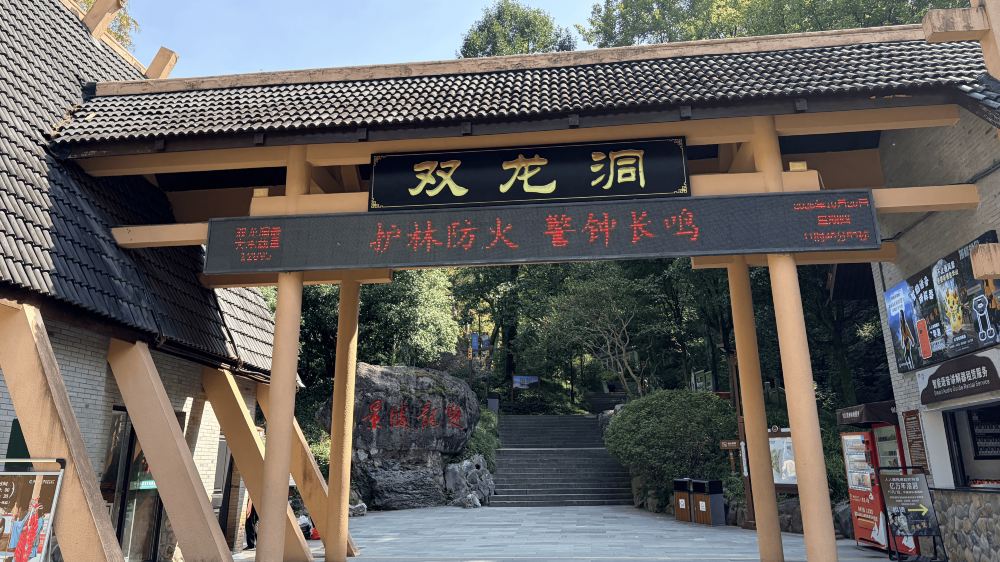
▲ The "Shuanglong Scenic Splendor" stone tablet is a landmark check-in spot at the Shuanglong Cave attraction. Vigorous red characters are carved into a natural boulder, surrounded by lush trees. Stepping into this place, you begin the journey of exploring the wonders of the karst cave as depicted by Ye Shengtao.
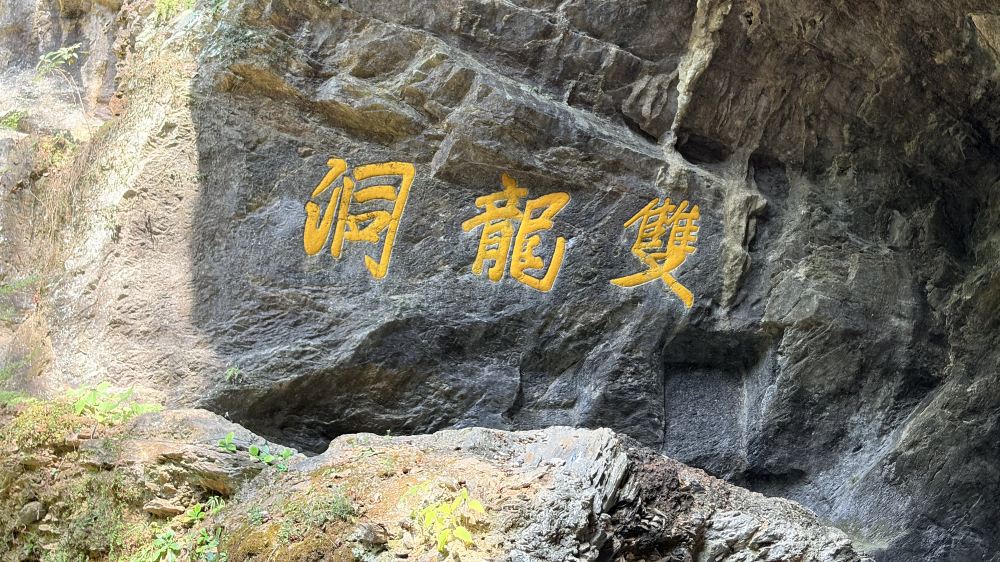
▲ Shuanglong Cave, a classic hidden gem from the textbook. The vigorous inscriptions carved into the rock walls mark this fantastical karst cave described by Ye Shengtao. Lie back in a small boat to enter and explore the karst wonders sculpted by nature over hundreds of millions of years. It is cool and serene, suitable for all ages.
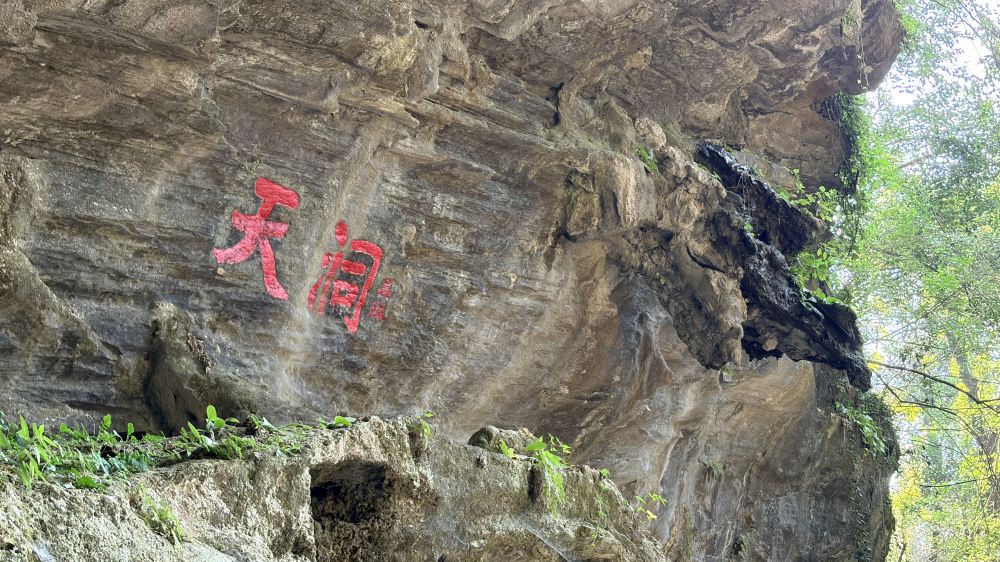
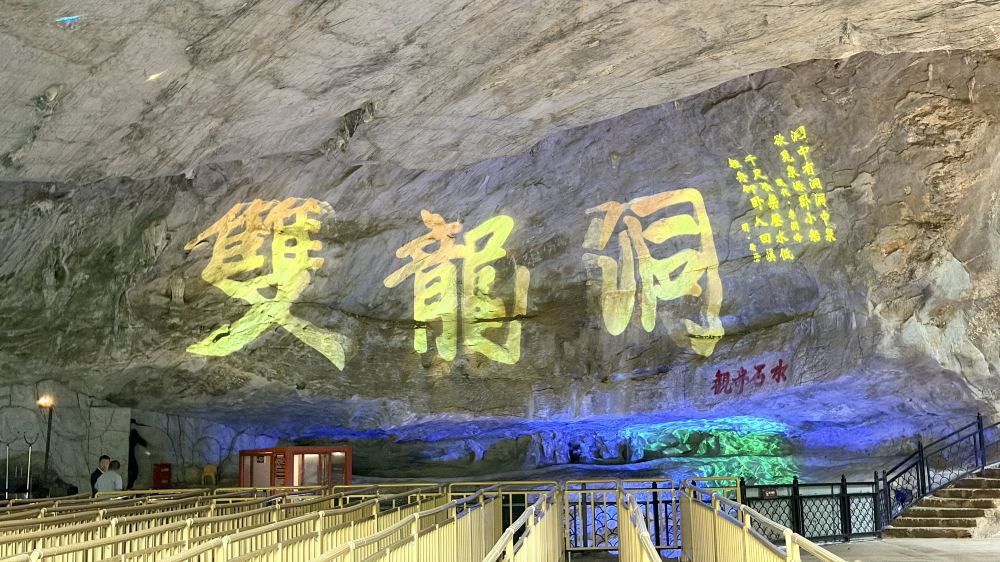
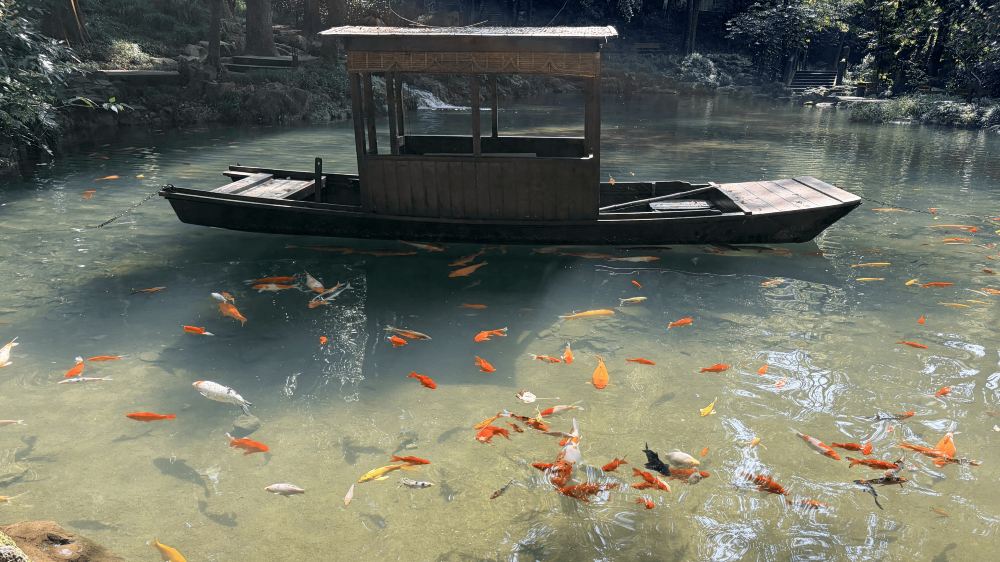
▲ The lying boat at Shuanglong Cave is an iconic experience from the textbook. A small wooden boat floats quietly on the clear pool, with schools of koi swimming around. We will lie flat in the boat and slowly glide along the rock wall into the dim karst cave.
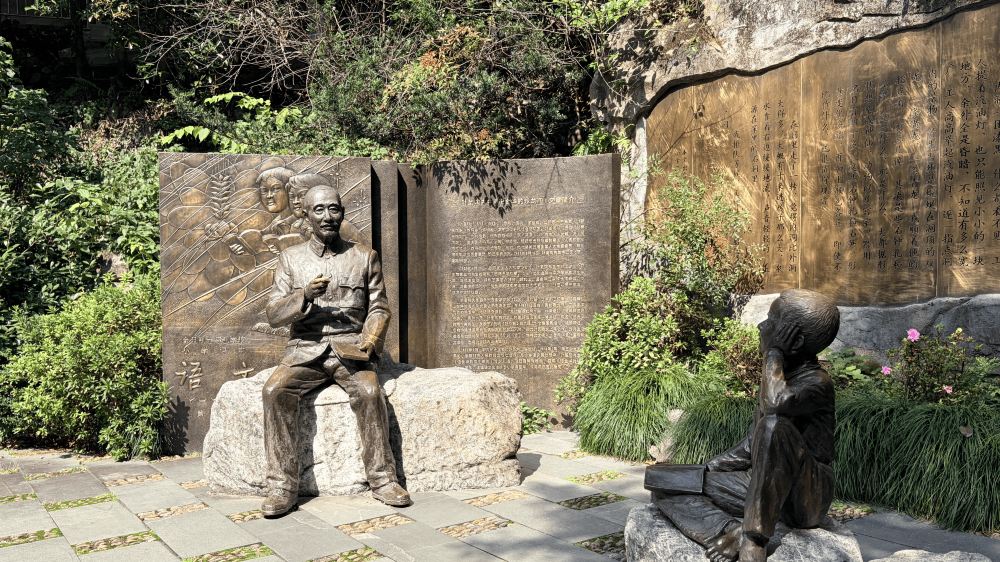
▲ The statue of Mr. Ye Shengtao is a cultural check-in spot at Shuanglong Cave. Recreating the encounter scene from the textbook—the gentleman narrates while children listen attentively—visitors can revisit the classic text "Travels in Jinhua's Shuanglong Cave."
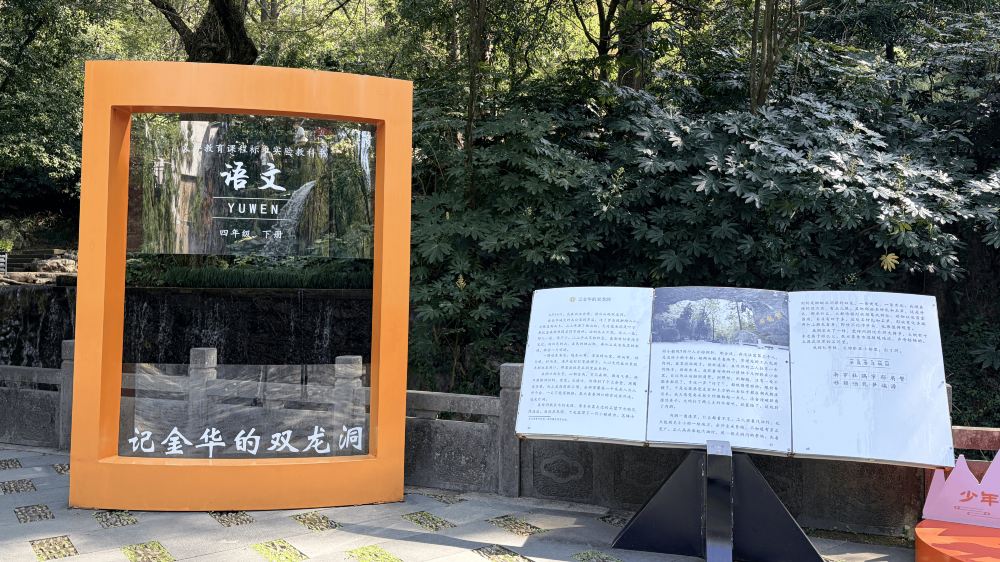
▲ Textbook real-scene check-in spot, recreating the Chinese textbook "Travels in Jinhua's Shuanglong Cave." Open the pages and let the words meet the real scenery—step into the wondrous cave realm described in the text, perfect for family-friendly educational trips.
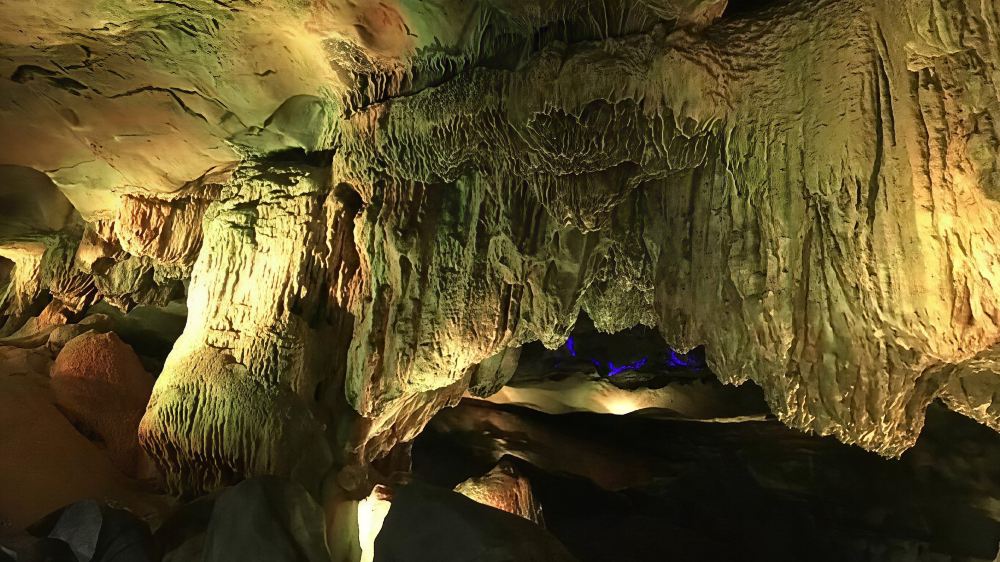
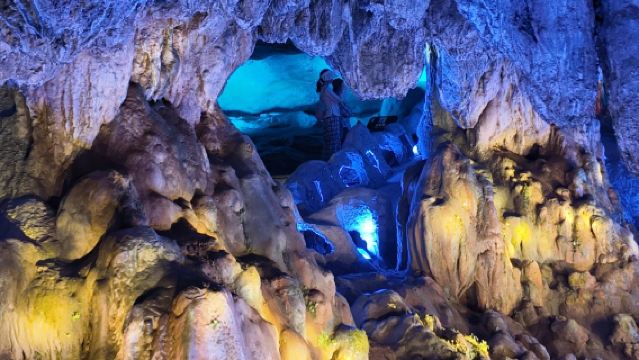
▲ Inside Shuanglong Cave, the spectacular stalactites have been sculpted by flowing water over hundreds of millions of years. The textures of the rock walls unfold layer by layer, and under the play of light and shadow, you can witness with your own eyes the fantastical karst cave world described in the textbook.
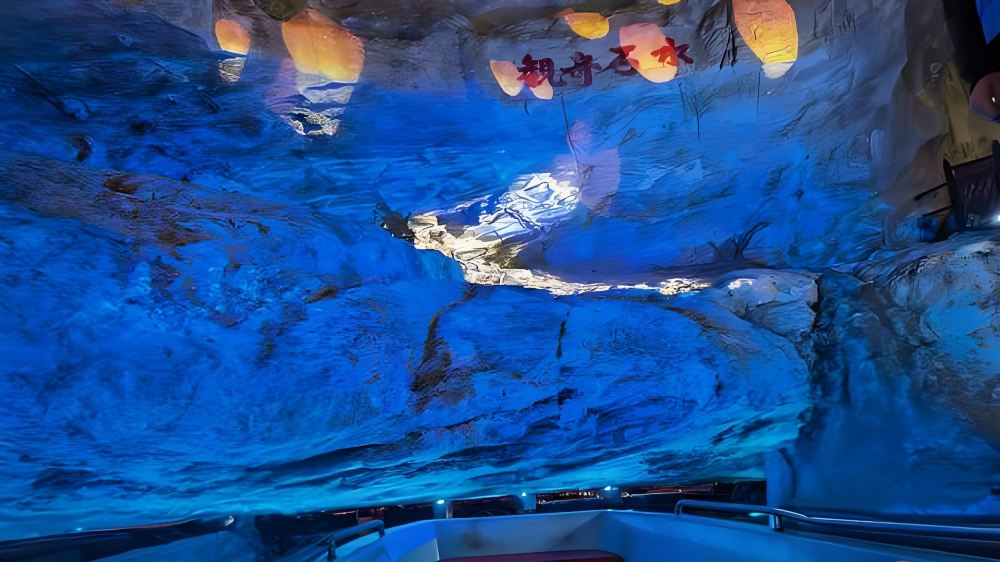
▲ The lighting inside the cave creates a strong atmosphere, and the massive karst cave space paired with light and shadow is a very distinctive view at the Shuanglong Cave attraction.
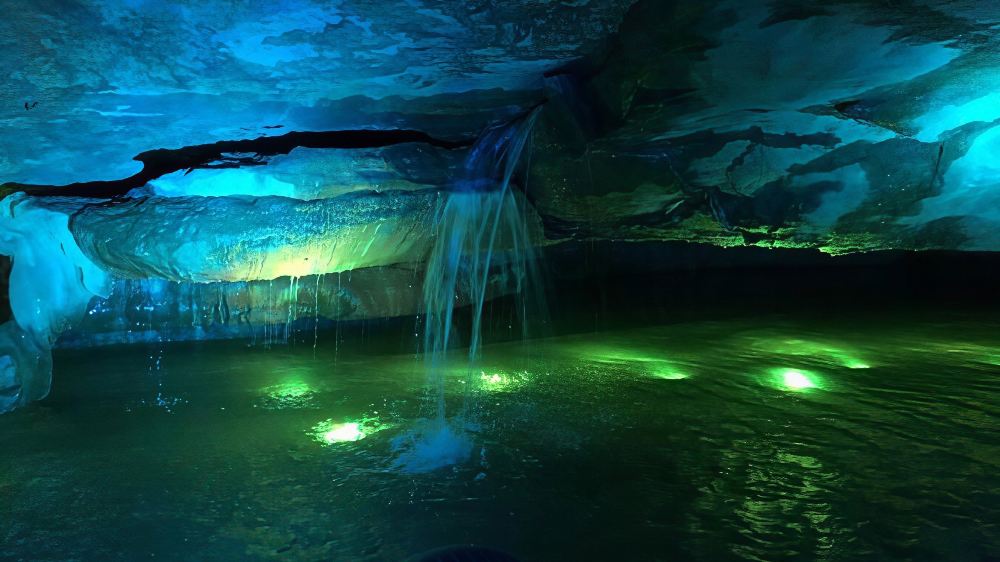
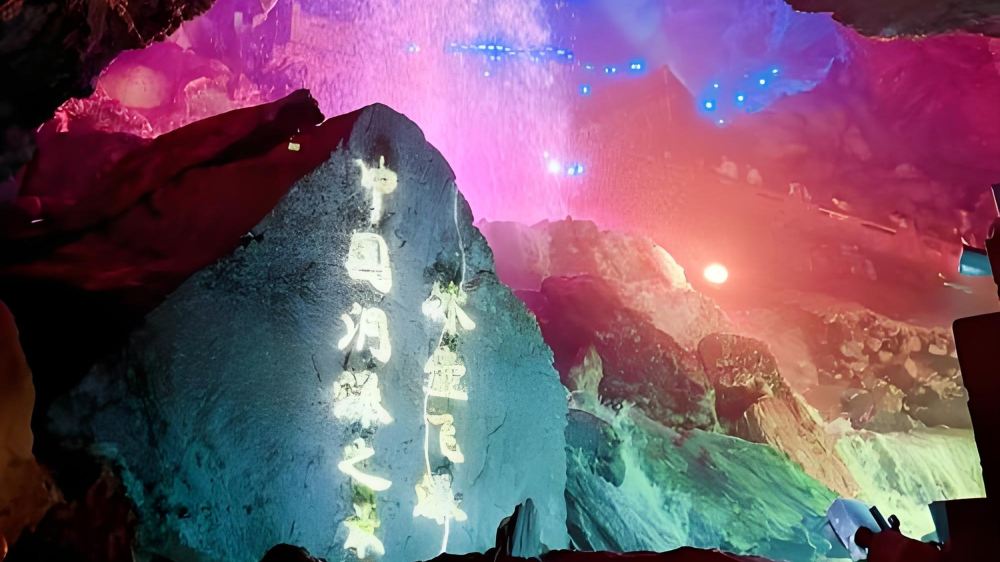
▲ Ice Kettle Cave is a secret realm of light and shadow. Deep blue lighting spreads across the rock walls, and the karst cave is deep and dreamlike, offering an immersive experience of the fantastical romance of an underground cavern.
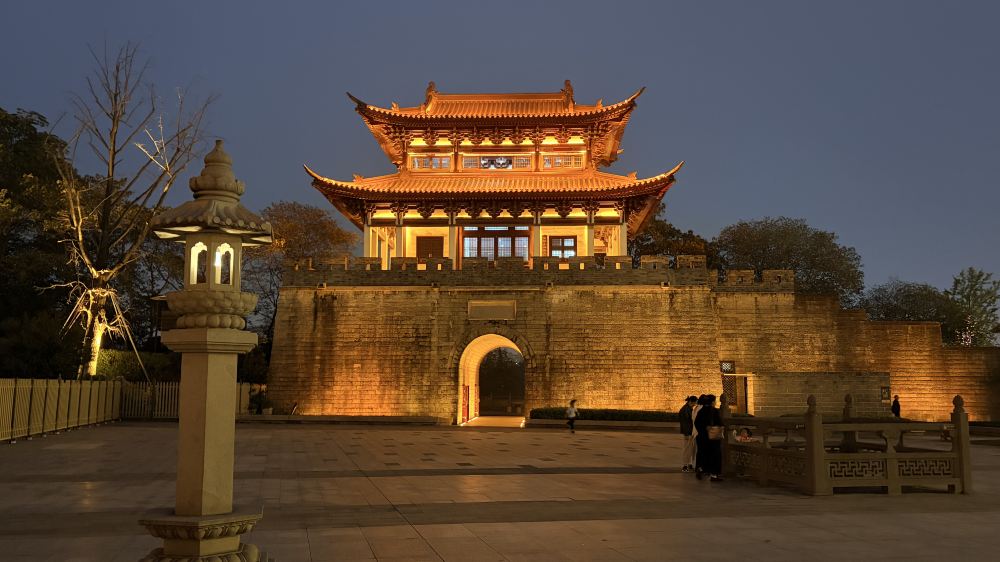
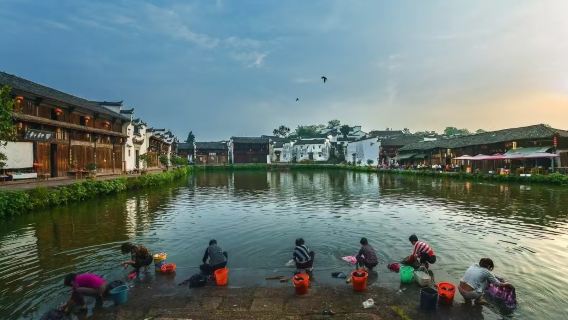
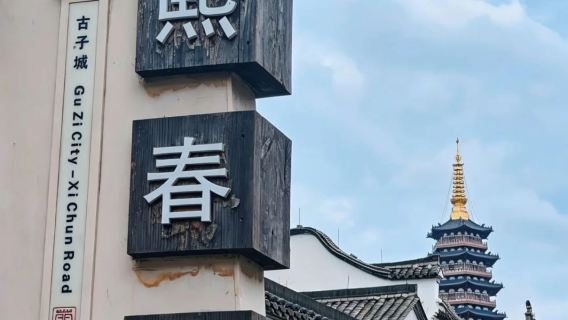
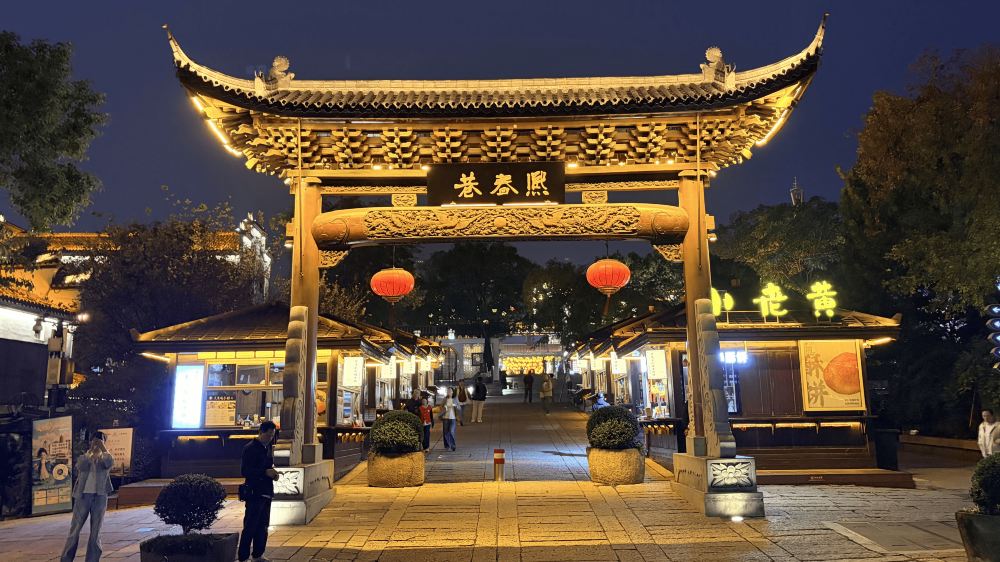
▲ This is Jinhua Ancient City, the core area of Jinhua Ancient City, where the old city walls and ancient buildings are preserved, and numerous historical sites such as Bayong Tower, the Shiwang Mansion, and the Confucian Temple are gathered, making it a great place to experience Jinhua's historical and cultural heritage.
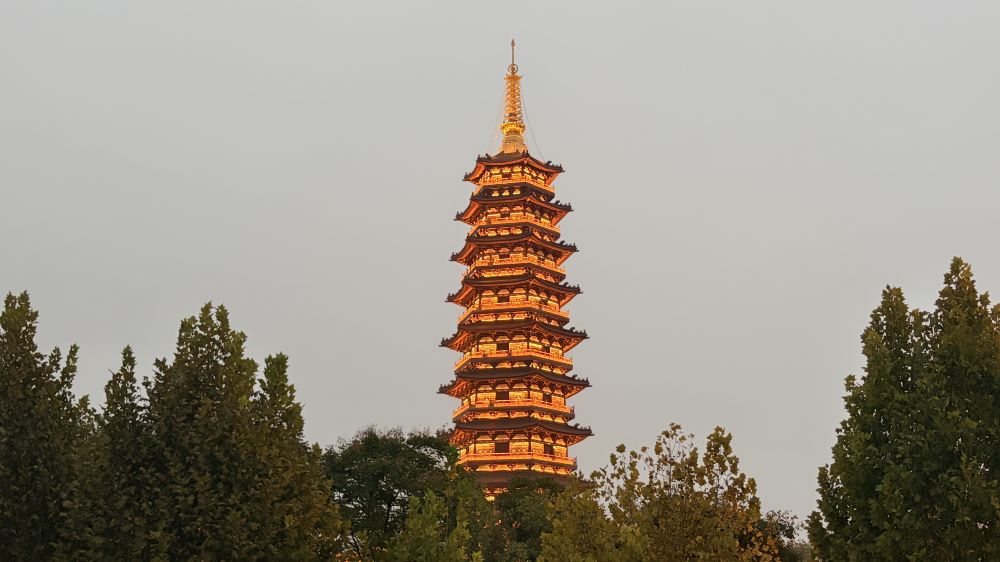
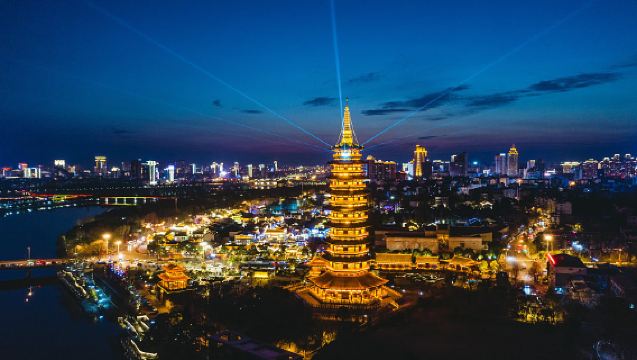
▲ Jinhua Ten Thousand Buddha Pagoda, with lights illuminating layer by layer in the twilight, its flying eaves and tiered towers standing among the trees, is a striking landmark of Jinhua Ancient City, embodying Jinhua's thousand-year Buddhist heritage and cultural lineage.
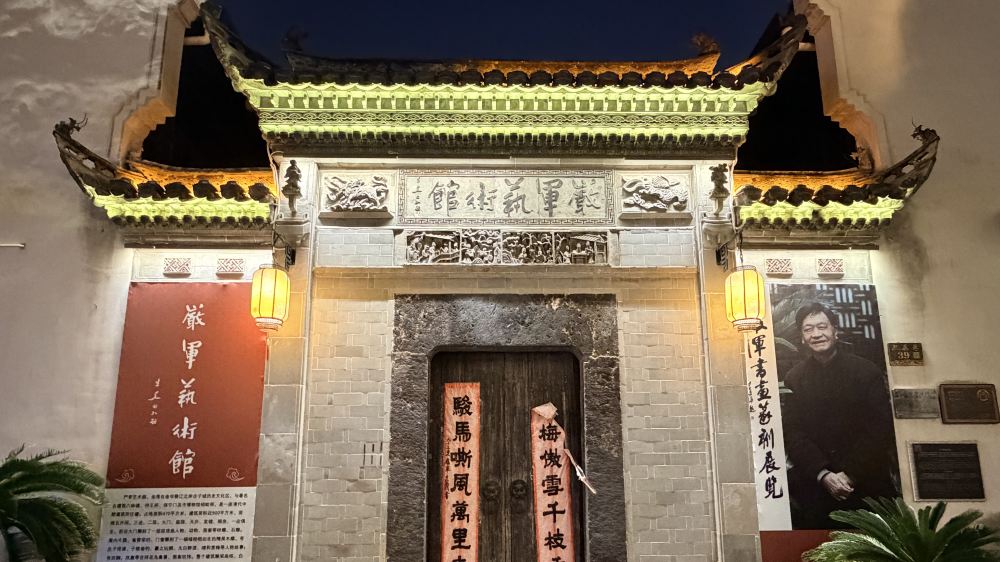
▲ Yanjun Art Museum, hidden in a Huizhou-style old residence in Jinhua Ancient City, features carved grey bricks and gently hanging lanterns, offering an encounter with art and Wuzhou's cultural heritage within historic architecture.
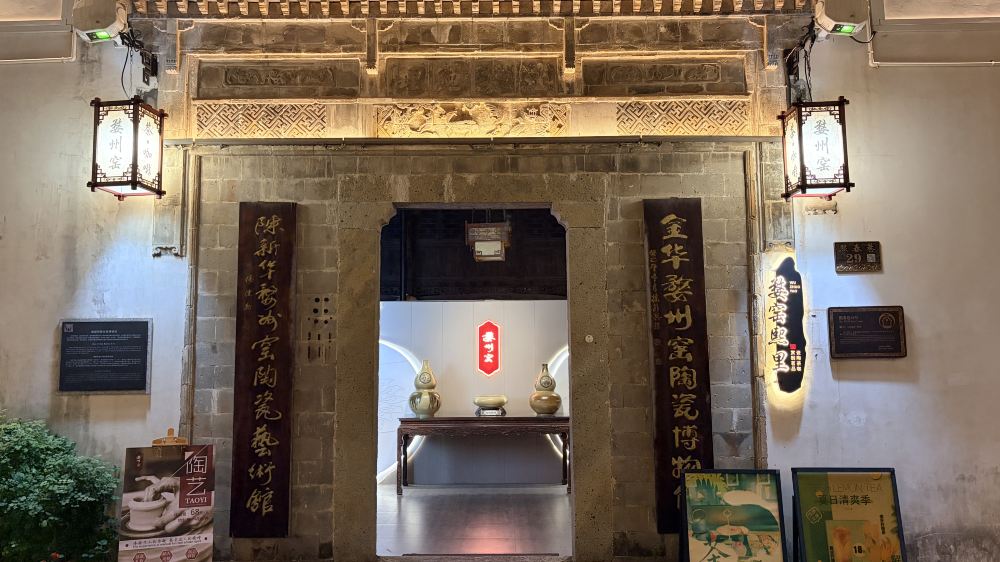
▲ Wuzhou kiln ceramics museum, ancient stone gates paired with couplets, old courtyard houses housing a thousand years of kiln fire—here you can understand the inheritance story of Jinhua's local Wuzhou porcelain.
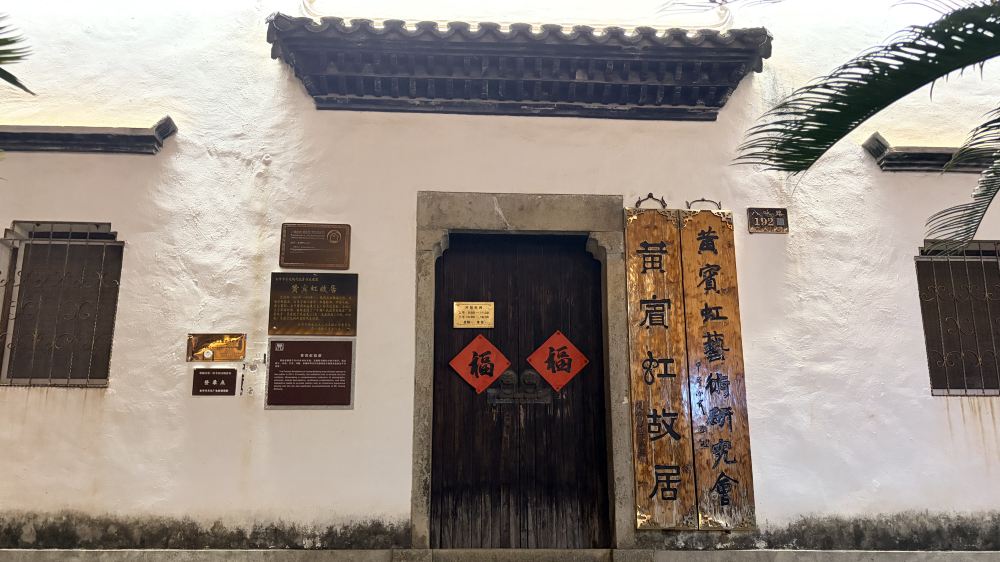
▲ Huangbinhong Former Residence, an ancient-style courtyard with white walls and dark tiles, was the dwelling of the Chinese painting master Huangbinhong in Jinhua, where every brick and tile holds stories of brush and ink.
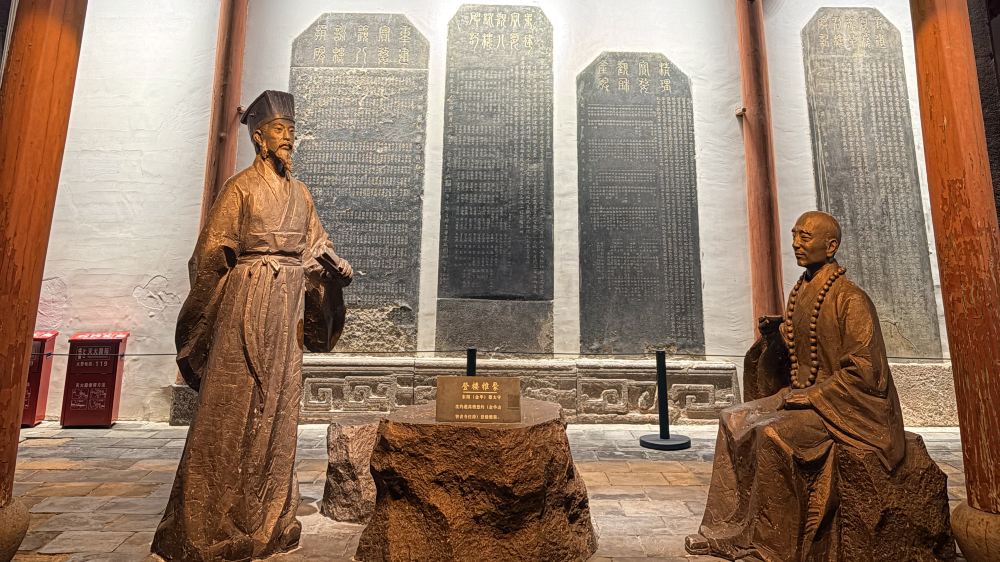
▲ Bayong Tower was first built in the Southern Dynasties and was named after Shen Yue's "Eight Poems." Li Qingzhao also left verses here. The tower houses numerous stone inscriptions, and its statues recreate the scene of ancients discussing poetry. It is a landmark cultural relic of Jinhua.