


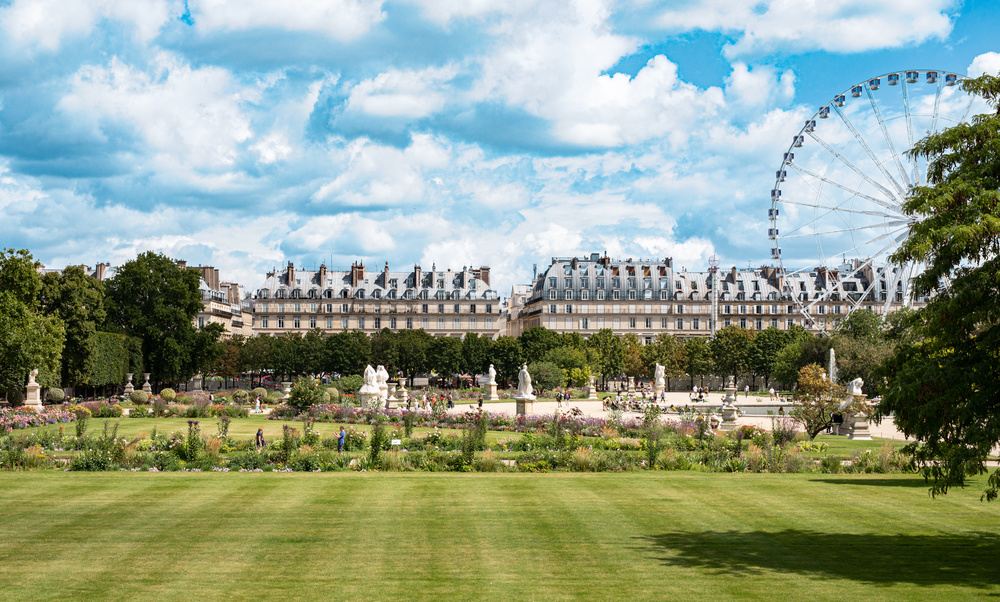
▲ Tuileries Garden Jardin des Tuileries Located between Place de la Concorde and the Louvre, this classic French royal garden in Paris was commissioned by Queen Catherine de' Medici and designed by Le Nôtre. With expansive flat lawns, neatly trimmed flowerbeds, classical white marble sculptures, ponds, and tree-lined walkways, it is a favorite leisure spot for Parisians. The garden also features a Ferris wheel. On sunny days, sit on a green chair in the garden, soak up the sun while gazing toward Place de la Concorde, and enjoy the relaxed atmosphere of classic Paris—an ideal resting point along this walking route.
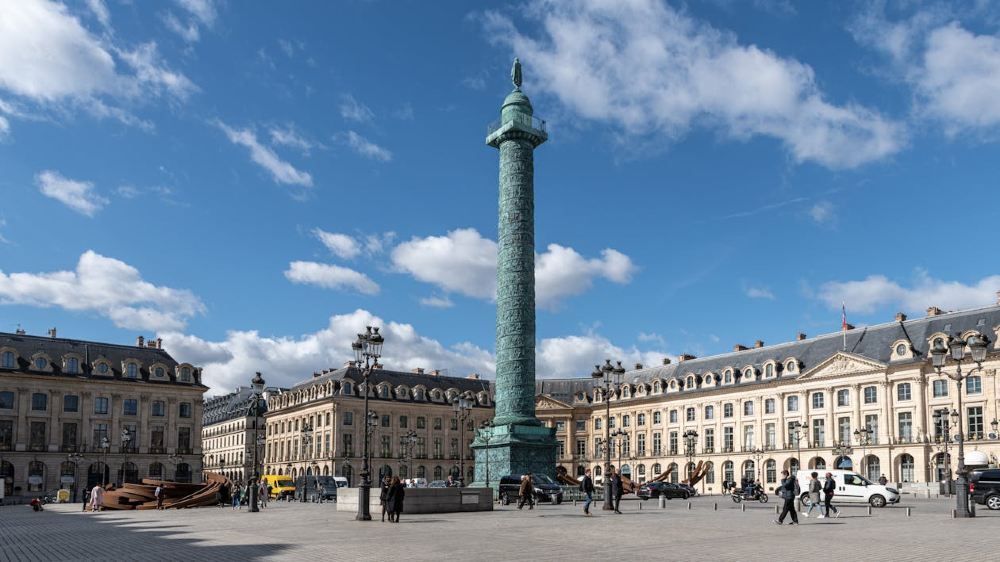
▲ Place Vendôme Place Vendôme Paris's opulent royal square features the towering bronze Vendôme Column at its center, its shaft covered in spiral reliefs commemorating Napoleon's victory at the Battle of Austerlitz. The square is surrounded by stone buildings with uniform classical facades, home to numerous high jewelry and luxury brand boutiques. The Ritz Paris is located here, where Coco Chanel lived in a hotel suite for over thirty years. The square's architecture is symmetrical and elegant, with gray-roofed, beige-walled classical buildings forming a perfect circular space that exudes a refined and serene aristocratic character.
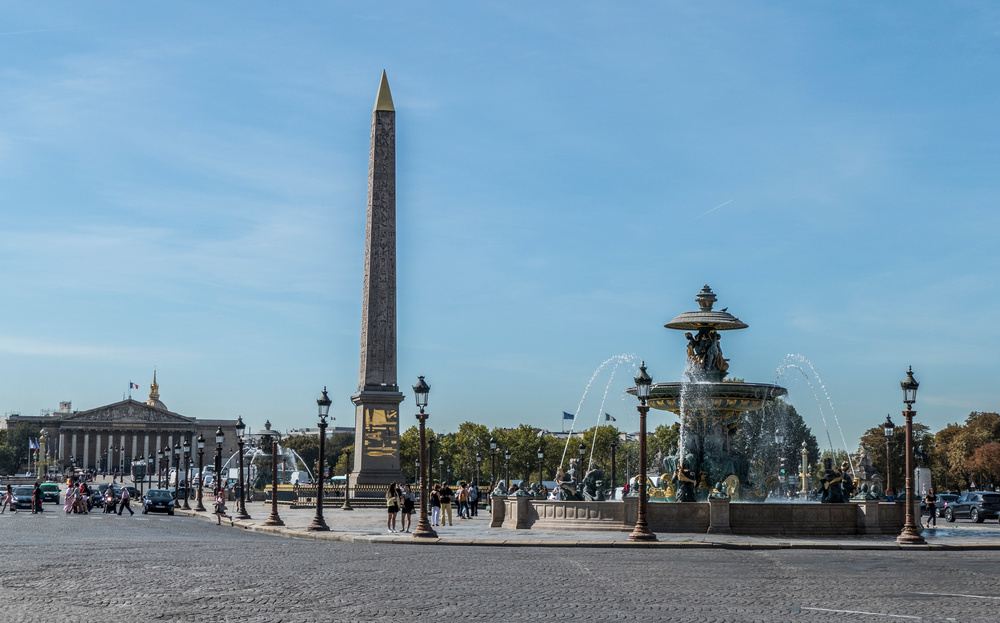
▲ Place de la Concorde Place de la Concorde A large urban square in Paris, located on the north bank of the Seine and the eastern starting point of the Champs-Élysées. At the center of the square stands the Luxor Obelisk from Egypt, with a history of over three thousand years, flanked by two bronze marine fountains. Originally named Place Louis XV, it was renamed "Place de la Révolution" during the French Revolution, where Louis XVI and Queen Marie Antoinette were sent to the guillotine, witnessing the fall of the old monarchy; in 1795 it was renamed Place de la Concorde, symbolizing reconciliation and peace. Standing here, looking east toward the Tuileries Garden and west toward the Champs-Élysées, the view is expansive, making it a core node of Paris's urban axis.
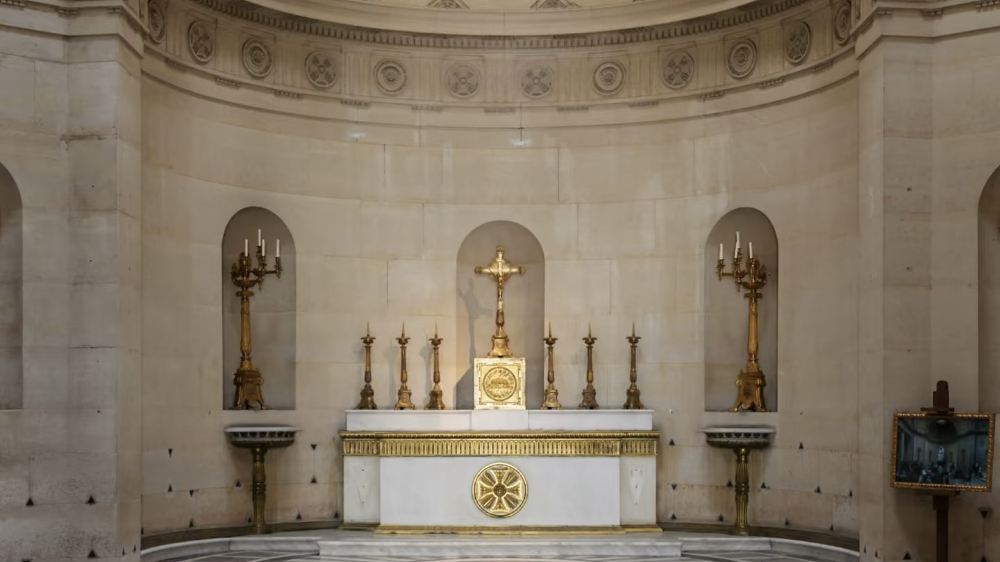
▲ Chapelle Expiatoire (Marie Antoinette memorial site) The historical core of this route — the memorial site of Queen Marie Antoinette. This Neoclassical chapel was commissioned by Louis XVIII and built on the original site of the cemetery where Marie Antoinette and Louis XVI were initially buried after their executions during the Revolution, to commemorate the fallen members of the royal family. The interior of the chapel is simple and solemn, with white marble walls paired with a golden altar and soft, tranquil light. It is a quiet historical memorial space, offering a look back at the tumultuous life of this legendary queen.
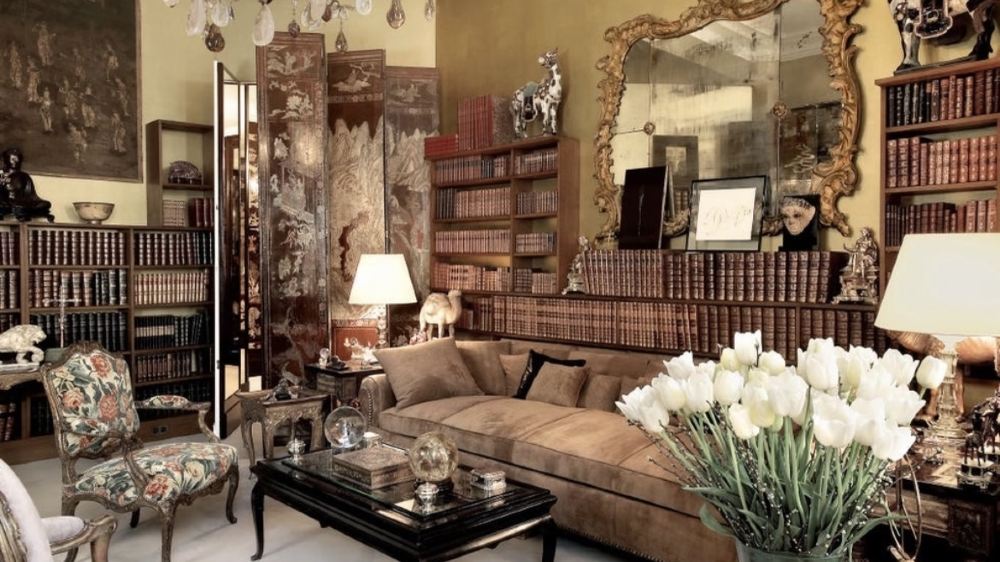
▲ Coco Chanel's apartment on Rue Cambon Appartement de Coco Chanel 31 Rue Cambon, Gabrielle Chanel's private apartment and the spiritual birthplace of the Chanel brand. Located above the haute couture salon and connected by the iconic mirrored staircase. The interior style is highly recognizable: walls lined with antique books, gilded antique mirrors, oriental lacquer screens, and sculptural ornaments, blending Eastern art with European classicism—a striking contrast to the minimalist design style the public associates with Chanel. This is the private space where Chanel received guests and drew creative inspiration; every furnishing carries her aesthetic sensibility and life story, making it well worth a visit for fashion enthusiasts.