


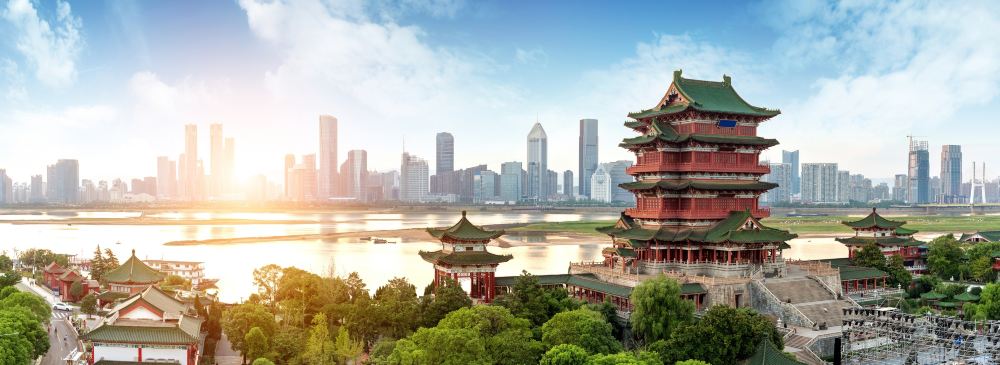
▲ [Tengwang Pavilion tourist area] As the foremost of Jiangnan's three great towers and a 5A attraction, it became world-famous through Wang Bo's "Preface to the Pavilion of Prince Teng" and stands as a landmark symbol of Gan culture. The pavilion features upturned eaves and corners with carved beams and painted rafters, and its architecture is grand and elegant. Each floor inside displays reliefs, murals, and calligraphy and painting exhibits, systematically presenting Jiangxi's historical luminaries and its landscapes and scenery. Ascending to the upper levels, the view opens wide, taking in the vast Gan River and the cityscape at a glance. The attraction also includes classical gardens, with corridors and flowering plants arranged in pleasing disorder and numerous spots for traditional-style photo ops; by day you can enjoy the river view, and with the right weather you may even encounter the sunset—humanistic depth and natural scenery blended together.
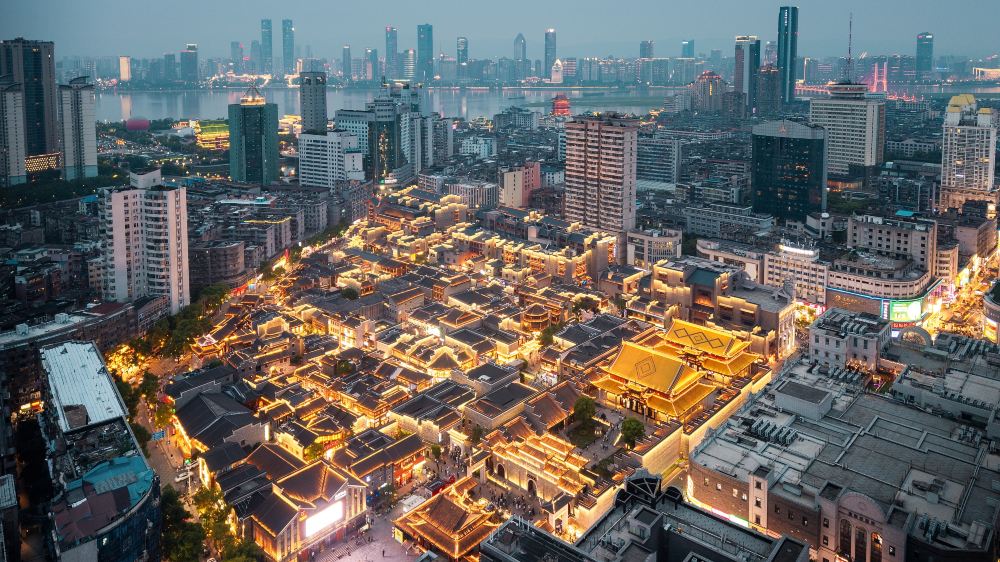
▲ [Wanshougong Historical and Cultural District] A well-preserved old street district in Nanchang showcasing Gan-style architecture, retaining the old city layout of three streets and five lanes, with rows of Gan-style horse-head walls and ancient buildings distributed in a staggered pattern. The core Tiezhu Wanshou Palace carries local Taoist culture, and the ancient stage and temple halls exude a lasting classical charm. The district blends historic sites, cultural creative shops, and local cuisine; the lantern-lit lanes are full of atmosphere, and the dialect wall is full of fun. Visitors can explore the old city's history and feel the century-old market heritage, or freely sample specialties such as mixed rice noodles, clay-pot soup, and white sugar cakes. By day it is quiet and quaint; at night the red lanterns create a fully immersive atmosphere, vividly showcasing the everyday life of Nanchang.