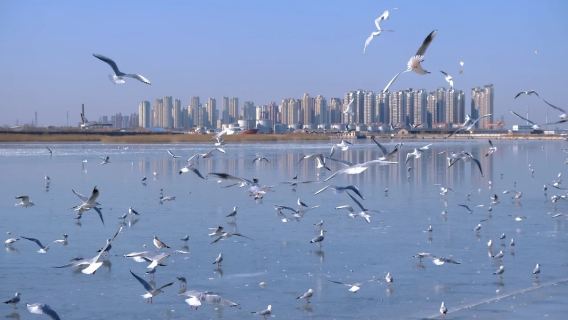
Tianjin
One of China's four direct-controlled municipalities (the others are Beijing, Shanghai, and Chongqing).
The Grand Canal was constructed during the Sui dynasty, and the city became a relay point between sea and river transport, playing a role in transporting food from the grain-producing region of Jiangnan to Beijing, and developed greatly throughout the Ming and Qing dynasties.
In the first year of the Jianwen era of the Ming Dynasty (1399), Yan King Zhu Di (later Emperor Yongle) raised an army in Beijing, crossed the Yellow River here, went south and seized power, and named the city Tianjin, meaning "the port where the emperor crossed."
The Second Opium War (1856-1860) led to the Treaty of Tianjin in 1858 and the Treaty of Beijing in 1860.
The great powers, attracted by Tianjin's proximity to Beijing and its excellent port, urged it to open its port.
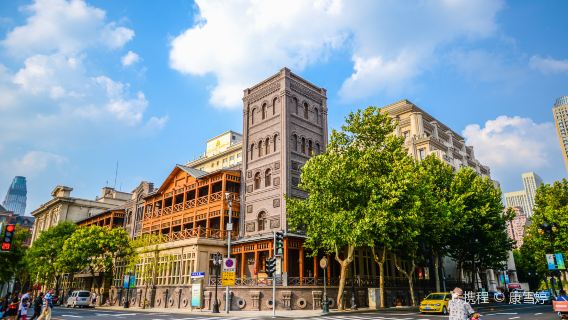
As a result, Tianjin became a colonial city, and the streets of Western-style buildings from that time still remain today.
Five Great Paths
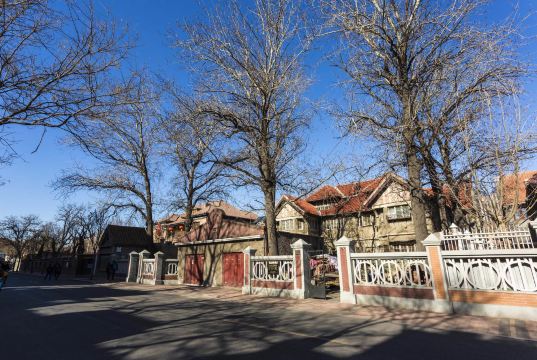
 The Five Great Streets (Five Avenues), which began construction in the 19th century, contain approximately 2,000 garden-style buildings from countries such as the UK, Spain, France, Italy, and Germany.
Among them, about 300 have been the residences of high-ranking government officials, foreign presidents and other famous people, representing the unique characteristics of Tianjin.
Zhang Yuan
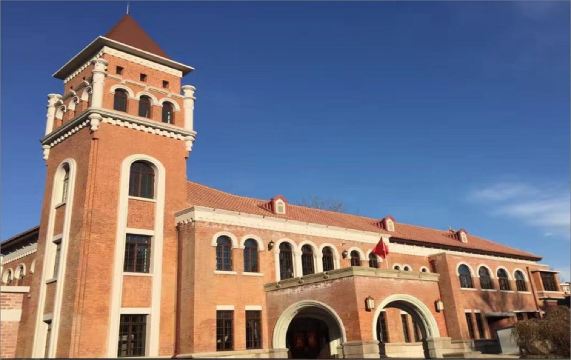
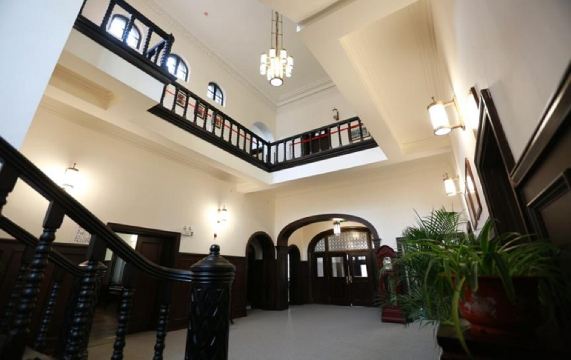
Built in 1915 as the private residence of warlord Zhang Biao, it boasts a land area of 13,300 square meters.
In December 1924, before going to Tokyo, Sun Yat-sen arrived in Tianjin via Japan and stayed at Zhang Garden for over a month, using it as a place to meet with important figures from the Beijing government.
Shortly after that, from February 1925, the Qing Dynasty was overthrown and the last emperor, Puyi, was released from the Forbidden City (Imperial Palace) and lived in Zhangyuan for several years.
The fact that these two great masters stayed in the same private residence has earned Zhang Garden a reputation as an architectural site of historical and cultural value.
Seien
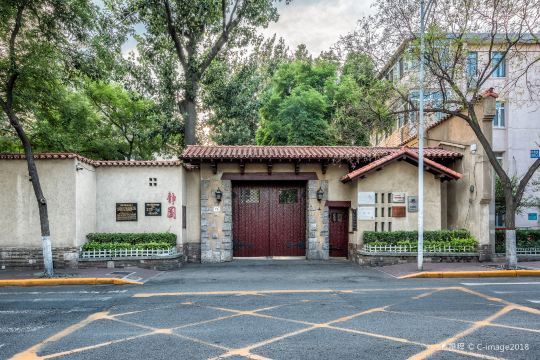
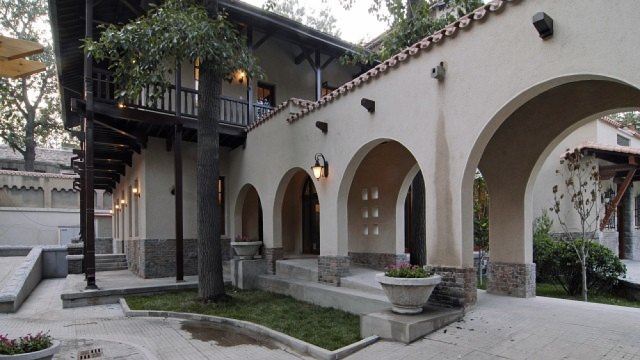
Built in 1921, it is an important cultural property of Tianjin City with a building area of 1,900 m2 and a site area of 3,000 m2.
Between 1929 and 1931, Puyi, the last emperor, moved the garden from Zhang Garden to Jingyuan Garden and renamed it from "Qianyuan" to "Jingyuan Garden."
It is now open to the public as an exhibition center showcasing Puyi's life.
Tengo Shrine & Ancient Cultural Street
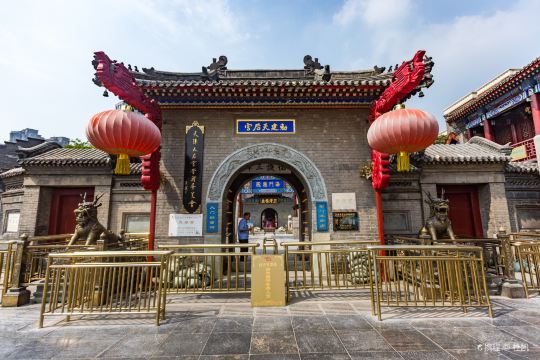
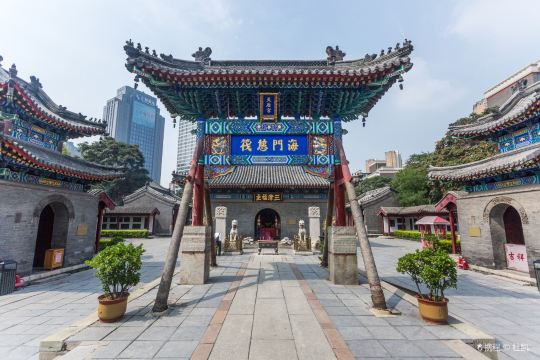
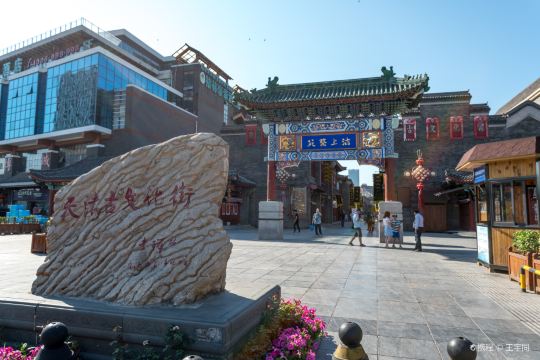
"Tengo" is a legendary goddess who protects safety during voyages.
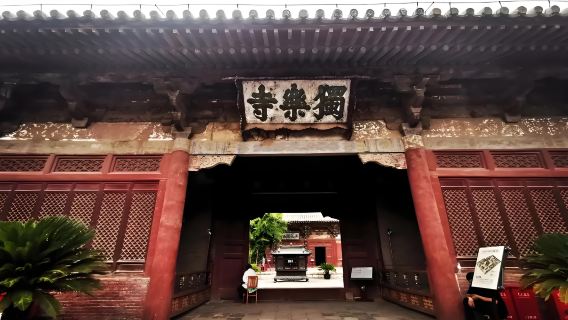
Tianhou Palace is also known as Tianfei Palace or Niangniang Palace.
It was first built in the early Yuan dynasty (1326) and was renovated and expanded during the Ming and Qing dynasties, making it the oldest architectural complex in Tianjin.
The main hall, auxiliary hall, bell tower, drum tower, mountain gate, and flagpole still remain today.
Tengo Shrine was the center of the sea festival and also a place for shipbuilders to gather and have fun. Not only were grand rituals and ceremonies held there, but performances dedicated to the goddess were also always held there.
The road leading to the temple is called "Ancient Culture Street," and is a reproduction of a Qing Dynasty shopping street lined with shops selling distinctive handicrafts.
The road is 500 meters long and has shops specializing in Yangliuqing's New Year's paintings and clay dolls.
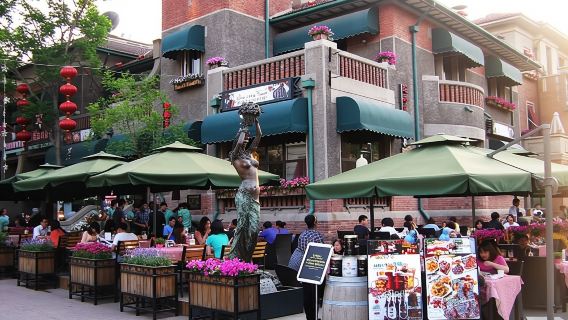
Italian Style Street
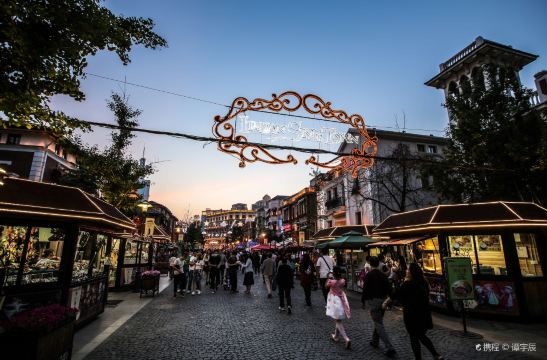
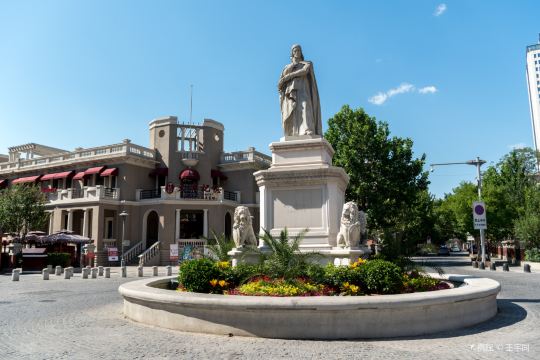
It is located near the Haihe River.
Designed in 1902, it is home to over 200 Italian buildings surrounding Piazza Marco Polo.
At the time, it was a place of work and life for Italians living in Tianjin.