


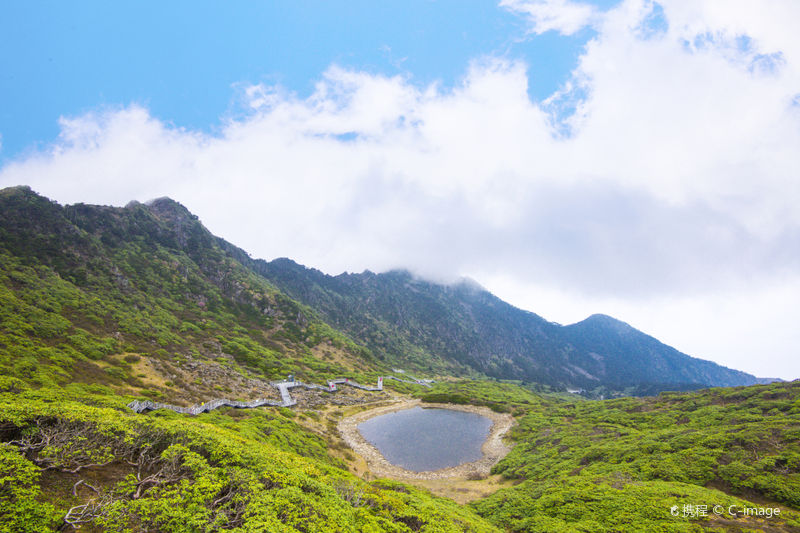
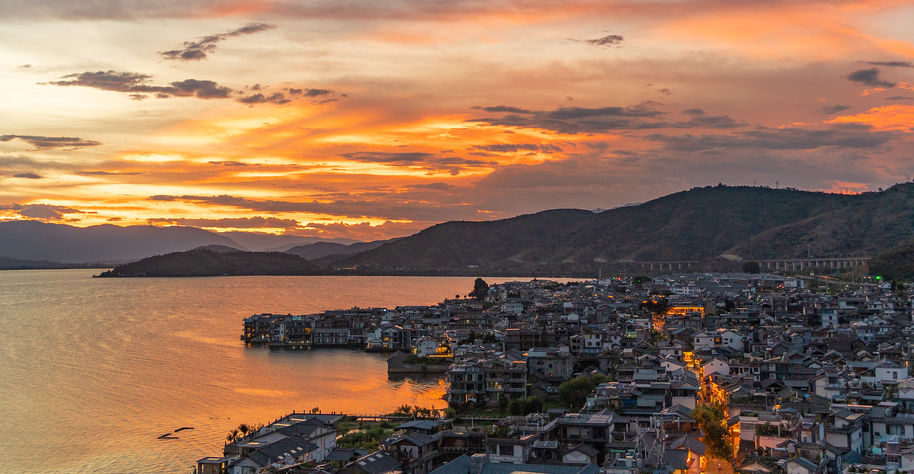

▲ From Dali Ancient City, gazing at Cangshan Mountain in the distance, on a clear day, Cangshan appears as crisp and clear as if it has been washed. The nineteen peaks stretch continuously, with distinct rock folds and gully textures, and the snow-capped summit gleams dazzlingly white under the blue sky. Clouds often lazily entwine around the mountainside, casting slow-moving shadows. In the interplay of light and shadow, the mountain seems to come alive, imbued with the unique clarity of highland sunshine. On cloudy days, Cangshan resembles an impressionistic ink wash painting. Low-hanging clouds merge with the mountain hues, and the formerly distinct peaks become hazy and subtle, leaving only undulating silhouettes of dark ink. When the air is humid, jade-belt clouds float among the mountains, slowly flowing with the peaks. Occasionally, a few drops of rain drift down, making the mountain scenery appear even more profound and serene.

▲ The beauty of Dali Ancient City hides in every unassuming detail. Underfoot lie polished cobblestone paths that glisten warmly after rain, reflecting the shadows of street-side eaves. Flanking the roads are Bai-style houses with blue-tiled roofs and white walls, often adorned with delicate landscape and floral paintings, their gate towers featuring upturned eaves that exude exquisite craftsmanship. Clear streams from Cangshan mountain meander through channels along the streets, their gentle murmurs occasionally brushing against hanging ivy, creating a lively yet refreshing atmosphere. The bustling main street, Fuxing road, hums with life without clamor - stalls selling tie-dye fabrics, silverware, and grilled rushan cheese exude local vitality. Yet stepping into the lower section of Renmin road or the alleys of Huguo road brings instant tranquility: aged houses, cafes, bookstores, and bougainvillea peeking over walls, its magenta petals scattered on stone slabs. At night, lantern lights cast a warm glow on the cobblestones, while faint rhythms of hand drums and folk songs drift through the air.

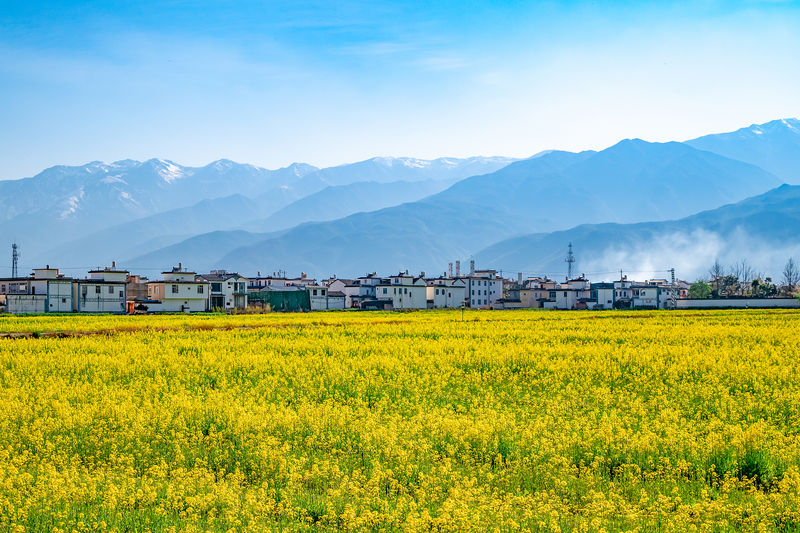
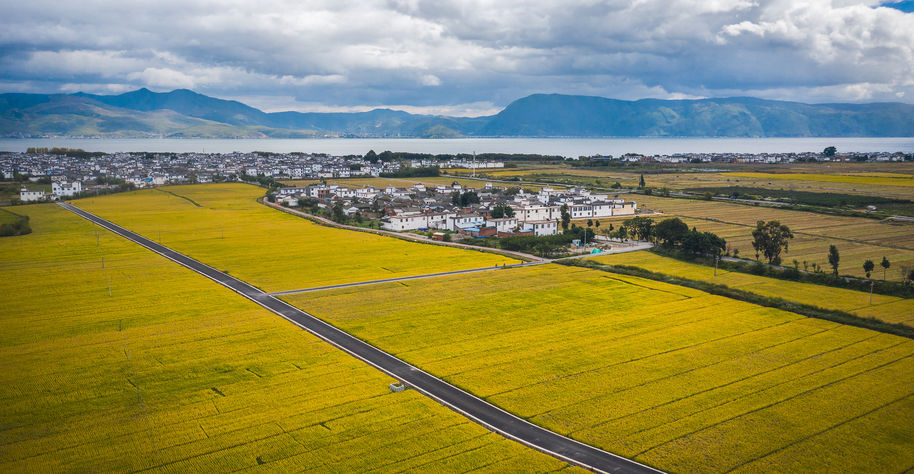
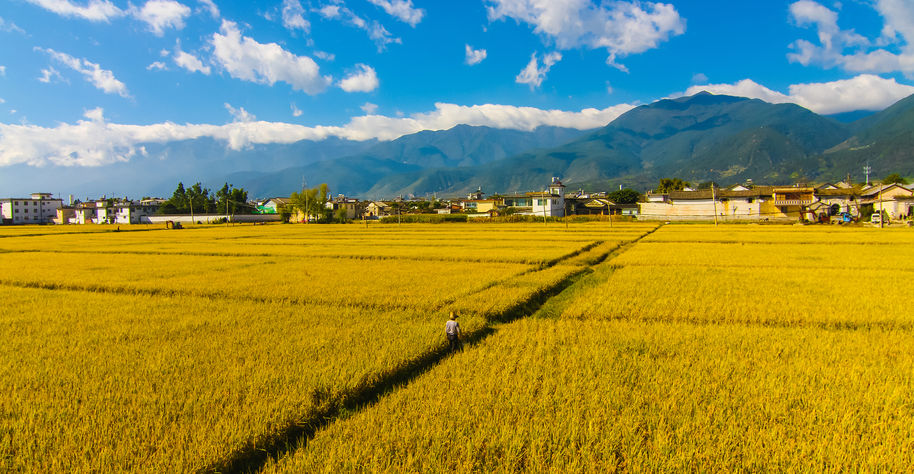
▲ Xizhou's countryside offers a vast yet peaceful everyday scene. Stepping beyond the town entrance, the view suddenly opens up. Flat fields stretch from the foot of Cangshan Mountain all the way to Erhai Lake. There are rice stubble fields in late fall and early winter, vibrant rapeseed blossoms in spring, and drooping heavy rice ears in fall - when the wind blows, golden waves ripple across the fields carrying the pure fragrance of rice. Scattered across the fields are several large evergreen trees where seniors often chat in the shade. No noise here, just the sound of wind, birdsong, and babbling irrigation channels. Xizhou's pastoral beauty feels wholesome and grounding, making you inhale deeply, wanting to keep this expansiveness forever in your heart.

▲ The architecture of Xizhou ancient town is a three-dimensional history book written by Bai ethnic craftsmen, frozen between the Cangshan Mountain and Erhai Lake. It preserves the most extensive and well-preserved collection of Bai ethnic residential buildings, earning the title "museum of Bai ethnic architecture." The ingenious layout and decorations even led Mr. Lao She to praise it as a "miracle." The classic layout features three wings with one screen wall, while the advanced layout consists of four wings with five courtyards. The traditional orientation—backed by Cangshan Mountain, facing Erhai Lake, and sitting west to east—reflects cultural heritage. The designs of "six harmonies in spring" and the corner tower with a horse-riding corridor showcase exceptional craftsmanship.

▲ Zhoucheng is renowned as the "hometown of Bai tie-dye art." This craft, dating back to the late Ming dynasty, thrives in Zhoucheng where "every household has dye vats and produces tie-dye." It was listed in the first batch of national intangible cultural heritage in 2006. Though this traditional craft once faced the risk of being lost, it has since embraced innovation, evolving from daily life to an industry. At its peak, the entire village engaged in tie-dye production, and today over 200 households continue the practice, forming a thriving industry.

▲ The artistic charm of Zhoucheng tie-dye lies in: Color philosophy: Primarily using blue and white hues, the blue is extracted from isatis root grown on Cangshan Mountain, producing a jade-tinted indigo that appears dignified and elegant. Pattern essence: Drawing from diverse inspirations - from lively butterflies, bees, and fish to Cangshan's colorful clouds and Erhai's waves, with traditional motifs including cloud, water, and butterfly patterns. Craftsmanship core: The key lies in tie-resist techniques where artisans employ pinching, folding, rolling, and squeezing methods, controlling stitch width, tension, and density to create infinite pattern variations. Dyeing aesthetics: Through repeated immersions in dye vats, the untied sections remain white while the rest turns deep blue, forming enchanting white patterns against blue backgrounds.

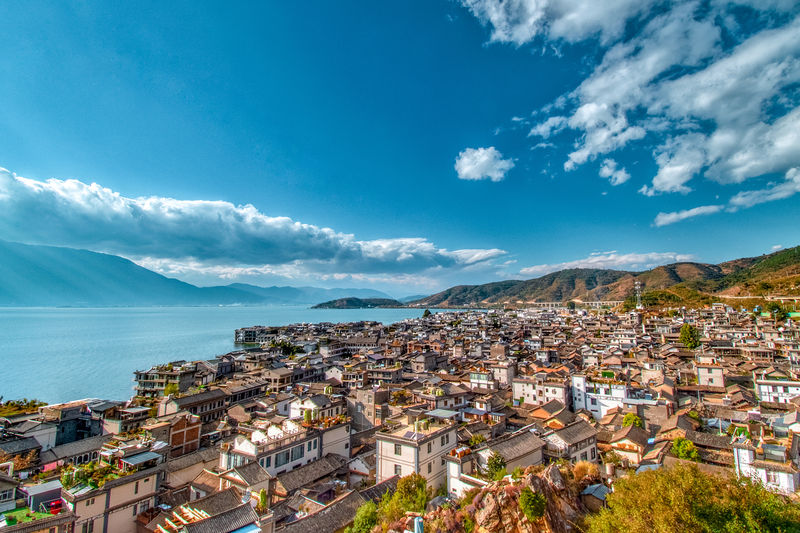
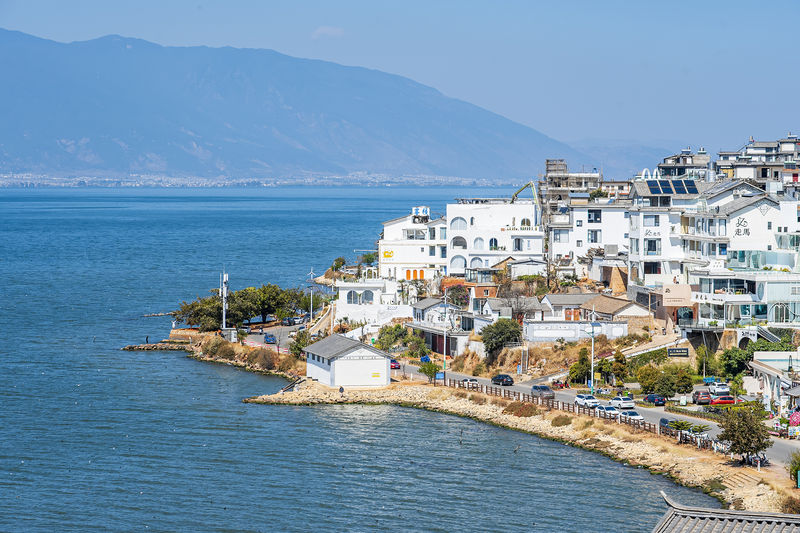
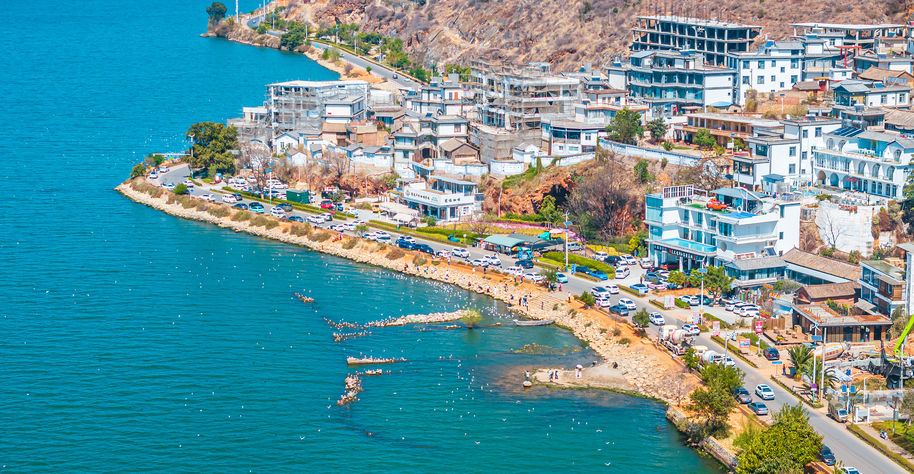
▲ Shuanglang ancient town boasts unparalleled natural views and is renowned as "the premier town of Cang'er scenery". Its charm largely stems from its unique proximity to the sea, representing the essence of Cang'er's landscape where visitors can truly experience close encounters with Cangshan Mountain and Erhai Lake. The main street stretches nearly 3 km long, branching out into dozens of alleys on both sides, forming a distinctive fishbone layout.

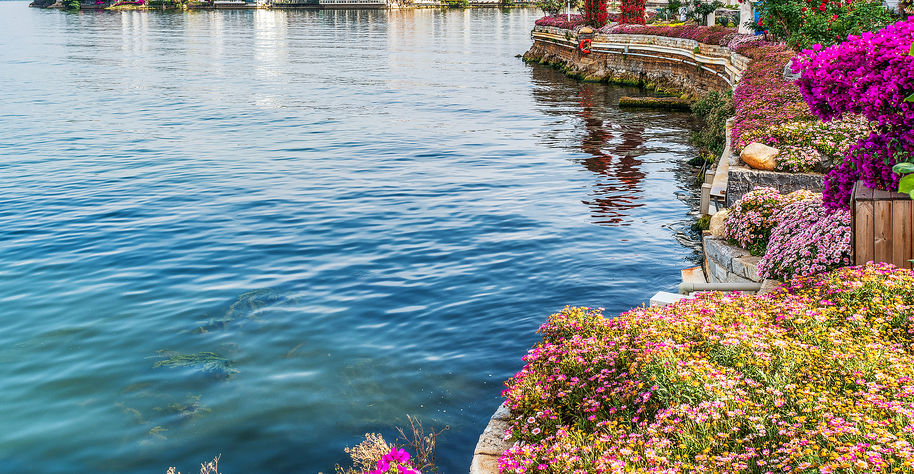
▲ Nanzhao style island is the largest among the three islands of Erhai lake and the essence of the "Cang'er scenery," renowned for its concentrated cultural views. It is often praised as "the beauty of Dali lies in Cang'er, and the beauty of Cang'er lies in Shuanglang ancient town." Once the summer palace of the Nanzhao kingdom's king, it now stands as a "cultural museum" that encapsulates a thousand years of history and Bai ethnic customs. Stroll along the pathways to experience its three core areas. Visit the summer palace of the Nanzhao king, the Nanzhao palace, which combines the architectural features of Tang dynasty roofs, Tibetan walls and windows, and Bai folk residences, exuding grandeur. At the Shayi mother sculpture square, immerse yourself in the Bai creation myth, and explore the unique "benzhu" belief (the local guardian deity) at the Benzhu culture and art square. The island also boasts vast Taihu stone formations, a masterpiece of nature, with towering bizarre rocks perfect for photography.