




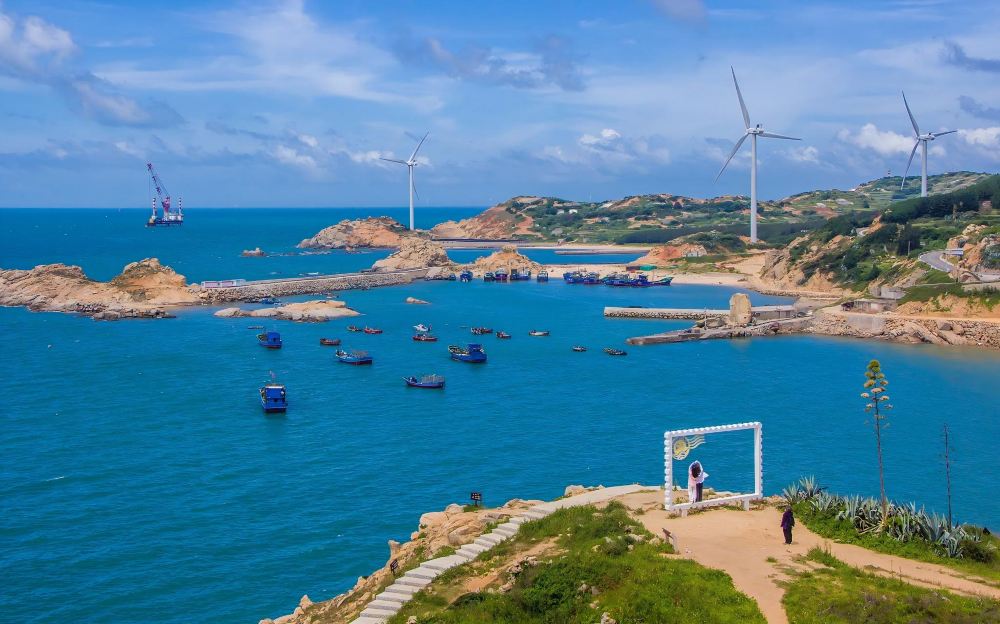
▲ [Pingtan Island], also known as Haitan Island, is located in eastern Fujian Province and is the closest point from the Chinese mainland to Taiwan Island. Dubbed "the world's premier sea-eroded landform," it boasts a 408-km coastline that combines unique marine erosion topography, profound cross-strait cultural heritage, and captivating island scenery.
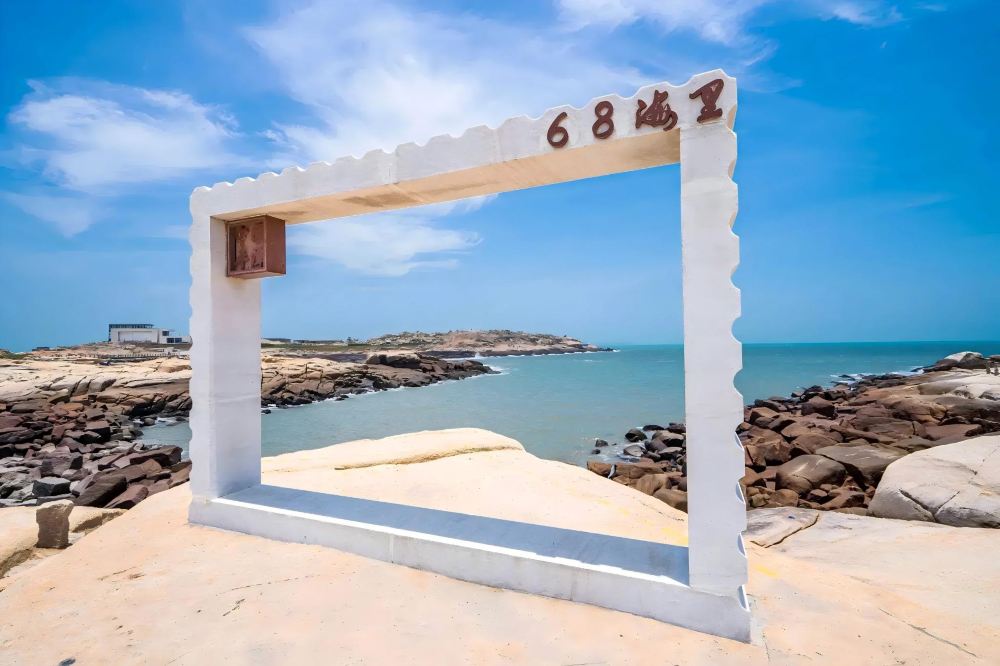
▲ [68 Nautical Miles Scenic Spot] is a national 4A-level tourist attraction. Its name comes from the 68-nautical-mile (approx. 126 km) distance between the main Monkey Research Island and Taiwan's Nanliao Fishing Port in Hsinchu. Three major islands: The attraction consists of three islands, Houyan Island, Yanhou Island, and Xianshan Island, as well as Dongsha'ao Beach. Theme view: The attraction features six themed view areas, including "Ink stone pillars" and "Strait eye," based on marine erosion landforms. Cultural check-in spot: Many art installations incorporating cross-strait elements have been designed here, such as the "cross-strait unity window," which resembles a stamp and expresses nostalgia, and the profound "longing for return stone." In-depth experience: The attraction also features leisure venues such as the black reef music hall and geometric camp, along with specialty shops offering Taiwanese products.
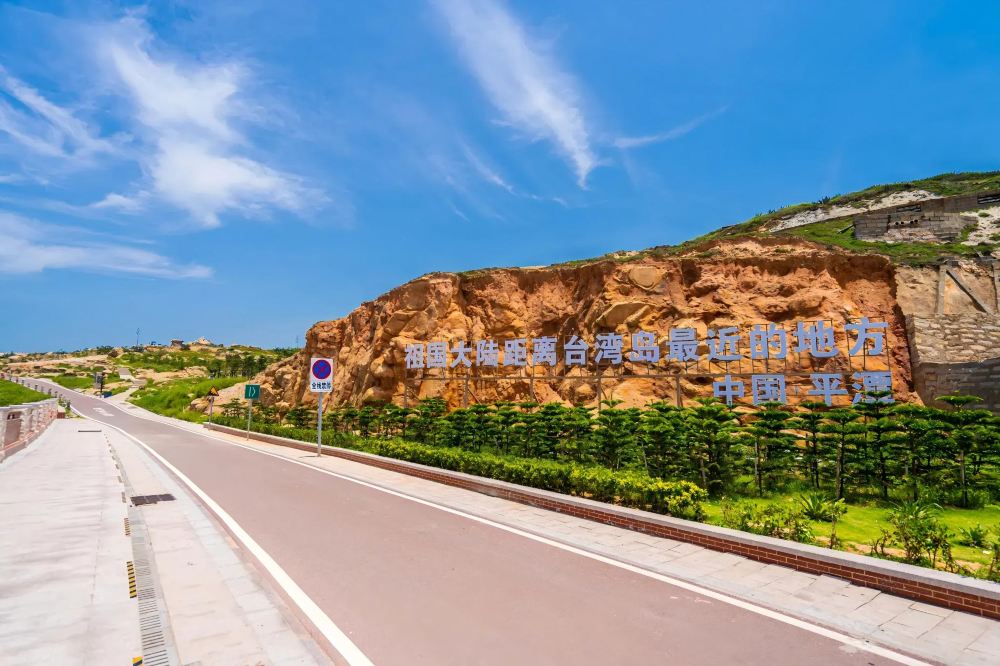
▲ [Monkey Research Island] is the main island of the 68 nautical miles attraction Landmark stone tablet: The island has a stone tablet that is 3 m high and 5 m wide, inscribed with the words "Mainland China - Taiwan Island, 68 nautical miles, Pingtan, China". Unique landform: This is a classic example of Pingtan Island's "rocks without grass", featuring jagged stones across the island—an ideal spot to observe sea-eroded landscapes.
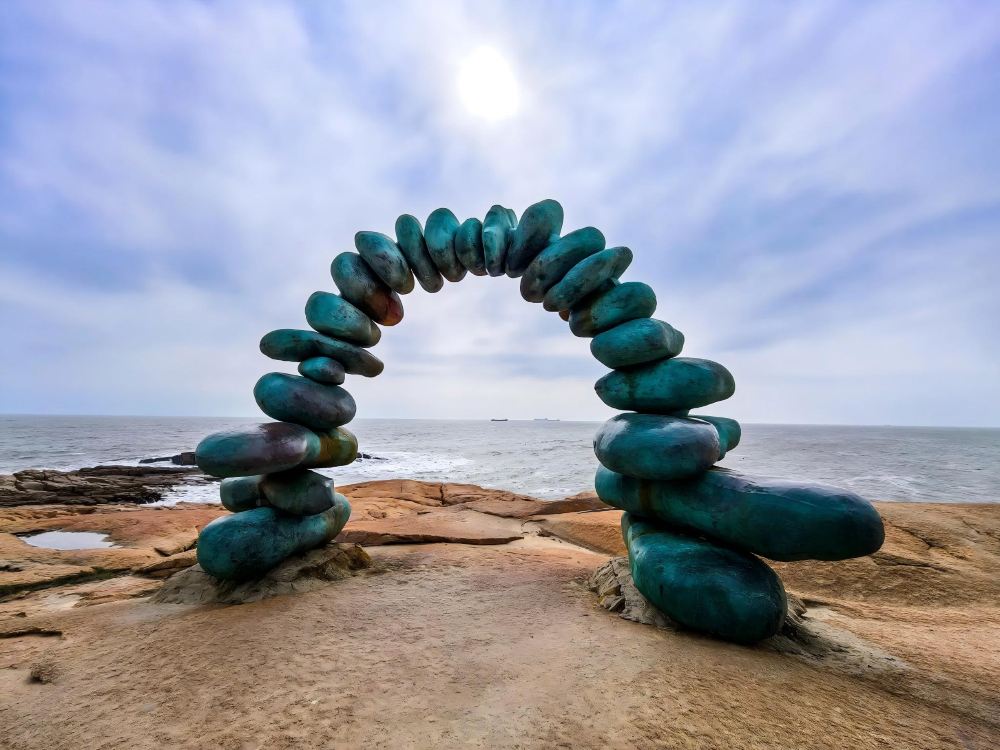
▲ Yanhou island is part of the 68 nautical miles attraction, known for its typical "sea erosion landform". Geological wonder: The island's bizarre rocks were formed through millions of years of natural weathering and erosion. Main view: Here you can find check-in spots like the scallop square, sea stack, and tiger leaping stone, along with a newly built circular island walking trail.
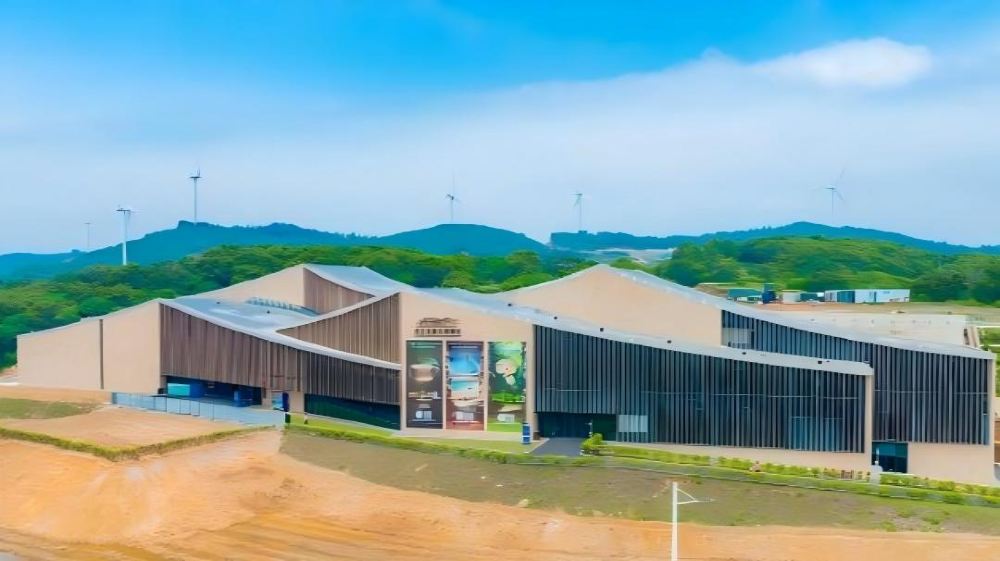
▲ The Keqiutou ruins museum is a comprehensive museum integrating archaeology, collection, research, and education. Cultural roots: The Keqiutou site cluster, which the museum is built upon, is a key area for studying the origins of the Austronesian peoples and was selected as one of the "Top 10 archaeological discoveries of 2023 in China". Three major exhibition halls: The exhibition is divided into three halls with the themes of "Origin," "Flow," and "Splendor," featuring "Pingtan prehistoric culture," "Austronesian navigation techniques and culture," and "Austronesian art." Modern exhibition: The museum employs extensive modern technology, featuring interactive experience zones that vividly recreate the living scenes of ancient people
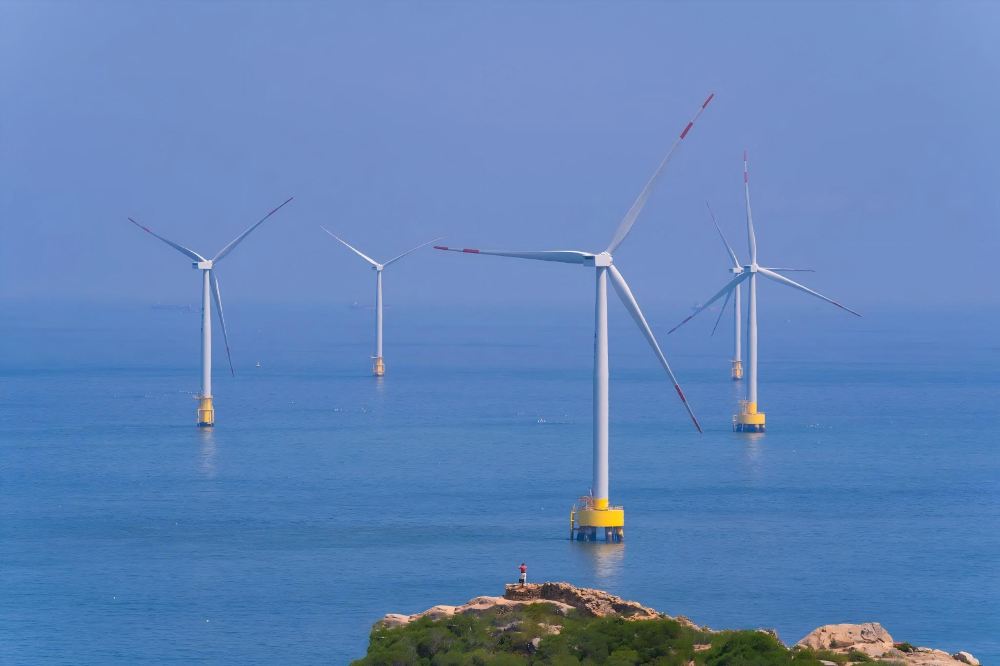
▲ The Beibu Gulf ecological corridor is a coastal view belt integrating tourism, sightseeing and leisure in the north of Pingtan Island. Stunning ocean view: The corridor spans 33 km, with multiple viewing platforms along the main route. Among them, the F5 platform offers an open vista where you can admire the spectacular sight of wind turbines standing tall over the sea. Viral check-in: "Fairy tale town S-curve" is a popular photo spot that perfectly blends multiple elements. Fishing village charm: The corridor connects numerous fishing villages nestled between mountains and sea, where you can experience the rich customs of fishing life.