
Top picks for Hunyuan Tours
Discover 10 Tours in Hunyuan on Trip.com, updated February 12, 2026, with experiences lasting from 1 to 14 hours. Find the perfect adventure for your day!
From EUR 20.79 per person, with an average total of EUR 121.01. Choose the option that suits your plan.
With 63 verified reviews, Tours Hunyuan boast an average rating of 4.9.
This week's most popular Tours: "Yungang Grottoes, Hanging Temple, and Yingxian Wooden Pagoda (Special Summer private charter)", with 23 reviews and a 5 rating.
Now on Trip.com: "One-day private car tour in Datong, choose any two attractions", a 8-hour adventure in Hunyuan!
The next available day tour departs on February 13, 2026. Book now to secure your spot!
Hunyuan Tours usually take about 8 hours — perfect for a relaxed, immersive experience!
95% of Hunyuan Tours now offer English-speaking guides
February is the perfect time to visit Hunyuan! Choose from Tours available day tours, including seasonal favorites like Yungang Grottoes, Hanging Temple, and Yingxian Wooden Pagoda (Special Summer private charter).
Your trip, worry-free! All day tours are run by licensed suppliers with verified reviews, and many include free cancellation before departure.
10 results for Hunyuan Tours
 [Private Customization] Exclusive chartered car service for a private and comfortable journey, with flexible schedule control to avoid crowds and waitFree cancellationInstant confirmationDuration: 8 hrs5.0/5Excellent· 4 reviewsFrom€52.67
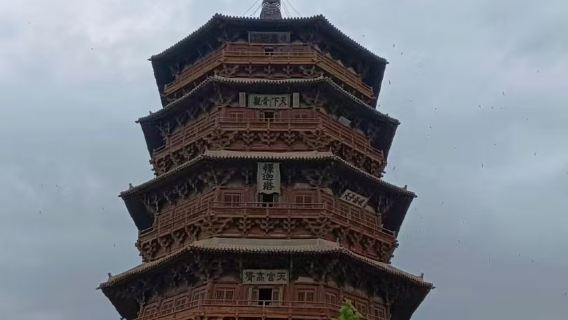 Free pick-up/drop-off service in Datong city areaInstant confirmationDuration: 10.3 hrs5.0/5Excellent· 3 reviews· 26 bookedFrom€20.79
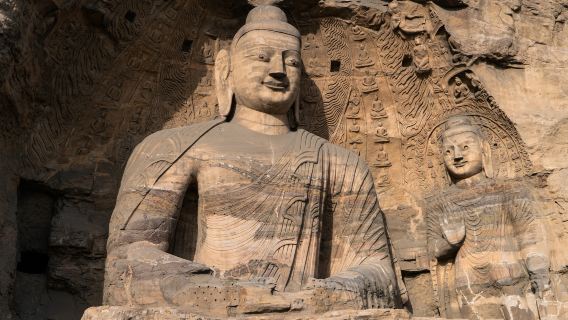 Check off the two key cultural highlights of Datong Yungang Grottoes and Hengshan Hanging TempleInstant confirmationDuration: 5.5 hrs4.6/5Satisfied· 8 reviews· 60 bookedFrom€54.75
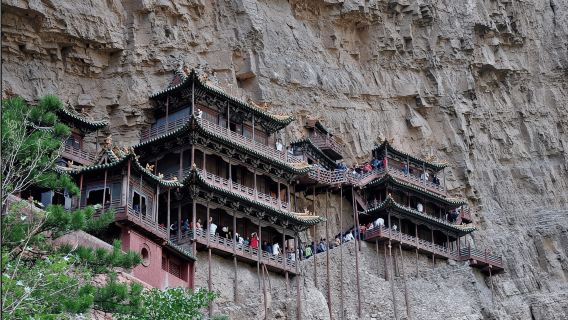 Choose between cost-effective transportation service or upgrade to guided tourFree cancellationDuration: 2–8 hrs4.5/5Satisfied· 4 reviews5% offLimited-time saleFrom€23.92€25.18
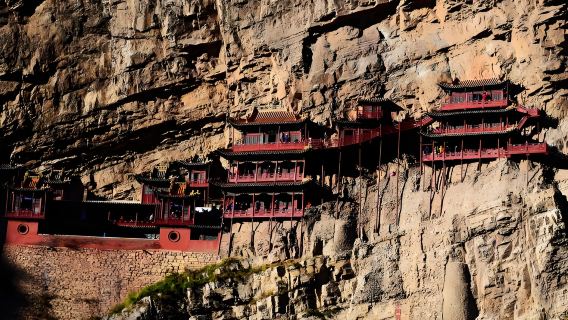 Visit three major Shanxi landmarks: the Hanging Temple, Mount Heng, and the Yingxian Wooden Pagoda in one day, and enjoy the stunning blend of nature and humanity.Instant confirmationDuration: 4 hrs5.0/5Excellent· 3 reviewsFrom€48.65
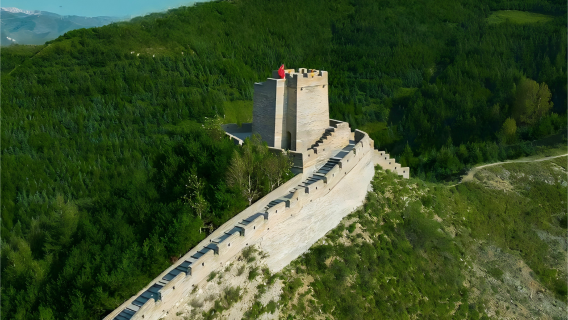 [Private Customization] Exclusive chartered car service for a private and comfortable journey, with flexible schedule control to avoid crowds and waitFree cancellationInstant confirmationDuration: 9 hrs5.0/5Excellent· 1 reviewFrom€97.02
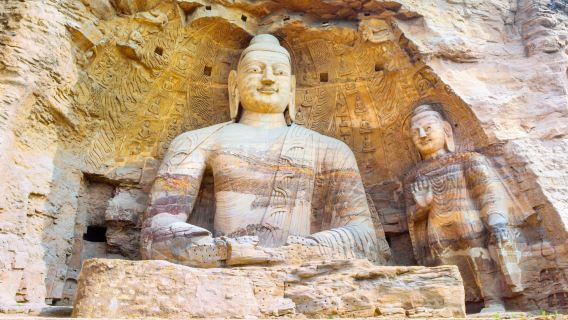 Experience both World Heritage sites in one day: the ancient architectural marvel of Yingxian Wooden Pagoda and the artistic treasure of Yungang Grottoes.Free cancellationInstant confirmationDuration: 4 hrs5.0/5Excellent· 1 reviewFrom€54.89
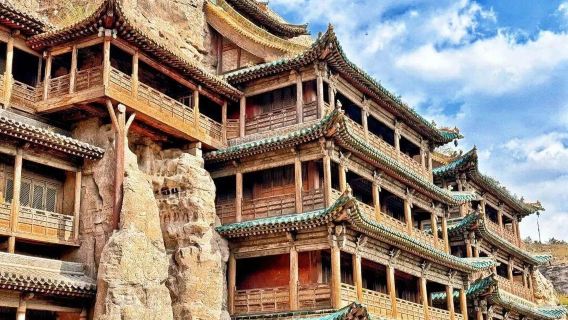 Dual Wonders Tour: Marvel at Yungang's Buddha carvings and the daring architecture of Hanging TempleFree cancellationInstant confirmationDuration: 6 hrsFrom€109.49
 Effortless Travel 2-hour high-speed train from Beijing , VIP assistance for tickets Scenic northern China views en routeFree cancellationInstant confirmationDuration: 12.5 hrsFrom€217.29
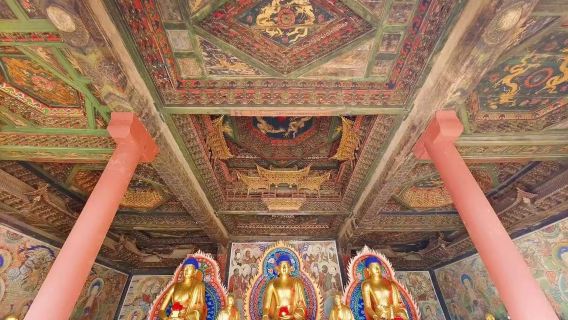 Unearth the forgotten bell tower of Yuanjue Temple, then sneak a peek into Yong'an Temple's concealed chambers.Instant confirmationDuration: 5 hrs5.0/5Excellent· 1 reviewFrom€53.22
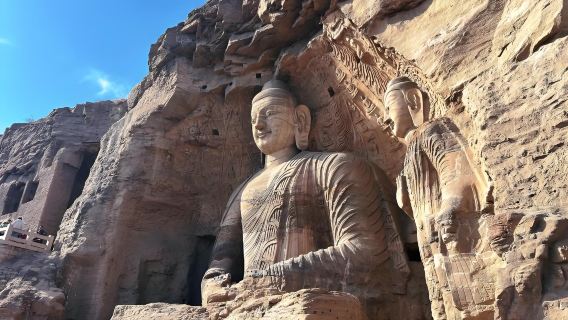 Ancient Grotto Art Feast: Admire millennia-old Buddha carvings and immerse in Northern Wei's artistic treasuresFree cancellationInstant confirmationDuration: 2 hrsFrom€92.86
 Private charter with door-to-door pickup and drop-off service in Datong cityFree cancellationInstant confirmationDuration: 10.6 hrsFrom€20.79
 The itinerary is well-paced, with sufficient time available for exploration and photography at each destination.Free cancellationInstant confirmationDuration: 6 hrsFrom€120.75
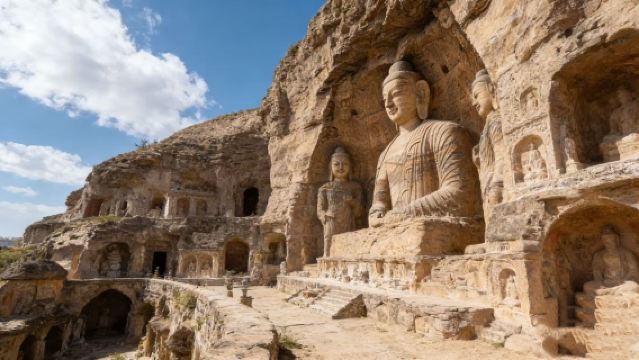 Cliffside wonder: 1,500-year-old Hanging Temple (Buddhism/Taoism/Confucianism blend)Free cancellationInstant confirmationDuration: 8.5 hrsFrom€84.55
 [Private Customization] Exclusive chartered car service for a private and comfortable journey, with flexible schedule control to avoid crowds and waitFree cancellationInstant confirmationDuration: 6.5 hrsFrom€90.09
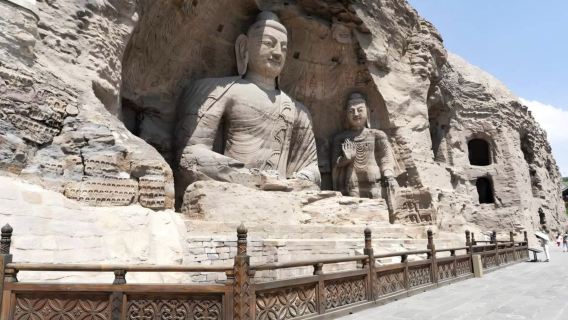 Includes admission ticket + professional tour guide service with an experienced driver familiar with road conditions, ensuring smooth round-trip transfers between attractions for a hassle-free journey.Free cancellationDuration: 5.5 hrsFrom€554.37
![Xuankong Temple + Ying County Wooden Pagoda Private Charter 1-Day Tour [2-Person Small Group]|High-speed railway station pickup & drop-off available](https://ak-d.tripcdn.com/images//0581j12000ne8yzqg9E18_C_568_320.jpg?_fr=wc) Private tour for 2 with pickup service in Datong cityFree cancellationInstant confirmationDuration: 6.4 hrs5.0/5Excellent· 1 reviewFrom€20.79
Private tour for 2 with pickup service in Datong cityFree cancellationInstant confirmationDuration: 6.4 hrs5.0/5Excellent· 1 reviewFrom€20.79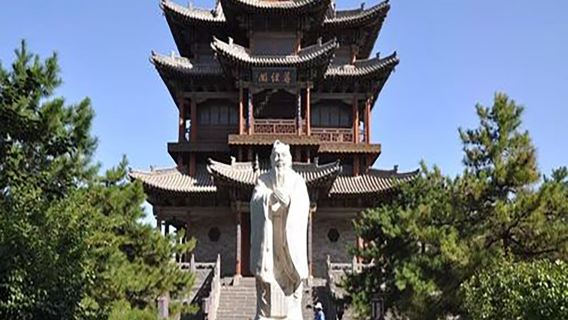 Door-to-door pickup in Datong city, with high-speed railway station pickup & drop-off available on travel dayFree cancellationInstant confirmationDuration: 10.7 hrsFrom€22.18
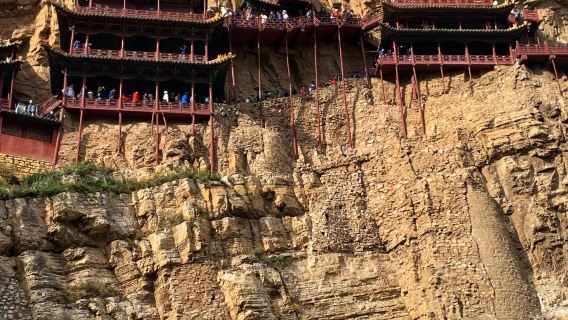 designed to maximize your time and provide deep cultural and historical context to two of China's most breathtaking UNESCO World Heritage Sites.Free cancellationDuration: 6 hrsFrom€485.07
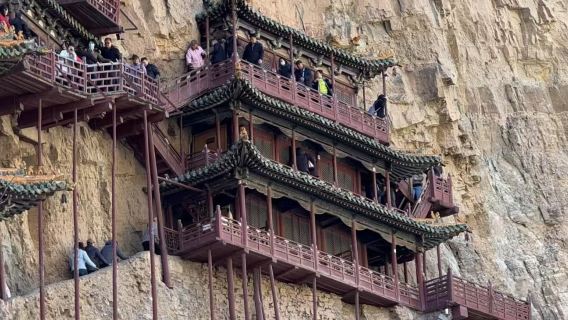 A English-Speaking DriverFree cancellationDuration: 14 hrsFrom€420.56
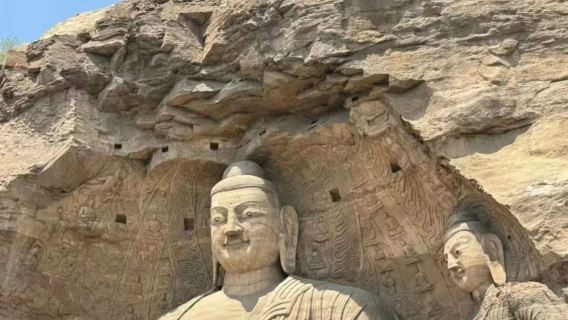 Duration: 10.3 hrs5.0/5Excellent· 23 reviews· 43 bookedFrom€94.17
![※ [Datong 1-day tour combo] Hengshan Mountain + Xuankong Temple + Wooden Pagoda [Exclusive private charter※door-to-door transfer]](https://ak-d.tripcdn.com/images//0583n12000n3s4dz9B219_C_568_320.jpg?_fr=wc) Duration: 8 hrs5.0/5Excellent· 1 reviewFrom€47.47
Duration: 8 hrs5.0/5Excellent· 1 reviewFrom€47.47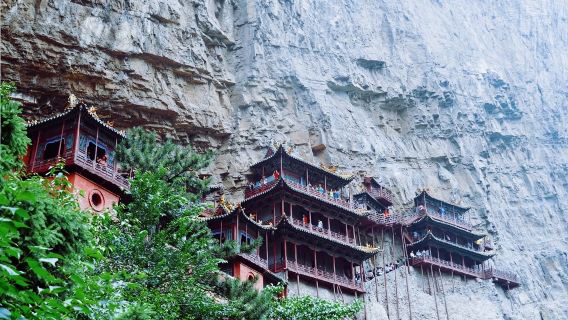 From€88.02
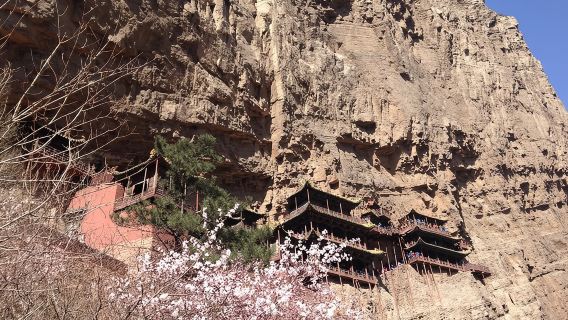 Duration: 7–8 hrs4.8/5Great· 13 reviews· 37 bookedFrom€29.79
Frequently asked questions about Hunyuan Tours
How many Tours are available in Hunyuan on Trip.com?
What are the best Tours in Hunyuan?
What are the top-rated Tours in Hunyuan?
What are the recommended itineraries in Hunyuan?
How can I contact Trip.com customer support?
Can I change or cancel my booking?
How can I get discounted prices?
Reviews/Trip Moments
Trip.com Picks
Popular Products
Popular Activities
More Popular Destinations
About




Site Operator: Trip.com Travel Singapore Pte. Ltd.