HomeNortheast Penang IslandDay toursPenang Hill + Kek Lok Si Temple + Street Art District + Clan Jetties of Penang + Buddhist Temple Wat Buppharam 1-day tour


View all 6 photos
Penang Hill + Kek Lok Si Temple + Street Art District + Clan Jetties of Penang + Buddhist Temple Wat Buppharam 1-day tour
18 booked
Private tour
Pick-up available
Free cancellation by 12:00, 2 days before the date of use
From
US$24.49
per person
Select package
Highlights
Experience Penang's natural scenery
Experience Penang's Cultural Heritage
Experience the rich and colorful modern art of Penang

Package and price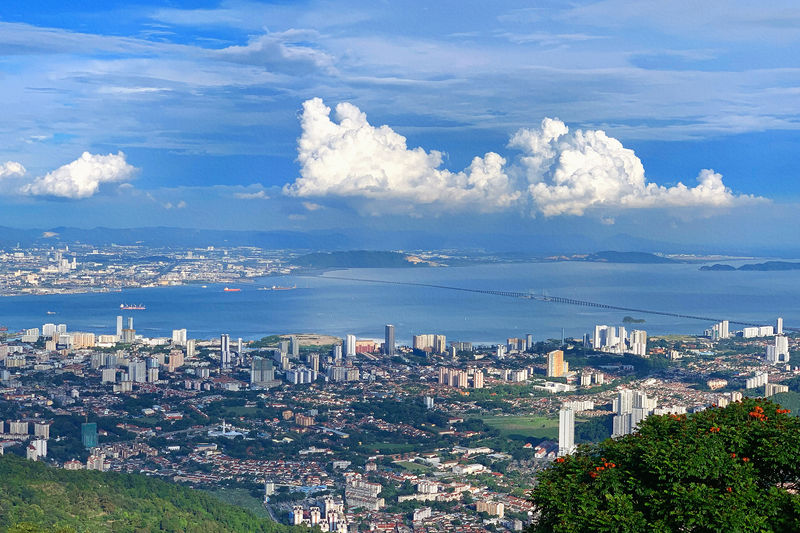
Date of use
2026-10-16
2026-10-17
2026-10-18
All
Local timeCurrency: USDPrices shown are the lowest prices for the current date
Package
English private tour with 15-seater vehicle for 12-14 people
FromUS$24.49
English Private Tour 5-Seater (1-4 people)
FromUS$119.70
English Private Tour 7-Seater (5-6 people)
FromUS$36.73
English Private Tour 10-Seat Car (7–9 People)
FromUS$29.93
English Private Tour 12-Seat Car (10–11 People)
FromUS$24.49
Booking information
FromUS$24.49
per person
Book now
Overview
Departs from Southwest Penang Island
Starts at 09:00 and ends at 17:00
Driver (English)
Transportation options: Minibus 14 Seater
Details
Pick-up available
09:00 pick-up in Southwest Penang Island
Pick-up and drop-off services outside the designated area are available for an additional charge
Pickup service is limited to Penang Island only - Pickup time will be between 9am-10am. The driver will notify you 1 day in advance.
Penang Hill Details
Enter attraction
Enter attraction
Free attraction
Entry tickets included
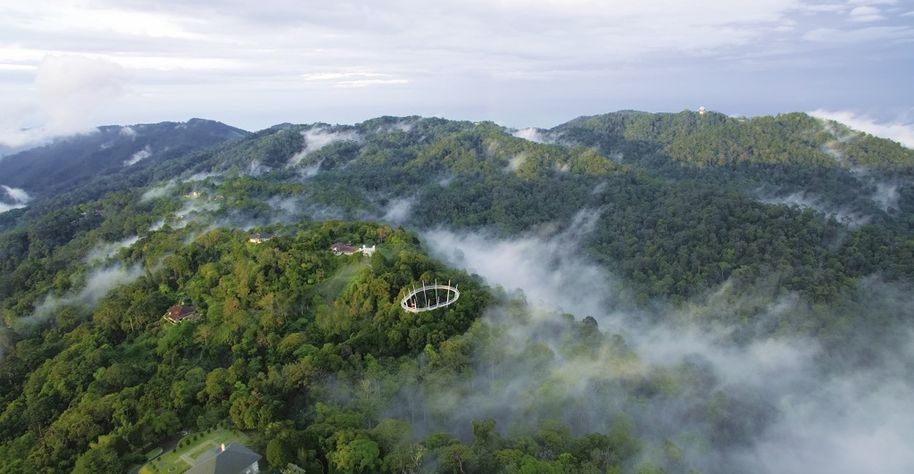
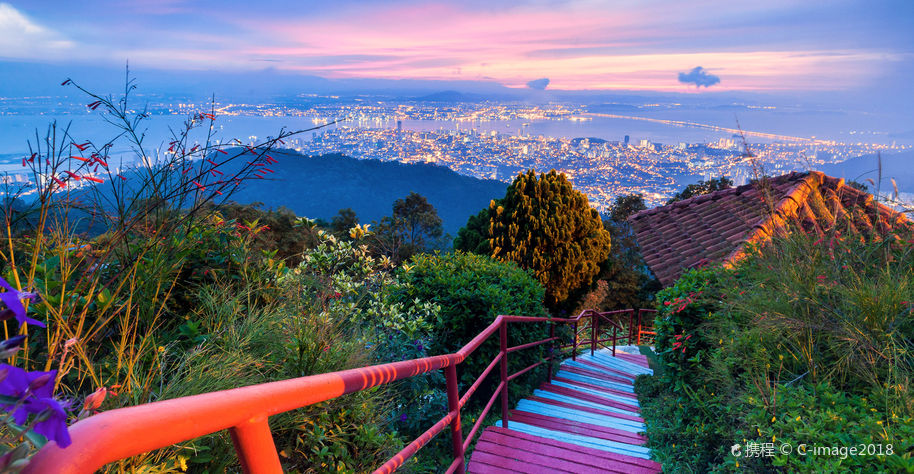
Take a mountain cable car to enjoy panoramic views of Penang, explore the tropical rainforest and ecological park, and experience the historical culture and cool mountain climate (includes standard cable car ticket).
2 hours
Kek Lok Si Temple Details
Enter attraction
Enter attraction
Free attraction
Entry tickets included
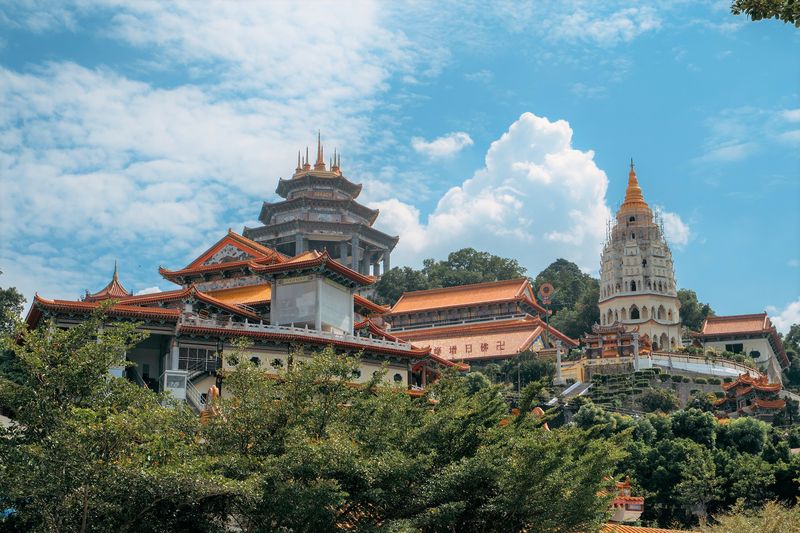
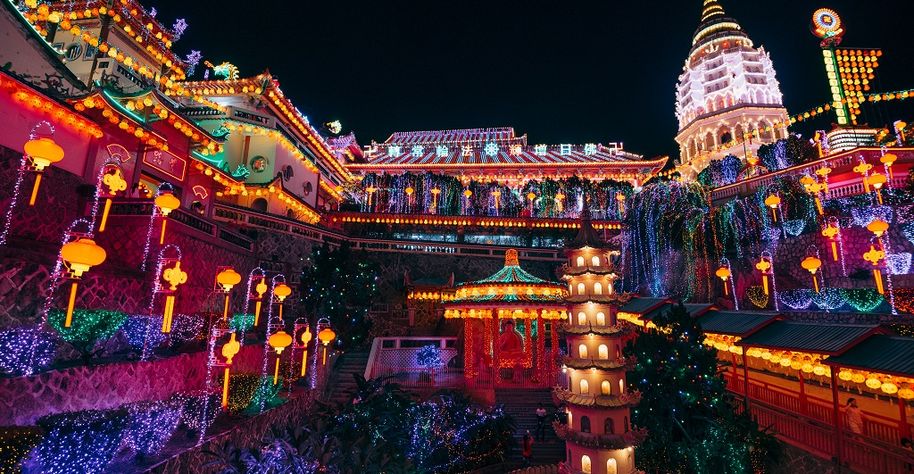
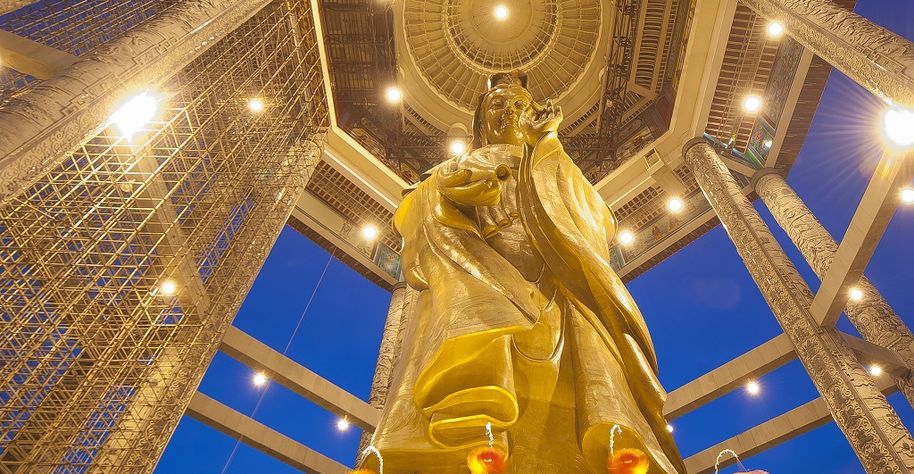
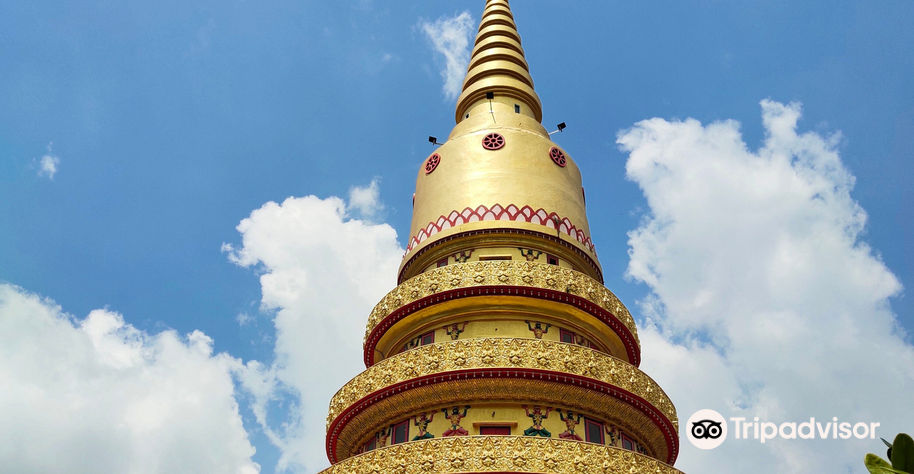
Kek Lok Si Temple, a magnificent temple destination in Penang, combines Buddhist culture, the Thousand-Hand Guan Yin, and the Ten Thousand Buddhas Pagoda experience, making it perfect for blessings and photo opportunities (cable car tickets not included).
2 hours
Lunch
At your own expense
1 hour
Penang Street Art Details
Enter attraction
Enter attraction
Free attraction
Entry tickets included
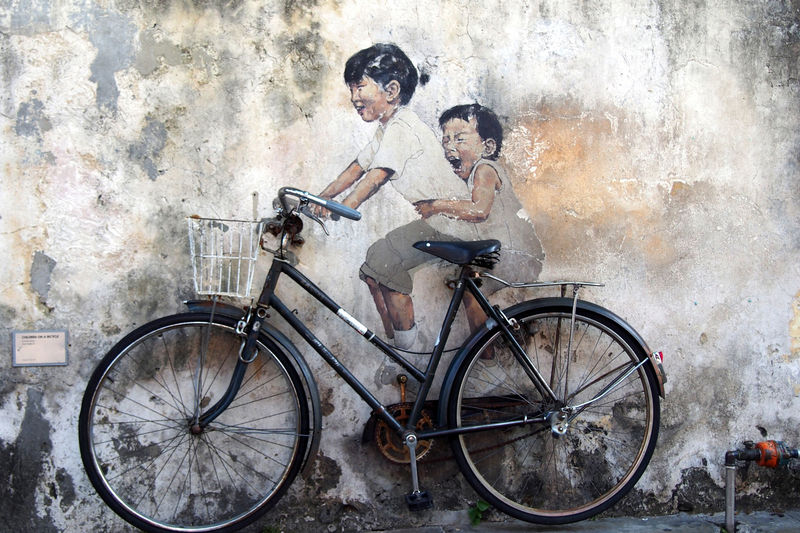
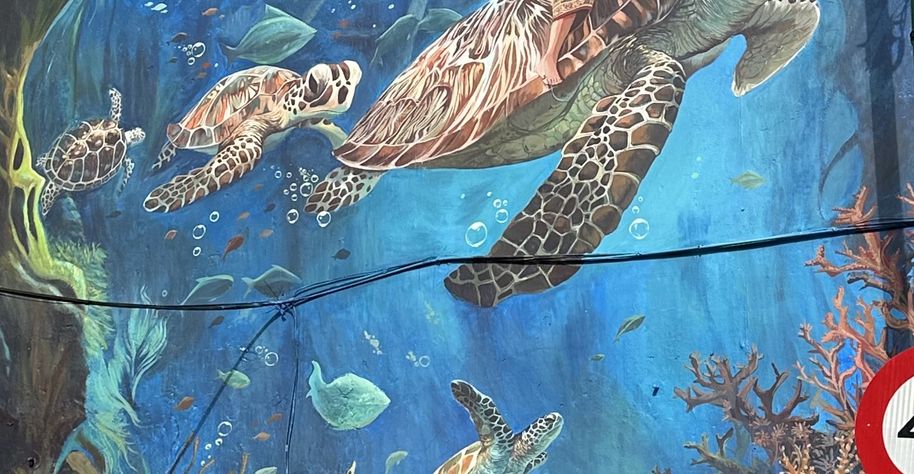
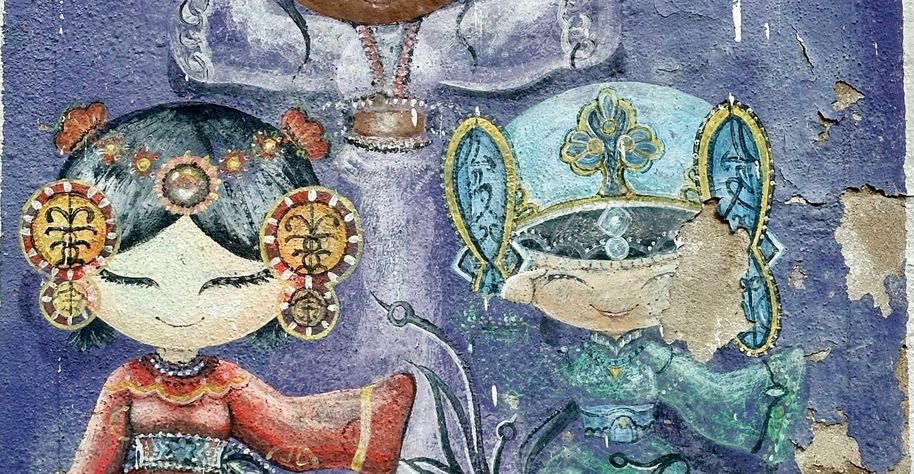
Blending mural art with ironwork creations, this place showcases diverse cultures and historical stories. Perfect for travelers to explore on foot, take photos, and experience the unique charm of George Town.
30 minutes
Clan Jetties of Penang Details
Enter attraction
Enter attraction
Free attraction
Entry tickets included
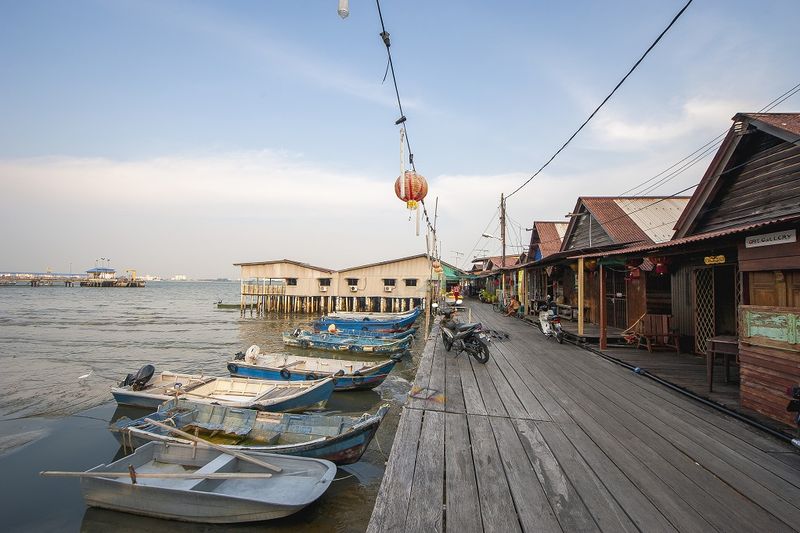
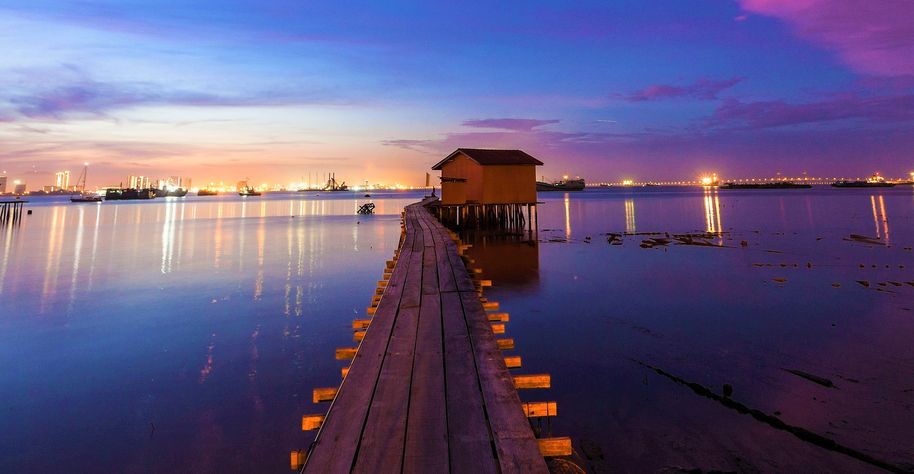
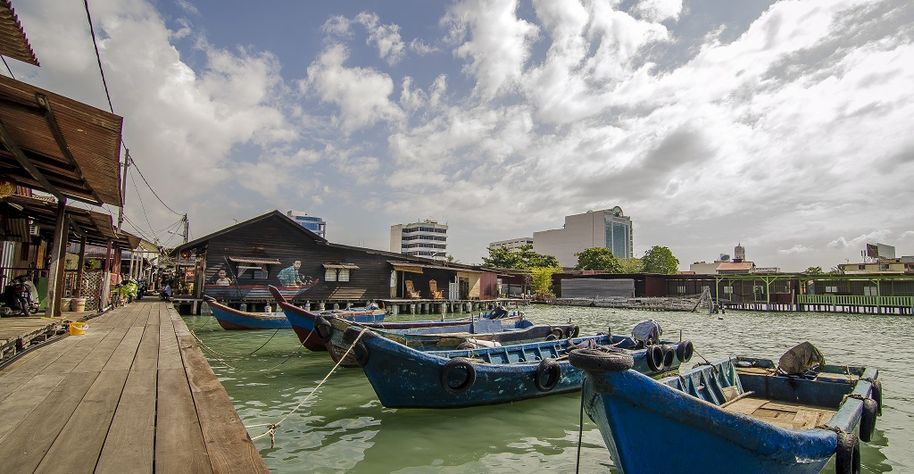
Preserving the unique characteristics of Chinese immigrant water villages, the wooden plank bridge houses showcase the maritime way of life, making it perfect for photo opportunities while offering insights into traditional family culture and historical heritage.
30 minutes
Wat Buppharam Buddhist Temple Penang Details
Enter attraction
Enter attraction
Entry tickets included
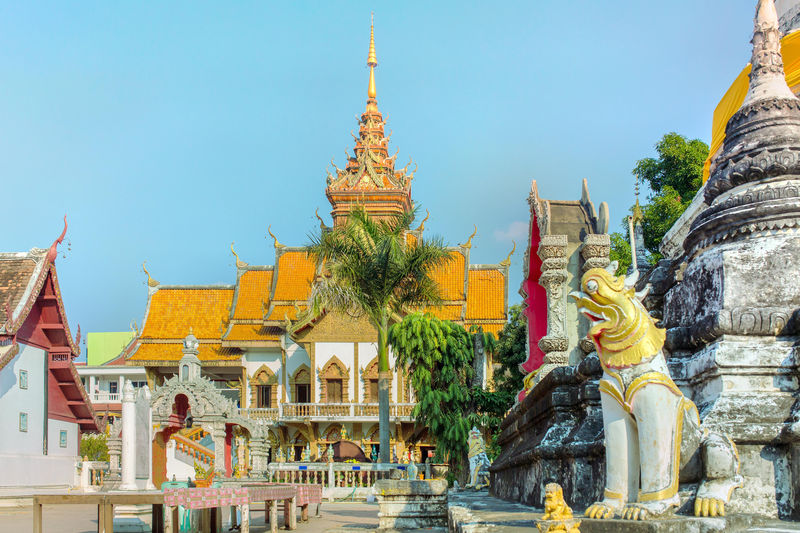
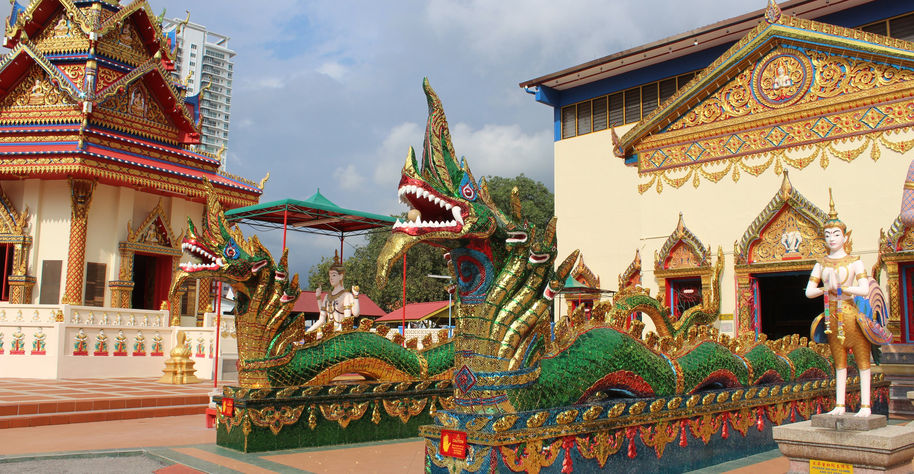
Hugging the Buddha symbolizes praying for peace and blessings. Travelers can personally experience hugging the Buddha to make wishes, immersing themselves in the devout atmosphere and cultural characteristics of Thai Buddhism.
1 hour
Provide drop-off service
17:00 drop-off in Southwest Penang Island
Pick-up and drop-off services outside the designated area are available for an additional charge
Limited to Penang Island only
All times are in local time and may change due to weather, road conditions, or other factors. Thank you for your understanding.
What's included
Trip.com picks
Popular Destinations
Things to do in ShanghaiThings to do in BeijingThings to do in Hong KongThings to do in OsakaThings to do in ZhangjiajieThings to do in SingaporeThings to do in ChongqingThings to do in TokyoThings to do in GuangzhouThings to do in Xi'anThings to do in ChinaThings to do in JapanThings to do in ThailandThings to do in VietnamThings to do in South Korea