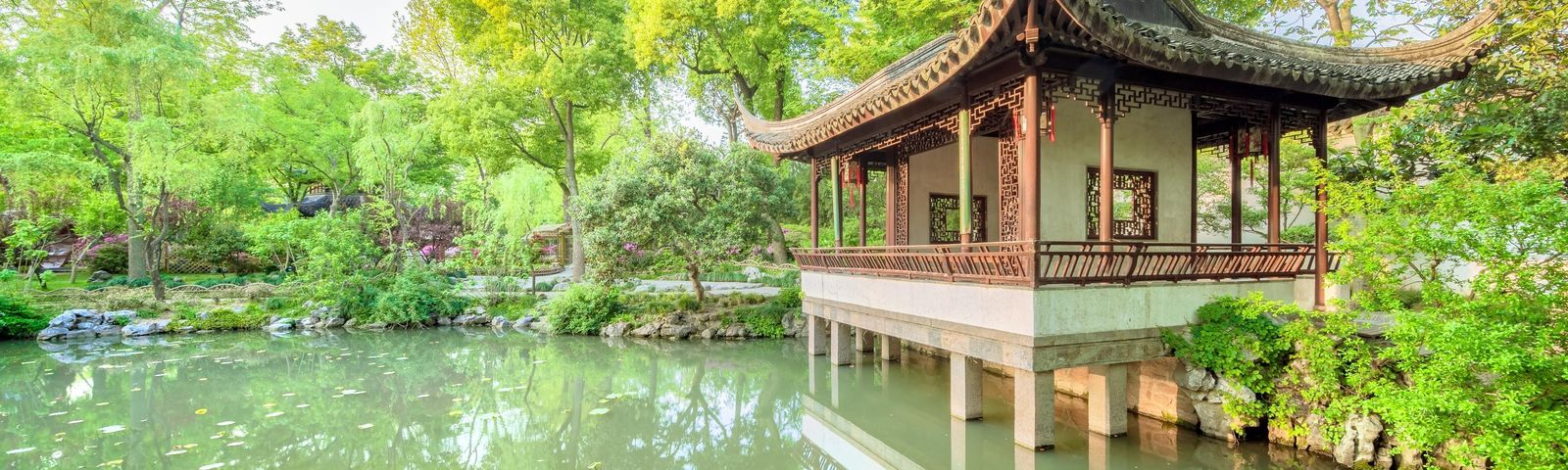
Top picks for Suzhou Day tours
Discover 361 Day tours in Suzhou on Trip.com, updated March 31, 2026, with experiences lasting from 1 to 11 hours. Find the perfect adventure for your day!
From VND 1,011,905.00 per person, with an average total of VND 2,271,381.90. Choose the option that suits your plan.
With 55 verified reviews, Day tours Suzhou boast an average rating of 4.8.
This week's most popular Day tours: "Shanghai Departure Suzhou 1-day Tour: Humble Administrator's Garden, Hanshan Temple, Zhouzhuang (Optional Private/Join-in Tour)", with 31 reviews and a 5 rating.
Now on Trip.com: "Shanghai Departure Suzhou 1-day Tour: Humble Administrator's Garden, Hanshan Temple, Zhouzhuang (Optional Private/Join-in Tour)", a 9-hour adventure in Suzhou!
The next available day tour departs on April 1, 2026. Book now to secure your spot!
Suzhou Day tours usually take about 9 hours — perfect for a relaxed, immersive experience!
100% of Suzhou Day tours now offer English-speaking guides
March is the perfect time to visit Suzhou! Choose from Day tours available day tours, including seasonal favorites like Shanghai Departure Suzhou 1-day Tour: Humble Administrator's Garden, Hanshan Temple, Zhouzhuang (Optional Private/Join-in Tour).
Your trip, worry-free! All day tours are run by licensed suppliers with verified reviews, and many include free cancellation before departure.
361 results for Suzhou Day tours
 Trip.Select
 Duration: 9.8 hrsEnglish5.0/5Perfect· 31 reviews· 130 bookedFromVND 1,602,565
 Trip.SelectDuration: 9.6 hrsEnglish4.8/5Outstanding· 12 reviews· 26 bookedFromVND 1,721,612
 FromVND 1,547,620
 Trip.SelectDuration: 7 hrsEnglish5.0/5Perfect· 1 reviewFromVND 5,384,616
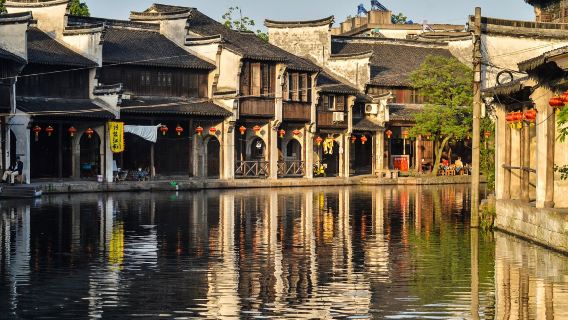 Trip.SelectDuration: 9.1 hrsEnglish5.0/5Perfect· 1 reviewFromVND 1,011,905
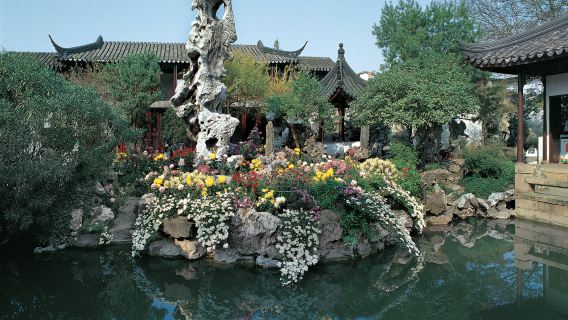 Trip.SelectDuration: 6.5 hrsEnglish4.0/5Very good· 4 reviews· 28 bookedFromVND 1,135,532
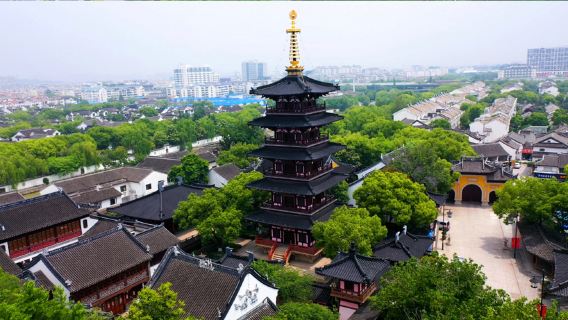 Duration: 10.3 hrsEnglishFromVND 1,378,206
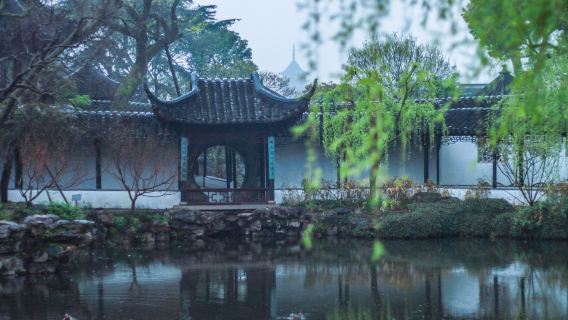 FromVND 1,968,865
 Duration: 5.4 hrsEnglishFromVND 1,373,627
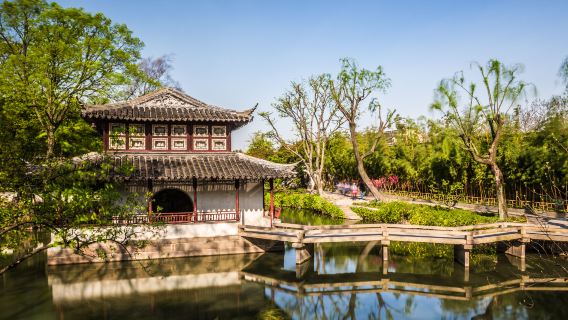 Duration: 11.6 hrsEnglishFromVND 1,327,839
 Trip.SelectDuration: 9.5 hrsEnglish5.0/5Perfect· 2 reviews10% offLimited-time saleFromVND 4,522,174VND 5,024,638
![[Suzhou Departure] Tongli Ancient Town & Zhouzhuang One-Day Tour (Two Ancient Towns & Boat Trip Included)](https://ak-d.tripcdn.com/images/0351j12000p5ms2evA5B5_C_568_320.jpg?_fr=wc) FromVND 1,446,209
FromVND 1,446,209![[Departure from Shanghai] Night Tour of Zhouzhuang (Includes boat ride & performance tickets) (Chinese service)](https://ak-d.tripcdn.com/images//0580m12000nmlt5u44F9A_C_568_320.jpg?_fr=wc) FromVND 1,181,659
FromVND 1,181,659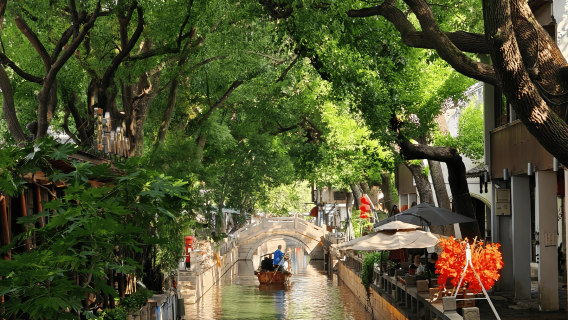 Duration: 6 hrsEnglishFromVND 3,842,821
 Duration: 4.1 hrsEnglishFromVND 1,269,842
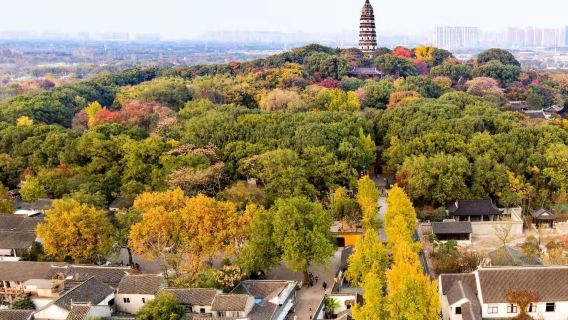 FromVND 2,028,219
![[Water Cruise & Classic Ancient Towns] One-Day Tour of Tongli Ancient Town and Zhouzhuang (Departing from Shanghai)](https://ak-d.tripcdn.com/images/0350t12000b6z70yb37D2_C_568_320.jpg?_fr=wc) FromVND 1,446,209
FromVND 1,446,209![[Suzhou Day Trip] Humble Administrator's Garden, Hanshan Temple, Lion Grove Garden, Zhouzhuang (Optional performance available)](https://ak-d.tripcdn.com/images/0352512000p5oamjx4DFC_C_568_320.jpg?_fr=wc) FromVND 1,710,759
FromVND 1,710,759 Duration: 7–8 hrsEnglish5.0/5Excellent· 4 reviewsFromVND 8,208,677
Explore top experiences
See what other travellers love, based on ratings and bookings
Frequently asked questions about Suzhou Day tours
How many Day tours are available in Suzhou on Trip.com?
What are the best Day tours in Suzhou?
What are the top-rated Day tours in Suzhou?
What are the recommended itineraries in Suzhou?
How can I contact Trip.com customer support?
Can I change or cancel my booking?
How can I get discounted prices?
Reviews/Trip Moments
Trip.com Picks
Popular Suzhou Tours
Best Suzhou Experiences
Popular products
Popular activities
More popular destinations
About




Site Operator: Trip.com Travel Singapore Pte. Ltd.