


▲ Welcome to the twin-city journey of Kyoto & Nara! From the gentle nuzzles of Nara's sacred deer to the rustling zen of Arashiyama's bamboo forest; from the seasonal tableau of Togetsukyō Bridge to the flowing aesthetics of the kimono forest, and finally stepping into the endless vermilion torii corridor of Fushimi Inari Taisha—let your footsteps follow a millennium of faith, and let the light and shadows tell the ancient capital's wishes.
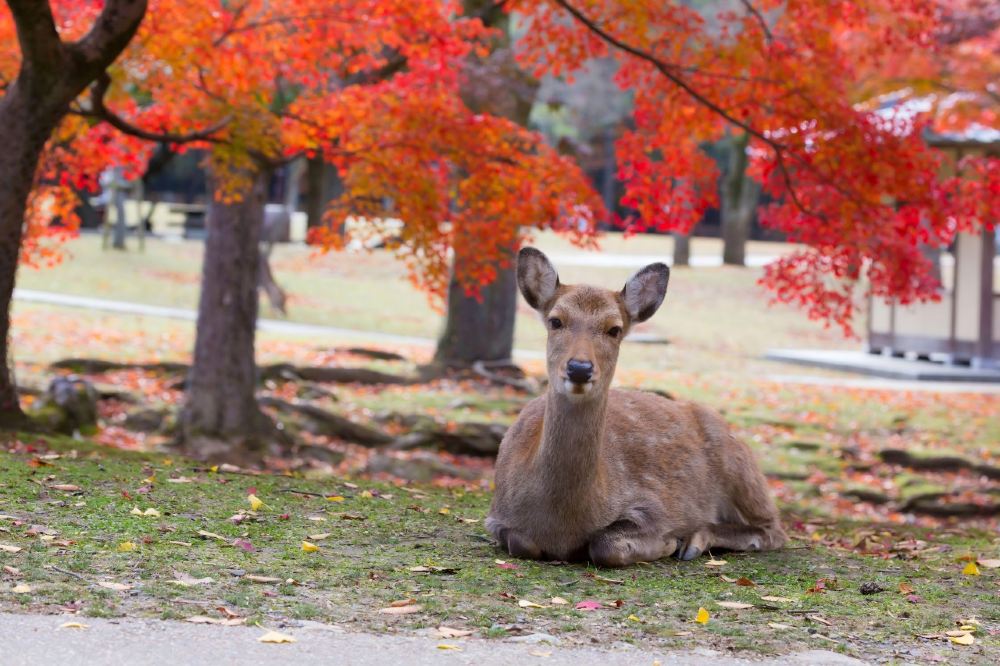
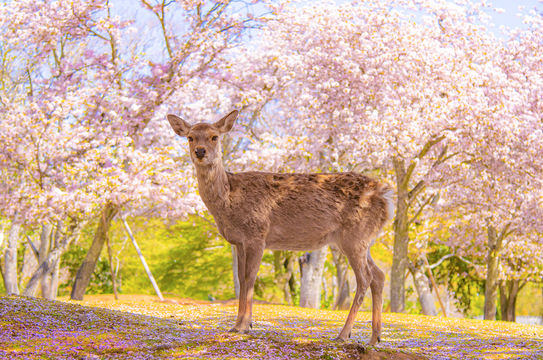
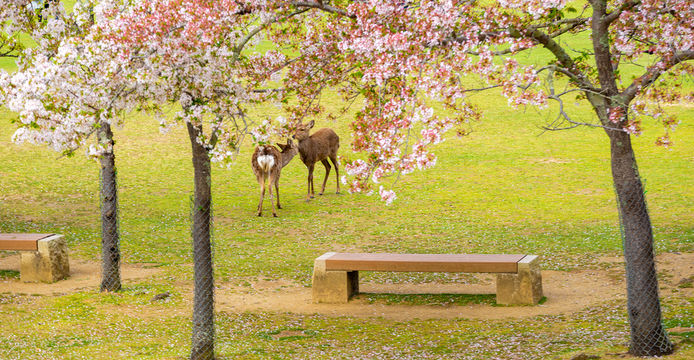
▲ In Nara, deer are revered as divine messengers since ancient times, not mere scenery for viewing; they roam freely between ancient temples and lawns, guarding the gentle heartbeat of this thousand-year-old capital.
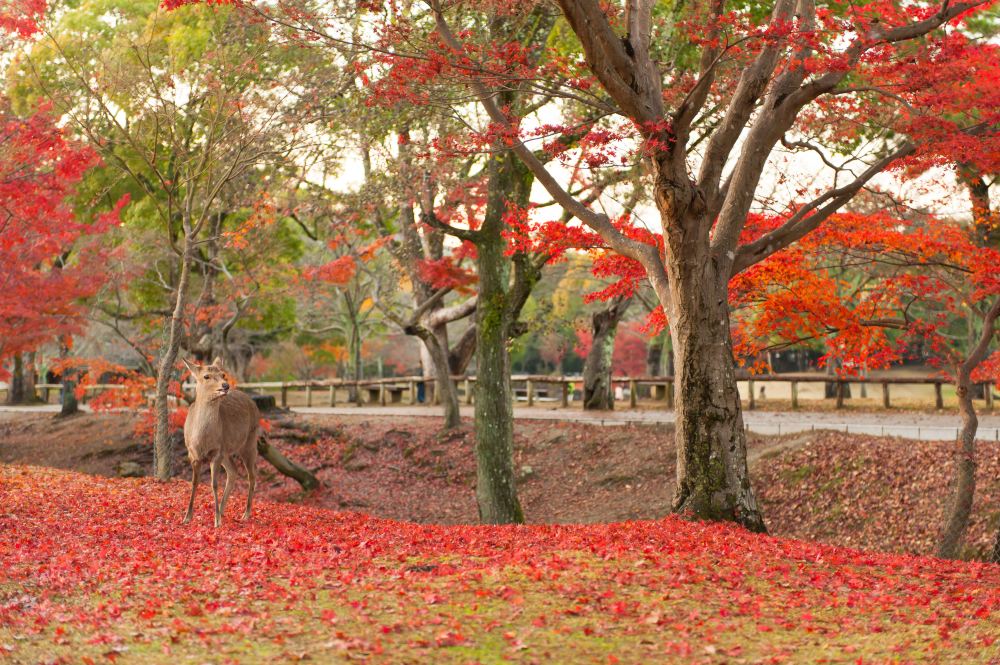
▲ You can hold a deer biscuit, gently surrounded by docile fawns—in that moment, divinity quietly blends with the mundane, and humanity reaches a tender accord with nature.

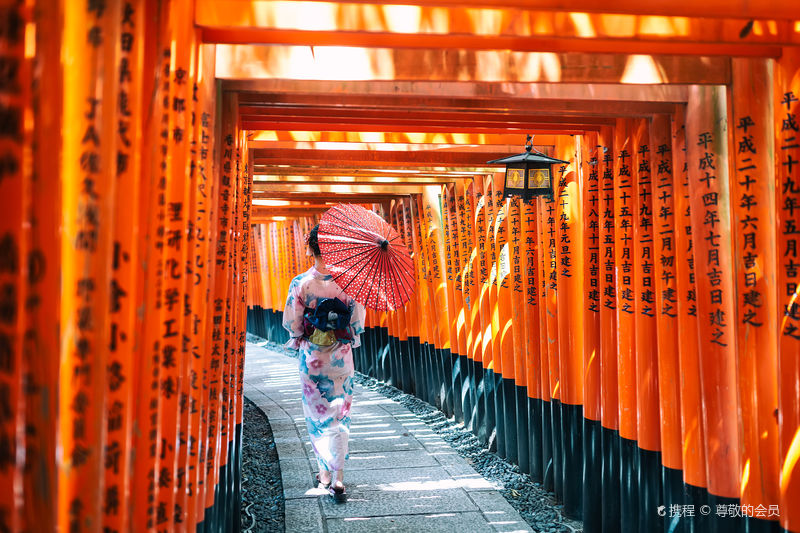
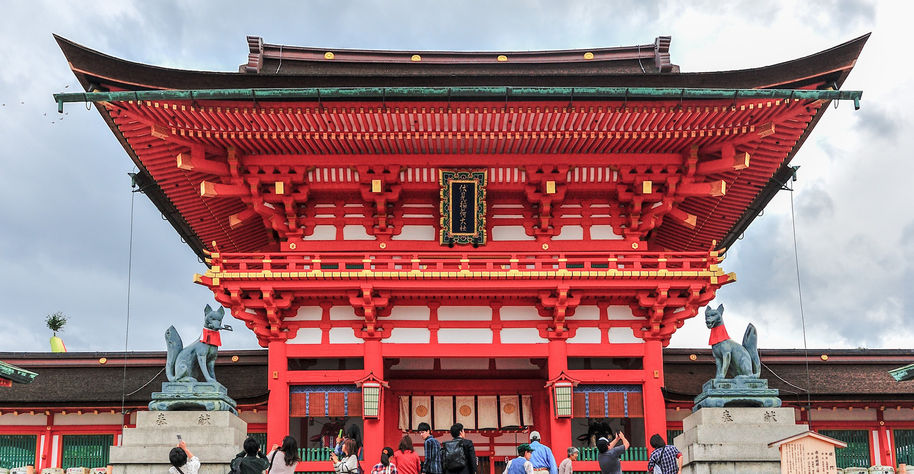
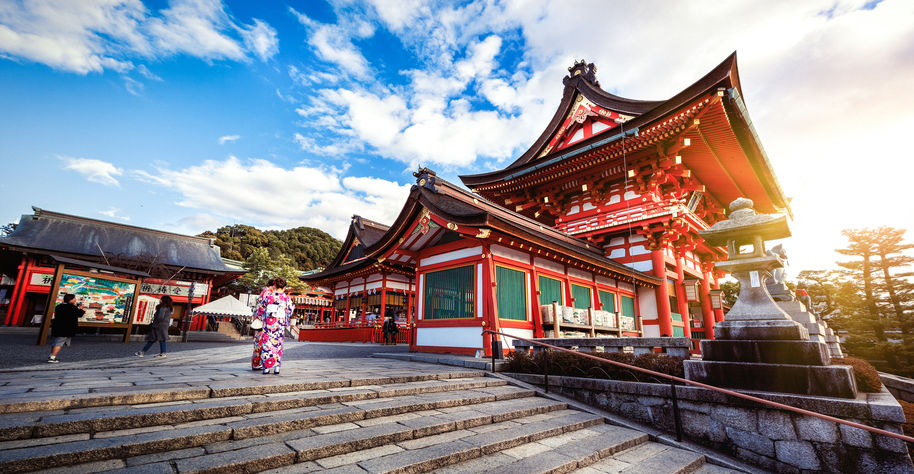
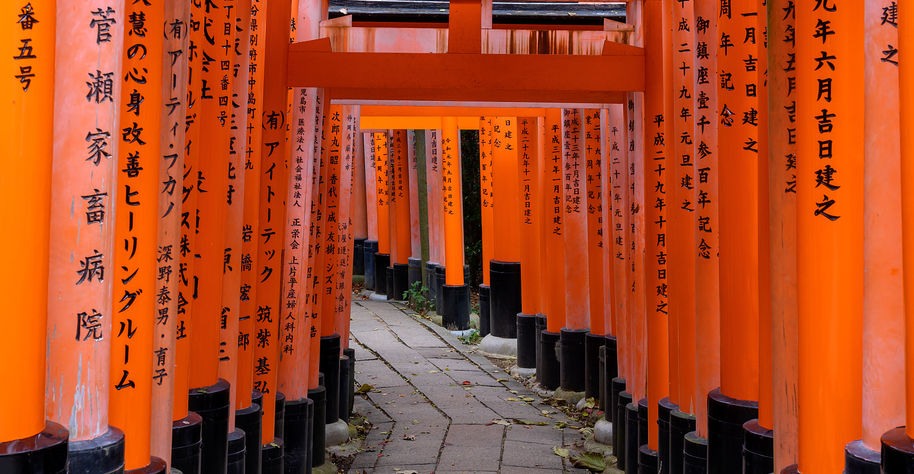
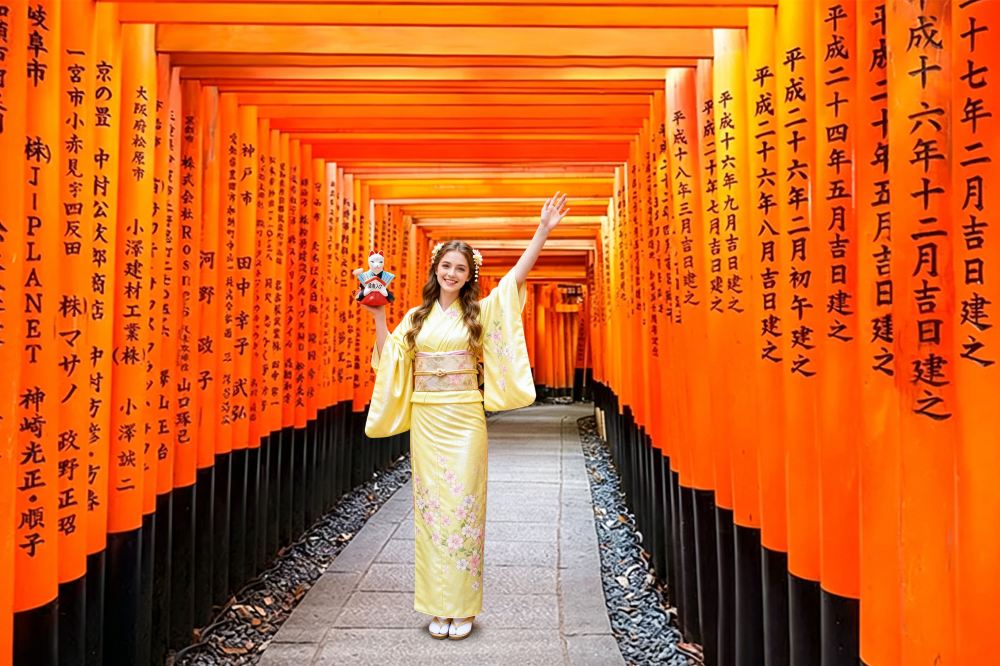
▲ As the head shrine of over 30,000 Inari shrines across Japan, Fushimi Inari Taisha has been a spiritual center for praying bountiful harvests and business prosperity since the 8th century. Its vermilion main hall stands solemnly while fox statues silently guard the sacred grounds, embodying the ancient wisdom of harmonious coexistence between humans and nature.
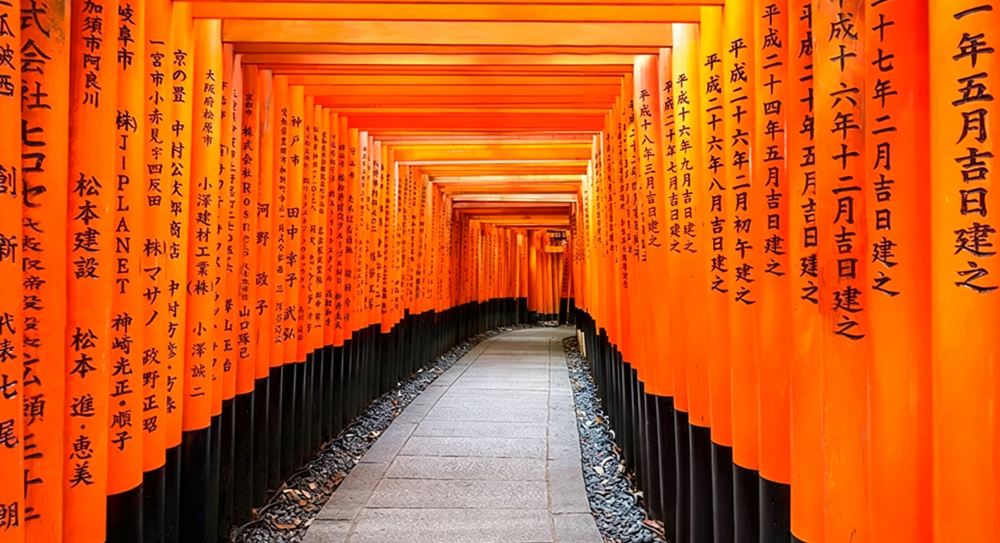
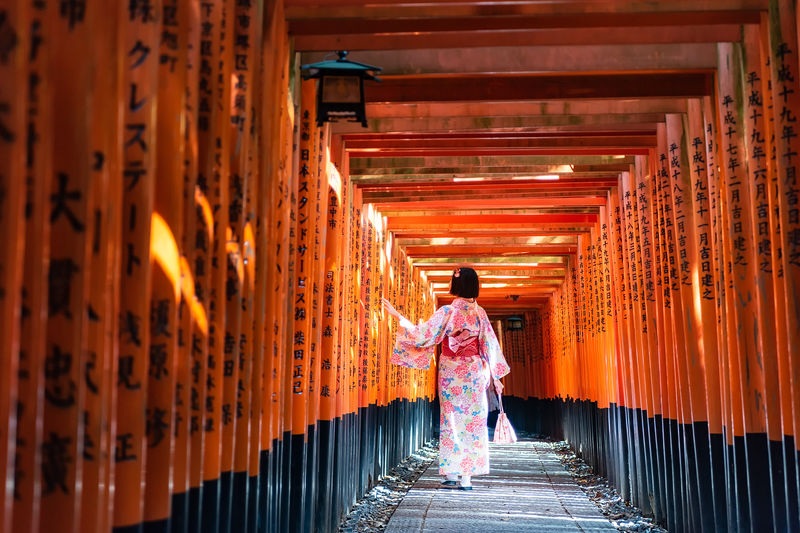
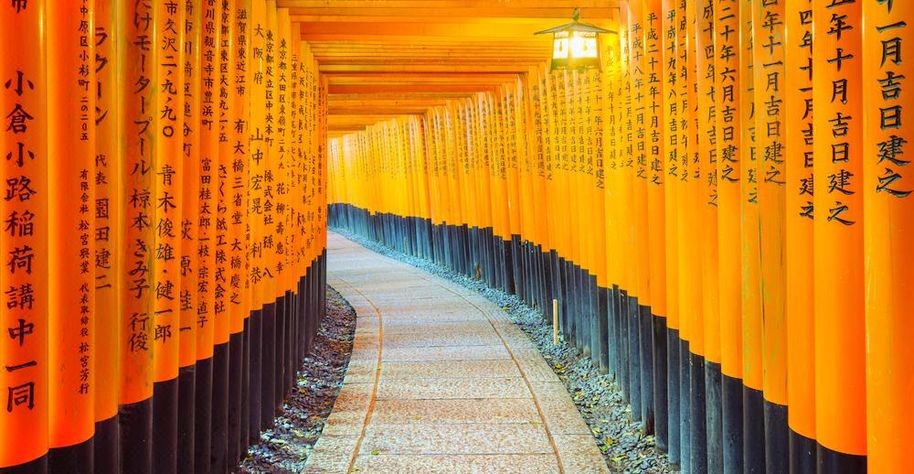
▲ What truly takes the world's breath away is the senbon torii (thousand torii gates) - stretching for kilometers and composed of tens of thousands of vermilion torii gates. Each gate was donated by an individual or company, forming cascading corridors like fiery passageways. Walking through them with interwoven light and shadows, accompanied by gentle bell chimes, feels like stepping into a time tunnel woven from countless wishes - leading both to the divine and to inner peace.
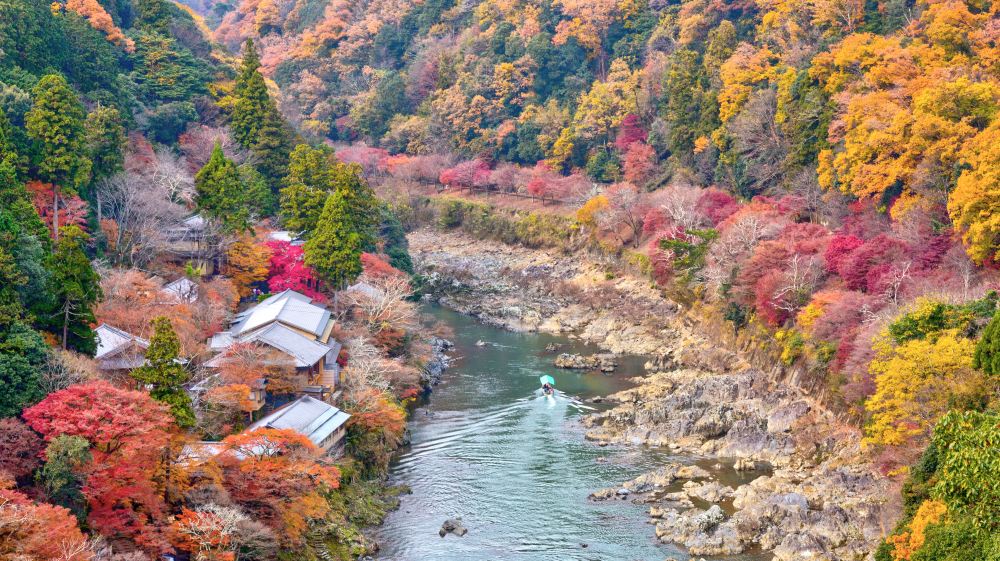
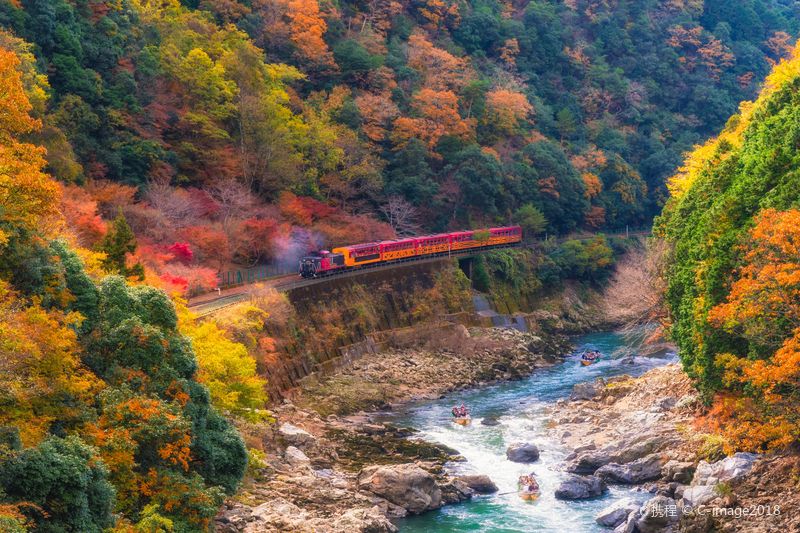
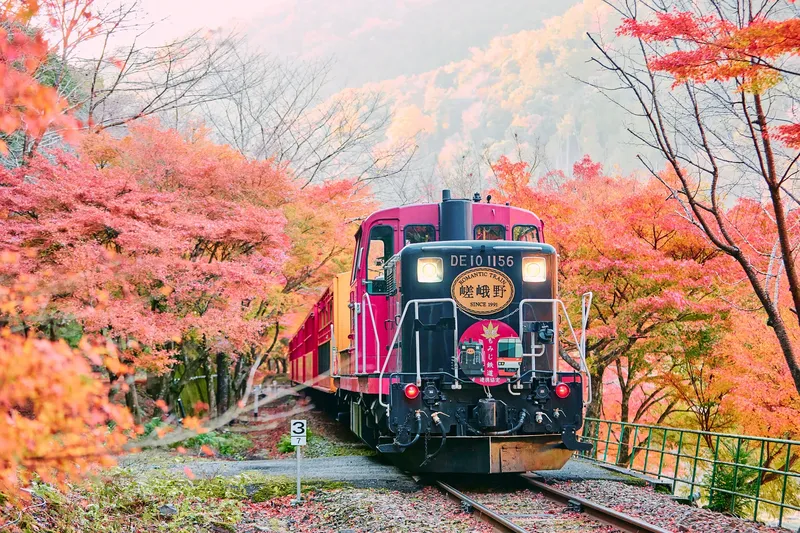
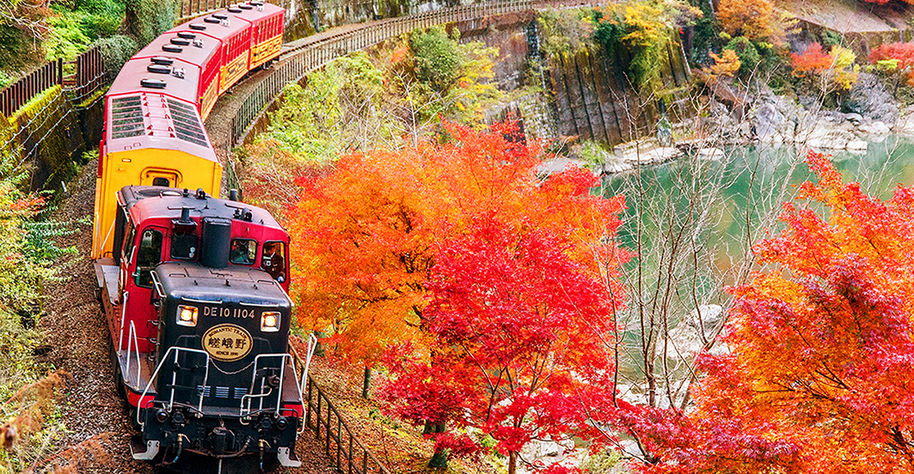
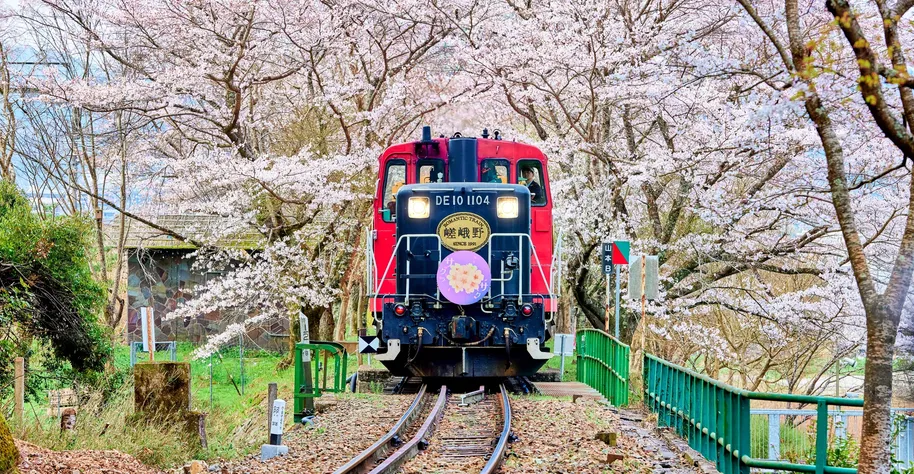
▲ Arashiyama is Kyoto's vibrant scroll painted with mountains and waters as paper and the four seasons as ink. Spring cherry blossoms brush the water, summer greens drip with emerald, fall maples set the valley ablaze, and winter snow covers the paths—each season composes poetry.
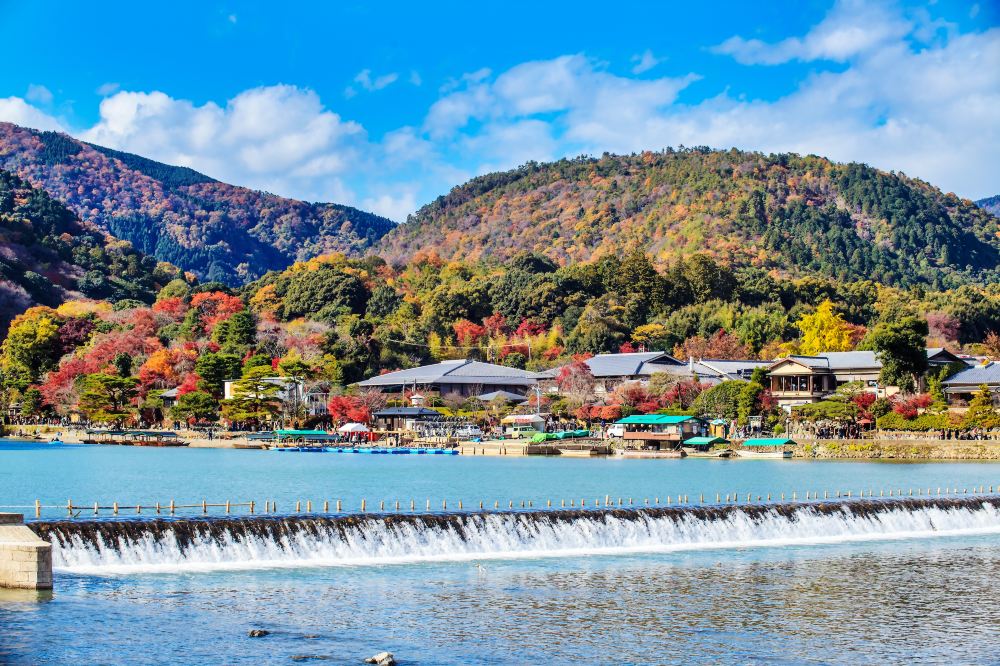
▲ The tranquil stream and deep bamboo groves weave a natural painting, allowing one to rediscover long-lost peace and clarity in nature's embrace.
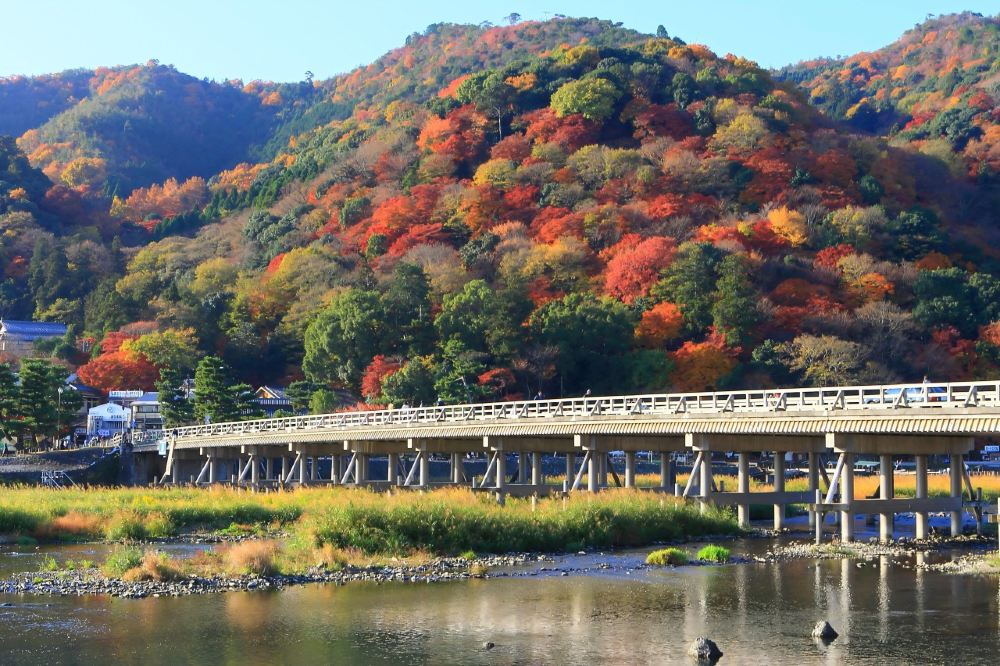
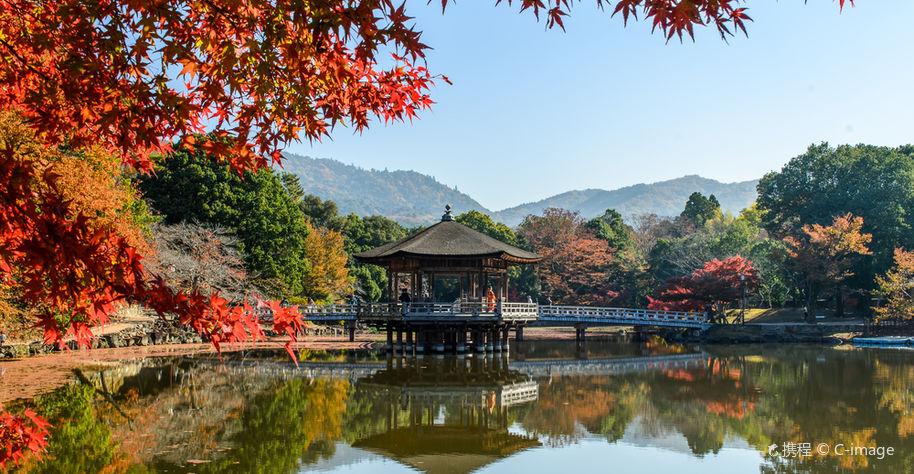
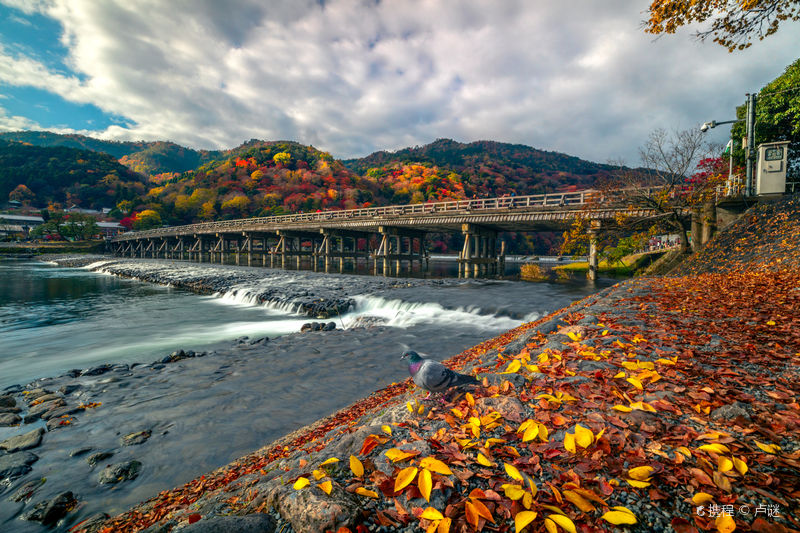
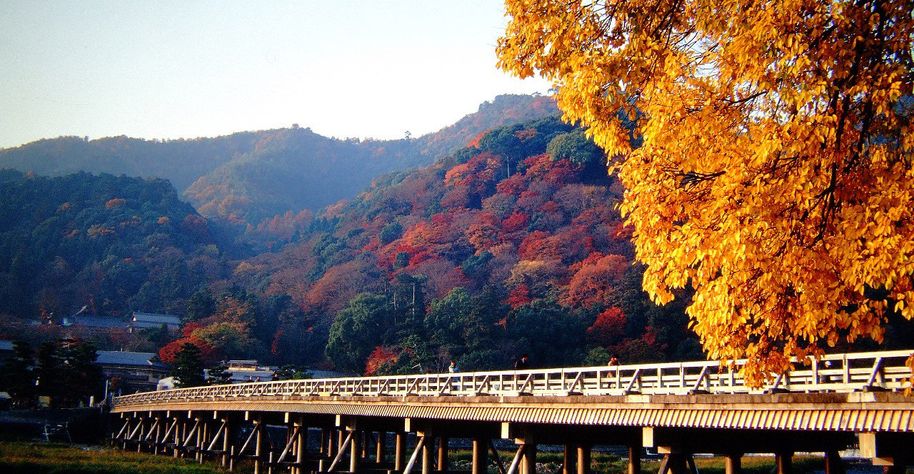
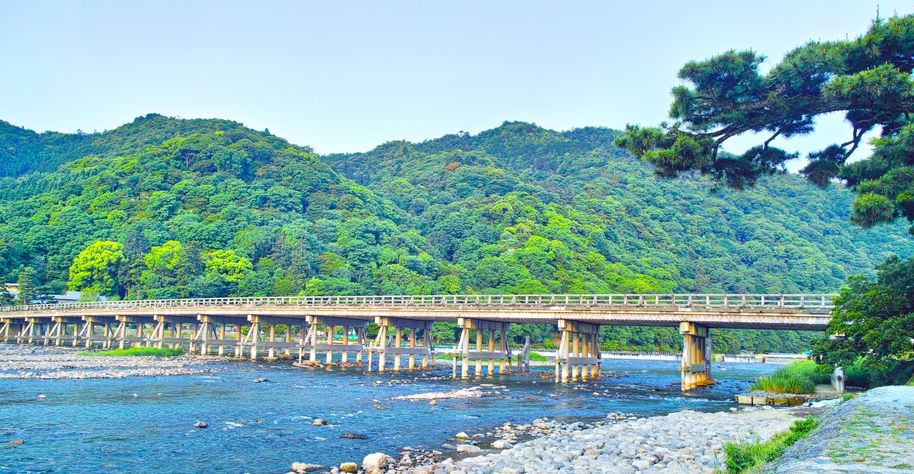
▲ Spanning the Ōi River, Togetsukyō Bridge captures the essence of Kyoto's millennium-old aesthetics with its graceful arc. Its name, derived from the classical imagery of "the moon crossing the sky," embodies unparalleled romance.

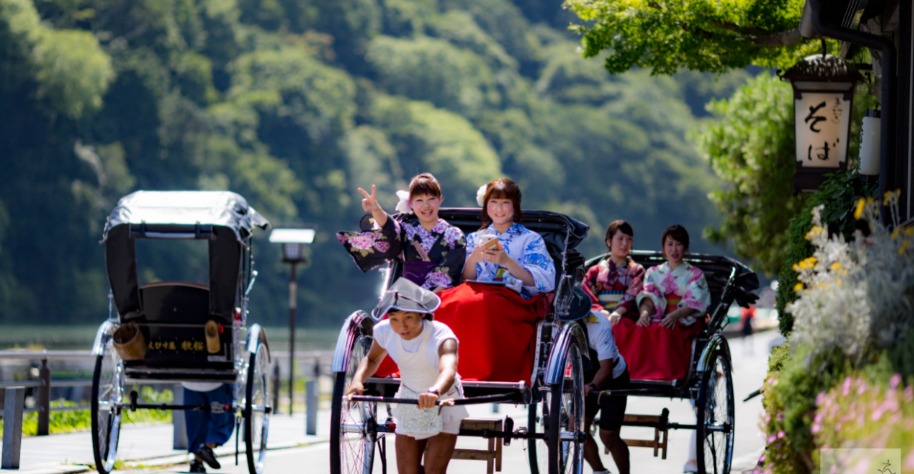
▲ Standing at the heart of the bridge, spring cherry blossoms fall like snow while autumn maples blaze like flames, with distant mountains standing in silent opposition and a murmuring stream below—as if stepping into an elegant painting of the Heian period, where echoes of the past linger as rickshaw bells jingle by.

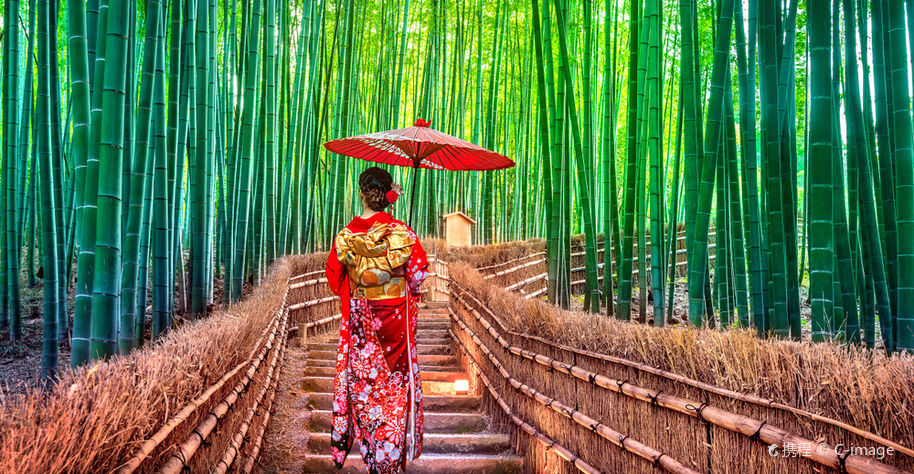
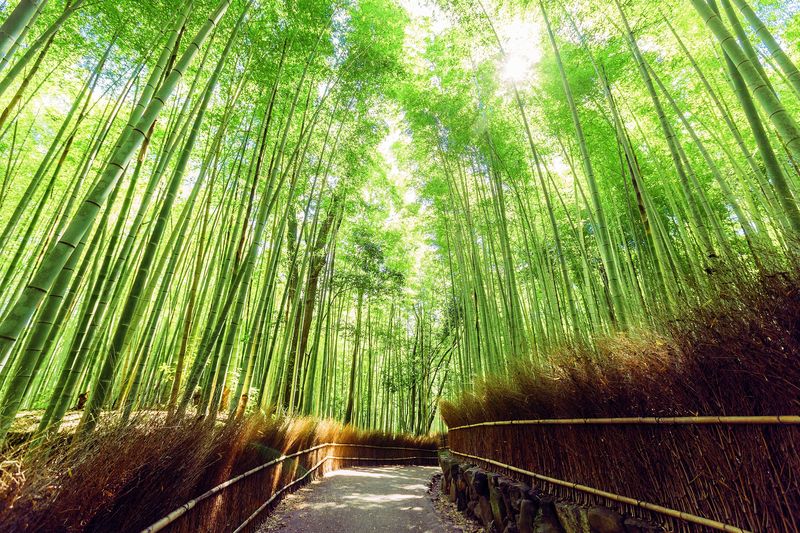
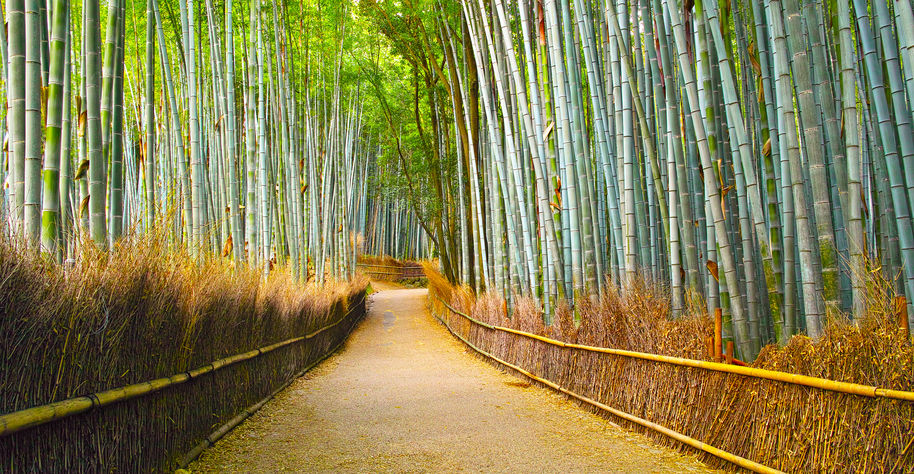
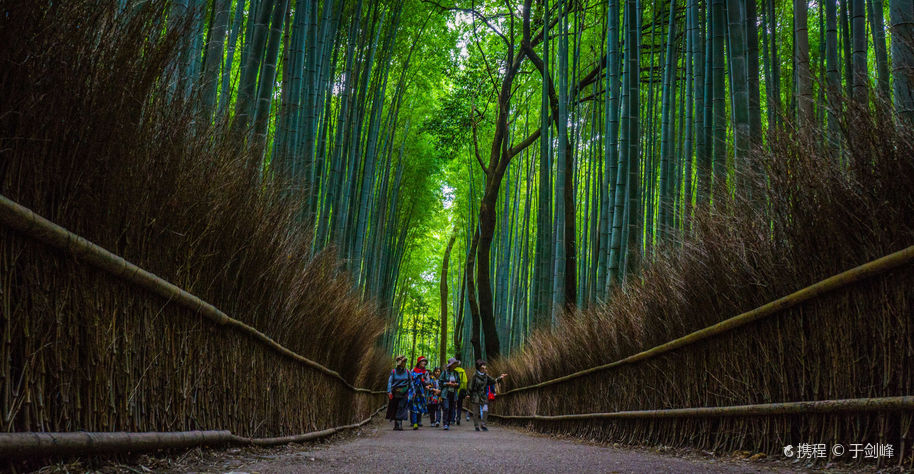
▲ In the depths of Sagano, thousands of slender bamboos rise from the earth, weaving a dappled green path where rustling leaves whisper like Zen mantras, and sunlight scatters golden fragments across mossy stones.

▲ Strolling through, it feels like stepping into a secluded realm detached from the mundane world, where only bamboo shadows, gentle breezes, and one's own breath compose a serene meditative melody.
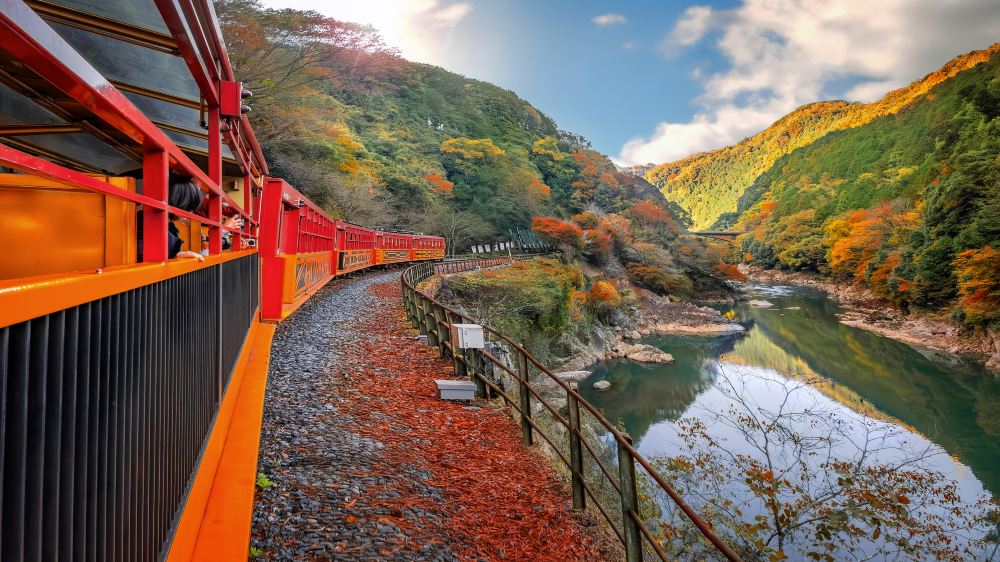
▲ Spring cherry blossoms adorn the valley, summer greenery drips with emerald hues, fall maples set the banks ablaze, and winter mists swirl—as if sailing into a living ukiyo-e painting.
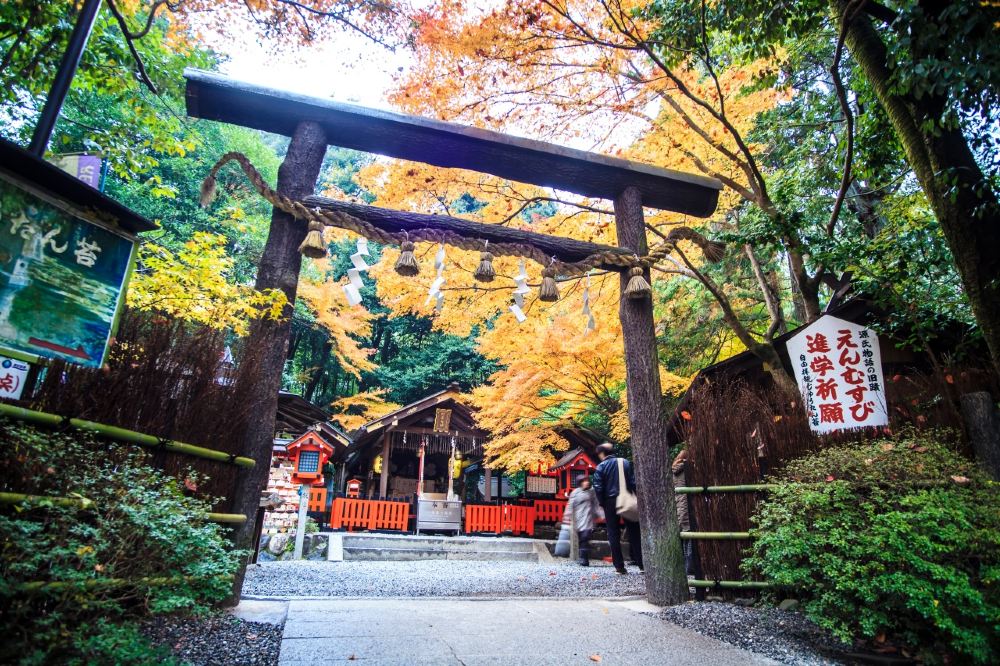
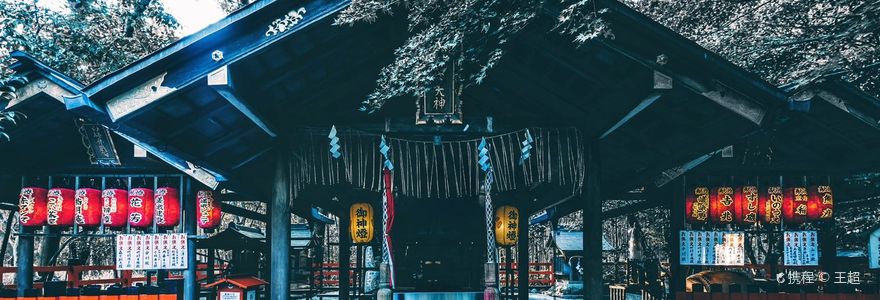
▲ Its iconic black torii gate retains its natural hinoki cypress color without paint, symbolizing the purity of love; hang an ema votive tablet under the ancient eaves, and let the breeze gently carry your wish to the ears of the deities.

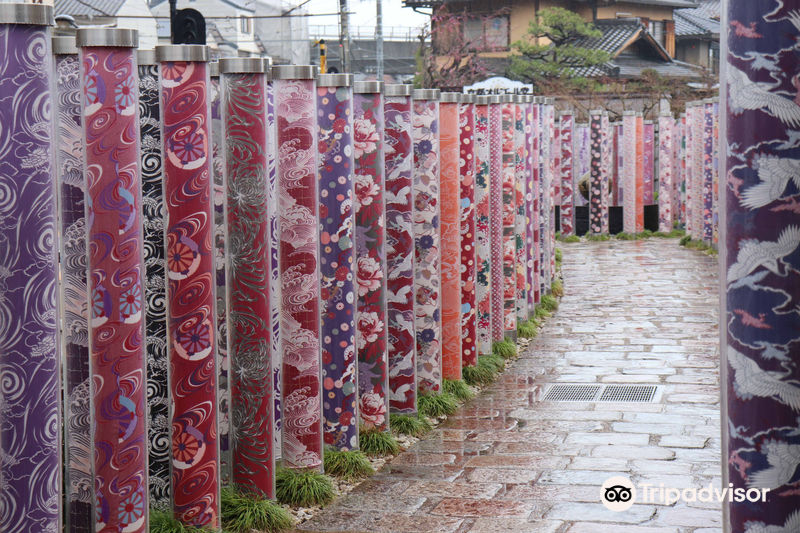
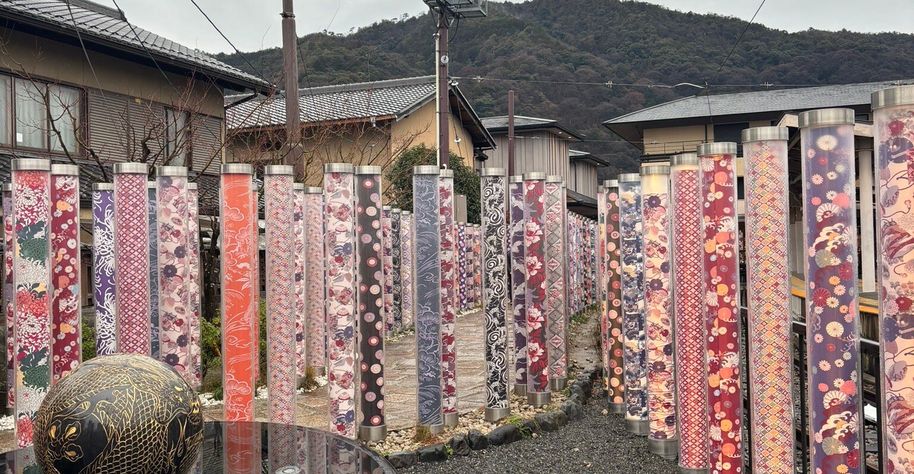
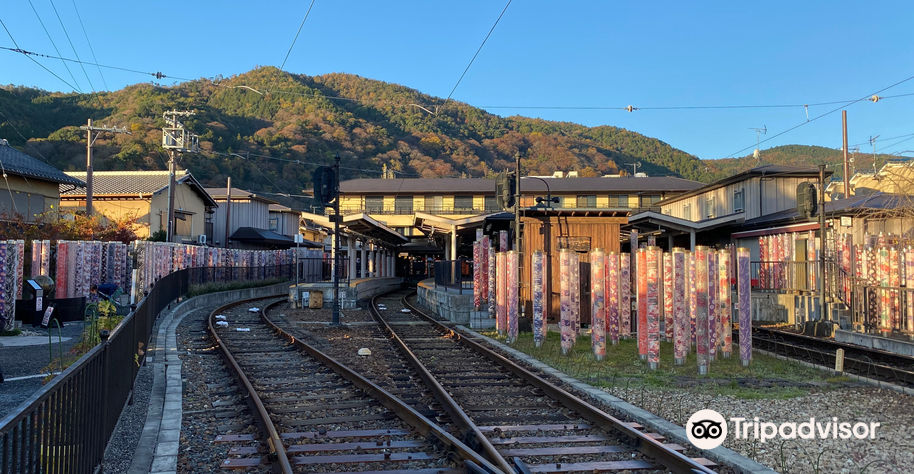
▲ In the Kimono Forest, hundreds of transparent cylinders stand like a forest, adorned with exquisite Kyo-Yuzen kimonos. The flowing patterns and vibrant colors create a mesmerizing display of Eastern aesthetics, shimmering between natural light and mirrored reflections.

▲ This is not just a visual feast, but also an immersive dialogue between traditional craftsmanship and contemporary art, where the beauty of kimono dances gracefully through the space.
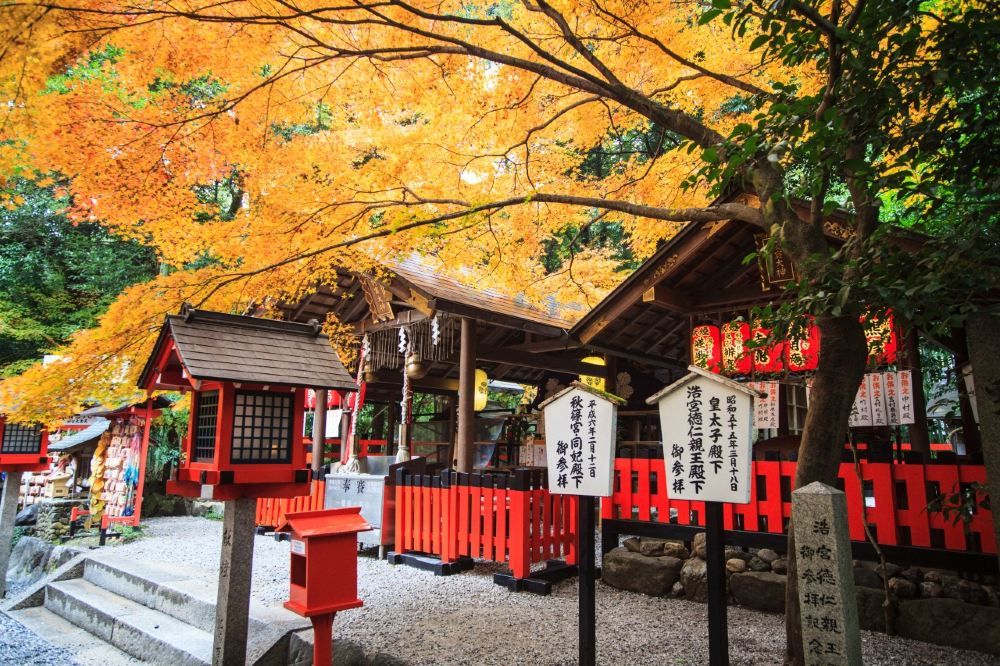
▲ Nestled deep in the bamboo shadows of Arashiyama, Nonomiya-jinja Shrine has been a sacred site for imperial purification rituals from the Heian period, and is now renowned for blessing good matches and happiness.