


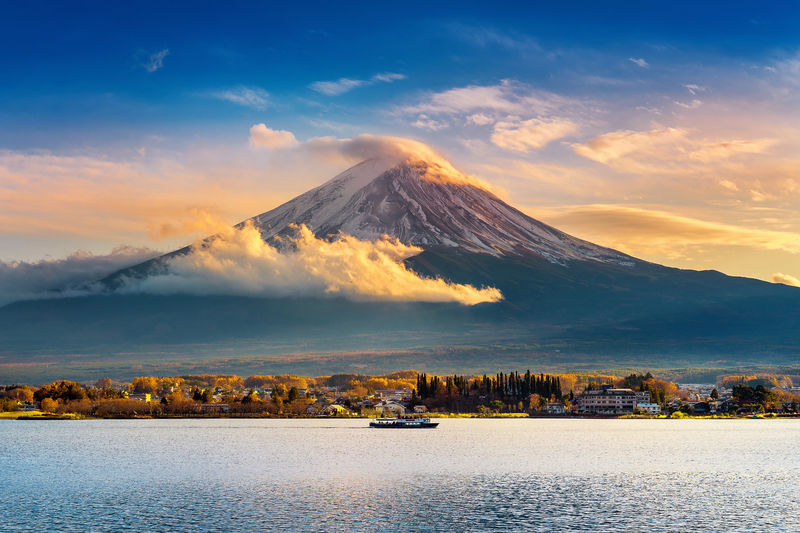


▲ Opened in 2000, the mall covers a store area of about 61,300 square meters, with roughly 290 brands arranged in tiers along the slopes down to the foot of the mountain: international boutiques, outdoor sports, and Japanese lifestyle goods each have their own zones, and making a full round takes some effort. On clear days, a full view of Mount Fuji is right overhead—switch the shopping bag to your other hand, and the mountain is still there. Having just completed a large-scale renovation for its 25th anniversary in 2025, a wave of new stores has been moving in. The rooftop food court lets you eat while taking in the mountain view, and buses bound for Hakone and Lake Kawaguchi are right outside the door. Luggage storage is available at the service desk—shop hands-free and spend anywhere from half a day to a full day here.

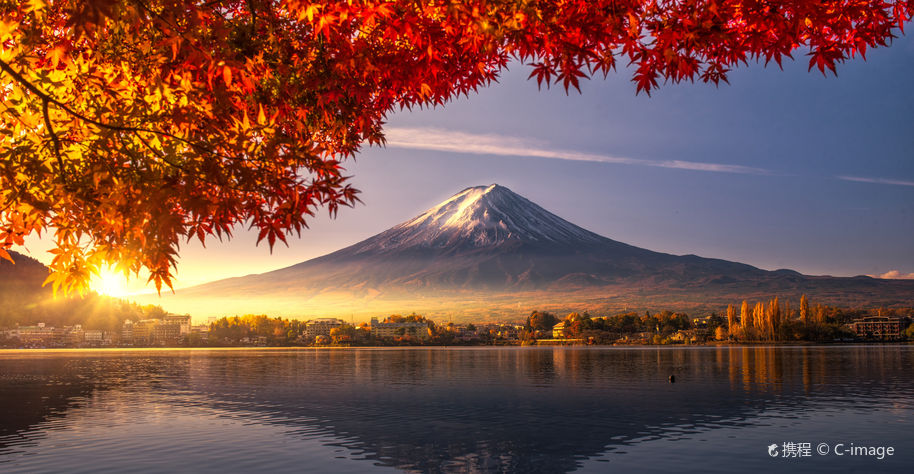
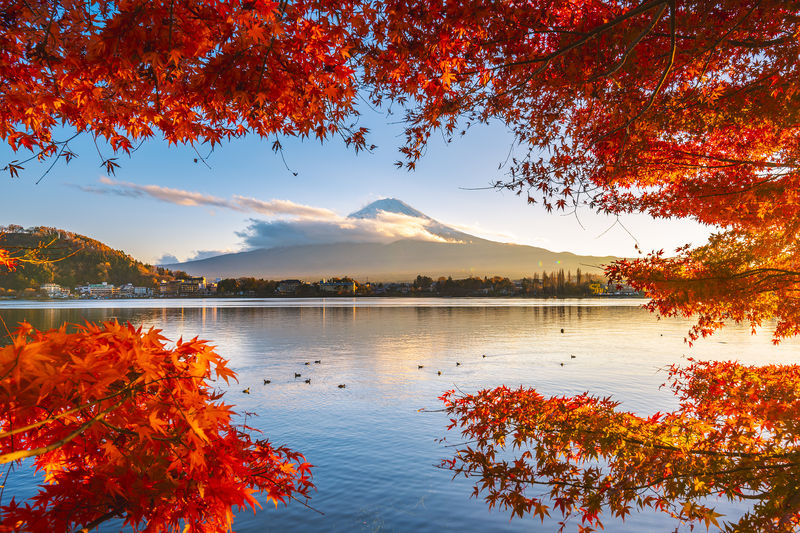
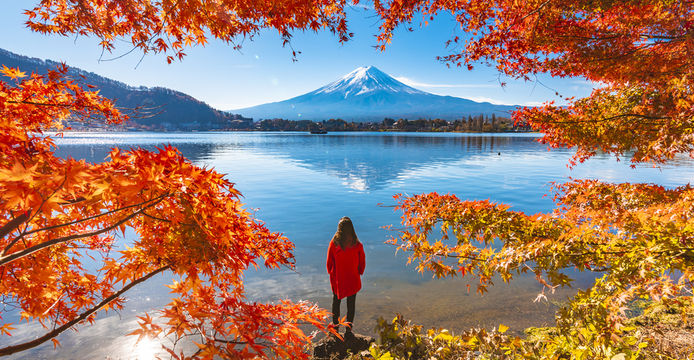
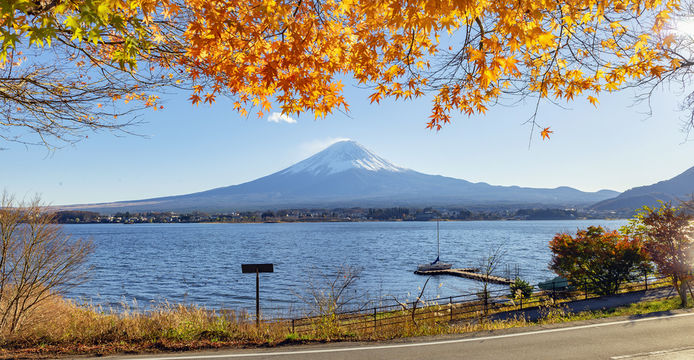
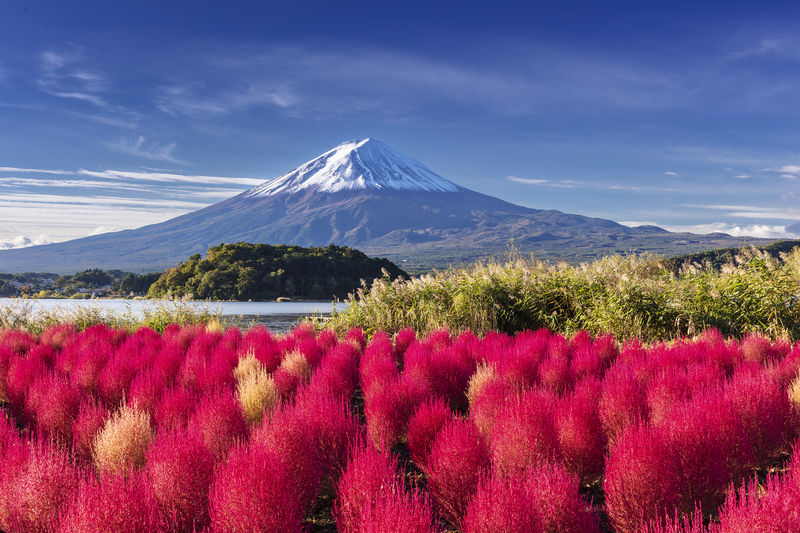
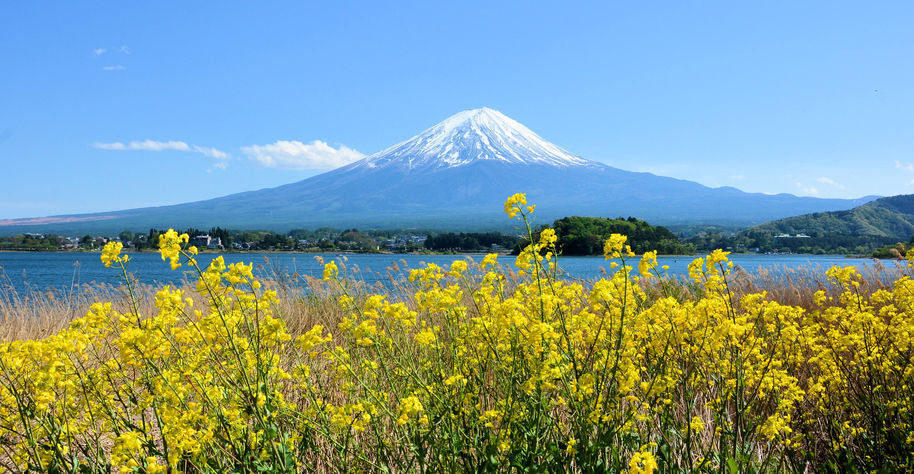
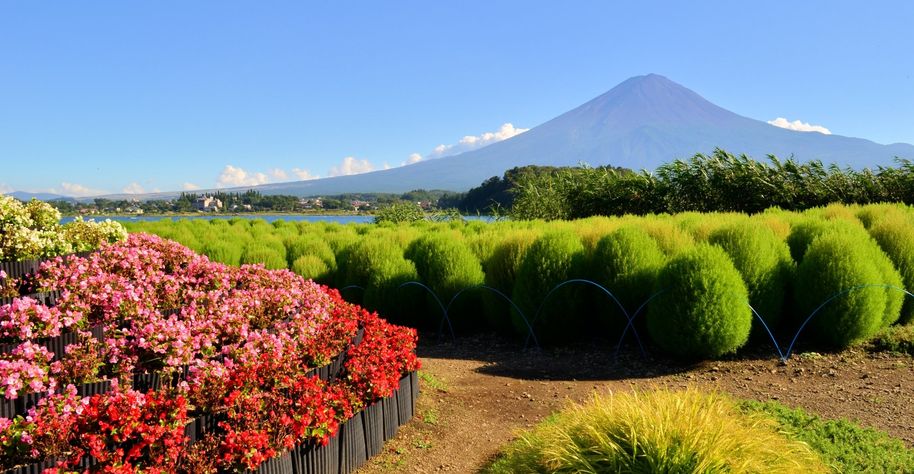
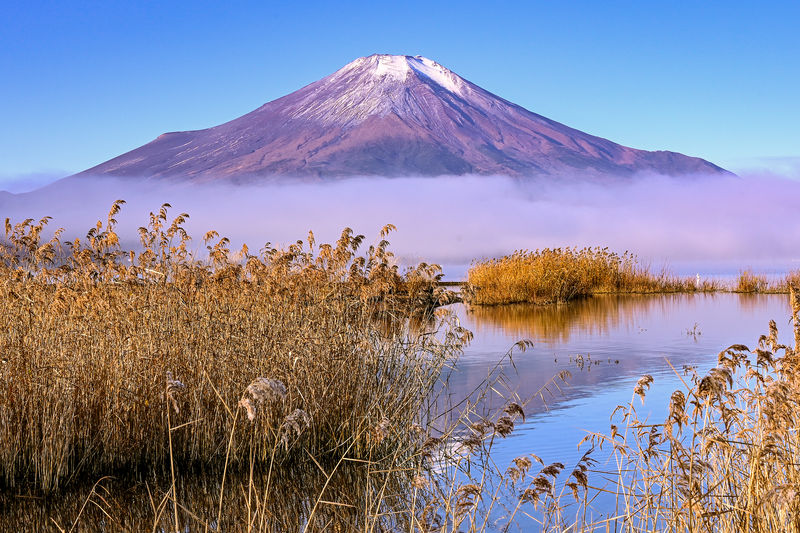
▲ Lake Kawaguchi: on windless early mornings, Mount Fuji falls completely onto the water's surface—locals call this "Sakasa Fuji," and whether you get to see it depends on luck. On Ukishima in the center of the lake sits Ukishima Shrine, dedicated to Benzaiten; take the cable car from the lakeshore up to Mount Tenjo, at an elevation of approx. 1,075 m, with the lake spread out below and the mountain standing across the way. In June, the lavender at Oishi Park blooms all the way down to the bottom of the slope; in late fall, the autumn leaves corridor on the lake's north shore is lit up.

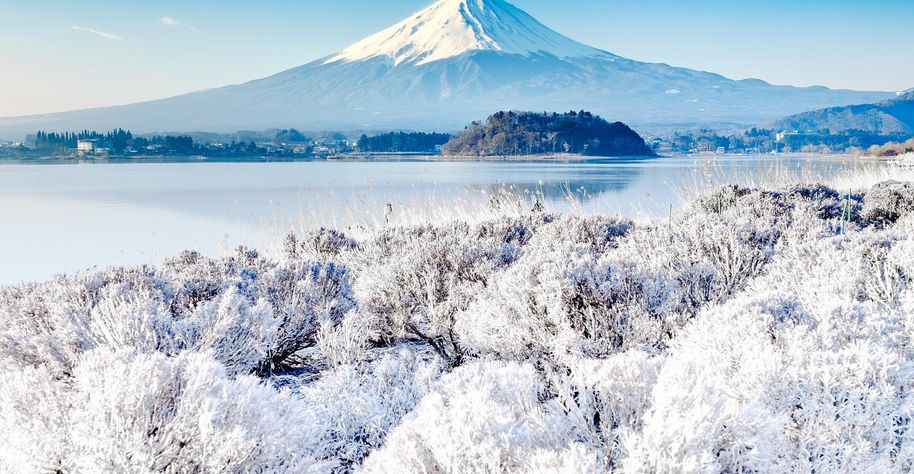
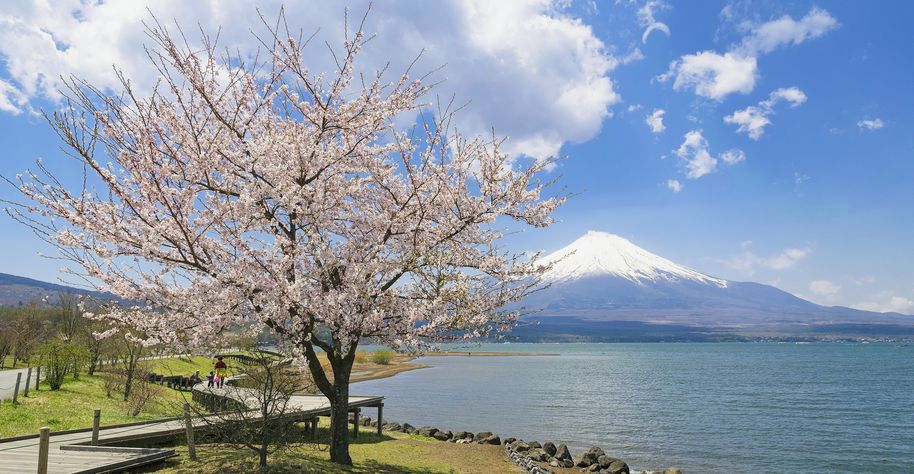
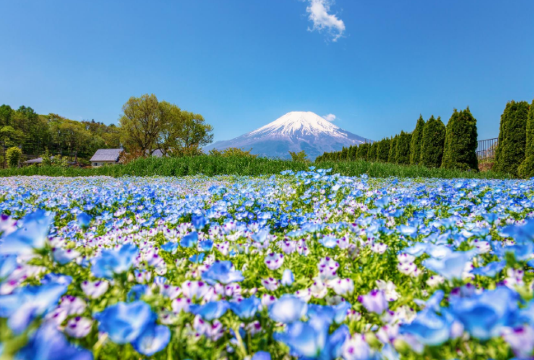
▲ Lake Yamanaka is relatively shallow among the Fuji Five Lakes, with an average depth of less than 10 m, so on winter nights it more easily forms a full sheet of ice patterns. Board the swan-shaped "Lake of White Birds" boat at Asahidake Pier and cruise around the center of the lake for just over twenty minutes as Mount Fuji grows larger inch by inch directly ahead of the bow; the cabin was designed by designer Eiji Mitooka, with a faint scent of wood and plenty of warmth. On winter mornings, the sun lands exactly on the summit—the "Diamond Fuji." There is a cycling path around the lake, and riding to the Flower Garden Park makes for a perfect rest stop.

▲ This spot is called "in front of Hikawa Watch Shop" — a long-running watch and jewelry store whose signboard has become a natural framing marker. Power lines, rolling shutters, and a Showa-era shopping street share the frame with the mountain range above the snowline, making the shot look like an old postcard. Note that this is a prefectural road with constant traffic: please shoot from the sidewalk and do not step into the traffic lane for the sake of composition.