
Top picks for Wuhan Day tours
Discover 54 Day tours in Wuhan on Trip.com, updated April 10, 2026, with experiences lasting from 1 to 10 hours. Find the perfect adventure for your day!
From IDR 469,608.00 per person, with an average total of IDR 2,562,296.71. Choose the option that suits your plan.
With 1 verified reviews, Day tours Wuhan boast an average rating of 5.0.
This week's most popular Day tours: "Wuhan Hubei Provincial Museum + Qingchuan Pavilion + Gui Yuan Buddhist Temple + Yellow Crane Tower 1-day tour with Chinese and English services available", with 1 reviews and a 5 rating.
Now on Trip.com: "A 2-hour guided walk of Hubei Provincial Museum by English-speaking guide group tour", a 2-hour adventure in Wuhan!
The next available day tour departs on April 11, 2026. Book now to secure your spot!
Wuhan Day tours usually take about 2 hours — perfect for a relaxed, immersive experience!
100% of Wuhan Day tours now offer English-speaking guides
April is the perfect time to visit Wuhan! Choose from Day tours available day tours, including seasonal favorites like Wuhan Hubei Provincial Museum + Qingchuan Pavilion + Gui Yuan Buddhist Temple + Yellow Crane Tower 1-day tour with Chinese and English services available.
Your trip, worry-free! All day tours are run by licensed suppliers with verified reviews, and many include free cancellation before departure.
54 results for Wuhan Day tours
 Duration: 2 hrsEnglish10% offLimited-time saleFromIDR 641,063IDR 712,293
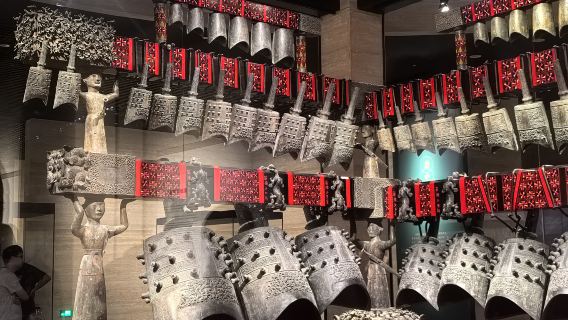 Duration: 3.2 hrsEnglish10% offLimited-time saleFromIDR 1,572,750IDR 1,747,500
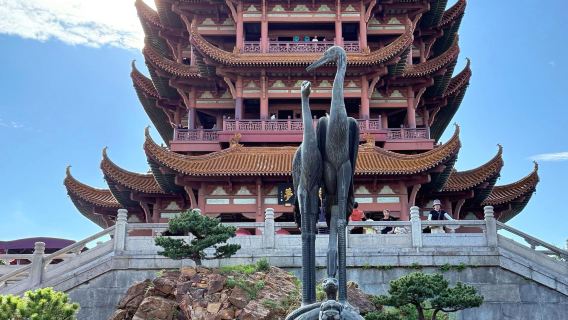 Duration: 7 hrsEnglish5.0/5Perfect· 1 reviewFromIDR 2,873,564
 Duration: 2 hrsEnglishFromIDR 1,250,000
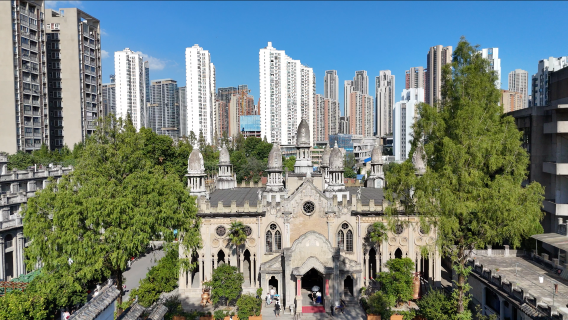 Duration: 2.5 hrsEnglishFromIDR 1,250,000
 FromIDR 3,700,000
 Duration: 10 hrsEnglishFromIDR 8,824,266
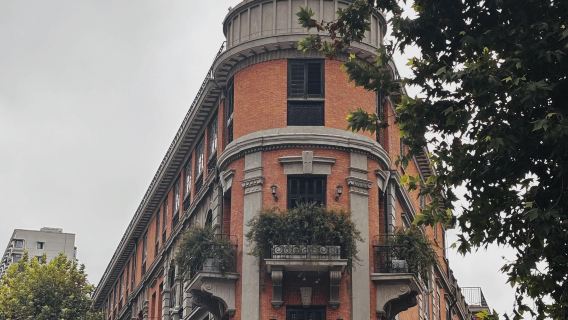 FromIDR 2,803,477
 FromIDR 1,060,976
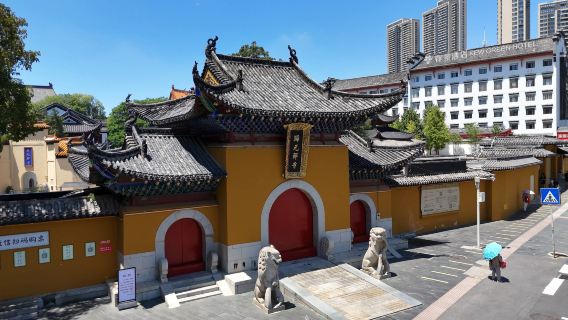 Duration: 5.3 hrsEnglishFromIDR 1,548,781
 Duration: 2 hrsEnglishFromIDR 469,608
 FromIDR 3,784,694
 FromIDR 3,644,520
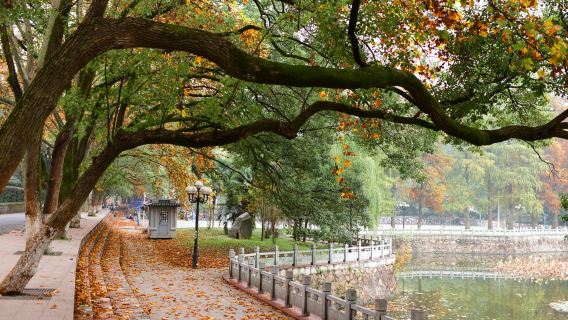 FromIDR 3,644,520
 Duration: 3.5 hrsEnglishFromIDR 2,733,390
 Duration: 7 hrsEnglishFromIDR 6,800,976
 Duration: 1 hrEnglishFromIDR 890,244
 FromIDR 3,504,346
 Duration: 3.2 hrsEnglishFromIDR 1,704,879
 Duration: 3.6 hrsEnglishFromIDR 1,704,879
 FromIDR 3,504,346
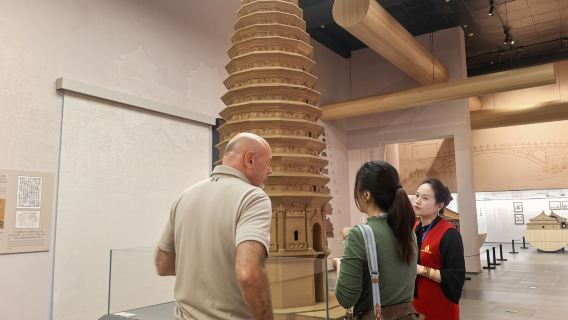


Explore top experiences
See what other travellers love, based on ratings and bookings
Frequently asked questions about Wuhan Day tours
How many Day tours are available in Wuhan on Trip.com?
What are the best Day tours in Wuhan?
What are the top-rated Day tours in Wuhan?
What are the recommended itineraries in Wuhan?
How can I contact Trip.com customer support?
Can I change or cancel my booking?
How can I get discounted prices?
Reviews/Trip Moments
Trip.com picks
Popular products
Popular activities
More popular destinations
About




Site Operator: Trip.com Travel Singapore Pte. Ltd.