
Oman The Sultanate of Oman, commonly known as Oman, is located in the southeastern part of the Arabian Peninsula, bordering the United Arab Emirates. It guards the strategically vital oil shipping route—the Strait of Hormuz in the Persian Gulf—yet remains a modest and understated country.
As early as 2000 BC, extensive maritime and overland trade activities were already taking place. Numerous ancient castles, ruins, and museums tell the story of that glorious history.
This place preserves the original Arab culture and traditions, it's the birthplace of One Thousand and One Nights, where Sinbad set sail with his horn, a land that inspires longing and wonder—
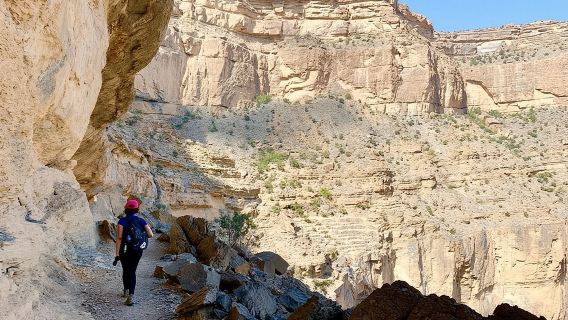
Visitors are also dazzled by its stunning natural landscapes, including bright sunshine, beautiful beaches, vast oceans, rolling mountains, and captivating oases. Oman is often called the "Museum of Earth's Landscapes" due to its diverse natural topography.
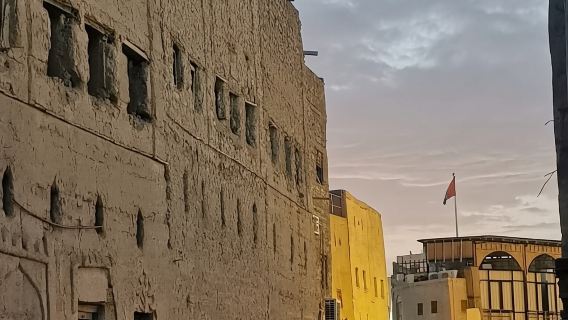
Nizwa is approximately a 90-minute drive from the capital Muscat and is a fortress city. Historically one of Oman's ancient capitals, Nizwa served as the capital of the Imamate of Oman after 1920 until it was captured in 1955 by Muscat forces with British military assistance, suffering significant damage during the conflict. Since Sultan Qaboos came to power, the Omani government has invested heavily in revitalizing Nizwa, which has now regained its status as a center for date processing, inland trade, and tourism.
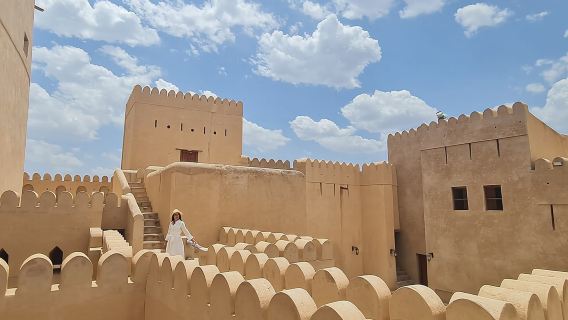
Oman is also known as the "Land of a Thousand Forts," and Nizwa Fort is one of its iconic castles. Built in the 17th century over 12 years atop an underground river, it remains one of Oman's best-preserved forts to this day. With its magnificent architecture and legendary tales, it has become one of Oman's most famous tourist attractions.
Nizwa's traditional market is famous for its handmade silver jewelry, intricately crafted "Khanjar" (traditional curved daggers), and pottery, representing the cultural symbols of Nizwa.
Nizwa is also Oman's date processing center, where you can savor the delightful taste of sweet dates paired with unique Arabic coffee for a memorable flavor experience.


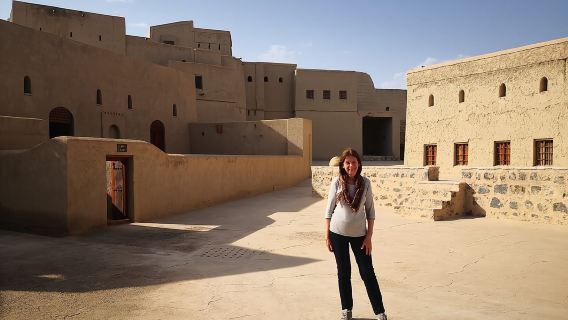
Bahla Fort was built by the rulers of the Banu Nebhan tribe between the 12th and 15th centuries. The massive Bahla Fort has never been reconstructed, allowing these fortifications to retain most of their authenticity, making them a prime example of this type of defensive structure. The site was inscribed on the UNESCO World Heritage List in 1987.

Jabreen Castle stands majestically above the surrounding plains, tightly encircled by date palm groves, creating a breathtaking sight. Built in 1675, it once served as an important center for astrology, medicine, and Islamic studies. Among all the castles in Oman, Jabreen Castle boasts a unique design, featuring rooms with distinctive painted ceilings.