Shicheng

Things to do in Shicheng

Search attractions or local attractions & tours
Search

Explore top experiences

Top 10 attractions in Shicheng

View all Attractions
Baguanao Scenic Area

Baguanao Scenic Area

3.1
4.5/5
40 reviews

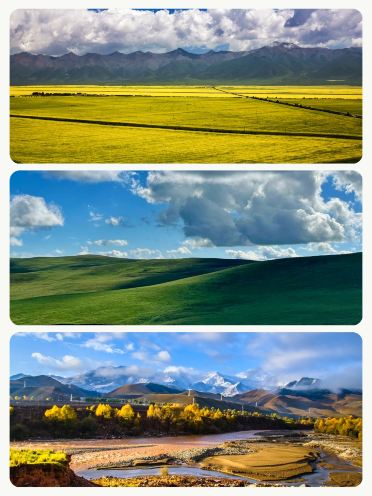
The Bagua Nao Attraction is located in Gaotian Town in the northeast of Shicheng County, 42 kilometers away from the county seat. It borders Guangchang County of Fuzhou City and Ninghua County of Fujian Province. From Bagua Nao to the east, it undulates through Niugudong Yashu Mountain, Xuefeng Mountain to Jinhua Mountain and other peaks with an altitude of more than 1,300 meters, forming a natural barrier in the north of our county. The total planned area of ​​the Attraction is about 50 square kilometers. Bagua Nao belongs to the mid-subtropical monsoon humid climate zone, with relatively rich scenery, abundant precipitation, distinct four seasons, complex terrain and great altitude differences, thus forming a diverse microclimate environment with an average annual temperature of 12-16℃. Bagua Nao has beautiful and unique natural scenery, with 10,000 mu of natural meadows, which are typical alpine meadows, broad and vast, integrated with the blue sky and white clouds, and Unlimited scenery. Especially during April and May every year, the century-old wild azaleas Souvenir the meadows are in full bloom, colorful and colorful, a world of flowers and a sea of ​​grass. Especially the century-old azalea king stands tall and proud in the vast meadow, and is the most beautiful among all the flowers, which is amazing. Spring, summer, autumn and winter, the four seasons change, the lingering fog on the mountains is like a mirage, and the snow is like jade trees and white flowers. Being in Bagua Nao, it feels like traveling in a fantasy fairy tale world. Bagua Nao has a long history and many legends. There are stories in the 36 mountains. This place has witnessed hundreds of years of historical events. During the Yanyou period of the Yuan Dynasty, Cai Wujiu, a peasant uprising figure, used this as a base to fight against the Yuan court, leaving behind historical sites such as Qu (Xu) Ma Liao, where soldiers were recruited and horses were raised, and garrisoned, in front of the school, Jinshixia, Shangying, and Xiaying, and the legend of the "Heavenly Book Treasure Map" is full of mystery; the defeat of the Taiping Heavenly Kingdom in Jinshixia and Wunijiang wrote a glorious chapter of the Chinese peasant uprising. Chen Zulin, a descendant of the ancient dwelling "Yunlong Pei Ze" in Xinping during the Ming Dynasty, actively participated in the revolution, and showed the bloodiness of the Hakka people during the Long March of the Red Army and the Anti-Japanese War. He became the protagonist of the movie "Blood Battle of Chenzhuang" and left behind a classic example of the Eighth Route Army's anti-Japanese war. Entering Bagua Nao is like reading a chapter of Hakka history that has lasted for thousands of years.

Shicheng · 27.3 km from downtown
Hakka Ancestral Land

Hakka Ancestral Land

3.3
4.5/5
39 reviews

The Hakka ancestral land is located in Shibi Village, 17 kilometers west of Ninghua County. Shibi is recognized as the ancestral land of the Hakka people, and the Hakka ancestral land Attraction is the concentration of Hakka culture. If you are interested in Hakka culture, or if you are a Hakka and want to trace your roots, you may as well visit here. The Attraction is dominated by humanistic buildings. The square of the welcoming area of ​​the sacrificial area stands with a majestic archway engraved with the horizontal plaque "Hakka ancestral land". Through the archway is a gathering and distribution square, with a half-moon pool in the center. In the pool is a large colorful "stem and branch" overflow disc. Behind the pool is a stone archway named "Chaozong", and on both sides are large Hakka history reliefs. After passing the "Chaobai" gate, there is a 100-meter Hakka epic copper-carved corridor, and on both sides of the avenue are hundreds of surname square pillars. Walking through the "Root-seeking Road" and crossing the "Source-Tracing Bridge", there is a sacrificial square of more than 10,000 square meters in front, and a plaque of "Shenzhong Zhuiyuan" is hung on the entrance "city gate". On both sides of the city gate are two large murals and bronze sculptures. There are three halls on the front. In the central main hall "Huaizu Hall", a huge monument of "Hakka Ancestor Altar" is erected. The sacrificial square is quite large. There are 16 large relief cultural columns on both sides of the square. The annual ceremony of ancestral worship in the Shibi ancestral land of the Hakka people is held here. Going up the steps, you will reach the main attraction of the Attraction, the Hakka Public Temple, which mainly displays Hakka culture and introduces some Hakka folk customs. The main hall is called Yuping Hall, which is the God Ancestor Hall. The ancestral tablets of 213 Hakka surnames are enshrined in the hall, and more than 300 people can worship at the same time. Most of the buildings in the Attraction are newly built. If you want to appreciate the original Hakka old houses, you may as well go to the nearby Shibi Village, where you can see the Zhang Family Temple and many incense halls.

Ninghua · 15.7 km from Shicheng
Kulangsu
2026 Asia 100 - Best Things to Do

Kulangsu

8.7
4.5/5
54.6k reviews

Kulangsu is located in the southwest corner of Xiamen, Fujian Province, facing Xiamen Island across the Lujiang Strait. The island covers an area of about 1.88 km² and is a "garden on the sea, island of pianos, and exhibition of architecture from around the world" that blends nature with culture. In 2017, it was inscribed on the World Cultural Heritage List as "Kulangsu, a Historic International Settlement." The island is a bedrock island with a winding coastline and many natural harbors and reefs; its terrain is mainly hilly, with the highest peak, Sunlight Rock, at 92.7 m above sea level. It has a subtropical maritime monsoon climate, warm and humid, with spring-like weather all year round, making it suitable for visiting throughout the year. Motor vehicles are prohibited on the island, so there is no noise of traffic—only birdsong, flowers, waves, and piano music. Hundreds of historic buildings from the late 19th century to the mid-20th century still stand, spanning Gothic, Victorian, Baroque, Nanyang arcade, and traditional Minnan courtyard styles, and are acclaimed as a "World Architecture Expo" and a living specimen of a modern East Asian international community. Representative buildings include the Bagua Mansion (Organ Museum), Shuzhuang Garden, Haoyue Garden, the former site of the HSBC Mansion, Trinity Church, and the former residence of Lin Yutang. The island has a profound musical cultural heritage. Since the late Qing Dynasty, Western music was introduced through missionary schools. The density of pianos on the island has long ranked among the highest in the country, and musical masters such as Yin Chengzong and Xu Feiping were born here, earning it the reputation of "Island of Pianos" and "Island of Music." The Piano Museum houses century-old antique pianos, and the Organ Museum holds a giant pipe organ. Piano music is often heard among the streets and alleys, and the tradition of family concerts continues to this day. The core attractions on the island each have their own distinctive features. Sunlight Rock is the highest point on the island; from the summit, visitors can enjoy a 360° panoramic view of the entire island, Xiamen main island, and the Taiwan Strait, and there is a saying that "you haven't truly visited Xiamen until you've climbed Sunlight Rock." Shuzhuang Garden was the private residence of the wealthy Taiwanese merchant Lin Erjia, designed to "hide the sea within the garden and embrace the mountains as scenery," blending Jiangnan garden aesthetics with mountain and sea views; the garden's Piano Museum houses nearly a hundred antique pianos. Haoyue Garden features a 15.7 m tall granite statue of Zheng Chenggong facing the sea, built to commemorate the national hero who recovered Taiwan. Bagua Tower is a landmark building on the island, blending Chinese and Western architectural aesthetics, and houses hundreds of antique organs. Yuyuan Garden, Gulang Stone, Yanwei Mountain Ecological Park, and other cultural and natural attractions are scattered across the island, linking together a century of charm and the poetry of mountains and sea. Tour tips Island access: You need to take a ferry from the ferry terminal on Xiamen Island to get there. There is no general admission ticket; core attractions require separate tickets or a combo ticket. Mode of travel: Walking tours across the island; paid sightseeing electric carts are available; motor vehicles are prohibited. Recommended season: suitable all year round; spring and fall (April-May, October-November) offer comfortable weather and blooming bougainvillea, making the scenery especially beautiful.

China · Xiamen
Tengwang Pavilion Tourist Area
2026 Global 100 - Night Attractions

Tengwang Pavilion Tourist Area

8.7
4.5/5
30k reviews

Tengwang Pavilion Tourist Area is located on the east bank of the Gan River in Nanchang, with the riverside Tengwang Pavilion as its centerpiece. Originally built in the fourth year of the Yonghui era of the Tang Dynasty by Li Yuanying, Prince of Teng and son of Emperor Gaozu of Tang, it gained eternal fame through Wang Bo's "Preface to Tengwang Pavilion." Alongside the Yellow Crane Tower and Yueyang Tower, it is hailed as one of the "Three Great Towers of Jiangnan." Historically destroyed and rebuilt nearly thirty times, the current structure is a Song-style replica completed in 1989, designed based on Liang Sicheng's reconstruction sketches. With its green tiles and layered eaves, it remains a landmark of Nanchang to this day. The main pavilion follows a "three visible, seven concealed" layout: appearing as a three-story structure with encircling corridors from the outside, while actually containing seven interior floors—nine levels including the two-tiered base symbolizing ancient city walls. Turquoise-roofed galleries extend north and south from the base's flanks, connecting at their ends to auxiliary pavilions named "River-taming" and "Greenery-embracing," forming a mountain-shaped silhouette with the main tower. Below, an artificial lake and the nine-bend wind-and-rain bridge add classical garden charm to the majestic architecture. Each floor of the pavilion offers something remarkable. The white marble relief "A timely wind delivers Tengwang Pavilion" in the first-floor preface hall depicts the legend of Wang Bo riding the wind to compose his famous preface. The second-floor mezzanine features the long scroll painting "Gallery of eminent figures," gathering Jiangxi's historical luminaries like Tao Yuanming, Ouyang Xiu, Wang Anshi, and Tang Xianzu in one artwork. The third-floor mural "Linchuan dream" recreates Tang Xianzu's staging of "The peony pavilion" here. The fourth-floor "Land of wonders" painting compresses Jiangxi's iconic landscapes—Mount Lu, Sanqing Mountain, Dragon-Tiger Mountain, and Poyang Lake—into a single masterpiece. The fifth floor is the highlight for panoramic views: its central hall displays a bronze tablet inscribed with Su Dongpo's calligraphic version of "Preface to Tengwang Pavilion," while the east hall exhibits a scale model of the pavilion. Strolling the veranda offers sweeping views of the Gan River and modern skyline across the water. The top floor bears the plaque "Ninth heaven," with its west hall housing an antique-style theater flanked by replica ancient instruments like chime bells and stone chimes. Above, spiral-arranged bracket sets adorn the caisson ceiling, and between the double eaves hangs Su Dongpo's gilded "Tengwang Pavilion" plaque. After descending from the main pavilion, take time to explore the garden area: the square in front of the pavilion, the grand Song-style archway, the antique street lined with calligraphy and antique shops, and the small Suzhou-style garden Fuchang Garden with its lake reflections and bridge views—perfect for slowing your pace. To experience the poetic scene of "a solitary wild duck flying with the sunset glow, while the autumn water blends with the vast sky," an evening ascent to the pavilion is ideal. The fifth-floor corridor offers an expansive view, making it a prime spot to admire the sunset over the Gan River.

China · Nanchang
Wuyishan National Park
2026 Global 50 - Cool Water Escapes

Wuyishan National Park

8.6
4.6/5
13.4k reviews

Wuyishan National Park is located in the northern section of the Wuyishan mountain range in northwestern Fujian, stretching across the border area between Fujian and Jiangxi provinces. It is one of China's first established national parks, and Wuyishan itself was inscribed as a UNESCO World Heritage Site for both culture and nature as early as 1999. The park was formed by integrating the former Wuyishan National Nature Reserve and Wuyishan Scenic Area: the Tongmu area in the north focuses on ecological conservation and scientific research, preserving a rare intact mid-subtropical forest ecosystem at this latitude. The main peak of the Wuyishan range, Mount Huanggang, is also located here, and this core area does not offer regular tourism activities. Sightseeing activities are concentrated in the scenic areas along both banks of the Nine-bend Stream, namely the four major sections: Tianyou Peak to Taoyuan Cave, Nine-bend Stream to Wuyi Palace, One-line Sky to Tiger Roaring Rock, and Dahongpao to Water Curtain Cave. The attractions in the scenic area are relatively scattered with considerable distance between them. A leisurely visit typically requires two to three days. If you only have one day, start by ascending Tianyou Peak for a panoramic view of the emerald waters and crimson mountains along the Nine-bend Stream, then take a bamboo raft downstream from Xingcun Wharf. Along the way, you'll pass landmarks like Jade Maiden Peak, Great King Peak, cliff inscriptions, and suspended boat coffins. The rafting journey ends at Wuyi Palace, making it an ideal classic route. Tea enthusiasts may prefer spending time on the leisurely Rock Bone Floral Trail between Dahongpao and Water Curtain Cave. This gentle path connects core Wuyi rock tea production areas like Liuxiangjian and Huiyuankeng, offering a uniquely fragrant experience. With two days, you can cover all four major sections. For more time, consider visiting the ancient tea merchants' residences in Xiamei Village, the starting point of the ancient Tea Horse Road, or exploring the ruins of the Minyue King's City near Chengcun Village—the latter also being part of Wuyishan's world heritage site. Bamboo rafting is very popular, so please make arrangements in advance during peak season. To get close to the ecological heart of the park, you can take the Wuyishan National Park No. 1 scenic route. Places like Moon Bay and Qinglong Waterfall are suitable for self-drive or private charter. As for food, street snacks like flat meat dumplings and Vietnamese noodles are common, while Langu smoked goose and local dishes cooked with alpine bamboo shoots and mushrooms are also worth trying.

China · Wuyishan
Ge's Fairy Village
No. 3 of Night Attractions in Jiangxi

Ge's Fairy Village

8.5
4.8/5
12.6k reviews

Ge's fairy village is located in Yanshan County, Shangrao City, Jiangxi Province. It was invested and constructed by Xinbang Group in June 2016, with a total investment exceeding 1.569 billion yuan. Backed by the thousand-year-old Taoist mountain Ge's Fairy Mountain, it aims to become "a new landmark of Jiangxi tourism." The project is divided into two phases, with a planned construction area of approx. 300,000 square meters. The core attraction area covers 650 mu, including three main sections: the distribution center area, Ge's Fairy Village resort, and the Tianjing Terrace attraction. Future development will continue to expand outward along the valley. Ge's fairy village is developed around the Ge's fairy mountain attraction, inspired by the cultivation stories of immortal Ge Xuan on the mountain. It integrates the cultural essence of Taoism with classical landscape painting aesthetics, recreating the mountain village scene where Ge Xuan lived and practiced during the late Han dynasty. Using water, bamboo, and village as creative elements, it aims to create a natural sanctuary and fairy village combining eco-tourism, leisure vacations, business conferences, and Taoist cultural experiences. Introduction to attractions in Ge's fairy village Yuánfāng - Heaven and earth hidden in the mountains and forests The name "Elements" is derived from the Taoist concept of "the sky is round and the earth is square." The bronze compass within Elements, meticulously crafted by renowned artists, embodies the Taoist understanding and profound mastery of the universe's principles. The overall design follows the concept of a "vanishing building," featuring a facade of glass mirrors and bamboo. From a distance, the glass mirrors reflect the natural scenery of the mountains, making the structure appear hidden within the forest. Without careful observation, one might easily overlook the building and the hidden paradise behind it. Zhongmiao pavilion - profound and mysterious, both real and illusory Zhongmiao pavilion is the highest point of the attraction, featuring an ancient architectural structure. The main building stands 26 m tall with a three-story, four-pillar pure wood design. Pavilions are typically used for storing books or enshrining deities, which adds more cultural significance to this structure. In the evening, the solemn and magnificent Zhongmiao Pavilion show takes place here, where the combination of modern technological lighting and ancient architecture creates a dreamlike and visually stunning experience. Culture has a long history The ancestral hall square mainly consists of the jiao altar at the center and the Ge Weng ancestral hall. The jiao altar is a place for capping, wedding, and sacrificial ceremonies. It served as the venue for ancient capping rites, wedding ceremonies, and rituals praying to deities. Traditional folk cultural performances are staged in the central area of the ancestral hall square. Dust-washing gate·Emerald pool - Wash away the mundane Under the moonlight, seekers perform the traditional Taoist greeting, embracing the path of Taoism. The "gate of purification," crafted with mist curtain installations, presents a mesmerizing interplay of light and shadow amidst ethereal fog, cleansing worldly dust from those who journey from afar. Water curtain film - magnificent and breathtaking The water stage at Zhongmiao Pavilion presents a grand live-action water screen movie every evening, where the fusion of water screens and light creates a dazzling visual feast. Performers dance to the rhythm of alternately intense and soothing music, bringing to life a series of dramatic legendary tales from a flourishing era. China town artifact culture museum - A long history of town artifact culture The China town artifact culture museum is located at the entrance of Lingbao Fairy Street, featuring horse-head walls that showcase the distinctive Huizhou architectural style. Inside, visitors can explore China's ancient town artifact culture through exhibition areas, retail zones, and workshop sections, gaining a deeper understanding of this cultural heritage while admiring historical artifacts.

China · Yanshan
Shicheng Today's weatherClear 9-21℃
Shicheng weather for the next 2 days11/12: 12-24℃, 11/13: 15-23℃

Free things to do in Shicheng

What travellers say about Shicheng

user-avatar
天峰阳光May 25, 2025
5.0
The Danxia scenery in the scenic area is very beautiful, and the root of life is very vivid. The whole tour takes 2-3 hours. There are South Gate and North Gate. Under normal circumstances, you can enter one gate and exit the other without going back. There is a scenic area shuttle bus between the two gates, but the interval is a bit long, one trip per hour, it is recommended to shorten the time appropriately.

Tongtianzhai Scenic Area

user-avatar
Anonymous userSeptember 19, 2026
4.0
Fewer people meant cleaner water. However, many pools were extremely hot. Ultimately, only one pool had a suitable water temperature, allowing for a longer soak. Probably because there were fewer people, the water temperature needed to be maintained until evening. Having a swimming pool is nice.

Shicheng Jiuzhai Hot Spring Resort
user-avatar
grace98December 15, 2025
5.0
Winter is a great time to soak in hot springs. Shicheng Forest Hot Spring has good facilities, clean changing rooms, beautiful hot spring environment, and warm and attentive staff. Li Xiaoyong and an auntie will proactively pour tea, chat about hot springs, and provide change of bath towels.

Shicheng Forest Hot Spring
user-avatar
芳华有尽,行者无疆February 14, 2021
5.0
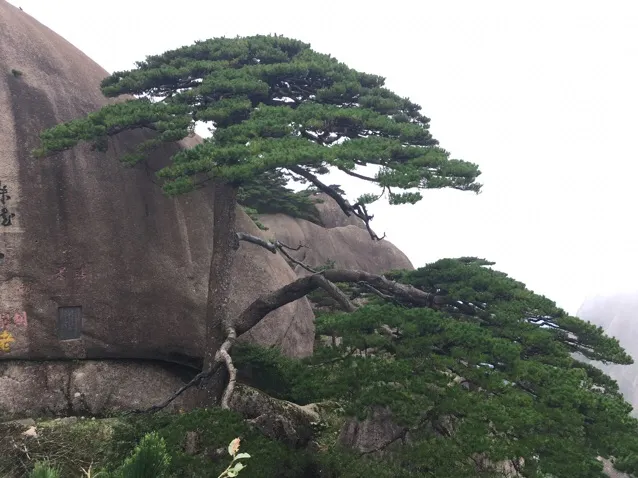
It's interesting and fun. I went there last year. Traveling is sometimes just a way to release your mood, just like a fish sinking to the bottom of the water, feeling bored before the thunderstorm comes, and eager to get to the surface to take a breath. Leaving one city and rushing to another, no matter whether the city gives you a good or bad feeling, what remains unchanged is that we always have a vision and curiosity for the unknown scenery.

Baguanao Scenic Area

user-avatar
M10***33November 8, 2026
5.0
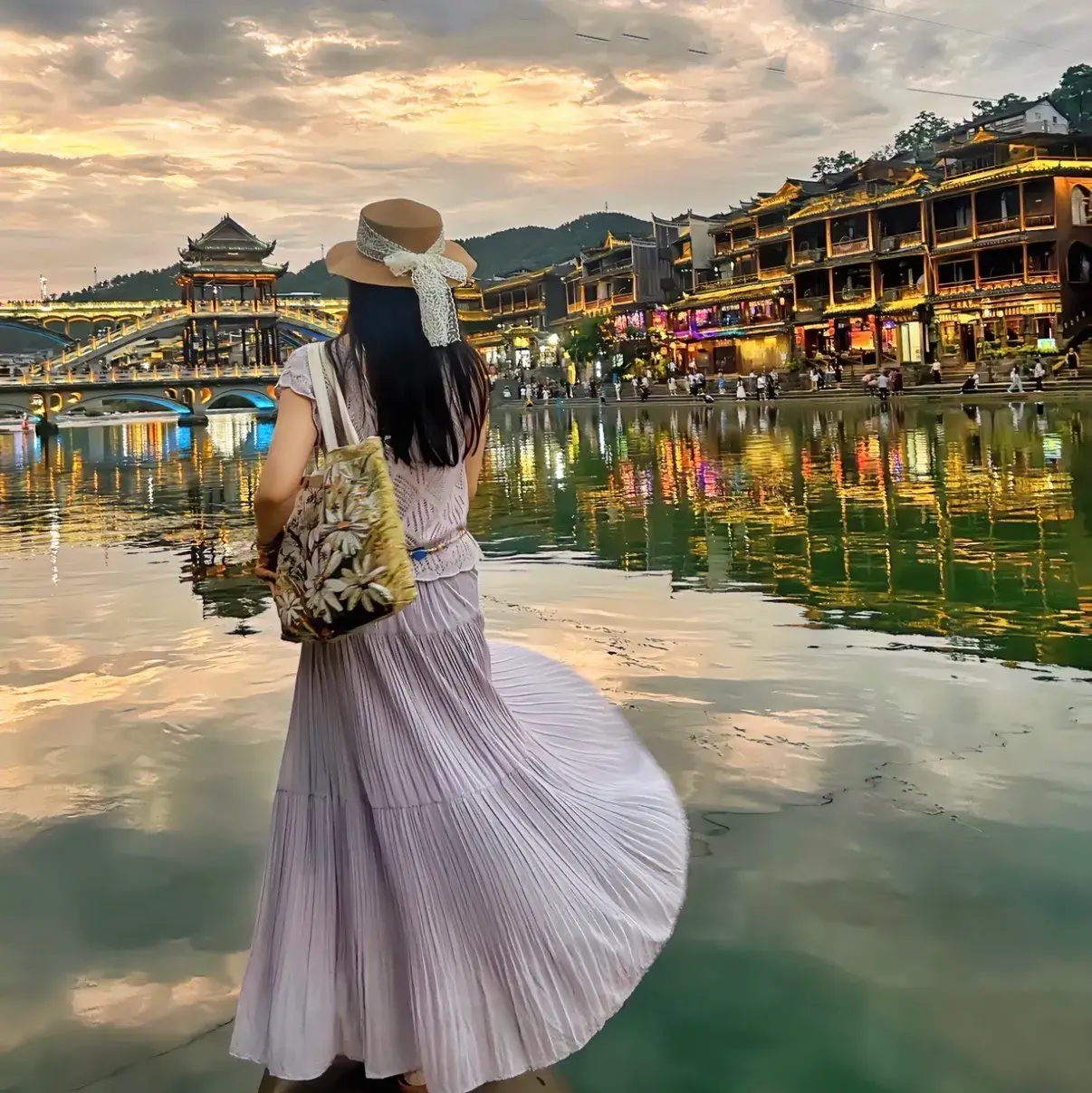
Gulangyu Island truly is a garden by the sea, with lush greenery and excellent air quality, well worth taking your time to explore and appreciate. Be sure to climb to the top of Sunlight Rock; from there, you can enjoy panoramic views of the entire island. Highly recommended.

Kulangsu
user-avatar
住在湖边的人LynneNovember 10, 2026
5.0
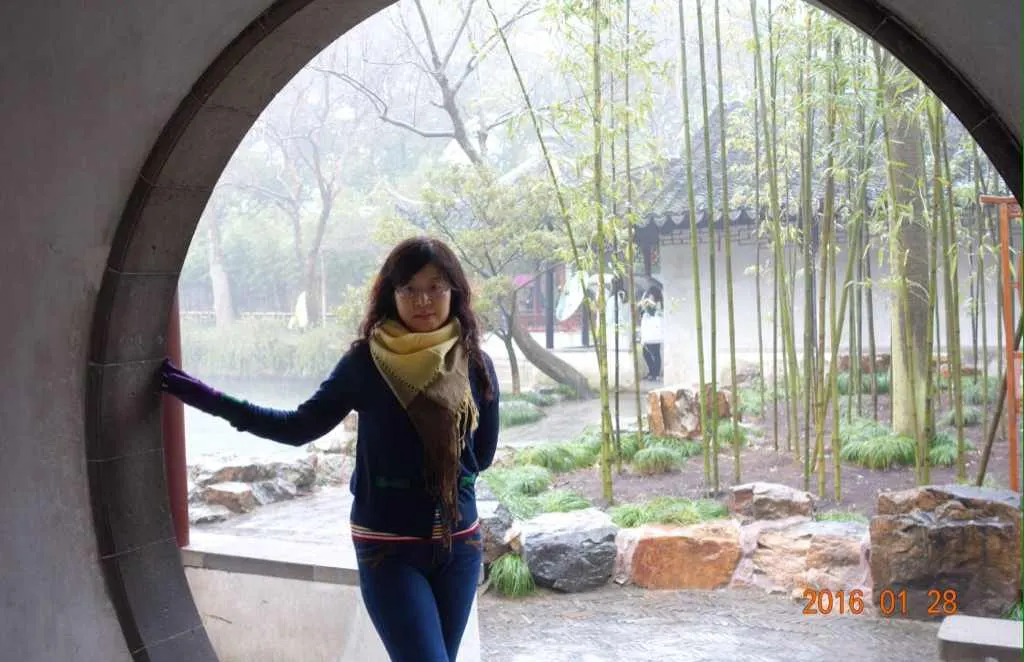
Originally built in the Tang Dynasty and rebuilt several times during the Song, Yuan, Ming, and Qing Dynasties, the pagoda standing today is a reconstruction from 1989 based on manuscripts and historical documents left by Mr. Liang Sicheng. Although it is no longer the ancient pagoda from which Wang Bo once gazed into the distance, the river flows on, and the mountains remain unchanged. Climbing the pagoda is not for reminiscing about the past, but simply to share the same sky and earth with that young man from a thousand years ago amidst the rising winds and surging clouds—in that instant, you understand what it means to "fly the setting sun and the lone wild goose together, the autumn water and the vast sky are of one color." The essence lies not in the pagoda itself, but in the moment of ascending it.

Tengwang Pavilion Tourist Area
user-avatar
千江水中月November 7, 2026
5.0
Every attraction is worth visiting, with its rich cultural heritage and stunning natural scenery that leaves visitors breathless and reluctant to leave. There are some attractions I haven't visited yet; I'll come back another time.

Wuyishan National Park

user-avatar
Anonymous userNovember 8, 2026
5.0
The crowds somewhat affected the experience. The performance was extremely noisy, constantly using bass, with no soothing music. Luckily, we were far away, or our hearts would have been pounded. I recommend the café; the second-floor terrace is a great spot to watch the light show. Before going, I thought they would put thousands of lights in the sky, but that's not the case. Each person is held by a thin rope, and many lights float in the air simultaneously—it's truly breathtaking. After the evening show, if you choose to leave by electric cart, do not walk to the far right. There are barriers all the way, preventing you from merging into the waiting area. We ended up walking all the way to the parking lot, a 1.3-kilometer walk that took a considerable amount of time late at night.

Ge's Fairy Village

user-avatar
Anonymous userAugust 9, 2026
1.0
This is a terrible tourist attraction. The visitor center is 6 kilometers away from the attractions, and you have to pay an extra 10 yuan per person for a shuttle bus. The visitor center service is poor, inefficient, and filled with secondhand smoke. The actual attractions are pitifully small; you can walk through them in half an hour, and it's completely not worth the price. The map is also terrible, with an incorrect scale. The signs for the attractions are incomplete.

Ganjiangyuan Scenic Area

Trip Moments in Shicheng
Popular cities near Shicheng

Frequently asked questions

How can I contact Trip.com customer support?

Get help anytime, anywhere within 30 secondsContact customer support

Change and cancellation policies vary by attractions and tours. Please check the product details page for more information.

Ticket prices may vary between weekdays and weekends, as well as during peak and off-peak seasons. When booking with Trip.com, you can also use Trip Coins to get extra savings. For more tips on booking discounted tickets, please visit Trip.com for the latest information.