
Things to do in Zhengzhou
Explore top experiences
Top 10 attractions in Zhengzhou


Henan Museum
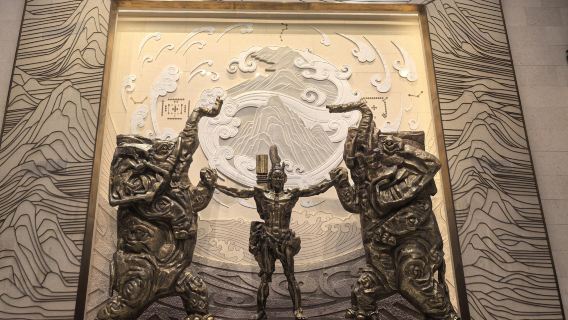
Located in the city of Zhengzhou, Henan Museum has a rich collection of exhibits displaying Henan's 5,000-year history and offering a window into traditional Henanese culture. The museum has eight exhibition halls that can be visited in chronological order. The collection includes several national treasures, including the lotus crane vase, cloud copper chest, Saohao vase, Jiahu bone flute, Wushu copper plate and more. Be sure to visit them all.Zhengzhou · 4.1 km from downtown

Enjoy International Resort
Enjoy international resort is a large-scale cultural tourism and vacation complex invested and constructed by the Enjoy group. Located in the southwest of Zhengzhou, it is 37 km from Zhengzhou high-speed rail station and 25 km from Zhengzhou Xinzheng international airport, with the Zhengyao expressway passing through, offering extremely convenient transportation. As a comprehensive cultural tourism project in the central plains, Enjoy international resort strives to create a top-tier international vacation destination with distinctive central plains cultural characteristics. The resort is nestled by the Yunyan reservoir and Wuding lake, built around the "Yellow Emperor palace known as the first palace under heaven". It paints a grand masterpiece with the vast landscape as its canvas and millennia as its brush, inheriting and carrying forward the great achievements of the Yellow Emperor, the ancestor of Chinese civilization. The blessings of heaven, the virtues of earth, the grace of Leizu, and the fortune of Dahong will surely take root, be passed down, flourish, and grow in this world-class future-oriented creative city. Enjoy Animal Kingdom is an internationally-standard animal theme park built with significant investment by Enjoy International Resort, officially opened on August 18, 2020. Located in Xinmi City, the cultural new district of Zhengzhou (capital of Henan Province), it is a key cultural tourism project in Henan. With a total investment of 5 billion CNY and covering 570,000 square meters, the park features areas like Jiabao Town, Animal Kingdom, Fantasy World, Life Island, Emerald Sea, and Grand Mountains, along with 10 large amusement rides. Showcasing over 200 species and more than 3,000 rare wild animals, it integrates animal viewing, science education, behavioral displays, rides, theater performances, and 3D cinemas into a comprehensive interactive wildlife-themed destination. Zhengzhou Yinji Ice & Snow World was planned and designed by the world-renowned design firm OKE. It is a comprehensive indoor ice and snow theme park operating year-round, integrating an ice lake, snow play area, and amusement rides. Covering an area of 60 mu with an investment of 500 million yuan, it offers full-day, year-round operation. Visitors can not only enjoy winter fun but also thrilling amusement experiences. The park features a unique 3,000 m² dreamlike ice lake, a 360 m dazzling ice loop, and four themed zones: Christmas World, White Castle, Snow Cat Town, and Emerald Valley, along with eight amusement rides and twelve play attractions. Enjoy Lehai Myth World is a Chinese mythology-themed immersive experience park developed by Enjoy Cultural Tourism Group with significant investment, targeting Gen Z as the core demographic while also catering to Gen Y young adults and family-friendly visitors. Through "all-scenario performances," it integrates deity-themed photo spots, interactive immortal shows, and mythological scene-based consumption. Located within Enjoy International Resort in Zhengzhou, Henan province, this project pioneers a new exploration of Chinese mythological universes. It combines Zhengzhou's internet-famous landmark "Enjoy Ferris Wheel" with the summer water fun of Lehai Water World, offering visitors extraordinary mythological experiences—visually stunning, incredibly fun, deliciously satisfying, and perfect for photography. Zhengzhou Yinchiji Huangdigong Royal Hot Spring consists of five sections: Chinese wellness culture zone, Southeast Asian style zone, Japanese onsen therapy zone, hot spring villa zone, and functional leisure zone. It features 108 distinctive indoor and outdoor hot spring pools, along with 34 exquisite villas and courtyards. The outdoor hot spring area covers 48,000 m², while the indoor hot spring pavilion spans 4,000 m² with 2,901 lockers. Comprehensive facilities cater to diverse needs. Meticulously designed with beautiful views and comfortable hot spring experiences, it harmonizes mind and nature through scenic immersion, offering relaxation and premium enjoyment. Zhengzhou Yinchiji Huangdigong Royal Hot Spring Hotel (Animal Kingdom Branch) offers various room types in its main building, including deluxe rooms, luxury suites, family-friendly rooms, and presidential suites. The hot spring villas and luxury villas, located in separate areas, are a highlight featuring private courtyards, exclusive hot spring pools, and standalone accommodations for travelers seeking privacy. Zhengzhou Yinji Ice & Snow Hotel (Animal Kingdom Branch) is a polar ecology-themed hotel designed by the world-renowned architectural firm WATG from the United States. Covering an area of 390 mu, the hotel features various luxury suites and cozy family rooms with premium lake views. Its diverse restaurants and bars offer Chinese, Western, and Asian specialty cuisines. Banquet halls, conference venues, and multifunctional rooms cater to business and wedding needs. A 1,000 m scenic moat surrounds the hotel, creating a dreamlike private castle. The hotel boasts 1,314 themed guest rooms, distinctive specialty restaurants, a Chinese restaurant, a vibrant leisure commercial street, an outdoor wedding pavilion, a unique barbecue camping park, an outdoor slide amusement park, a 9-hole mini golf course, a fitness center, a foot spa, a children's driving school, and indoor/outdoor heated pools. Additionally, its large and small banquet halls along with 19 multifunctional meeting rooms serve as ideal venues for various events and dream weddings.Xinmi · 15.8 km from downtown

Erqi Square
Erqi Square is located in the heart of Zhengzhou and is a highly recognizable city landmark, as well as the core of the established commercial district. The square is named after the 1923 Beijing-Hankou Railway workers' strike. When it was built in 1951, a wooden tower was erected, and in 1971, it was rebuilt on the original site into the current twin-tower structure—the Erqi Memorial Tower. The memorial tower is 63 m tall and has 14 floors. Each floor features traditional-style upturned eaves covered with green glazed tiles. The twin-tower design is rare among commemorative buildings in China. Inside the tower is the Erqi Memorial Hall, which displays historical materials and artifacts from the strike. It is especially worth noting the clock tower at the top: every hour on the hour, the bell plays "The East Is Red," and the sound has echoed over the city center for years, serving as a familiar urban memory for many Zhengzhou residents. At dusk, as the lights come on, the tower and the surrounding commercial district light up together, making the square's night view perfect for photos. The adjacent Dehua Pedestrian Street is a hub for snacks and dining, so you can grab a bite after exploring. If you are visiting Zhengzhou for the first time, you can see both the city's historical character and its bustling daily life here.Zhengzhou · 30m from downtown

Zhengzhou Greenland Plaza
Zhengzhou Greenland Plaza is a landmark supertall building in the CBD of Zhengzhou's Zhengdong New District. Its approx. 280 m tower stands by Ruyi Lake, and together with the Zhengzhou International Convention and Exhibition Center and the Henan Art Center, it forms a highly recognizable group of buildings on the Zhengzhou skyline. This tower was designed by the American architectural firm SOM. Its shape is inspired by the Songyue Temple Pagoda in Dengfeng. The building tapers from bottom to top and features a tapered glass curtain wall, giving it the silhouette of a towering ancient pagoda. The curtain wall and structure also incorporate greener, energy-saving, and recyclable design concepts. By day, it is a blue-gray modern glass tower. After nightfall, the building's lights turn golden yellow, and with its shape resembling a corn cob, it is affectionately called "Big Corn" by Zhengzhou residents. The ideal viewing angle is not inside the building, but by the lake: stroll along the Ruyi Lake trail from evening to night, and the golden tower, along with the reflections of the convention and exhibition center and the art center, falls onto the lake surface, allowing you to easily capture symmetrical city photos. If you want to overlook the CBD's circular building complex and lake view from above, there is also a city sightseeing hall on the upper floors of the building.Zhengzhou · 5.9 km from downtown

Zhenwei Water City
Zhenwei Water City is located in Xinmi, Zhengzhou City, Henan Province. It is a key construction project in Henan Province and a major urban renewal project in Zhengzhou. Centered around three themes—"Early China, Ancient City of a Thousand Years, and the Culture of the Book of Songs"—the project focuses on the preservation and organic renewal of Xinmi's ancient city, creating a comprehensive cultural, tourism, and commercial destination.Xinmi · 3.1 km from downtown

Fuxi Mountain Tourist Area
Fuxi Mountain Tourist Area is nestled among magnificent mountains, serving as a comprehensive destination themed around natural scenery and cultural heritage. Renowned for its rich geological views and profound historical culture, it's an ideal place for visitors to explore natural wonders and immerse in cultural depth.Fuxi MountainIts unique landforms and diverse ecosystems attract nature enthusiasts and geologists alike. Visitors can hike along the trails in the attraction, trekking through dense forests and unique rock formations while admiring the magnificent mountain views and abundant flora and fauna. For those seeking challenges, the attraction offers climbing and adventure activities, allowing you to experience excitement and adventure in nature. Additionally,Fuxi MountainIt also features a cultural exhibition area showcasing historical legends and archaeological discoveries related to Fuxi, helping visitors gain a deeper understanding of the local culture. The attraction offers comprehensive leisure facilities, including observation decks, picnic areas, and specialty restaurants, providing a comfortable resting environment and authentic local cuisine. Whether for family trips, cultural exploration, or nature adventures, Fuxi Mountain Tourist Area delivers a fun and inspiring travel experience, allowing you to create unforgettable memories amid the blend of nature and culture.Xinmi · 16.3 km from downtown

Zhengzhou Museum
Zhengzhou Museum is a modern comprehensive museum dedicated to showcasing and preserving the rich historical and cultural heritage of the Central Plains region. As one of Zhengzhou's significant cultural landmarks, it serves not only as a paradise for history enthusiasts but also as an important window for the public to understand the civilization of the Central Plains. The museum features multiple permanent exhibition halls and is composed of a grand lobby, temporary exhibition spaces, intangible cultural heritage display areas, an academic lecture hall, public service areas, and visitor service facilities, covering various historical periods from prehistoric times to the modern era. The diverse collection includes bronzeware, ceramics, paintings, calligraphy, and folk artifacts, vividly showcasing the historical evolution and cultural development of the Central Plains region. Notably, some of the museum's treasured artifacts, such as Shang Dynasty bronzeware and Han Dynasty pottery figurines, are rare national treasures. In addition to static exhibitions, the museum offers multimedia interactive experiences that allow visitors to feel the pulse of history more intuitively through advanced digital technology. Regularly held thematic exhibitions and academic lectures provide opportunities for visitors to gain in-depth understanding of specific historical topics. Whether for family outings or academic research, Zhengzhou Museum is an ideal place to explore history and inspire wisdom.Zhengzhou · 11 km from downtown

Zhengzhou Erqi Memorial Hall
In the Erqi Square you will find the 27 Memorial Tower, a steel and concrete structure erected as a memorial to the heroes who lost their life during the February 27th strike. This double-parallel-bodied tower contains a spiral staircase running up one side, and an exhibition hall in the other. The colorful lights which illuminate the tower both from the outside and inside in the evening make this an ideal time to visit.Zhengzhou · 33m from downtown

Zhengzhou Shang Dynasty Site Museum
The Zhengzhou Shangdu Ruins Museum is located in Guancheng Hui District, Zhengzhou City. It is a special site museum that tells the story of the early Shang culture. The museum has a magnificent appearance and a strong sense of design. The museum displays cultural relics unearthed from the Zhengzhou Shangdu Ruins, ruins restoration, archaeological excavation research, etc.The exquisite pottery and bronze wares are of various kinds and are dazzling. The ancient architecture and city wall construction techniques show the brilliant achievements of ancient architectural technology.Zhengzhou · 1.9 km from downtown

Zhengzhou Great Guanyin Temple
Zhengzhou Daguanyin Temple is a Mahayana Buddhist temple with the theme of "Guanyin Bodhisattva". The temple is large in scale and contains many halls.Zhengzhou · 7.8 km from downtown
Experiences you can't miss in Zhengzhou
Featured Cultural experiences in Zhengzhou
View all Cultural experiences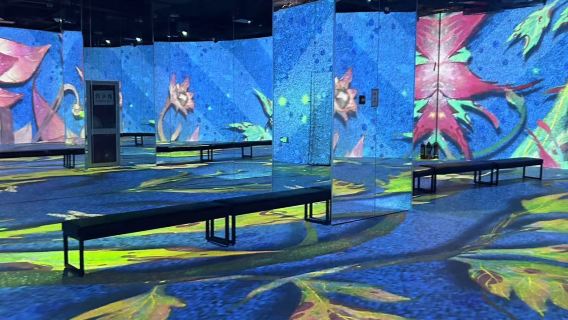
5.0/5
· 1 reviewFree cancellation
Book now for tomorrow
FromUS$5.98
5.0/5
· 1 reviewFree cancellation
Book now for today
FromUS$102.78
Save US$0.27
FromUS$25.96US$26.23
Free cancellation
Instant confirmation
Book now for tomorrow
FromUS$80.22
Free cancellation
Instant confirmation
Book now for tomorrow
FromUS$44.67
Save US$3
Limited-time sale
FromUS$234.94US$237.94
Free cancellation
Instant confirmation
Book now for tomorrow
FromUS$75.74
Featured Day tours in Zhengzhou
View all Day tours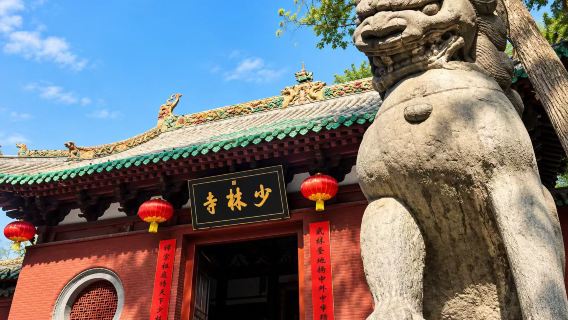
5.0/5
· 10 reviews· 144 bookedFree cancellation
Instant confirmation
Book now for tomorrow
Save US$4.1
FromUS$78.06US$82.16
4.4/5
· 5 reviews· 41 bookedFree cancellation
Instant confirmation
Save US$0.66
FromUS$64.59US$65.25
4.3/5
· 3 reviews· 86 bookedFree cancellation
Instant confirmation
Book now for tomorrow
5% off
Limited-time sale
FromUS$52.23US$54.98
5.0/5
· 9 reviews· 42 bookedFree cancellation
Instant confirmation
FromUS$165.53
4.4/5
· 25 reviews· 292 bookedInstant confirmation
Book now for tomorrow
Save US$0.69
FromUS$68.00US$68.69

4.8/5
· 13 reviews· 79 bookedFree cancellation
FromUS$139.08
5.0/5
· 1 reviewFree cancellation
Book now for tomorrow
8% off
Limited-time sale
FromUS$274.39US$298.25
4.3/5
· 3 reviews· 30 bookedFree cancellation
Instant confirmation
Book now for tomorrow
Save US$0.61
FromUS$59.49US$60.1
Featured Food & drink in Zhengzhou
View all Food & drink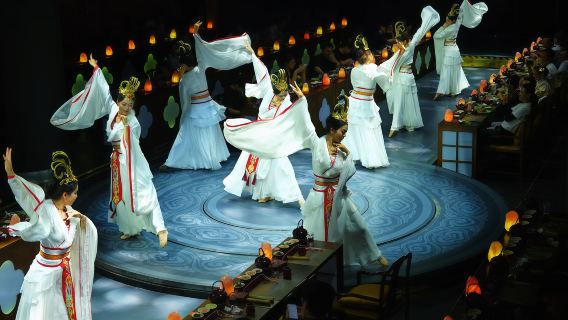
Free cancellation
Instant confirmation
Book now for tomorrow
FromUS$68.72
FromUS$8.30
Free cancellation
Instant confirmation
Book now for tomorrow
FromUS$63.04


5.0/5
· 1 reviewFree cancellation
Book now for tomorrow
FromUS$64.99
Free cancellation
Book now for tomorrow
FromUS$44.52
5.0/5
· 1 review· 85 bookedBook now for tomorrow
61 travellers saved
FromUS$64.99
Featured Outdoor experiences in Zhengzhou
View all Outdoor experiences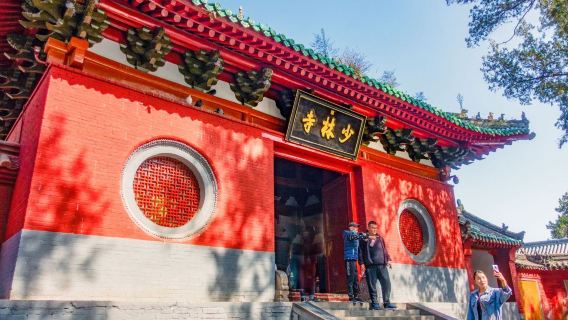
5.0/5
· 1 reviewFree cancellation
Instant confirmation
Book now for tomorrow
8% off
Limited-time sale
FromUS$335.05US$364.19
FromUS$429.26
5.0/5
· 1 reviewFree cancellation
Instant confirmation
Book now for tomorrow
Save US$1.17
FromUS$116.11US$117.28
Free cancellation
Book now for tomorrow
FromUS$408.66
5.0/5
· 1 reviewInstant confirmation
Book now for tomorrow
Save US$0.64
FromUS$62.89US$63.53
Free cancellation
Instant confirmation
Book now for tomorrow
FromUS$98.00
Free cancellation
Instant confirmation
Book now for tomorrow
FromUS$97.85
5% off
Limited-time sale
FromUS$212.05US$223.22
Free things to do in Zhengzhou
Henan Museum
Zhengzhou · 4.1 km from downtownEnjoy International Resort
Xinmi · 15.8 km from downtownErqi Square
Zhengzhou · 30m from downtownZhengzhou Greenland Plaza
Zhengzhou · 5.9 km from downtownZhenwei Water City
Xinmi · 3.1 km from downtownFuxi Mountain Tourist Area
Xinmi · 16.3 km from downtownZhengzhou Museum
Zhengzhou · 11 km from downtownZhengzhou Erqi Memorial Hall
Zhengzhou · 33m from downtownZhengzhou Shang Dynasty Site Museum
Zhengzhou · 1.9 km from downtownZhengzhou Great Guanyin Temple
Zhengzhou · 7.8 km from downtown
More ways to travel from Zhengzhou
Private Tours in Zhengzhou
View More Private Tours in Zhengzhou


Group Tours in Zhengzhou
View More Group Tours in Zhengzhou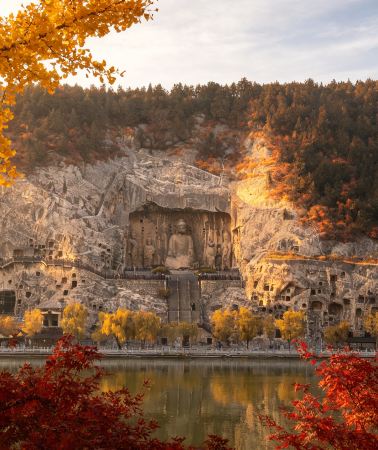
What travellers say about Zhengzhou

268***26October 7, 2026
5.0
The Henan Museum is very large and has a wide variety of exhibits. The guides are detailed and comprehensive, and they clearly explain the stories behind the artifacts. I highly recommend hiring a guide when you visit, as it's easy to rush through things on your own.
Henan Museum

Anonymous userFebruary 2, 2026
4.0
It combines a zoo and an amusement park. Suitable for children under 10. It has everything, but nothing is done exceptionally well. The price-performance ratio isn't high. At least not as good as Qingming Riverside Park or Wansui Mountain Martial Arts City. The food inside is a bit pricey.
Enjoy International Resort

Soh Kien PengSeptember 21, 2026
5.0
I was initially puzzled when I saw the Erqi Monument Tower rising in the middle of Zhengzhou’s bustling commercial district. The twin towers did not appear as majestic as the famous Twin Towers in Kuala Lumpur. Yet the following day, when the museum inside the tower opened, I stepped in to learn its story — and came to understand that this monument was erected in 1971 to commemorate the February 7th Railway Workers’ Strike of 1923.In February 1923, more than 30,000 railway workers went on strike to protest harsh working conditions and exploitation by railway authorities, halting trains across 1,200 kilometers of track. Warlord Wu Peifu ordered troops to violently suppress the movement. Soldiers opened fire, killing 52 workers, injuring hundreds, and arresting over 1,000. The strike, organized by early Communist Party members and railway unions, ended in tragedy but became a foundational myth of China’s Communist movement.In March 1923, Chairman Mao reflected on the strike, writing that it revealed “the heroic spirit of the workers” but also proved that “without the alliance of peasants and workers, the revolution cannot succeed.” This lesson shaped the CCP’s strategy, convincing Mao that the Party must broaden its base beyond urban workers to include China’s vast peasant population.The February 7th Railway Workers’ Strike remains one of China’s earliest and most significant uprisings, linking the labor movement with the emerging Communist revolution. A visit to the museum inside the Erqi Tower offers not just a glimpse of history, but a deeper understanding of the revolutionary struggle that the monument embodies.
Erqi Square

M23***13June 7, 2025
5.0
作为郑州CBD的"城市会客厅",千玺广场的玉米楼(大剧院)绝对是第一眼地标!建议傍晚前来,先在大草坪上拍夕阳剪影,等灯光亮起时get赛博朋克风大片。环绕的环形天桥是散步好去处,脚下车流如银河,抬头可见中原福塔同框。周边酒吧街氛围不错,但消费略高;更推荐步行10分钟到宝龙广场觅食。周末常有创意市集,偶遇街头歌手表演的概率很高~
Zhengzhou Greenland Plaza

M43***66March 30, 2026
4.0
Overall, it's not bad. Many facilities are still under construction. The area outside the scenic spot is a bit messy, there's no proper parking lot, and there are many small, scattered vendors at the entrance, which doesn't give a good impression. The area inside the scenic spot is quite nice, and it will be a great place to visit once everything is completed.
Zhenwei Water City

行走毛毛February 4, 2026
4.0
If you ask me which mountains around Zhengzhou are worth visiting, my first recommendation is Fuxi Mountain. Many people have a misconception about Fuxi Mountain, thinking it's all admission-only, but that's not true. Some attractions are free, and you can have a great time enjoying the natural scenery.
Fuxi Mountain Tourist Area

Lili-45July 20, 2026
4.0
The Zhengzhou Museum was much bigger than I expected you’ll probably need around 3 hours to really explore it all.My favorite exhibits were The Center of Heaven and Earth, The Art of Clay and Fire.What fascinated me most was what’s written in one of the exhibits about The Immortal World. After generations marked by war and heavy forced labor during the Qin and Han periods, the longing for immortality seems to reflect something deeply human. Trauma doesn’t only shape the body it also shapes belief, hope, and the stories people tell themselves. In many ways, the dream of an eternal world feels like a psychological response to a life filled with uncertainty and suffering.History doesn’t just preserve objects; it preserves the human mind.
Zhengzhou Museum

骑着蜗牛赶绿灯May 20, 2025
5.0
当夜幕降临,二七塔瞬间化身为郑州夜空下最耀眼的存在。暖黄色灯光勾勒出它独特的仿古联体双塔轮廓,庄重又迷人,与周围现代化大厦的霓虹灯光相互辉映,历史与现代在此刻碰撞交融 。塔下熙熙攘攘的人群、川流不息的车辆,满是热闹的烟火气。整点报时的《东方红》乐曲声在夜空中回荡,为这份夜景添了几分独特韵味。来这儿拍照超容易出片,站在二七广场天桥上,以二七塔为背景,分分钟拍出城市夜景大片。既能好好欣赏夜景,又能去周边品尝美食、逛逛街。
Zhengzhou Erqi Memorial Hall

M52***87October 7, 2025
5.0
This special exhibition of cultural relics at the Shang Capital Ruins Museum is truly rich!
There are so many artifacts in the display cases! (Too bad I can't see them from the upper floors...)
Two particularly exquisite porcelain vases? Candlesticks?
Dice for drinking wine.
Beautifully carved celadon bowls and Jun porcelain vases.
And celadon plates in the shape of sunflowers? Lotus flowers?
Exquisite Buddha statues (unfortunately, the Kaiyuan Temple pagoda didn't survive).
A Tang Dynasty sancai lady with a rooster on her head.
Particularly interesting are the plates inscribed with poems.
The warm wind shimmers, birds chirp; the sun rises, the shadows of flowers linger (heavy).
Guests from ten continents and three islands, people from all corners of the world.
So elegant!
I can't believe there are so many cultural relics buried beneath the soil of Zhengzhou!
Zhengzhou Shang Dynasty Site Museum

_We***53January 16, 2023
5.0
Beautiful! Very beautiful temple with monumental statues. Definitely worth a visit!
Zhengzhou Great Guanyin Temple
Popular cities near Zhengzhou


Frequently asked questions
What are the must-do things in Zhengzhou?
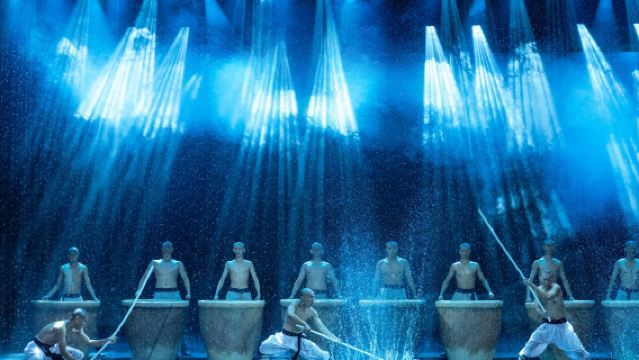
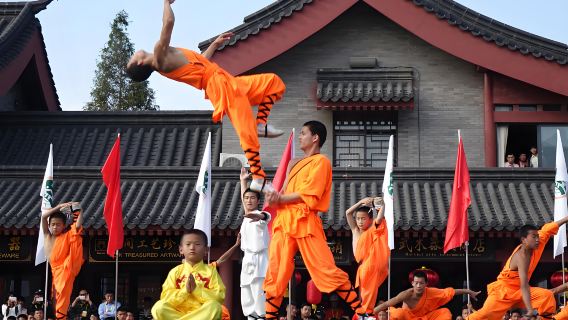
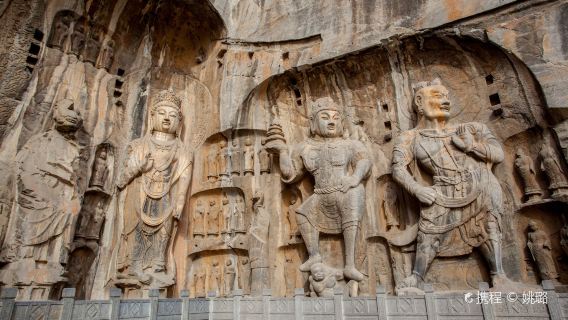
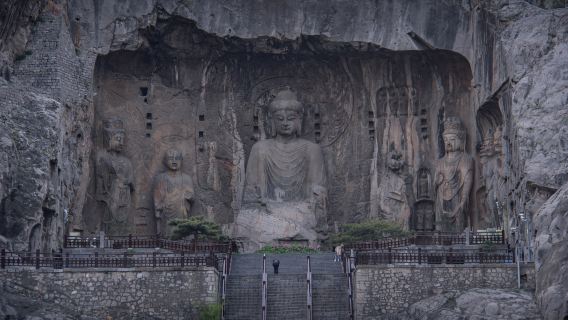
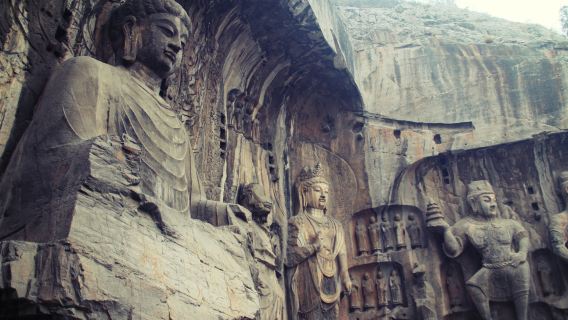
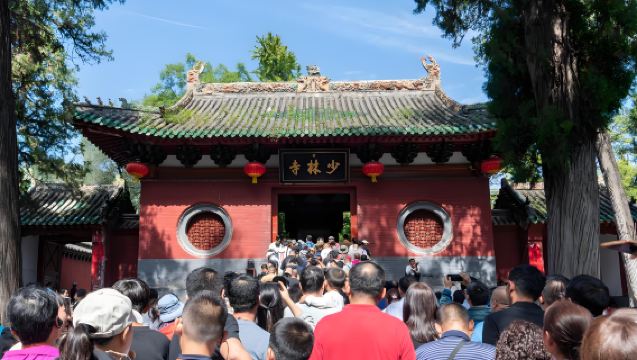
Don't miss these attractions in Zhengzhou: Henan Museum, Enjoy International Resort, and Erqi Square. If you like Cultural experiences, try Zhengzhou Van Gogh Starry Sky Art Museum (4D light show + mirror maze + sunflower field). If you enjoy Day tours, try Watch Wushu Performance | Songshan Shaolin Temple & Longmen Grottoes Day Tour | Optional Paid Upgrade to Mercedes‑Benz group| 15‑Person Premium Small Group Available.
What are the must-try foods and restaurants in Zhengzhou?
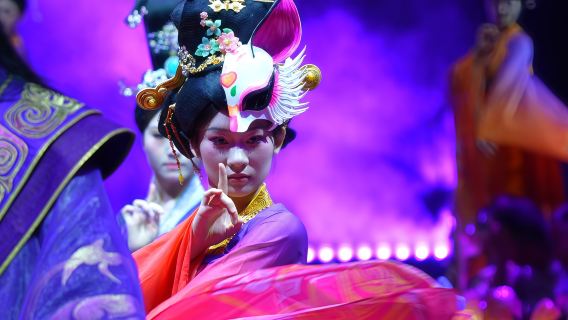
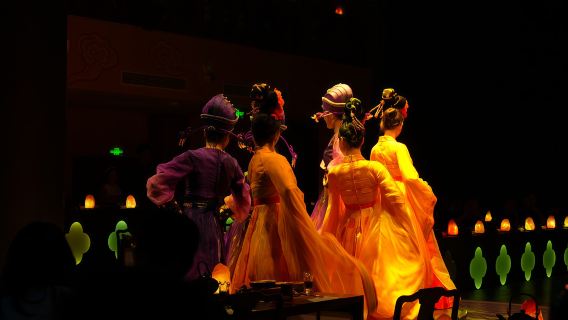
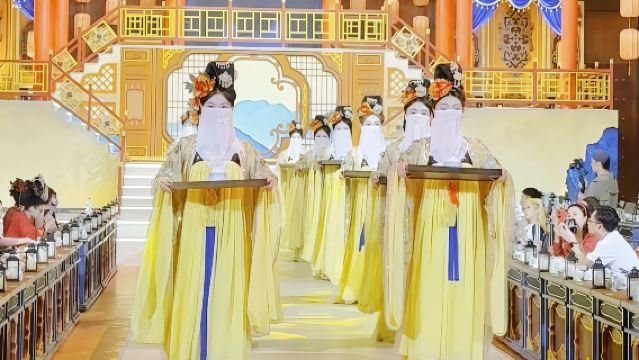
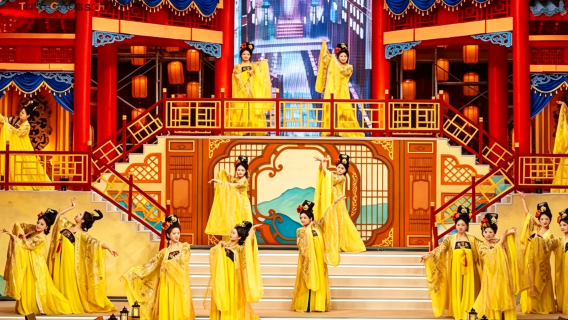
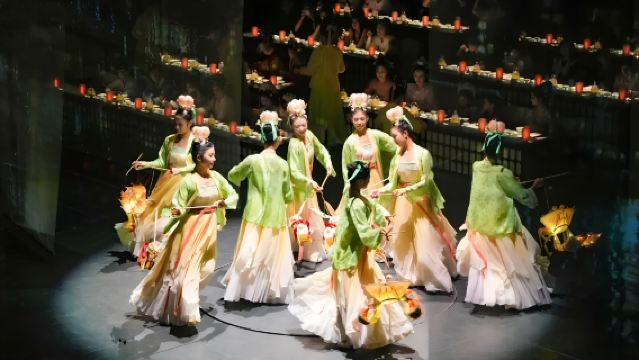
You can give Tianxia Grand Feast Zhengzhou | Historical Banquet & Optional Ancient Costume and Zhengzhou Tianxia Grand Feast | Central Plains Immersive Banquet a try. Before you go, please check their opening hours and menus online. Reservations are recommended, especially during peak hours.
What are the recommended tours and excursions in Zhengzhou?
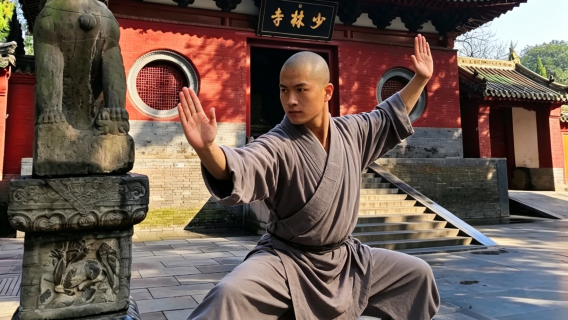
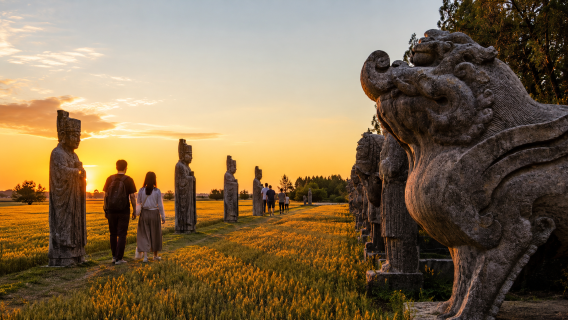
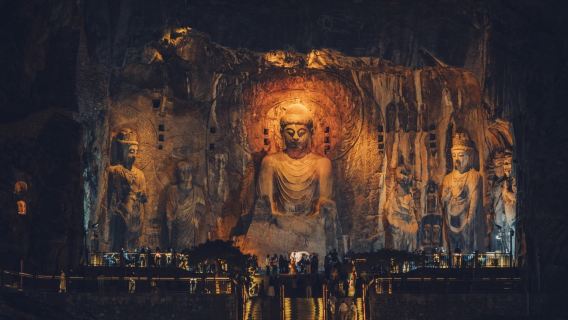
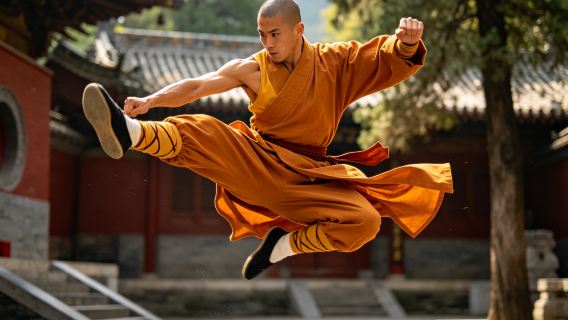
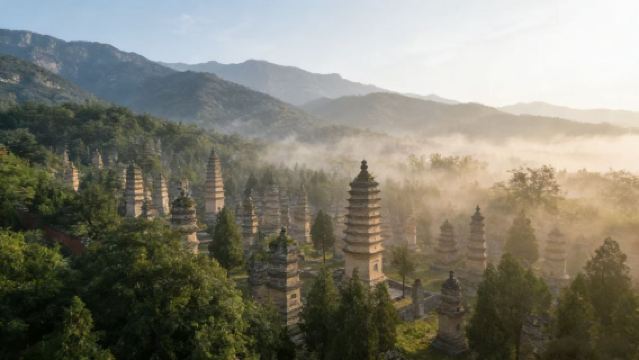
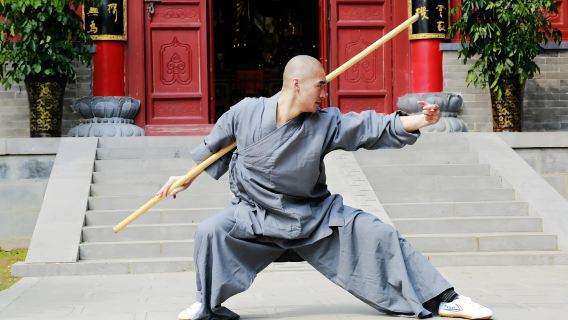
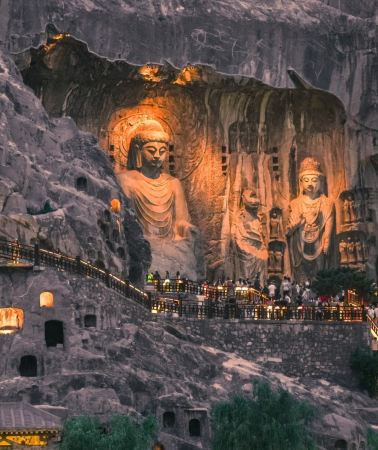
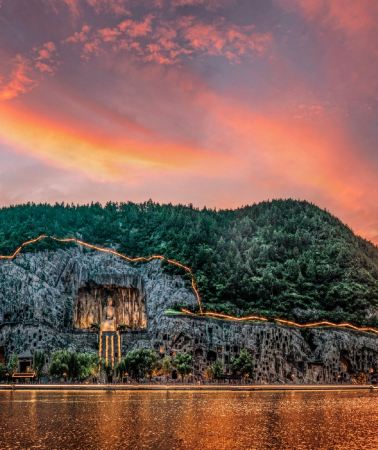
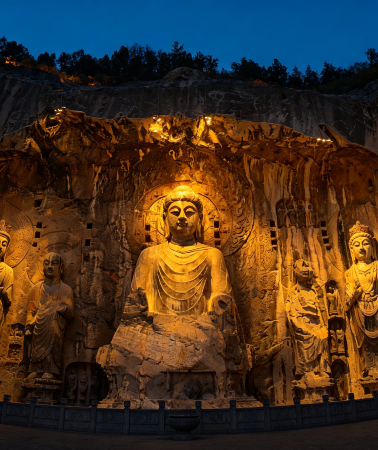
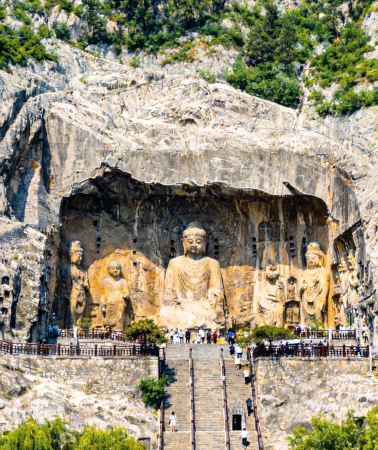
When choosing a tour, start with how much time you have and the kind of experience you're looking for. Trending options right now include Watch Wushu Performance | Songshan Shaolin Temple & Longmen Grottoes Day Tour | Optional Paid Upgrade to Mercedes‑Benz group| 15‑Person Premium Small Group Available, Zhengzhou Departure: Songshan Shaolin Scenic + Martial Arts Hall + Pagoda Forest + Sanhuang Village Group Day Tour, and Free Kung‑fu Show|One‑Day Tour to Shaolin Temple & Pagoda Forest at Songshan/Door‑to‑Door Pick‑up+First‑entry ticket included/Martial‑arts Training Option Available. Check the real-time availability and itinerary before you book.
What's the typical cost of day tours and activities in Zhengzhou?
As of October 16, 2026, the reference price for day tours and activities in Zhengzhou is around USD 52.23 – USD 274.39. Rates vary by duration, group size, transport, tickets, meals, and any special admission requirements. Before you book, please confirm the billing currency and whether the price is quoted per person or per group.
How can I contact Trip.com customer support?
Get help anytime, anywhere within 30 secondsContact customer support
Can I change or cancel my booking?
Change and cancellation policies vary by attractions and tours. Please check the product details page for more information.
How can I get discounted prices?
Ticket prices may vary between weekdays and weekends, as well as during peak and off-peak seasons. When booking with Trip.com, you can also use Trip Coins to get extra savings. For more tips on booking discounted tickets, please visit Trip.com for the latest information.
Trip.com picks
Popular Airport Transfers
Zhengzhou airport transfersZhengzhou Xinzheng International Airport transfersShanghai Pudong International Airport transfersGuangzhou Baiyun International Airport transfersTaiwan Taoyuan International Airport transfersBeijing Capital International Airport transfersBeijing Daxing International Airport transfersHong Kong International Airport transfersShanghai Hongqiao International Airport transfersChongqing Jiangbei International Airport transfersSanya Phoenix International Airport transfersChengdu Tianfu International Airport transfers