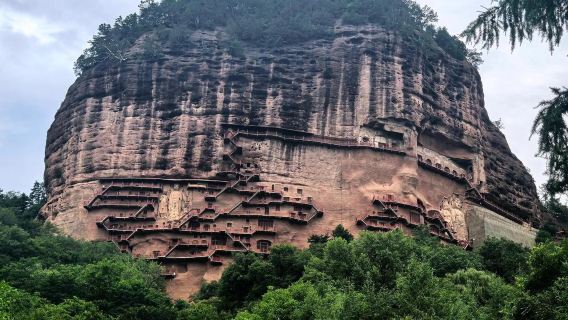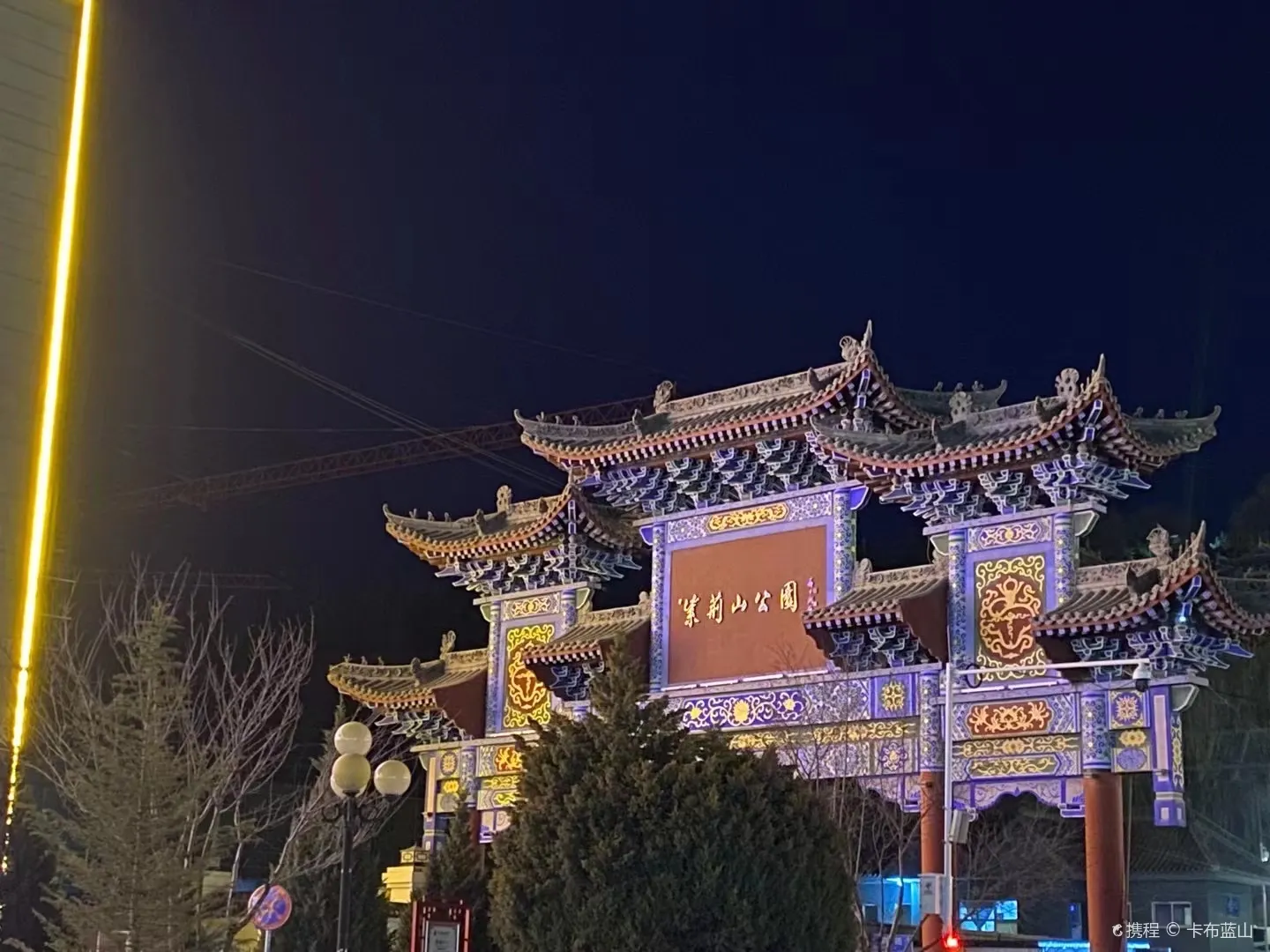
Zhuanglang

Things to do in Zhuanglang

Search attractions or local attractions & tours
Search

Explore top experiences

Top 10 attractions in Zhuanglang

View all Attractions
Shaanxi History Museum
2026 Asia 100 - Family-friendly Attractions

Shaanxi History Museum

9.5
4.8/5
35.5k reviews

Shaanxi History Museum is a large modern museum built after China's reform and opening up and officially opened in 1991. The building was designed by architect Zhang Jinqiu and adopts a Tang-style architectural layout of "central hall and four corner towers," with a symmetrical central axis and a clear hierarchy of primary and secondary structures; in 2016 it was included in the first batch of the "Chinese Architectural Heritage of the 20th Century" list. Shaanxi was once the political center of dynasties such as the Zhou, Qin, Han, and Tang, and the museum's collection spans a million years of history, covering categories such as Shang and Zhou bronzes, pottery figurines of successive dynasties, Han and Tang gold and silver wares, and Tang tomb murals, with a total of over one million items. The permanent exhibition "Ancient Civilization of Shaanxi" follows a chronological main line and presents the historical process from prehistoric Lantian Man to the eve of the Opium War across three galleries, with the Zhou, Qin, Han, and Tang periods as the focus. The east and west sides of the central hall each host a thematic exhibition: on the west side, "Treasures of the Great Tang: Hejiacun Hoard Unearthed Artifacts Exhibition" concentrates on fine gold and silver wares of the High Tang, while on the east side, the "Tang Dynasty Mural Treasures Gallery" displays authentic murals removed from Tang tombs, with subjects covering figures, architecture, ceremonial guards, and more, making it a uniquely distinctive category of the museum's collection. Among the many artifacts in the museum, several are particularly notable. The agate cup with gold-inlaid beast head, from the Hejiacun hoard, is carved from a single piece of banded agate into the form of a curved-horn beast head, resembling Central Asian rhyton cups, and is one of the first batch of cultural relics prohibited from being exhibited abroad. The tri-color glazed camel carrying musicians figurine vividly recreates the lively scene of musicians playing and singers performing on a camel's back, with bright glaze colors and figures with distinct expressions. The Empress's Seal is made of Western Han Hetian mutton-fat jade and carved with a chi-tiger knob, and is the only known actual jade seal of a Han dynasty empress discovered to date. In addition, the gilt silver flask with a dancing horse holding a cup design, the celadon ewer with an overhead handle and bottom-filling design, and the black-glazed oil-spot bowl each have their own distinctive features. The gold and silver wares unearthed from the Hejiacun hoard are concentrated in the thematic gallery and are a highlight of any visit; visitors are advised to allow time to examine them closely.

China · Xi'an
Xi'an City Wall
2026 Global 100 - Night Attractions

Xi'an City Wall

8.8
4.6/5
63.2k reviews

Xi'an City Wall, also known as the Xi'an Ming City Wall, is an ancient city wall defense system encircling the old city of Xi'an from the Ming and Qing dynasties. The main body of the existing wall was built during the Hongwu period of the Ming Dynasty, expanded on the foundation of the imperial city of Chang'an from the Sui and Tang dynasties, and has undergone multiple renovations since then, remaining well preserved to this day. The wall is roughly rectangular in plan, with a perimeter of about 14 km, and the area it encloses is the old city of Xi'an. The wall is about 12 m high, about 15 to 18 m wide at the base, and about 12 to 14 m wide at the top. The top of the wall is broad and flat, allowing visitors to cycle or stroll along it while overlooking the scenery inside and outside the city. The defensive system of the wall consists of the wall body, city gates, barbicans, bastions, corner towers, and the moat. Nearly a hundred bastions were built along the outer face of the wall, spaced about 120 m apart, precisely within bow-and-arrow range, reflecting the defensive wisdom of the cold weapon era. There is a corner platform at each of the four corners, among which the southwest corner platform is circular, forming a striking contrast with the other three square corner platforms—a unique form rarely seen among surviving ancient city walls. The moat outside the wall encircles the entire city, together with the wall forming a complete defensive layout. The wall currently has 18 city gates, among which Yongning Gate (South Gate), Anding Gate (West Gate), Anyuan Gate (North Gate), and Changle Gate (East Gate) are the four main gates originally built in the Ming Dynasty. Each main gate features three tiers of gate towers—the gate control tower, arrow tower, and main tower—forming a layered barbican defense. Yongning Gate is the one that has been in use the longest, with a history dating back to the Sui Dynasty, and is also the one whose form is relatively well preserved. The section of the wall at Hanguang Gate encloses the remains of the Sui and Tang imperial city, with a site exhibition that offers an intuitive sense of the wall's layered history spanning over a thousand years. Cycling a full loop around the city on the wall is a popular experience, taking about one and a half to two hours in total. Ascending the wall in the evening allows you to take in both the traditional architecture inside the city and the modern urban skyline outside, with the wall and moat set off beautifully against the glow of the setting sun.

China · Xi'an
Xi'an Museum
No. 1 of Family-friendly Attractions in Shaanxi

Xi'an Museum

8.6
4.6/5
4.3k reviews

Xi'an Museum is a modern comprehensive museum built upon the cultural relic protection site—the ruins of the Tang Dynasty Jianfu Temple and its iconic structure, the Small Wild Goose Pagoda. It integrates cultural relic collection and protection, academic research, exhibition and display, social education, and garden leisure. Its core area is the location of the original Tang Dynasty royal temple, Jianfu Temple, while the precious and striking historical relic existing within the temple—the Small Wild Goose Pagoda—has become the museum's unique landmark and soul. Therefore, the Jianfu Temple ruins and the Small Wild Goose Pagoda are not only the foundation and core carrier for the establishment of Xi'an Museum, but also important outdoor historical exhibition areas and focal points for visitors. The main building of the museum is located on the north side of the ancient temple ruins. The three elements (ancient temple ruins, ancient pagoda, and modern museum building) are organically integrated, jointly forming a unique cultural space that combines "museum, pagoda, temple, and garden," vividly showcasing the historical context of Xi'an from ancient times to the present. Xi'an Museum officially opened to the public on May 18, 2007. Its establishment aims to comprehensively showcase the glorious history and splendid culture of Xi'an (ancient Chang'an) as the capital of thirteen dynasties, filling the gap of a comprehensive museum of Xi'an's urban history. Collection highlights: The museum houses over 100,000 precious cultural relics from various historical periods of Xi'an. The collection spans from prehistoric times to the Ming and Qing dynasties, with particular emphasis on artifacts from the prosperous dynasties of Zhou, Qin, Han, and Tang, including bronze ware, jade articles, gold and silverware, ceramics, murals, stone steles, epitaphs, and Buddhist statues, systematically reflecting the political, economic, cultural, social life, and foreign exchanges of the ancient capital Chang'an. Main exhibition: The permanent exhibition "Ancient capital Xi'an" takes the urban development history of Xi'an as the main thread, showcasing the evolution and achievements of Xi'an as a capital (Zhou Fenghao, Qin Xianyang, Han Chang'an, Sui-Tang Chang'an) and a prefectural city (Song, Yuan, Ming, and Qing dynasties) through a large number of precious cultural relics, models, charts, and multimedia means. Unique environment: The museum's greatest feature lies in its surroundings. Travelers can not only visit modern exhibition halls but also stroll through the expansive heritage park encompassing the Small Wild Goose Pagoda, the ancient architectural complex of Jianfu Temple (including structures like the Ming dynasty bell tower housing a Jin dynasty ancient bell), an ancient stone sculpture art exhibition area, and garden views—experiencing the charm of the millennia-old capital at its historical site. The view of "morning bells at the Wild Goose Pagoda" is particularly renowned. Functional positioning: The museum is not only an important center for cultural relic collection, research, and display, but also an urban cultural park where citizens can relax, entertain, and immerse themselves in history and culture, undertaking significant social education and cultural exchange functions.

China · Xi'an
Grand Tang Mall
2026 Global 100 - Night Attractions

Grand Tang Mall

8.5
4.5/5
2.3k reviews

The Grand Tang Mall is a large pedestrian district of Tang-style architecture built around the Giant Wild Goose Pagoda in Xi'an's Qujiang New District. It runs from Xuanzang Plaza at the foot of the pagoda in the north to the Tang City Wall Ruins Park in the south, with an approx. 1,500 m central landscape avenue running the full length from north to south. The avenue itself is like an open-air sculpture gallery, lined from north to south with themed sculpture groups such as Tang Buddhist culture, the Tang hall of fame, the Zhenguan era of good governance, Empress Wu's procession, and the Kaiyuan golden age: statues of eminent monks such as Xuanzang and Jianzhen come first, Tang luminaries including Li Bai, Du Fu, Wu Daozi, and Sun Simiao stand in the middle, and the ceremonial group portraits of Emperor Taizong, Empress Wu Zetian, and Emperor Xuanzong are laid out after them—walking the whole route is almost like reading a three-dimensional history of the Tang Dynasty. The district links three major themed plazas from north to south—Xuanzang Plaza, Zhenguan Plaza, and Kaiyuan Plaza—with rows of Tang-style pavilions spreading out on both sides. Four cultural venues—Xi'an Concert Hall, Shaanxi Grand Theatre, Xi'an Art Museum, and Qujiang Pacific Cineplex—are distributed among them, so catching a concert, seeing an exhibition, and strolling and taking photos can all fit into the same itinerary. By day, admire the architecture and sculptures, but nightfall is when this street truly shines — once the lanterns are lit, the Tang-style pavilions glow with dazzling color, and the whole street feels like a re-creation of the golden age of the Tang Dynasty. Immersive street performances run year-round: a "tumbler girl" in Tang attire leans out mid-spin to hold hands with visitors; in "The Tang Dynasty Mystery Box," performers dressed as famous Tang figures randomly pick visitors to come on stage and answer questions or trade witty banter, with clever answers drawing cheers from the crowd; in the float color contest, Hu-style spinning dances and Tang court music and dance compete across the square; and a performer dressed as the Poet Immortal may challenge you to a round of poetry at any moment. These performances are scattered across the plazas along the route, so you might stumble upon one as you wander, and the lineup of shows and characters is refreshed from time to time. Visitors in hanfu taking photos can be seen everywhere on the street, and the Tang-style pavilions paired with the night scenery make for easy, photogenic shots; after nightfall the crowds are dense, so if you want a front-row spot for the popular shows, arrive a little early to wait. If your itinerary is tight, it's best to come around dusk and walk south from Xuanzang Square all the way to Kaiyuan Square, taking in the sculptures, lights, and performances all at once.

China · Xi'an
Shapotou Scenic Area
No. 1 of Best Things to Do in Ningxia

Shapotou Scenic Area

8.3
4.8/5
39.1k reviews

The scenic spot is located 16 kilometers west of Zhongwei City, Ningxia, on the southeastern edge of the Tengger Desert. The scenic spot has successively won honors such as "the first batch of national 5A-level tourist attractions", "the top 500 global environmental protection units", and "the first batch of national tourism standardization demonstration units". The three major cultural elements of the scenic area include the "Yellow River Culture" based on the intangible cultural heritage sheepskin rafts, the "Desert Culture" based on straw grids and Desert Legend Park, and the "Starry Sky Culture" based on the Desert Star Hotel. The tourism resources of these three elements have created a unique and magnificent landscape of "sunset over the long river and starry sky in the desert". The "six major ways to play" are highly praised and loved by tourists. Among them, the Yellow River projects include sheepskin rafting, Huangtengda, Yellow River speedboat, drift boat, passionate sandboarding and high-altitude bungee jumping, etc. The desert projects include Desert Camel, Desert Flying (Stepping into the Blue Clouds), and Sand Sea. Surfing, etc., starry sky projects include stargazing lectures, meteor feasts, sand therapy experiences, star cakes and other special products. In addition, there are also privately customized products for hiking, desert expansion, and educational and entertaining study experiences. The scenic area not only has diverse cultural elements and fun project experiences, but also multi-level accommodation experiences waiting for you: the butler-style Diamond Hotel, the quiet Desert Star Hotel for stargazing, the quiet Yellow River Courtyard in the bustling city, and finally the economical and affordable business-style Tourist Service Center Hotel and other differentiated tourist accommodations for you to choose from.

China · Zhongwei
Xi'an Bell Tower
2026 Global 100 - Night Attractions

Xi'an Bell Tower

8.2
4.5/5
25.5k reviews

Xi'an Bell Tower is one of the larger and well-preservedBell tower, originally built in 1384, during the Hongwu reign of the Ming Dynasty,Bell towerLocated in the heart of Xi'an, it is one of the landmarks of the ancient city, radiating east, south, west, and north streets from its center, connecting to the east, south, west, and north gates of the Xi'an city wall respectively. The Xi'an Bell Tower was originally located on Guangji Street in the west. As the city center shifted eastward, it was relocated toDrum towerEast side, today's location. The Xi'an Bell Tower features a typical Ming Dynasty architectural style, with a square brick-and-stone base at the bottom and a triple-eaved pyramidal roof structure at the top, covered with dark green glazed tiles. The gilded pinnacle at the roof's apex is particularly striking under sunlight. Each side of the base has a central arched doorway approx. 6 m high, which were interconnected and once served as passageways for the intersection of four major streets—east, south, west, and north—allowing pedestrian and vehicular traffic. These doorways are now sealed, with a traffic roundabout built around them and an underground pedestrian passage. The entrance to the Xi'an Bell Tower is located within this underground passage, accessible via a spiral staircase. Inside the tower, there is a replica of the "Jingyun Bell," whose original was cast in the second year of Emperor Ruizong's Jingyun era (711 AD) during the Tang Dynasty and is now housed in the Xi'an Beilin Museum. Standing on the Xi'an Bell Tower, you can see the four main streets extending east, south, west, and north from the Xi'an Bell Tower. Around the Xi'an Bell Tower, there are bustling commercial areas and not far awayDrum towerTravelers can also enjoy wonderful historical performances when visiting the Xi'an Bell Tower.

China · Xi'an

Experiences you can't miss in Zhuanglang

Featured Culture & history in Zhuanglang

View all Culture & history
[Explore World Heritage] Tianshui Maijishan Cave-Temple Complex & Immortal Cliff Day Tour
󱌍
Duration: 7.2 hrs
English
Free cancellation
Instant confirmation
Book now for tomorrow
FromHK$695.27
[Exploring a World Heritage Site] Lanzhou Maijishan Grottoes & Xianren Cliff One-Day Tour
󱌍
Duration: 6.5 hrs
English
Instant confirmation
Book now for tomorrow
FromHK$1,045.87
Tianshui Maijishan Grottoes, Fuxi Temple and Tianshui Ancient City Day Tour: Private Car
󱌍
Duration: 6 hrs
English
Instant confirmation
Book now for tomorrow
FromHK$1,045.87

[Exploring a World Heritage Site] Tianshui Maijishan Grottoes & Xianren Cliff Day Tour
󱌍
Duration: 5 hrs
English
Instant confirmation
Book now for tomorrow
FromHK$965.35
[Depart from Tianshui] Maijishan Grottoes & Fuxi Temple & Tianshui Ancient City Day Tour
󱌍
Duration: 6 hrs
English
Instant confirmation
Book now for tomorrow
FromHK$937.27
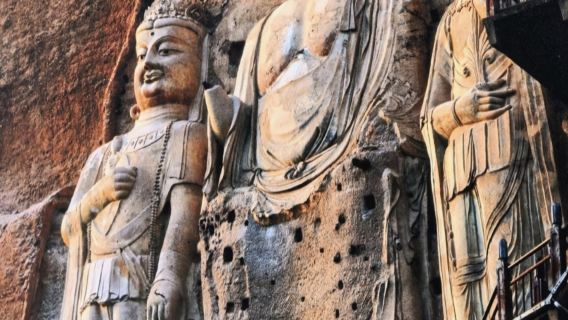
Xi'an: Maijishan Grottoes & Fuxi Temple Private Day Trip by Bullet Train
󱌍
Duration: 9.6 hrs
English
Free cancellation
Instant confirmation
Book now for tomorrow
FromHK$2,659.60
Zhuanglang Today's weatherFoggy -9-4℃
Zhuanglang weather for the next 2 days11/17: -10-4℃, 11/18: -11-6℃

Free things to do in Zhuanglang

What travellers say about Zhuanglang

user-avatar
Anonymous userOctober 10, 2024
4.0
As the most famous scenic spot in Zhuanglang County, the overall impression is good, with typical Danxia landforms, and the playability is equivalent to the Xianren Cliff Scenic Area in Tianshui, and the area is larger, with grottoes, temples, reservoirs, and pleasant scenery. It may take more than 6 hours to visit all of them. There are many guide maps in the scenic area, and basically every small scenic spot has one, which is better than many scenic spots. The only small drawback is that there is only a simple toilet from the entrance of the scenic area to the reservoir dam, which is far away and very inconvenient.

Yunya Temple National Forest Park

user-avatar
北京黄非红May 20, 2022
5.0
Zhuanglang Rice Terraces are large-scale rice terraces. They are free and spectacular to watch from the mountain. There is a viewing pavilion on the roadside at the top of the mountain. The pavilion is a bit short, so it would be better to build a high viewing platform for viewing. It is even more beautiful when the flowers bloom.

Zhuanglang Terraced Fields

user-avatar
Anonymous userSeptember 29, 2026
4.0
A great place for hiking, with tons of negative ions! Currently, three areas are open to the public, with Xiaonanchuan as the core attraction. The botanical garden is still under construction and not recommended for now. Liangdianxia is Genghis Khan's summer retreat and doesn't require a long visit. PS: A thorough visit to Xiaonanchuan takes about an hour. It's recommended to enter by water. After reaching the end of the path, climb a short flight of stairs and then hike a little further. You can take a shuttle bus back to the bus stop (ticket price is 10 yuan). The walk down to the bus stop without the shuttle bus is 3km. It's best to visit in the morning.

Liupan Mountain National Forest Park

user-avatar
Anonymous userNovember 15, 2026
5.0
It's my second time to Jiuzhaigou national park. Jiuzhaigou is truly heaven on earth. A huge scenic area with many scenic stops. Even though it was very crowded when I visit due to kids school holiday, the organisation of the park was very smooth, we did not need to wait much at each stop. Don't miss this wonderful national park, it's safe, walkways are stable and there's food at a lot of scenic stops. You must visit at least once in your lifetime as different seasons will give you different scenary.

Jiuzhaigou National Park

user-avatar
M34***24November 16, 2026
5.0
The tour guide from Jiusi was excellent; the full three hours were packed with valuable information and highly recommended. The museum was extremely crowded, and parking was very limited. We spent over an hour queuing to get into the parking lot, and then another hour queuing to enter the museum.

Shaanxi History Museum

user-avatar
LyraBrowningNovember 16, 2026
5.0
A must if in Xi’an. Recommend going in the evening/night to see it lit up. Very interesting to see historical photos on display.

Xi'an City Wall
user-avatar
要乖哦November 16, 2026
5.0
A day trip to the Terracotta Warriors, Bronze Chariots and Horses, and Huaqing Palace – a relaxed and unhurried pace! Highly recommend our guide, Yang Yang Yang! Her explanations are lively and professional, and she's especially good at interacting with children, bringing the stories of the artifacts to life. Both adults and children learned a lot. She was incredibly helpful throughout the trip, assisting with finding good photo spots and pointing out potential pitfalls. A pure sightseeing experience with no hard selling. Thanks to Guide Yang, this trip to Lintong was incredibly rewarding. Look for her when you come to Xi'an!

Xi'an Museum

user-avatar
呦未来可期October 15, 2026
5.0
Take a stroll through the Tang Dynasty Never-Sleeping City on a pleasant autumn evening. The evening breeze is cool, the lights are dazzling, and the atmosphere of the Tang Dynasty is palpable. Street performances are everywhere, and tourists come and go, creating a lively scene. No need to plan a route; just wander around and explore as you please. Immersed in this world of lights, feeling the warmth of everyday life and ancient charm, this is what small satisfactions in ordinary days are all about. Chang'an's autumn nights are as bright as ever.

Grand Tang Mall
user-avatar
༄那个男孩November 16, 2026
5.0
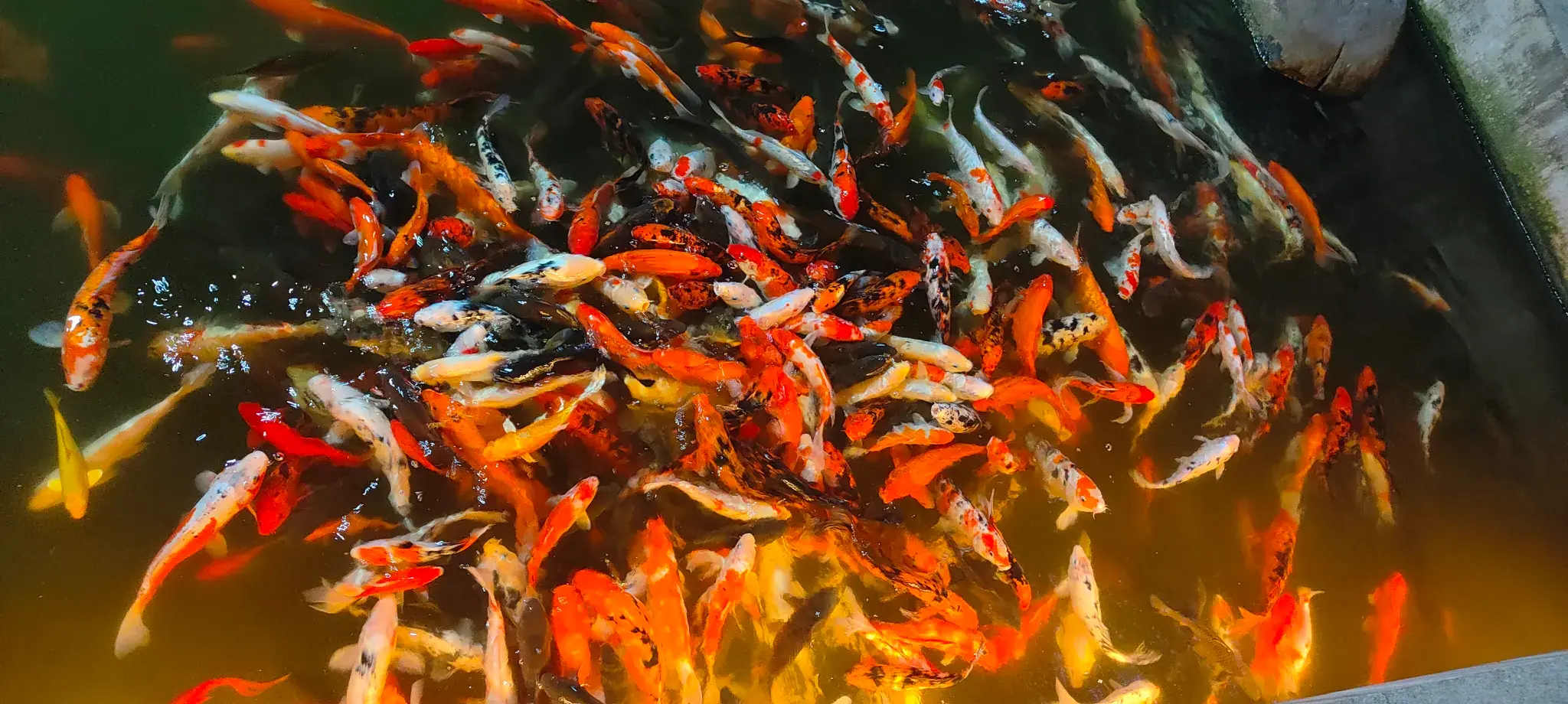
Shapotou is absolutely breathtaking! Our guide, Xiao Zhou, provided a fantastic and engaging tour, and his local dialect storytelling and Ningxia folk songs were particularly memorable. The desert dune buggy ride was thrilling, the camel ride to watch the golden sunset was incredibly atmospheric, and the sheepskin raft drift was leisurely and relaxing. With a wide variety of activities suitable for all ages, and attentive and safe service, Shapotou is a must-visit in Zhongwei!

Shapotou Scenic Area
user-avatar
童哥哥23November 13, 2026
5.0
The Xi'an Bell Tower is absolutely worth a visit, a five-star rating is a must! 🌟 🏯 Rich in History: Built in 1384 (the 17th year of the Hongwu reign of the Ming Dynasty), it is the largest and best-preserved bell tower in China, with over 600 years of history. Its triple-tiered, four-sided pyramidal roof, covered with dark green glazed tiles and gilded with real gold, showcases the magnificent style of Ming Dynasty architecture. 📍 Excellent Location: Located in the heart of Xi'an, at the intersection of four main streets, it is the landmark core of the ancient city. From the tower, you can enjoy panoramic views of all four main streets, offering an unobstructed view of the ancient city's layout! 🌃 Breathtaking Night View: As night falls, the entire bell tower is illuminated, resplendent in gold, reflecting the bustling city lights. Every snapshot is a masterpiece; it's truly the pinnacle of Xi'an's nighttime scenery! 📸 Perfect for taking photos: During the day, climb the tower to admire the details of the ancient architecture; in the evening, watch the sunset cast golden light on the glazed tiles; and at night, enjoy the light show—each time of day offers a different kind of beauty. Nearby are the Drum Tower and the Muslim Quarter, so after visiting the Bell Tower, you can easily sample all of Xi'an's delicious cuisine! A visit to the Bell Tower is a must when in Xi'an; experience the unique charm of this ancient capital. Highly recommended! 👍

Xi'an Bell Tower

Popular cities near Zhuanglang

Frequently asked questions

How can I contact Trip.com customer support?

Get help anytime, anywhere within 30 secondsContact customer support

Change and cancellation policies vary by attractions and tours. Please check the product details page for more information.

Ticket prices may vary between weekdays and weekends, as well as during peak and off-peak seasons. When booking with Trip.com, you can also use Trip Coins to get extra savings. For more tips on booking discounted tickets, please visit Trip.com for the latest information.