Basel Cathedral
Basler Münster based on 2,176 reviews
 No. 4 of Best Things to Do in Basel-Stadt
Opening hours of Basel Cathedral
Basel Cathedral attraction highlights
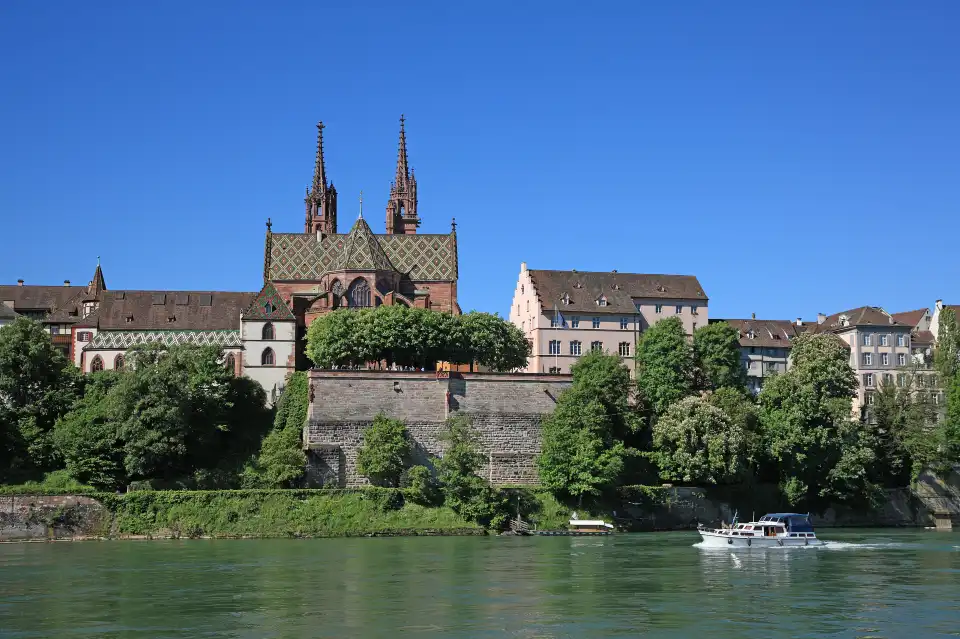
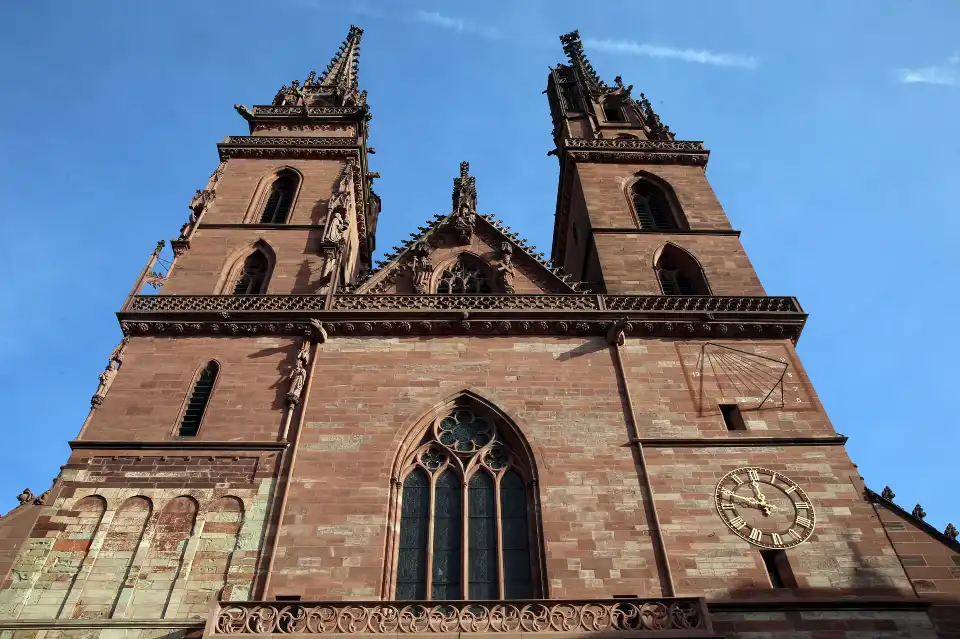
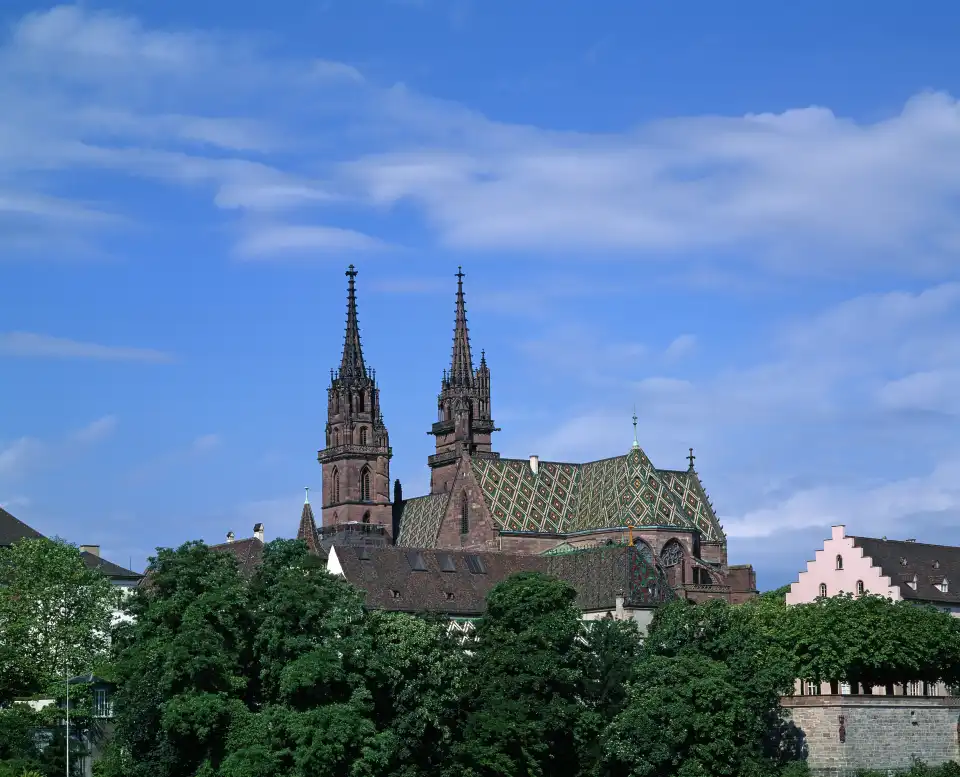
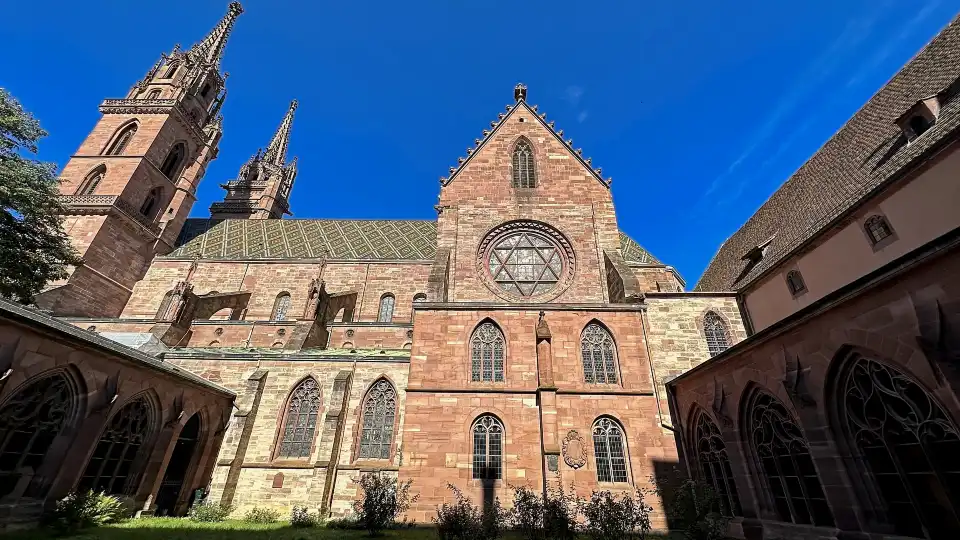
High walls built of red sandstone, roofs covered with colorful tiles, and towering twin spires—all these make the cathedral one of the important features of Basel. The crypt, choir, tomb of Erasmus of Rotterdam, Galluspforte, and two cloisters bear witness to the cathedral's centuries of history.
The history of Basel as a settlement began at Cathedral Hill. In the 1st century BC, Celts from the Rauricii tribe lived in a fortified "oppidum." Today, remnants of the "Celtic wall" can still be seen in the semi-subterranean windows on Rittergasse. In 15 BC, the Roman army built a military base on Cathedral Hill, located on the border between the Roman Empire and Germanic tribes. In the center of Münsterplatz, one can see a hidden Roman well that leads to the groundwater of the Rhine River.
In the late Roman Empire, Christianity was established in the Basel region. Existing documents record bishops coming to Basel from Augusta Raurica, a Roman republican city located approx. 10 km upstream on the Rhine River. In fact, the names of all bishops who have resided in Basel since the 8th century are now known.
Basel Cathedral dates back to the Carolingian dynasty; the building was destroyed in 917 when the Hungarians attacked the entire city. In the early 11th century, Henry II built a magnificent new church for Basel. During the 25 years at the end of the 12th century, the Henry-era church was replaced by a Romanesque building, and after the 1356 earthquake, it was renovated into a Gothic church.
Around Münsterplatz, the cathedral's canons built their own late Gothic residences, and the open space was used for commemorative processions, festivals, tournaments, and grand parades. In 1529, Basel became entirely Protestant. The bishop and canons left the city, and the empty residences of the canons were sold to wealthy merchants.
In the 18th century, the church was transformed into late Baroque and Neoclassical styles, while Münsterplatz became a quiet and prosperous residential area, later becoming the administrative center of Basel. Today, this magnificent square is used as a venue for various events and serves as an open space for people to meet.
Basel Cathedral Reviews: Insider Insights and Visitor Experiences
Basel Cathedral Photos: Trip Moments
 Top 3 Must-Visit Attractions in BaselBasel Cityscape: A Blend of Historic Architecture and Modern Art As the third-largest city in Switzerland, Basel enjoys a prime location bordering France and Germany. This city not only boasts a rich history but also has a unique modern art atmosphere. Recommended Attraction 1: Basel Minster Basel Minster is one of the city's iconic landmarks, located in the city center. This Gothic structure, built in the 14th century, is famous for its towering spires and exquisite carvings. Standing in front of the Minster, you can feel the weight of history. At dusk, sunlight filters through the stained glass windows, casting mottled shadows that are truly breathtaking. Recommended Attraction 2: Basel Town Hall Basel Town Hall serves as the city's administrative center and is situated on the central square. Built in the 17th century, it is a typical Baroque-style building. The Town Hall’s exterior is very ornate with intricate carvings, making it one of Basel’s landmark buildings. Additionally, the square in front of the Town Hall is a popular spot for locals to relax and often features street performers. Recommended Attraction 3: Basel Museum The Basel Museum, located by the river in the city center, is a modern art museum. It houses a large collection of modern artworks from the 20th century onwards, including masterpieces by Picasso, Matisse, and other great artists. If you are interested in modern art, this place is a must-visit. Moreover, the museum building itself is worth seeing, featuring a modern glass curtain wall design that is very avant-garde. Food Recommendation: The Essence of Swiss Cuisine Swiss culinary culture is rich and diverse, and as Switzerland’s third-largest city, Basel naturally offers a variety of authentic Swiss dishes. Here are some Swiss delicacies you must try: 1. Swiss Cheese Fondue (Fondue) Swiss cheese fondue is one of Switzerland’s traditional dishes. It involves dipping bread pieces into a pot of hot, melted cheese. Although it might sound unusual, the taste is truly amazing! Enjoying a steaming pot of cheese fondue in winter will make you feel incredibly warm.WorldWanderer5

- summervacay
- basel
- switzerlandtravel
- baseltrip
- halfdaytour
- hiddengems
- europetravel
- medievaltown
- historiccities
- rhineriver
- swisscityvibes
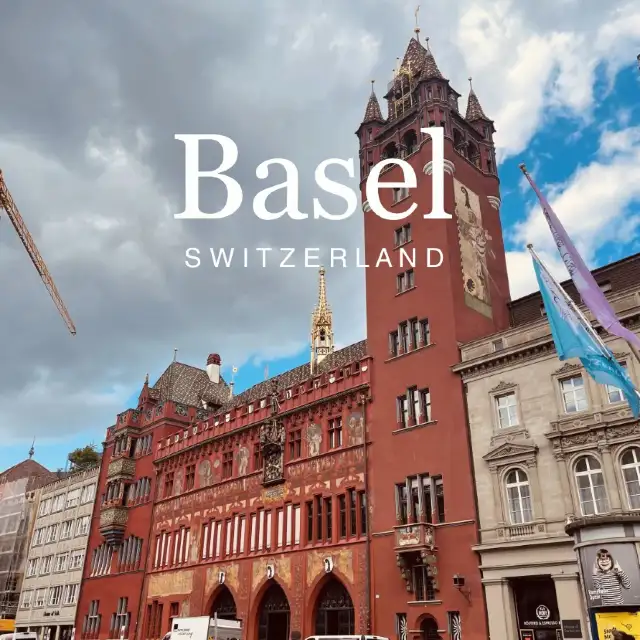
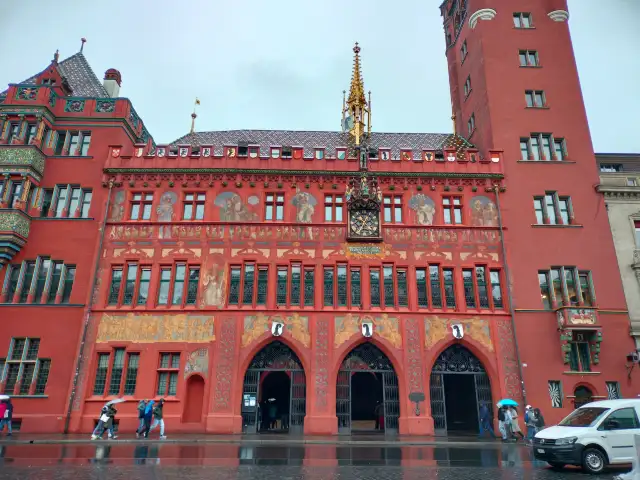
🇨🇭 Basel, Switzerland – Half-Day Walking Tour#summervacay 📍 Location: Border of Switzerland, Germany & France ✈️ From Munich: 3.5h train → Zurich → Basel, or direct flight (45 min) 🏙️ Why Visit Basel? Basel is a historic city with beautifully preserved 13th–14th century architecture, untouched by wars. A perfect destination for a peaceful, scenic, and culturally rich walk—even on a tight schedule. 📍 Must-See Spots: 1. Basel Town Hall (Rathaus) Red Renaissance-style building with murals Weekly market on the square Eurovision 2025 opening was held here! 2. Middle Bridge (Mittlere Brücke) Historic stone bridge over the Rhine Ring the shore bell to summon a wood-powered ferry—a truly unique local experience 3. Basel Minster (Cathedral) Gothic cathedral built with red sandstone Stunning stained glass, Romanesque cloister, and views of the Rhine ✅ Tips: Walkable route: Rathaus → Bridge → Cathedral Grab some market snacks for a riverbank picnic Easy access via tram from Basel SBB train station TL;DR Summary: Basel is a peaceful gem on the Rhine River—walkable, scenic, and full of hidden historical beauty. A half-day is all you need to fall in love with this charming Swiss city. 🏷️ Hashtags: #Basel #SwitzerlandTravel #BaselTrip #HalfDayTour #HiddenGems #EuropeTravel #MedievalTown #HistoricCities #RhineRiver #SwissCityVibesChenJunLe25
- travel
- couplestrip
- thingstodo
- citydaytours
- basel
- switzerland
- baselswitzerland
- visitswitzerland
- switzerlandtravel
- europetravel
- citybreak
- exploreswitzerland
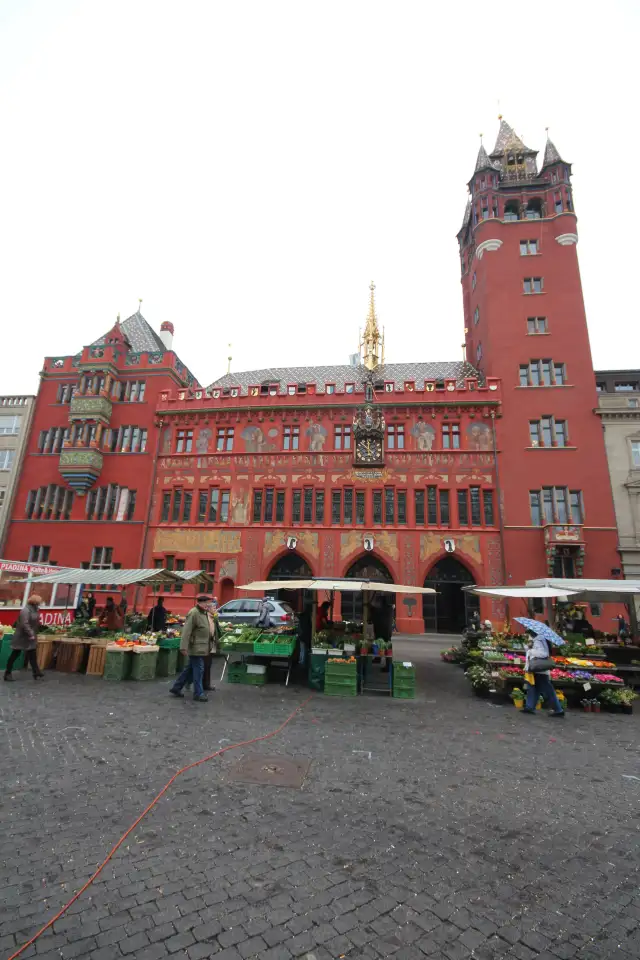
Basel - where Switzerland meets France and GermanyBasel surprised me with how relaxed it feels for one of Switzerland's largest cities. The historic center is compact and easy to explore on foot, with narrow streets, colorful old buildings and small squares appearing around almost every corner. One of the highlights is Basel Minster, standing above the Rhine with beautiful views from the terrace behind the cathedral. From there, you can walk down toward the river and continue through the Old Town to Marktplatz and the bright red Basel Town Hall. The Rhine is a huge part of the city's atmosphere. Locals sit along the riverbanks, meet friends by the water and, during warmer months, even float downstream with the current. Basel works especially well as a slow city break - no need to rush between attractions. Just walk, explore the Old Town and spend some time by the Rhine. #Basel #Switzerland #BaselSwitzerland #VisitSwitzerland #SwitzerlandTravel #EuropeTravel #CityBreak #ExploreSwitzerland #travel#couplestrip#thingstodo#citydaytoursTaste the World.7
- basel
- switzerland
- baselminster
- mittlerebrücke
- oldtown
- rhineriver
- europetravel
- tripmoments
- tripcom
- travelphotography
- worthitornot
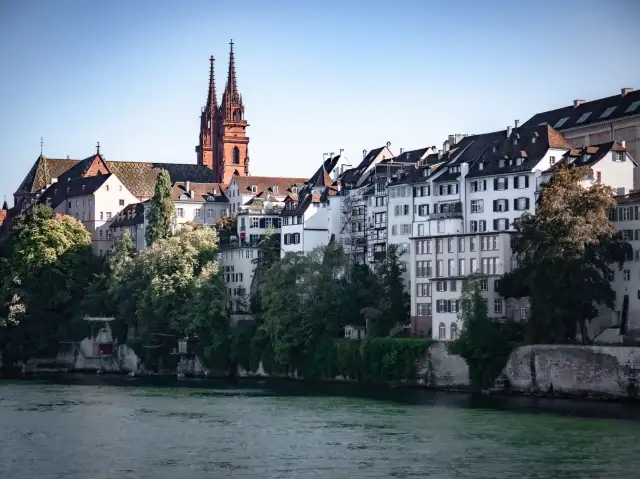
Brilliant Basel📍 Basel Minster & Middle Bridge – Basel, Switzerland 🇨🇭 Basel is one of those cities that surprises you with its beauty at every turn. Wandering through the charming streets of the Old Town leads you to the magnificent Basel Minster, with its striking red sandstone walls, colourful roof tiles, and twin towers overlooking the Rhine. Just a short walk away is the historic Middle Bridge (Mittlere Brücke), one of Basel’s most iconic landmarks. From here, you’ll enjoy stunning views of the river, the cathedral, and the picturesque waterfront lined with traditional Swiss buildings. Take your time exploring the cobbled streets, hidden squares, and riverside paths—this is the perfect place to slow down and soak up the atmosphere. Whether you’re visiting for a few hours or a full weekend, Basel’s historic centre is full of postcard-worthy views. ⛪ Explore the beautiful Basel Minster 🌉 Walk across the historic Middle Bridge 📸 Don’t miss the views along the Rhine and through the Old Town #Basel #Switzerland #BaselMinster #MittlereBrücke #OldTown #RhineRiver #EuropeTravel #TripMoments #Tripcom #TravelPhotography #worthitornotGraeme (高天乐Photographer)2
- แจกแพลนเที่ยว
- basel
- ที่เที่ยวธรรมชาติ
- switzerland
Basel – A Crossroads of Art, History, and Riverfront Life.Many people treat Basel merely as a pit stop on their way to France or Germany. However, after taking the time to wander through its streets, I discovered that Basel is actually one of Switzerland's most charming cities. What really struck me was the Old Town, which perfectly preserves its medieval vibe. With its cobblestone streets, vibrant buildings, traditional wooden windows, and quaint little cafes, every alleyway is begging to be explored with no particular destination in mind. An absolute must-see landmark is the Spalentor, a 600-year-old city gate boasting a green-tiled roof that has become an iconic symbol of Basel. This spot is absolutely gorgeous, especially when a tram glides by, creating a perfect blend of ancient history and modern city life. Keep walking, and you'll come across the Basel Minster, a striking red sandstone cathedral perched on a hill overlooking the Rhine. The viewpoint around the back offers breathtaking views of the river, the cityscape, and the historic bridge—a sight you simply can't miss when visiting. What truly sets Basel apart from other cities is the Rhine River, the beating heart of the city. Locals flock here to chill out, cycle, or take a stroll along the banks, giving the city a lively yet unhurried energy. The atmosphere is so laid-back that you could easily spend your entire day right here. For art enthusiasts, Basel is a goldmine. It's home to numerous world-class museums and hosts Art Basel, one of the most prestigious contemporary art fairs on the globe. 📍 Must-Visit Spots 🏰 Spalentor ⛪ Basel Minster 🌉 Mittlere Brücke 🌊 Rhine Promenade 🏛️ Marktplatz and the Red Town Hall (Rathaus) 📸 Pro Tips You can easily hit all the main landmarks in about a day. If you're staying overnight, get a BaselCard—it makes getting around on public transit a breeze. Evenings along the Rhine offer the best vibes, perfect for a leisurely walk and some stunning photos. ⭐️⭐️⭐️⭐️⭐️ 5/5 Basel might not boast the snow-capped peaks or world-famous lakes of other Swiss tourist hotspots, but it more than makes up for it with its captivating architecture, rich history, vibrant art scene, and relaxed way of life. If you love a walkable city with incredible photo ops and a genuine local feel, Basel is a destination you shouldn't pass up.Teri i2
- hellonewyear
- travel2026
- swiss
- basel
- myitinerary
🇨🇭✨ 3 Days in Basel That Will Surprise You📍 Day 1: Old Town & Rhine 🏛️ Explore Marktplatz & Town Hall ⛪ Basel Minster & Rhine views 🚶 Walk the Mittlere Brücke 🍽️ Dinner along the Rhine 📍 Day 2: Museums & Art 🎨 Kunstmuseum Basel (art heaven) 🏺 Historisches Museum ☕ Café break in Freie Strasse 🌅 Sunset walk along the Rhine promenade 📍 Day 3: Modern Basel & Surroundings 🏗️ Vitra Design Museum (nearby in Germany) 🚶 Explore Riehen & Fondation Beyeler 🥂 Farewell drinks in Old Town 💡 Tips: 🚶 Basel is very walkable 🛍️ Don’t miss Swiss chocolates & local pastries 🚆 Day trips possible: Laufen, Alsace or Black Forest #hellonewyear #travel2026 #swiss #basel #myitineraryCristinas301

- hellohalloween
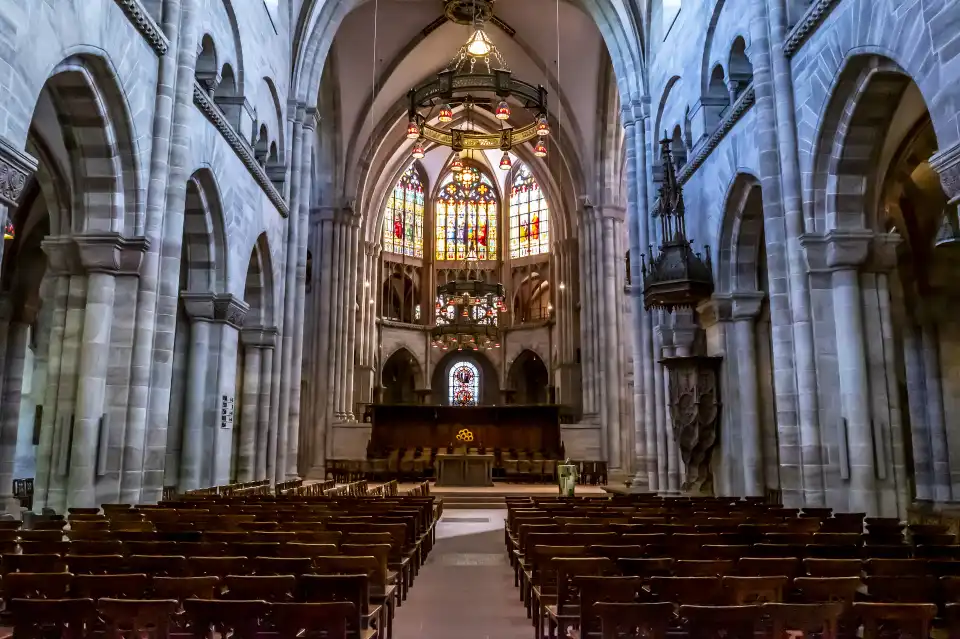
Basler Münster – The Spiritual Landmark of Basel#hellohalloween The Basler Münster, or Basel Minster, is the city’s most iconic monument—a masterpiece of Gothic and Romanesque architecture that has watched over the Rhine for nearly a thousand years. Originally a Catholic cathedral and later a Reformed church, it stands today as both a symbol of faith and a defining element of Basel’s skyline. ⸻ Ambience & Setting Perched high above the Rhine on Münsterhügel (Cathedral Hill), the Minster’s twin red sandstone towers and colorful tiled roof dominate the old town. The church’s setting is both grand and serene, with Münsterplatz, a spacious square shaded by trees, adding a tranquil forecourt. Inside, the dim light filtering through stained glass, the cool stone columns, and the echoes of choral music create an atmosphere of timeless reverence. ⸻ Highlights · Architecture: Constructed between the 11th and 15th centuries, the Minster combines Romanesque solidity with Gothic grace—a blend of styles shaped by centuries of reconstruction, especially after the 1356 earthquake. · Façade & Towers: The red sandstone façade and two towers, Georgsturm and Martinsturm, soar above Basel, both accessible for panoramic views of the city and the Rhine. · Gallus Portal: The elaborately carved main entrance, featuring scenes from the life of Christ, is one of Switzerland’s finest examples of late Romanesque sculpture. · Interior Treasures: The nave houses medieval tombs, the pulpit of Hans von Nürnberg (1486), and the ornate high choir with its elegant ribbed vaulting. · Crypt & Relics: The Romanesque crypt preserves fragments of the original 11th-century structure and ancient sarcophagi. · Erasmus of Rotterdam: The humanist scholar is buried here, a testament to Basel’s intellectual and religious heritage. · Cloisters: Peaceful arcades lined with memorials offer one of the city’s most contemplative spots. ⸻ Practical Info · Location: Münsterplatz, 4051 Basel, Switzerland. · Hours: Typically open daily from 10:00 AM – 5:00 PM (hours may vary by season). · Admission: Free entry; small fee for tower access. · Facilities: Guided tours, concerts, and multilingual information panels available. · Access: Easily reached by tram or a short walk from Marktplatz in the old town. ⸻ Why It’s Worth Visiting The Basler Münster is not just a church—it’s Basel’s soul in stone. Its history, artistry, and panoramic views make it essential for understanding the city’s character. Whether admired from the riverbanks or explored up close, it offers a profound encounter with Basel’s spiritual and architectural heritage.Croffle009

- basel
- baselminster
- architecture
- traveltips
- switzerland
- winterescape
#winterescape ⛪️ Bask in Basel's Gothic Grandeur at Basel Minster! With twin red sandstone towers and panoramic river views, this majestic cathedral is a must-see for architecture lovers and photo hunters. Start your visit strolling through Münsterplatz, soaking in the quiet charm before entering Basel Minster (Münsterpl. 9, 4051 Basel). Wander the ornate nave and spot the intricate stained glass—early morning brings magical light for photos! Climb the tower for sweeping vistas of the city and Rhine; just note, stairs are steep (wear comfy shoes and travel light). On the terrace outside, you’ll find THE spot for those “insta-worthy” snaps against the Swiss skyline. Must-do: Admire the beautiful cloisters, and if you’re into history, check out the crypt for a unique vibe. My tip: Visit late afternoon for softer light and fewer crowds; it feels almost contemplative. Also, don’t miss the chance to walk around the back for lesser-known angles and the lovely garden. Practical tips: Minster is closed Jan 1 and Dec 24—plan accordingly. Entrance is free, but tower climb has a small fee. It’s chilly inside so bring a light jacket even in summer. Precaution: Respect quiet zones and avoid flash photography inside—this is an active place of worship. #Basel #BaselMinster #Architecture #TravelTips #SwitzerlandWorldGate195

- travel
- citycenter
Basel in Switzerland, beautiful cityIt's the third-largest city and is widely celebrated as the nation’s cultural capital. Tucked into the northwest corner of the country, it sits directly on the Rhine River at the Dreiländereck—a unique border tripoint where Switzerland, France, and Germany meet. Basel boasts Switzerland's highest concentration of museums. Iconic institutions include the Kunstmuseum Basel—the oldest public art collection in Europe—and the world-renowned Fondation Beyeler. Global Art Hub: Every June, the city hosts Art Basel, the premier international art fair that transforms the region into a gathering place for world-class artists and collectors. Historic Old Town: The central Innenstadt features well-preserved medieval architecture, including the 12th-century Basel Minster built from distinct red sandstone and the striking, richly ornamented Rathaus (Town Hall). Centuries of Education: Founded in 1460, the University of Basel is Switzerland’s oldest university, making the city a historical center for Renaissance humanism. Rhine River Traditions: The Rhine divides the city into Grossbasel (Greater Basel) and Kleinbasel (Lesser Basel). A favorite local summertime activity involves placing belongings in a waterproof "Wickelfisch" swim bag and floating down the river's current. Major Events: Beyond art, the city holds Basler Fasnacht—Switzerland's largest carnival celebration—as well as the vibrant Basel Autumn Fair and highly rated Christmas markets. #travel #citycenterRed_bear
- hellochristmas
- basel
- visitswitzerland
- traveleurope
- universitylife
- explorebasel
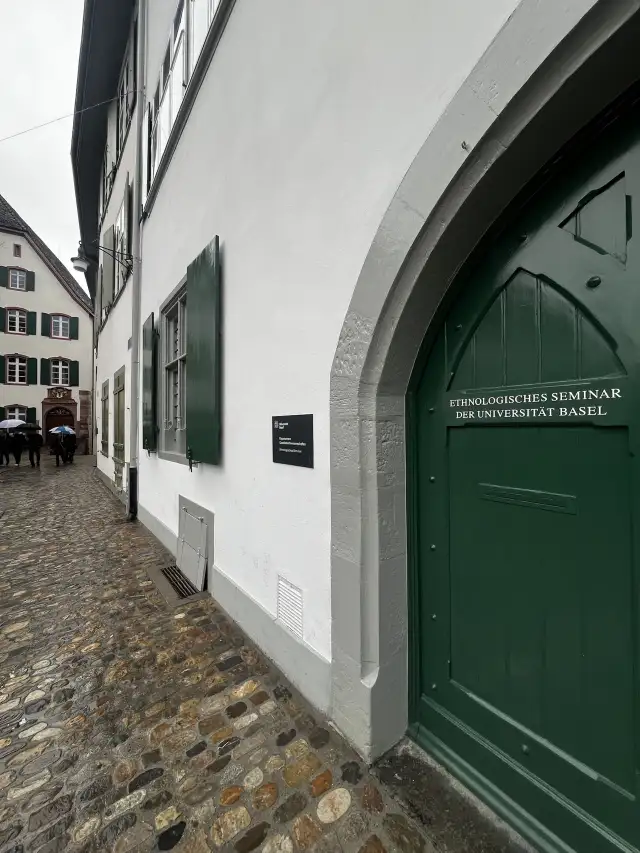
UNIVERSITÄT BASEL — WHERE HISTORY MEETS MINDS THAT SHAPE THE FUTURE 🇨🇭#hellochristmas Walking through Universität Basel, the oldest university in Switzerland, feels like stepping into a world where centuries-old scholarship blends seamlessly with modern brilliance. From its Gothic roots to its cutting-edge research halls, every corner whispers stories of thinkers who changed the world. A campus that’s not just beautiful—but deeply inspiring. 🌍 Travel Tips for Your Basel Adventure: Transportation: Use the Basel Mobility Ticket—usually free with hotel stays—for unlimited tram & bus rides. Best Time to Visit: Early morning or late afternoon for serene campus vibes and glowing golden-hour shots. Must-Visit Spots: University Library, Botanical Garden, Petersplatz, and nearby Old Town lanes. Suggested Itinerary: Münster → Rheinblick → Universität Basel → Old Town cafés. Photography Tip: Frame the university architecture with natural light—Basel’s soft skies make every shot cinematic. #Basel #VisitSwitzerland #TravelEurope #UniversityLife #ExploreBaselTrips by CK1
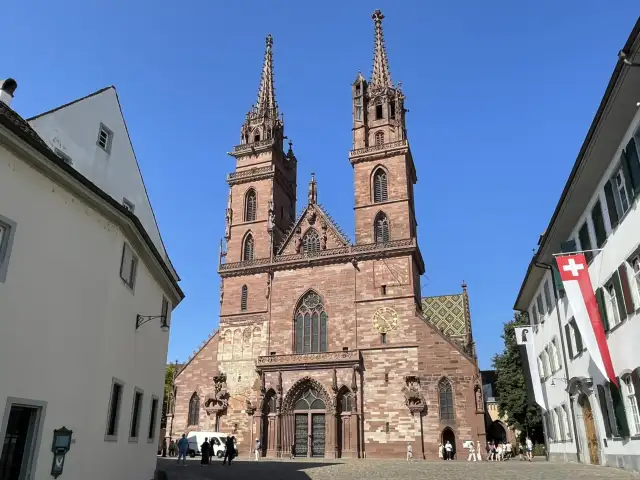 Basel Minster (Basler Münster) is the most iconic historic building in Basel, Switzerland, and the most famous landmark along the Rhine.Basel Minster (Basler Münster) is the most iconic historic building in Basel, Switzerland, and one of the most famous landmarks along the Rhine. Originally built in 1019 in the Romanesque style, it was reconstructed after the great Basel earthquake of 1356. The rebuilding incorporated Gothic architectural elements, resulting in its distinctive modern-day appearance featuring red sandstone walls, a colorful glazed-tile roof, and twin spires. Once a Catholic cathedral, it became a Swiss Reformed church following the Reformation. The interior houses exquisite cloisters, a crypt, and the tomb of the renowned humanist scholar Erasmus of Rotterdam. Behind the church, the Pfalz terrace offers unparalleled panoramic views of the Rhine, the Old Town, and Kleinbasel. The peacefully quiet Münsterplatz (Minster Square) surrounding the church preserves numerous medieval buildings. Together with the Minster, they create a profoundly historic atmosphere, allowing visitors to fully experience Basel's rich cultural heritage and unique charm.在地图上盖章的人

 Quietly tucked into the fairy tale of the Rhine River, Basel City Walk is amazing!An underrated Swiss treasure city 🖼️, Basel, the third largest city in Switzerland, is a charming little border gem warmly embracing France and Germany 🇫🇷🇩🇪✨ 🌈【City Code】 📍 Location: Northwest Switzerland on the banks of the Rhine River 💧 Soul: The Rhine River divides the city in two On one side is the majestic Greater Basel 🏛️ On the other side is the artistic Lesser Basel 🎨 🌉【Must-Visit Hidden Gems】 Stroll along the Rhine River and discover surprises 👇 💦 Philosophical sculptures in the water pools As if pondering life 🌲 (Even more atmospheric on rainy days~) 📸 Photo tips: Close-up silhouettes of Western-style architecture are timeless Rainy days come with a natural vintage filter ☔ Modern buildings framed with distant mountains and lakes Simply postcard-perfect!Blaze % Scott


Other visitors' reviews of Basel Cathedral
Show More ReviewsThere is a sundial on the wall outside the Basel Cathedral. This church has a very long history. What is unique is that there is a highland behind the church, next to the Rhine River. It is a good place to relax and rest. Many people sit here, eat lunch and enjoy the river view. We also sat here for a while and had something to eat.