The Roman Baths
 based on 24,873 reviews
 No. 1 of Best Things to Do in Bath
Open Opening hours of The Roman Baths
The Roman Baths attraction highlights
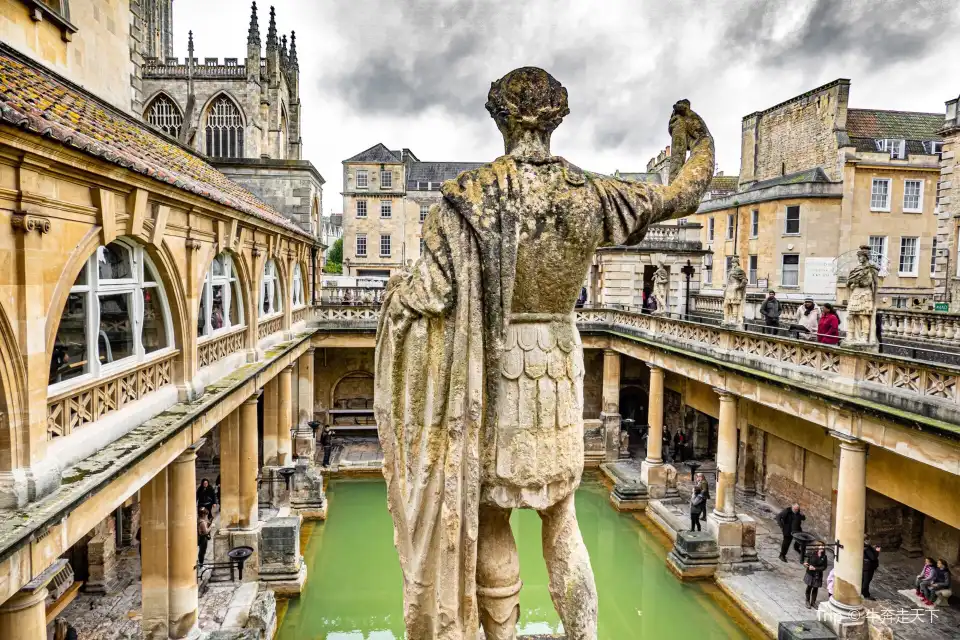
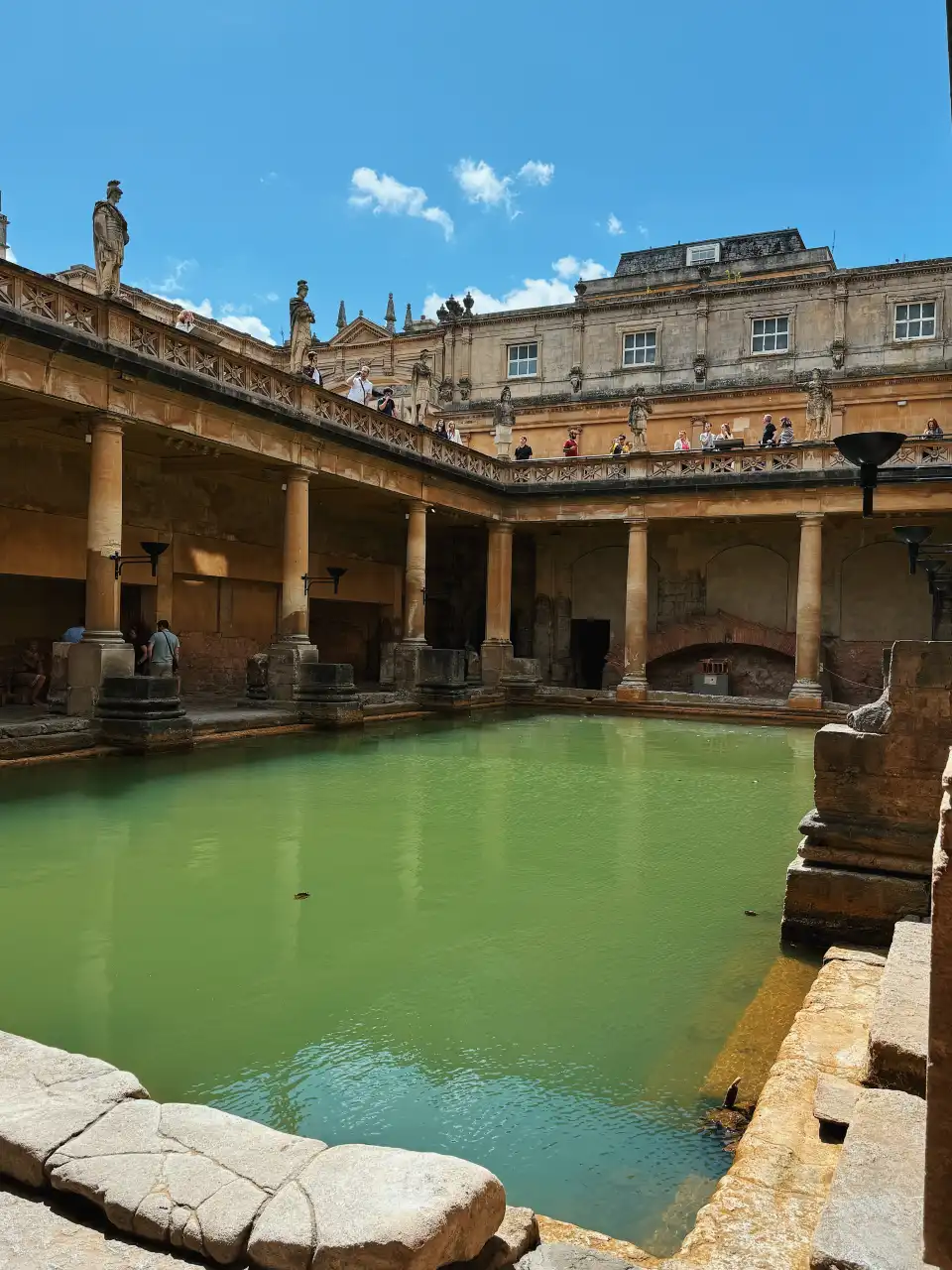
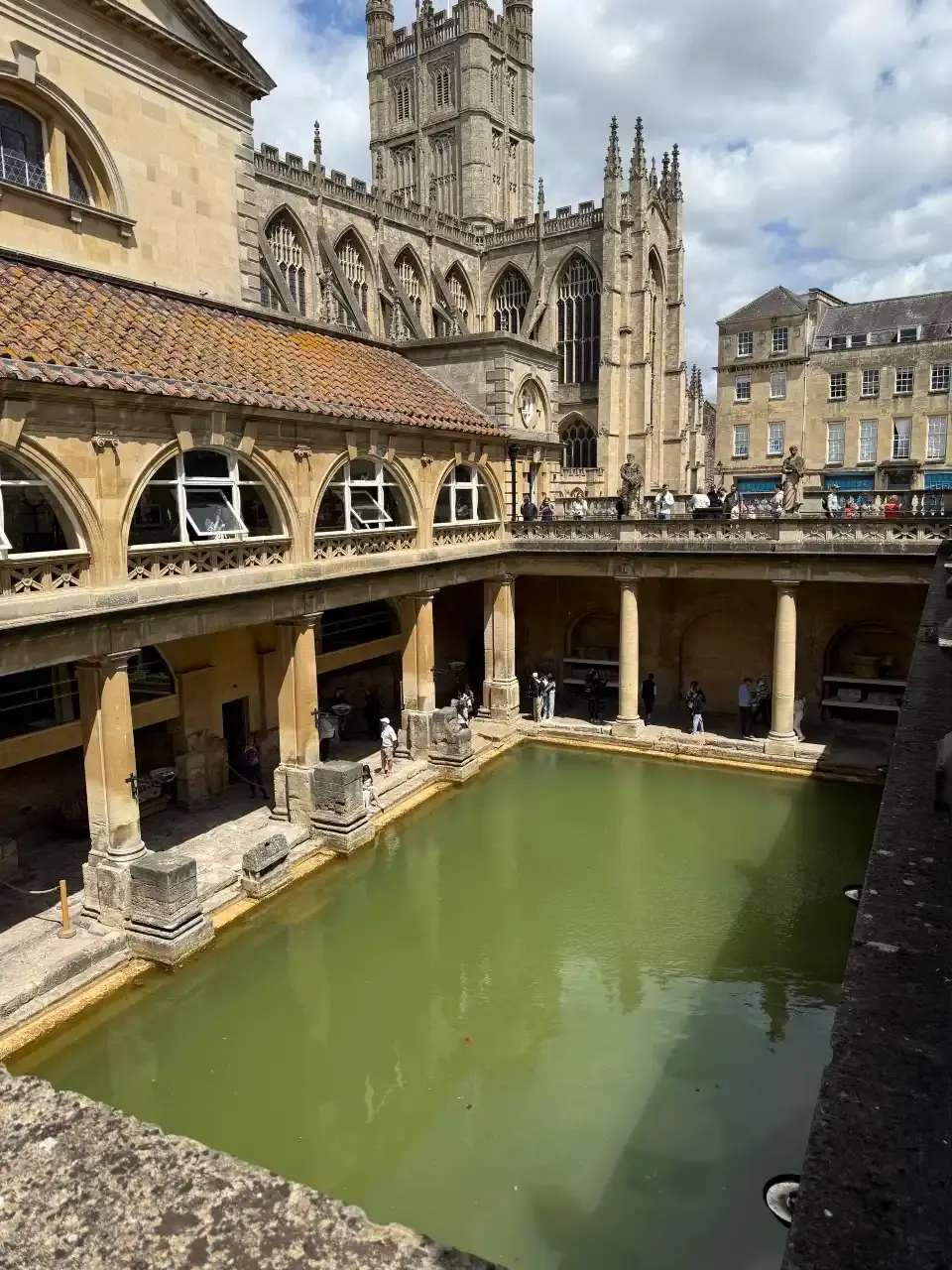
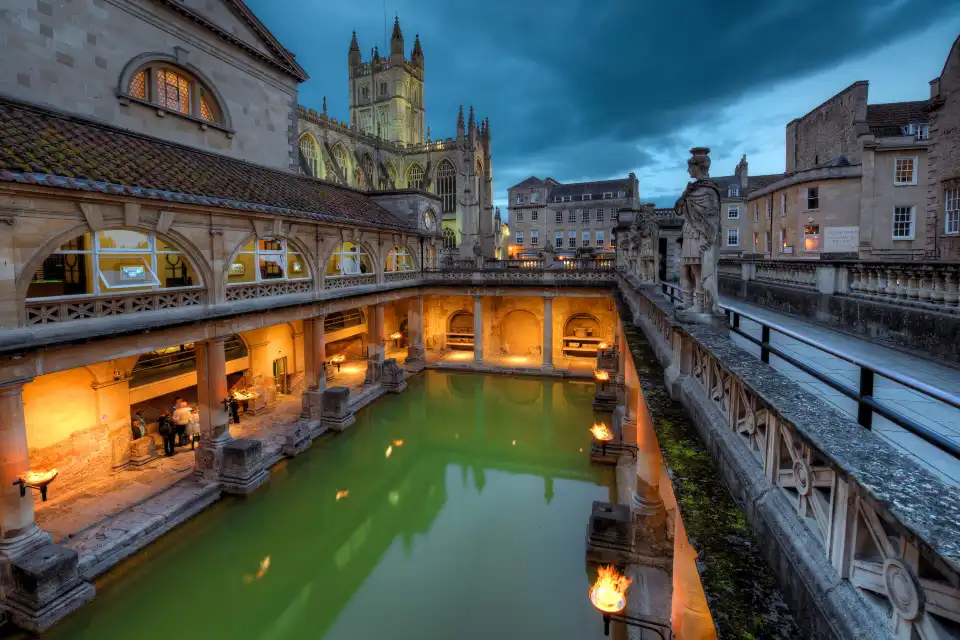
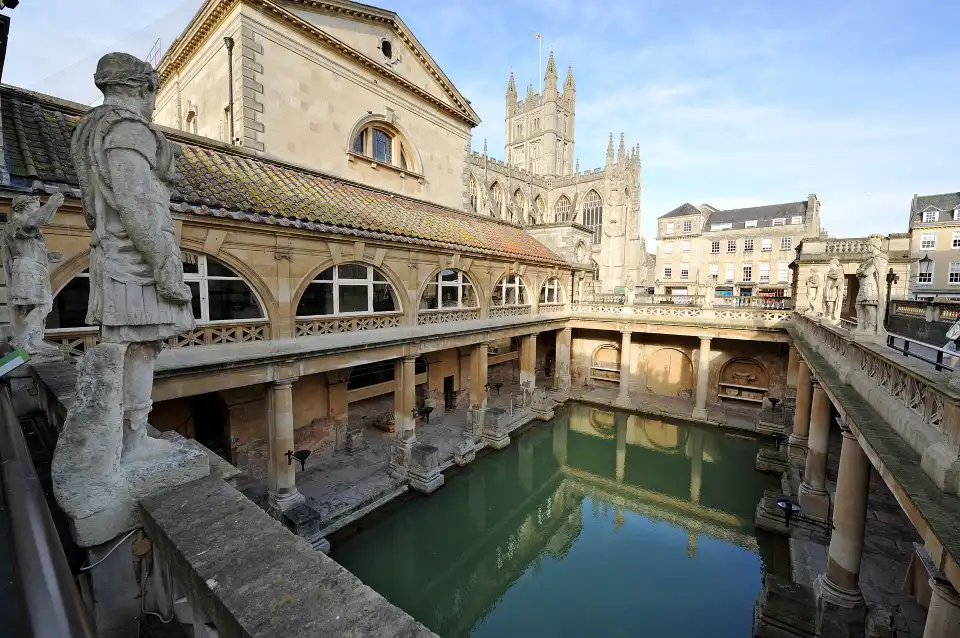
The Roman Baths is located in the center of Bath, opposite Bath Abbey. It is an attraction in Bath and also the origin of the city's name. This well-preserved Roman bathhouse is a place that draws endless streams of eager visitors. Stepping inside is like witnessing a living portrait of Roman-era life, featuring the sacred spring, Roman temple, Roman bathhouse andThe Roman BathsThe artifacts are quite famous. #Architectural features# The Victorian reception hall at the entrance is magnificent, with arched ceilings carved with scenes of the four seasons. Here, besides purchasing tickets, don't forget to pick up a free audio guide (available in Chinese). However, large luggage storage is not provided, so if needed, you can store bulky luggage elsewhere before exploring. The baths are divided into upper and lower levels. The lower-level pool is connected to an underground hot spring, with emerald-green water that remains warm to this day, bubbling up continuously. It's hard to imagine it has maintained this state for over 10,000 years. The upper and lower levels of the baths are supported by 12 pillars, each topped with statues of varying forms, as the Romans believed the godlike hot springs were a gift from divine protection. From the reception hall, you can proceed to the terrace, which offers a panoramic view of the Great Bath, surrounded by Victorian-era statues dating back to 1894. Take a moment here to admire the overall grandeur of the Great Bath. #Sacred spring# The sacred spring is located at the heart of The Roman Baths, with natural water maintaining a constant temperature of 46°C. Water gushes from underground day and night, with excess flowing into the original Roman drainage system. The museum features a glass floor, allowing visitors to clearly see the bath's water pipes below, which also house treasures like carved gemstones and tin masks, well worth a look. #Great bath# The Great Bath is the highlight for most visitors. This massive pool is lined with 45 lead slabs and has a depth of 1.6 m. Steps are installed around it for easy access. The pool is filled with abundant spring water, its surface steaming. A large stone slab lies horizontally where the hot spring flows out, serving as a diving platform for entertainment in ancient times. From 10:00 to 17:00 daily and during July and August evenings, staff dress in ancient Roman attire, immersing visitors in the distant Roman era. The Great Bath is flanked by the East Bath and West Bath, along with bathing suites and a high-temperature bath. For more historical insights, visit The Roman Baths Museum, which houses composite models of the temple and baths, as well as exhibits of comedy films related to ancient Rome.
Other visitors' reviews of The Roman Baths
Show More ReviewsOriginally built in the 1st century AD (during the Roman occupation of Britain), it was constructed around natural geothermal springs and dedicated to Sulis Minerva, the goddess of Celtic and Roman fusion. It served as a religious sanctuary, a spa resort, and a public bath for all. After the Roman withdrawal in the 4th century, it was gradually buried and excavated in the 18th century. Today, it is a World Heritage Site and a landmark of Bath.