OverviewReviewsWin PrizesTrip MomentsDetailsNearby
Share to
Show all
Luzhai
东阳卢宅景区
5.9
4.6/5
1,050 Review
 No. 8 of Best Things to Do in Jinhua
Open Opening hours of Luzhai
No pets allowed
Recommended sightseeing time: 2–3 hours
Address:
Luzhai Street, Dongyang City, Jinhua City
Map
Phone:Ticket inquiry: +86-579-057986635771Customer support: +86-579-15057168348
Luzhai attraction highlights
Some information may have been translated by Google Translate
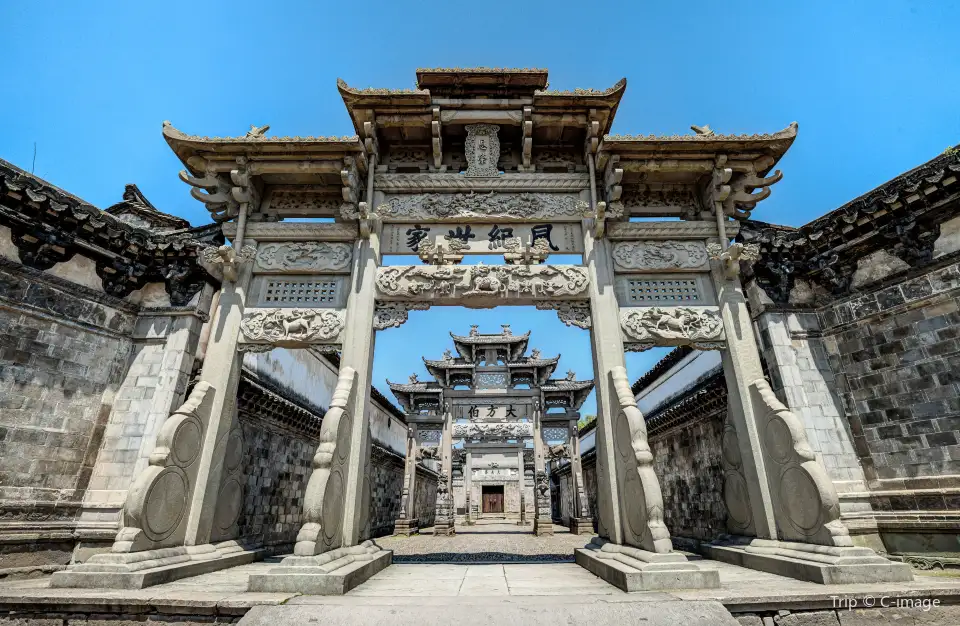
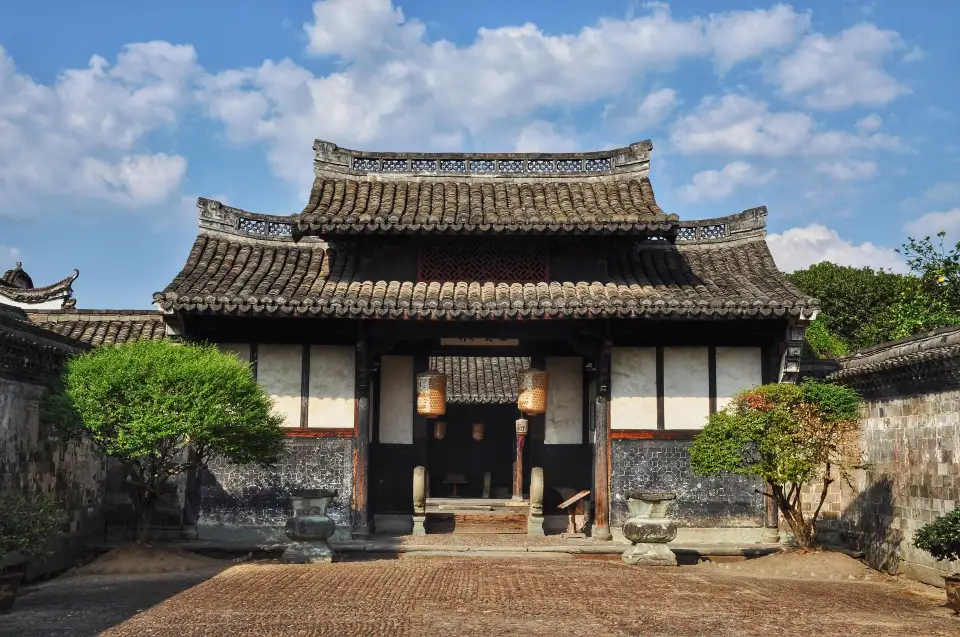
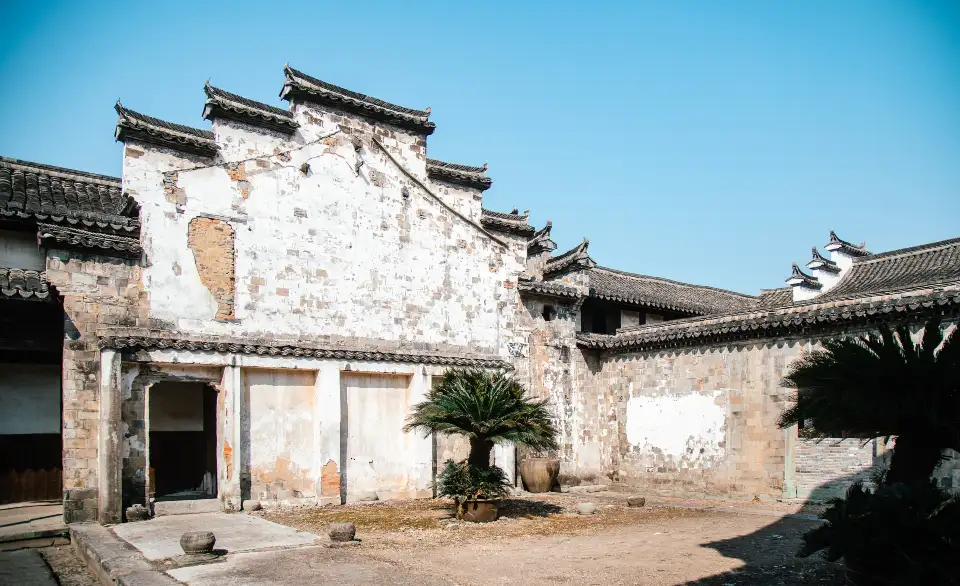
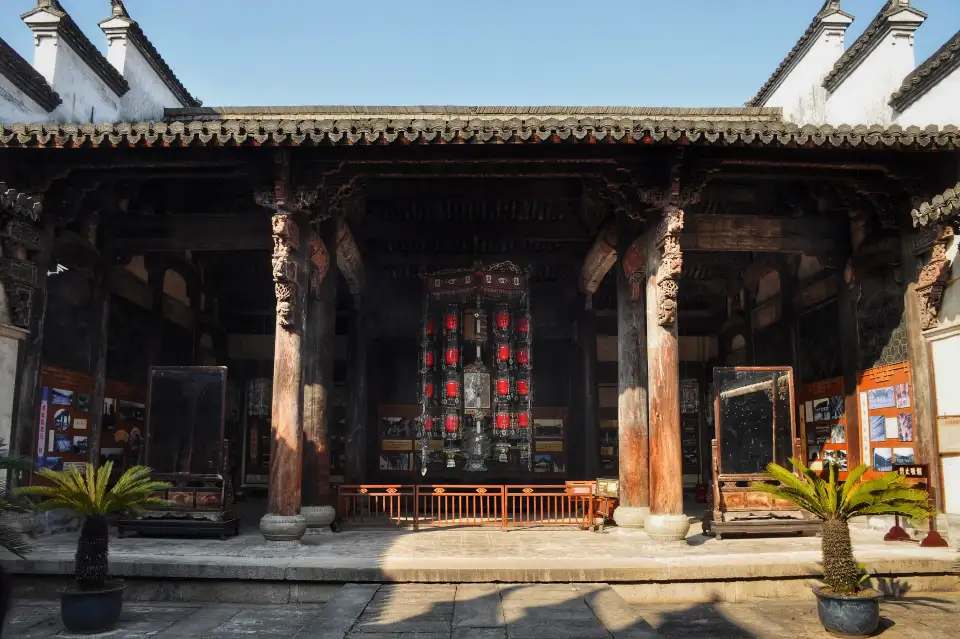
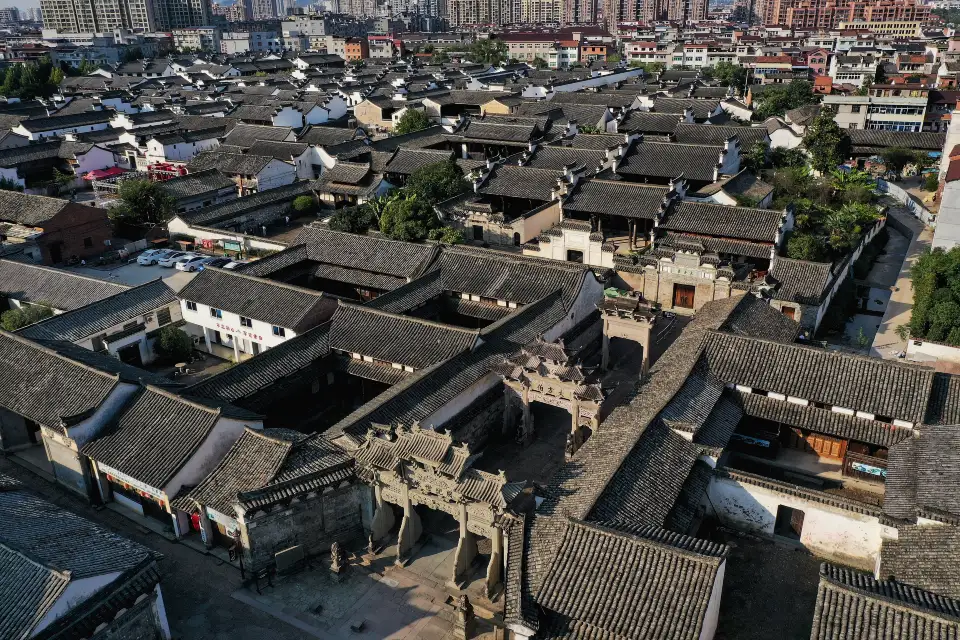
The Luzhai Complex consists of multiple residential complexes with longitudinal axes and thousands of houses. According to the essence of Suedang, its architectural scale and exquisite decoration are top notch. There are many existing buildings from the time of Jingtai back to the beginning of the Warlord Era, and they are concentrated on both sides of the axis of Suojutang. The official residence of Sangtangtang Hall is meticulously structured and symmetrical. It is an outstanding representation of ancient architecture. In the Luzhai architectural complex, paintings, corbels, and harpies from different periods are all of the highest quality.
Luzhai Reviews: Insider Insights and Visitor Experiences
Write a review
Surrounding area map of Luzhai
More recommendations
Popular Types of Attractions in Dongyang
Historical attractions | Sightseeing tours | Night view | Boat tour | Cable car | Nature and wildlife | Natural scenery | Mountain climbing | Beaches and shores | Exhibitions & events | Performances | Exhibitions | Concerts | Cultural institutions | Themed exhibition halls | Museums | Science & technology museums | Outdoor activities | Mountain climbing | Hiking | Cycling | Leisure activities | Farms and pastures | Camping and campsites | Spa/massage | Parks | Amusement parks | Film and television bases | Ice and snow parks | Skybound experiences
Popular Restaurants in Dongyang
东磁大厦餐厅创意·融合菜 | 601鱼头泡饭 | 横店影视城龙景雷迪森庄园酒店·海鲜自助餐厅(高速公路口店) | Xin Sha Jia Bang | 新当家人(银泰店) | 知味楼餐厅明星私房菜(退伍军人歺店) | 聚义厅酒楼 | 味莊餐厅(康庄南街店) | 卢宅人家 | TINGJI BINGSHI | 横店影视城·贵宾楼大酒店(秦王宫清明上河图店)·中餐厅 | LIN JIANG GE | 江南外婆农家菜(南马花园分店) | DongYang ShiFangKou | TANG ZHANG GUI | 横店味道·香湘园(丰景嘉丽店) | 必胜客(东阳一百店) | HE FENG YU SHAN CHUANG ZUO LIAO LI | 1点点(人民路店) | 赣川湘土菜馆(横店影视城店) | DIAN DIAN HONG MEN AN CHANG DIAN | 妈妈家土菜馆(横店店) | 法悦薇西餐厅·派对聚餐 | 东阳天澜雷迪森广场酒店(迎宾大道店)·品味轩餐厅 | HAN ZHONG GUAN | 1 Diandian (Hengdian Wansheng Street Shop) | 1点点(吉祥店) | 海底捞火锅(东阳银泰城店) | TEARTURE·上汐城市客厅 | SHI QI
Recommended attractions at popular destinations
Popular Attractions in Bangkok | Popular Attractions in City of Manila | Popular Attractions in Tokyo | Popular Attractions in Taipei | Popular Attractions in Hong Kong | Popular Attractions in Seoul | Popular Attractions in Kuala Lumpur | Popular Attractions in Los Angeles | Popular Attractions in Shanghai | Popular Attractions in New York | Popular Attractions in Shenzhen | Popular Attractions in Osaka | Popular Attractions in Singapore | Popular Attractions in London | Popular Attractions in Guangzhou | Popular Attractions in San Francisco | Popular Attractions in Beijing | Popular Attractions in Macau | Popular Attractions in Bali | Popular Attractions in Jakarta | Popular Attractions in Paris | Popular Attractions in Ho Chi Minh City | Popular Attractions in Istanbul | Popular Attractions in Phuket | Popular Attractions in Chicago | Popular Attractions in Seattle | Popular Attractions in Toronto | Popular Attractions in Orlando | Popular Attractions in Cebu | Popular Attractions in Chiang Mai
Popular Ranked Lists
Popular Best Things to Do in Weinan | Top 20 Global Traveller-Picked Hotels in Xiamen | Top 50 Global Traveller-Picked Restaurants in Xi'an | Top 50 Must-Visit Restaurants in Phuket | Top 50 Global Traveller-Picked Restaurants in Qingdao | Top 50 Global Traveller-Picked Restaurants in Sanya | Top 50 Global Traveller-Picked Restaurants in Yangshuo | Popular Best Things to Do in Dazhou | Top 50 Global Traveller-Picked Restaurants in Tianjin | Top 50 Global Traveller-Picked Restaurants in Harbin | Popular Best Things to Do in Jieyang | Top 20 Global Traveller-Picked Hotels in Wuhan | Popular Best Things to Do in Linxia Prefecture | Top 10 Best Things to Do in Danzhou | Top 50 Global Traveller-Picked Hotels in Zhangjiajie | Top 10 Best Things to Do in Tongliao | Top 50 Global Traveller-Picked Restaurants in Zhangjiajie | Top 20 Premium Hotels in Lanzhou | Top 50 Global Traveller-Picked Attractions in Hangzhou | Top 50 Global Traveller-Picked Restaurants in Dali City | Popular Best Things to Do in Lvliang | Top 20 Global Traveller-Picked Hotels in Dali City | Top 20 Global Traveller-Picked Hotels in Nanjing | Top 50 Global Traveller-Picked Restaurants in Zhuhai | Top 20 Global Traveller-Picked Hotels in Dalian | Top 10 Best Things to Do in Chongzuo | Top 50 Global Traveller-Picked Hotels in Xi'an | Top 20 Global Traveller-Picked Hotels in Guilin | Popular Luxury Hotels in Tegernsee Lake | Top 50 Global Traveller-Picked Hotels in Beijing
Popular Trip Moments
Traveling in reverse in August, these four low-cost small cities get more comfortable the more you explore | 5 am dawn | Dongyang’s healing countryside secret spot Full moon, rice fields, and lotus ponds together look more beautiful than a comic! | Budget travel in the city in August: a firsthand experience of escaping the heat and saving money. | Anji Yunshang Grassland | A mountain park that steps into a fairy-tale night scene | 6 summer retreats with fewer crowds, beautiful scenery, and peace of mind | Where to go for a road trip in August and September? These 8 places have fewer crowds, beautiful scenery, great summer escapes, and lots of fun | August 18 Jinhua speaks honestly | Dongyang!! Newly opened!! Go check it out!! | Free access to Jinhua Light of Glory, the perfect secret spot for family fun and science exploration in Jiangsu, Zhejiang, and Shanghai—fun for kids without breaking the bank! | Yongkang 2-day 1-night ultimate guide! All-inclusive food, accommodation, and transportation for about 300 per person | Budget summer escapes in August: these spots have fewer crowds, beautiful scenery, and are affordable | Hengdian Chengyi Hotel | New Chinese-style mountain view family room | No need to take leave for a weekend. Five tested hidden gem routes with no risk | First-timers to Hengdian, don’t try to do too much! A 3-day no-miss itinerary | Budget travel to these places in Aug–Sep: fewer crowds, beautiful scenery, and save money | Where to go for budget travel at the end of the month? Fewer crowds, beautiful scenery, and saving money | Endured Jinhua and came back, after 3 days my spending habits collapsed | An underrated treasure with few people and low prices, tested and no disappointments | Jinhua 3-day, 2-night adventure | My spending habits were shattered, budget travel can be amazing! | Jinhua Hengdian! The Japanese-style guesthouse within walking distance of the film city is amazing | The early morning 5:30 green wonderland in Dongyang’s hidden gem is so healing! | The ultimate summer cool-down! These 8 places all have average temperatures below 25℃, personally tested and refreshing | Traveling with kids for three days: these experiences are personally tested and won't disappoint. | Hengdian World Studios | A local’s hidden summer paradise for kids | Hengdian World Studios complete check-in guide: travel through five dynasties in one day—amazing! | Amazing! A veteran who has visited Hengdian 10 times shares the ultimate summer cooling guide | My Epic Sky Bridge Adventure at Shenxianju Scenic Area | A stunning spot for photos! The ultimate guide to enjoying sculptures at Dongyang Pride Square | Don’t just lie around on the weekend! These four cities in Hebei are perfect for a two-day, one-night trip | 8 cool road trip destinations to avoid the crowds, personally tested and highly recommended
More Things To Do in Dongyang
Hengdian In-depth Guided Tour: Half-day, Full-day Chinese Guide, Full-day English Guide | [Jinhua Guide] Urgent bookings welcome for in-depth guided tours in Jinhua city, including Hengdian, Double-Dragon Cave, Zhuge Bagua village, Jinhua Museum, and surrounding areas. | Jinhua, Zhejiang region: Professional guides/translators/local escorts/itinerary customization/team building/meeting events/business reception/custom tours | 1-day tour to Hengdian World Studios + Luzhai Residence + Fotang Old Street in Jinhua, Zhejiang with bilingual Chinese-English service | Dongyang Trip Moments[Hengdian World Studios/Dongbai Mountain/Translation Photographer for Wedding & Portrait Photography, Following Shoots, and Aerial Photography] | Business Vehicle | Optional English Guide | Departing from Hangzhou to Hengdian World Studios, Ming and Qing Palace, Qin Dynasty Palace | 1-day tour in Yiwu China with private charter | Private travel | Enjoy a worry-free trip | Jinhua trip moments[Travel photo shooting services including photos, short videos, wedding photography and videography, promotional videos, portraits, wedding photos with all raw images provided] | Private Day Tour from Hangzhou to Hengdian World Studios: Charter Car + Tickets - Travel Back to Ancient Dynasties | Hangzhou - Hengdian: Hengdian world studios + Ming and Qing palace + Riverside scene at Qingming festival | Customize private car | [Hangzhou Departure]Hengdian World Studios Day Tour: Private Car Transfer | Professional translation service throughout Zhejiang province | Wenzhou/Yiwu/exhibition interpreter/business inspection | inquiries welcome | One-day tour to Hengdian World Studios | Mainland China 5G eSIM | Day Pass/Total Data Package | ChatGPT Available | 24-Hour Billing | 1-365 Days | QR Code | Mainland China 5G eSIM | Supports Google Maps / ChatGPT | Daily/Total Data Plans | 24-Hour Billing | 1–365 Days | QR Code | Hangzhou Tonglu Fuchun River + Luci Village + Longmen Ancient Town 1-day tour - Bilingual service available (admission ticket not included) | [Mainland China / Hong Kong / Macau] 5G & WiFi Rental | Unlimited Data | High-speed Network | Pick-up & Return at Hong Kong Airport | Supports Google Maps | Multi-user Sharing | 24-hour Customer Service | Hangzhou Day Tour to OMG Heartbeat Park : Private Car Transfer (Focus on Thrills & Scenery) | China Mainland 5G eSIM | Three Networks Supported, Supports All AI & TikTok | 500MB/Day - 100GB Total | 1-60 Days | 24-Hour Billing | QR Code | Jinhua Travel Photography[Driver and guide + travel photography + wedding photos, aerial photography, micro-film + makeup and clothing + itinerary customizatio] | Jinhua Travel Photography[Wedding photo micro-movie aerial photography/wedding follow-up photography/makeup and clothing/charter tour guide customization] | From Shanghai: Shaoxing Lu Xun Native Place + Shen's Garden + Cangqiao Straight Street private charter 1-day tour | 5G/4G eSIM in 8 Asian countries | Multi-network support, supports All AI & TikTok | 500MB/day - 50GB total | 1-30 days | 24-hour billing | QR code | Wupeng Boat Experience + Lu Xun Native Place + Baicao Garden + Sanwei Study Hall (Including Reservation Ticket) + Shen's Garden Admission Ticket + Live Guided Tour | China Unicom Nihao 5G SIM Card – Local China Number for Calls, Data, SMS & App Registration | Beijing / Shanghai / Guangzhou / Chengdu Airport Pickup | Paragliding experience at Yong'an Shan Huaxiangsan Xunlian Base in Hangzhou [430 m height, around 5 min duration + free video + professional one-on-one coaching] | Lishui Travel Photography[Driver and guide + travel photography + wedding photos, aerial photography, micro-film + makeup and clothing ] | China LIW Yiwu airport VIP lounge | Lounge | VIP | Domestic departure dining/waiting lounge | Jinhua·Yiwu Spanish/English/Russian/Minority Languages | Translation/Guide/Local Companion | Exhibition Translation/Business Translation | Attraction Tours | Inquiries Welcome | Pujiang trip moments[Photography and videography services including family-friendly, individual and couple photos, short videos, promotional videos, portraits, wedding photos with all raw images provided]
Other visitors' reviews of Luzhai
Show More ReviewsLu Residence is a landmark of Dongyang, a must-visit destination. The Lu Residence scenic area is now quite large, with an entrance fee for the old residence section (a complex of Ming and Qing dynasty buildings). It's very close to the city center, quick by car, and has a large parking lot. However, try to park near the visitor center to avoid a long walk. From the visitor center, it's a few minutes' walk to the old residence. Enter through the iconic archway, walk to the end, and turn left to reach the entrance. While the saying "North has the Forbidden City, South has Lu Residence" is a bit of an exaggeration, Lu Residence is undoubtedly one of the best-preserved and most authentic ancient architectural complexes in southern China. It tells the story of the rise and fall of the prominent Lu family. I also really appreciate how this type of ancient architectural complex is separated from residential areas, allowing visitors to appreciate it at their own pace (most ancient architectural complexes in Zhejiang are mixed in with local residential areas, making them inconvenient to explore). The core of the old residence is Suyong Hall – a nine-courtyard structure, which was previously rarely seen... Seeing the Lu family's former glory objectively reflects the family's past splendor. The tour route is simple; following the central axis makes it easy to avoid getting lost. Inside, besides the iconic lanterns and various antique plaques, there aren't many other highlights. Remember, there's also a lot of interesting stuff on the right side of the central axis. Enter from the Jinshi (进士) section (picture 4), where you'll see a nice group of ancient buildings (pictures 5 & 6). At the end is the Ancestral Tablet Hall (picture 7), where the ancestors of the Lu family are enshrined. Then, exit from here and return to the central axis to continue your tour. The closer you get to the end of the Suyong Hall, the more exquisite the area becomes. There's an old building (picture 8; the second floor is closed for preservation) – very delicate. The photo spot at the end of the central axis is charming and is the most quintessential part of the Lu residence, as well as the best photo opportunity. The tour takes about two hours. Using your cultural tourism card to scan the code at the entrance is very convenient. I'd definitely come again.