OverviewReviewsWin PrizesTrip MomentsNearby
Share to
Show all
Roussillon
5.6
4.5/5
80 reviews
 No. 3 of Best Things to Do in Vaucluse
Open Opening hours of Roussillon
Free entry
Recommended sightseeing time: 1–3 hours
Address:
84220, France
Map
Roussillon attraction highlights
Some information may have been translated by Google Translate
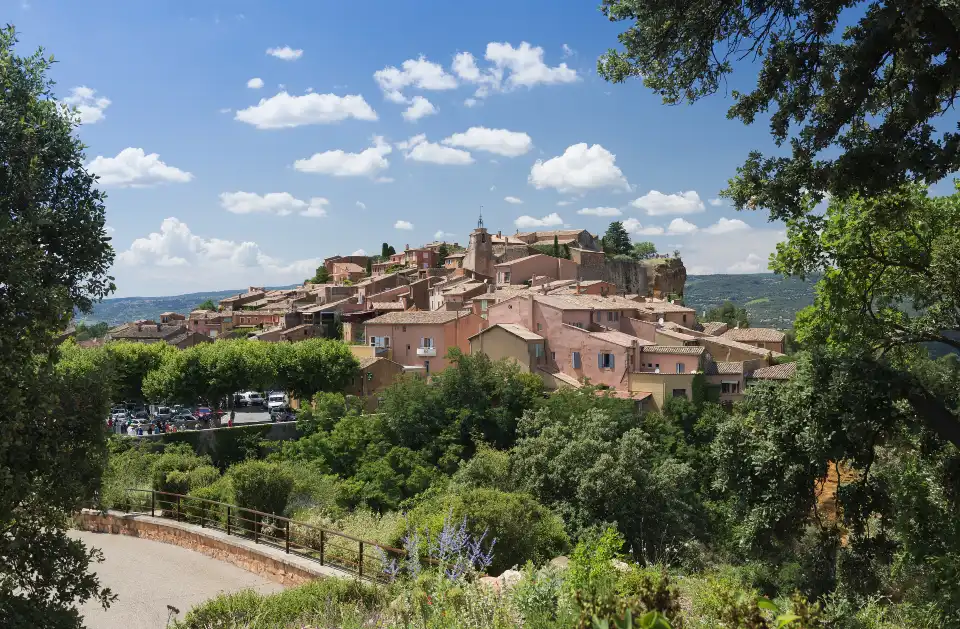
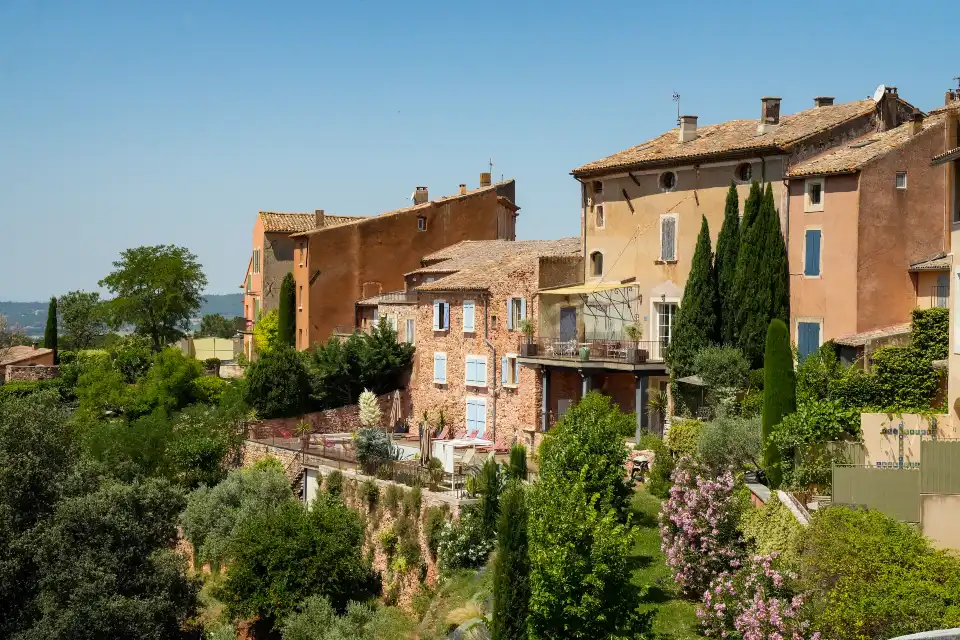
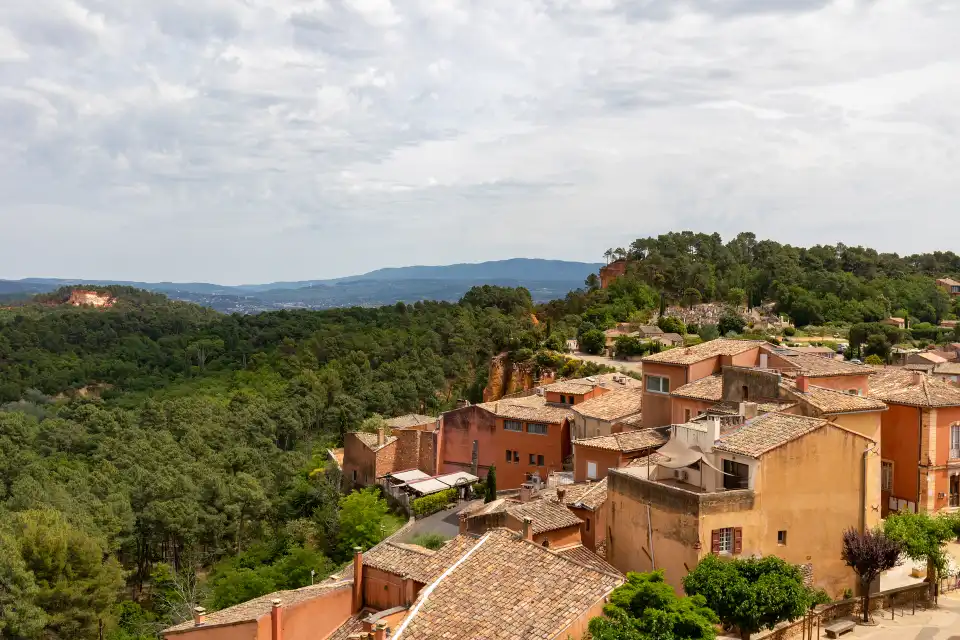
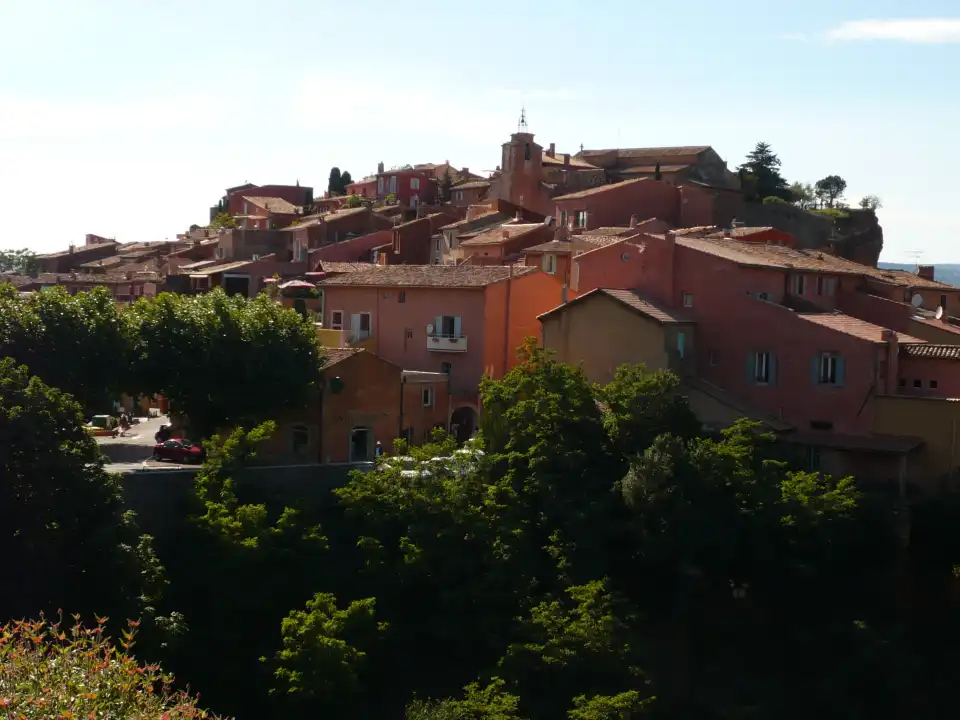
Red Earth City, transliterated as Roussillon City. The buildings in the town are made from local materials, using local laterite and redstone as raw materials. Local residents use different colors to decorate the exterior walls of their homes, whether it is doors and windows of various colors, or potted plants beside the windows, decorations on the walls, etc. The town is full of strong artistic atmosphere. In order to maintain and continue the unique characteristics of the red earth city, every household needs to paint the local red powder when they build a new house. Looking around, this small mountain city is always red and red, and under the decoration of green trees and grass, it is extraordinarily enchanting.
Surrounding area map of Roussillon
Trip.com picks
Popular cities in France
Popular Destinations
More recommendations
Popular Types of Attractions in Roussillon
Historical attractions | Nature and wildlife | Natural scenery | Beaches and shores | Mountain climbing | Sightseeing tours | Night view | Boat tour | Cable car | Cultural institutions | Themed exhibition halls | Museums | Science & technology museums | Exhibitions & events | Performances | Concerts | Exhibitions | Leisure activities | Farms and pastures | Camping and campsites | Spa/massage | Outdoor activities | Mountain climbing | Cycling | Ziplining | Skybound experiences | Flight experiences | Paragliding | Water sports | Parks
Popular Restaurants in Roussillon
Recommended attractions at popular destinations
Popular Attractions in Bangkok | Popular Attractions in City of Manila | Popular Attractions in Tokyo | Popular Attractions in Taipei | Popular Attractions in Hong Kong | Popular Attractions in Seoul | Popular Attractions in Kuala Lumpur | Popular Attractions in Los Angeles | Popular Attractions in Shanghai | Popular Attractions in New York | Popular Attractions in Shenzhen | Popular Attractions in Osaka | Popular Attractions in Singapore | Popular Attractions in London | Popular Attractions in Guangzhou | Popular Attractions in San Francisco | Popular Attractions in Beijing | Popular Attractions in Macau | Popular Attractions in Bali | Popular Attractions in Jakarta | Popular Attractions in Paris | Popular Attractions in Ho Chi Minh City | Popular Attractions in Istanbul | Popular Attractions in Phuket | Popular Attractions in Chicago | Popular Attractions in Seattle | Popular Attractions in Toronto | Popular Attractions in Orlando | Popular Attractions in Cebu | Popular Attractions in Chiang Mai
Popular Ranked Lists
Top 20 Global Traveller-Picked Hotels in Wuhan | Top 50 Global Traveller-Picked Hotels in Sanya | Top 50 Global Traveller-Picked Attractions in Xiamen | Top 20 Global Traveller-Picked Hotels in Lijiang | Top 20 Global Traveller-Picked Restaurants in Luoyang | Top 20 Premium Hotels in Changchun | Top 20 Global Traveller-Picked Restaurants in Lanzhou | Top 20 Global Traveller-Picked Attractions in Shenyang | Top 20 Global Traveller-Picked Restaurants in Dunhuang | Top 20 Global Traveller-Picked Restaurants in Beihai | Top 20 Global Traveller-Picked Restaurants in Changzhou | Top 10 Premium Hotels in Lhasa | Top 20 Global Traveller-Picked Attractions in Lijiang | Top 20 Premium Hotels in Fuzhou | Top 10 Global Traveller-Picked Attractions in Xuzhou | Top 50 Global Traveller-Picked Restaurants in Guangzhou | Top 20 Global Traveller-Picked Attractions in Huizhou | Top 10 Global Traveller-Picked Attractions in Nanchang | Top 20 Premium Hotels in Yinchuan | Top 50 Global Traveller-Picked Restaurants in Chengdu | Top 20 Global Traveller-Picked Restaurants in Zhangzhou | Top 50 Global Traveller-Picked Hotels in Zhangjiajie | Top 50 Global Traveller-Picked Attractions in Suzhou | Top 50 Global Traveller-Picked Attractions in Xi'an | Top 20 Global Traveller-Picked Restaurants in Taiyuan | Top 20 Global Traveller-Picked Restaurants in Zhoushan | Top 20 Global Traveller-Picked Hotels in Xiamen | Top 50 Global Traveller-Picked Restaurants in Zhangjiajie | Top 50 Global Traveller-Picked Restaurants in Shenyang | Top 20 Global Traveller-Picked Attractions in Wuxi
Popular Trip Moments
A European getaway for the long weekend is amazing! | 12-day Europe multi-country itinerary: just copy and go | This 5-day Mid-Autumn Festival trip to France was totally worth it | Exploring Roussillon: The Enchanting Ochre City and Lavender Fields of Provence | Once I saved enough, I went to France to see the sea and drink coffee. | Driving from Paris to Provence | Cities to visit on your road trip to Gordes | Provence, France | Encountering a "sun-warmed purple dream" in the South of France | Staying in an old stone house in Provence, open the door to a sea of lavender | Provence Garden: The Floral Heart of France | Stay in a French-style spa estate in Provence. The stone village and ocher cliffs in August healed me | [Unboxing Southern France] This is basically a miniature Bryce Canyon, Utah! Roussillon, the red ochre town in Provence. | Le Sentier des Ocres: The "Colorado" of Provence. | Avignon! The dream hotel in Southern France. Someone actually traveled to a city just for a hotel!! This treasure hidden in the heart of Avignon's old town | Off-season hidden gems of Provence | Summer 12-day multi-country Europe travel guide to save you time and effort | Back from Provence, summer is really not recommended… because it’s just… | Escape the hustle and spend a whole summer in the stone villages and lavender valleys of southern France | 5-day France travel guide for seniors | Who understands? This multi-country European tour is super worry-free for seniors. | There’s always a summer in life meant for the south of France!??8 must-see spots | Paris and Southern France: The Ultimate Relaxing Vacation Guide | The French mountains are beautiful, but visiting from July to September is not recommended because they are so stunning you won’t want to leave | When everyone on social media is sharing beach photos, smart travelers have already flown to the south of France to relax among the lavender | 🧡 Roussillon | Provence's Magical Ochre Village | Festival Provence | Regretting only now coming to Provence’s purple flower sea is truly legendary | Purple dream in Southern France | Provence is so beautiful you won't want to go home, with practical tips on flowering periods | Stayed at a South France Wine Estate! My top 1 in my heart | Officially certified as one of "France's Most Beautiful Villages," the southern French stone town loved by Camus throughout his life—Lourmarin
More Things To Do in Roussillon
France Gordes + Roussillon + Lourmarin + Bonnieux 1-day tour|Luberon Countryside Charm | Provence Panoramic Day Tour in France|Luberon Villages + Saint-Rémy + Les Baux + Pont du Gard | Avignon Chateauneuf-du-Pape + Luberon 1-day tour [Castle ruins/Roussillon ochre landscapes] | Abbey Notre-Dame de Sénanque + Sault + Gordes + Roussillon 1-day tour [Private charter line] | Abbaye Notre-Dame de Senanque + Sault + Gordes + Roussillon + Avignon 1-day tour | 1-day tour to Luberon mountains + Roussillon + Lourmarin: Provence countryside and market | 1-day tour to Provence wineries + Luberon villages in France including visits and wine tasting at two wineries | 1-day tour to Cassis + Gordes + Roussillon + Lourmarin in France | Panoramic views of Provence's mountains and sea | Half-day tour to Roussillon + Gordes + Fontaine-de-Vaucluse in France|Luberon mountain village view|Morning departure | Half-day tour to Roussillon + Pont Julien + Gordes in France | Scenic views of Luberon mountain villages | Afternoon departure | 1-day tour of Châteauneuf-du-Pape wine tasting + scenic Luberon villages|Includes visits to 2 wineries with wine tasting | Luberon Villages Half-Day Tour from Aix-en-Provence | Provence Highlights Full-Day Tour from Avignon | Luberon, Roussillon & Gordes Half-Day Tour from Avignon | departing from Avignon, charming provence tour | Multiple European countries CTExcel 5G eSIM | EE Internet United Kingdom number | Supports calls & SMS register app | Local phone customer support | 7-30 days | QR code | Europe 5G eSIM | Daily and Total Plan | 1-30 days | Billing by 24H | QR code | Global (77 Countries) 5G/4G eSIM | Supports Google Maps/TikTok/ChatGPT | Total Data Plan | 24-Hour Billing | 1–30 Days | QR code | France 5G eSIM | Dual Network • All AI & TikTok | 1–30 Days | QR Code | Provence: Guided Day Tour from Avignon + Pont du Gard Entry | Marseille Port: Shore Excursion to Aix-en-Provence Marseille | Marseille: Côte Bleue Calanques Half-Day Kayak Tour | Provence + Abbey Notre-Dame de Sénanque Day Tour in France [Private Charter Route I Chinese-English Guide] | Marseille: Sormiou Calanque Half-Day Hiking Tour w/Swimming | Gorges du Verdon Shared Tour from Nice | 1-day tour of Old Port of Marseille + Château d'If + Basilica of Notre-Dame-of-la-Garde at Marseille [Private Line | Chinese-English Speaking Driver Guide] | Aix-en-Provence: Market & Heritage Walking Tour | Avignon: Historic District Guided Food & Wine Walking Tour | Aix en Provence, Provence wine tasting | Cassis, Calanque of Port Miou and Cap Canaille from Aix
Some content is uploaded by users, and specific information is subject to actual conditions
Other visitors' reviews of Roussillon
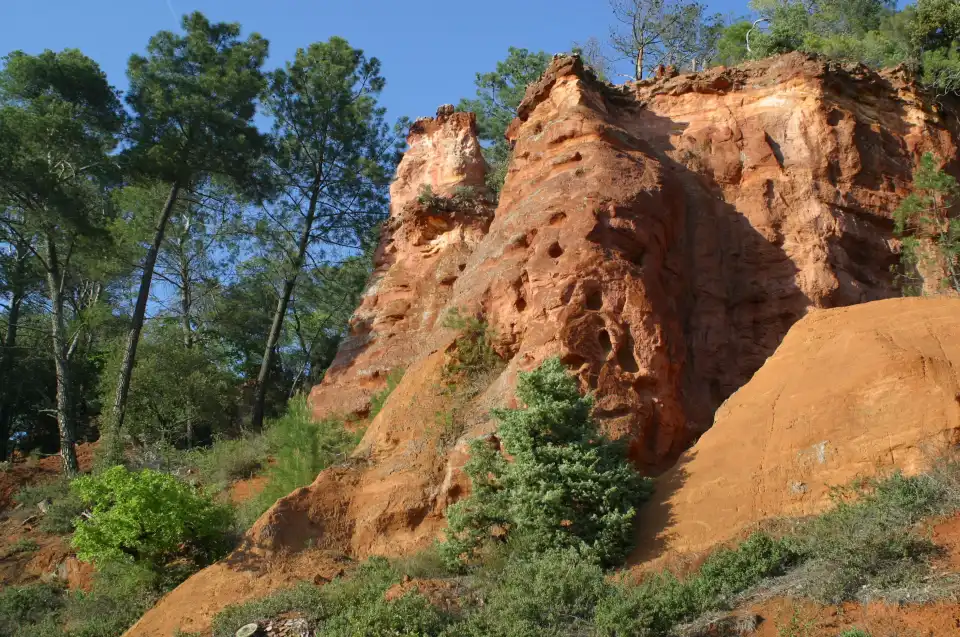
Show More ReviewsRoussillon is a historic region in southwestern France, nestled in the northern foothills of the Pyrenees Mountains. Historically part of Catalonia, it roughly corresponds to the present-day Occitanie department of the Occitanie region, with the Aude department often included within its boundaries. The area is characterized by its unique red clay cliffs, formed by the rich ochre-rich soils of the surrounding area, displaying shades of yellow, orange, and red. Many of the village's buildings are constructed using locally sourced red and yellow clay, earning it the nickname "Red Cities." Local legends tell of the origin of the red clay and a love story. In 1659, the Treaty of the Pyrenees between France and Spain ceded Roussillon to France. The region was renowned for its ochre deposits, and artisanal mining flourished from the late 18th century, with ochre pigments exported worldwide. By the late 20th century, due to soil erosion caused by long-term mining, the area was designated a national nature reserve, prohibiting industrial mining. Roussillon is also a wine region, producing geographically designated wines such as Côtes du Roussillon. The wine industry in this region is managed by relevant industry associations, and in 2011, the Chinese translation of the region's wines was "露喜龙" (Lu Xi Long). Since the early 1980s, tourism has gradually replaced mining.