The Cameri Theatre
התיאטרון הקאמריOpen Opening hours of The Cameri Theatre
The Cameri Theatre attraction highlights
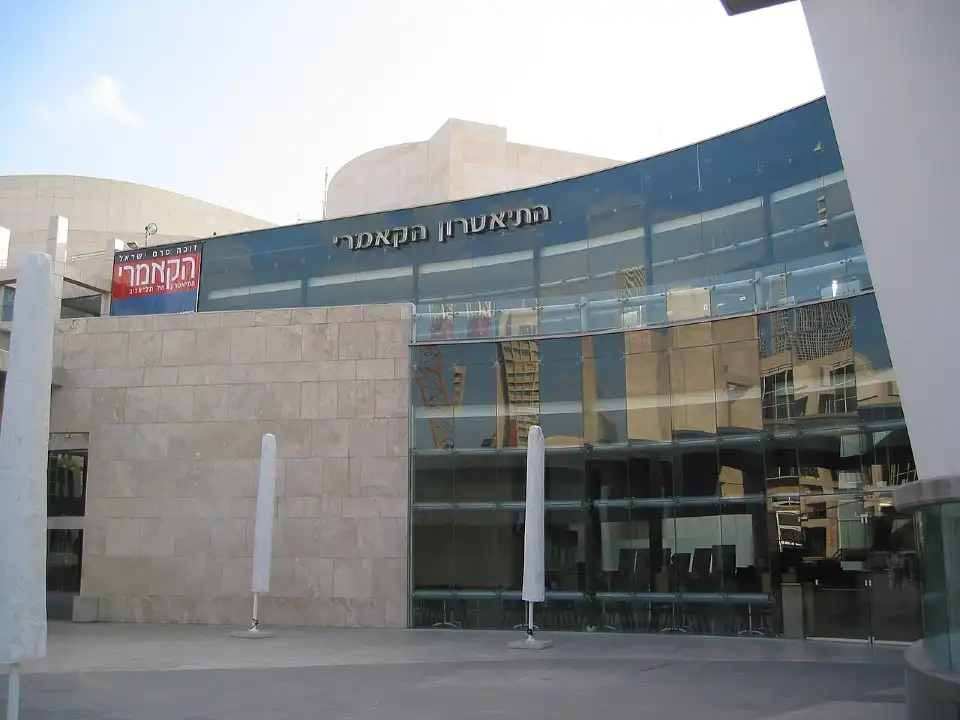
The Cameri Theatre (The Cameri Theatre) is Tel Aviv's municipal theater, with origins dating back to 1944, four years before the founding of Israel. That year, director Yosef Milo and a group of young, locally raised actors took the stage in the basement of the Mograbi Cinema. They subsequently formed a formal troupe with the ambition of staging "plays by Israelis for Israelis"—at a time when the established Habima Theatre was still dominated by older, Russian-born actors and classical repertoire, this new theater had actors speaking in the everyday cadence of Hebrew and performing stories about life on this land. Just two weeks after Israel's independence, the famous play "He Walked Through the Fields," which tells the story of local youth, premiered here. Since the late 1960s, Hanoch Levin has been the theater's signature playwright: in 1970, his anti-war satire "Queen of the Bathtub" caused a massive uproar due to its biting commentary and was pulled after only 19 performances, though it is now considered a milestone in Israeli theater history. The theater's repertoire embraces both local and international works, with classics by Shakespeare, Brecht, and Arthur Miller having graced its stage. Its musical theater tradition also dates back to the 1960s, and famous works such as "Les Misérables" have been performed here in Hebrew. The theater is now based at The Israeli Opera, sharing a cultural district with the Israeli Opera and the Tel Aviv Museum of Art, with multiple theaters of varying sizes rotating performances; the main stage can accommodate nearly 1,000 spectators. Performances are in Hebrew, so travelers planning to attend should check in advance whether their chosen show offers foreign language subtitles or translation. Those interested in theater can also look into the script collection and historical archives that The Cameri Theatre makes available to the public. Catching a play and then strolling through the museums in the same neighborhood is exactly how many locals spend an artistic evening.


