OverviewReviewsWin PrizesTrip MomentsDetailsNearby
Share to
Show all
Baisha Murals
白沙壁画
5.0
4.1/5
131 reviews
 based on 268 reviews
Open Opening hours of Baisha Murals
Recommended sightseeing time: 1–2 hours
Address:
Xinshang Section, Yulong Naxizuzizhixian, Lijiang Shi, Yunnan Sheng, China
Map
Phone:Ticket inquiry: +86-888-3077606|+86-888-3077609
Baisha Murals attraction highlights
Some information may have been translated by Google Translate
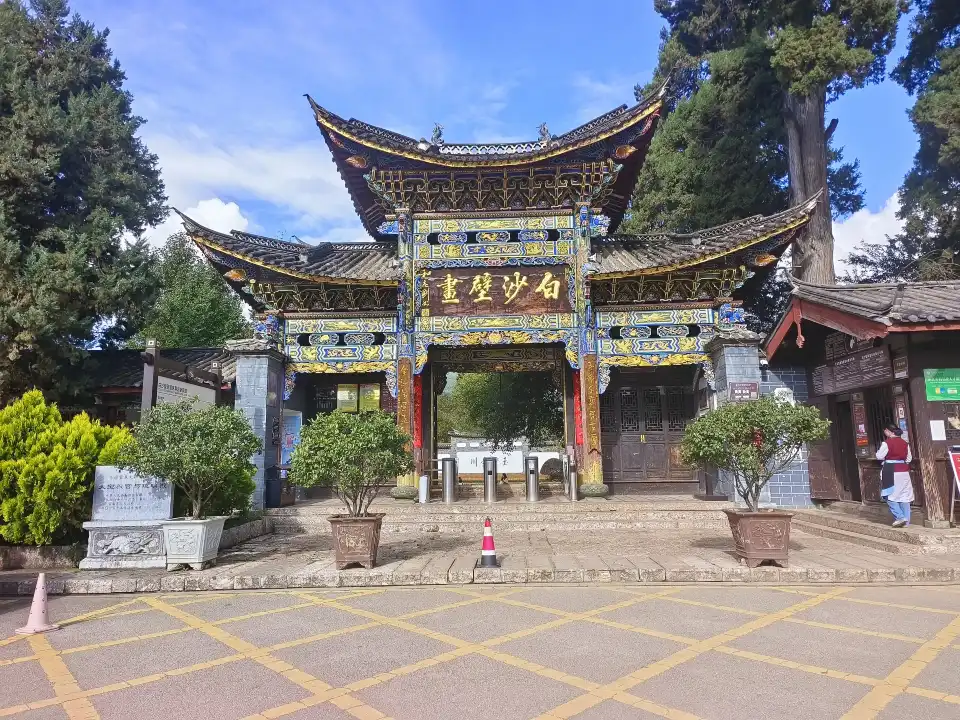
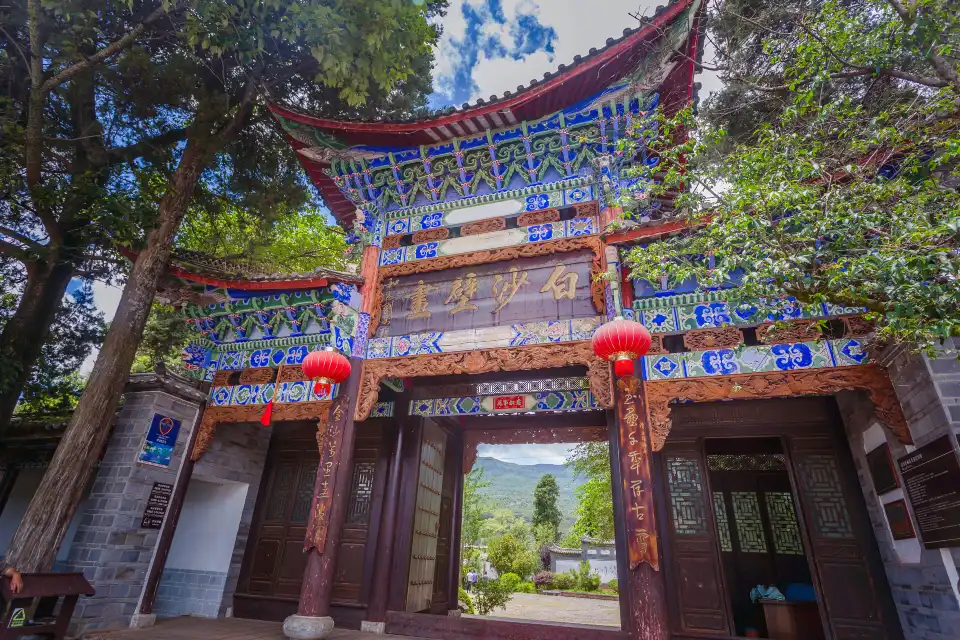
Baisha Mural is located in the ancient and beautiful Baisha Ancient Town and is famous for its unique painting style. Baisha Ancient Town is located in the north of Lijiang City, about 16 kilometers away from Lijiang Ancient City. Walking into the gate of the carved beams and paintings, you will be greeted by a courtyard with a quiet environment. The houses on the four sides are built to protect the murals, and there are exquisite murals inside. However, due to the age, many murals have been mottled or even fallen off, which is a pity. The murals were built in the Ming Dynasty, including the existing Baisha Liuli Hall, Dading Pavilion and other temples. There are 558 existing murals inside. It is a place where Lijiang has a large collection of murals. The murals in it are very precious cultural relics. All the murals were painted over a period of more than 300 years from the Ming Dynasty to the end of the Qing Dynasty. The style of the murals integrates Han, Tibetan and Naxi cultures, and all religions are integrated, showing stories of Tibetan Buddhism, Dongbaism, Confucianism and Taoism. Baisha murals involve a wide range of subjects, including running horses, blooming lotus flowers, mountains, forests and fields, flowers, birds, grass and insects and other natural scenery, which are of great ornamental value.
Surrounding area map of Baisha Murals
Trip.com picks
Popular cities in China
Popular Yulong Tours
Best Yulong Experiences
Popular Destinations
Things to do in BeijingThings to do in ShenzhenThings to do in GuangzhouThings to do in ChinaThings to do in HarbinThings to do in KeelungThings to do in JiuzhaigouThings to do in SuzhouThings to do in ShanghaiThings to do in SanyaThings to do in ChongqingThings to do in ZhuhaiThings to do in QingdaoThings to do in YangshuoThings to do in Macau
Yulong Snow Mountain attraction: Spruce Meadow + Blue Moon Valley 1-day tour + 6-8 person groupJade Dragon Snow Mountain Private Day Tour: Glacier Cable Car + Blue Moon Valley + "Impression Lijiang"Yulong Snow Mountain 1-day tour ◆ small group of 6-8 peopleLijiang Yulong Snow Mountain 1-day tour group of up to 8 people + optional golden sunshine on snow mountainLijiang Yulong Snow Mountain Spruce Meadow + Impression Lijiang + Blue Moon Valley 1-day tour Yulong Snow Mountain Day Tour-Spruce Meadow Ropeway+ Blue Moon ValleyForeign Tourists Day Tour: Jade Dragon Snow Mountain Guaranteed Glacier + VIP ImpressionLijiang Yulong Snow Mountain + Blue Moon Valley + Romance of Lijiang 1-day tour Tiger Leaping Gorge Private Hiking TourLijiang Yulong Snow Mountain private 1-day tour | Yulong Snow Mountain Glacier Park cable car · Blue Moon Valley · Naxi culture experienceLijiang Must-Go! In-depth Private Day Tour to Yuhu Village+Baisha Old Town+Tinghua ValleyJade Dragon Snow Mountain Private Tour + Sightseeing Train for Foreign TouristsLijiang Private Tour: Yulong Snow Mountain + Yulong Snow Mountain Glacier Park Cable Car + Blue Moon Valley Lijiang Yulong Snow Mountain Spruce Meadow + Blue Moon Valley 1-day tour Lijiang Lashihai Wetland Park Tea Horse Road 1-day tour|horse riding and boating|flexible time|pure play 1-day|Yulong Travel EssentialsYulong ClassesYulong Costume ExperienceYulong Day ToursThings to do in ShanghaiThings to do in BeijingThings to do in Hong KongThings to do in OsakaThings to do in ZhangjiajieThings to do in SingaporeThings to do in ChongqingThings to do in TokyoThings to do in GuangzhouThings to do in Xi'anThings to do in ChinaThings to do in JapanThings to do in ThailandThings to do in VietnamThings to do in South KoreaMore recommendations
Popular Types of Attractions in Yulong
Nature and wildlife | Natural scenery | Mountain climbing | Sightseeing tours | Night view | Boat tour | Cable car | Historical attractions | Outdoor activities | Mountain climbing | Hiking | Leisure activities | Farms and pastures | Camping and campsites | Exhibitions & events | Parks | Cultural institutions | Water sports | Skybound experiences
Popular Restaurants in Yulong
Naxi special casserole | baisha food restaurant | ZHEN SHANG MEI | YUN WEI JI | YU HU REN JIA | 种花谷过桥米线 | 牛譚情·云南特色小香锅 | Liang Chu | V.sherry | HUO TANG RESTAURANT | JI LU · YU HU | 丽味坊花园小厨 | MoorYee·Jade Dragon View Restaurant | Naxi Princess Yak Meat Hot Pot | BI SHAN BISTRO | 砂锅王(白华路店) | 胖金妹鸡豆凉粉店 | 李家土鸡米线店(白沙店) | 穆轩园清真牛肉馆 | 丽江晶玺希尔顿酒店·全日制餐厅 | Club Med Lijiang Resort - Baisha Restaurant | GEORO COFFEE BAR | 馒头诗人·茶书房 | HYLLALAND物与岚·界酒店·岩脚餐厅 | 听花谷餐厅 | 丽江地中海·棠岸度假酒店(地中海国际度假区店)·雪山里·宴餐厅 | Kuiran Snow Mountain Treehouse Coffee | 玉雪春天 | 墅家味道丽江玉湖店 | 厨窑酸汤鸡火锅
Recommended attractions at popular destinations
Popular Attractions in Bangkok | Popular Attractions in City of Manila | Popular Attractions in Tokyo | Popular Attractions in Taipei | Popular Attractions in Hong Kong | Popular Attractions in Seoul | Popular Attractions in Kuala Lumpur | Popular Attractions in Los Angeles | Popular Attractions in Shanghai | Popular Attractions in New York | Popular Attractions in Shenzhen | Popular Attractions in Osaka | Popular Attractions in Singapore | Popular Attractions in London | Popular Attractions in Guangzhou | Popular Attractions in San Francisco | Popular Attractions in Beijing | Popular Attractions in Macau | Popular Attractions in Bali | Popular Attractions in Jakarta | Popular Attractions in Paris | Popular Attractions in Ho Chi Minh City | Popular Attractions in Istanbul | Popular Attractions in Phuket | Popular Attractions in Chicago | Popular Attractions in Seattle | Popular Attractions in Toronto | Popular Attractions in Orlando | Popular Attractions in Cebu | Popular Attractions in Chiang Mai
Popular Ranked Lists
Popular Luxury Hotels Near Kajiado | Top 50 Global Traveller-Picked Restaurants in Guilin | Top 20 Global Traveller-Picked Hotels in Kunming | Top 20 Global Traveller-Picked Hotels in Shangri-La | Top 50 Global Traveller-Picked Restaurants in Yiwu | Top 20 Global Traveller-Picked Attractions in Kunming | Top 50 Global Traveller-Picked Restaurants in Urumqi | Top 50 Global Traveller-Picked Attractions in Sanya | Top 50 Global Traveller-Picked Restaurants in Kunming | Top 50 Global Traveller-Picked Attractions in Hangzhou | Top 50 Global Traveller-Picked Restaurants in Zhuhai | Top 50 Global Traveller-Picked Hotels in Shenzhen | Top 50 Global Traveller-Picked Restaurants in Quanzhou | Top 50 Global Traveller-Picked Attractions in Zhuhai | Top 50 Global Traveller-Picked Restaurants in Qingyuan | Top 20 Global Traveller-Picked Hotels in Zhongshan | Top 50 Global Traveller-Picked Restaurants in Fuzhou | Top 10 Global Traveller-Picked Attractions in Changchun | Top 20 Global Traveller-Picked Hotels in Foshan | Top 50 Global Traveller-Picked Restaurants in Qingdao | Top 50 Global Traveller-Picked Hotels in Shanghai | Top 20 Global Traveller-Picked Hotels in Fuzhou | Top 50 Global Traveller-Picked Hotels in Xi'an | Popular Luxury Hotels Near Selva di Fasano | Top 50 Global Traveller-Picked Restaurants in Guangzhou | Popular Luxury Hotels Near Lampang Province | Top 50 Global Traveller-Picked Restaurants in Shanghai | Top 50 Global Traveller-Picked Restaurants in Jiuzhaigou | Top 50 Global Traveller-Picked Restaurants in Fenghuang County | Top 50 Global Traveller-Picked Attractions in Harbin
Popular Trip Moments
Romantic Lijiang getaway for couples! This snow mountain hotel is so dreamy | Taking the kids to see Eternal Love? Here is the full guide | Blue Moon Valley at Jade Dragon Snow Mountain is truly a hidden gem! The blue sky and white clouds reflected on the water are absolutely stunning! The breathtaking azure water was a sight to behold as soon as I got off the cable car. | 8-day Lijiang and beyond: Essential tips + beautiful stories, I'd come back 8 more times | How amazing is Diqing–Lijiang for the Mid-Autumn Festival? Read this and just copy our itinerary | A complete guide to must-visit attractions in Lijiang---- | The ultimate 5-day Dali & Lijiang guide featuring local hidden gems | A must-visit summer retreat with a great atmosphere right next to Shuhe Ancient Town | Who doesn't know how amazing Lijiang is in September?! | Lijiang's #1 rustic luxury: Stay in a mid-century art museum at the foot of the snow mountain | Must-save graduation trip recommendation with a great vibe near Shuhe Ancient Town | Lijiang Homestay Recommendations---- | Just back from Lijiang, and my perspective on spending has completely changed after 3 days there. | High vantage points in Lijiang Old Town|Shankaka Cafe photo guide | When in Lijiang, don't just explore the Old Town. Visit the local market first. | Going to Lijiang Old Town for National Day? Remember these must-see spots! | Taking my parents to Lijiang: A foolproof, slow-paced guide | A must-visit spot for team building and gatherings with an amazing atmosphere right next to Shuhe Ancient Town | Lijiang! Lijiang Ancient Town! 130 per person! The panoramic view of the ancient town is incredible! | Which attractions in Lijiang are worth visiting? | This Lijiang spot is incredible—the room's floor-to-ceiling windows face Jade Dragon Snow Mountain directly for that golden sunrise view. | Compared many Lijiang hotels! Finally chose this Naxi-style courtyard and it was a great find | A photographer's paradise right next to Shuhe Ancient Town that's incredibly photogenic—you have to come and see it for yourself | Jade Dragon Snow Mountain · Maoniuping | Encounter a wonderland at Maoniuping | Stay in Lijiang | Bring Yulong Snow Mountain into your daily view | Exploring Yulong Snow Mountain and Blue Moon Valley: A Memorable One-Day Adventure | Traveling to Lijiang with kids? This is the place to stay! I finally got to enjoy a hot coffee | Wish I'd known sooner: 8 quiet spots to relax and unwind | Lijiang! Lijiang Old Town! Got it for US$12 per person! This peaceful little courtyard is such a great stay! | 3. The ultimate romantic getaway in Dayan Ancient Town: A tranquil retreat that brings a snow-mountain pool into a Naxi courtyard
More Things To Do in Yulong
Lijiang Yulong Snow Mountain + Blue Moon Valley + golden sunshine 1-day tour [pure fun | 8-person group | guaranteed ticket with large oxygen bottle] | Lijiang Jade Dragon Snow Mountain Cableway + Blue Moon Valley + Impression Lijiang + Sunrise over Golden Snow Mountain Day Trip [Guaranteed Ticket] | Lijiang Yulong Snow Mountain: Spruce Meadow + Blue Moon Valley 1-day tour (8-person pure play group/golden sunshine) | Lijiang Yulong Snow Mountain cableway + Blue Moon Valley + golden mountain sunrise 1-day tour [special offer for mid-autumn and national day] | Lijiang Yulong Snow Mountain Spruce Meadow + Blue Moon Valley + golden mountain sunrise 1-day tour [special offer for mid-autumn and national day] | Lijiang Yulong Snow Mountain + Yulong Snow Mountain Glacier Park cableway + Blue Moon Valley 1-day tour + 6-8 person group | Yulong Snow Mountain Spruce Meadow + Impression Lijiang + Blue Moon Valley + sunrise over Golden Mountain 1-day tour [Mid-Autumn Festival & National Day] | Lijiang Yulong Snow Mountain [cableway + Blue Moon Valley + Impression Lijiang] 1-day tour/special offer for national day and mid-autumn festival | Lijiang Yulong Snow Mountain grand cableway + Impression Lijiang + Blue Moon Valley 1-day tour (small group of 2-8 people) | Lijiang Yulong Snow Mountain cableway + Spruce Meadow Blue Moon Valley + golden mountain sunrise 1-day tour [mid-autumn and national day] | Lijiang Yulong Snow Mountain Spruce Meadow + Impression Lijiang + Blue Moon Valley (1-day tour for small groups of 2-8 people) | Lijiang Yulong Snow Mountain 1-day tour [cableway + Yulong Snow Mountain Glacier Park + Blue Moon Valley + optional Impression Lijiang] | Lijiang Yulong Snow Mountain + cableway Blue Moon Valley 1-day tour [sunrise over Golden Mountain + free oxygen + optional package] | Lijiang Yulong Snow Mountain + Blue Moon Valley 1-day tour [8-person small group + no shopping] | Jade Dragon (Yulong) Snow Mountain Private Tour for Foreign Tourists | Tour Guide Interpretation Services in Lijiang [ Personalized Travel Route / Multilingual Services] | Lijiang, Yunnan - Translation/Guide/Local Guide - Citywalk|Attraction visits|English/Russian/French/Other Languages|Welcome to inquire | Lijiang Private Guided Day Tour: Yulong Snow Mountain Glacier Park Cable Car, Yulong Snow Mountain, Baisha Ancient Town | Lijiang Imperial Banquet: Step into Ancient Royal Feasts (Costume Fun+Music & Dance Performance) | Pick-up service | Jade Dragon Snow Mountain + Golden Mountain Sunrise + Blue Moon Valley Day Tour | Large/Small Cable Car Options | Lijiang Yulong Snow Mountain + Blue Moon Valley 1-day tour [guaranteed ticket + genuine experience + multiple packages + optional sunrise] | Lijiang Yulong Snow Mountain 1-day tour [cableway + Yulong Snow Mountain Glacier Park + Impression Lijiang + Blue Moon Valley] | Lijiang Yulong Snow Mountain guide · Impressions of Lijiang performance · Glacier Park Cableway · Spruce Meadow + Blue Moon Valley | Lijiang Spruce Meadow + Dragon Lady Lake + Baisha Ancient Town 1-day tour - Bilingual service (admission ticket not included) | Lijiang 1-Day English Mini-Group Tour: Jade Dragon Snow Mountain and Glacier Park Cableway | Lijiang Yulong Snow Mountain: Spruce Meadow + Blue Moon Valley + Impression Lijiang 1-day tour + 8-person pure play group | Yulong Snow Mountain Glacier Park grand cableway + Blue Moon Valley 1-day tour [6-8 person group + system guaranteed tickets] | Yulong Snow Mountain cableway + Impression Lijiang + Blue Moon Valley 1-day tour [6-8 person group, guaranteed ticket] | Lijiang Yulong Snow Mountain cableway + Blue Moon Valley 1-day tour [special offer for national day and mid-autumn festival + no shopping] | Lijiang Departure - Shangri-La Tiger Leaping Gorge, Napa Hai (Yila Grassland), and Dukezong Chinese Group Day Tour from Yunnan
Some content is uploaded by users, and specific information is subject to actual conditions
Other visitors' reviews of Baisha Murals
Show More ReviewsThe famous "Baisha Murals" are the product of the great opening of the Naxi society in the Ming Dynasty. They are mainly concentrated in the Dabaoji Palace and the Glazed Hall, adjacent to the Baisha Jinxiu Art Academy. Its painting lasted for more than 300 years from the early Ming Dynasty to the early Qing Dynasty. The late Ming and early Qing dynasties were the heyday of Lijiang murals, which have a history of 500 years. Baisha is located about 16 kilometers north of Lijiang City, Yunnan. It is an ancient and beautiful town. It is the original settlement of the Naxi people in Lijiangba and the birthplace of the Lijiang Mu chieftain. It is the earliest political, economic and cultural center of the Naxi people and an important part of the world cultural heritage Lijiang Ancient City.