Mount Hua Travel Guide 2026: Top Attractions, Local Food & Travel Tips | Trip.com
About Mount Hua
Recommended trip: 1–2 day(s)
Recommended trip: 1–2 day(s)Current weather conditions
 11°C
Mount Hua Local Experiences Map







Trending in Mount Hua
Mount Hua Local Travel Guide 2026
Mount Hua Brief Guide
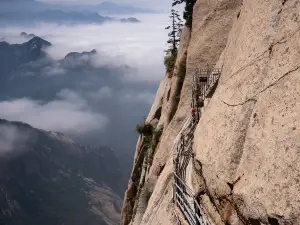
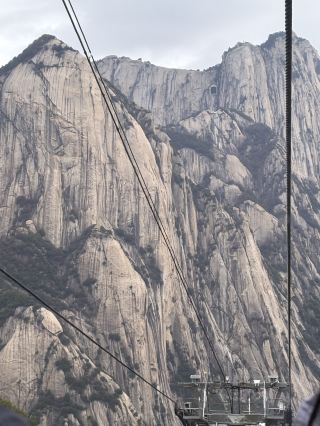
Mount Hua, or Mount Huashan, located in Huayin Prefecture, Shaanxi Province, is famous for its steep and perilous trails and stunning natural scenery, earning its title as the 'most precipitous mountain under heaven'. It boasts five main peaks—each offering unique views and features. These peaks include the Sunrise Peak(East Peak), Lotus Peak(West Peak), Jade Maiden Peak(Middle Peak), Landing Wild Goose Peak(South Peak), and Cloud Terrace Peak(North Peak), famous for their breathtaking vistas and Taoist temples. Known as one of China's sacred Taoist mountains, Mount Huashan is not only a natural wonder but also a cultural treasure with historical significance dating back to ancient dynasties. Adventurous tourists can explore challenging paths like the Plank Walk, which is hailed as one of the most dangerous hikes globally. For less daring visitors, cable cars provide a safer way to witness the mountain's beauty.
Mount Hua Must-try local experiences
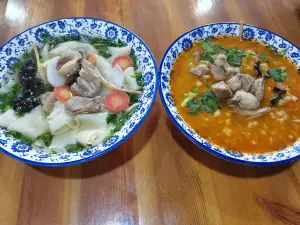
1. Conquer the Huashan Plank walk Experience the thrill of the Huashan Plankwalk, a narrow wooden walkway clinging to sheer cliffs. This heart-pounding activity offers breathtaking views and a true sense of accomplishment. 2. Explore the Five Peaks of Huashan Discover the unique character of Huashan's five main peaks: North, South, East, West, and Center. Each peak offers distinct views, ancient temples, and stunning sunrise vistas. Rise early and hike to Mount Hua's East Peak to witness the sunrise over the vast mountain ranges. 3. Visit the Yuquan Temple Located at the foot of Mount Hua, this ancient Taoist temple is a serene spot to learn about Taoist culture and enjoy the tranquil surroundings. 4. Experience Taoist Culture Mount Hua is a sacred Taoist mountain. Visit temples like the Yuquan Temple and the Chess Pavilion to observe Taoist practices and soak in the serene atmosphere. 5. Attend the Huashan Temple Fair Held annually, this fair features traditional performances, local crafts, and food stalls. It's a vibrant way to experience local culture and festivities. 6. Savor Huashan's Culinary Delights Indulge in the unique flavors of Huashan cuisine, including Mount Hua noodles and dishes featuring wild herbs and mushrooms gathered from the mountain slopes. 7. Find Treasures at the Local Markets Browse the bustling markets near Mount Hua to find unique souvenirs and local crafts like hand-painted fans, calligraphy scrolls, and traditional Chinese medicine products. 8. Spend a Night on the Mountain Enhance your Mount Hua experience by spending a night at a guesthouse on the mountain. Enjoy stargazing and witness both the sunrise and sunset. 9. Take a Cable Car Ride For those who prefer a less strenuous way to enjoy the mountain, the cable car ride offers stunning aerial views of Mount Hua's rugged landscape.
Mount Hua Must-see Attractions
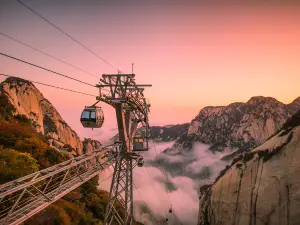
Mount Hua features two major cableways, the West Peak Taiping Cableway and the North Peak Sante Cableway, each offering unique views and serving different routes around the mountain. The West Peak Taiping Cableway provides a scenic journey to the West Peak and South Peak, whereas the North Peak Sante Cableway, which is more economical and starts from the tourist center, allows quick access to the North Peak and East Peak. These cableways not only enhance the tourist experience by saving time and effort but also provide panoramic views of Mount Hua, making it a must-visit for nature and adventure enthusiasts. The West Peak of Mount Hua is also known as Lotus Peak for its giant stone like the lotus petals in the summit.The west and north sides are so cragged and straight, like peel buy a large knife, which also represents the mountain landform of Mount Hua. There are many landscapes on the West Peak. Cuiyun Palace is the most famous one, which is said to be the place where Chen Xiang, a main character in the movie Lotus Lantern, ripped Mount Hua to save his mother. Known as the Cloud Terrace Peak, the North Peak of Mount Hua offers a platform in the clouds due to its unique terrain surrounded by precipitous cliffs. It's accessible by a hiking trail and a cable car that can be used to ascend or descend, providing convenience for those who wish to experience its breathtaking views, making North Peak a key site to witness the natural beauty and cultural heritage of the region.
Mount Hua Transportation
For long-distance tourists, you can choose to fly to Xi'an Xianyang International Airport, and then transfer to the bus or high-speed rail to Huashan scenic spot. Take the high-speed rail from Xi'an North Railway Station to Huashan North Railway Station. After arriving at Huashan North Railway Station, you can take the free bus Huayin Road 1 or 2 directly to Huashan Visitor Center (Ecological Square), which takes about 30 minutes. Take the ordinary train from Xi'an Railway Station to Huashan Railway Station. After arriving at Huashan Railway Station, you can take the scenic special line to Huashan Scenic Area. From Xi'an Railway Station East Square take the tour bus tour 1 can direct to Mount Hua.
Mount Hua Where to Stay
Mount Hua has various accommodation areas primarily in Huayin City, which provides options ranging from basic to more comfortable stays. While the on-mountain accommodation tends to be less luxury for it is difficult to access, travelers typically enjoy their stay because of the proximity to hiking trails and scenic spots. Mount Hua, historically significant and challenging for even experienced hikers, provides straightforward but rudimentary lodging solutions. The hotels here are intended for visitors who are mainly there to tackle the trails, appreciate the mountain's natural beauty, and experience Taoist culture. Offering guest houses and more equipped hotels, the region focuses on providing a place to rest for those spending most of their time outdoors. The transportation to Mount Huashan is facilitated by a robust network of high-speed trains and local buses, ensuring that the area remains accessible despite its remote nature. Hotels near the mountain base are slightly better equipped, offering a compromise between comfort and accessibility to trails leading to scenic points like the famous Plank Walk and various peaks. The accommodations near the North Peak Sante Cableway offers a stark contrast in styles of lodging, from basic traditional guesthouses to hotels providing modern comforts. Chosen by those seeking full mountain experiences including sunrise views, most travelers appreciate the quick access to various peaks it provides. The cableway drastically reduces time and physical exertion, allowing even non-frequent hikers to enjoy the panoramic views of precipitous cliffs and abundant Taoist temples scattered among the peaks. Traffic here is managed by a network of free shuttle buses making it accessible, while the surroundings offer ample cultural and religious activities, enhancing the appeal to spiritually inclined visitors. Though the area near the cableway harbors more basic accommodation, the convenience for shorter and less taxing visits outweighs the lack of luxury.
Mount Hua Best Time to Visit
The best time to visit Mount Hua is from April to October. During these months, the weather is pleasant and cool, making the climb enjoyable. Avoid May Day holiday, Dragon Boat Festival, and especially the National Day Holiday(October 1st to 7th) due to large crowds. April, May, June, and September are highly recommended as they are less crowded compared to the peak tourist months of July and August. These months feature stable weather conditions, providing a safer and more comfortable hiking experience.
Trip.Best: Mount Hua


Plan Your Mount Hua Trip
What to do




Where to stay





What to eat




Mount Hua Moments: Through Travelers' Eyes
5 Sacred Mountains of China: A Journey Through the Legendary "Five Great Mountains"


Chengdu nightscape lovers rejoice! The Tang Dynasty flash event in the eastern suburbs is amazing


Chengdu bestie rush! The national style flash event sealed my Xi’an trip


Summer vacation starts with a trip to Xi’an right at Chengdu’s doorstep!


The Tang Dynasty style combined with the Silk Road style—this flash mob in Shaanxi was absolutely amazing!


The starting point of Oda Nobunaga's ambition, an incredibly stunning sky castle

Zhuhai to Xi'an | The Ultimate 3D2N Travel Guide (Terracotta Warriors + Mount Hua) ✈️⛰️

Follow Trip.com's recommendations for a magnificent one-day tour of Mount Hua.

Best of Mount Hua
Popular Luxury Hotels Near Mount Hua


Popular Family Hotels Near Mount Hua



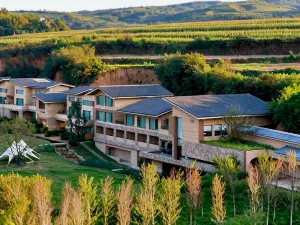
Popular Scenic Hotels Near Mount Hua

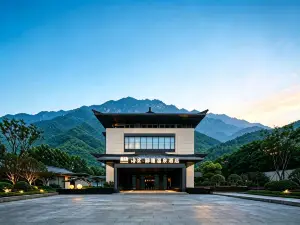


Popular Cultural Hotels Near Mount Hua




Popular Instagrammable Hotels Near Mount Hua
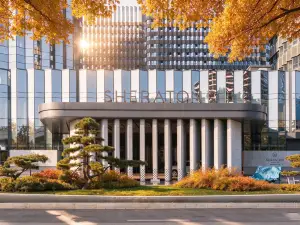






Popular Vacation Homes Near Mount Hua





Popular Hot Spring Hotels Near Mount Hua





Popular Gourmet Hotels Near Mount Hua
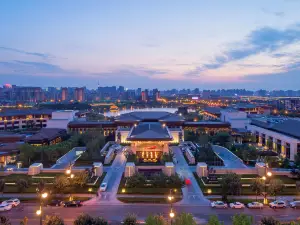


Popular Premium Hotels Near Mount Hua





Popular 4-Star Select Hotels Near Mount Hua








Other recommended cities
Hangzhou
Shanghai
Chengdu