

Zibo Travel Guide 2026: Top Attractions, Local Food & Travel Tips | Trip.com
About Zibo
Recommended trip: 1–3 day(s)
Recommended trip: 1–3 day(s)Current weather conditions
 11°C
Zibo Local Experiences Map









Trending in Zibo
Zibo Local Travel Guide 2026
Zibo Brief Guide
Zibo in Shandong province is a famous historical and cultural city. Its Linzi District was the capital city of the Qi State for some 800 years from the Spring and Autumn Periods through to the Warring States Period. It is the birthplace of Qi Culture. There are many cultural relics and historic traces such that it is reputed as the "Underground Museum". The Qi Heritage Museum, the China Ancient Car Museum and the Guanzhong Mausoleum are renowned both inside and outside of China. Zibo also has magnificent natural scenery. The place where the lower reaches of the Yellow River meet the northern plains has become known as "Northern China's River Landscape". Mata Lake has excellent water quality. The mountains to the south include the two forest parks, Lushan National Park and Yuanshan National Forest Park. The splendid landscape makes this an excellent place for mountain climbing.
Zibo Must-try local experiences
1. Discover the Ancient Marvels of Zibo Explore Zibo's rich history at the Zibo Museum and Qichangcheng Relic Site, showcasing ancient Chinese architecture and defense systems. 2. Visit the Zhoucun Ancient Town Step back in time to Zhoucun Ancient Town, with its well-preserved streets, traditional shops, and historical buildings. 3. Discover the Linzi Football Museum Football fans should visit the Linzi Football Museum to explore the history and development of football in China. 4. Experience the Art of Ceramic Making Visit the China Ceramics And Glass Museum to see exquisite porcelain pieces and try pottery making at a local workshop. You can also capture the intricate details of ancient and modern ceramic art at the Zibo Ceramics Museum. 5. Attend a Local Shadow Puppet Show Experience traditional shadow puppetry, a fascinating way to learn about local folklore and culture. 6. Savor the Flavors of Zibo Cuisine indulge in Zibo BBQ, flatbread, and soup dumplings, known for their savory and hearty flavors. 7. Visit the Zibo Night Market Experience local food culture at the Zibo Night Market, bustling with food stalls offering a variety of snacks and delicacies. 8. Capture the Beauty of Zibo's Skyline Visit the Zibo TV Tower for panoramic views of the city skyline, especially stunning at night.
Zibo Must-see Attractions
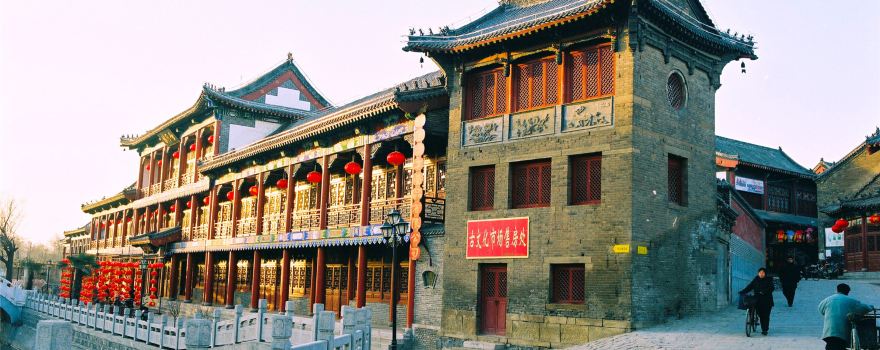
Zibo, a city rich in cultural and historical heritage, offers diverse attractions including Zhoucun Ancient Commercial Town with its historical commercial significance, the Hongyeshiyan tourist area known for its natural beauty, the Qi Heritage Museum which delves into the history of the ancient Qi state, Tanxi Mountain scenic area with its varied landscapes and tranquil environment, and Yanshen Ancient Town where visitors can experience traditional Chinese glass making techniques. Zhoucun Ancient Commercial Town in Zibo is recognized for its significant historical role in commerce during the Ming and Qing dynasties. It was an essential commercial hub for the silk and handicraft industries and part of the Silk Road. Tourists can explore traditional architectural styles that represent their prosperous trading past and are still influential in today's local industries. Hongyeshiyan Tourist Area in Zibo is celebrated for its vibrant display of flowers in full bloom, creating a picturesque environment. This attraction is particularly appealing to nature lovers and photography enthusiasts who wish to capture the essence of natural beauty. The Qi Heritage Museum immerses visitors in the history and traditions of the ancient Qi state. Highlights include an array of cultural relics and artworks that offer insights into the state’s influential role during the Eastern Zhou Dynasty. The museum’s exhibits feature items from its intangible cultural heritage and well-preserved burial articles from rulers of Qi state. It stands as a central point for understanding the extensive cultural and historical influence of the Qi state, further enriched by its architectural integration with the scenic surroundings. Tanxi Mountain Scenic Area offers a year-round natural beauty with its diverse landscapes: spring blooms, gentle summer streams, autumn red leaves, and snowy winters. Known as a "natural oxygen bar," it boasts lush forests and a high concentration of negative oxygen ions, providing a perfect escape from urban hustle with its tranquil environment. During visits to Yanshen Ancient Town, tourists can experience traditional Chinese glass making techniques and explore the colored glaze museum to learn about the area's rich cultural history. This experience provides insight into historical crafts and education on the cultural evolution of Zibo through hands-on activities.
Zibo Food Guide
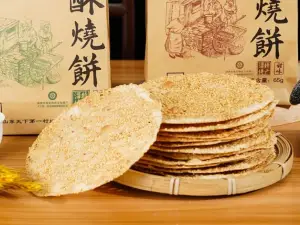
Zibo’s culinary delights are renowned for their traditional techniques and distinctive flavors. The selection includes the Boshan tofu box, customizable with various fillings, the crunchy and varied Zhoucun crispy biscuits, the labor-intensive Boshan crispy pots, and the regional specialty, Daokou pickles. Each dish provides a unique and rich taste experience. As a standout traditional dish from Zibo, the Boshan Tofu Box is renowned for its customized options, allowing diners to choose either meat-filled or vegetarian ingredients based on personal taste. The crafting of this dish is carried out with precision. What makes it truly unique is its rich texture and the versatility of its fillings, promising a new culinary adventure with every bite. With a history stretching back to the Han Dynasty, Zhoucun sesame cakes are famed for their crisp texture and diverse fillings. As a traditional delicacy from Zibo, these biscuits boast a lengthy shelf life and have gained a strong following across the country due to their scrumptious taste. Boshan suguo, also known as Boshan crisp fish pot, is a beloved traditional dish from Zibo, celebrated for its delightful crispiness. It is particularly favored for serving guests during significant celebrations like the Chinese New Year. The dish demands extensive and careful preparation to achieve the perfect combination of flavors and textures in both the meat and accompanying ingredients. Originating from Daokou Village in the Zichuan District, these pickles are renowned for their distinctive preparation techniques and taste. When combined with local dishes, they enhance the meal with their unique flavor, offering an authentic taste of Zibo's home cuisine. This traditional culinary delight, with a rich history spanning over a century, undergoes a meticulous preparation process. Initially, the meat is air-dried naturally, then deboned and sliced into elongated strips. It is seasoned with table salt before being roasted, a method that imparts a unique taste to this iconic dish. Featuring a golden, crispy exterior and succulent, tender meat inside, Zibo roast chicken is an irresistible dish. Particularly enticing is the moment it's freshly removed from the grill, as its delightful aroma fills the air.
Zibo Transportation
Zibo's transportation network is well-connected, with Zibo Railway Station and Jinan Yaoqiang International Airport serving as the primary hubs for intercity travel. Zibo Railway Station is a significant junction, offering both high-speed and normal-speed train services to major cities such as Beijing, Shanghai, and Qingdao. Located in the Zhangdian District, it is approximately 5 kilometers from the city center and is easily accessible by city buses. The station has recently seen the opening of a new building to the south, enhancing its capacity and facilities. Jinan Yaoqiang International Airport, while not in Zibo, is the nearest airport, situated about 77 kilometers away. It serves as the gateway for air travel to and from Zibo, connecting the city to various domestic and international destinations. Zibo's bus network is a key component of its local transportation, offering frequent services with buses running every 10 minutes from key points such as the campus into the city center. The city has introduced new direct bus routes to enhance connectivity during holiday periods, connecting major districts and attractions. For instance, Bus Number 7 and 88 provide direct access to the city center and Zibo Railway Station, essential for shopping and exploring. Taxi services in Zibo are noted for being plentiful and inexpensive, providing an alternative mode of transport for residents and visitors. Taxis offer a convenient option for those looking to travel without the constraints of a bus schedule, allowing for more personalized and direct routes within the city. Public buses in Zibo are automated and charge a fare of CNY 1, making them an affordable option for local travel. Additionally, there is a tourist special bus, Bus No. 6, which runs between Zhangdian District and Linzi District for a fare of CNY 4, catering to visitors interested in exploring the city's cultural and historical sites.
Zibo Where to Stay
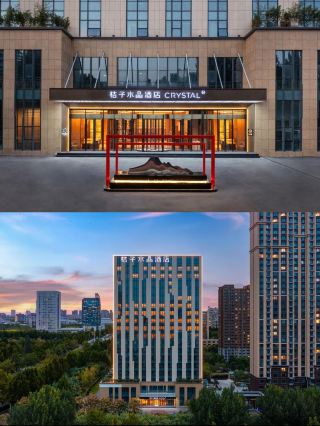
Zibo, located in Shandong province, offers diverse accommodation options due to its robust transportation infrastructure and rich historical background. Zibo is well-connected with major transportation hubs which make districts within the city easily accessible for travelers. Key districts such as Boshan, Zhoucun, and the newly developing area around The Mixc/Badaju provide unique and varied lodging experiences catered to different interests and budgets. The Mixc/Badaju, a commercial area in Zibo, offers modern accommodations near shopping and entertainment venues. This district hosts a range of hotels that feature contemporary amenities, appealing to travelers who prioritize convenience and comfort. The proximity of The Mixc to Zibo Railway Station ensures smooth transit connections. Furthermore, its positioning near the main commercial hub makes it a preferred spot for visitors looking to experience urban living in Zibo. Its vibrant atmosphere is accentuated during major festivals when the area buzzes with activities and local engagements. Boshan District is renowned for its deep-rooted cultural heritage and historical sites, making it a focal point for travelers keen on exploring Zibo's traditional craftsmanship, especially ceramics. The presence of the Zibo Ceramics Museum and various historical relics enrich the district's touristic value. Famed for its scenic landscapes such as Kaiyuan Karst Cave and parks, Boshan offers a visually appealing environment. Accommodations here tend to be structured around providing an authentic local experience, often incorporating traditional designs. Zhoucun District is distinguished by its historical significance and vibrant artisan culture. It is home to the Zhoucun Ancient City, an area known for its well-preserved commercial streets that date back to the Ming and Qing dynasties. Accommodations in this district typically highlight traditional architectural styles and local history. Zhoucun’s connectivity is bolstered by its enhanced transportation systems, making it accessible and attractive for tourism. The district's focus on cultural preservation is evident in the immersive experiences it offers to visitors, from local cuisine to artisan handicrafts like silk weaving.
Zibo Best Time to Visit
The best time to visit Zibo is during the spring and autumn. These periods offer pleasant and mild weather, making it ideal for exploring the city's rich cultural heritage and beautiful natural landscapes. Spring in Zibo typically brings blooming flowers and comfortable temperatures, perfect for visiting attractions such as the Yuanshan National Forest Park and the Yiyuan Karst Cave. Autumn also provides a scenic scenery for outdoor activities and sightseeing, with the added benefit of avoiding the peak tourist season, ensuring a more tranquil experience.
Zibo Useful Guide
The official language in Zibo is Mandarin Chinese, which stems from Han Chinese and has variations influenced by the ancient Qi State culture. Travelers can find translation services and language apps to help navigate communication barriers. Zibo's dialect has unique characteristics, reflecting its rich historical tapestry and multilingualism among locals. When language barriers arise, using maps, gestures, and facial expressions can be effective communication tools. Alipay: Widely used for cashless transactions almost everywhere in China making payments easy just by scanning a QR code. WeChat: Essential for communication, serves as a digital wallet, and is used for various transactions including ordering meals. Didi Chuxing: Comparable to Uber, facilitates ride-hailing directly or through integration with Alipay. Baidu Maps: The primary navigation app in China, superior to Google Maps for local accuracy and detailed directions. Pleco: An offline dictionary that is indispensable for non-Chinese speakers for instantaneous English-to-Chinese translation. Trip.com: is a popular online travel platform that provides a comprehensive range of services including booking flights. Mobile data packages for tourists in China are available through local carriers such as China Mobile and Unicom. China Mobile offers prepaid data SIM cards with unlimited text messages and calls within China, and high-speed connections, sometimes even 5G. Unicom provides SIM cards with data packs that include unlimited music applications, and both do not require long-term contracts. Prices for eSIMs with unlimited data start at just $6 for China. Public WiFi in China is widely available in places like airports, restaurants, coffee shops, and malls. However, connecting to these networks often requires a Chinese phone number for text verification, which can be a challenge for travelers without a local SIM card. Global WiFi devices like Skyroam can be a convenient alternative, offering the ability to connect multiple devices and requiring no additional setup upon arrival in China. Zibo, located in Shandong, China, experiences a humid subtropical climate with dry winters. The city has hot, humid summers and cold, dry winters, with four distinct seasons. The average annual temperature is around 14°C (57.27ºF), with the highest temperatures in July and the lowest in January. Zibo receives moderate rainfall, averaging 109.65 millimeters (4.32 inches) annually, with the wettest month being July. Travelers should pack light, breathable clothing for the summer months and warm, insulated attire for the winter. It is advisable to carry an umbrella or raincoat for rainy days, especially in July. Due to the range of temperatures experienced throughout the year, layering is recommended to adjust to varying conditions. For protection against the sunlight during hot summers, sunscreen and hats are essential. * When visiting Zibo, it is important to be take good care of your belongings in crowded places and avoid isolated areas at night to prevent theft and ensure safety. In Zibo, WeChat Pay is a prevalent payment method for foreign tourists, and it supports various international credit cards including Visa, Mastercard, and JCB. Foreigners can use WeChat Pay by binding their international credit cards. Options are available for those without mainland bank cards, allowing payments to a wide range of merchants and services such as JD.com, Ctrip, and Didi . Additionally, WeChat Pay is extensively used. To ensure the use of WeChat Pay, it is essential to follow the process of adding a new bank card through WeChat, inputting card details, and creating a payment password. Be mindful of the specific requirements for binding overseas credit cards, like verifying the card number and expiration date.
Trip.Best: Zibo




Plan Your Zibo Trip
What to do


Where to stay


What to eat


Zibo Moments: Through Travelers' Eyes

🎃 Spooky Brunch Bash: Halloween Vibes at Tongcheng Food Atmospheric Restaurant, Zibo 👻

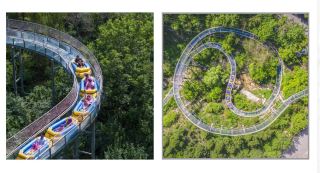
Hello, new students! The Zibo mountain exploration quest is loading...


Hongye Shiyan | A romantic mountain getaway in the Zibo countryside

Zibo’s new internet sensation, sleep inside an art space!


The glass secret realm in the art exhibition


One thousand and one nights! Discover Zibo’s stunning summer valley


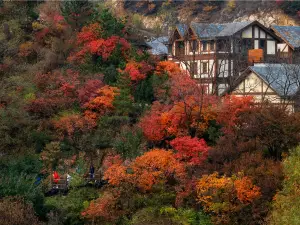
Zibo’s ultimate summer escape! The 74-day Red Leaf Shiyan festival guide


Zibo check-in | accidentally stepped into the magical world of One Thousand and One Nights with a Princess Jasmine vibe!

Best of Zibo
Top 20 4-Star Select Hotels in Zibo


Popular Family Hotels Near Zibo


Popular Scenic Hotels Near Zibo






Popular Best Things to Do Near Zibo





Popular Cultural Hotels Near Zibo


Popular Family-friendly Attractions Near Zibo


Popular Instagrammable Hotels Near Zibo




Popular Fall Viewing Attractions Near Zibo








Popular Vacation Homes Near Zibo


Popular Ski Resorts Near Zibo







Other recommended cities

Hangzhou
Shanghai
Chengdu